
The world of cinema often does more than just entertain us; it holds up a mirror to the human condition, forcing us to grapple with the deepest questions of right and wrong. From the brutal realities of wartime decisions to the intricate machinery of justice, movies have a unique power to explore ethical dilemmas that resonate long after the credits roll. These films are not merely stories; they are powerful catalysts for introspection, prompting us to examine our own beliefs and consider how we might navigate similar complexities in our own lives.
Today, we’re diving deep into a selection of critically acclaimed films that, despite their undeniable quality, have provoked significant ethical discussions and forced audiences to confront uncomfortable truths. These are movies that challenge us, not just with their narratives, but with the profound moral questions embedded within their very fabric. Whether it’s the weight of command, the search for justice, or the individual’s role in a larger system, these stories provide fertile ground for understanding the intricate tapestry of human morality.
Join us as we embark on a thought-provoking journey through cinema’s most compelling ethical quandaries. In this first part of our exploration, we’ll traverse battlefields and courtrooms, examining how filmmakers have masterfully brought these complex moral questions to the big screen, often leaving us to ponder our own perspectives and values in similar situations. This segment focuses on the stark choices of war and the foundational principles of the legal system.
.jpg/440px-Paths_of_Glory_(1957_poster).jpg)
1. Paths of Glory (1957)
Imagine being a soldier in the trenches of World War I, ordered to undertake a near-impossible mission. The stakes are life and death, and the leadership seems detached from the brutal realities on the ground. This is the grim backdrop of Stanley Kubrick’s “Paths of Glory,” a film that doesn’t just depict war, but dissects its moral failings with surgical precision.
This film is a “searing indictment of the military hierarchy and the ethical chasm that exist between those who give orders and those who must carry them out.” The central dilemma revolves around a failed attack and the subsequent court-martial of three innocent soldiers, chosen as scapegoats to appease the higher-ups. It’s a brutal exercise in military expediency over justice.
As Colonel Dax, a man of principle, desperately tries to defend these men, viewers are forced to deal with uncomfortable questions. What is the value of an individual life in the face of military strategy and political expediency? Where does a soldier’s duty to obey end and their moral obligation to resist injustice begin?
“Paths of Glory” leaves us pondering the true meaning of courage – is it blindly following orders, or is it standing up for what is right, even when facing overwhelming power? It’s a timeless examination of integrity against an indifferent, powerful system that prioritizes order above all else.
Read more about: Unjustly Scored: 15 War Movies That Deserve Far More Love Than Their Rotten Tomatoes Ratings Imply
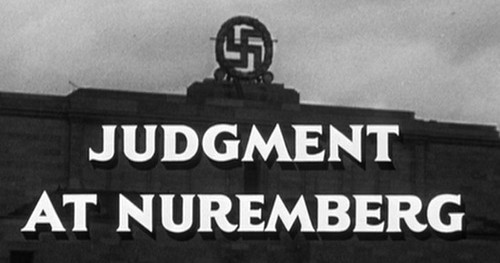
2. Judgment at Nuremberg (1961)
Stepping out of the trenches and into the courtroom, we encounter another profound exploration of war ethics in “Judgment at Nuremberg.” This movie transports us to post-World War II Germany, where four Nazi judges stand accused of crimes against humanity for their role in implementing the atrocities of the Third Reich. It’s a powerful look at the intersection of law and morality.
Here, the ethical dilemmas are not confined to the battlefield but extend to the very foundations of law and justice. The central question is whether “individuals can be held accountable for the actions of a state, especially when those actions are carried out under the guise of law?” The defense argues they were simply following orders, upholding their nation’s laws.
The film challenges this notion, forcing us to grapple with individual moral responsibility, even within a totalitarian regime. Where does one draw the line between duty and complicity? At what point does obedience become a moral transgression? These questions resonate deeply within the film’s compelling courtroom drama.
“Judgment at Nuremberg” serves as a reminder that “the law is not always synonymous with what is right, and that each person bears a responsibility for the ethical implications of their actions, regardless of the circumstances.” This classic continues to provoke crucial discussions about accountability and the human conscience.
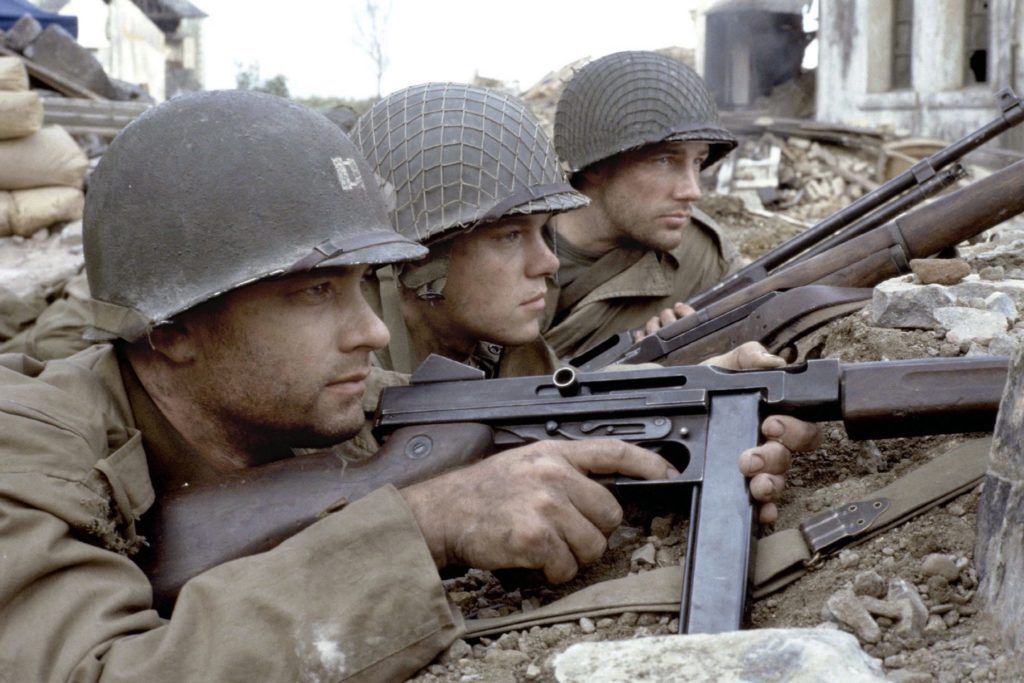
3. Saving Private Ryan (1998).
Steven Spielberg’s visceral depiction of the Normandy landings and its aftermath in “Saving Private Ryan” throws us headfirst into the chaos and moral ambiguities of war. While renowned for its unflinching realism, at its core lies a fundamental question: is it justifiable to risk the lives of eight men to save one? This simple query underpins an epic narrative of sacrifice.
Captain John H. Miller and his squad are tasked with finding Private James Francis Ryan, the last surviving brother, and sending him home. As they navigate war-torn France, facing constant danger and sacrificing their own, the mission’s worth becomes increasingly heavy. It’s a mission that tests the very limits of duty and loyalty.
From the soldiers’ perspective, the mission often “feels like an unfair burden, a disproportionate risk.” Why should their lives be put on the line for someone they don’t even know? This prompts us to consider the value we place on individual lives and the complexities of making such difficult choices in chaotic times.
Yet, the movie also explores deeper motivations. Saving Private Ryan may be seen “as a symbol of hope, a testament to the importance of family, and perhaps even a way to salvage some semblance of humanity amidst the brutality.” It forces us to wonder: what moral imperatives guide us in times of crisis? And what does it truly mean to honor sacrifice?
Read more about: From Box Office Bombs to Beloved Masterpieces: 15 Movies That Defied Initial Failure to Become Timeless Classics
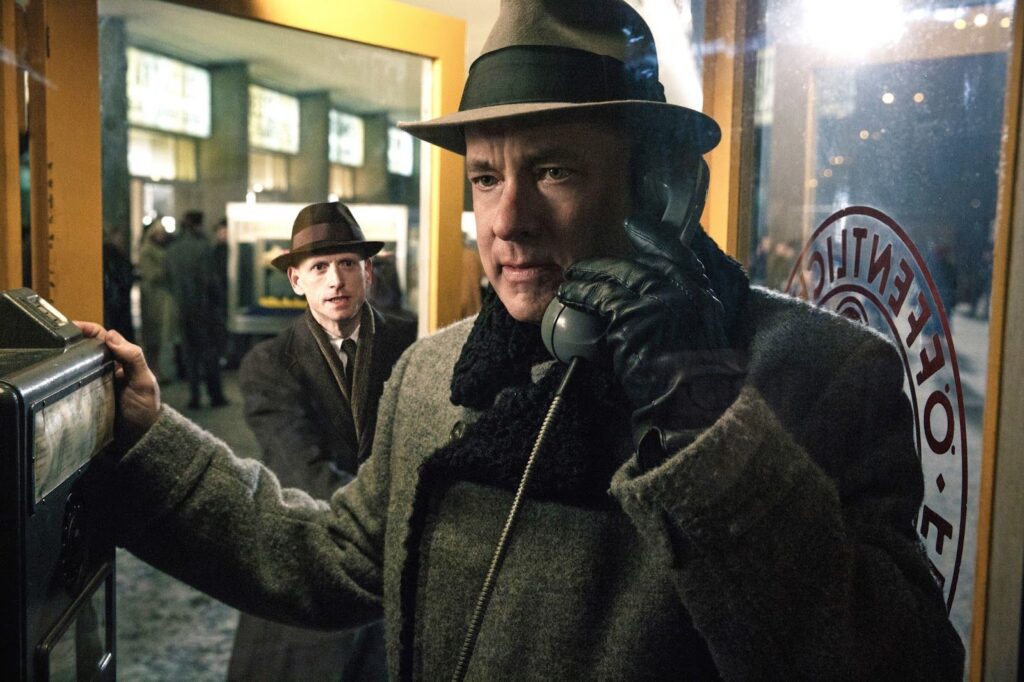
4. Bridge of Spies (2015)
Moving from the heat of battle to the tense atmosphere of the Cold War, “Bridge of Spies” presents a different kind of ethical battlefield. It centers on James B. Donovan, an American lawyer tasked with defending Rudolf Abel, a captured Soviet spy, amidst intense anti-communist sentiment. The film masterfully portrays the icy tension of a divided world and the power of principle.
The central moral dilemma here lies in the very act of defending an enemy. Many questioned why Donovan would dedicate his effort to ensure a fair trial for someone perceived as a threat. Do even our adversaries deserve due process? Are our principles of fairness and equality conditional, or do they extend to everyone?
The movie also explores ethical complexities when Donovan negotiates the exchange of Abel for a captured American U-2 pilot. This introduces dilemmas surrounding diplomacy, the value of human life in political negotiations, and the delicate balance between national interests and individual well-being. Donovan navigates these treacherous waters with remarkable integrity.
“Bridge of Spies” reminds us that moral challenges aren’t always black and white. Sometimes, doing the right thing requires courage, conviction, and a willingness to stand against the tide of public opinion. It champions the enduring power of principle, underscoring that ethical leadership can emerge from the most unlikely scenarios.
Read more about: Beyond the Uniform: How Military Service Forged 12 Iconic Figures Who Changed America Forever
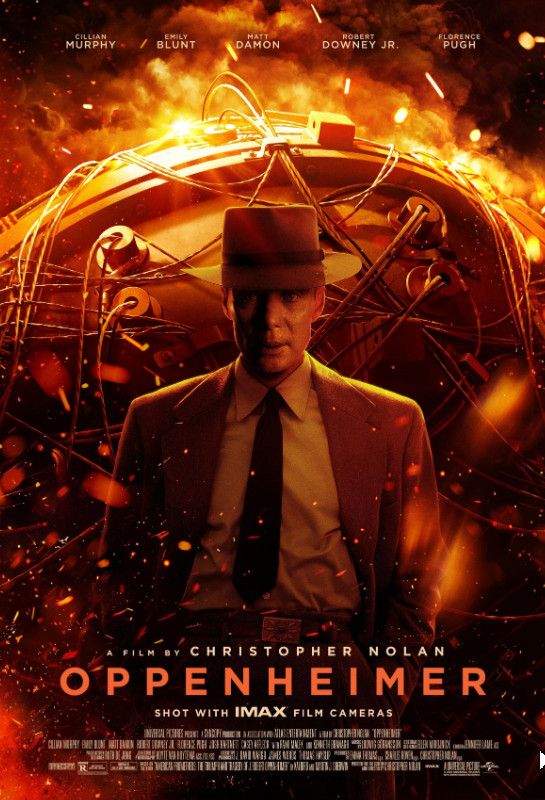
5. Oppenheimer (2023)
Christopher Nolan’s “Oppenheimer” plunges us into the heart of a monumental scientific endeavor with staggering ethical implications. The film chronicles the life of J. Robert Oppenheimer, the brilliant physicist who led the Manhattan Project, culminating in the creation of the atomic bomb. It’s a story of genius, ambition, and terrifying responsibility.
The core dilemma that permeates the narrative is the moral weight of developing such a destructive weapon. As Oppenheimer and his team race against time, driven by the fear of Nazi Germany acquiring similar technology, they confront the potential consequences of their work. The film explores the complex motivations: scientific discovery, wartime necessity, and intellectual challenge.
However, the elation of success is quickly overshadowed by the devastating reality of the bomb’s use. As Oppenheimer grappled with internal turmoil and moral reckoning, viewers are compelled to consider the responsibility of scientists and innovators for their creations’ impact. This is where the film truly shines in its ethical interrogation.
“Oppenheimer” forces us to ask: does the pursuit of knowledge justify the potential for catastrophic destruction? What are the ethical boundaries of scientific advancement? The film serves as a powerful and timely reminder that technological progress comes with immense moral baggage, urging us to consider the long-term societal costs.
Read more about: Hollywood’s Elite: Unveiling the Highest-Grossing Actors and Actresses of Our Time

6. 12 Angry Men (1957)
From historical conflicts, we narrow our focus to a single, sweltering room in Sidney Lumet’s timeless masterpiece, “12 Angry Men.” The film begins with a seemingly open-and-shut case: a young man is accused of murdering his father. Eleven of the twelve jurors are convinced of his guilt and ready for a swift verdict.
However, one juror, Juror #8, harbors reasonable doubt and refuses to conform. The ethical core of the film lies in “the responsibility of each individual juror to carefully consider the evidence and the life at stake.” It starkly portrays the dangers of prejudice, apathy, and the immense pressure to conform.
As Juror #8 patiently challenges the assumptions and biases of his fellow jurors, we witness a powerful demonstration of why critical thinking and empathy matter in the pursuit of justice. His conviction slowly peels back layers of preconceived notions, revealing the nuances and ambiguities of the evidence.
“12 Angry Men” compels us to reflect on our own potential biases. The underlying idea is that “justice is not merely about following legal procedures, but about the conscientious and deliberate decision-making of those entrusted with the power to determine another person’s fate.” The ethical path requires diligence, open-mindedness, and commitment to truth.
Read more about: Your Ultimate Must-Watch List: 12 Essential Movies That Will Absolutely Blow Your Mind (Seriously!)

7. To Kill a Mockingbird (1962)
Moving from the intensity of the jury room to the quiet dignity of a small Southern town, “To Kill a Mockingbird” offers a poignant exploration of moral dilemmas through the innocent eyes of a child, Scout Finch. The story centers around Scout’s father, Atticus Finch, a lawyer who takes on the challenging task of defending Tom Robinson, a Black man falsely accused in the racially charged 1930s.
The narrative is dominated by pervasive prejudice. Atticus’s decision to defend Tom Robinson is a powerful act of moral courage, exposing him and his children to ostracism and danger. He stands as a beacon of integrity in a community steeped in injustice, embodying the best of legal and human ethics.
Beyond the courtroom drama, the film also presents the importance of empathy. Atticus teaches his children valuable lessons about “walking in another person’s shoes,” even someone as misunderstood as Boo Radley. This theme of understanding is crucial to the film’s ethical message, suggesting true justice cannot exist without it.
The ethical challenges here are about challenging systemic prejudice, personal bravery, and the profound impact a single individual can have in upholding fundamental human dignity. Atticus Finch remains an enduring symbol of moral steadfastness, reminding us that courage often lies in quietly doing the right thing, no matter the cost.
Navigating Personal Codes and Societal Pressures: Unpacking Justice, Individual Responsibility, Vigilantism, and Business Ethics in Cinema’s Moral Labyrinth
Having traversed the battlefields of war and the foundational principles of the legal system, we now delve deeper into cinema’s capacity to explore the nuances of personal responsibility, the thorny path of vigilantism, and the ethical quandaries inherent in the world of business. These remaining films continue our journey into the complex tapestry of human morality, challenging us to look inward and scrutinize the choices we and society make when faced with profound ethical crossroads.
Read more about: The Untouchable Narratives: Why Hollywood Directors Are Obsessed with ‘Unfilmable’ Books and the Masterpieces Born from the Challenge
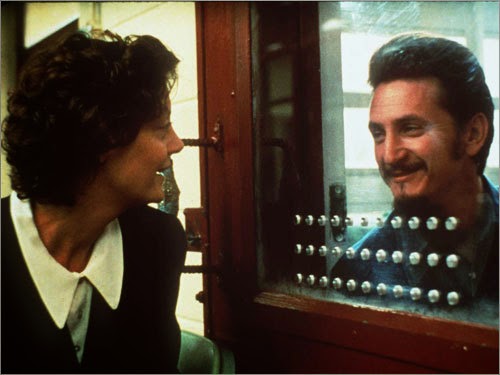
8. Dead Man Walking (1995)
Shifting our focus to the stark reality of death row, “Dead Man Walking” presents a raw and unflinching examination of the complexities surrounding capital punishment. It follows Sister Helen Prejean, a Catholic nun who becomes the spiritual advisor to Matthew Poncelet, a convicted murderer awaiting execution. Through her interactions with Matthew, the victims’ families, and the prison system, viewers are confronted with the deeply personal and societal implications of the death penalty.
The film poses a series of profound questions: Is capital punishment a just retribution for even the most heinous crimes? Does it offer closure to the victims’ families, or does it perpetuate a different form of suffering? What are the moral responsibilities of a society that chooses to take a life? These queries challenge our understanding of justice and its ultimate aims.
“Dead Man Walking” also explores the possibility of remorse and redemption, even for those who have committed terrible acts. It delves into how Sister Helen balances her spiritual guidance with the undeniable need for justice for the victims, and how empathy can be maintained in the face of brutality. “What is the true meaning of compassion, and what should be the ethical boundaries of our justice system?”
Read more about: Master the Art of Deception: Your Cracked Guide to Faking 15 ‘Best Movies Ever Made’ Conversations
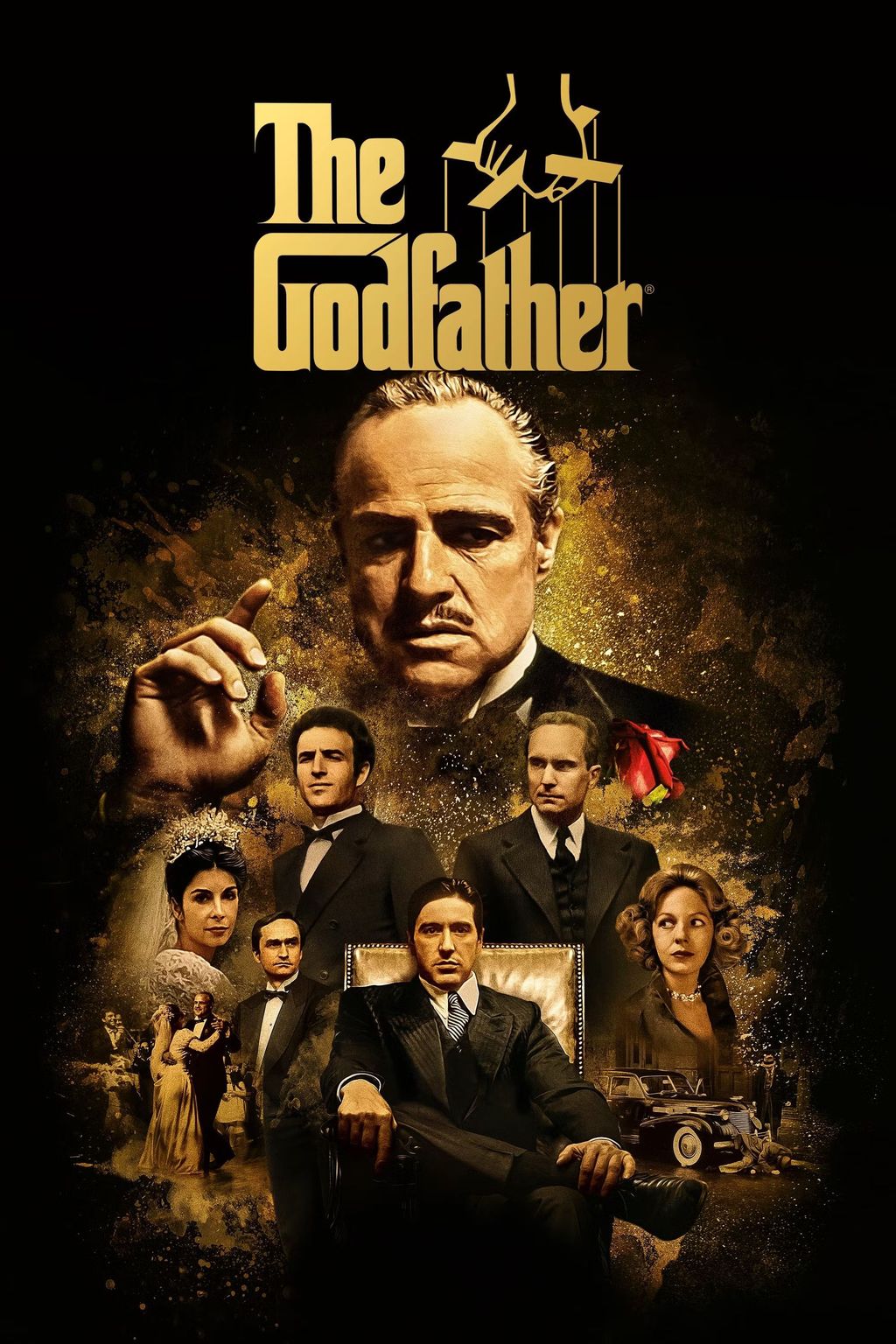
9. The Godfather (1972)
Leaving the formal structures of the justice system, we now enter the complex and brutal world of family and personal responsibility with Francis Ford Coppola’s cinematic masterpiece, “The Godfather”. While seemingly a gangster film, at its core lies a profound exploration of moral choices and the corrupting influence of power, all within the context of a tightly knit family. It’s a gripping narrative that forces us to question the lengths to which loyalty can extend.
The central ethical dilemma revolves around Michael Corleone’s transformation from a reluctant outsider to the ruthless head of the family. Initially wanting no part in his family’s “business,” circumstances force Michael to make increasingly morally ambiguous decisions to protect his loved ones. This trajectory compels us to ask: to what extent can familial loyalty justify actions that would otherwise be considered reprehensible?
The film masterfully portrays the seductive nature of power and the slippery slope of ethical compromise. Each decision Michael makes, seemingly for the good of his family, pulls him further into a world of violence, betrayal, and moral decay. “The Godfather” doesn’t glorify this path, but rather presents it with a sense of tragic inevitability, forcing us to confront the consequences of choices made in the name of family and power. It also delves into the Corleone family’s distinct ethical framework, raising questions about whether ethics are absolute or relative to a specific group or context.
Read more about: Master the Art of Deception: Your Cracked Guide to Faking 15 ‘Best Movies Ever Made’ Conversations
10. Sophie’s Choice (1982)
Venturing into the darkest corners of human experience, “Sophie’s Choice” centers on Sophie Zawistowska, a Polish Catholic survivor of Auschwitz, who befriends a young writer, Stingo, in post-war Brooklyn. As their relationship deepens, Sophie slowly reveals the horrific secret that haunts her past, a secret that embodies one of cinema’s most harrowing ethical dilemmas.
The almost unbearable dilemma is the “choice” Sophie was forced to make upon her arrival at the concentration camp: “You may keep one of your children. The other must go away.” This impossible decision, forced upon her by a Nazi doctor, represents an ultimate violation of human dignity and maternal instinct, a moment of profound moral agony.
“Sophie’s Choice” doesn’t offer any easy answers or judgments. Instead, it delves into the psychological and emotional scars left by such an atrocity. As viewers witness Sophie’s immense guilt, her struggle to find meaning in her survival, and the lasting impact of this horrific choice, they are forced to reflect on the unimaginable decisions people were forced to make in challenging times. It compels us to contemplate the limits of human endurance and the enduring power of trauma.
Read more about: Meryl Streep at 75: Peering into the Hollywood Doyenne’s Timeless Performances and Enduring Influence

11. Schindler’s List (1993)
Returning to the historical backdrop of the Holocaust, Steven Spielberg’s “Schindler’s List” presents a hopeful exploration of transformation in the face of unimaginable barbarity. It is based on the true story of Oskar Schindler, a German businessman who initially exploits Jewish laborers for his own profit but ultimately risks everything to save over a thousand of them from the horrors of Nazi extermination camps. This narrative serves as a powerful testament to individual change and moral courage.
Initially portrayed as a charismatic but morally ambiguous opportunist, Schindler gradually witnesses the escalating cruelty and inhumanity of the Nazi regime. This firsthand exposure triggers a profound moral awakening, leading him to use his wealth and influence to protect the Jewish workers under his employ. His journey compels us to consider the responsibility of individuals during times of widespread injustice, and how personal convictions can evolve.
Schindler’s transformation highlights the potential for even seemingly ordinary people to make extraordinary choices when confronted with evil. As stated in the film, “Power – is when we have every justification to kill, and we don’t.” Even in the face of overwhelming odds, individuals retain the ability to act—instead of being a passive bystander—and to make a profound difference, illustrating that moral courage can emerge from the most unlikely of places.
Read more about: Beyond ‘Based on a True Story’: 14 Must-Watch Movies That Absolutely Nailed History

12. My Sister’s Keeper (2009)
Moving from historical events to a more contemporary and intimate family drama, “My Sister’s Keeper” tells the story of the Fitzgerald family. Their youngest daughter, Anna, was conceived through in vitro fertilization specifically to be a genetic match and potential organ donor for her older sister, Kate, who suffers from leukemia. This premise immediately sets the stage for a deeply complex ethical landscape within the family unit.
The central problem arises when Anna, at the age of eleven, decides to sue her parents for medical emancipation, refusing to donate a kidney to Kate. This action throws the family into turmoil and forces everyone to confront uncomfortable truths about their motivations and the impact of their choices. The film raises profound questions about parental rights versus a child’s bodily autonomy: Do parents have the right to make such significant medical decisions for their children, especially when one child’s life depends on it?
Furthermore, the narrative challenges us to consider whether creating a child for the primary purpose of serving another’s medical needs can be justified at all. While Anna’s perspective is central, we also witness the impact of Kate’s prolonged suffering, adding another layer of complexity. This forces us to consider the quality of life, the right to choose one’s own medical treatment, and the difficult decisions families face when dealing with terminal illness.

13. Dawn of the Planet of the Apes (2014)
Stepping into the realm of science fiction, “Dawn of the Planet of the Apes” presents a compelling exploration of issues that arise when two intelligent species—humans and apes—are forced to coexist in a post-apocalyptic world. Years after a deadly virus decimated the human population, a thriving ape society, led by the intelligent chimpanzee Caesar, encounters a group of human survivors. This encounter immediately sparks a tension-filled narrative.
The main conflict revolves around the fragile balance between the two species and the constant threat of escalating violence. Both apes and humans harbor understandable fears and prejudices based on past experiences, which sets the stage for numerous dilemmas concerning trust, communication, and the justification for resorting to force. Caesar, having experienced both human kindness and cruelty, grapples with protecting his community while also considering peaceful coexistence, a leadership challenge amplified by internal dissent.
“Dawn of the Planet of the Apes” serves as a powerful allegory for intergroup relations, highlighting the dangers of prejudice, the importance of empathy, and the ethical imperative to seek peaceful solutions even in the face of fear and uncertainty. It prompts us to reflect on the conditions necessary for different groups to coexist and the devastating consequences when trust breaks down. As Caesar observes, “I always think… ape better than human. I see now… how much like them we are.”
Read more about: Did That Really Just Happen?! 12 Wild Movie Endings That Left Fans Screaming (and Still Spark Debate!)

14. Silence (2016)
Martin Scorsese’s “Silence” presents a deeply introspective and disturbing narrative, following two 17th-century Jesuit priests, Sebastião Rodrigues and Francisco Garrpe. They journey to Japan to find their mentor, Father Cristóvão Ferreira, rumored to have apostatized under torture, and to minister to the persecuted Christian community. This perilous mission immediately immerses them in a world of profound moral and spiritual trials.
As the priests arrive in Japan, they face the agonizing choice between upholding their faith and saving the lives of Japanese Christians being brutally tortured for harboring them. The Japanese authorities demand they trample on a fumie (a depiction of Christ) to renounce their faith and stop the persecution. This forces Rodrigues into a profound moral crisis.
Is it an act of ultimate betrayal to deny his faith, even to save others from suffering? Or is it an act of love and compassion to prioritize the lives of the vulnerable over his own spiritual conviction? “Do you have the right to make them suffer?” The film raises broader ethical questions about sacrifice, the role of religious leaders, and the impact of cultural forces on individual beliefs, all set against a backdrop of intense spiritual and physical pain.
Read more about: Screaming for More? Dive Into the Top 14 Horror Movies of All Time, According to Rotten Tomatoes!
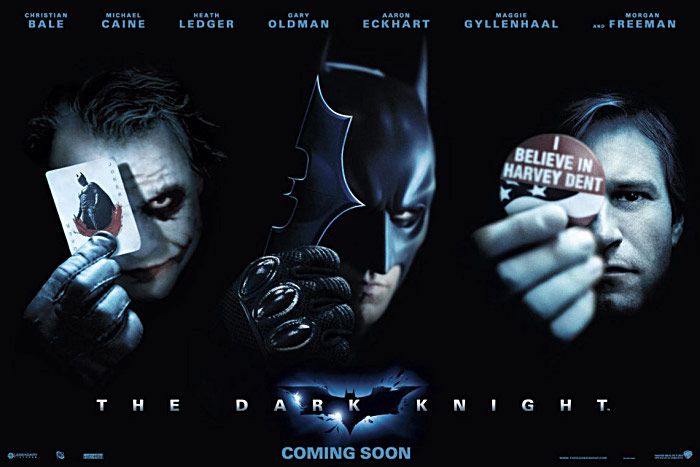
15. The Dark Knight (2008)
Leaping into the world of superhero narratives, Christopher Nolan’s “The Dark Knight” transcends typical comic book fare to deliver a thought-provoking exploration of vigilantism and its ethical implications. The film pits Batman, a masked vigilante operating outside the bounds of the law, against the Joker, an agent of chaos who delights in pushing society and its heroes to their moral breaking point. It’s a battle not just of strength, but of conflicting philosophies.
While Batman fights to protect Gotham City from criminals, his methods often involve violence, intimidation, and a disregard for due process. This raises fundamental questions about the nature of justice: can good ends ever justify morally questionable means? Where is the line between a hero and a criminal when both operate outside the law? The film masterfully complicates the notion of heroism, showing the blurred lines that define moral action.
The Joker serves as a dark mirror to Batman, forcing him and Gotham’s citizens to confront uncomfortable truths about their own values. He orchestrates elaborate moral experiments, pushing individuals into impossible situations where they are forced to make choices with devastating consequences. These scenarios highlight the fragility of societal order and the potential for even ordinary people to succumb to fear and self-interest, demonstrating how easily moral codes can crumble. The movie also explores the ethical burden on individuals like Harvey Dent, the idealistic district attorney, whose tragic transformation into Two-Face illustrates the corrupting influence of trauma and the fine line between justice and revenge.
Read more about: Full Of Masculinity: 15 Must-See Movies That Will Seriously Level Up Your Guy Code
As we conclude our journey through these cinematic explorations of morality, it becomes abundantly clear that the silver screen offers far more than mere entertainment. These films, spanning diverse genres and historical contexts, serve as powerful laboratories for ethical thought, challenging us to dissect complex dilemmas that resonate deeply with our own lived experiences. They remind us that the pursuit of justice, the weight of personal choices, and the pressures of societal expectations are universal struggles, constantly inviting introspection and debate. By presenting characters grappling with their moral compasses, these movies provide a unique opportunity to consider our own principles, fostering empathy and critical thinking long after the final credits roll. These are not just stories; they are conversations waiting to happen, powerful catalysts for understanding the intricate, often messy, but always fascinating landscape of human ethics.