There’s truly a special kind of magic that washes over you when you experience a film for the very first time. It’s that breathtaking moment when a story unfolds before your eyes, completely unknown, holding the power to astonish, inspire, or simply leave you utterly spellbound. We’re talking about those cinematic wonders that make you yearn to turn back time, just to relive those initial moments of pure, unadulterated wonder. These aren’t just movies; they’re singular, once-in-a-lifetime adventures that embed themselves deep into your memory.
These cinematic masterpieces don’t just tell a story; they immerse you completely in their worlds. Each film unfolds with such captivating storylines, complex characters, and thoughtfully crafted themes that they strike a deep, resonating chord with the audience. It’s this incredible combination of elements that pulls you in, allowing you to vicariously experience adrenaline-pumping action, marvel at groundbreaking visuals, or witness top-tier performances as if it were happening for the very first time. Think about it: the shock, the awe, the genuine surprise – those moments are truly priceless.
And isn’t there something genuinely enviable about a friend telling you they’ve never seen *that* movie, the one you adore and have watched countless times? You know they’re about to embark on an incredible journey, experiencing it in all its glory for the very first time, without any spoilers or preconceived notions. From shocking plot twists that make your jaw drop to comedic scenarios that just hit differently the first time around, some movie moments work best when they’ve never been experienced before. We’ve all felt that pang of jealousy, wishing we could wipe our own memories clean just to feel that fresh wave of wonder again. So, let’s dive into some of those absolutely unforgettable films that we’d do anything to watch again for the first time!

1. **2001: A Space Odyssey (Stanley Kubrick, 1968)**: Rightly touted as the best science fiction movie of all time, Stanley Kubrick’s 1968 masterpiece, “2001: A Space Odyssey,” isn’t just a film; it’s an experience that redefined an entire genre. Its profound influence can still be seen echoing through contemporary movies, inspiring visionary works such as Christopher Nolan’s “Interstellar” and Denis Villeneuve’s “Dune.” From its enigmatic opening to its mind-bending conclusion, this film challenges perceptions and expands the very boundaries of cinematic storytelling, making its first watch utterly unforgettable.
There’s a reason why so many people can vividly recall exactly where they were and who they were with the first time they watched this bizarre, psychedelic wonder. It’s a journey into the unknown, a philosophical contemplation cloaked in stunning visuals and groundbreaking effects that were light years ahead of its time. The sense of scale, the unsettling presence of HAL 9000 – these elements converge to create an unparalleled initial viewing, especially if you had the rare pleasure of seeing it on the big screen.
While rewatches allow for a deeper appreciation of its intricacies and philosophical underpinnings, nothing quite matches the raw impact of its initial reveal. That first plunge into its awe-inspiring, bewildering narrative is a cinematic event that permanently alters your understanding of what film can achieve. We just wish we could do it all over again, soaking in every frame with fresh eyes and an open mind, experiencing its groundbreaking wonder as if it were entirely new.
Read more about: Mind Blown! 14 Iconic Movies That Absolutely Reworked Everything We Know About Film (Wait Till You See Number 7!)

2. **Airplane! (David Zucker, Jim Abrahams, Jerry Zucker, 1980)**: Speaking of the best movie of a specific genre, the Zucker-Abrahams-Zucker production of “Airplane!” is routinely celebrated as one of the best comedy movies ever made, a comedic titan matched only perhaps by the majesty of the Monty Python classic, “The Life of Brian.” Released in 1980, this film isn’t just funny; it’s a relentless barrage of gags that solidified its place in the pantheon of laugh-out-loud cinema, setting a gold standard for parody.
This semi-slapstick, pun-filled flick is a genuine laugh-a-minute thrill from start to finish. It’s armed with an almost supernatural ability to keep your belly aching with laughter for its full 90-minute runtime. The sheer density of jokes, visual gags, and witty one-liners means that your first viewing is a non-stop rollercoaster of unexpected hilarity, each punchline landing with perfect, surprising precision, leaving little room to breathe between laughs.
While there’s undoubtedly something new and brilliant to be found upon every rewatch of this comedy classic, nothing quite beats the sheer surprise and unadulterated excitement of your initial viewing. That feeling of discovering each hilarious twist and turn, the shock of a perfectly executed non-sequitur, is an experience we’d leap at the chance to relive. It’s the thrill of the unexpected that truly makes that first watch unparalleled.

3. **Funny Games (Michael Haneke, 1997)**: Upon the release of Michael Haneke’s “Funny Games” in 1997, both critics and audiences were profoundly shocked by the extreme violence boldly displayed on screen. It wasn’t just violent; it was a deliberate, provocative statement that left a lasting impression. This film wasn’t designed for comfort; it was crafted to confront, challenging the very sensibilities of its viewers in a way few films dared to. At its Cannes Film Festival screening, a significant portion—reportedly one-third—of the audience walked out in horror, with director Jacques Rivette referring to it as “vile” and a “disgrace.”
However, it’s crucial to understand that “Funny Games” achieved exactly what it aimed to do. Haneke’s intent was not merely to shock for shock’s sake but to confront viewers with a searing critique of the excessive consumption and disturbing normalization of media violence in our society. The film forces its audience into an uncomfortable complicity, making them question their own role as observers and consumers of fictional brutality, turning the act of watching into a self-reflective, often disturbing, experience.
It’s almost an ironic choice for a list like this, considering Haneke himself remade his Austrian original shot-for-shot and almost word-for-word with American actors a decade later, underscoring its thematic importance to him. This unique approach further emphasizes the film’s conceptual core rather than a reliance on narrative surprise alone, though it certainly delivers on that front.
The film is an utterly unpredictable ride, meticulously constructed to deliver a constant stream of shocking moments that genuinely disorient the viewer. These pivotal, unsettling scenes, which rely so heavily on the element of surprise and the breaking of cinematic conventions, simply do not have the same gut-punching effect when watched more than once. To experience its unique brand of psychological terror and metatextual commentary for the first time is truly a harrowing, unforgettable, and entirely unique cinematic encounter.
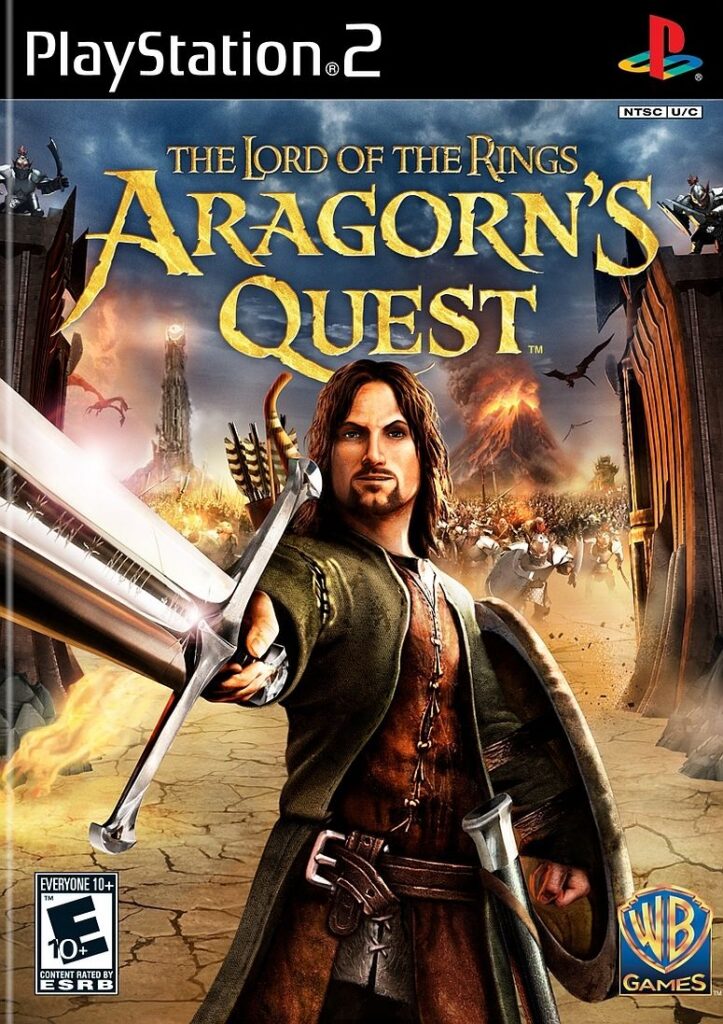
4. **The Lord of the Rings trilogy (Peter Jackson, 2001-2003)**: Honestly, we couldn’t bring ourselves to pick just one of Peter Jackson’s iconic fantasy installments in “The Lord of the Rings” trilogy for this list. To do so would be an injustice, as each film brilliantly comes together to make one truly fabulous, epic whole, a monumental achievement in cinematic history. This isn’t just a series of movies; it’s a benchmark that forever elevated the potential of the fantasy genre, with filmmakers still striving to return to such unparalleled heights.
Jackson’s trilogy is absolutely stuffed with cinematic excellence, brimming with a sense of majesty and scope that you simply cannot find anywhere else in contemporary filmmaking. It’s a painstaking adaptation that brought J.R.R. Tolkien’s beloved world to life with breathtaking fidelity and imaginative expansion. The sheer scale of the production, the intricate world-building, and the profound emotional resonance are all best absorbed when experiencing this grand narrative for the first time.
The trilogy is further elevated by a scintillating, unforgettable score from Howard Shore, which perfectly encapsulates the sweeping drama and emotional depth of Middle-earth. Coupled with groundbreaking practical effects that still impress today, blended seamlessly with pioneering CGI, the visual spectacle is unmatched. And let’s not forget the stellar performances from an ensemble cast, featuring the likes of Viggo Mortensen, Andy Serkis, and Ian McKellen, who embody their characters with such conviction that they become indelible parts of cinema lore.
If you’ve never had the profound pleasure of journeying through “The Lord of the Rings” trilogy, honestly, we’re more than a little jealous. That initial plunge into its richly imagined world, discovering the fellowship, witnessing the epic battles, and feeling the weight of the Ring for the first time is an experience that changes you. It’s an emotional and visual feast that captivates from start to finish, and to encounter that unfolding grandeur without any prior knowledge is the ultimate cinematic gift, a true legacy film for the ages.

5. **The Matrix (Lana Wachowski, Lilly Wachowski, 1999)**: While science fiction as a genre was profoundly revolutionised in the 1960s, thanks in no small part to another groundbreaking film on our very own list, the contemporary vision of the genre was forever altered by the seismic release of the Wachowski sisters’ “The Matrix.” This film wasn’t just a hit; it was a cultural phenomenon that reshaped expectations and redefined what audiences thought was possible on the big screen, blending philosophy with unparalleled action.
“The Matrix” single-handedly heralded in an entirely new era of action movies, one that enthusiastically embraced breathtaking cinematic set-pieces, innovative visual effects, and a fresh approach to choreography. The Wachowskis didn’t just make a movie; they changed the face of 21st-century action filmmaking with a masterpiece that drew inspiration from an incredibly diverse array of sources, including the dynamic energy of Japanese anime, the profound narratives of religious texts, classic Hong Kong action cinema, and so much more.
The film’s innovative “bullet time” effect, where time appears to slow down allowing the camera to move around frozen or slow-motion events, became instantly iconic and incredibly influential. Beyond the visual spectacle, “The Matrix” delves into deep philosophical questions about reality, free will, and perception, inviting viewers to question everything they thought they knew. This intellectual depth, combined with its high-octane action, creates a viewing experience that is both exhilarating and thought-provoking, especially on a first watch.
While there might not be a single, traditional ‘twist’ in “The Matrix” in the conventional sense, the entire narrative is built on layers of playful cinematic behaviour that are designed to keep you utterly baffled and bewildered if you’re yet to dip into its undeniable greatness. Experiencing “The Matrix” for the very first time is a journey of discovery and mind-bending revelations that unfold with a relentless pace. To witness Neo’s awakening, his first leaps through the digital world, and the true nature of his existence without any prior knowledge is to experience a revelation that is both shocking and incredibly exhilarating.
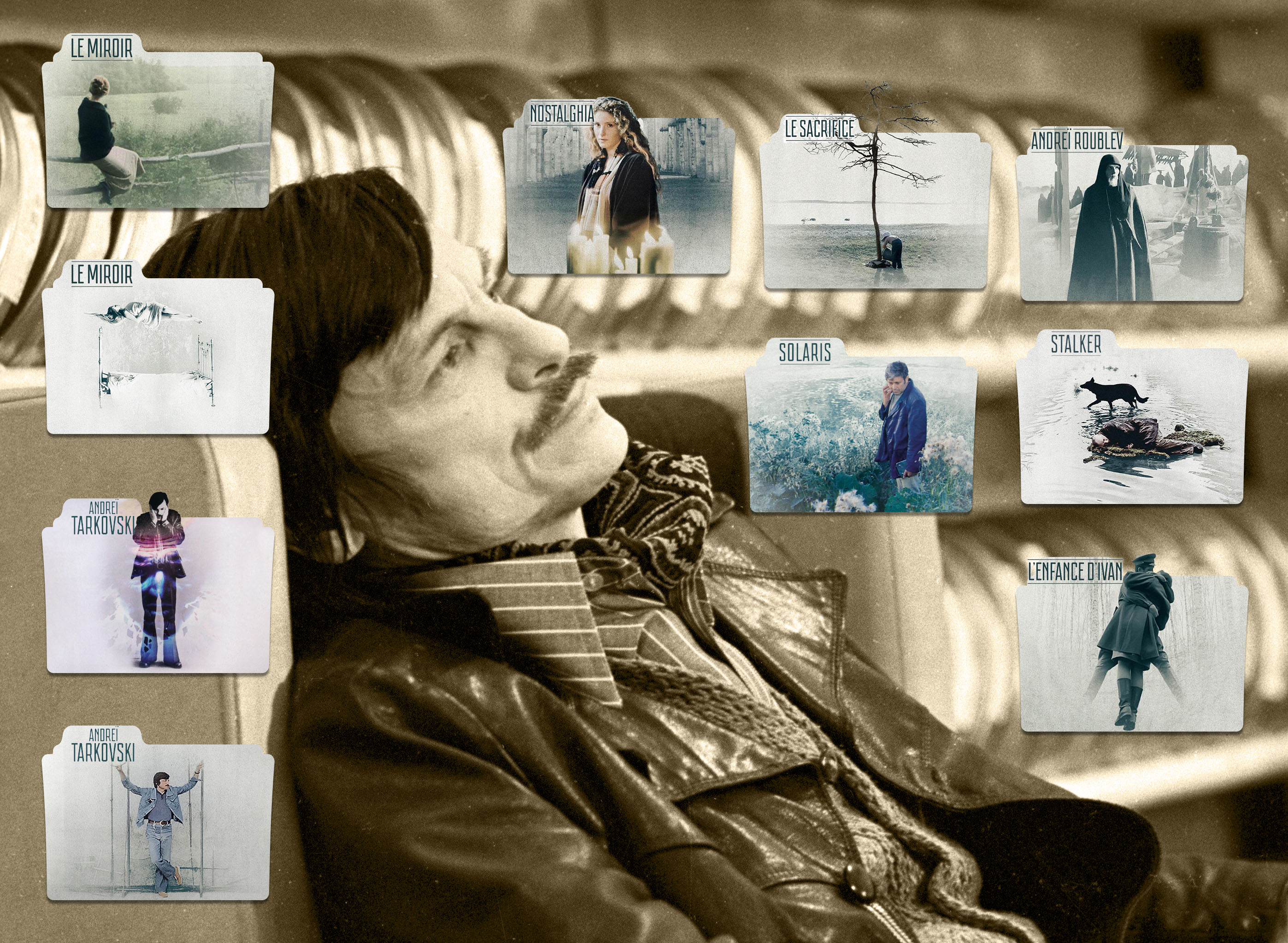
6. **Mirror (Andrei Tarkovsky, 1975)**: Russian drama “Mirror,” directed by the visionary Andrei Tarkovsky, isn’t just a movie; it’s a sublime cinematic experience, unlike anything you’ve ever witnessed. Released in 1975, this film boldly casts aside conventional storytelling, opting instead for a fluid, dreamlike narrative that masterfully plays with time and structure. It’s a journey where emotion takes center stage over a distinctive plot, making it an incredibly personal and deeply affecting encounter.
What truly sets “Mirror” apart, especially on that crucial first viewing, is its breathtaking incorporation of unconventional modes of storytelling. Tarkovsky weaves together different time periods with astonishing grace, seamlessly blending reality with vivid dreams, cherished memories, and even historical newsreel footage. This isn’t a film you simply *watch*; it’s a world you enter, where the past and present coalesce in a mesmerizing, almost hypnotic fashion, challenging your perception of narrative linearity.
Now, let’s be upfront: “Mirror” is definitely not Tarkovsky’s most accessible film. It’s a deep dive, a complex tapestry that truly demands repeated viewings to be fully appreciated for all its intricate layers and profound thematic explorations. Each rewatch peels back another layer, revealing new symbolism and emotional depth you might have missed the first time around. It’s a film that asks you to invest, to truly open yourself up to its unique rhythms and visual poetry.
But here’s the magic we’re talking about: that initial plunge into “Mirror” is absolutely unforgettable. It’s such a mesmerizing movie-watching experience, one that washes over you with profound emotion and evokes a specific, almost tangible atmosphere that you simply cannot find anywhere else in cinema. The sheer novelty of its structure and the raw, unfiltered emotional impact it delivers on a first watch are just incredible.
Honestly, we’re infinitely jealous of anyone who has yet to see “Mirror.” That raw, unfiltered emotional connection, that sense of bewilderment and wonder as its unique narrative unfolds for the very first time? It’s a priceless cinematic gift, a sensation we’d absolutely love to experience all over again as if it were entirely new. It truly is one of those films that stays with you, long after the screen goes dark.
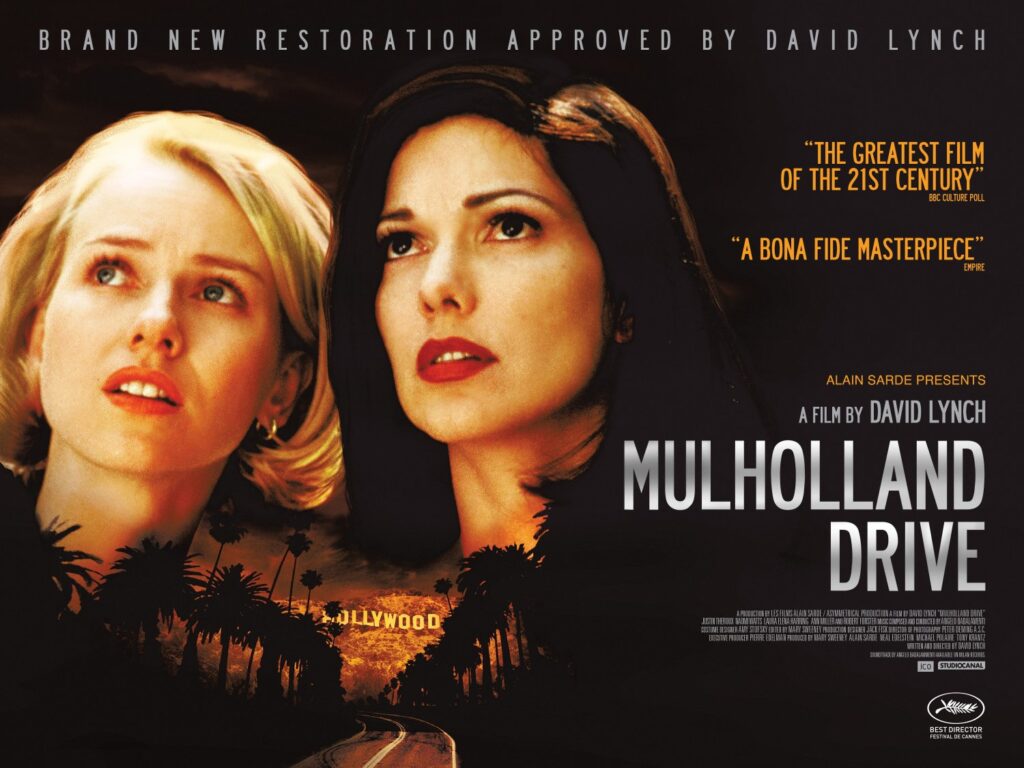
7. **Mulholland Drive (David Lynch, 2001)**: Oh, David Lynch! The undisputed master of the wonderfully weird, and “Mulholland Drive” stands as arguably one of his most iconic and mind-bending journeys into the surreal. Released to widespread critical acclaim in 2001, this film had viewers everywhere scratching their heads and grappling with what it all *meant* – in the best possible way, of course! Starring the absolutely brilliant Naomi Watts and Laura Harring, it’s a twisty, dreamlike tale of identity that promises to mess with your head in ways you won’t forget.
Lynch, in his signature style, tells this captivating story through non-linear vignettes, transforming the entire film into a sprawling, enigmatic puzzle. You, the audience, are not just passive observers; you become active participants, tasked with piecing together the film’s elusive narrative. While its unconventional structure can certainly make it a challenging watch, it’s also what makes “Mulholland Drive” so incredibly captivating and endlessly fascinating.
Despite its narrative complexities, the film is anchored by stellar performances and a pervasive sense of eerie beauty that keeps you utterly transfixed. It truly lingers with you, long after the credits have rolled, burrowing deep into your subconscious. The film’s unique ability to create a palpable atmosphere of mystery and psychological tension is truly unmatched, making every frame a visual and emotional feast, even when you’re completely bewildered.
Now, like many of Lynch’s masterpieces, “Mulholland Drive” undoubtedly rewards repeat viewings. Each rewatch peels back new layers of symbolism and thematic depth, offering greater insight into its profound questions about reality, illusion, and Hollywood’s dark underbelly. It’s a film that invites analysis and discussion, a true cinematic rabbit hole.
However, let’s be brutally honest: that first watch? Experiencing the weird, wonderful, and utterly disorienting journey of “Mulholland Drive” for the very first time is an unparalleled, wild ride. It’s a descent into dreamlike logic and shocking revelations that truly hits different when you have absolutely no idea what’s coming next. That initial bewilderment, the sheer thrill of discovery, the lingering questions – that’s the magic. We’re genuinely envious of anyone who gets to take that inaugural plunge into Lynch’s surreal masterpiece.
Read more about: 14 Heart-Stopping Horror Moments Where the Cast’s Pure Terror Was Unfiltered – Get Ready to Jump!
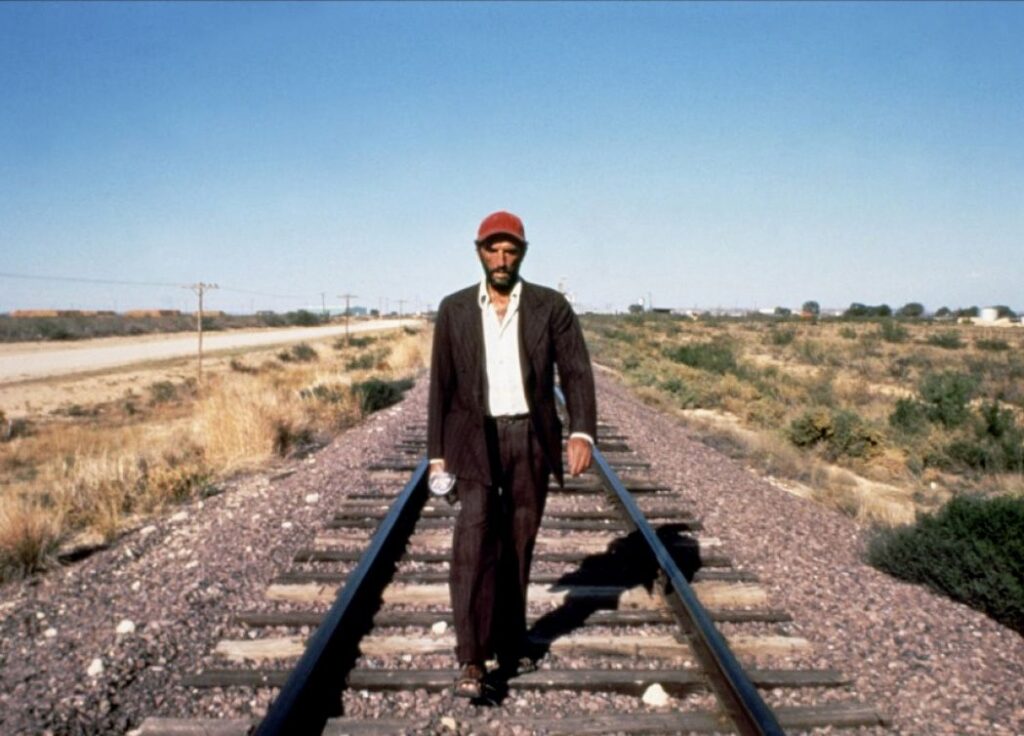
8. **Paris, Texas (Wim Wenders, 1984)**: Get ready for a profound road trip for the soul with Wim Wenders’ 1984 masterpiece, “Paris, Texas.” This film isn’t just a story; it’s an intensely emotional journey that traces the life of Travis, played by the incredible Harry Dean Stanton, a mysterious nomad who’s desperately trying to reconnect with his long-lost wife and son. We first meet him aimlessly wandering through the vast, empty Texan desert in a fugue state, until his brother thankfully discovers his whereabouts and brings him back home.
As the film unfolds, a truly tender and beautiful relationship blossoms between Travis and his young son, Hunter. Their bond is the beating heart of the story, as they join forces on a quest to finally reunite with Jane, portrayed by the captivating Nastassja Kinski. “Paris, Texas” is not only stunningly beautiful to look at, thanks to its gorgeous cinematography, but it’s also incredibly acted, creating a deeply resonant understanding of the human condition that stays with you.
Wenders masterfully presents complex and flawed characters, offering them up without judgment, neither praising nor condemning their actions. It’s this raw, unfiltered honesty that makes the film so profoundly moving. There are moments that will absolutely break your heart and then piece it back together, especially when Travis and Jane finally reconnect. The sheer weight of their shared history and unspoken emotions in that moment is palpable.
And can we talk about Travis’s emotionally-driven monologue during that reunion? It’s a tour-de-force, a moment of raw vulnerability and powerful storytelling that elevates the entire film. If you haven’t had the pleasure of witnessing that scene for the first time, with all its heartbreaking honesty and unexpected catharsis, then honestly, we’re more than a little jealous. To experience that pure, unadulterated emotional impact, without any spoilers, is a truly rare cinematic gift we’d love to relive.
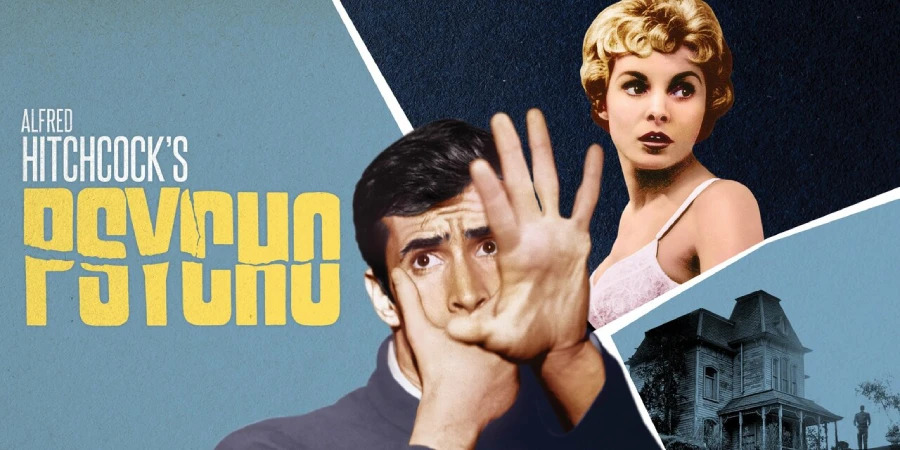
9. **Psycho (Alfred Hitchcock, 1960)**: Prepare yourselves, because we’re diving into a true game-changer: Alfred Hitchcock’s seminal horror masterpiece, “Psycho.” Released in 1960, this film didn’t just scare audiences; it unknowingly changed the entire landscape of cinema forever. Hitchcock, the undisputed master of suspense, pushed boundaries that no one thought possible back then, laying the groundwork for genres to come.
“Psycho” was nothing short of shocking for its time, with its groundbreaking (and frankly, daring) use of graphic violence and ual explicitness. Remember, this was an era still tightly governed by the restrictive Hays Code, and “Psycho” unapologetically tested those limits, leaving audiences stunned and speechless. It’s widely regarded as one of Hitchcock’s absolute best, praised not only for its unbearably tense atmosphere but also for its astounding performances, particularly Anthony Perkins as the unforgettable Norman Bates, and incredibly innovative editing techniques.
Seriously, it’s even considered by many to be the first-ever slasher film, laying the groundwork for so much horror to come! The film’s brilliant construction, from its slow-burn tension to its sudden, brutal shocks, keeps you completely gripped. Every scene, every subtle glance, every eerie sound contributes to a growing sense of dread that culminates in cinematic history.
But beyond its historical significance and sheer brilliance, “Psycho” contains one of the most iconic twist endings in the entire history of cinema. It’s a moment that has been discussed, referenced, and spoiled countless times, but imagine this: walking into that theater, or pressing play, with absolutely *zero* prior knowledge. To experience the film for the very first time without any inkling of that jaw-dropping revelation? That would be an unparalleled, thrilling, and frankly, mind-blowing cinematic experience. It’s the kind of twist that makes you question everything you’ve just seen, and we’d give anything to feel that shock again!
Read more about: 14 Heart-Stopping Horror Moments Where the Cast’s Pure Terror Was Unfiltered – Get Ready to Jump!
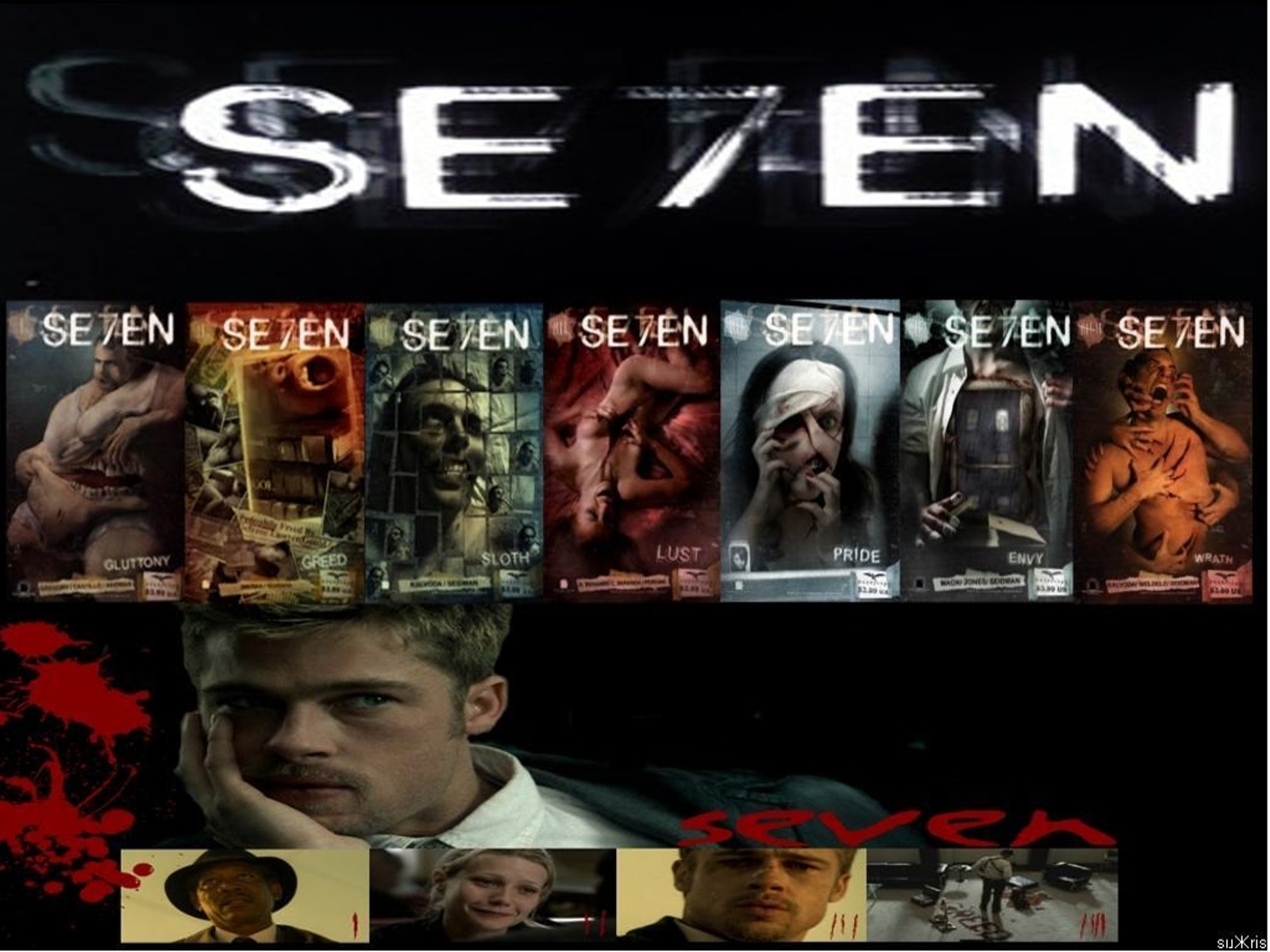
10. **Seven (David Fincher, 1995)**: If there’s one filmmaker who truly loves to twist, turn, and manipulate the very fabric of cinema, it’s the brilliant David Fincher, and his dark 1995 crime drama “Seven” (or “Se7en,” if you’re feeling extra edgy) is no exception. Starring the dynamic duo of Morgan Freeman and Brad Pitt, this film is a relentless, gruesome watch that will keep you on the edge of your seat and probably make you sleep with the lights on after!
The movie throws you headfirst into a chilling investigation led by Freeman’s seasoned Detective Somerset and Pitt’s hot-headed Detective Mills, as they pursue a terrifying serial killer. This isn’t just any killer; he’s a meticulously methodical psychopath who abides strictly by the seven deadly sins, using them as the twisted blueprint for his brutal and horrifying murders. The film is a masterclass in building suspense, delivering a gritty, visceral experience that’s both horrifying and utterly compelling from start to finish.
The intense performances from Freeman and Pitt, coupled with Fincher’s signature dark aesthetic and masterful pacing, create an atmosphere of suffocating dread that’s truly unmatched. Every clue, every gruesome discovery, draws you deeper into the killer’s twisted world, making you feel the weight of the investigation right alongside the detectives. It’s a film that doesn’t just entertain; it grips you by the throat and doesn’t let go.
And here’s where “Seven” truly cements its place on our list: it’s packed with incredible twists and turns that keep you guessing until the very last frame. But, oh, that ending! That unforgettable, earth-shattering finale that leaves you absolutely gutted and reeling. Thanks to those several, perfectly executed narrative surprises, we desperately wish we could return to Fincher’s classic crime drama without knowing the facts of the finale. To experience that gut-punch of a conclusion for the first time, fresh and unspoiled, is arguably one of the most impactful cinematic moments ever. What’s in the box, indeed!
And there you have it, folks! Ten incredible films that truly define what it means to have an unforgettable first-time movie experience. Each one, in its own spectacular way, offers a journey so unique, so profound, or so hilariously surprising that it embeds itself deep into your memory. From the cosmic mysteries of “2001” to the heart-wrenching beauty of “Paris, Texas,” and the mind-bending horrors of “Psycho” and “Seven,” these are the movies that make us green with envy when someone says, “I’ve never seen that!” We all dream of wiping our cinematic slate clean, just for a moment, to relive that pure, unadulterated wonder, that initial gasp, that first burst of laughter or chilling scream. So, if you haven’t seen any of these gems yet, consider yourself lucky – you’re about to embark on an incredible first-time adventure!