
The world often watches with bated breath as celebrities soar to unimaginable heights, their talents illuminating stages and screens, capturing hearts globally. Yet, behind the dazzling spotlight, a darker, often hidden struggle silently festers for many – the insidious grip of addiction. The loss of a beloved public figure to substance abuse resonates deeply, serving as a stark, painful reminder that fame and fortune offer no immunity from the universal challenges that plague humanity.
From rock legends to Hollywood stars, these individuals, who once brought so much joy and inspiration into our lives, have left us too soon, their brilliant careers tragically cut short. Their stories, though heartbreaking, serve as powerful testaments to the devastating consequences of addiction and ignite crucial conversations about mental health, support systems, and the pressures faced by those living under constant scrutiny. Each passing leaves an indelible mark on pop culture and on the hearts of millions who admired them.
In this deeply personal and reflective journey, we honor the memories of ten remarkable celebrities whose lives were tragically claimed by addiction. We delve into the unique circumstances surrounding their struggles and ultimate passing, offering a poignant look at the human cost of this relentless disease. We begin with five individuals whose stories unfolded with a mix of public knowledge and private battles, shaking their respective worlds to their core.

1. **Prince**The iconic musician Prince, a true visionary whose artistic genius redefined pop music for decades, left an irreplaceable void when he passed away at the age of 57. Known for his electrifying performances, genre-bending music, and enigmatic persona, his sudden departure on April 21, 2016, sent shockwaves across the globe, leaving fans and fellow artists in disbelief and profound grief. His Paisley Park estate, usually a hub of creative energy, became the scene of an unimaginable tragedy.
His cause of death was officially ruled an accidental fentanyl overdose. The potent synthetic opioid, which is tragically responsible for a significant number of overdose deaths, was found in his system. This revelation underscored the dangerous and often hidden nature of prescription drug misuse, even for someone as seemingly in control and private as Prince, who was discovered unresponsive in an elevator within his own home.
Fentanyl, described in medical contexts as being “50 times more powerful than heroin,” highlights the extreme lethality of the drug, even in minuscule amounts. The accidental nature of Prince’s overdose points to the perilous thin line between therapeutic use and fatal consequences, particularly when dealing with such powerful substances, often obtained without full awareness of their true composition or potency.
The quiet struggle that led to this tragic end stood in stark contrast to Prince’s vibrant, larger-than-life public image. His death served as a powerful, somber reminder that addiction does not discriminate by talent, status, or perceived strength. It brought to light the urgent need for greater awareness about the dangers of opioid addiction and the silent battles many individuals, famous or not, fight every day.
His passing, while accidental, brought into sharp focus the broader public health crisis surrounding opioid use and the profound impact it has on individuals and their communities. Prince’s legacy continues to inspire, but his death also serves as a lasting cautionary tale, urging us all to approach addiction with more empathy, understanding, and proactive support.
Read more about: Buyer’s Remorse: 15 Highly Flawed Collector Cars That Mechanics Refuse to Touch

2. **Matthew Perry**The beloved actor Matthew Perry, cherished worldwide for his iconic role as Chandler Bing on ‘Friends,’ brought laughter and comfort to millions. His sudden death on October 28, 2023, at the age of 54, deeply saddened a global audience who had grown to love him over the years. The collective grief was palpable, as fans mourned not just an actor, but a familiar and comforting presence who felt like a friend.
The Los Angeles County Medical Examiner’s Office officially attributed his passing to the “acute effects of ketamine,” with contributing factors including drowning and coronary artery disease. This complex finding painted a picture of a tragic confluence of circumstances, highlighting the unforeseen dangers associated with recreational or unsupervised drug use, even when not immediately perceived as lethal.
Matthew Perry was remarkably vocal and open about his lifelong struggles with drug and alcohol abuse, courageously sharing his story in his memoir and various interviews. He famously admitted that there was a harrowing time in his life when he was “popping 20-30 pills in a day,” a stark confession that resonated with many grappling with similar battles.
His candidness about his addiction, his numerous attempts at sobriety, and the immense challenges he faced offered a rare and honest glimpse into the relentless nature of the disease. This vulnerability, while heartbreaking, made him an even more relatable figure, demonstrating that even those who appear to have it all can be consumed by powerful internal demons.
Perry’s tragic end, despite his public efforts to recover, served as a poignant reminder of the enduring power of addiction and the importance of continuous support and vigilance. His legacy now includes not only his brilliant comedic timing but also his brave honesty about addiction, which continues to open doors for conversations and destigmatization, reinforcing the message that recovery is a journey, not a destination, fraught with setbacks and triumphs.
Read more about: Federal Lawsuit Challenges Trump Administration’s $100,000 H-1B Visa Fee, Citing Legal Overreach and Broad Societal Harm
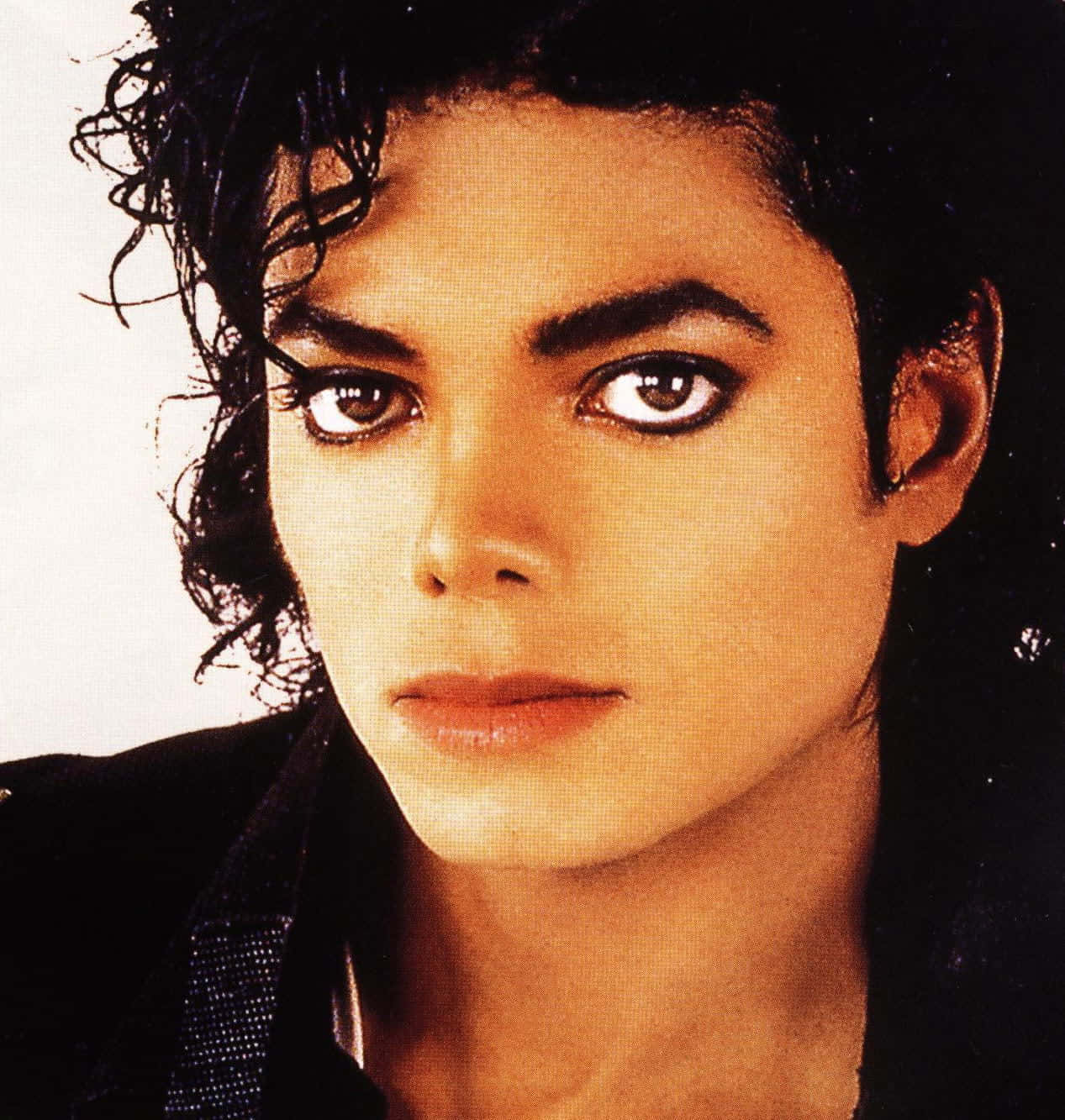
3. **Michael Jackson**The King of Pop, Michael Jackson, was a musical phenomenon whose influence transcended generations and cultures. His untimely death at the age of 50 on June 25, 2009, plunged the world into mourning, as fans grappled with the sudden loss of an artist who had reshaped the landscape of popular music and performance. The shocking news spread rapidly, leaving an indelible mark on the global consciousness.
His cause of death was determined by the Los Angeles County coroner as “acute propofol intoxication, exacerbated by the anxiolytic lorazepam, and less significantly midazolam, diazepam, lidocaine, and ephedrine.” Propofol, a powerful sedative, was identified as the “main culprit” behind his passing, a detail that highlighted the dangerous misuse of potent prescription medications outside of controlled medical environments.
The circumstances surrounding his death led to an intense legal investigation of his personal physician, Doctor Conrad Murray, who was subsequently found guilty of involuntary manslaughter. This landmark case underscored the severe responsibilities of medical professionals and the devastating consequences that can arise from reckless administration of powerful drugs to vulnerable patients, regardless of their celebrity status.
Jackson’s death exposed the hidden pressures and dependencies that can plague even the most celebrated figures, revealing a private world often fueled by a desperate search for rest or relief. It brought to light the unique challenges faced by celebrities in managing their health, particularly when surrounded by individuals who may prioritize their desires over their well-being.
The tragic end of Michael Jackson’s life serves as a stark reminder of the potential for devastating outcomes when powerful sedatives are misused. It continues to fuel discussions about the ethics of celebrity healthcare, the dangers of prescription drug abuse, and the profound vulnerability that can lie beneath the surface of global superstardom, leaving a complex legacy intertwined with his unparalleled artistry.
Read more about: The ‘Mini-Vette’ Phenomenon: A Deep Dive into the Opel GT’s Iconic Design and Engineering Journey

4. **Taylor Hawkins**Taylor Hawkins, the dynamic and beloved drummer for the Foo Fighters, was known for his electrifying stage presence and powerhouse drumming. His unexpected death at 50 years old in March 2022 deeply affected the music community and his legions of fans, who admired his energy, talent, and infectious enthusiasm. The loss of such a vibrant and integral member of a globally recognized band was truly devastating.
Hawkins had a known history of substance abuse, having experienced a severe heroin overdose in 2001 that left him in a coma for two weeks. This earlier incident provided a painful glimpse into the private battles he faced, hinting at the persistent struggles that often accompany long-term addiction. His recovery from that episode had been a source of hope and inspiration for many.
Tragically, a detailed investigation following his death revealed a complex cocktail of substances in his system, including opioids, benzodiazepines, tricyclic antidepressants, and THC. The immediate cause of his passing was identified as cardiac arrest. This poly-drug toxicity illustrates the heightened risks associated with combining various substances, which can overwhelm the body’s systems, particularly the heart.
His story painfully illustrates how addiction is a persistent battle, often resurfacing even after periods of sobriety and public recovery. The combination of different drug classes, as seen in his toxicology report, points to the dangerous practice of polysubstance use, where the synergistic effects of multiple drugs can be far more lethal than any single substance alone, making the outcome highly unpredictable.
Taylor Hawkins’ death was a profoundly sorrowful event that left an enormous void in the rock world. Beyond the music, his journey serves as a powerful and heartbreaking reminder of the enduring grip of addiction and the critical importance of continuous support and vigilance, especially for those who have faced these battles before, emphasizing that the path to lasting recovery is often fraught with immense challenges.
Read more about: Beyond the Binges: Unpacking Netflix’s Most Thrilling Multi-Season Sagas and Global Spin-Off Phenomena

5. **Dwayne Haskins**Dwayne Haskins, a promising young NFL quarterback, had a career filled with potential and the dreams of many young athletes. His tragic death at the age of 24 on April 9, 2022, was a heartbreaking loss for the football community and his family, casting a pall over the sport and reminding everyone of life’s fragility. His story was one of nascent talent extinguished too soon.
The circumstances surrounding his passing were particularly devastating. Haskins was struck by a dump truck on a South Florida highway. Posthumous investigations revealed that he was under the influence of ketamine, norketamine, and alcohol at the time of the incident, painting a grim picture of intoxication leading to a fatal accident.
This tragic event underscores the profound and indirect dangers of drug and alcohol intoxication, as highlighted in broader discussions about substance abuse. While not a direct overdose, being under the influence can severely impair judgment, coordination, and awareness, significantly increasing the risk of fatal accidents, such as traffic collisions, as stated in general information about drug overdoses.
The presence of multiple substances in his system, including ketamine and alcohol, points to the dangerous practice of polysubstance use, which can lead to extreme impairment and disoriented decision-making. For an athlete known for his precision and agility on the field, the contrast with the circumstances of his death is particularly stark and painful, illustrating the devastating impact of addiction on every aspect of a person’s life.
Haskins’ untimely death serves as a poignant and sobering reminder that the consequences of substance use extend beyond direct physiological effects. It highlights how intoxication can tragically compromise safety and lead to unforeseen, fatal incidents, leaving behind a legacy of immense talent and profound loss, and prompting critical conversations about responsible choices and the dangers of impaired judgment.
Continuing our poignant journey, we now turn our attention to five more iconic figures whose lives were tragically cut short by the relentless grip of addiction. Their stories, while distinct in their paths and struggles, collectively echo a powerful message about the profound vulnerability that lies beneath the surface of fame, and the enduring human cost of this disease. Each individual left an indelible mark on their respective fields, and their untimely departures continue to resonate, prompting vital reflections on the challenges faced by those in the public eye.

6. **Whitney Houston**The incomparable Whitney Houston, a vocal powerhouse whose voice soared to unimaginable heights and touched millions of souls, left the world in profound sorrow when she passed away at the age of 48 in 2012. Her sudden death sent shockwaves through the music industry and her global fanbase, marking the end of an era for one of music’s most celebrated and cherished artists. Her talent was immense, and her absence created a void that remains deeply felt by all who admired her extraordinary gifts.
The official cause of her death was ruled as drowning, with crucial contributing factors including cocaine use and heart disease. This tragic confluence of events highlighted the extreme risks associated with drug abuse. Investigators further detailed their findings, noting the presence of cocaine in her system, alongside a rolled-up piece of paper and a spoon containing a white crystal-like powder discovered in her hotel room, painting a sobering picture of her final moments.
Whitney Houston’s struggles with addiction had been a subject of public speculation and concern for years, casting a shadow over her otherwise brilliant career and undeniable success. Despite her powerful public persona and the immense love she received from fans, she battled private demons that ultimately proved overwhelming. Her story highlights the insidious nature of addiction, which can entangle even the most successful and beloved figures, demonstrating that fame and fortune offer no shield against its devastating power.
Her tragic end served as a stark and heartbreaking reminder of the devastating toll that drug abuse can take, particularly when intertwined with other serious health complications. It underscored the critical need for empathy and understanding towards those grappling with addiction, emphasizing that the disease does not discriminate based on talent or status, and that its grasp can be unyielding, even for a legendary artist like Whitney Houston, whose light shone so brightly.
Read more about: Sean ‘Diddy’ Combs Sentenced: Key Details from the Federal Court Ruling

7. **Amy Winehouse**Amy Winehouse, a generational talent whose soulful voice and raw, honest lyrics captivated audiences worldwide, left us far too soon at the tender age of 27. Her passing in 2011, at her Camden Square home in London, marked a tragic loss for the music world, silencing a unique and powerful voice that had only just begun to fully blossom. Her distinctive style and poignant music continue to inspire and resonate deeply with fans and fellow artists alike.
Her death was officially attributed to accidental alcohol poisoning, a somber conclusion to a life lived under intense public scrutiny. Despite her immense musical success and critical acclaim, Winehouse had been publicly open about her struggles with alcohol and drug addiction for years, making her a figure of both admiration for her talent and significant concern for her well-being. The accidental nature of her death underscored the extreme dangers of substance abuse, particularly the unpredictable and often lethal consequences of excessive alcohol consumption.
Amy had courageously checked herself into rehab facilities multiple times in her attempts to overcome her addiction issues, a testament to her ongoing battle against the disease. Her journey was a painful public display of the relentless grip of substance dependency, showcasing the immense difficulty of achieving and maintaining sobriety, even when faced with significant public pressure and a personal desire for recovery. Her resilience in the face of such challenges was truly remarkable.
Her untimely death added her name to the tragic “27 Club,” a heartbreaking cohort of talented musicians who passed away at that specific, young age, often under similar circumstances involving addiction. Winehouse’s story remains a powerful cautionary tale, bringing into sharp focus the urgent need for robust support systems and a compassionate understanding of addiction, reminding us of the fragility of even the most vibrant lives when caught in its unforgiving throes.
Read more about: Remembering Too Soon: 10 Young Celebrity Lives Tragically Cut Short That Shaped History

8. **Heath Ledger**The brilliant and enigmatic actor Heath Ledger, whose captivating performances earned him widespread critical acclaim and a devoted following, met an untimely end at the age of 28 in 2008. His death sent shockwaves through Hollywood and among fans globally, extinguishing a bright star whose talent promised many more unforgettable roles. His legacy, though tragically cut short, remains profoundly impactful, particularly for his iconic and transformative portrayal of the Joker.
The official cause of his death was determined to be “acute intoxication by the combined effects of oxycodone, hydrocodone, diazepam, temazepam, alprazolam and doxylamine.” This lethal cocktail of prescription drugs—a mix of powerful painkillers, anti-anxiety medications, and a sleep aid—highlighted the extreme dangers of polysubstance use, even with seemingly benign pharmaceutical products, when taken without proper medical supervision and awareness of potential interactions.
Ledger’s passing brought to light the intense pressures and demands of Hollywood life, which can sometimes lead individuals to seek solace or relief in prescription medications for sleep, anxiety, or pain. While he was not publicly known for a prolonged battle with illicit drug abuse in the same vein as some others, the accumulation of various prescribed substances in his system underscored the peril of mixing medications, emphasizing the critical importance of physician oversight and patient awareness regarding drug interactions.
His death ignited important conversations about the risks associated with prescription drug misuse and the silent struggles many face in managing sleep, anxiety, and pain, especially within demanding professions where rest and mental tranquility can be elusive. Heath Ledger’s story continues to serve as a somber reminder of the subtle yet potent dangers of seemingly harmless substances when combined, and the enduring need for greater awareness regarding medication safety and comprehensive mental health support.
Read more about: Beyond the Script: 13 Actors Who Mastered Method Acting and Refused to Break Character

9. **River Phoenix**River Phoenix, a remarkably talented actor whose natural charisma and profound performances cemented his status as a rising star, tragically passed away at just 23 years old in 1993. His unexpected death outside the notorious Viper Room club on Halloween night left a devastating void in Hollywood and among his legions of fans, who saw in him a bright future and immense potential. His brief but impactful career continues to be revered for its raw authenticity.
The cause of River Phoenix’s sudden demise was officially ruled as “acute combined drug intoxication,” stemming from a lethal overdose of cocaine and heroin. Witnesses recounted that Phoenix began having seizures on the sidewalk outside the club, a harrowing scene that unfolded despite immediate emergency treatment. Attempts to resuscitate him ultimately failed, marking a heartbreaking end to a promising life that was extinguished far too soon.
Phoenix’s death cast a harsh light on the dark underbelly of Hollywood’s club scene and the pervasive issue of drug abuse among young celebrities. While his public image was often associated with healthy living and environmental activism, his private struggles with addiction tragically demonstrated that even those committed to positive causes could fall prey to its devastating power. His story revealed the complex and often contradictory realities of life in the unforgiving spotlight.
The tragedy surrounding River Phoenix’s death sparked widespread discussions about the immense pressures faced by young actors and the critical need for greater support and protection within the entertainment industry. His passing remains a poignant symbol of lost potential and the profound dangers of illicit drug use, particularly the lethal combination of heroin and cocaine, commonly known as a “speedball,” which tragically proved fatal for him.
Read more about: Steer Clear: 15 Cars That Leave Automotive Enthusiasts Drowning in Collector’s Remorse

10. **Mac Miller**The beloved American rapper and producer Mac Miller, known for his introspective lyrics, unique sound, and genuine connection with his fanbase, passed away far too young at the age of 26. His death in 2018 deeply affected the music community and his admirers, who had witnessed his artistic evolution and admired his honesty about his personal struggles. His music continues to be celebrated for its emotional depth and authenticity, resonating with a generation.
Mac Miller’s cause of death was officially determined to be an accidental drug overdose due to a toxic mixture of cocaine, fentanyl, and alcohol. This revelation brought to light the extreme danger of poly-drug use, particularly the potent and often hidden presence of fentanyl in illicit substances, which significantly increases the risk of fatal overdose, even for individuals who may believe they are in control of their substance use.
Miller had been remarkably vocal and candid about his struggles with drug abuse throughout his career, often incorporating his raw and honest experiences into his music. He openly discussed his battles with sobriety and mental health, making him a profoundly relatable figure to many who faced similar challenges. His honesty created a powerful connection with his audience, who admired his vulnerability and resilience in the face of such public battles.
His tragic passing underscored the pervasive and indiscriminate nature of the opioid crisis, and the devastating impact of accidental fentanyl exposure, which continues to claim countless lives. It served as a stark reminder that addiction is a complex disease, and even individuals who are actively trying to recover can succumb to its powerful grasp. Mac Miller’s legacy now includes not only his innovative music but also his brave transparency about addiction, contributing to vital conversations about mental health and substance abuse awareness within the hip-hop community and beyond.
Read more about: Hollywood’s Juiciest Secrets: 14 Famous Duos Who Despise Each Other Off-Camera – Why the Eternal Grudge?
The stories of these ten remarkable individuals—from musical titans to cinematic luminaries and athletic heroes—serve as an enduring, collective testament to the indiscriminate and devastating power of addiction. Each life, vibrant and impactful, was tragically cut short, leaving behind not only a legacy of unparalleled talent but also a profound cautionary tale. Their struggles and ultimate losses compel us to look beyond the glittering facade of fame, recognizing the universal human vulnerabilities that addiction exploits. These narratives demand greater empathy, more robust support systems, and a continued, open dialogue about mental health and substance abuse, ensuring that their legacies, though tinged with sorrow, also ignite a brighter, more compassionate future for those battling similar demons.