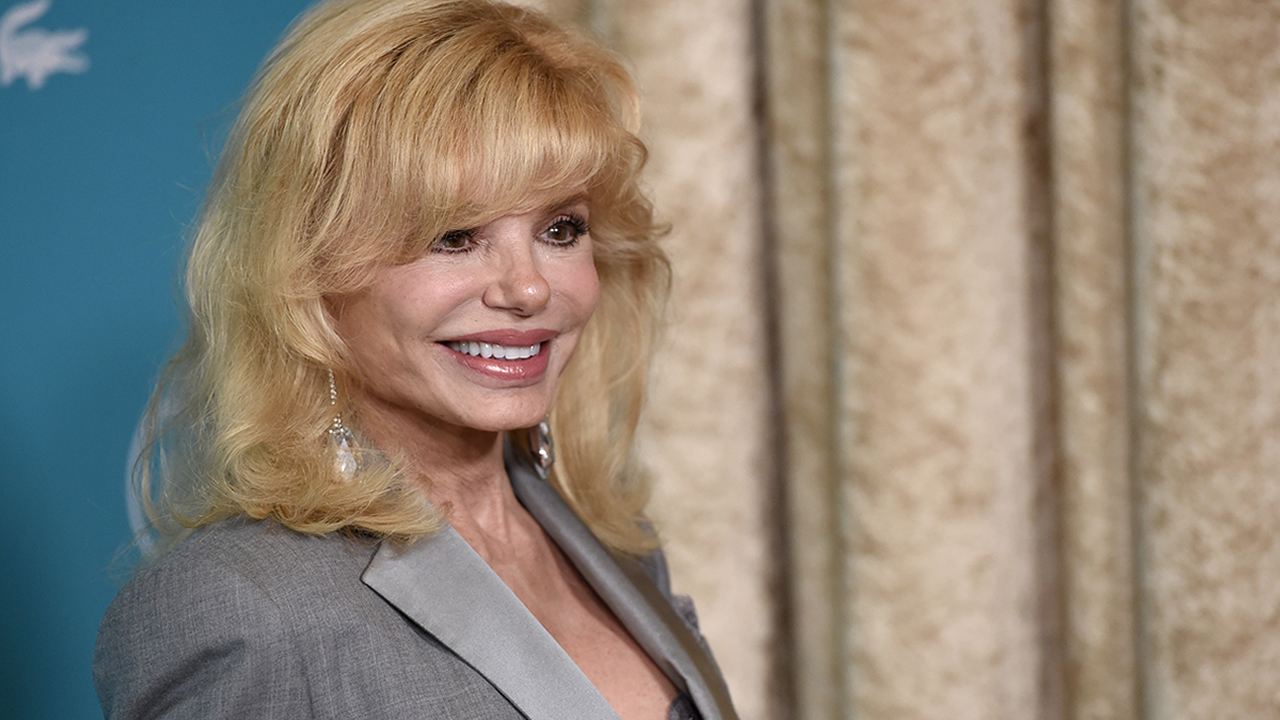
The world recently mourned the passing of Dr. Jane Goodall, the famed primatologist, ethologist, and conservationist, who died at the age of 91 from natural causes. Goodall, a visionary humanitarian and scientist, left an indelible mark on our collective understanding of wildlife, particularly our closest living relatives, the chimpanzees. Her life’s work was a testament to boundless curiosity, unwavering compassion, and a pioneering spirit that transformed not only science but also ignited a global movement for planetary protection.
Goodall’s journey began with a childhood fascination for the natural world, a passion that would eventually lead her to the shores of Lake Tanganyika in what is now Gombe National Park, Tanzania. With no formal scientific training, she embarked on a quest that defied conventional wisdom and challenged the rigid boundaries of scientific inquiry. Her revolutionary approach — immersing herself in the chimpanzees’ habitat as a neighbor rather than a distant observer — yielded insights that shattered long-held beliefs about animals and, consequently, about humankind itself.
This article embarks on an in-depth exploration of Jane Goodall’s transformative research and the profound ways in which her discoveries reshaped our perception of the natural world. We delve into her early, groundbreaking work at Gombe, examining the pivotal moments and controversial methods that established her as an international icon and paved the way for a deeper, more empathetic connection to all living things.
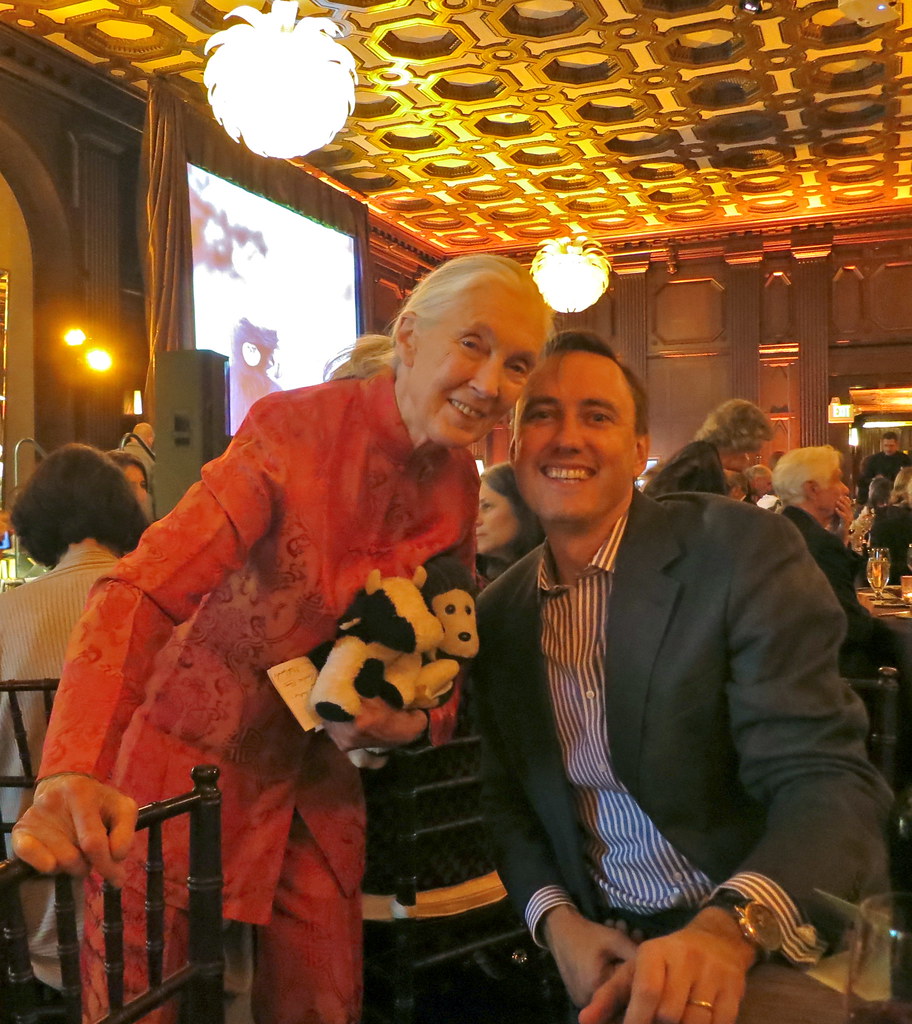
1. **The Groundbreaking Gombe Research: Immersing Herself Among Chimpanzees**In the summer of 1960, a young woman named Jane Goodall, then just 26 years old, arrived in Gombe, Tanzania, embarking on what would become the longest-running study of wild chimpanzees. Her journey to Africa began earlier, in 1957, when she traveled to Kenya and met the renowned paleontologist and archaeologist Louis Leakey. It was Leakey who, recognizing her profound interest in animals, eventually supported her audacious proposal to study chimpanzees in their natural habitat.
Goodall’s methodology was revolutionary for its time, eschewing the traditional scientific distance in favor of intimate immersion. She patiently observed the chimpanzees, often for months, before they began to tolerate her presence. This tenacity, combined with her innate empathy, allowed her to gradually gain the trust of these wild creatures, enabling observations that had never before been possible. She lived among them, becoming, in essence, a part of their world.
This unique, unconventional approach was initially met with skepticism in the scientific community, particularly given her lack of a university degree. However, it was precisely this immersive, patient observation that allowed her to witness behaviors and intricate social dynamics that strict, detached study methods would have missed. Her method underscored a fundamental shift in how we might approach understanding animal intelligence and behavior.
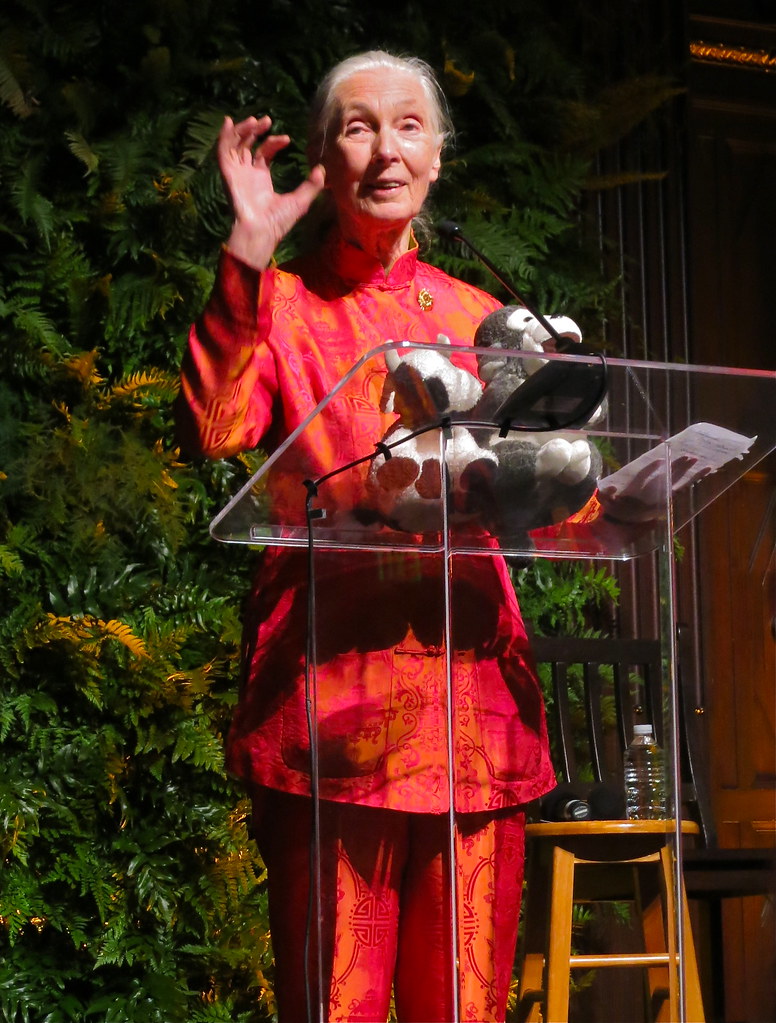
2. **Redefining Humankind: The Discovery of Tool Use**Among her earliest and most astounding discoveries was the observation of chimpanzees making and using tools, an insight that rocked the scientific world. In a pivotal moment in October 1960, Goodall spotted a chimpanzee she later named David Graybeard, meticulously pushing blades of grass into a termite mound, then withdrawing them to eat the termites clinging to the stalk. This was not just tool *use*, but primitive tool *making* – a behavior long considered exclusive to humans.
“It had long been thought that we were the only creatures on earth that used and made tools. ‘Man the Toolmaker’ is how we were defined,” Goodall later wrote, reflecting on the profound implications of her discovery. This observation directly challenged one of the most fundamental tenets distinguishing humans from other animals. The long-held belief that tool-making was the sole preserve of our species crumbled under the weight of her diligent fieldwork.
When she reported her findings to Louis Leakey, his immediate and now-famous response encapsulated the enormity of her discovery: “We must now redefine man, redefine tool, or accept chimpanzees as human!” This single observation, published in *Nature* in 1964, not only established Goodall’s reputation but fundamentally reshaped anthropological and biological thought, forcing scientists to reconsider what it truly meant to be human.
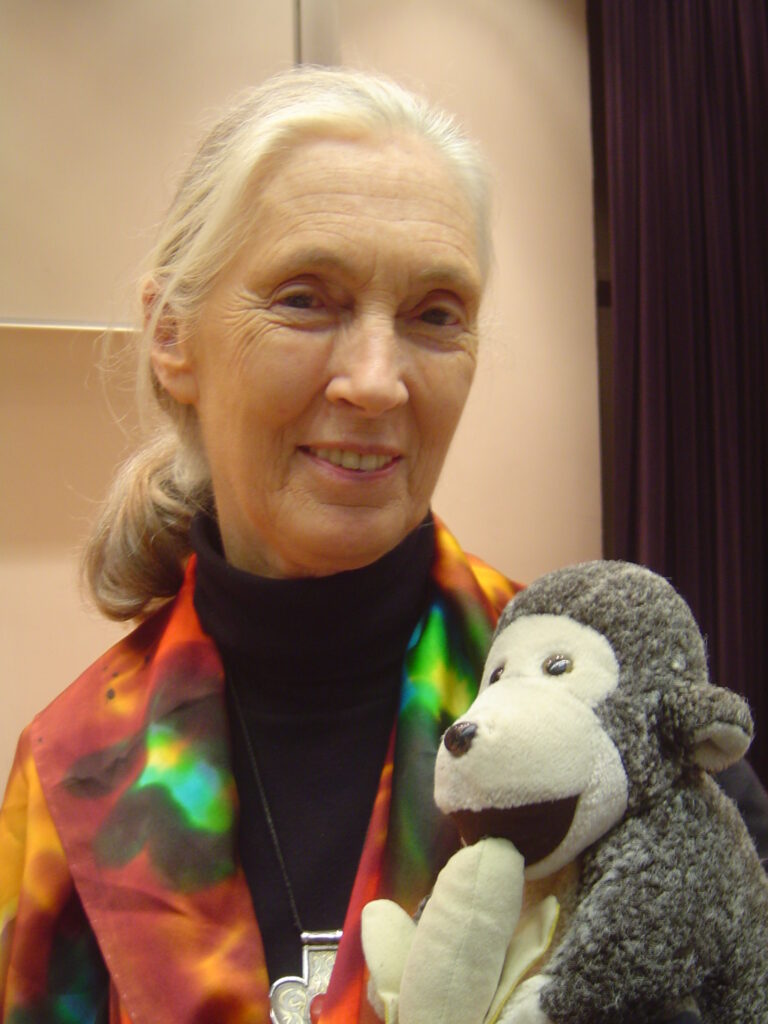
3. **Beyond Tools: Unveiling the Complex Social World of Chimpanzees**While the discovery of tool-use was monumental, it was merely the opening chapter in Goodall’s revelations about chimpanzee life. Her patient, long-term observations at Gombe unveiled a complex and richly textured social world previously unimagined. She documented strong, enduring mother-infant bonds, highlighting the emotional depth and familial ties within chimp communities that mirrored human relationships.
Goodall also observed chimpanzees engaging in behaviors that further blurred the lines between human and animal, such as meat-eating and hunting. Her early sighting of chimps feasting on a baby bush pig demonstrated their predatory instincts and omnivorous diet, challenging the perception of chimps as purely docile vegetarians. These insights painted a more complete, and at times surprising, picture of their ecological role and dietary versatility.
Her research uncovered instances of altruism, compassion, and even primitive warfare, revealing a spectrum of emotions and social behaviors. These findings demonstrated that chimpanzees possessed intricate personalities, sophisticated communication, and complex social structures, suggesting a shared evolutionary heritage with humanity that was far more extensive than previously acknowledged. Goodall’s work irrevocably proved that chimpanzees were not just objects of study, but sentient beings deserving of respect and understanding.
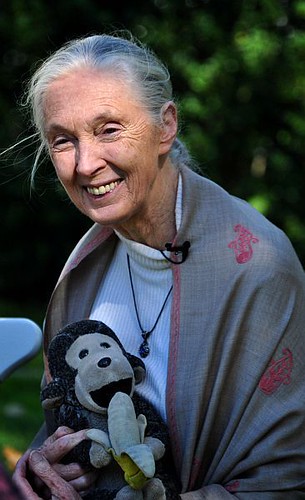
4. **A Human Touch: Naming, Not Numbering, Her Subjects**One of Goodall’s most distinct, and initially controversial, practices was her decision to give the chimpanzees names rather than numbers. Figures like David Graybeard, Flo, Mr. McGregor, and Gilka became known individuals, each with unique personalities and stories. This personal approach stemmed from her deep connection and respect for the animals, treating them as individuals rather than anonymous research subjects.
This practice, however, was vehemently opposed by many in the male-dominated scientific field of primate studies in the 1960s. Critics dismissed it as unscientific anthropomorphism—the attribution of human traits, emotions, or intentions to non-human entities. They argued that such personalization clouded objectivity and undermined the rigor of her research, often referring to her dismissively as a “National Geographic cover girl” rather than a serious scientist. The editor of one of her first published papers even insisted on changing all references from “he” or “she” to “it.”
Despite the initial resistance, Goodall eventually prevailed. Her insistence on naming helped to humanize her subjects for a global audience, fostering a relatable narrative that allowed people to connect with the chimpanzees on an emotional level. This shift in perspective proved vital in conveying the richness of their lives and paved the way for future research that embraced, rather than shunned, the individual complexities of animal behavior. It was a testament to her belief that true understanding often requires a heart as much as a mind.
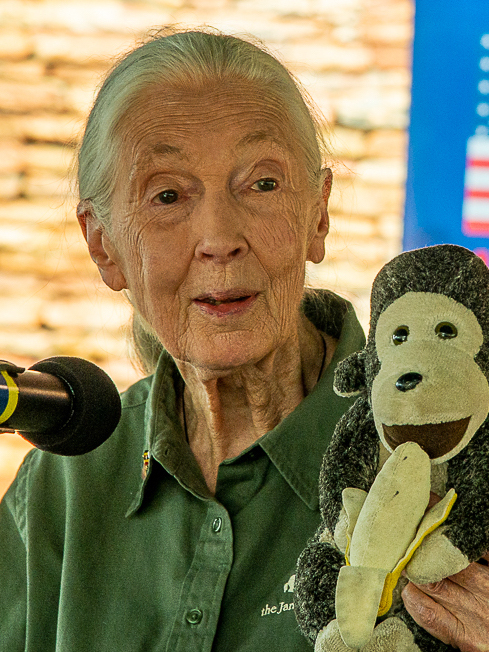
5. **Shattering Ceilings: A Pioneer for Women in Science**In an era when the role of a woman in such demanding and remote fieldwork was “exceedingly rare,” Jane Goodall shattered glass ceilings, becoming a powerful symbol of female achievement in science. Her tenacious spirit and groundbreaking work challenged societal norms, demonstrating that passion and dedication could overcome traditional barriers and a lack of formal academic credentials. She proved that the wilderness was not exclusively a man’s domain.
Goodall’s influence extended beyond her own personal achievements, inspiring a generation of women to pursue careers in primatology and other scientific fields. She became a mentor figure, whether directly or indirectly, to other pioneering female researchers who followed in her footsteps, notably the late gorilla researcher Dian Fossey and orangutan expert Birutė Galdikas. This trio, all mentored by Louis Leakey, came to be known as “The Trimates” or “Leakey’s Angels,” symbolizing a new era for women in scientific exploration.
Her resilience in the face of initial scientific skepticism and her ultimate vindication, including being awarded the prestigious National Geographic Society’s Hubbard Medal in 1995 – an honor bestowed only 31 times in the previous 90 years to eminent figures like Robert E. Peary and Charles Lindbergh – solidified her status as a scientific luminary. Goodall’s journey empowered countless women, demonstrating that their unique perspectives and rigorous observations were invaluable contributions to the global scientific community.
Read more about: Dame Stephanie Shirley, Pioneering Tech Entrepreneur Who Championed Women in Computing, Dies at 91
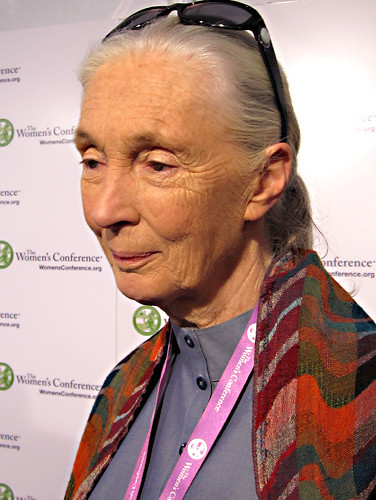
6. **The Dark Side of Nature: Witnessing Chimpanzee Warfare**As Goodall’s research at Gombe continued into the mid-1970s, her observations took a profoundly disturbing turn, revealing a stark and unexpected aspect of chimpanzee behavior. This period, which she later described as a “nightmare time,” challenged her earlier belief that the Gombe chimpanzees were “for the most part, rather nicer than human beings.” It forced her, and the scientific community, to confront a darker side of ape nature.
Her team began to record a series of savage attacks that escalated into what Goodall termed the “four-year war.” This period witnessed organized aggression carried out by a band of male chimpanzees from the Kasakela Valley. These marauders systematically beat and slashed to death all the males in a neighboring colony, subjugating the breeding females and effectively annihilating an entire community. It was the first time a scientist had witnessed such prolonged, intergroup violence among non-human primates.
This revelation sparked considerable controversy. Critics tried to dismiss the evidence as merely anecdotal, while others feared that publicizing such violence would be misused to “prove” that the tendency to war is innate in humans, a direct legacy from their ape ancestors. Goodall, however, persisted in talking about these attacks, maintaining that her purpose was not to support or debunk theories about human aggression, but to “understand a little better” the nature of chimpanzee aggression. Her work, once again, pushed the boundaries of primate research, making it permissible to interpret and discuss chimpanzee behavior in terms that had previously been labeled anthropomorphic.”
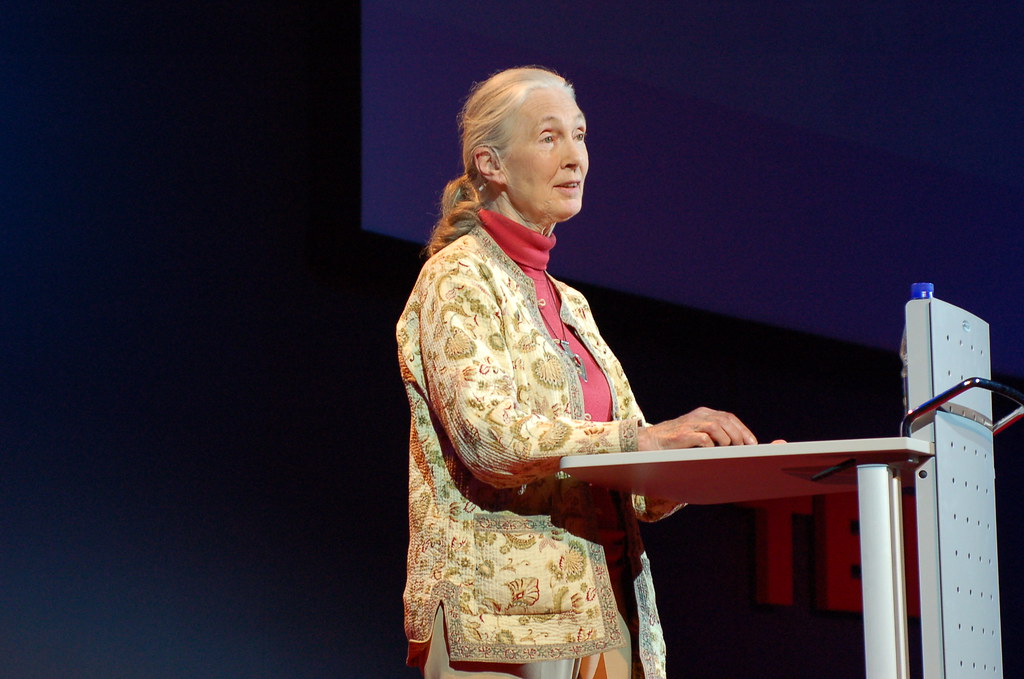
7. **From Immersive Researcher to Tireless Global Advocate**As the decades progressed, Jane Goodall’s understanding of chimpanzees deepened, evolving from pure scientific observation into an urgent call for action. The pivotal shift came in 1986, when attending a conference on chimpanzee behavior, she was confronted with harrowing footage of chimps mistreated in laboratories. This shocking revelation, which she likened to “looking into the Holocaust,” ignited a fervent passion within her, transforming her from a solitary researcher into a relentless, globe-trotting crusader for animal rights and conservation.
With a newfound urgency, Goodall began to travel nearly 300 days a year, leaving the tranquil forests of Gombe to confront the realities of environmental degradation and animal suffering worldwide. Her mission expanded exponentially, encompassing not only the protection of chimpanzees but also broader environmental and humanitarian causes. She recognized that the fate of chimpanzees was inextricably linked to the well-being of the ecosystems they inhabited and the human communities living alongside them, underscoring the interconnectedness of all life.
Goodall’s advocacy was a powerful, unwavering voice against deforestation, the illegal wildlife trade, and unsustainable development. She championed ethical treatment for animals in captivity and fought tirelessly for the preservation of natural habitats. “I passionately care about the natural world of which we are a part and which we depend. I love it,” she declared, articulating the profound emotional core of her expanded mission. “I passionately care about animals. I want to fight the fact that many are becoming extinct and I want to fight the cruelty.”
Her transformation from a scientist primarily focused on discovery to a public figure advocating for change marked a critical turning point, not just in her life but in the global conservation movement. She effectively leveraged her scientific celebrity to advance conservation efforts for chimpanzees and other endangered species, demonstrating that rigorous scientific inquiry could and should inform urgent planetary protection. This unwavering commitment to action became a cornerstone of her enduring legacy.
Read more about: Bruce Slovin: The Visionary Executive Who Forged a Unified Legacy for Jewish History in New York
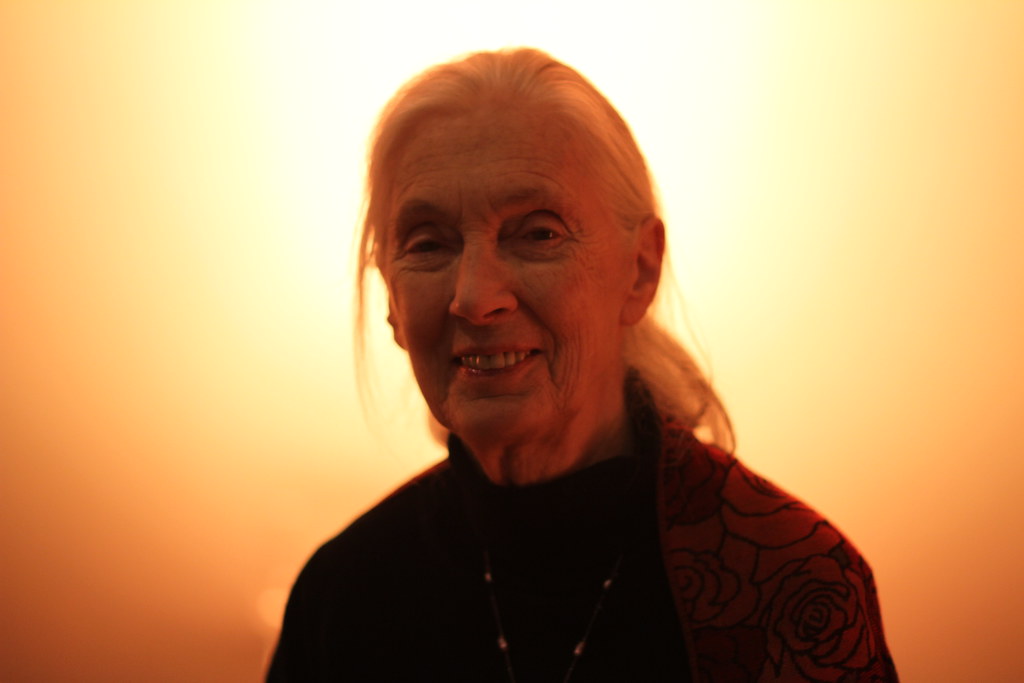
8. **Founding the Jane Goodall Institute: A Global Force for Good**To channel her burgeoning global mission into a structured and impactful movement, Jane Goodall established the Jane Goodall Institute (JGI) in 1977. This pivotal step transformed her individual pioneering research into a worldwide organizational effort, dedicated to advancing her vision for generations to come. The Institute was designed to continue the groundbreaking, long-running study of wild chimpanzees at Gombe, while simultaneously expanding its scope to address the broader challenges of conservation and animal welfare across the globe.
The Jane Goodall Institute quickly became a beacon of community-centered conservation, a holistic approach that recognized the vital role local populations play in the well-being of animals and the environment. JGI’s initiatives focused on involving communities directly in conservation efforts, fostering a sense of shared responsibility and empowerment. This philosophy ensures that conservation is not just about protecting wildlife, but also about improving the lives of people, creating a more harmonious coexistence between humans and the natural world.
Today, the JGI operates through chapters in 25 countries, upholding and expanding Dr. Goodall’s innovative approach. The organization utilizes the latest science and technology to promote understanding, conservation, and welfare of wild and captive apes. From sustainable development projects to anti-poaching initiatives, JGI’s work is a testament to Goodall’s belief in practical, on-the-ground action, demonstrating how scientific insight can be translated into tangible, positive change for both species and ecosystems.
The Institute stands as a testament to her foresight, ensuring that her legacy extends far beyond her lifetime. It continues to conduct critical research, implement effective conservation strategies, and inspire individuals and communities globally. Through its enduring efforts, the Jane Goodall Institute remains a powerful force, embodying Dr. Goodall’s dedication to making the world a better place for all its inhabitants.
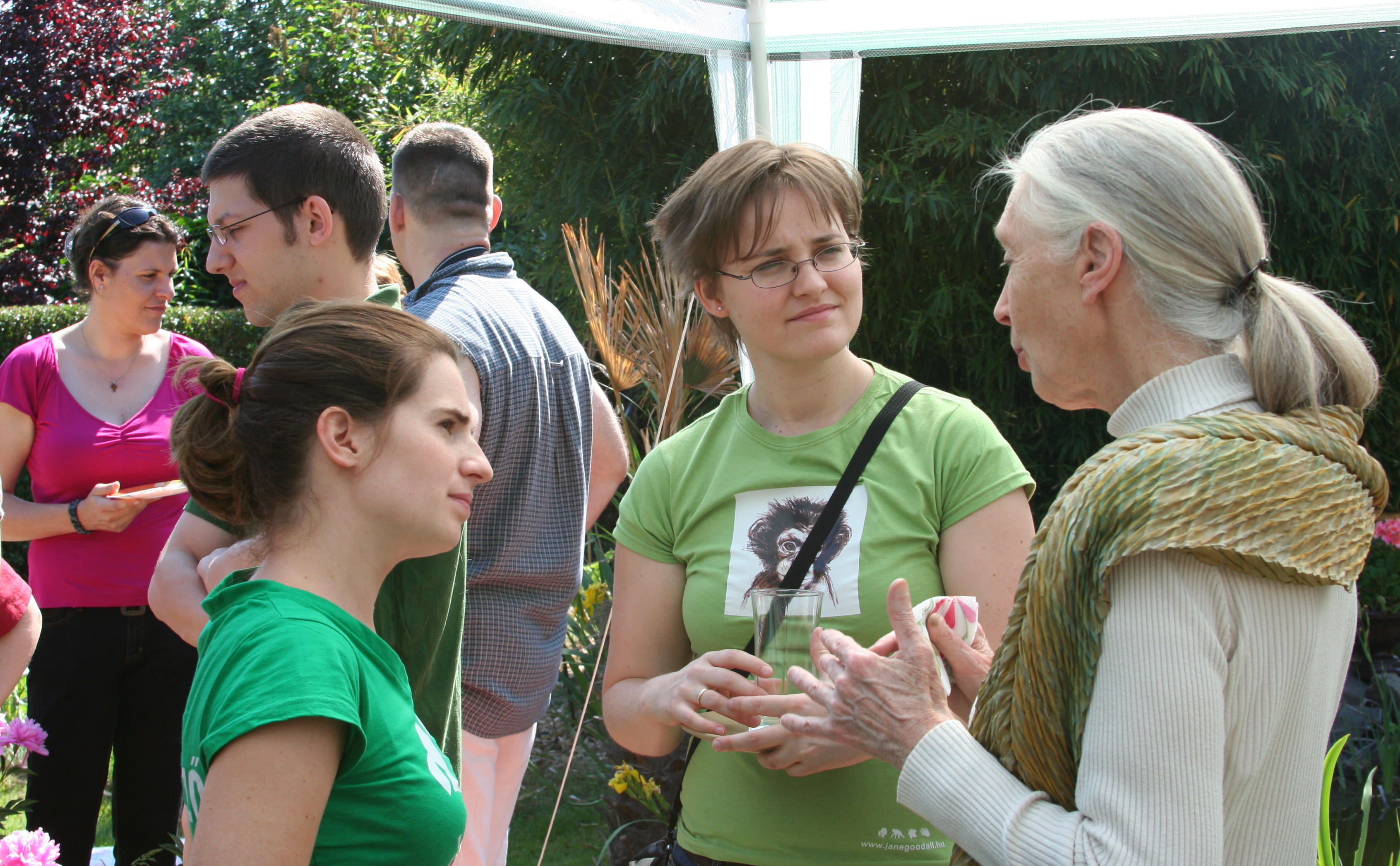
9. **Roots & Shoots: Cultivating Compassion in the Next Generation**Among Dr. Goodall’s most beloved and impactful initiatives is the Roots & Shoots program, which she founded in 1991. This global environmental and humanitarian youth program was born from her profound belief that “one of my greatest reasons for hope in this battered world is the youth.” Goodall recognized early on that empowering young people was crucial for shaping a sustainable and compassionate future, believing that their energy and fresh perspectives held the key to lasting change.
Roots & Shoots mobilizes young people in nearly 75 countries, guiding them to become compassionate citizens and leaders in their daily lives. The program encourages students to identify and address issues affecting animals, people, and the environment in their own communities. Goodall’s vision was to create a “critical mass of young people who understand that, yes, we need money to live, but we mustn’t live for money in and of itself,” fostering a sense of purpose beyond material gain.
In her final video message, recorded just before her passing, Goodall eloquently articulated the program’s core philosophy. She spoke of the importance of bringing together “a lot of young people, who are, truly, have leadership material so they can exchange ideas and in some cases boost each other’s morale — cause sometimes it’s really tough, really difficult — so a gathering like this, I think, is a very important way ahead.” She emphasized that what young people need to take action is “a group of likeminded people who believe in themselves, who believe in the project that’s really important and then see the difference that they make.”
The success of Roots & Shoots lies in its simplicity and profound impact, inspiring countless young individuals to undertake local projects that contribute to a healthier planet. From planting trees and rescuing animals to advocating for social justice, the program instills in its participants a sense of agency and collective power. It is a living testament to Goodall’s conviction that every individual, regardless of age, can make a meaningful difference, sowing seeds of hope that will blossom for generations.
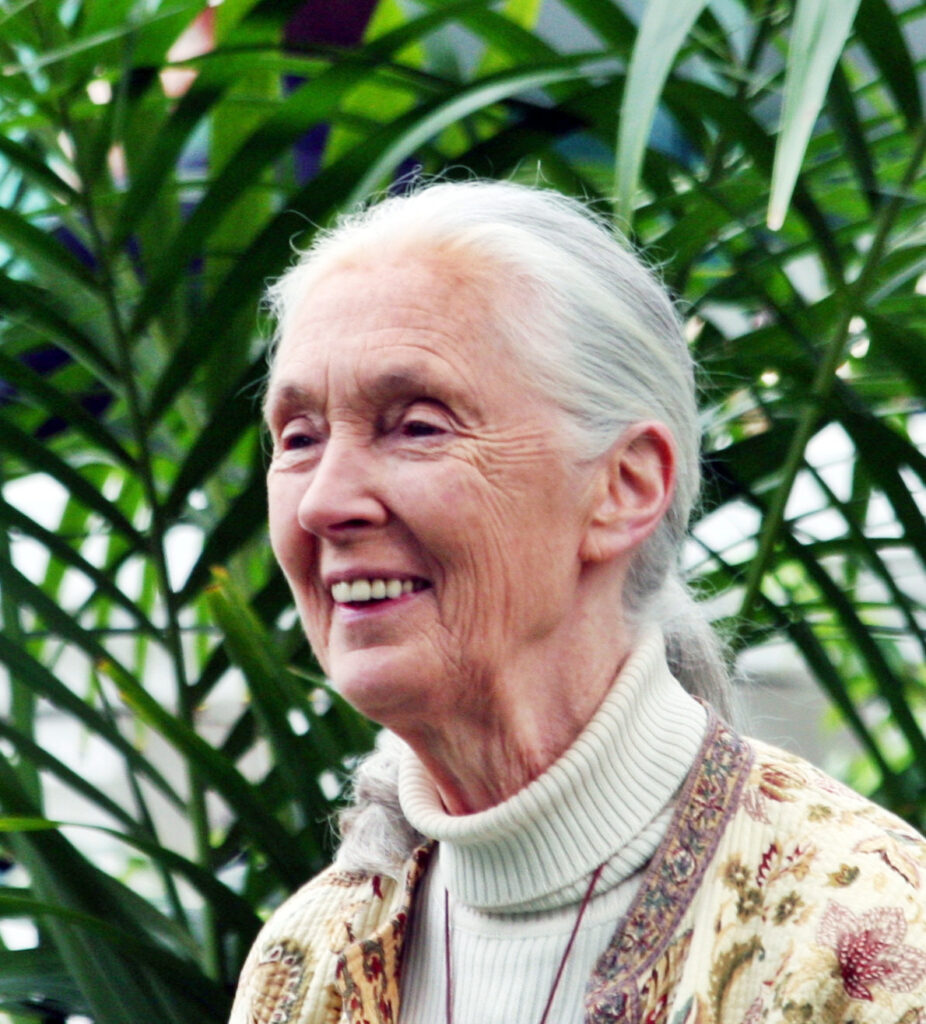
10. **A Guiding Light: Messages of Hope and Mindful Living**Beyond her scientific breakthroughs and institutional building, Jane Goodall’s enduring impact is profoundly rooted in her powerful messages of hope and her advocacy for mindful living. Having served as a UN Messenger of Peace since 2002, she tirelessly traversed the globe, sharing her optimistic yet pragmatic outlook, even in the face of daunting environmental challenges. Her “reasons for hope” resonated deeply with millions, urging them to believe in their collective power to effect positive change.
She challenged individuals to question the origins and ethics behind their purchases: “What you buy? Where did it come from? How was it made? Was there child slave labor [involved]? Did it help the environment? Would you eat it if it didn’t involve cruelty to animals?” This deeply ethical inquiry was not about imposing guilt but about fostering a personal responsibility for the planet’s well-being. By prompting such reflection, Goodall aimed to cultivate a global citizenry committed to sustainable and compassionate choices.
“I think the … key thing is to realize that every day on this planet, you make a difference, and if you start thinking about the consequences of the small choices you make — What you buy? Where did it come from? How was it made? Was there child slave labor [involved]? Did it help the environment? Would you eat it if it didn’t involve cruelty to animals? — you start thinking like that, and millions of people around the world thinking like that, then we start to get the kind of world that we cannot be too embarrassed to leave to our children.” This was her ultimate vision: a future where humanity lives in harmony with nature, a legacy of hope built on conscious decisions, one individual at a time.
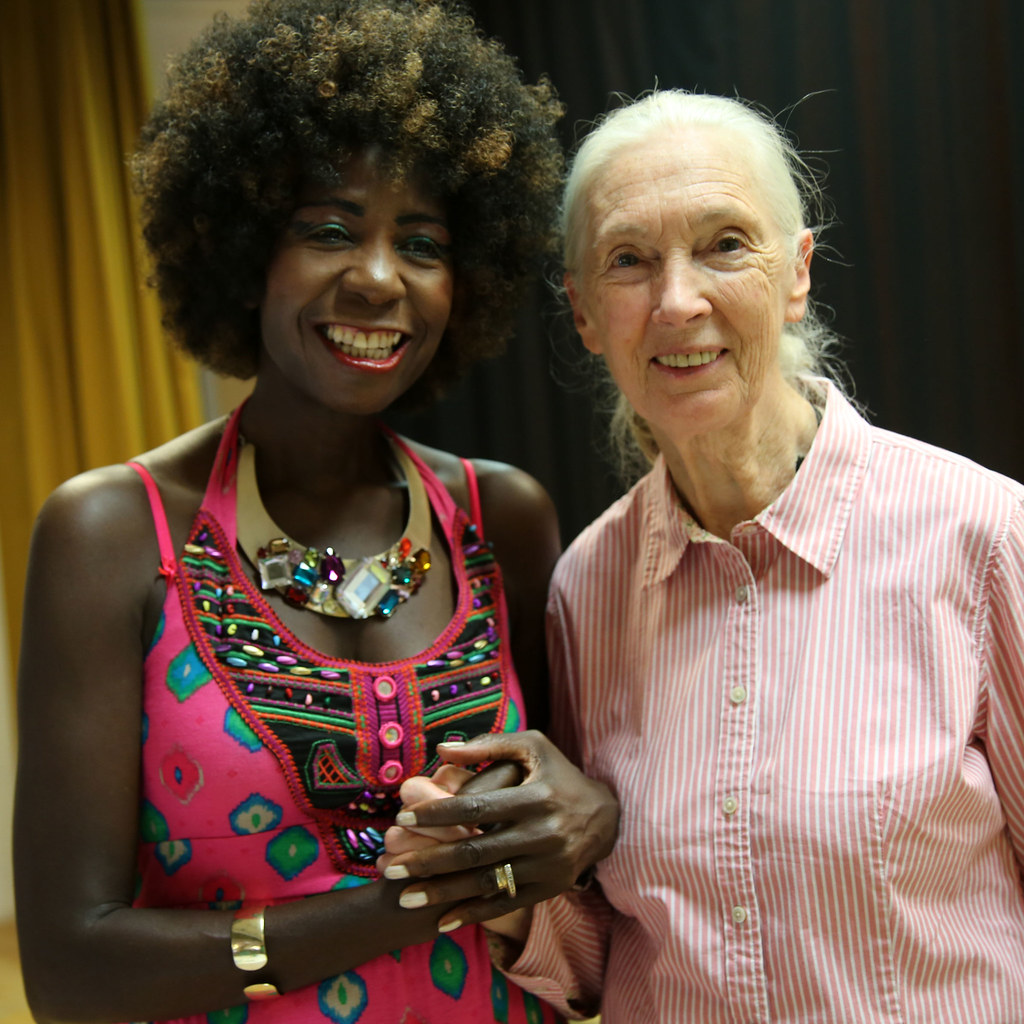
11. **A World United in Tributes: Honoring a Legendary Life**The news of Dr. Jane Goodall’s passing prompted an outpouring of heartfelt tributes from across the globe, a testament to her universal impact and the immense respect she commanded. Leaders, celebrities, and organizations alike took to various platforms to honor her extraordinary life and enduring contributions. These messages painted a picture of a woman who transcended scientific fame to become a beloved humanitarian and a guiding star for humanity’s relationship with the natural world.
Prince William shared a deeply personal tribute, recognizing her as an inspiration to countless individuals. “Her boundless curiosity, compassion and pioneering spirit transformed our understanding of the natural world,” he wrote. “She challenged us all to make a difference and inspired me and countless others to work to protect our planet. Jane Goodall made a difference.” This sentiment of profound influence was echoed by many, highlighting her ability to motivate action and instill hope.
Prince Harry and Meghan, the Duchess of Sus, shared an intimate memory, recalling how “She held our son, Archie, when he was first born, and showered love and care to those who were privileged to know her.” This tender recollection underscored her personal warmth and the deep connections she forged. Former first lady of California, Maria Shriver, further added, “She changed the world and the lives of everyone she impacted. The world lost one of its best today, and I lost somone I adored. ♥️.”
Leonardo DiCaprio, a prominent environmental advocate, hailed her as a “hero for the planet, an inspiration to millions, and a dear friend.” He emphasized how her “groundbreaking research on Chimpanzees in Tanzania transformed our understanding of how our closest relatives live, socialize, and think—reminding us that we are deeply connected not only to Chimpanzees and the other great apes, but to all life.” Political figures like former Canadian Prime Minister Justin Trudeau and Hillary Clinton also joined the chorus, celebrating her pioneering spirit, wisdom, and unwavering commitment to climate action. Even the LA Zoo and the Marine Mammal Care Center Los Angeles credited her for their programs and inspiration, underscoring her widespread influence on animal welfare initiatives.
Read more about: The Unjust Aftermath: A Rolling Stone Investigation into How Janet Jackson Paid the Price While Justin Timberlake Profited
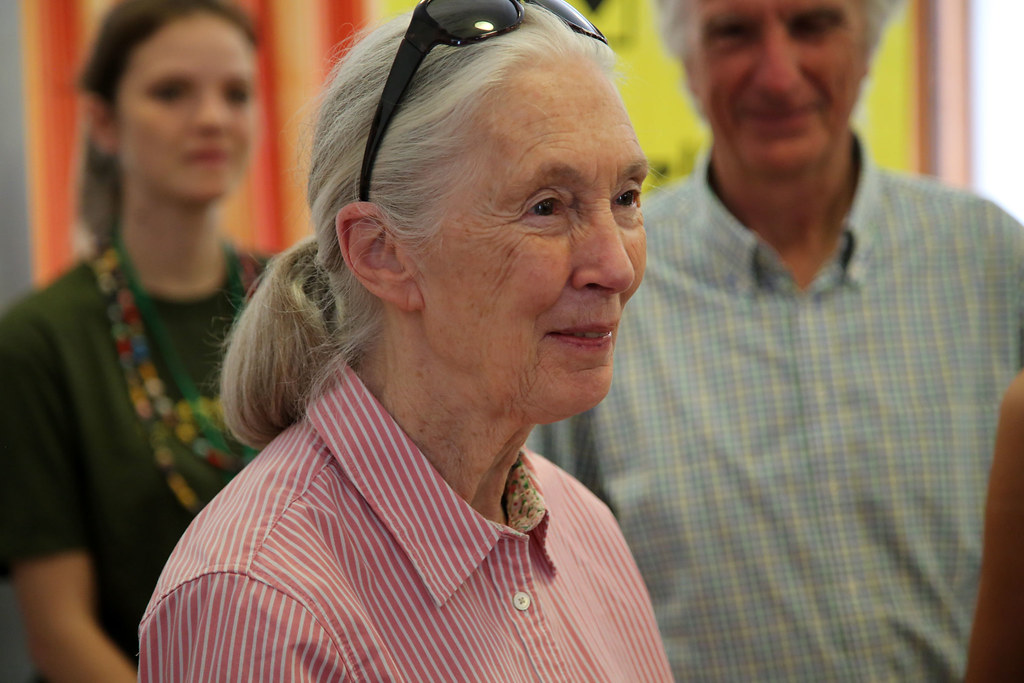
12. **An Enduring Legacy: Redefining Humanity’s Place in Nature**Jane Goodall’s legacy extends far beyond the confines of Gombe National Park; it is a profound testament to a life dedicated to scientific discovery, tireless advocacy, and unwavering hope. Her groundbreaking observation of tool-use in chimpanzees, for instance, remains “considered one of the greatest achievements of twentieth-century scholarship,” fundamentally redefining “man the toolmaker” and, consequently, our understanding of humankind itself. She meticulously removed the barriers that once separated us from the animal kingdom, revealing a shared evolutionary heritage rich with intelligence, emotion, and complex social structures.
Her unwavering commitment to treating animals as individuals, not merely as subjects, revolutionized primatology. By giving names to her chimpanzees, she paved the way for a more empathetic and holistic approach to animal behavior studies, challenging the rigid anthropomorphism debates of her time. This humanizing perspective not only enriched scientific understanding but also fostered a global connection to these magnificent creatures, turning them into relatable ambassadors for the natural world. Her influence on institutions like the LA Zoo, which models its chimp habitat on her work, is a living example of this transformative approach.
Goodall was not only a scientific luminary but also a powerful symbol of empowerment. As a woman operating in remote fieldwork during an era when it was “exceedingly rare,” she shattered glass ceilings and inspired countless women to pursue careers in science, leaving behind a profound legacy for future generations of female researchers. She remained an active, globe-trotting advocate well into her late 80s, traveling 300 days a year, publishing over 30 books, and starring in numerous documentaries, constantly reinforcing her messages of conservation and compassion.
Ultimately, Dr. Goodall’s life was a passionate plea for a more mindful existence. As she articulated, “I want to be remembered for having helped people to understand the nature of animals – that they do matter and they do have a part to play in the scheme of things. They’re not just objects; they’re beings.” Her work encourages us to recognize our inherent connection to all life, to live with greater respect for the planet, and to embrace the collective power of individual actions to build a future “we cannot be too embarrassed to leave to our children.” Her legacy, as fellow primate expert Birutė Galdikas noted, “will never die, her legacy will last forever.”
Read more about: When the Credits Roll: Deconstructing Cinema’s Most Potent Final Scenes and Their Lasting Messages
As the world reflects on the remarkable life of Dr. Jane Goodall, her passing serves not as an end, but as a potent call to action. Her story, rich with discovery, empathy, and fierce advocacy, illuminates the path forward. It reminds us that every individual has the power to make a difference, to nurture hope, and to protect the delicate tapestry of life on Earth. Let us honor her by embracing her wisdom, cherishing our planet, and continuing her tireless mission to create a better world for all beings, ensuring her extraordinary legacy truly lives on forever.