Jane Goodall’s recent passing at 91 marks the end of an extraordinary life dedicated to understanding and protecting the natural world. A towering figure in conservation and ethology, her work revolutionized humanity’s perception of chimpanzees, fundamentally altering scientific thought and inspiring generations. Her journey, which began with a childhood dream of Africa, culminated in a global movement for environmental stewardship.
From her pioneering observations in Tanzania’s Gombe Stream to her tireless advocacy as a United Nations Messenger of Peace, Dr. Goodall consistently demonstrated an unparalleled commitment to wildlife and the planet. Her method, initially unorthodox in its empathy and direct engagement with her subjects, yielded discoveries that shattered prevailing scientific paradigms and fostered a deeper appreciation for the complex lives of our closest primate relatives. The institute she founded, along with its pervasive youth programs, ensures that her vision for a more harmonious world continues to resonate globally.
This in-depth examination traces the pivotal moments and profound contributions of Dr. Goodall’s remarkable career. It delves into the foundational experiences that ignited her passion, the scientific breakthroughs that redefined human-animal relationships, and the evolution of her role from a solitary field researcher to an internationally revered advocate. Her legacy is not merely one of scientific discovery, but of profound moral leadership, urging humanity towards a more conscious and compassionate coexistence with all life.
1. **The Genesis of a Lifelong Passion: From English Trees to African Dreams**Born in London on April 3, 1934, Valerie Jane Morris-Goodall grew up in Bournemouth, England, during a period when societal expectations for girls were markedly different. Despite these constraints, her ambition to live among animals in Africa was firmly established in childhood. She often recounted spending hours in a tree at her home, engrossed in library books, dreaming of a distant continent.
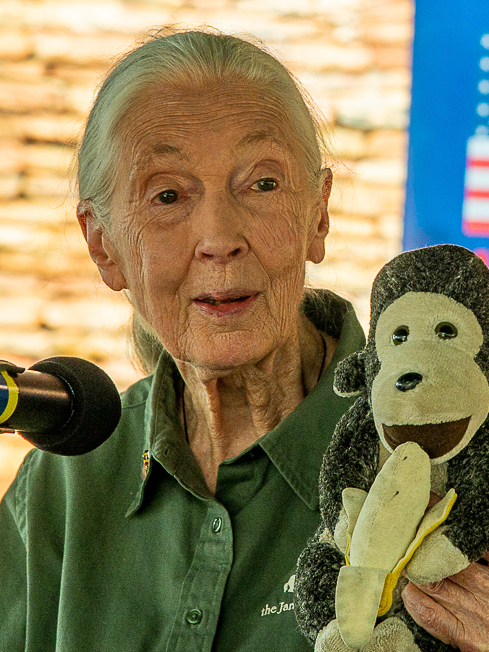
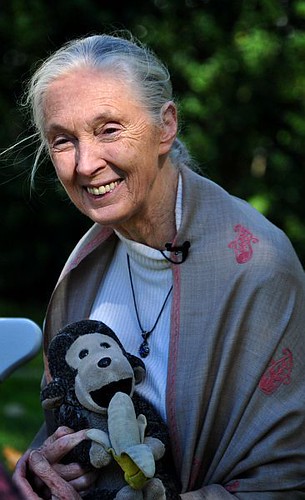
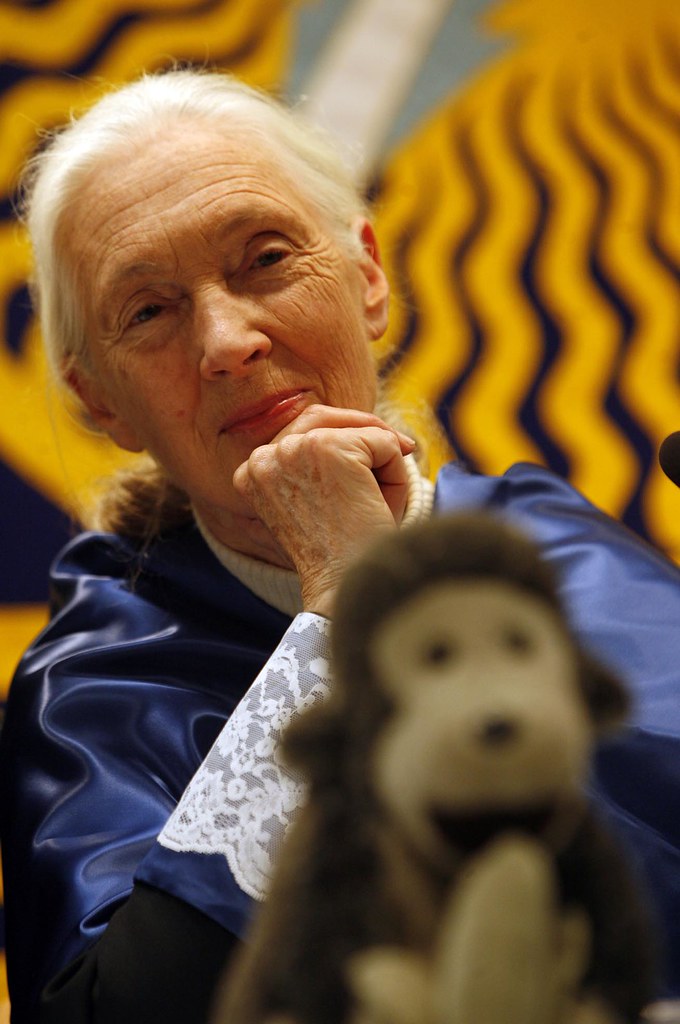
This early fascination with the natural world was a defining characteristic. “I’ll go to Africa, live with animals, write books about them. That was it,” she once declared, encapsulating a dream that would eventually shape her entire existence. A gift from her father—a stuffed monkey doll she named Jubilee—further cemented her connection to the animal kingdom, becoming an early emblem of her future calling. Her mother, Margaret Myfanwe Goodall, known as Vanne, an author and novelist, played a significant role, even accompanying her daughter to Gombe in 1960, a detail that highlights the familial support behind her unconventional path.
After completing a secretarial course in 1956 and working several jobs in London, Dr. Goodall received a fortuitous letter from a friend. The invitation to join her friend’s family farm near Nairobi, Kenya, proved irresistible. Booking passage on a freighter, she arrived in Nairobi on her 23rd birthday, a pivotal moment that truly set her African adventure in motion. This bold move, fueled by childhood aspirations, quickly led to an introduction that would change the trajectory of her life and the course of scientific inquiry.
Within seven weeks of her arrival in Kenya, Dr. Goodall met the famed paleoanthropologist Louis Leakey. This encounter proved to be instrumental. Leakey, though not yet internationally renowned, was deeply interested in stationing a researcher on Lake Tanganyika to study a troop of wild chimpanzees. Dr. Goodall, with her innate curiosity and adventurous spirit, was quickly drawn into his orbit, eventually securing a job as his secretary and assistant. This professional connection, born of a chance meeting at a friend’s family farm, became the stepping stone to her seminal work.
The summer following their initial meeting, Dr. Goodall accompanied Leakey to the Olduvai Gorge in Tanzania, where he was engaged in excavating early human remains. It was during this three-day journey over trackless wilderness that Leakey often discussed his vision for chimpanzee research. These conversations solidified into an agreement: Dr. Goodall would embark on a mission to observe the chimpanzees of Gombe, a task for which Leakey raised the initial funds. Thus, at just 26 years old, armed with little formal scientific training but boundless passion, she was poised to immerse herself in an unknown world.
2. **Gombe: A Bold Venture into the Unknown**On July 14, 1960, accompanied by her mother, Dr. Goodall arrived at the Gombe Stream Chimpanzee Reserve, then in Tanganyika, now Tanzania. This remote location, situated along the eastern shore of Lake Tanganyika, was to become her home and her laboratory for decades. Her initial mandate from Louis Leakey was to study chimpanzees for six months, an undertaking that, at the time, was largely unprecedented in its direct, long-term observational approach. The prevailing scientific methods often kept researchers at a distance, preferring to observe from afar or study captive animals.
Dr. Goodall, however, adopted an immersive strategy that set her apart. She lived among the chimpanzees, patiently earning their trust and learning their ways. This unique methodology, born partly out of her lack of formal scientific preconceptions, allowed her to observe behaviors in a natural context that had previously gone unnoticed by the scientific community. Her willingness to spend countless hours in the field, often alone, struggling against disease, predators like leopards and crocodiles, and the frustrations of elusive subjects, was testament to her profound dedication.
The early days at Gombe were characterized by extreme patience and perseverance. Goodall’s gentle demeanor and willingness to approach the chimpanzees as individuals, even giving them names like Flo, Fifi, and David Greybeard instead of numerical designations, was a radical departure from conventional ethological practice. This personalization, which she later argued was crucial for both scientific and emotional resonance, facilitated a deeper understanding of their personalities and social structures. She grew to know each of the approximately 30 to 40 chimpanzees in her study troop personally, observing their courtship, mating rituals, births, and parenting firsthand.
Her methodology, though unconventional at the outset, proved highly effective in breaking down the barriers between observer and observed. While initial skepticism from some quarters of the scientific establishment persisted due to her lack of a university degree and her anthropomorphic approach, the sheer depth and intimacy of her observations quickly began to yield remarkable insights. She described her research as chronicling the “rich emotional life” of chimpanzees, an idea that challenged the reductionist scientific attitude of the time, which denied animals personalities, minds, and emotions.
Indeed, Dr. Goodall herself acknowledged the advantage of her early lack of formal scientific education in this regard. As she told NPR in 2021, “at that time, the scientific attitude towards animals was so reductionist. You know, only humans had personalities, minds and emotions, and animals were not sentient beings at all. You shouldn’t have empathy with them. Well, I didn’t know any of that. I hadn’t been told it.” This freedom from conventional dogma allowed her an unencumbered perspective, enabling a more profound and empathetic connection with the chimpanzees.
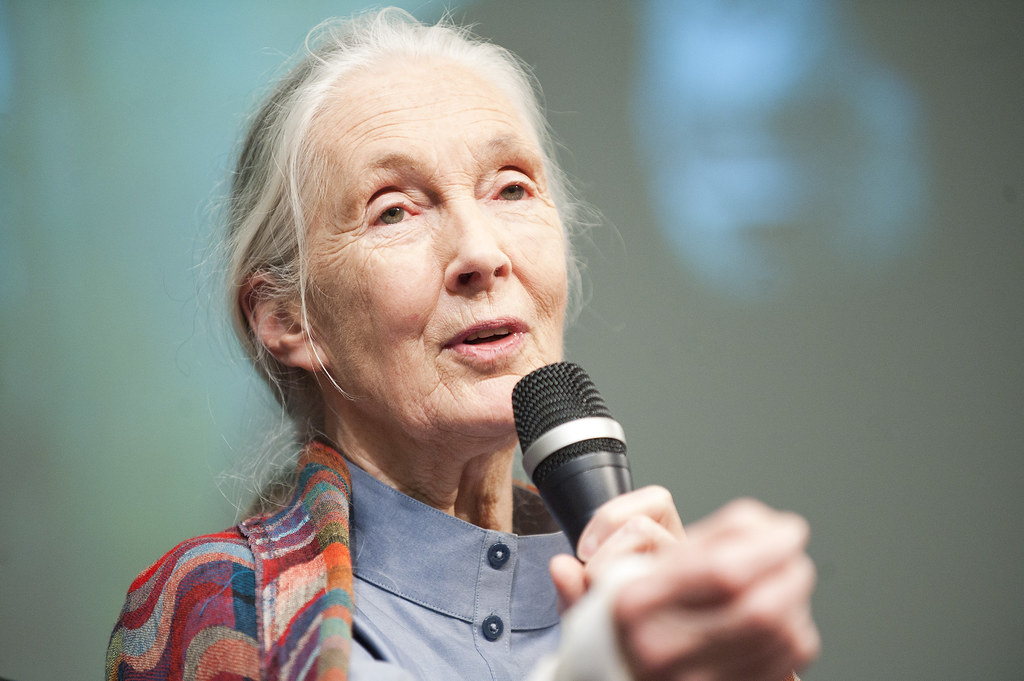
3. **Redefining Humanity: The Tool-Using Chimpanzees**Just three months into her Gombe study, in October 1960, Dr. Goodall made an observation that would send shockwaves through the scientific community and fundamentally alter humanity’s understanding of its place in the animal kingdom. She watched intently as a large, handsome adult male chimpanzee she had named David Greybeard performed an unexpected act. He was squatting beside a red earth mound, a termite nest, and with meticulous care, he pushed a long grass stem down into a hole in the mound.
What followed was even more astonishing. After a moment, David Greybeard withdrew the stem and picked something from its end with his mouth. Dr. Goodall vividly documented this moment: “It was obvious that he was actually using a grass stem as a tool.” This was the first documented evidence of a non-human animal not only using but also modifying a natural object to achieve a specific purpose, a behavior previously thought to be exclusive to humans. This groundbreaking discovery directly challenged the widely accepted definition of humanity, which often centered on tool-making as a unique distinguishing characteristic.
Upon learning of these revolutionary findings, Louis Leakey, Dr. Goodall’s mentor and financier, famously remarked, “Now we must redefine man, redefine tool, or accept chimpanzees as humans!” This statement underscored the profound implications of her observation, forcing a re-evaluation of the very criteria used to separate Homo sapiens from the rest of the animal kingdom. Her work demonstrated that the cognitive and behavioral gap between humans and other primates was far narrower and more permeable than previously imagined.
The initial skepticism surrounding this and other findings began to dissipate when photographic and film evidence emerged. National Geographic played a crucial role, sending Dutch wildlife photographer Baron Hugo van Lawick to Gombe to document Dr. Goodall’s research. His films, which captured the chimpanzees fishing for termites with twigs, provided irrefutable proof. Goodall herself attested to their impact, saying that when “his film started doing the rounds, showing the chimps using little twigs to fish for termites, they had to believe.” This visual documentation was vital in gaining wider acceptance for her radical claims and catapulting her research into the global spotlight.
Dr. Goodall’s pioneering method, coupled with her meticulous documentation, laid the foundation for an entirely new appreciation of primate intelligence and behavior. Her work revealed that chimpanzees were not merely instinct-driven animals but complex beings capable of innovation, learning, and cultural transmission. This single observation of tool use did not just redefine “man” or “tool”; it initiated a paradigm shift in ethology, paving the way for further revelations about the intricate social lives, emotional depth, and cognitive abilities of chimpanzees and, by extension, other animals.
4. **Academic Validation and Personal Milestones**The extraordinary nature of Jane Goodall’s early discoveries at Gombe quickly garnered significant attention, prompting the academic world to recognize her unique contributions despite her lack of formal university education. In 1961, the University of Cambridge, an institution of formidable academic rigor, accepted her into its doctoral program without an undergraduate degree. This was an exceptional testament to the scientific merit and profound implications of her field research, validating her unconventional path and confirming the intellectual weight of her observations.
By 1966, Dr. Goodall had successfully earned her Ph.D. in ethology, formalizing her status as a scientist within the established academic framework. This achievement was a crucial turning point, lending undeniable credibility to her work and helping to bridge the gap between her immersive, intuitive approach and the more traditional, objective scientific methodologies. It demonstrated that rigorous reporting and extensive research could emerge from direct engagement and empathetic understanding, even in the absence of a conventional academic pedigree.
During this period of intense scientific work and emerging academic recognition, Dr. Goodall also experienced significant personal milestones. In March 1964, after a nearly year-long courtship, she married Hugo van Lawick, the Dutch wildlife photographer whose imagery had been instrumental in validating and disseminating her findings globally. National Geographic had initially sent van Lawick to Gombe to photograph and document her research, and their professional collaboration blossomed into a personal relationship. Their union represented a unique partnership at the heart of the Gombe studies.
One year after completing her doctorate, in 1967, Dr. Goodall gave birth to her only child, a son named Hugo Eric Louis van Lawick, whom she affectionately nicknamed Grub. This addition to her life further interwoven her personal narrative with her scientific endeavors. She candidly explored her parenting philosophy and strategy, explaining that they were often based on skills and values she had gleaned from observing the chimpanzees, particularly the confident matriarch of the troop, Flo. This intimate connection between her roles as a mother and a primatologist provided a powerful narrative that captivated audiences worldwide.
Despite her deep admiration for chimpanzee parenting, Dr. Goodall maintained a pragmatic approach to her son’s safety in the Gombe wilderness. She acknowledged the inherent dangers of the wild environment, particularly from the chimpanzees themselves, and famously kept Grub in a protective cage while she conducted her research in the forest with him. This detail underscored her unwavering commitment to both her child’s well-being and her scientific mission, illustrating the complex realities of life as a pioneering female scientist and mother in an untamed landscape. The intertwining of her academic achievements and personal life during these formative years profoundly shaped her public image and deepened the narrative flow of her unfolding story.
Read more about: Beyond the Ring: 10 Fearless Actresses Who Defied Tradition and Skipped the Wedding

5. **Unveiling Chimpanzee Social Complexities**Beyond the pivotal discovery of tool use, Dr. Goodall’s protracted and intimate observations at Gombe yielded a rich tapestry of insights into the intricate social structures and behaviors of chimpanzees. Her immersion allowed her to chronicle not just individual actions but the broader dynamics of a troop of 30 to 40 chimpanzees over multiple generations. By naming individuals like Flo, Fifi, and David Greybeard, she fostered a deeper understanding of their unique personalities and relationships, a stark contrast to the dehumanizing numerical designations common in prior research.
She focused particularly on their courtship, mating rituals, births, and parenting, offering unprecedented detail into these fundamental aspects of chimpanzee life. Her work revealed strong mother-infant bonds, highlighting the critical role of maternal care in chimpanzee development. For instance, she discovered that first-time mothers generally concealed their babies from adult males, eliciting frantic displays of leaping and hooting that could endure for five minutes. In contrast, experienced mothers, she observed, freely allowed males and other females to view their infants, facilitating calmer introductions and satisfying the curiosity of the troop.
Dr. Goodall was the first scientist to explain to the world the chimpanzee reproductive cycle, noting that mothers were capable of giving birth only once every four and a half to six years, and that the Gombe Stream troop typically produced only one or two babies annually. These detailed demographic and behavioral statistics provided foundational data for understanding chimpanzee populations and their life histories. Her findings also illuminated other complex behaviors, including meat-eating and hunting, challenging the long-held notion of chimpanzees as purely herbivorous and adding another layer to their behavioral sophistication.
Furthermore, her studies ventured into more controversial areas, revealing behaviors such as “primitive warfare” among chimpanzee groups, a discovery that starkly contrasted with romanticized views of primate innocence. Yet, she also documented instances of altruism and compassion, painting a nuanced picture of their emotional and moral landscapes. These observations of both cooperative and aggressive behaviors underscored the profound similarities and evolutionary connections between chimpanzees and humans, influencing fields beyond primatology, including human health, evolution, and ecology.
Dr. Goodall’s dedication to understanding the entire spectrum of chimpanzee existence, from their daily routines to their most profound social interactions, solidified her reputation as a singular figure in scientific and philosophical thought. Her lucid prose and vivid descriptions, often published in National Geographic articles and books like “My Friends, the Wild Chimpanzees” (1967), “In the Shadow of Man” (1971), and “Through a Window” (1990), ensured that her groundbreaking insights reached a wide audience, transforming public perception and scientific consensus alike regarding our closest living relatives.
Read more about: Jane Goodall, Visionary Primatologist and Tireless Conservationist, Dies at 91: A Legacy Unveiled
6. **From Field Research to Global Advocacy: The Shift in Focus**By the 1970s, a significant transformation began in Dr. Goodall’s career, marking a crucial pivot from primarily observing chimpanzees to actively advocating for their protection and the conservation of their rapidly diminishing habitats. This shift was driven by a growing awareness of the escalating threats posed by human activities, including habitat destruction, poaching, and the capture of wild chimpanzees for display in zoos or for medical research. Her deep, personal connection with the Gombe chimpanzees made her acutely sensitive to their vulnerabilities and inspired a new, urgent mission.
Her opposition to the capture of wild chimpanzees was clear and unwavering. Having witnessed their complex social lives and emotional depths firsthand, she understood the profound cruelty and detrimental impact of removing them from their natural environments. This advocacy extended to a broader concern for animal welfare, aligning her scientific insights with a powerful humanitarian stance. Her observations had shown her that harming nature ultimately harms humanity, a conviction that would fuel her tireless global efforts.
The realization that her beloved chimpanzees and their forest homes were imperiled propelled Dr. Goodall onto the global stage. She began to spend less time in the Gombe reserve and significantly more time traveling the world. Her aim was to draw large audiences and disseminate a message of hope, underscoring the critical importance of preserving natural resources. This transition marked her evolution from a groundbreaking researcher to an influential public figure, capable of mobilizing international attention and inspiring action on a grand scale.
This period of personal and professional reorientation also coincided with significant changes in her private life. In 1974, she divorced Hugo van Lawick. Soon afterward, in 1975, she married Derek Bryceson, who was then the director of Tanzania’s national parks. Bryceson’s passing from cancer in 1980 was a deeply difficult period for Dr. Goodall, which she later described as perhaps the most challenging time of her life. These personal experiences, while undoubtedly painful, may have further cemented her resolve to dedicate herself fully to her conservation mission.
Her emergence as a fierce advocate for innumerable causes—human rights, animal welfare, species protection, and environmental preservation—demonstrated the expansive reach of her platform. She used her unique voice and scientific credibility to highlight crucial issues, understanding that the health of chimpanzee populations was inextricably linked to the well-being of entire ecosystems and human communities. This decisive pivot established the framework for her enduring legacy as a global conservationist, laying the groundwork for the institutional efforts that would follow.
Read more about: Jane Goodall, Visionary Primatologist and Tireless Conservationist, Dies at 91: A Legacy Unveiled

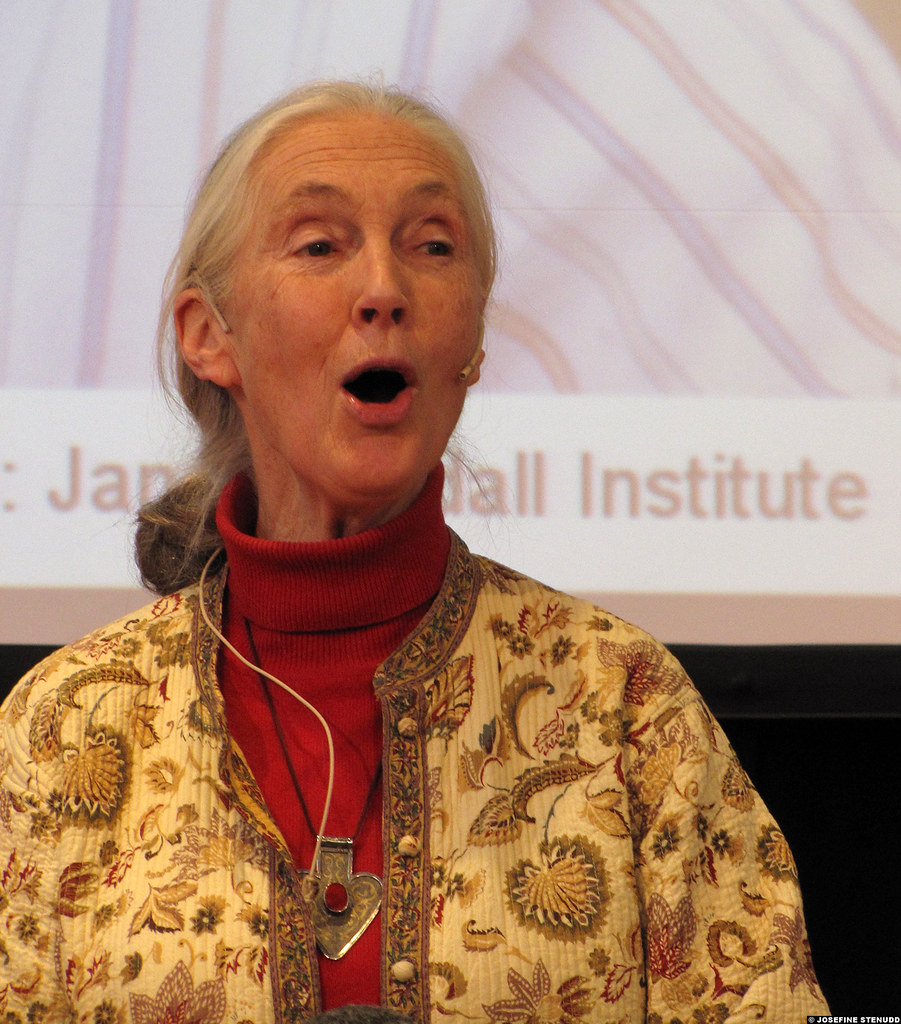
7. **The Jane Goodall Institute: A Beacon for Conservation and Research**By the late 1970s, as Dr. Goodall’s personal observations broadened into a global understanding of chimpanzee vulnerability, the necessity for a more formalized and enduring structure became clear. In 1977, she established the Jane Goodall Institute (JGI), a pivotal step that transformed her individual research endeavors into a global organization dedicated to advancing her life’s work. This institution was founded not merely to continue research, but to expand its scope and ensure its impact across generations, becoming a central pillar of her multifaceted legacy.
The institute quickly evolved with a dual, interconnected mandate: to sustain the groundbreaking Gombe research and to pioneer community-centered conservation initiatives across the chimpanzee range. The Gombe Stream study, which Dr. Goodall had initiated in 1960, continues to this day, making it the longest-running wild chimpanzee study in the world. This continuous observation ensures an unparalleled depth of understanding of chimpanzee populations and behaviors, leveraging the “latest science and technology to promote understanding, conservation, and welfare of wild and captive apes.”
Operating with chapters in 25 countries around the world, the Jane Goodall Institute has extended its reach far beyond the shores of Lake Tanganyika. Its expansive global footprint underscores the institute’s commitment to a holistic approach, recognizing that the well-being of chimpanzees and their habitats is inextricably linked to the prosperity and engagement of local human communities. This vision, championed by Goodall, actively involves indigenous populations in conservation efforts, fostering a symbiotic relationship between people, animals, and the natural world.
Indeed, the JGI stands as a living testament to Dr. Goodall’s foresight, embodying her belief that meaningful conservation must be rooted in scientific rigor, compassionate understanding, and local empowerment. Her initial, solitary journey into the world of chimpanzees blossomed into an institutional movement, ensuring that her revolutionary insights and tireless advocacy continue to shape environmental stewardship on a global scale.
Read more about: A Visionary’s Legacy: How Jane Goodall’s Pioneering Research Revolutionized Our Understanding of the Natural World

8. **A Global Advocate: Uniting Science with Humanitarianism**For the last four decades of her life, Dr. Jane Goodall transitioned from a groundbreaking field researcher into an indefatigable global advocate, channeling her profound scientific insights into a powerful humanitarian mission. This period was characterized by extensive travel, during which she spent approximately 300 days a year traversing the globe, speaking passionately about pressing issues such as climate change, the escalating threats facing chimpanzees, and the imperative for humanity to actively solve the environmental problems it had created.
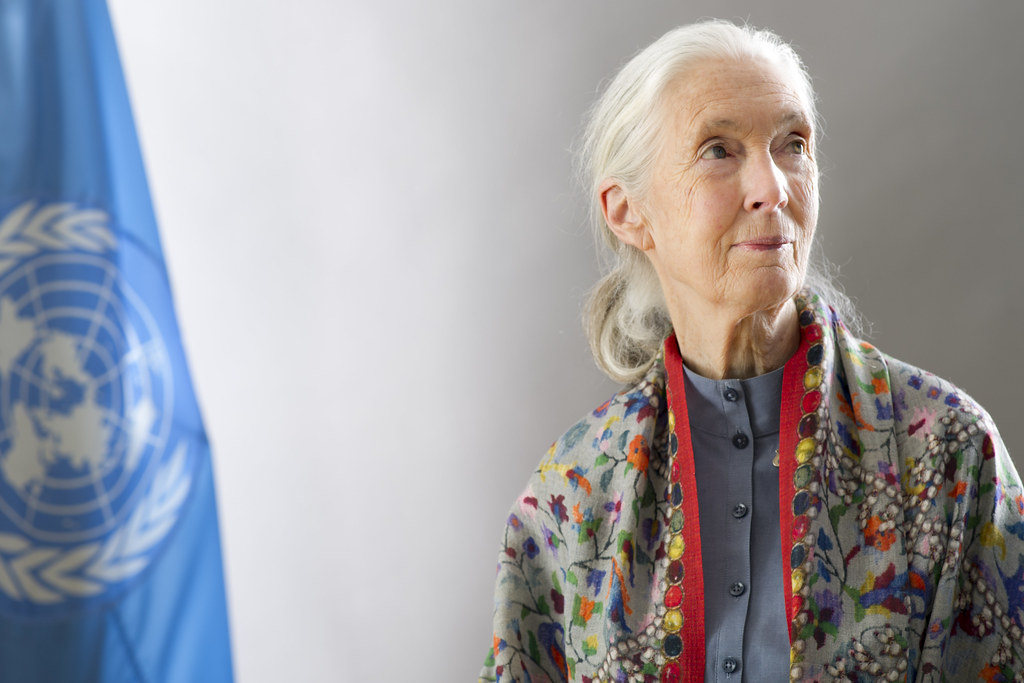
Her appointment as a United Nations Messenger of Peace in 2002 was a defining moment, solidifying her status as an international icon for environmental diplomacy and ethical leadership. This prestigious title recognized her unique ability to transcend traditional scientific circles, influencing not only global policy but also shaping public opinion through her compelling narrative and unwavering dedication. As a Messenger of Peace, she lent her voice to some of the planet’s most urgent challenges, demonstrating the power of a single individual to inspire collective action on a grand scale.
Dr. Goodall’s advocacy extended far beyond the realm of primatology, encompassing a broad spectrum of humanitarian and ecological concerns. She became a fierce proponent for human rights, animal welfare, species protection, and environmental preservation, illustrating her comprehensive understanding of the intricate web of life. Her popular podcast, ‘The Hopecast,’ reached millions, serving as a powerful platform to amplify her message of interconnectedness and active stewardship.
Throughout her tireless work, Dr. Goodall consistently delivered a message of hope, even when confronting the overwhelming realities of environmental degradation. This enduring optimism was underpinned by a profound conviction: “We need to realize we’re part of the environment, that we need the natural world. We depend on it. We can’t go on destroying.” She articulated a vision where humanity recognizes its intrinsic link to nature, emphasizing that “we’ve got to somehow understand that we’re not separated from it; we are all intertwined. Harm nature, harm ourselves.” This perspective became a guiding principle for her global outreach.
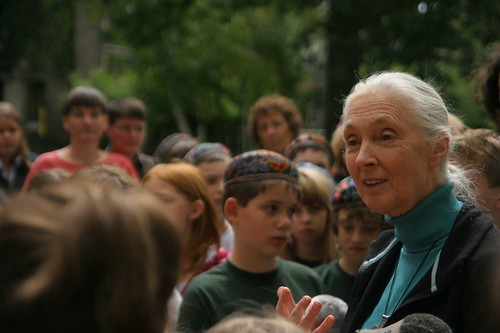
9. **Roots & Shoots: Empowering the Next Generation of Conservationists**Perhaps the most tangible manifestation of Dr. Goodall’s enduring belief in humanity’s capacity for positive change, particularly through its youth, was the founding of the Roots & Shoots program in 1991. This visionary initiative rapidly grew into a global network, now actively empowering young people in nearly 75 countries. Its core mission is to guide individuals in becoming compassionate citizens and effective leaders in their daily lives, instilling a sense of responsibility for people, animals, and the environment.
The philosophy underpinning Roots & Shoots was eloquently articulated in her final recorded video message, where she poignantly declared, “one of my greatest reasons for hope in this battered world is the youth.” She envisioned a movement built on collaboration and mutual encouragement, advocating for “bringing together a lot of young people, who are, truly, have leadership material so they can exchange ideas and in some cases boost each other’s morale — cause sometimes it’s really tough, really difficult.” This emphasis on collective strength and emotional support was critical to the program’s success.
Roots & Shoots empowers young participants to identify and address environmental, animal welfare, and humanitarian concerns within their own communities. Dr. Goodall observed firsthand the transformative impact of this engagement, noting that “very many of the students that I’ve met here are already taking action.” She expressed her fervent hope that by interacting with their peers, these young leaders would “be inspired to take greater action,” fostering a dynamic cycle of positive change.
This global program represents a vibrant, living embodiment of Dr. Goodall’s legacy, cultivating a critical mass of young people instilled with a profound understanding of ethical consumption and sustainable living. She taught them that “yes, we need money to live, but we mustn’t live for money in and of itself. Money itself is good if you use it for good, but if you’re just trying to get more and more money, to get more houses, more cars, all this sort of thing, that’s where it’s gone wrong.” Roots & Shoots continues to instill these principles, nurturing a generation committed to building a more just and harmonious world.
10. **An Icon for Science and Beyond: Media, Literature, and Legacy**Dr. Goodall’s influence extended far beyond the confines of academic journals, cementing her status as a global icon through her accessible writing and compelling media presence. She became a prolific author, penning 32 books, including 15 for children, effectively democratizing complex ecological concepts for audiences of all ages. Her later works, such as ‘The Book of Hope: A Survival Guide for Trying Times’ (2021), articulated her enduring optimism amidst environmental challenges, resonating with a public searching for guidance and inspiration.
National Geographic proved an invaluable partner in amplifying her groundbreaking story. Her seminal ‘7,500-word, 37-page account’ in 1963, followed by three additional long articles in the 1960s and ’70s, captivated millions. Furthermore, a long string of documentaries, notably the CBS News prime-time special in December 1965, brought the Gombe chimpanzees and their courageous chronicler into living rooms worldwide, transforming Dr. Goodall into a household name and a face for discovery.
Her “gentle, knowledgeable demeanor and telegenic presence,” set against the captivating backdrop of the Gombe reserve, proved irresistible to television audiences and readers alike. Her “willingness to challenge scientific convention and shape the details of her research into a riveting adventure narrative” broadened the appeal of science, drawing in a public hungry for authentic stories of exploration and revelation. She made the intricate lives of chimpanzees, and by extension the natural world, deeply personal and profoundly engaging.
Crucially, Dr. Goodall’s trailblazing career also “opened the door for more women in her largely male field as well as across all of science.” Her success inspired a generation of female primatologists, including Dian Fossey and Biruté Galdikas, who followed in her footsteps, fundamentally altering the demographic landscape of scientific research. The release of a ‘Jane Goodall doll as part of its Barbie-branded Inspiring Women series’ in 2022 served as a powerful, contemporary testament to her enduring legacy as a role model, inspiring countless young girls to pursue their own scientific dreams.
Read more about: The Enduring Gravitas: Unpacking the Storied Life and Legacy of Tommy Lee Jones
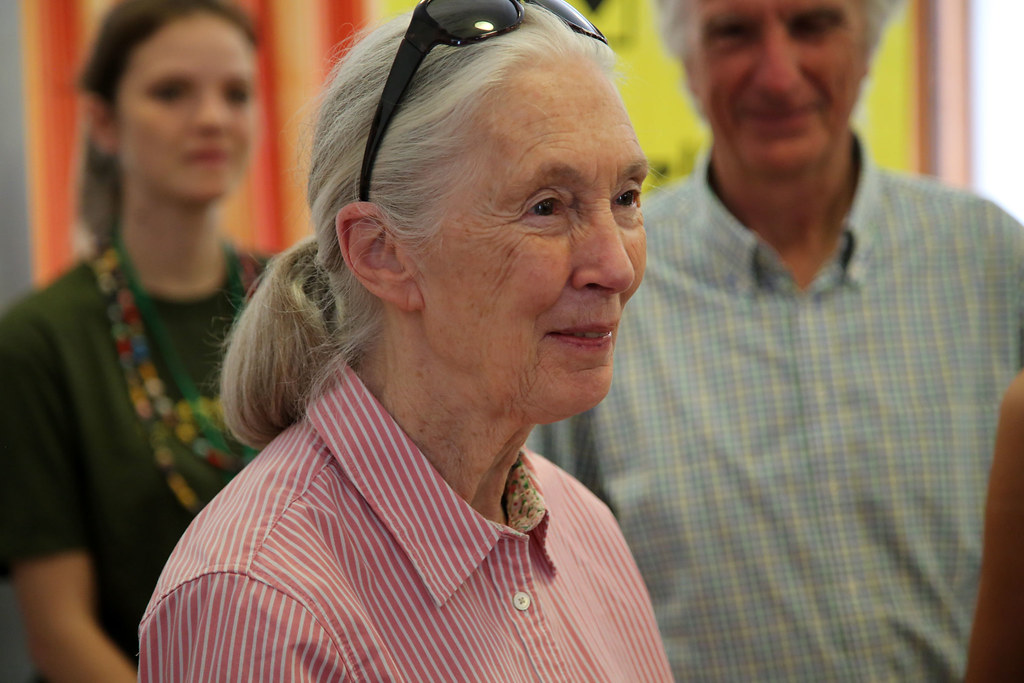
11. **A Deluge of Tributes: Acknowledging a Life of Profound Impact**Throughout her extraordinary life, Dr. Goodall garnered a remarkable array of honors, reflecting global recognition for her singular contributions to science and conservation. These accolades included the National Geographic Society’s Hubbard Medal in 1995, the prestigious Templeton Prize in 2021, and her appointment as a Dame Commander of the British Empire by Queen Elizabeth II in 2003. In January 2025, she received the United States’ Presidential Medal of Freedom, the nation’s highest civilian honor, underscoring her universal esteem.
Upon news of her passing at 91, a global chorus of tributes immediately emerged, highlighting the profound and far-reaching impact of her life’s work. Prince William praised her “boundless curiosity, compassion and pioneering spirit” that “transformed our understanding of the natural world.” He succinctly affirmed, “Jane Goodall made a difference,” encapsulating the sentiment shared by many world leaders and public figures.
Prince Harry and Meghan, the Duchess of Sus, shared a particularly poignant, personal remembrance, noting that “She held our son, Archie, when he was first born,” which spoke to her warmth and humanity beyond her scientific persona. Former Canadian Prime Minister Justin Trudeau acknowledged her as “a pioneer whose research and advocacy reshaped our understanding of the natural world,” recognizing her as a foundational figure in environmental thought.
From across the cultural and political spectrum, luminaries like Leonardo DiCaprio, Jane Fonda, Hillary Clinton, Maria Shriver, and Jon Stewart all expressed their deep admiration. Leonardo DiCaprio, a prominent environmental advocate himself, called her a “hero for the planet, an inspiration to millions, and a dear friend.” These widespread tributes collectively depicted Dr. Goodall not merely as a scientist, but as a moral compass for humanity, whose life exemplified courage, conviction, and an unwavering commitment to a better world.
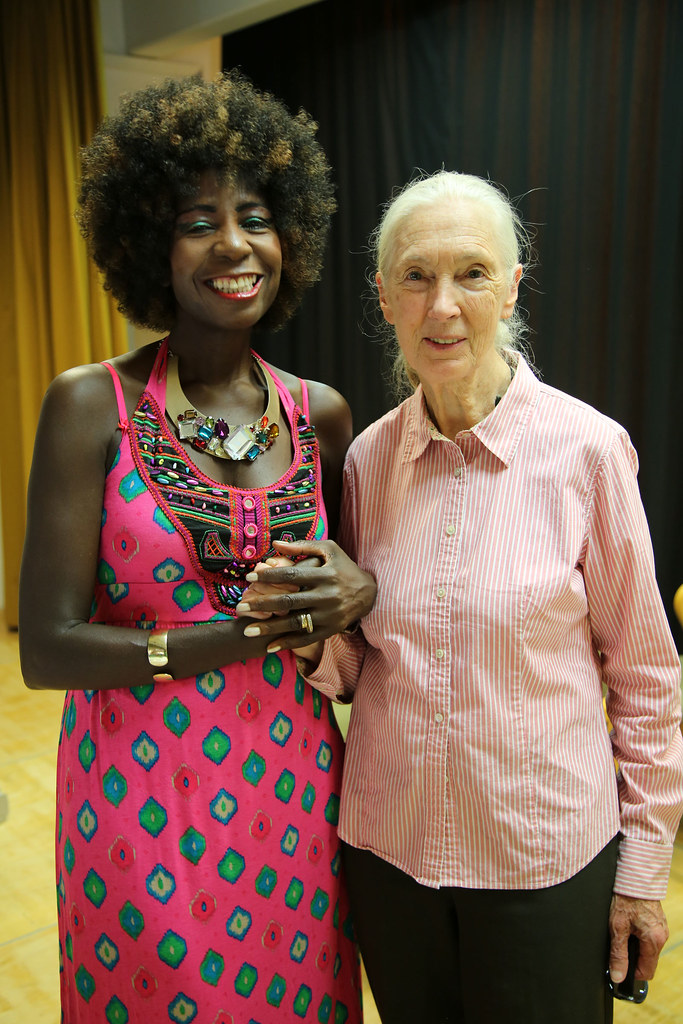
12. **The Enduring Ethos: Interconnectedness and Individual Action**Dr. Goodall’s final public messages and her lifelong philosophy were imbued with a powerful, consistent call to action, rooted in the fundamental interconnectedness of all living things. She consistently implored humanity to recognize its place within the natural order, stating, “We need to realize we’re part of the environment, that we need the natural world. We depend on it. We can’t go on destroying.” This central tenet formed the bedrock of her advocacy and inspired her global conservation efforts.
In her last recorded video, a message intended for a thousand students, she articulated a pivotal piece of advice for fostering a more sustainable future: “Think about our ecological footprint.” She urged individuals to consciously consider “the consequences of the small choices you make — What you buy? Where did it come from? How was it made? Was there child slave labor [involved]? Did it help the environment? Would you eat it if it didn’t involve cruelty to animals?” This emphasis on mindful consumption became her ultimate guidance for daily ethical living.
This profound belief in individual responsibility, amplified by collective action, was the ultimate wellspring of her unwavering hope. She envisioned a future where “millions of people around the world thinking like that, then we start to get the kind of world that we cannot be too embarrassed to leave to our children.” Her optimism, while profound, was always tempered by a clear-eyed understanding of the formidable challenges facing the planet, yet she continually returned to the power of human intellect and resilience.
Ultimately, Dr. Jane Goodall’s legacy transcends a mere collection of scientific discoveries or institutional achievements; it represents a profound, paradigm-shifting reorientation of human consciousness. Her unparalleled ability to foster empathy for the natural world, coupled with concrete pathways for change through the Jane Goodall Institute and the Roots & Shoots program, ensures her vision will resonate for generations. As an “icon for scientists” and a global beacon for humanity, she leaves behind an indelible blueprint for a more compassionate, conscious, and sustainable future for all life on Earth.