Superheroes are everywhere, aren’t they? From the sprawling pages of comic books to the dazzling spectacle of Hollywood blockbusters and even our favorite video games, these caped crusaders, masked vigilantes, and super-powered beings have carved out an undeniable place in our hearts and imaginations. They inspire us, thrill us, and sometimes, they even make us believe that humanity can be better. It’s a world full of extraordinary abilities, epic battles against evil, and characters dedicated to making the world a better place – what’s not to love?
But let’s be real for a sec. Even in the most beloved genres, there are always those moments, those decisions, or those trends that, looking back, make us cringe a little, right? We’re talking about the creative choices that felt like a misstep, the industry-wide habits that held us back, or the historical turns that just didn’t quite land. If we had a time machine, or better yet, a magical “refund” button for the evolution of our favorite heroes, there are definitely some things we’d hit “undo” on.
So, buckle up, fellow fans! We’re diving deep into the history and development of superheroes to uncover 11 eyebrow-raising sagas and significant moments that, if we could, we’d absolutely be demanding a refund for. Get ready to explore the less-than-heroic aspects of the superhero world, from tricky legal battles to some truly baffling character portrayals. Let’s get into it!
1. The Perils of Genericization: When “Superhero” Almost Lost Its Spark
Imagine a world where the word “superhero” meant nothing specific, like “tissue” or “band-aid.” It sounds wild, but the term itself has been in a legal tug-of-war, with its meaning at risk of becoming genericized. This isn’t just a fun fact; it’s a huge deal for the titans of the comic world, DC and Marvel.
For trademark owners, genericization means losing exclusive rights to a term, much like “aspirin” or “escalator” lost their original brand protection. Academic debate has raged about whether the “super hero” mark is at risk of becoming generic due to its widespread use. It’s a highly factual inquiry, considering everything from dictionary definitions to consumer surveys.
While trademark owners have duties to police unauthorized uses and educate the public, the sheer ubiquity of the term means misuse by the public alone doesn’t necessarily make it generic if its primary significance still points to a specific source. Still, the fact that this iconic term – which literally defines a genre – was ever in such a precarious legal position is something fans might wish could have been avoided entirely. A refund on that legal uncertainty, please!
2. Copyright Cops: DC & Marvel’s Legal Eagles vs. Aspiring Creators
We love to see the superhero genre expand, with new voices and fresh takes on what it means to be a hero. However, the path for independent creators often runs headfirst into the zealous protection of established trademarks by the industry’s giants. This is where things get a little less “heroic” and more “headache-inducing.”
DC and Marvel have “garnered a reputation for zealously protecting their superhero marks.” Take Graham Jules, a British law student, for instance. He dared to title his self-help book “Business Zero to Superhero” and was met with a cease and desist in 2014. The companies claimed his use of the term would cause confusion and dilute their brands. He was even “offered a few thousand dollars in settlement to change the name of his book,” but he didn’t back down.
In a surprising twist, the companies “backed down” just “a few days prior to the scheduled hearing.” Then there’s comic book creator Ray Felix, who tried to register his series “A World Without Superheroes” with the USPTO. His mark is currently abandoned, but he’s “stated that he intends to fight against DC and Marvel for use of the term.” This aggressive stance, while legally understandable for brand protection, feels like a “waste” of creative energy and a barrier for the next generation of storytellers, leaving fans to wonder if there’s a better way.
3. Lost in Translation: The Early, Cringeworthy Stereotypes of Minority Heroes
The superhero landscape has (thankfully!) become increasingly diverse, with heroes from all walks of life gracing our screens and pages. But let’s not sugarcoat it: the early days of minority representation in comics were, well, a bit of a mess. It was a period where good intentions often collided with cringe-worthy execution.
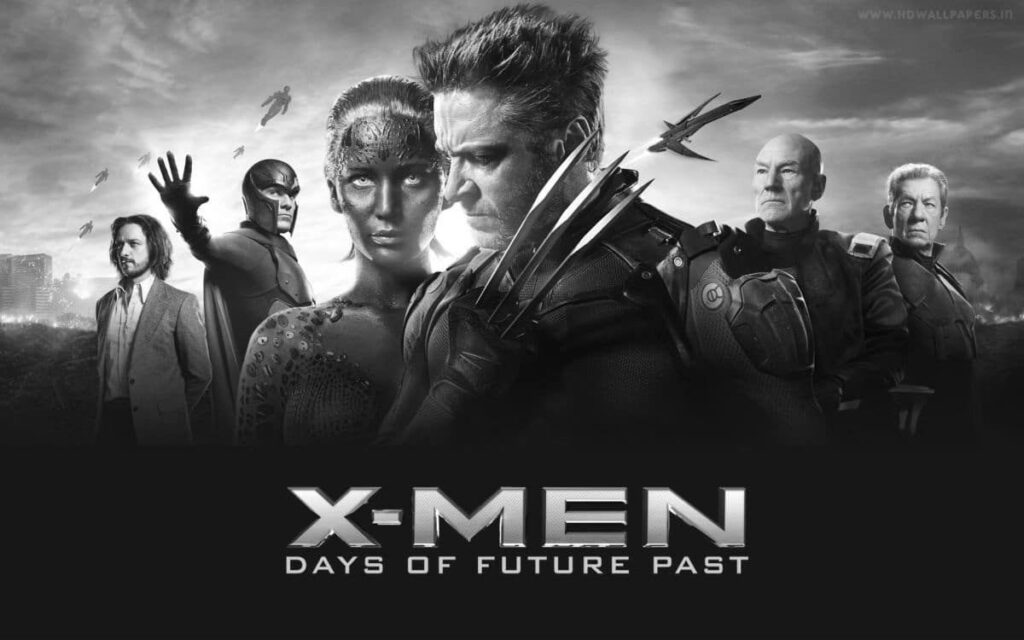
Beginning in the 1960s, with the civil rights movement, and increasingly into the 1980s, superhero fiction began to feature “cultural, ethnic, national, racial and language minority groups.” However, in their initial iterations, “many of these characters played to specific stereotypes.” Luke Cage, for example, and “many of his contemporaries often employed lingo similar to that of blaxploitation films.” Native Americans were “often associated with shamanism and wild animals.”
And if you were an Asian American hero? You were “often portrayed as kung fu martial artists.” While later characters like the X-Men’s Storm and the Teen Titans’ Cyborg “avoided such conventions,” that initial period was a “waste” of incredible potential for nuanced, respectful representation. Fans might wish they could refund those early, probl ematic depictions and replace them with the richer, more authentic stories we see today.
4. The Male Gaze Problem: Why Heroines Were (and Still Are) Often Dressed for Someone Else
Superheroes are designed to be visually striking, but for female characters, that design often comes with a significant, problematic caveat. The “portrayal of women in comic books has been questioned in the past decade,” and for good reason. It’s a recurring “waste” of powerful female identity, often reducing them to eye candy.
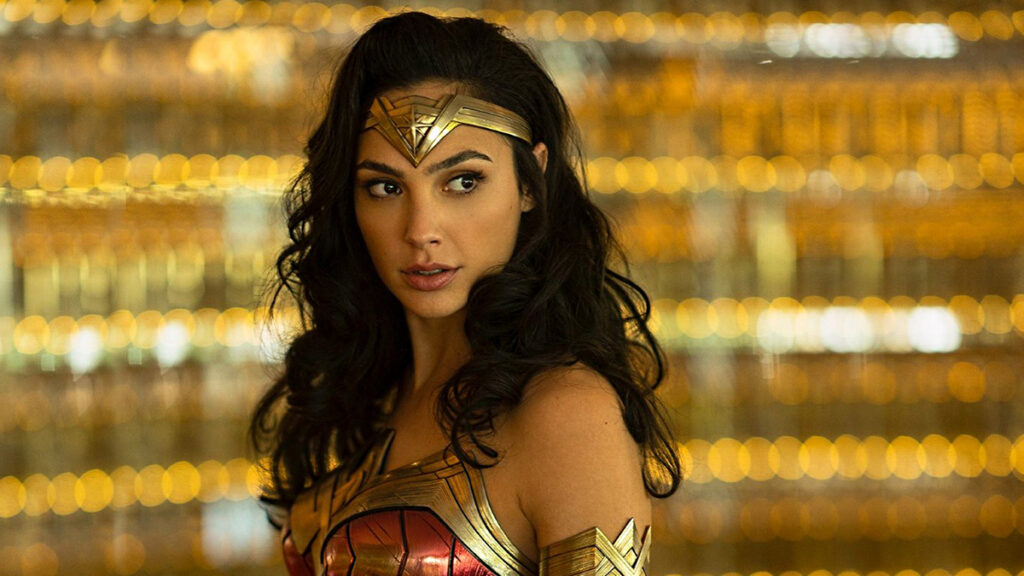
“Women are presented differently than their male counterparts, typically wearing revealing clothing that showcases their curves and cleavage and showing a lot of skin in some cases.” Heroes like “Power Girl and Wonder Woman are portrayed wearing little clothing and showing cleavage.” Power Girl’s suit, specifically, is described as “not unlike the swimsuits in the T.V. show Baywatch.” It’s a pattern that raises a big question: who exactly are these costumes for?
The context tells us this phenomenon illustrates “a sociological idea called the ‘male gaze,’ which is media created from the viewpoint of a normative heteroual male.” With male writers and a largely male audience historically, “writers are designing characters to appeal to a mostly male audience.” This results in heroines with “hyper sexualized bodies,” designed to be “sexually pleasing to the hypothetical heteronormative male audience.” If only we could get a refund on all that squandered potential for empowering, less objectifying designs!
5. “Feminine Apologetics”: When Power Takes a Backseat to ‘Relatability’
Female superheroes often boast incredible strength, intelligence, and resilience, sometimes even “god-like power.” Yet, even when they’re at their most formidable, there’s a subtle, almost insidious trend that can diminish their impact. It’s called “feminine apologetic,” and it’s a creative choice that leaves fans wanting more.
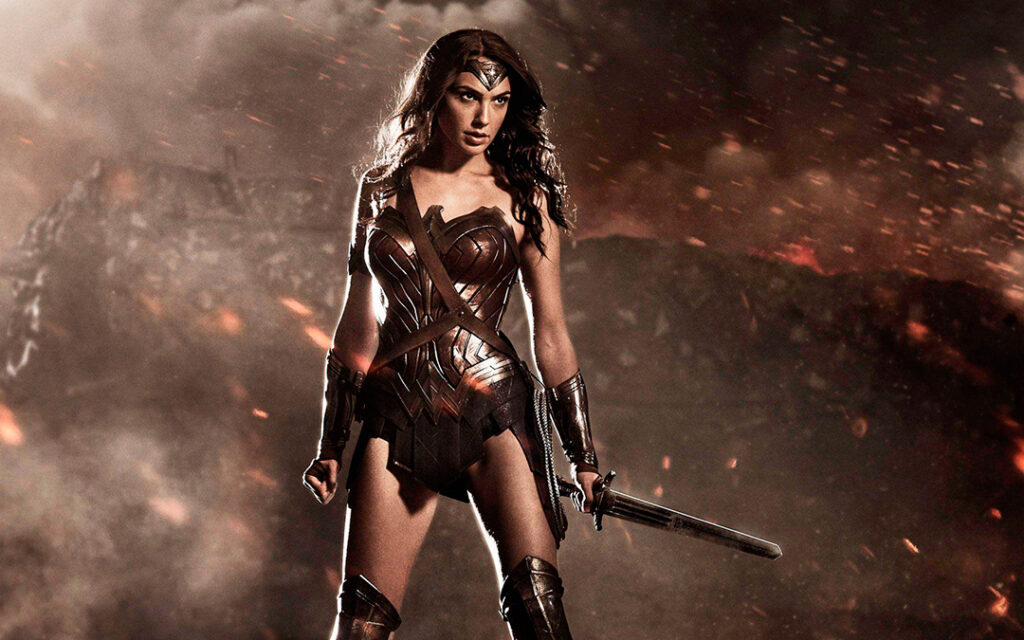
This sociological concept “reinforces a woman’s femininity to account for her masculine attributes (strength, individualism, toughness, aggressiveness, bravery).” We saw a prime example in “2017’s Wonder Woman,” where despite her immense power, she was “still drawn to a much weaker, mortal male character.” It’s as if her inherent strength needed a counterbalance, a softer side, to make her palatable or “relatable” to a broader audience.
This trend feels like a “waste” of genuine, unbridled female power. Instead of fully embracing a heroine’s strength and leadership, the narrative often pulls back, inserting elements that soften her edges or make her subservient in some way. Fans desire authentic, uncompromised heroines who don’t need to “apologize” for their strength. We’d gladly refund any narrative choice that diminishes these powerful figures.
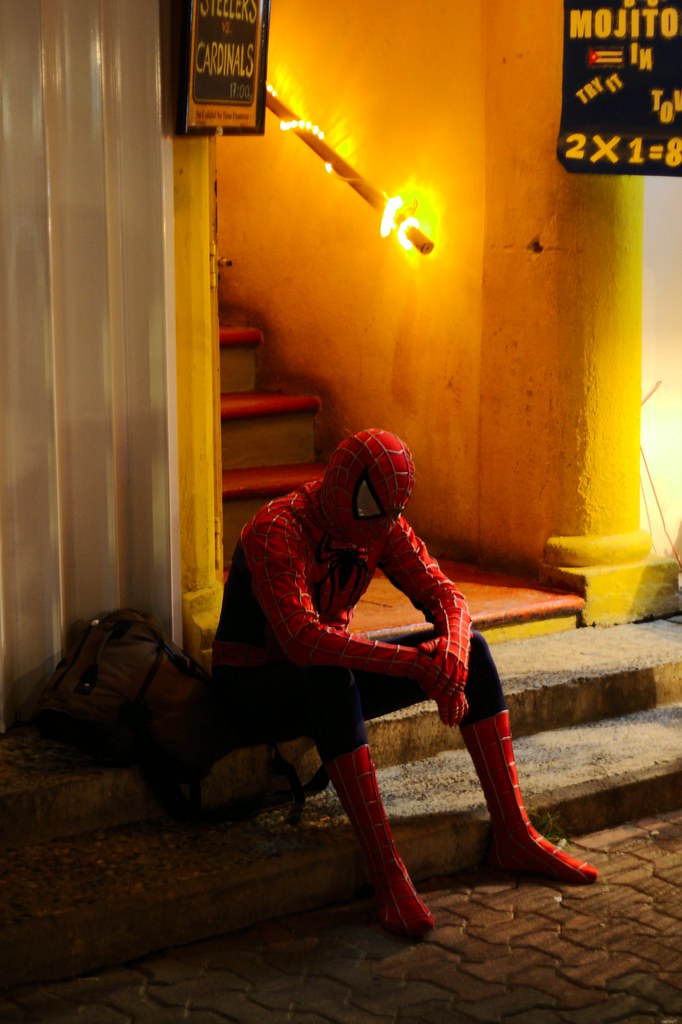
6. The Great Diversity Delay: A Genre’s Slow Crawl to Inclusion
Superheroes, at their core, are about protecting the public and fighting crime for a better world. Logically, you’d think the heroes themselves would reflect the vast diversity of that public from day one, right? Well, for a significant portion of their history, that wasn’t exactly the case. The genre had a painfully slow start when it came to true inclusion.
For decades, superheroes were “predominantly depicted as White American middle- or upper-class young adult males and females.” These characters were typically “tall, athletic, educated, physically attractive and in perfect health.” While these archetypes certainly appealed to many, they left a massive portion of the population feeling unseen and unrepresented within these aspirational narratives.
It wasn’t until “the 1960s with the civil rights movement in the United States, and increasingly with the rising concern over political correctness in the 1980s,” that “superhero fiction centered on cultural, ethnic, national, racial and language minority groups” truly began to emerge. This long “delay” in embracing diversity feels like a massive “waste” of opportunity to build a truly inclusive universe from the outset. Imagine the stories and characters we missed out on during those decades!
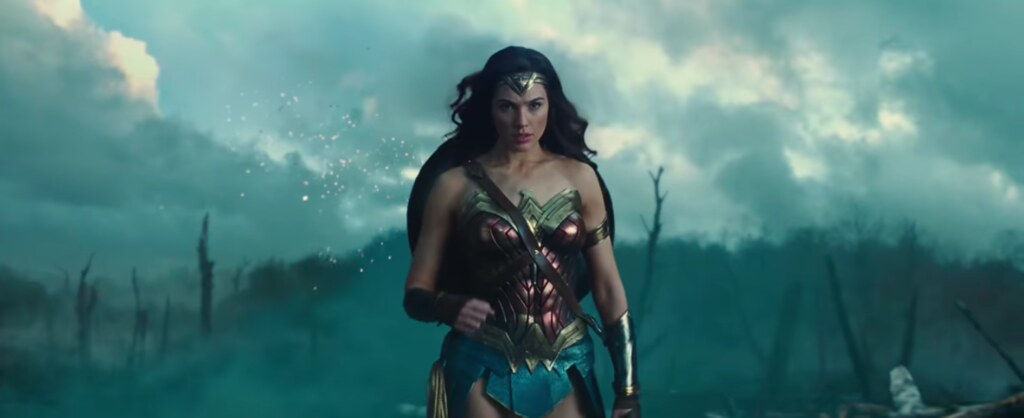
7. Wonder Woman’s Wardrobe Reversion: When ‘Mod’ Was Out and Tradition Reigned
Wonder Woman is undoubtedly one of the most iconic female superheroes ever created, a powerful Amazonian warrior. But even she wasn’t immune to a few head-scratching creative decisions. There was a time in the 1970s when her look and approach underwent a radical transformation, only for it to be promptly “refunded” by popular demand.
During this era, Wonder Woman “was for a time revamped as a mod-dressing martial artist directly inspired by the Emma Peel character from the British television series The Avengers.” She was “depowered and without her traditional costume,” a bold attempt to modernize her for a new generation. It was a dramatic shift, aiming to make her relevant to the evolving cultural landscape of the time.
However, this departure from her classic persona was met with significant public disapproval. Editors of “Ms. magazine publicly disapproved of the character being depowered and without her traditional costume.” As a result, she was “later reverted to Marston’s original concept.” This swift reversal, while understandable in retrospect, can be seen as a “waste” of a daring experiment, an indication of how resistant the genre sometimes is to fundamental change, even when it tries to evolve. If only that particular saga had found a way to truly stick the landing with its modernization!
Alright, fellow superfans, we’ve journeyed through some truly head-scratching moments in superhero history, and trust me, the “refund” button is still very much in play! We’ve seen how legal battles and early creative missteps left us wishing for a do-over. But don’t power down your mental time machines just yet, because there are even more aspects of the superhero universe that make us wonder what could have been.
Now, let’s dive into some more of those collective fan sighs, from brilliant acts of rebellion against outdated norms to the lingering challenges of truly seeing ourselves reflected in the heroes we adore. Get ready to unpack more disappointing aspects, including powerful satirical responses to ualization, unfulfilled potential for unique characters that vanished too soon, and the ongoing struggles for truly inclusive representation that continue to this day. This is where we demand a refund on the narratives that held back progress and missed out on making our hero stories even better!

8. The Hawkeye Initiative: Turning the ‘Male Gaze’ Back on Itself (and It’s HILARIOUS!)
We already talked about the infamous “male gaze” and how it’s historically shaped the way female superheroes are depicted, often reducing them to eye candy rather than powerful individuals. It’s that age-old problem where characters like Power Girl and Wonder Woman end up in outfits “not unlike the swimsuits in the T.V. show Baywatch,” designed primarily to be “ually pleasing to the hypothetical heteronormative male audience.” It’s frustrating, right? A real “waste” of potential for empowering designs!
But what happens when you turn that gaze around? Enter the legendary Hawkeye Initiative, a stroke of pure genius that fans absolutely love. This brilliant website satirizes the ualized portrayal of women in comics by doing something so simple, yet so effective: it recreates those very same poses, but using male superheroes. And Marvel’s Hawkeye, bless his heart, often finds himself as the star of these eye-opening (and gut-bustingly funny) reinterpretations.
By putting male heroes like Hawkeye into contorted, cheesecake poses, the initiative hilariously highlights the absurdity and inherent objectification that female characters have endured for decades. It forces viewers to confront just how ridiculous and impractical these poses are when applied to characters not typically subjected to such treatment. It’s a powerful form of cultural commentary, a fan-driven demand for better, more respectful, and frankly, more logical character design.
If we could hit a “refund” button on the need for the Hawkeye Initiative in the first place, we absolutely would. Imagine a world where such a satirical mirror wasn’t necessary because female superheroes were always drawn with respect, agency, and practicality in mind. It’s a reminder that fans aren’t just passive consumers; they’re actively pushing back against antiquated norms, showing creators exactly what they’d rather see and what needs to change.
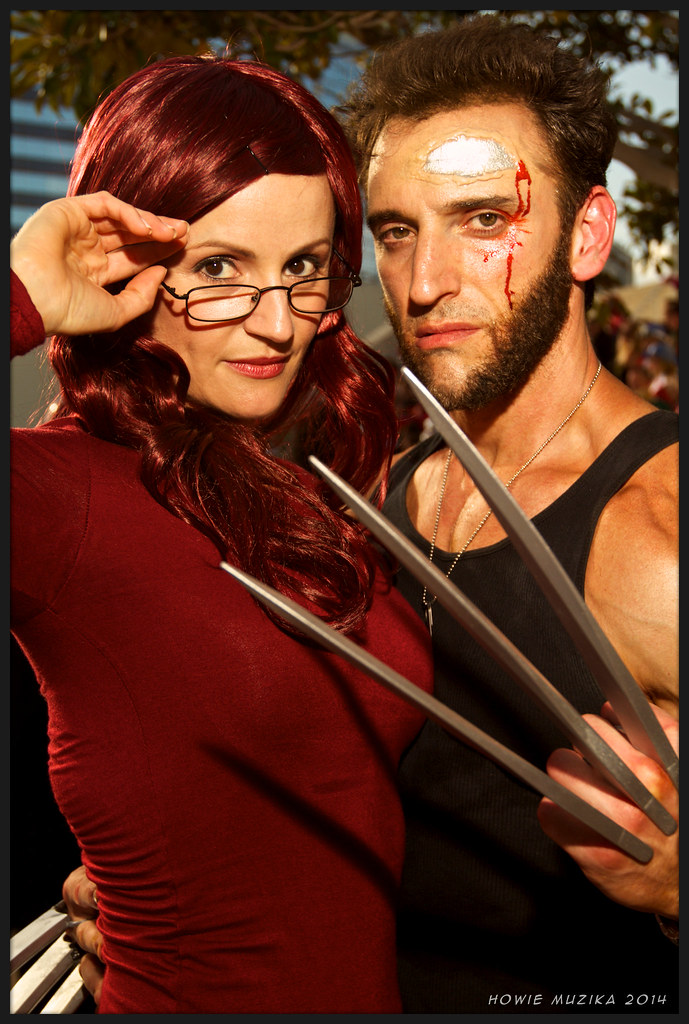
9. The ‘Token Female’ Conundrum: One Woman for the Whole Supergroup? Really?
Superhero teams are awesome, no doubt! The idea of diverse powers, personalities, and strategies coming together to save the world is pure comic book gold. But let’s be honest, for a long, *long* time, the concept of “diversity” within these supergroups often boiled down to one, solitary female member. It’s a recurring pattern that, looking back, feels like a real “waste” of creative potential and equitable representation.
Think about it: DC’s flagship Justice League of America, in its initial roster, featured Wonder Woman as the “token female.” And the trend wasn’t limited to DC! Marvel followed suit, with examples like the Fantastic Four’s Invisible Girl, the X-Men’s Jean Grey (originally known as Marvel Girl), and the Avengers’ Wasp. These characters were powerful, yes, but often they were just *the* woman in a sea of men. It was as if checking a single box was enough.
This “one-and-done” approach to female inclusion, while giving us iconic characters, inherently limited the spectrum of female voices, powers, and leadership styles within these teams. It diluted the potential for richer team dynamics, varied perspectives, and a more accurate reflection of the world these heroes were supposed to be protecting. It left fans yearning for more than just a single female presence in an entire lineup.
We would absolutely demand a “refund” on the decades where supergroups felt obligated to include *a* woman, but rarely *women*. Imagine the narratives, the relationships, and the sheer power that could have been unleashed if female heroes were integrated from the outset as diverse, numerous, and integral members, rather than singular exceptions. It’s a lesson in how even well-intentioned inclusion can sometimes fall short of true representation.

10. Northstar’s Long Road Out of the Closet: The Painfully Slow March of LGBTQ+ Representation
The journey towards truly inclusive representation in superhero comics has been a marathon, not a sprint, and nowhere is that more apparent than in the depiction of LGBTQ+ characters. While we celebrate the progress being made today, the historical “waste” of time and the prolonged hesitation to openly embrace these identities is something many fans would happily refund if they could. It’s about more than just absence; it’s about a delay in affirmation.
Consider the case of Northstar, a member of the Canadian mutant superhero team Alpha Flight. For years, there were implications, hints, and subtle suggestions about his ual orientation. Fans, reading between the lines, knew what was being alluded to. But it wasn’t until 1992 that Marvel finally, explicitly, revealed that Northstar was homosexual. That’s a lot of implied storylines and unspoken truths accumulating over a long period.
This decades-long period of “implication” before an official declaration is a perfect example of the genre’s slow and often cautious approach to LGBTQ+ inclusion. While Northstar’s coming out was a landmark moment, it also highlighted how long it took for such a significant aspect of a character’s identity to be openly acknowledged. It underscored the industry’s hesitation to fully commit to diverse ual orientations, fearing backlash or commercial repercussions.
Fans would certainly demand a “refund” on all those years of subtle hints and implications, wishing that overt, confident LGBTQ+ representation had been embraced much earlier. Imagine the impact and resonance that would have had for readers seeking to see themselves reflected in their heroes. The slow march of progress here felt like a missed opportunity to foster a more inclusive and affirming superhero universe much sooner.
11. The ‘Recast, Don’t Create’ Debate: When Diversity Feels Like a Hand-Me-Down
Okay, so we’ve seen a fantastic push for more diverse heroes lately, and that’s generally a huge win! We’re getting characters who look like the real world, and that’s amazing. But sometimes, fans wonder if the industry is occasionally taking the path of least resistance when it comes to diversity, leading to another kind of “waste.” We’re talking about the debate around replacing established Caucasian heroes with minority characters versus creating brand new, iconic diverse characters from scratch.
On the one hand, we’ve seen incredibly successful and beloved instances of this, like the African-American John Stewart becoming a Green Lantern, Miles Morales taking up the mantle of Spider-Man, and Kamala Khan as the new Ms. Marvel, whose self-titled comic book series became a cultural phenomenon. James “Rhodey” Rhodes as Iron Man, Ryan Choi as the Atom, and Amadeus Cho as Hulk are other fantastic examples of new characters taking on established heroic identities. Even adaptations have seen ethnicity changes, like Nick Fury becoming African-American in the Ultimate Marvel and MCU continuities. These moments have brought much-needed representation and fresh perspectives to beloved roles.
However, some fans argue that while these changes are positive, relying heavily on “recasting” can sometimes feel like a “waste” of a different kind. Is it always the most effective way to foster truly expansive diversity? The argument is that instead of solely reinterpreting existing white characters, there’s immense, unfulfilled potential in creating *new*, original heroes from diverse backgrounds who can stand on their own as fresh icons, not just successors to someone else’s legacy. It’s about building a wider, more varied roster, rather than just shifting who holds the spotlight.
If we could hit a “refund” button here, it wouldn’t be on the diverse characters themselves, but perhaps on the perceived reluctance to invest as heavily in creating *new*, original, and equally prominent minority heroes alongside the brilliant reboots. Fans want both: the fresh takes on beloved mantles, *and* a vibrant, ever-expanding pantheon of brand-new diverse legends. The ongoing struggle is to strike that perfect balance, ensuring that truly inclusive representation isn’t just a reshuffle, but a genuine, boundless expansion of the superhero universe we all love.
And there you have it, fellow comic enthusiasts and movie fanatics! Our deep dive into the 13 superhero sagas that, if we’re being honest, make us wish for a cosmic “refund” button. From baffling legal entanglements to outdated character portrayals and missed opportunities for truly groundbreaking representation, it’s clear that even our most beloved heroes have had their less-than-heroic moments. But here’s the kicker: this isn’t just about looking back and cringing. It’s about learning, growing, and demanding better for the future. We adore this genre because of its limitless potential for wonder, for justice, and for reflecting the best parts of humanity. By acknowledging these past missteps, we’re not tearing down our heroes; we’re pushing for a more authentic, inclusive, and truly super future for everyone. So, let’s keep those critical lenses on, keep advocating for the stories we want to see, and continue to celebrate the vibrant, ever-evolving world of superheroes! What’s your top “refund” moment? Let us know! (But seriously, no actual refunds. We’re just having fun here!)