The city of Halle (Saale) stands as a vibrant testament to Germany’s rich tapestry of history, culture, and innovation. Nestled in the picturesque landscape of Saxony-Anhalt, it’s a place where centuries of heritage blend seamlessly with modern vitality, making it a compelling focus for anyone seeking to understand the enduring spirit of Central Germany. From its ancient origins rooted in salt harvesting to its current status as an academic and economic powerhouse, Halle offers a captivating journey through time and progress.
This deep dive into Halle (Saale) will unveil the multifaceted layers that define this remarkable city. We’ll explore its strategic geography, delve into the pivotal moments that shaped its identity, and celebrate the cultural and scientific contributions that have left an indelible mark not just on Germany, but on the world. Prepare to be inspired by the resilience, ingenuity, and vibrant character that make Halle (Saale) a truly special place.
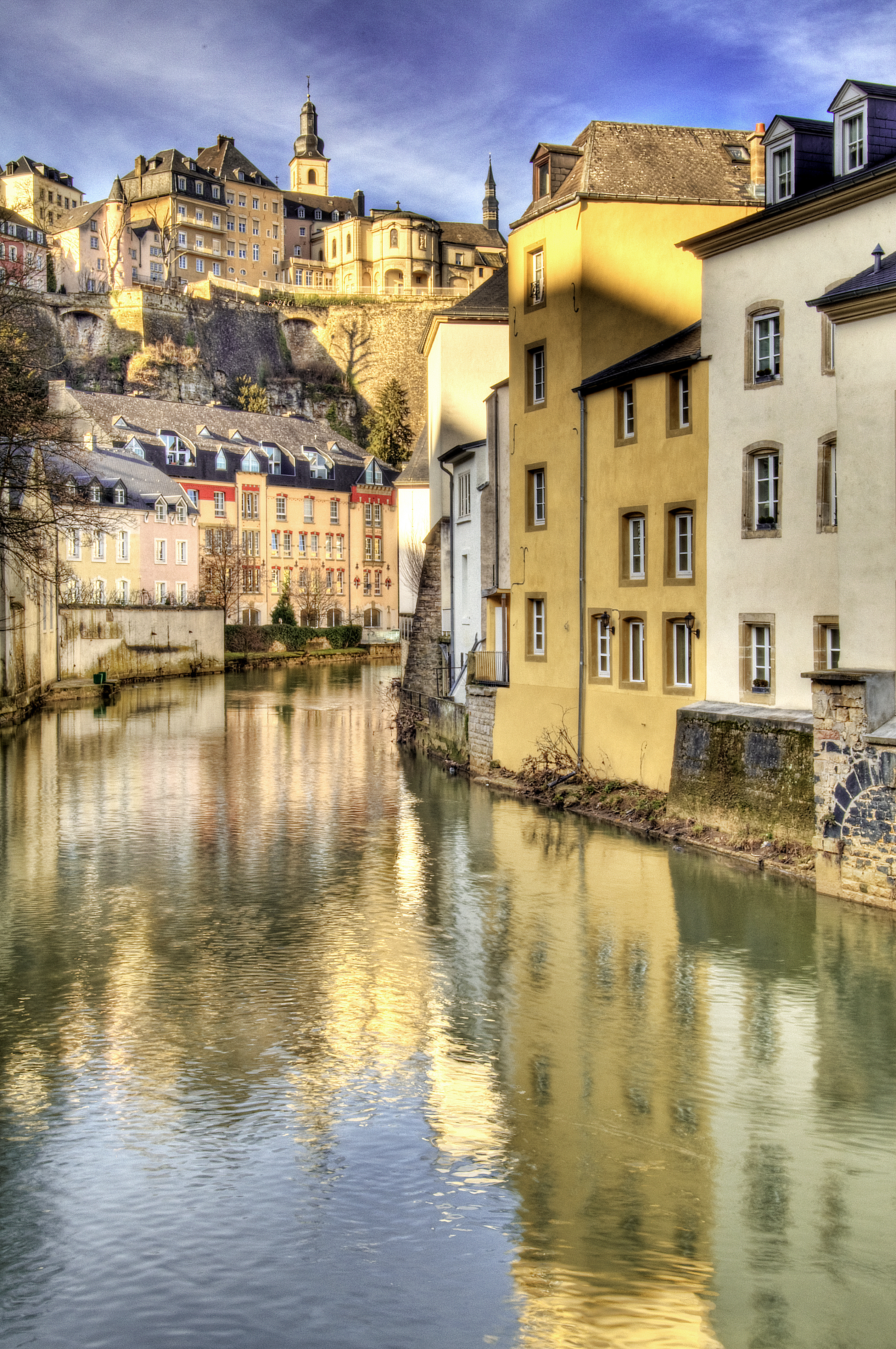
1. **Halle’s Geographic Core**Halle (Saale) is strategically positioned as the second-largest city in Saxony-Anhalt, gracefully resting within the Leipzig Bay, the southernmost stretch of the North German Plain. It is the largest city on the River Saale, which is Germany’s third-longest river flowing entirely within the country. The White Elster also flows into the Saale in Halle’s southern borough of Silberhöhe, enhancing its natural waterways.
This central German location is a hub of connectivity. Halle forms the polycentric Leipzig-Halle conurbation with Leipzig, Saxony’s largest city, illustrating a powerful urban synergy. The Leipzig/Halle International Airport, situated between the two cities in Schkeuditz, serves as a crucial gateway. This conurbation lies at the heart of the larger Central German Metropolitan Region, underscoring Halle’s significance in the broader economic and social fabric.
The city spans 135.01 km² and is divided into five districts: Central, North, East, South, and West, further subdivided into neighborhoods and quarters. This structured layout reflects centuries of growth, from early incorporations like Glaucha in 1817, to larger municipalities such as Ammendorf in 1950. The oceanic climate (Cfb), close to cold semi-arid, supports agriculture and large trees, surviving droughts due to regular wet periods and absence of extreme temperatures.
Read more about: The Enduring Craft: A Deep Dive into the Rich History, Evolving Terminology, and Diverse Techniques of the Acting Profession Across Millennia
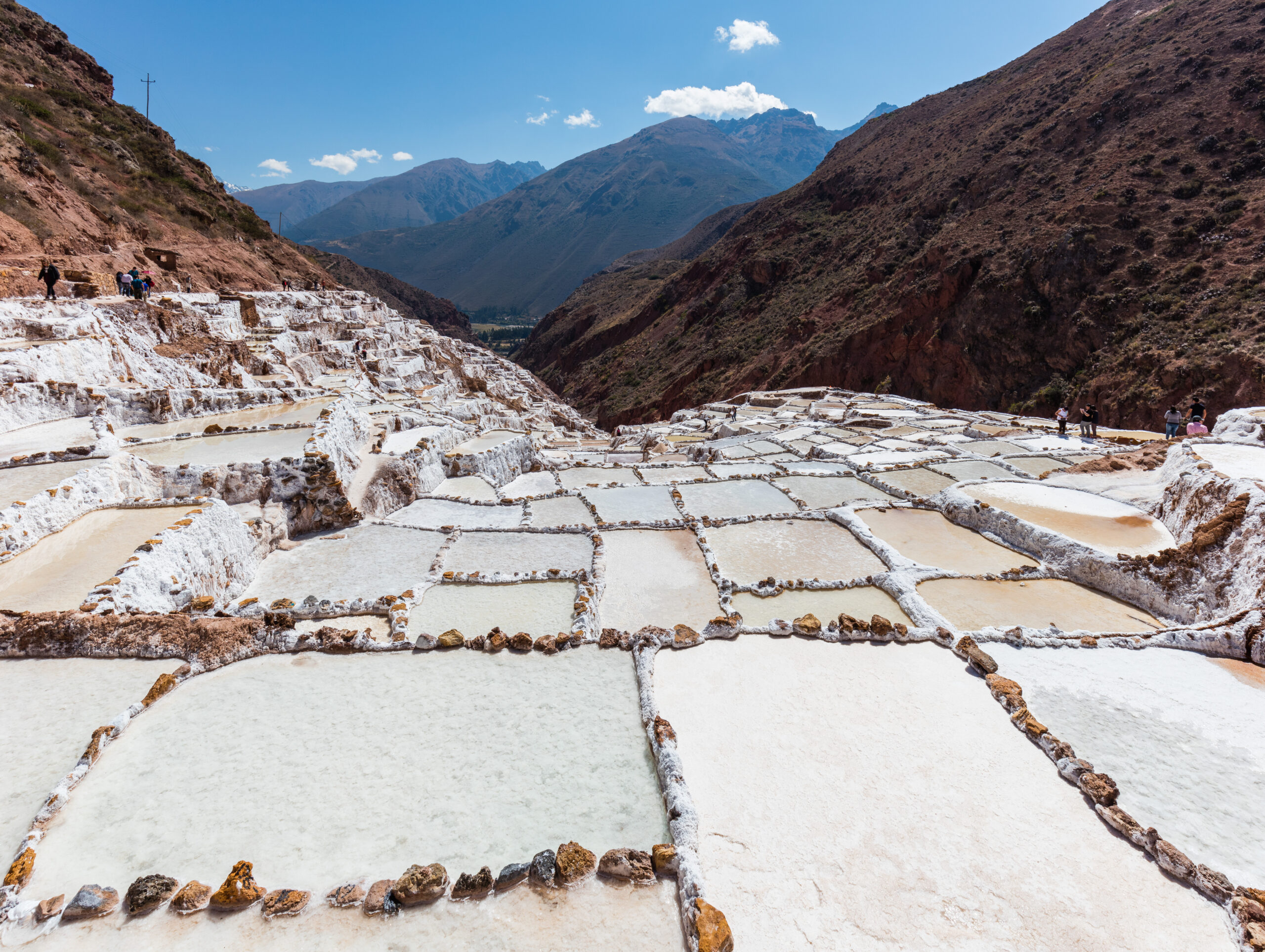
2. **The Enduring Salt Heritage**Halle’s name and early history are inextricably linked to ancient salt harvesting. The River Saale’s name carries a Germanic root for “salt,” signaling this profound connection. This ancient craft has been continuous since at least the Bronze Age (2300–600 BC), showcasing remarkable industrial continuity that predates much of recorded European history.
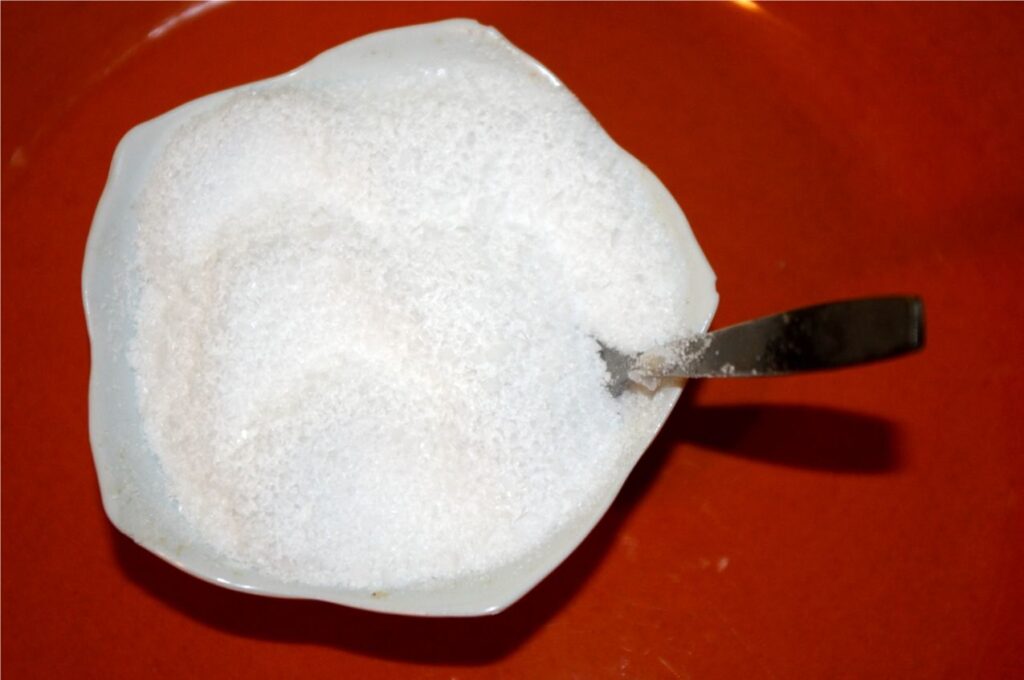
Salt, or “white gold,” was extracted from four “Borns” (well-like structures) – Gutjahrbrunnen, Meteritzbrunnen, Deutscher Born, and Hackeborn – located around the Hallmarket. The highly concentrated brine was boiled in “Koten,” simple houses made from reed and clay. This process defined Halle’s early economy and created a unique community of salt workers called Halloren.
The Halloren were known for their unique uniform, featuring eighteen silver buttons. This iconic detail inspired the Halloren-Werke, Germany’s oldest chocolate factory (founded in 1804), which produces chocolates shaped like these buttons. Today, the Saline Museum is dedicated to Halle’s salt-works, where visitors can observe the ancient craft of “Schausieden” (boiling of the brine) and appreciate this vital industry’s legacy.
Read more about: Beyond the Stage: A Glimpse Inside Madonna’s Global Real Estate Empire

3. **A Timeline of Identity: Halle’s Names Through History**The city’s identity has evolved through a series of names reflecting different eras and administrative affiliations. From the 15th to the 17th century, it was known as “Hall in Sachsen,” a straightforward designation tying it to its provincial context. This early nomenclature speaks to regional power dynamics of the time.
Later, the city adopted “Halle an der Saale,” adding a descriptive element that means “Halle on the Saale.” This more formal name explicitly highlighted its prominent position on the River Saale and continues to be used today for official references, distinguishing it from other places with similar names and reinforcing its geographical identity.
Between 1965 and 1995, during the German Democratic Republic era, the city was officially referred to as “Halle/Saale.” This abbreviated form was common for geographical designations in East Germany, combining the city’s name with its defining river. Each name change tells a story of political shifts, administrative preferences, and a persistent connection to Halle’s key natural features.

4. **Medieval Power & Hanseatic Influence**Halle’s historical roots stretch deep into the early medieval period, with its earliest documented mention in AD 806. Its strategic importance grew, leading to its incorporation into the Archbishopric of Magdeburg in the 10th century. This affiliation with a significant ecclesiastical territory shaped its governance, economy, and cultural life for over 700 years until 1680.
During its growth, Halle showcased burgeoning economic prowess by joining the Hanseatic League. Historical documents confirm its membership as early as 1281. This formidable medieval commercial and defensive confederation of merchant guilds brought significant economic benefits, protecting merchants and facilitating trade routes, thereby contributing to Halle’s prosperity as an important trading center.
Even after its annexation by the Margraviate of Brandenburg in 1680 as the Duchy of Magdeburg, Halle maintained its unique character. Its ability to leverage collective trade power and its strategic location laid foundations that continued to define its future as a crucial regional hub.
5. **Cradle of Pietism & Modern Education**In the 16th century, Halle was a significant site for Martin Luther’s Reformation, indicating its intellectual and religious vibrancy. This period of theological change set the stage for later spiritual movements. Cardinal Albert of Mainz, Archbishop of Magdeburg from 1513 to 1545, also influenced the town during this transformative era, embedding Halle within the broader European religious landscape.
Halle later became a prominent center for Pietism, a Lutheran movement emphasizing personal devotion and moral conduct. King Frederick William I of Prussia (1713–1740) encouraged this, aiming to align the Lutheran population with his Calvinist faith and foster loyalty to the Prussian king, rather than the feudal system. This royal backing allowed Pietism to flourish, deeply impacting Halle’s social and educational fabric.
By the 1740s, Pietism had shaped Halle’s institutions profoundly. The city established numerous orphanages and schools for the wealthy, all reflecting Pietism’s sober style. This era marked the establishment of the “modern education” system in Halle. The Pietists also actively combatted poverty, showcasing a holistic approach to community well-being that blended spiritual development with practical social action.
6. **Echoes of Conflict: The Battle of Halle & WWII Resilience**Halle’s history bears the indelible marks of conflict, yet also showcases remarkable resilience. During the War of the Fourth Coalition, the city became a battlefield on October 17, 1806, when French and Prussian forces clashed in the Battle of Halle. The fierce fighting moved from covered bridges on the city’s west, through its streets and market place, and into the eastern suburbs, cementing Halle’s place in military history.
Centuries later, Halle faced World War II. It initially survived “almost unscathed,” preserving its cityscape. However, it housed KZ-Außenlager Birkhahn, a Buchenwald subcamp, where prisoners from various nations were forced to work in Siebel aircraft plants, producing combat aircraft. This stands as a stark reminder of wartime atrocities.
Near the war’s end, Halle endured two bombing raids. The first, on March 31, 1945, hit between the railway station and city center, while the second struck the southern district a few days later. These attacks killed over 1,000 inhabitants and destroyed 3,600 buildings. On April 17, 1945, American soldiers occupied Halle. Though the Red Tower was damaged by artillery, further widespread destruction was averted after former naval officer Felix von Luckner negotiated the city’s surrender, saving Halle from an aerial bombardment and preserving much of its historic fabric.
7. **Post-War Shifts and German Reunification**Following World War II, Halle entered a new era, shaped by post-war Germany’s political landscape. It briefly served as the capital of Saxony-Anhalt until 1952, when the East German government abolished its “Länder.” As part of the German Democratic Republic (GDR), Halle became the capital of the administrative district (Bezirk) of Halle until reunification in 1990.
The GDR era brought significant industrial development, transforming Halle into a leading East German city alongside Leipzig and Dresden. Its crucial chemical industry, featuring Buna-Werke and Leuna, led to the construction of Halle-Neustadt in the 1960s to house thousands of employees. This industrial boom saw Halle’s population peak at approximately 305,000 in 1991, reflecting its robust economic activity.
However, German reunification in 1990 introduced dramatic shifts. Magdeburg, not Halle, became the capital of the re-established Saxony-Anhalt, altering Halle’s administrative status. More significantly, the loss of its large industries caused a sharp population decline, as many residents moved to former West Germany. Now considered one of Germany’s poorer cities, Halle grapples with deindustrialization. Despite these challenges, its foreign population grew significantly from 2015, with refugees from Syria and other war-torn countries finding new homes, adding a new chapter to its ongoing story of adaptation.
Read more about: America’s Unfolding Story: A Deep Dive into the Foundational Shifts and Enduring Legacies That Reshape a Nation

8. **A Beacon of Learning: Halle’s Academic Excellence**Halle isn’t just a city steeped in history; it’s a dynamic hub of knowledge and innovation, proudly hosting institutions that are cornerstones of German academia and healthcare. At its heart lies the Martin Luther University of Halle-Wittenberg, not only the largest university in Saxony-Anhalt but also one of Germany’s oldest and most respected centers of higher education. Its rich history of academic rigor continues to attract bright minds, fostering an environment of discovery and intellectual growth.
Complementing its university status, Halle boasts the Universitätsklinikum Halle (Saale), the largest hospital in the state. This formidable institution serves as a critical medical care provider and a leading center for advanced medical research and training. The synergy between the university and the hospital ensures Halle remains at the forefront of medical practice and scientific advancements, contributing significantly to the region’s well-being.
Adding to its academic prestige, Halle is the esteemed seat of the German National Academy of Sciences (Leopoldina), the oldest and most respected scientific society in Germany, where groundbreaking research happens. The Francke Foundations, with their deep historical roots in Pietism, continue to impact modern education, boasting Europe’s largest surviving half-timbered building. Halle truly nurtures intellect and healing, from its historic university medical school, established by Friedrich Hoffmann, to its pioneering educational initiatives like the Marienbibliothek and the Max Planck Institute, making it a vital center for learning.

9. **Handel’s Heartbeat: A City of Musical Heritage**Prepare to have your heartstrings plucked, because Halle is a living symphony, especially for lovers of classical music! This is the revered birthplace of George Frideric Handel, who graced these streets for the first 17 years of his life. His childhood home, the Handel House, has been beautifully transformed into a vibrant museum, inviting visitors to step back in time and explore the formative years of this musical giant.
Every June, Halle resonates with the magnificent sounds of the Handel Festival, a cherished annual tradition since 1952. This celebration honors Handel’s monumental contributions, drawing enthusiasts from around the world to experience his timeless compositions in the city that first inspired him. You’ll find the only monument in Germany dedicated solely to Handel right here, a testament to the profound pride the city takes in its musical legacy.
But Handel isn’t the only star in Halle’s musical galaxy. The city also celebrates the legacy of other notable composers like Robert Franz and offers a glimpse into the life of another musical prodigy at the Wilhelm Friedemann Bach House. For a truly historic sound, the Stadtsingechor zu Halle, founded before 1116, is one of the oldest boys’ choirs in the world, carrying on a tradition of vocal excellence that directly links to Halle’s ancient musical soul.

10. **The Iconic Market Square: Halle’s Enduring Landmarks**Stepping into Halle’s market square is like walking into a postcard, a vibrant tableau where history greets you at every turn! Dominated by the magnificent Market Church of St. Mary (Marktkirche), built between 1529 and 1554, its iconic four steeples are simply breathtaking. The two western octagonal ones, the Blue Towers, and the two Hausmannstürme, connected by a bridge that once served as the city’s vital fire watch, are defining symbols of Halle, instantly recognizable.
The Marktkirche isn’t just a stunning sight; it’s a repository of profound historical significance, proudly housing the original death-mask of Martin Luther. Standing proudly beside it is the Roter Turm, or Red Tower, originally conceived as a campanile. Together, the Roter Turm and the Marktkirche’s steeples form the iconic “five towers” that majestically grace Halle’s skyline.
Adding to the square’s rich character is the Roland, a sandstone replica echoing an original 13th-century sculpture, symbolizing urban liberty and civic pride. You’ll also discover the Marktschlösschen, a charming late Renaissance building, and the prominent Ratshof, which now stands after the Old Town Hall was demolished post-WWII. Even the “Yellow line” running across the square, subtly marking a geological fault line, adds an intriguing blend of natural history. This square truly is the beating heart of Halle, where every stone tells a story.
11. **Echoes of Industry: Salt, Chocolate, and Chemical Giants**Halle’s journey through time is intricately woven with its industrial might, a story that stretches from ancient salt mines to groundbreaking chemical plants. The Saline Museum continues to brilliantly showcase its enduring salt heritage, where visitors can witness the ancient craft of “Schausieden,” the fascinating boiling of brine, and discover the “Silver Treasure of the Halloren,” a collection of silver and gold goblets dating back to 1266.
This connection to the Halloren, the city’s historic salt workers, even sparked a delicious modern-day industry! The Halloren-Werke, founded in 1804, stands proudly as Germany’s oldest chocolate factory still in operation. It’s a sweet echo of history, as they famously produce chocolates shaped like the Halloren’s distinctive uniform buttons, offering a delightful and edible link to Halle’s industrious past. Visiting the factory is a must for any sweet tooth and history buff alike!
Fast-forwarding to the 20th century, Halle became a colossal center for the chemical industry during the East German era, with giants like Buna-Werke and Leuna defining its economic output. These massive enterprises employed thousands, directly leading to the construction of Halle-Neustadt in the 1960s, a socialist model city designed specifically to house this workforce. While much of this heavy industry has since transformed, its impact remains visible in the city’s structure and its narrative of resilience and continuous evolution.

12. **Unearthing History: Prehistoric & Cultural Treasures**Beyond its bustling market square, Halle is a treasure trove of history, offering glimpses into ancient civilizations and medieval grandeur. A prime example is the renowned State Museum of Prehistory, a must-visit for anyone fascinated by the dawn of human civilization. This museum proudly houses the Nebra sky disk, a truly monumental Bronze Age find with profound astronomical significance, making it one of Europe’s most important archaeological artifacts.
Perched majestically above the Saale river, Giebichenstein Castle offers a dual experience: its upper castle now hosts a museum, while its lower castle is home to the Burg Giebichenstein University of Art and Design, blending ancient stones with modern creativity. Not far, the Moritzburg Castle, a stunning edifice built between 1484 and 1503, has been wonderfully reconstructed and now stands as a vibrant art gallery, a testament to resilience and artistic revival.
Halle’s rich ecclesiastical history is beautifully preserved in its religious architecture, including the serene, steepleless Dom, originally a Dominican monastery church. Other noteworthy sites include the late Gothic Saint Maurice Church and Saint Ulrich Church, now revered as a concert hall. You’ll also discover the exquisite early Renaissance palace of Neue Residenz and the tranquil Stadtgottesacker, a Renaissance cemetery laid out in the style of an Italian camposanto.
13. **Green Oases and Artistic Impressions: Parks and Cultural Life**Halle beautifully balances urban living with lush green spaces and a vibrant arts scene, offering countless ways to relax and be inspired. Nature lovers will adore the Botanical Garden of the Martin Luther University and Reichardts Garten, a historic English garden from 1794, once a hub for Romanticism. Peißnitz Island, with its annual Laternenfestival, provides a fantastic recreational area, embodying Halle’s community spirit.
The Zoological Garden (Bergzoo), dramatically situated on the Reilsberg hill, is another beloved spot, contributing to important EAZA breeding programs. And for a truly unique local touch, keep an eye out for Halle’s thriving coypu population along the waterways – they’re native to South America but have made themselves quite at home here!
The city’s commitment to culture shines brightly through its impressive array of theaters, from the Halle Opera House to the Thalia Theater for children. Halle also holds a significant place in German Romanticism, having attracted illustrious writers like Heine and Goethe. Adding a modern artistic flair, German-American expressionist painter Lyonel Feininger worked in Halle, capturing the city’s essence in his “Halle Cycle,” with “Die Türme über der Stadt” even gracing a German stamp. Halle truly is a place where history, nature, and art coalesce.

14. **Connectivity at its Core: Halle as a Transport Hub**Halle’s pivotal role in Central Germany isn’t just about history and culture; it’s also about incredible connectivity, making it a crucial transport hub for the region. The city’s modern infrastructure owes much to pioneers like Ludwig Wucherer, who in 1840 opened the Magdeburg-Halle-Leipzig line, solidifying Halle’s position at the heart of Germany’s burgeoning railway network.
Today, this legacy of innovation continues with the Halle (Saale) tramway network, which holds the impressive distinction of featuring the world’s first major electric-powered inner-city tram line, opened in 1891! The Halle (Saale) Hauptbahnhof, the main railway station, remains a powerhouse of regional and national connectivity, serving as a vital hub for the S-Bahn Mitteldeutschland.
Halle’s strategic importance in rail travel has been further amplified by the Erfurt–Leipzig/Halle high-speed railway, which includes the awe-inspiring Saale-Elster Viaduct, the longest bridge in Germany and Europe’s longest high-speed rail bridge. Adding a crucial aerial dimension, the Leipzig/Halle International Airport serves as a vital international gateway, ranking as the fifth-busiest airport in Europe for cargo traffic, underscoring Halle’s significance for global commerce.
Read more about: Ryan Reynolds and Rob McElhenney’s $3 Billion Wrexham Stadium: A Game-Changing Vision for Football’s Future
As we conclude our extensive journey through Halle (Saale), it’s clear that this is a city that defies easy categorization. From its ancient origins forged in salt to its modern-day status as an academic powerhouse and a cultural gem, Halle continuously reinvents itself while honoring its profound past. It’s a place where every street corner whispers a tale, every institution contributes to a brighter future, and every landmark stands as a testament to human resilience and creativity. Halle isn’t just a point on the map; it’s an experience, a living narrative of progress, passion, and enduring appeal, waiting for you to discover its unique charm. It truly is a remarkable city, brimming with an energy that is both historic and refreshingly forward-looking.