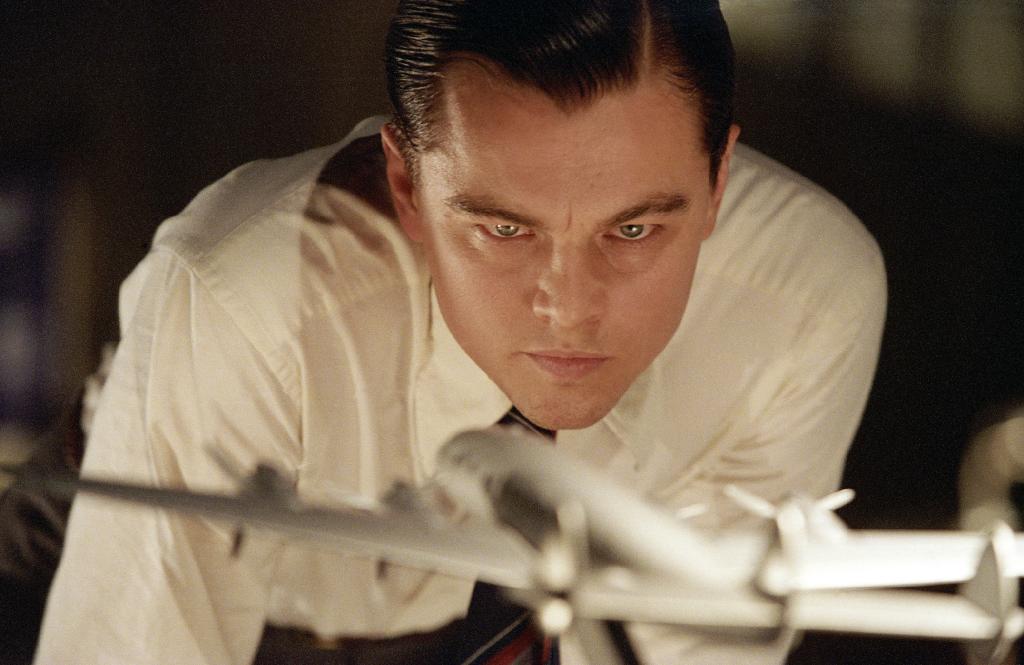
Alain Delon, the iconic “angel-faced tough guy” who defined a generation of French cinema, passed away at the age of 88, leaving behind a legacy that transcended borders and captivated audiences worldwide. A leading man whose enigmatic presence and striking looks made him an international symbol from the late 1950s to the 1980s, Delon was more than just a cinematic figure; he was, as Le Monde aptly put it, cinema’s ultimate “grand fauve” (big beast), a man whose life was as dramatic and compelling as any of the roles he portrayed. His career, marked by collaborations with legendary directors like Luchino Visconti and Jean-Pierre Melville, earned him critical acclaim and numerous accolades, solidifying his place as one of the most well-known figures of the French cultural landscape.
However, the narrative of Alain Delon’s life was not solely one of glamour and artistic triumph. In its final act, as recounted by French media before his death, it became a poignant Greek drama, characterized by a profound breakdown within his own family. A public torn between horror and fascination witnessed his three surviving children—Anthony, Anouchka, and Alain-Fabien—engage in a bitter struggle over memory, paternal love, and his will. This deeply personal and public conflict offered a stark, unsettling counterpoint to the dazzling image of the star, revealing the intricate tapestry of a man whose turbulent past and complicated relationships continued to shape his story until the very end.
This retrospective aims to meticulously explore the multifaceted journey of Alain Delon, examining the pivotal moments that shaped his formidable career and the personal struggles that often unfolded away from the silver screen, yet were intrinsically linked to his public persona. From his challenging formative years and accidental entry into cinema to his meteoric rise as an international icon and his later struggles, we trace the trajectory of an actor whose enduring popularity stemmed from a unique blend of style, looks, and unforgettable roles.
1. **A Troubled Genesis: Childhood and Rebellious Youth**Alain Fabien Maurice Marcel Delon’s life began in Sceaux, a wealthy suburb of Paris, on November 8, 1935, into a petit-bourgeois family. His father, François Fabien Delon, was a cinema projectionist and later a director, while his mother, Édith Marie Suzanne Arnold, worked as a pharmacy assistant and theater usher. This early connection to cinema, however, did not immediately pave the way for a smooth childhood, as his parents divorced in 1939 when he was just four years old. This event, a “childhood wound that never healed,” set the stage for a turbulent upbringing marked by instability and a perceived lack of parental attention.
Following the divorce, Delon was entrusted to a foster family, the Neros, whose father was a prison guard in Fresnes Prison. It was here, living next door, that the young Delon heard the salvo that executed the wartime collaborator Pierre Laval in 1945, a detail he was later told and which undoubtedly left an impression. During this period, he developed a passion for bicycle racing, even dreaming of becoming a racer like Fausto Coppi. However, this semblance of normalcy was short-lived, as the death of his foster parents in 1946 led to him being sent back to his birth parents, who shared custody.
His parents, seemingly reluctant to fully care for him, subsequently placed him in the Catholic boarding school of Saint-Nicolas d’Igny. Despite developing a passion for music and even performing as a soloist in the school choir, receiving congratulations from the future Pope John XXIII, Delon’s rebellious nature soon surfaced. He was “unruly, constantly misbehaving in the classroom and getting into fights with other children,” leading to expulsions from multiple schools—Jesuit, Benedictine, Franciscan, and lay institutions alike—until the age of 13. A notable incident involved him stealing a director’s motorcycle, an act that epitomized his defiance.
By age 14, Delon’s aversion to formal education peaked, culminating in an attempt to run away to Chicago with a friend, an endeavor that ended in jail and further expulsion. His parents, resigned to his academic disinterest, then directed him towards a practical trade. He joined his stepfather, Paul Boulogne, a butcher and delicatessen owner, working at “Au Jambon de Paris” and eventually obtaining a Certificate of Professional Aptitude in charcuterie. Despite family plans for him to take over the business, this period also saw him develop a “very bad reputation in the community,” characterized by constant partying, bar fights, and even membership in a gang, foreshadowing the “tough guy” image that would later define his cinematic persona.
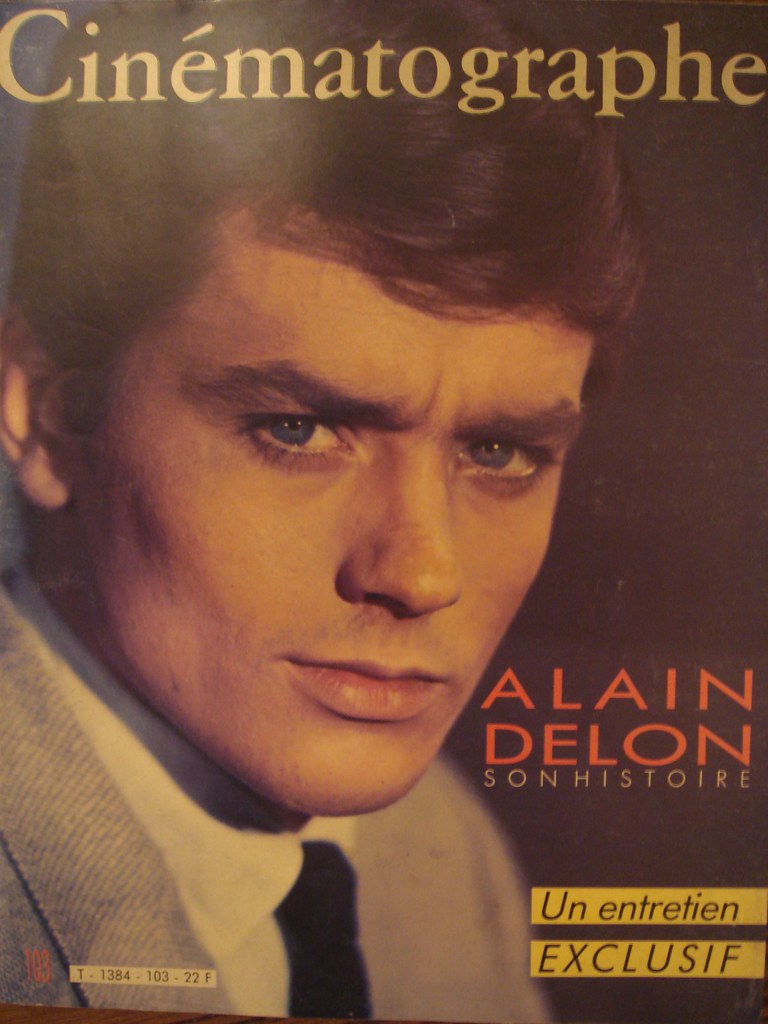
2. **From Indochina to the Paris Underworld: The Formative Years**Anticipating his military service call-up, the 17-year-old Delon enlisted in the French Navy. His service began at the Pont-Réan Maritime Training Centre, followed by a stint at the Bormette Signals School in 1953. However, his rebellious tendencies did not subside, leading to an arrest for stealing equipment. Presented with a choice to leave the Navy or extend his commitment, he chose the latter, perhaps seeking structure or a path away from his troubled Parisian youth. As a first-class seaman, he was then assigned to the protection company of the Saigon arsenal in French Indochina, placing him directly into a significant historical conflict.
During the twilight of the Indochina War, Delon found himself in trouble once more, arrested for stealing a jeep and taking an unauthorized trip that ended with the vehicle submerged in a stream. This transgression led to the revocation of his radio license and a dishonorable discharge from the Navy, culminating in him celebrating his 20th birthday in a prison cell. Despite the ignominious end to his military career, this period left a profound impact on him. He later acknowledged that he “discovered military discipline, a sense of honour and respect for the values represented by the flag of France,” and developed a lasting “passion for weapons.” It was also in Indochina that he saw Jean Gabin in “Touchez pas au grisbi,” a film that captivated him and perhaps subtly planted the seeds of an acting ambition.
Returning to France in 1956, Delon felt a deep resentment towards his parents for allowing him to go to Indochina, despite his being a volunteer. He severed ties with them, determined to fend for himself without a clear idea of his future. He took on various odd jobs, including working as a produce handler at the bustling Paris market Les Halles and as a waiter in a café near the Champs-Élysées. It was during this time that he crossed paths with the future singer Dalida, with whom he would later share a romantic relationship.
However, the path he seemed to be heading down was far from conventional. In the vibrant, often shadowy, districts of Pigalle and Montmartre, Delon immersed himself in the French underworld. He befriended “members of the French underworld, thugs and gigolos,” notably a homoual named Carlos who provided him protection. Delon was drawn to the “values of this environment, in particular the sense of honour, friendship, respect and the law of silence.” He was housed and fed by several prostitutes, and at this juncture, his “future at that point seemed to be heading towards a career as a pimp,” a stark contrast to the global cinematic icon he was soon to become.
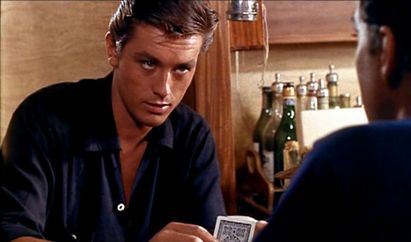
3. **The Accidental Discovery: Entry into the World of Cinema**The trajectory of Alain Delon’s life took a dramatic turn when he discovered the intellectual and artistic hub of Saint-Germain-des-Prés. It was at the famed Club Saint-Germain that he encountered actress Brigitte Auber, who had recently starred in Alfred Hitchcock’s “To Catch a Thief.” This relationship proved pivotal, as living with Auber on rue du Pré-aux-Clercs effectively distanced him from the underworld life he had been leading, redirecting his path towards an entirely different world. His journey to stardom, however, remained largely unplanned, an accidental discovery rather than a meticulously pursued career.
The 1957 Cannes Film Festival played a crucial role in his entry into the film industry. Accompanying Brigitte Auber to the Côte d’Azur, Delon immersed himself in the vibrant atmosphere of the festival. It was there that he forged a friendship with Jean-Claude Brialy and made vital contacts within the film world, including his future agent, George Beaume. His striking good looks and undeniable charisma did not go unnoticed; he was “spotted” by Henry Willson, an American talent scout working for producer David O. Selznick. Willson, responsible for recruiting new talent, offered Delon a screen test in Rome, a significant step into the realm of professional acting.
Despite having “no particular training as an actor,” Delon’s auditions in the Cinecittà studios proved “conclusive.” Selznick was impressed enough to offer him a seven-year contract in the United States, contingent on him learning English. Delon returned to Paris and began his English studies, but fate intervened again. Actress Michèle Cordoue, with whom he had become romantically involved, convinced her husband, director Yves Allégret, to cast Delon in his first film, “Quand la femme s’en mêle.” Though he initially hesitated, Delon accepted Allégret’s offer, and Selznick, recognizing the opportunity, allowed him to cancel the American contract, setting his career firmly in French cinema.
Delon’s debut role was a small one alongside the star Edwige Feuillère, but it was Allégret’s directing advice that proved transformative. “I didn’t know how to do anything,” Delon recounted. “Allégret looked at me like that and he said: ‘Listen to me, Alain. Speak as you speak to me. Look at how you look at me. Listen as you listen to me. Don’t play, live.’ It changed everything. If Yves Allégret hadn’t told me that, I wouldn’t have had this career.” This foundational instruction instilled in him an authentic approach to acting, which would become a hallmark of his performances. He quickly followed this with roles in Marc Allégret’s comedy “Be Beautiful But Shut Up” alongside Mylène Demongeot and Jean-Paul Belmondo, and a more significant part in “Christine” in 1958, where he met Romy Schneider, marking the beginning of a legendary cinematic and personal pairing.
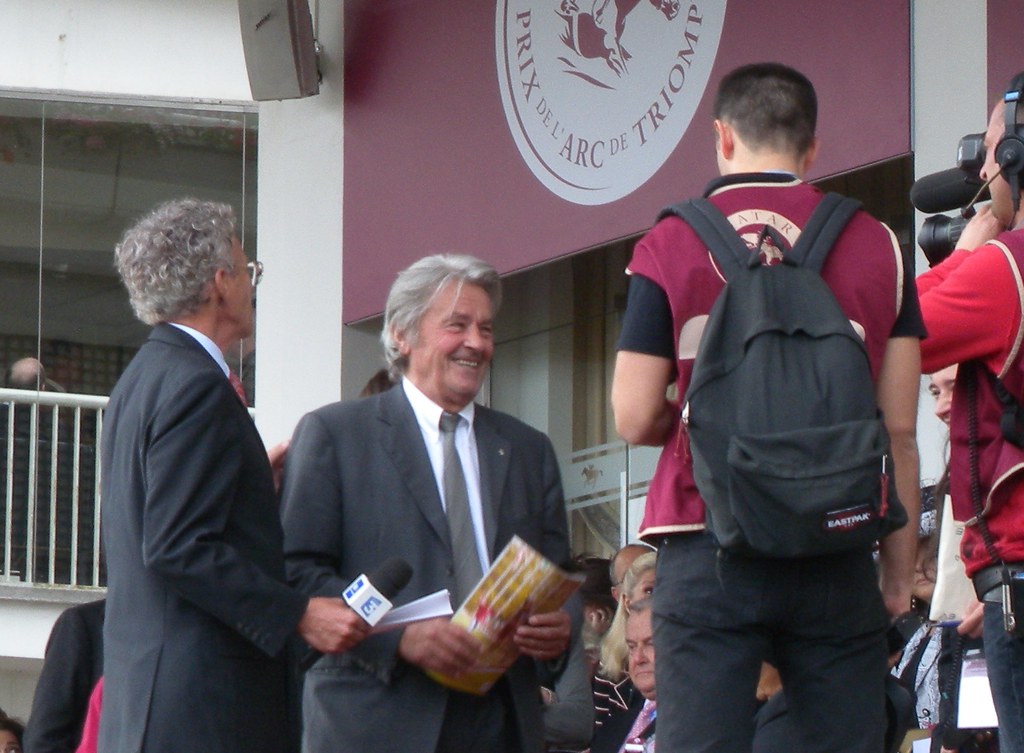
4. **The Emergence of a Star: Early French and International Breakthroughs**Following his foundational roles, Alain Delon rapidly ascended to leading man status, a journey that truly began with “Christine” in 1958, where he was chosen by the already famous German actress Romy Schneider to be her male partner. Their initial encounter at Orly airport was reportedly stormy; Schneider found him “uninteresting and in bad taste,” while Delon found her “unattractive,” hampered further by language barriers. However, during filming, they fell in love, becoming the “fiancés of Europe”—a couple embodying beauty, youth, and success, celebrated by the public and press alike, despite never marrying. This highly publicized relationship significantly boosted Delon’s profile.
His first significant commercial success arrived with Michel Boisrond’s “Weak Women” (1959), a film that also marked his first exposure in America. This hit was swiftly followed by two pivotal films that solidified his international reputation. In 1960, he starred in René Clément’s “Plein Soleil” (released in the US as “Purple Noon”), an adaptation of Patricia Highsmith’s novel “The Talented Mr. Ripley.” Delon’s portrayal of the cunning Tom Ripley garnered widespread critical acclaim, with Highsmith herself reportedly a fan of his performance. The film became a hit in France and achieved success on the art house circuit in English-speaking countries, introducing his unique intensity to a global audience.
The same year, Delon delivered another career-defining performance in Luchino Visconti’s neorealist masterpiece “Rocco and His Brothers.” Playing the title role, his work was lauded by critics, with Bosley Crowther of The New York Times noting his portrayal as “touchingly pliant and expressive.” These two films—”Purple Noon” showcasing his dark magnetism and “Rocco and His Brothers” his vulnerable depth—established Delon as a serious dramatic actor capable of commanding complex roles. He also made his stage debut in 1961 in John Ford’s “‘Tis Pity She’s a Whore” alongside Romy Schneider, directed by Visconti, which broke box office records in Paris, further confirming his versatility and growing stardom.
Delon’s ascent continued with other notable projects, including “The Joy of Living” (1961) and the all-star anthology “Famous Love Affairs” (1961), where he appeared opposite Brigitte Bardot. His burgeoning international profile even saw him considered for the lead in “Lawrence of Arabia” before Peter O’Toole was cast. He then collaborated with Michelangelo Antonioni in the critically acclaimed “L’Eclisse” (1962) opposite Monica Vitti, and another anthology film, “The Devil and the Ten Commandments” (1963). By this point, Delon was not merely an actor; he was rapidly becoming a phenomenon, an undeniable force in both French and European cinema.
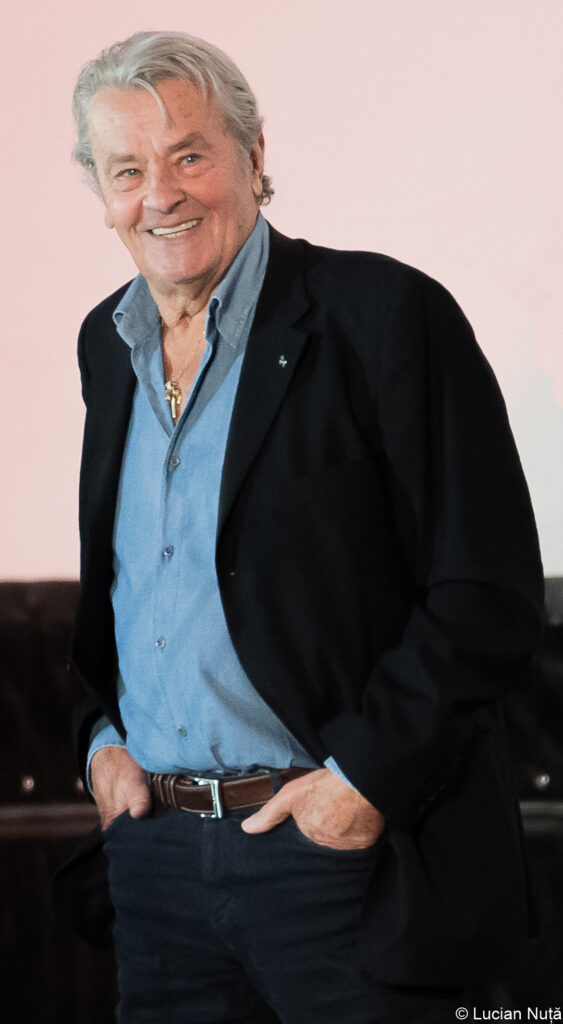
5. **”Delon’s Method” and the Rise of a Producer**Alain Delon’s ambition extended beyond acting, manifesting early in his career as a keen interest in the business side of filmmaking. This entrepreneurial spirit came to the forefront with the 1963 heist film “Any Number Can Win” (MGM backing, starring Jean Gabin), which proved to be a seminal moment. Originally, Jean-Louis Trintignant was slated for the co-starring role, but Delon actively lobbied producer Jacques Bar for the part, demonstrating his determination to shape his career. His persistence paid off, but with a unique stipulation: instead of a straight salary, Delon opted to acquire the film’s distribution rights in certain countries.
This unconventional arrangement, unprecedented in French cinema at the time, quickly became known as “Delon’s method.” The gamble proved immensely lucrative for the young actor. Jean Gabin, his co-star, later asserted that Delon earned “10 times more money” than he did through this innovative deal. While Delon himself claimed in 1965 that “no one else has tried it since and made money,” the experience undeniably “gave Delon a taste for producing,” marking the beginning of his evolution into a powerful figure behind the camera as well as in front of it.
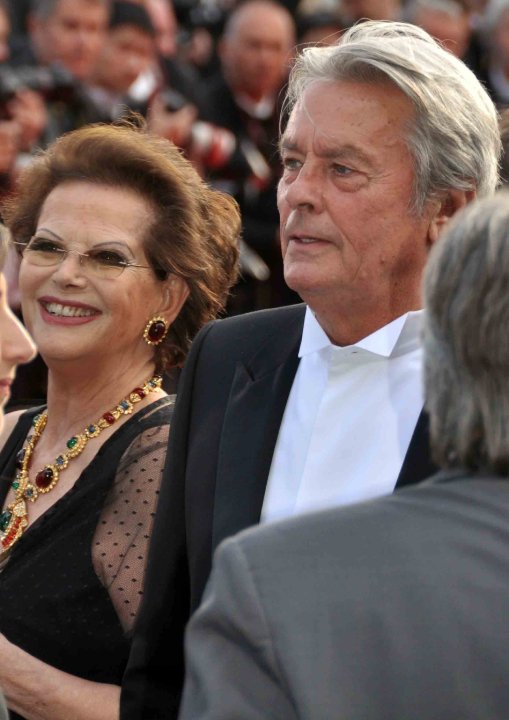
This success led to a significant five-picture deal with MGM, with “Any Number Can Win” being the first. His reputation as a serious actor was further bolstered by his second collaboration with Luchino Visconti in “Il Gattopardo” (The Leopard), starring alongside Burt Lancaster and Claudia Cardinale. “The Leopard” was the seventh biggest hit in France that year, just behind “Any Number Can Win,” which ranked sixth. These back-to-back successes solidified his status as one of France’s most popular stars, while also expanding his reach through widespread distribution in the U.S. by 20th Century Fox.
Further showcasing his versatility, Delon starred in the swashbuckler “The Black Tulip” (1964), another commercial hit. In the same year, he reunited with René Clément for “Les Félins” (Joy House), which was filmed in both French and English versions and distributed by MGM, though it did not achieve the desired success. Demonstrating his growing independence, Delon also co-founded his own production company, Delbeau Production, with Georges Beaume. Their first venture, “The Unvanquished” (L’insoumis) in 1964, a film in which Delon played an OAS assassin, faced legal issues requiring re-editing and, despite MGM distribution, found only small audiences. These early forays into production underscored Delon’s ambition to exert greater control over his artistic and financial destiny.
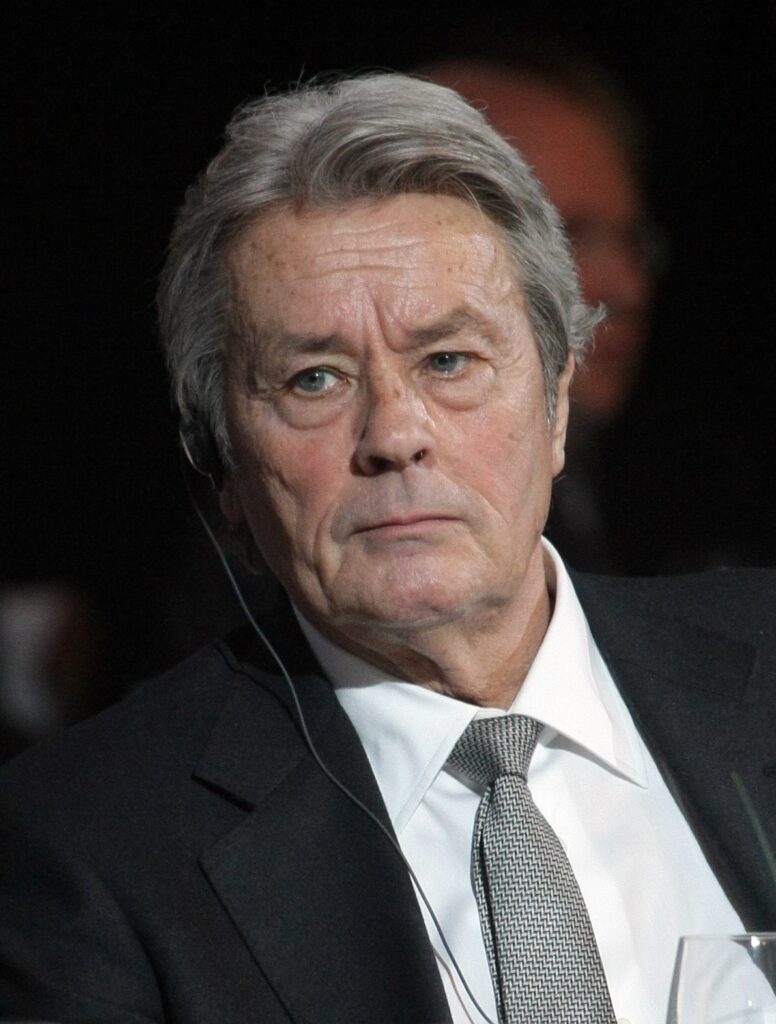
6. **The Allure of Hollywood: Ambitions and Setbacks**Driven by an ambition to achieve global superstardom, Alain Delon made a conscious decision in the mid-1960s to pursue a career in Hollywood, temporarily stepping away from French cinema. He articulated this strategy in 1965, stating his desire to make “a picture in America and one in Europe each year.” He also recognized a significant hurdle: his accent. “Because of my accent, I would not attempt to play Americans,” he acknowledged, adding, “I am working on removing the distinctly French inflections from my speech so that I can play all continental nationalities.” This demonstrated a clear strategic intent to adapt for the American market, which proved to be a challenging endeavor.
Delon’s Hollywood journey commenced with his debut in the British film industry, starring in the all-star MGM anthology “The Yellow Rolls-Royce” (1964) alongside Shirley MacLaine. While popular, his role in the film was not substantial enough to make a significant impact. His true Hollywood lead debut came in “Once a Thief” (1965), where he co-starred with Ann-Margret. Although based on a novel by Zekial Marko, who had also written “Any Number Can Win,” this film did not replicate the earlier success. MGM had grand plans for him, announcing a Western titled “Ready for the Tiger,” to be directed by Sam Peckinpah, but this project never materialized, highlighting the unpredictable nature of the American film industry.
Despite these initial struggles, Hollywood continued to present opportunities. Delon signed a three-picture deal with Columbia, leading to his role in the big-budget action film “Lost Command” (1966), where he played a member of the French Foreign Legion alongside Anthony Quinn and Claudia Cardinale. The film performed modestly at the box office, failing to become a massive hit. Another announced biopic, “Cervantes,” also never came to fruition. Universal Studios cast him in the Western “Texas Across the River” (1966) opposite Dean Martin, further demonstrating the studios’ attempts to integrate him into American genres.
Producer Ray Stark, who had considered Delon for other prominent roles, ultimately cast him in René Clément’s “Is Paris Burning?” (1966), where he portrayed Jacques Chaban-Delmas. This film was a monumental hit in France, yet it performed disappointingly at the U.S. box office, a recurring theme in Delon’s Hollywood-financed ventures. While he remained an “massive star in France,” ranking alongside Steve McQueen and Sean Connery in popularity, and even becoming “one of the biggest foreign stars in Japan,” his ambition to conquer the U.S. market remained largely unfulfilled. His distinctly European charisma, perhaps, did not translate as seamlessly to American tastes as he and the studios had hoped, leading him to reassess his cinematic home.
Read more about: Remember Them? 14 Once-Famous Actors You Might Be Shocked to Realize You’ve Forgotten!
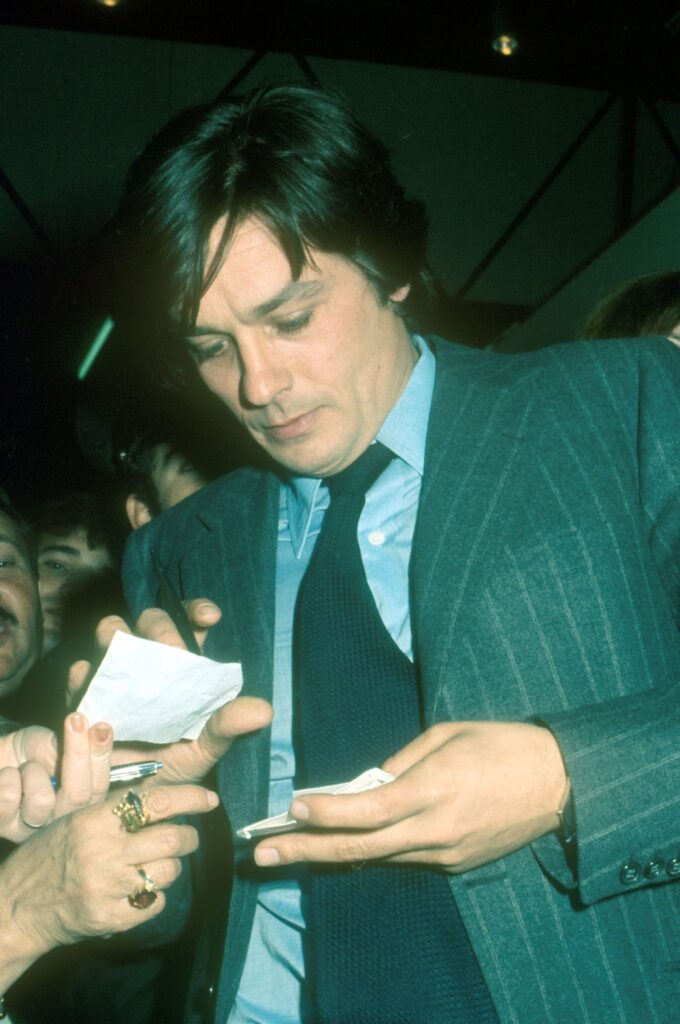
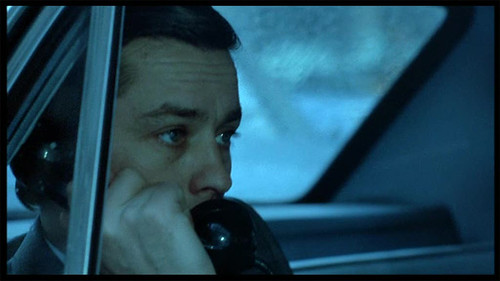
7. **A Return to France and French Stardom (1967-1971)**After a period focusing on Hollywood aspirations that did not fully materialize, Alain Delon made a decisive return to French cinema, a move that would solidify his legendary status. His comeback was marked by “The Last Adventure” (1967), a film that became one of his most popular in the 1960s, though it struggled to find an audience in North America. This period also saw him collaborate with Jean-Pierre Melville in the neo-noir crime thriller “Le Samouraï” (1967), starring alongside Nathalie Delon, which remains a canonical film classic and a testament to his enigmatic screen presence.
Delon continued to explore diverse roles, appearing in Julien Duvivier’s “Diabolically Yours” (1968) as an amnesiac and in Louis Malle’s segment of the all-star anthology “Spirits of the Dead” (1968), where he co-starred with Brigitte Bardot. His attempts at English-language cinema persisted with “The Girl on a Motorcycle” (1968) for director Jack Cardiff, co-starring Marianne Faithfull. This film achieved surprising success in Britain, becoming the sixth most popular movie at the box office there, but did not fare well in France.
Perhaps most notably, 1969 brought “La Piscine” (The Swimming Pool), which reunited Delon with his former fiancée Romy Schneider. This film was a commercial triumph, largely attributed to the on-screen rekindling of the “mythical couple” following their dramatic personal separation years earlier. Their shared history and emotional connection were believed to have imbued the film with a raw authenticity that captivated audiences, despite Schneider’s initial reluctance and Delon’s persistent attempts at reconciliation before and during filming.
Following “La Piscine,” Delon embarked on a series of acclaimed gangster films, often through his own production company, Adel. “Jeff” (1969) was an early venture, followed by the blockbuster “The Sicilian Clan” (1969), which saw him collaborate with industry titans Lino Ventura and Jean Gabin. He also produced and co-starred in “Borsalino” (1970) opposite Jean-Paul Belmondo, a film that proved even more popular in Europe. However, despite these successes, his hopes for these films to cross over to the American market, much like “The Red Circle” (1970) with Yves Montand, remained unfulfilled.
8. **The Marković Affair and Public Scrutiny**While filming the thriller “La Piscine” in 1969, Alain Delon found himself embroiled in a high-profile scandal that transcended cinema to touch the highest echelons of French society. The body of Stefan Marković, Delon’s Yugoslav secretary and bodyguard, was discovered in a rubbish dump near Paris, seemingly murdered. The discovery ignited a police investigation that quickly garnered widespread media attention across France, overshadowing Delon’s professional endeavors.
The ensuing police inquiry unearthed allegations of parties that reportedly involved prominent celebrities, including Delon, and even members of the French government. Among the most sensational claims were those involving Claude Pompidou, the wife of future president Georges Pompidou, who was allegedly the subject of a series of compromising photographs taken at one such gathering. These claims added a potent political dimension to the already explosive affair.
Corsican crime boss François Marcantoni, a known associate of Delon, became a key suspect, further entangling the actor in the criminal underworld he had once skirted. The entire imbroglio rapidly gained notoriety throughout France, dominating newspaper headlines and earning the moniker “the Marković affair.” It painted a stark picture of a celebrity culture entwined with power and illicit activities, and tested the public’s perception of the “angel-faced tough guy.”
In a candid 1969 BBC interview, Delon directly addressed the swirling rumors and accusations that threatened his public image. He was questioned about his alleged involvement in Marković’s death, the purported parties, and even his own sexual preferences. His response, delivered with characteristic defiance, became iconic: “People, once more, don’t say it straight to your face but they suggest very very strongly that you have homosexual tastes? Delon: So what’s wrong if I had? Or I did? Would I be guilty of something? If I like it I’ll do it. We have a great actor in France named Michel Simon, and Michel Simon said once, ‘If you like your goat, make love with your goat.’ But the only matter is to love.”
Read more about: Josip Broz Tito: A Detailed Look at the Life and Times of Yugoslavia’s Enduring Leader

9. **Established Actor and International Films (1970s)**The 1970s marked a period of continued prolificacy for Alain Delon, as he further cemented his status as a leading European actor while making renewed, albeit mixed, attempts to break into the English-speaking market. His collaboration with Joseph Losey on “The Assassination of Trotsky” (1972) was met with a poor reception, yet “Red Sun” (1972), in which he starred alongside Charles Bronson and Toshiro Mifune, proved to be a successful international venture. Simultaneously, he maintained a strong presence in French cinema, notably appearing opposite Simone Signoret in “The Widow Couderc” (1971) and in his third film with Jean-Pierre Melville, “Un flic” (1972).
Delon’s entrepreneurial spirit remained active during this decade. He produced and starred in the romantic drama “Indian Summer” (1972), showcasing his continued interest in shaping projects from behind the scenes. He also led several thrillers that defined much of his 1970s output, including “Traitement de choc” (1973) and “Tony Arzenta” (1973), further solidifying his persona in the crime genre that audiences had come to associate with him.
A notable highlight of 1973 saw Delon venture into music, recording the spoken part in the duet “Paroles, paroles” with Egyptian-French singer Dalida. This song became one of the most recognizable French songs internationally, adding another dimension to his cultural footprint. Concurrently, he made another bid for Hollywood prominence with “Scorpio” (1973), starring alongside Burt Lancaster under director Michael Winner, though it garnered only minor box office success.
Back in France, Delon continued to produce and star in a string of commercially successful films such as “The Burned Barns” (1973) and “Creezy” (1974). He reunited with Jean Gabin for “Two Men in Town” (1974) and delivered a sequel to his earlier hit with “Borsalino & Co.” (1974). Demonstrating his versatility, he returned to the swashbuckler genre for the first time since “The Black Tulip,” portraying the title character in the 1975 Italian-French film “Zorro.” He then resumed his work in crime films with titles like “The Gypsy” (1975), “Flic Story” (1975) with Jean Louis Trintignant, “Boomerang” (1976), and “Armaguedon” (1976). His performance in “Monsieur Klein” (1976) earned him a nomination for the prestigious César Award, highlighting his critical recognition.
Throughout the late 1970s, Delon continued to produce and headline a series of thrillers, including “Man in a Hurry” (1977), “Death of a Corrupt Man” (1977), “Le Gang” (1977), and “Attention, The Kids Are Watching” (1978). By 1979, his business interests had diversified significantly, with Delon himself stating that film activities constituted only a quarter of his ventures. He revealed that he was also involved in “a helicopter business, built furniture, promoted prize fights, and raced horses,” underscoring his expansive ambitions beyond the silver screen. Despite these varied endeavors, he expressed an enduring interest in achieving stardom in America.
Read more about: Russia’s Nuclear Calculus: Assessing the Escalation Risk Amidst Global Tensions and Doctrine Shifts
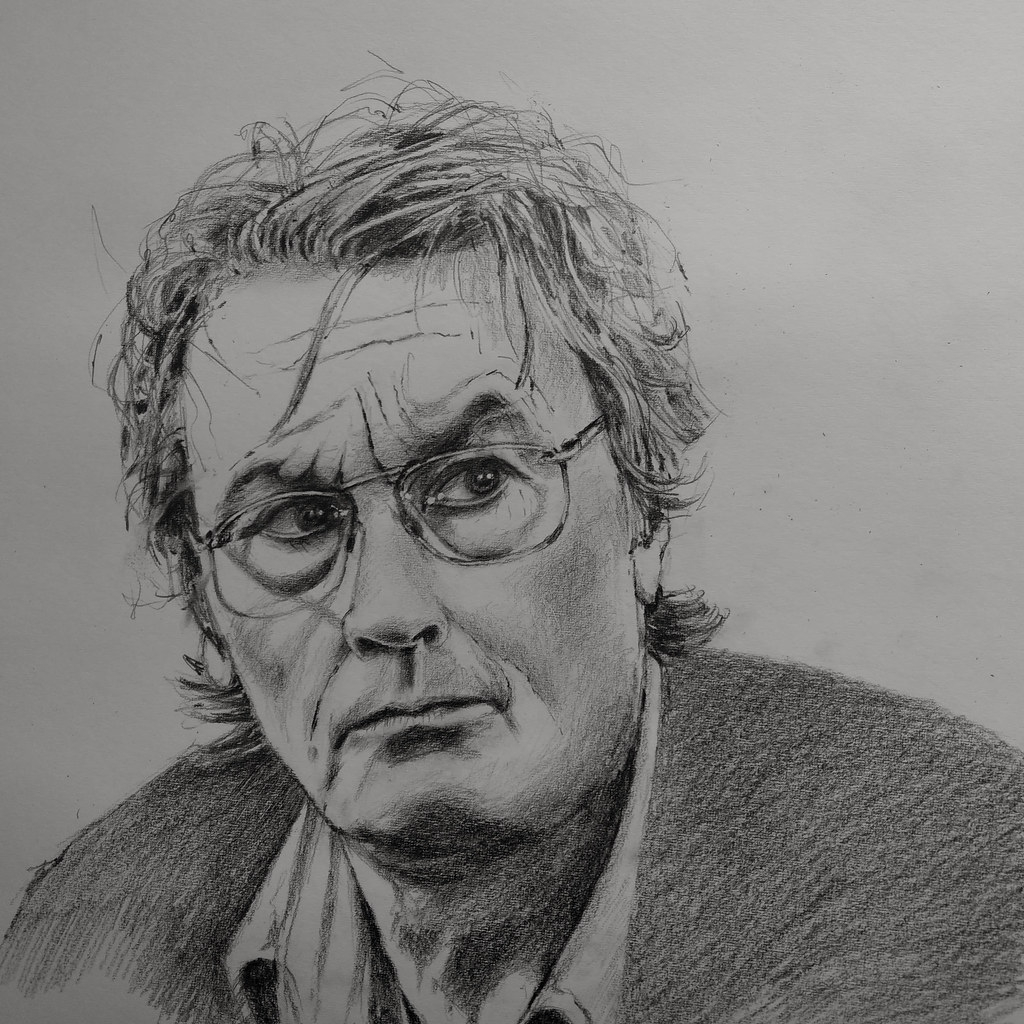
10. **Later Career, Awards, and Retirement (1980s-2010s)**The 1980s and 1990s saw Alain Delon continue to evolve his career, exploring different genres while accumulating significant accolades. He appeared in the large-scale Soviet production “Teheran 43” (1981), co-starring Claude Jade and Curd Jürgens, a notable departure from his typical French crime dramas. Following this, he returned to familiar territory with films such as “For a Cop’s Hide” (1981), “Le Choc” (1982) with Catherine Deneuve, and “Le Battant” (1983). A significant career highlight arrived in 1985 when he won the César Award for Best Actor for his performance in Bertrand Blier’s “Notre histoire” (1984), further cementing his critical standing. The same year, he portrayed the aristocratic dandy Baron de Charlus in a film adaptation of Marcel Proust’s “Swann in Love.”
His penchant for thrillers persisted with movies like “Parole de flic” (1986), “The Passage,” “Let Sleeping Cops Lie” (1988), and “Dancing Machine” (1990). A particularly distinctive role during this period was in Jean-Luc Godard’s “Nouvelle Vague” (1990), where Delon played twins, showcasing his willingness to engage with avant-garde cinema. His last major role before a proclaimed retirement was in Patrice Leconte’s “Une chance sur deux” (1998), co-starring Jean-Paul Belmondo, although this film proved to be a box office disappointment.
In 1997, Delon publicly announced his decision to retire from acting, signaling a shift in his professional life. Despite this, he occasionally accepted roles in subsequent years, demonstrating his enduring connection to the craft. In 1991, he became a member of France’s Legion of Honour, a prestigious national recognition. Further international honors followed, including the Honorary Golden Bear at the 45th Berlin International Film Festival, acknowledging his profound impact on global cinema. In 1999, he acquired Swiss citizenship and established the company managing products sold under his name in Geneva, residing in Chêne-Bougeries.
The 2000s saw Delon embrace television dramas, finding considerable success with “Fabio Montale” (2001), where he played an aging, stylish policeman—a role deemed a “signature Delon” for audiences. Capitalizing on this, he produced and starred in another French television police drama, “Frank Riva” (2003), which performed well, though not matching the hit status of its predecessor. He also took on a high-profile role as Julius Caesar in the 2008 box-office hit “Asterix aux jeux Olympiques,” sharing the screen with Gérard Depardieu, and appeared in various TV movies and stage productions.
In his later years, Delon’s activities included directing a TV movie, “Love Letters” (2008), and a planned return to cinema in 2018 for “La Maison Vide” with Juliette Binoche, which was ultimately canceled. He also released a new single, “Je n’aime que toi,” in April 2019, building on his prior musical collaborations such as “Paroles, paroles” with Dalida in 1973 and “Thought I’d Ring You” with Shirley Bassey in 1983. At the 2019 Cannes Film Festival, he received an honorary Palme d’Or for his illustrious career, an award that, despite its prestige, was accompanied by controversy stemming from remarks he had allegedly made regarding the treatment of women.
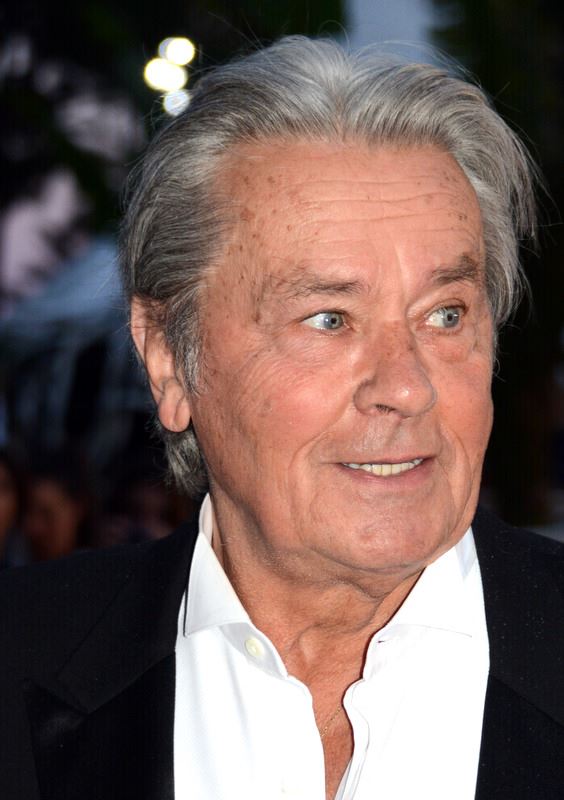
11. **The Complexities of Family Life: Paternal Relationships and the Unacknowledged Son**Alain Delon’s formidable public persona often masked a deeply complex and, at times, fractured private life, particularly concerning his relationships with his children. According to analyses by French media, his “vexatious and troubled” childhood and adolescence left him arguably ill-equipped to forge stable relationships with his sons. Le Monde posited that “No doubt his ego – as uncertain as it was immense – made him consider his sons as potential rivals who he needed to smash in the egg,” suggesting a paternal dynamic rooted in competition rather than nurturing.
Indeed, it is well-documented that Delon was an exceptionally tough father to his two boys, Anthony and Alain-Fabien. Both sons would later face significant personal challenges, including brushes with drugs, guns, and the law. This demanding approach to fatherhood, marked by what was perceived as a competitive spirit, stands in stark contrast to conventional notions of parental support and guidance, leaving a visible imprint on their lives and their relationship with their father.
In marked distinction, Delon’s relationship with his daughter, Anouchka, was characterized by profound affection. He openly expressed this sentiment in 2008, stating, “To no other woman have I so often said ‘I love you’.” This stark favoritism created a palpable imbalance within the family, establishing a dynamic that would eventually contribute to the public and bitter disputes that defined his final years. Anouchka was often viewed as his confidante and the recipient of his deepest emotional connections.
Beyond his acknowledged children, the narrative of Delon’s family life includes another son who suffered from his refusal of recognition. Ari Boulogne, born in 1962 to German rock-star Nico of the Velvet Underground, was never acknowledged by Delon as his child. Despite Delon’s unwavering denial, his own mother, believing Ari was indeed her grandson, helped raise him. Ari Boulogne’s life, tragically impacted by this rejection, ended in 2023 in Paris from an apparent overdose, a poignant echo of the generational struggles within the Delon family.
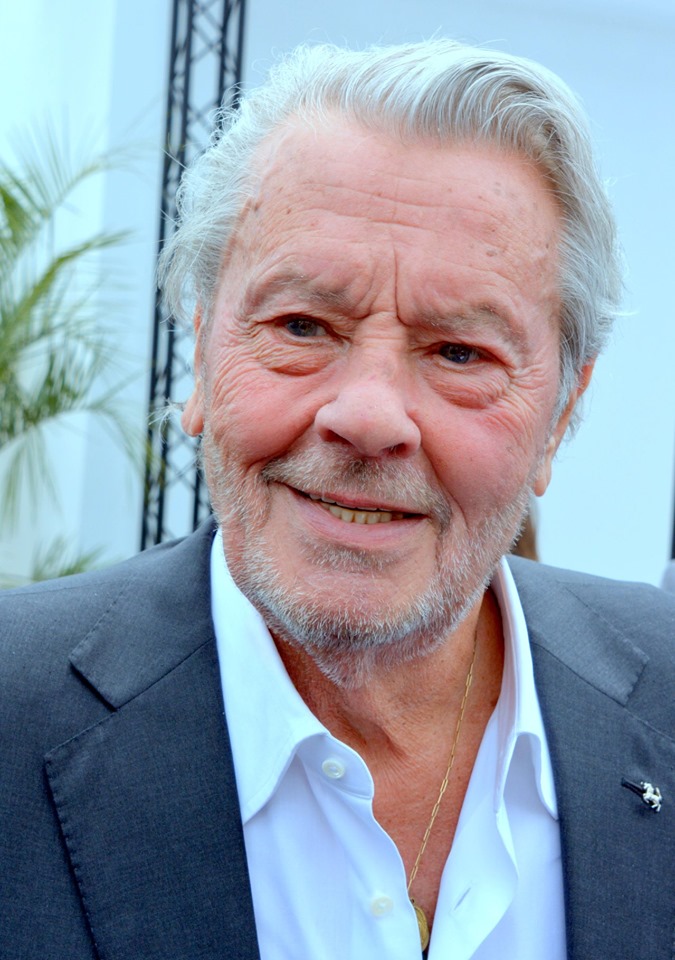
12. **The Tragic Final Act: Public Family Dispute and Legacy**In its poignant final act, the life of Alain Delon, the cinema’s “grand fauve,” descended into what French media described as a “tragic Greek drama.” This intensely public breakdown of his family, unfolding before a public torn between horror and fascination, became a stark counterpoint to his dazzling cinematic image. Following a stroke in 2019 and another undisclosed serious condition, Delon’s three surviving children—Anthony, Anouchka, and Alain-Fabien—became embroiled in a bitter, highly publicized struggle over his memory, paternal love, and his will.
The conflict erupted into the public sphere with Anthony Delon, the 59-year-old son of Nathalie Delon, giving an interview to Paris-Match. In it, he accused his younger half-sister Anouchka of “lying” and “manipulation,” specifically alleging she had concealed the results of crucial cognitive tests concerning their ailing father. These accusations laid bare the deep-seated grievances and distrust that permeated the family dynamics.
Anouchka, aged 33 and the daughter of Dutch model Rosalie van Breemen, swiftly responded through a communiqué issued by her lawyer. She counter-attacked, claiming that Delon could “no longer endure the aggressivity of his son, who is constantly telling him he is senile.” The escalating exchange quickly moved to French television, where the siblings continued to insult each other, further exposing their private turmoil to a national audience.
The youngest child, Alain-Fabien, aged 29, then entered the fray on Instagram, publicly aligning himself with his half-brother Anthony. He further intensified the drama by playing a secret recording of Anouchka, which he claimed demonstrated her making insidious insinuations into their father’s ear. The final legal skirmishes revolved around disagreements concerning Delon’s medical treatment, with a doctor’s examination in January immediately contested by his children, highlighting their fundamental inability to agree even on his care.
Compounding the family’s woes, 66-year-old Hiromi Rollin, described as Delon’s former housekeeper or love-partner depending on the account, also emerged as a plaintiff. She had been ejected from Delon’s Douchy mansion in a rare display of unity by the children the previous year. Rollin subsequently filed a lawsuit against the children, accusing them of endangering Delon’s life by allegedly refusing him necessary medicines. The family drama largely played out at the Douchy estate, a once glorious mansion now described by Alain-Fabien as a shadow of its former self, with “everything keeps breaking down and the electricity doesn’t work.” For commentators like Le Monde, this tragedy, marked by an apparent will dividing his estate between Anouchka (half) and the boys (other half), was ultimately not about money, but about “love, rivalry and the past,” a poignant and public end to the life of a cinematic legend.
Read more about: Hollywood’s Unforgettable Feuds and Political Firestorms: Diving Deep into the Stars Who Sparked Outrage and Division
Alain Delon’s legacy, therefore, is not merely that of an iconic actor, but of a complex figure whose personal struggles and triumphs unfolded as dramatically as any film. His life, marked by intense passions and profound contradictions, leaves an indelible mark on both cinematic history and the collective memory of France.