
In today’s interconnected world, the ideal car for many buyers is no longer just a local search away. Thanks to powerful online car shopping resources, vehicles from Anchorage to Atlanta are now accessible with the tap of a finger, making the pursuit of the perfect car or the best deal increasingly common beyond state lines. As Automotive News, a leading industry trade publication, observes, “The average distance that a buyer travels has risen steadily since the Internet became an important tool for many shoppers.” This phenomenon means more and more consumers are crossing state borders to find the right car, truck, or SUV, especially for rare and hard-to-find models. However, while the allure of a broader selection and potentially better prices is strong, the process introduces unique complexities and potential pitfalls that can turn a dream deal into a costly mistake.
Venturing beyond your local dealership or private seller requires a meticulous approach to ensure you’re making an informed decision and protecting your investment. Without the right knowledge, you could inadvertently overlook critical details that lead to significant financial setbacks or unexpected hassles down the road. This in-depth guide is designed to empower you with the essential information, practical advice, and actionable steps needed to confidently navigate the intricacies of buying a car out of state, helping you avoid common errors and secure the vehicle you truly desire without regret.
Whether you’re eyeing a brand-new model, a well-maintained used vehicle, or a cherished classic, understanding the distinct factors involved in an out-of-state transaction is paramount. We will delve into twelve critical aspects, each offering clear, usable recommendations and warnings to help you make truly informed decisions. From deciphering regional incentives to understanding complex tax implications and the absolute necessity of independent inspections, our goal is to illuminate the path to a successful out-of-state car purchase, safeguarding you from potential missteps and ensuring peace of mind.

1. **Understanding Incentives**When you’re considering buying a new or used car from a dealership located in another state, it’s crucial to understand that the incentives or rebates offered might differ significantly from what’s available in your home state. Dealerships often tailor their promotional offers to local market conditions, inventory levels, and regional sales targets, meaning a fantastic deal you see online might not translate exactly across state lines.
Therefore, before you commit to anything, it is absolutely essential to confirm any and all incentives or rebates that apply to your specific purchase. Do not rely solely on advertised prices; always get these details in writing directly from the dealership. This documentation will serve as a clear record of the agreed-upon terms, protecting you from any misunderstandings or disputes later in the process. When dealing with private sellers, it’s important to remember that incentives are typically not a factor in these transactions, as they are a dealer-specific sales tool.
The regional variations in incentives can be a double-edged sword. While some states might offer less attractive deals, others could present opportunities for substantial savings that make an out-of-state purchase truly worthwhile. The key is thorough research and direct communication with the selling dealership to ensure you’re comparing apples to apples and factoring these incentives accurately into your overall budget. This initial step of due diligence can significantly impact the final cost of your vehicle and is a fundamental part of making an educated judgment.
Read more about: Why Are Used Car Prices Still Soaring? Unpacking the Economic Reasons No One Tells You

2. **Obtaining a Vehicle History Report**For anyone looking to purchase a used vehicle, especially from a distance, obtaining a comprehensive vehicle history report is not just recommended—it’s an absolute necessity. This report serves as a critical window into the car’s past, revealing vital information that can heavily influence your decision and prevent you from inheriting someone else’s problems. Knowing its history ahead of time is paramount to a confident purchase.
Dealers typically provide these reports free of charge, as it’s a standard practice to build buyer trust. However, if you are purchasing from a private seller, you may need to proactively ask for one. Should a private seller be unable or unwilling to provide a report, don’t let this deter you; simply request the license plate number or, even better, the Vehicle Identification Number (VIN). With this information, you can easily obtain a report yourself from reputable services such as AutoCheck or Carfax.
These reports detail a wealth of useful information. They can uncover accident history, showing if the vehicle has been involved in any collisions and the extent of the damage. They also document maintenance intervals, offering insight into whether the car has been properly cared for throughout its life, and verify mileage, ensuring it hasn’t been tampered with. Furthermore, the report will often indicate the number of previous owners, which can sometimes correlate with how well a vehicle has been maintained. A clean title verification is crucial here, confirming the car was never stolen, totaled, or damaged in a severe accident or flood, thus verifying that the car has a “clean” title.
Read more about: Unlocking Your Vehicle’s Secrets: A Consumer’s Guide to VINs in the Age of Car Crime

3. **Thoroughly Reviewing Car Costs and Fees**Before you agree to buy any car out of state, securing a full summary and transparent breakdown of all costs and fees from the dealer is a non-negotiable step. This meticulous review is essential because hidden fees or unexpected charges can quickly inflate the final price, potentially negating any savings you anticipated from an out-of-state purchase. Without this clarity, you risk making a significant financial misstep.
Always ask for the window sticker, also known as the Monroney label for new cars. This label itemizes the manufacturer’s suggested retail price (MSRP), standard equipment, optional features, and key performance data. Beyond this, scrutinize for the destination fee, which covers the cost of transporting the vehicle from the factory to the dealership, and all other dealer fees, which can vary widely by state and even by individual dealership. Don’t forget to account for title fees and any “extras” that might be bundled into the price.
This is also your opportunity to negotiate. Be prepared to question and challenge any items you believe are unnecessary or overpriced, such as window tint, fabric protection, or extended warranties you might not need or prefer to purchase elsewhere. Remember, the listed price is often just a starting point for negotiation. For used vehicles, always check the Kelley Blue Book value before purchasing to ensure the asking price is fair and competitive within the market, giving you a strong position in discussions about the car’s true worth. This comprehensive understanding of all expenses is vital to making an informed decision about the value of your out-of-state purchase.
Read more about: Save Thousands: The 12 ‘Mandatory’ Car Dealer Fees You Can Easily Refuse and How to Fight Back
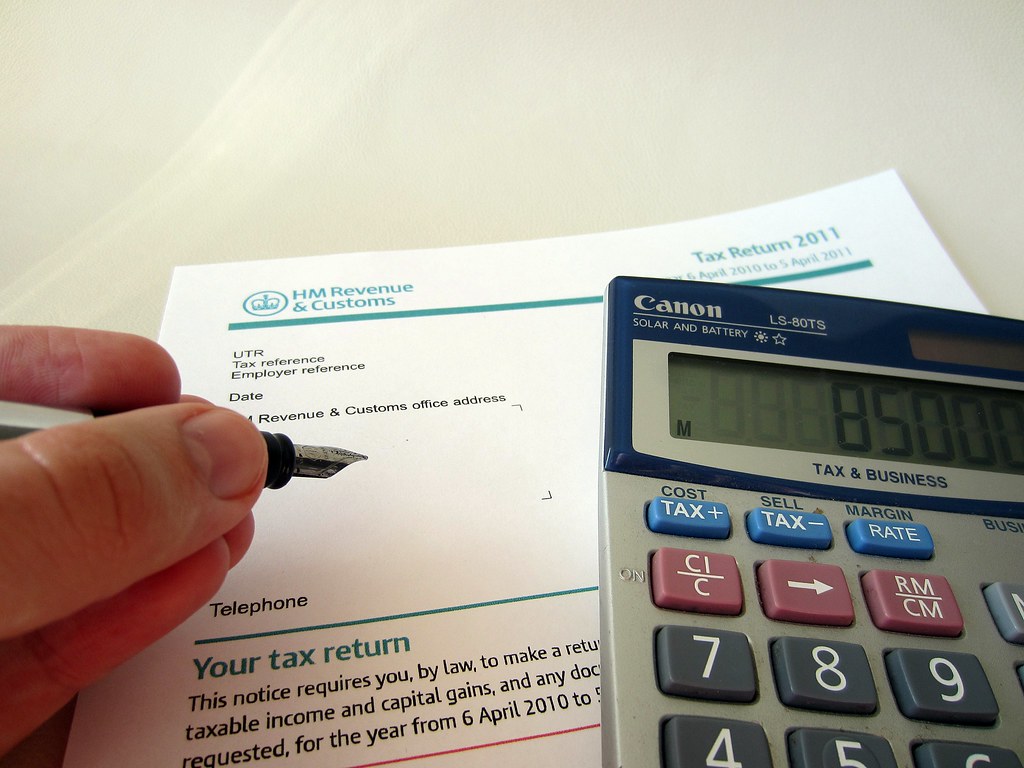
4. **Navigating Sales Taxes Across States**One of the most common misconceptions about buying a car out of state is the idea that you can somehow avoid paying sales tax. Unfortunately, this is rarely the case. The reality is that you simply can’t escape taxes when you purchase or lease a car in another state; the tax liability just shifts to your home state. This is a critical financial consideration that must be factored into your budget to avoid unexpected costs upon returning home.
Typically, you will pay the sales tax where you live and register the vehicle, not necessarily where you buy it. This means that even if you purchase the car in a state with no sales tax, your home state will collect its applicable sales tax (if it has one) during the registration process. This step needs to be taken care of in your home state, often alongside other fees associated with the title transfer. It’s important to note that some states may also levy a vehicle use tax, which is essentially a sales tax applied to vehicles purchased out of state and brought into the state for use.
The nuances can get quite complicated, requiring a bit of research into the specific regulations of both the state where you plan to purchase and the state where you plan to register the vehicle. For example, if you buy a car elsewhere but register it in North Carolina, that state collects a 3% highway use tax instead of a general state sales tax. However, if you paid car tax in another state within 90 days of the purchase and can provide proof of sale, you can apply those taxes already paid against this highway use tax. If you purchase an older vehicle and don’t initially register it, you may pay a property tax on the vehicle instead in North Carolina. This variability underscores the importance of consulting official DMV or tax resources for precise guidance applicable to your situation.
Read more about: The Urban Transit Paradox: Why Residents Leave Cities Known for Robust Public Transportation

5. **Arranging a Pre-Purchase Inspection**While buying a manufacturer-certified pre-owned (CPO) car from a dealership can offer a significant degree of peace of mind due to rigorous inspections and often additional car warranties, the vast majority of used vehicles do not come with this guarantee. For any non-CPO used vehicle, whether from a dealer or a private owner, a pre-purchase inspection (PPI) by a certified mechanic is an indispensable step. This is perhaps one of the most vital rules to never break when buying a car out of state, especially a used one.
Although arranging a PPI for an out-of-state vehicle might seem challenging, it is entirely feasible and profoundly worth the effort. This independent assessment provides an unbiased evaluation of the car’s mechanical and structural condition, identifying any existing problems or potential issues that might not be visible during a superficial glance or even a brief test drive. The inspector will provide you with a detailed report, which is invaluable for making an informed decision and can even serve as leverage for negotiating the price if repairs are needed.
Searching online for highly rated repair shops in the seller’s neighborhood, ideally one that specializes in the make of the car you’re interested in, is a smart approach. Once you’ve identified a reputable mechanic, arrange with the seller to drop the vehicle off there for an appointment. A thorough PPI typically costs around $200 and includes a detailed test drive plus a hands-on examination by a licensed, experienced, and impartial inspector. This expert assessment can save you thousands of dollars and countless headaches by uncovering hidden defects before you finalize the deal.
Read more about: The 13 Critical Pitfalls: Unmasking the Hidden Dangers of Online Car Auctions
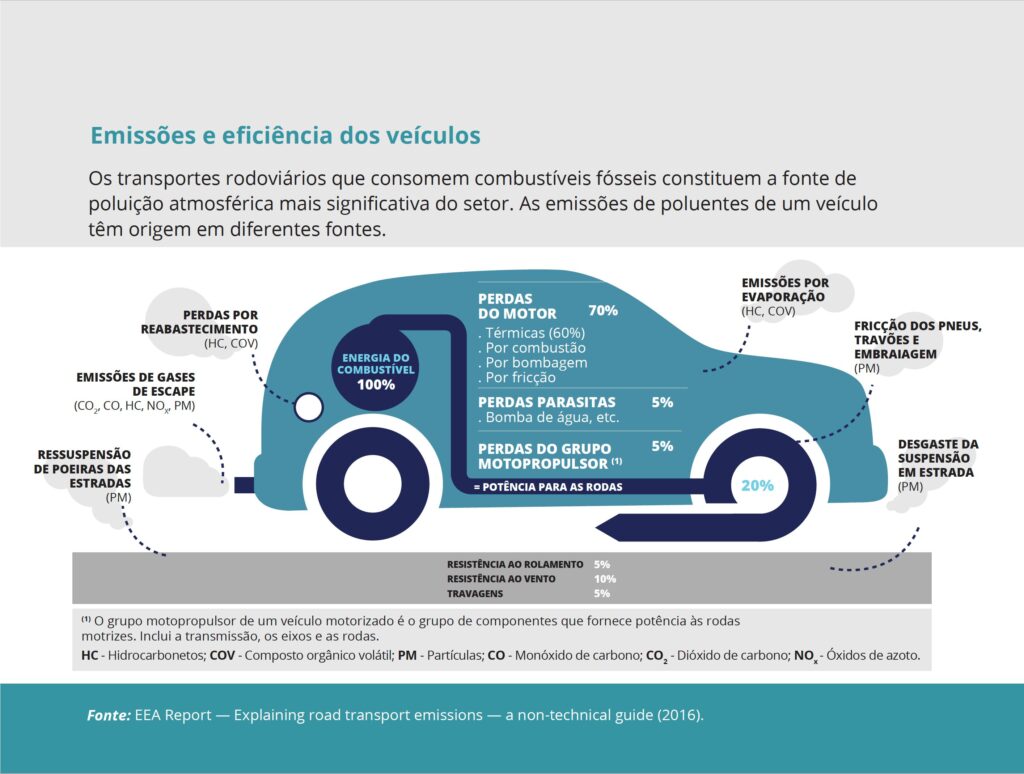
6. **Verifying Emissions Requirements**One often-overlooked but absolutely critical factor when purchasing a vehicle in another state is ensuring it meets the emissions standards of the place where you will register it. This is particularly crucial for new cars, but it becomes even more complex with used and classic vehicles, where regulations can vary significantly and lead to major registration roadblocks if ignored. A car that doesn’t meet your home state’s standards cannot be legally registered, rendering your purchase essentially useless.
New vehicles generally meet federal emissions standards, which is a good baseline. However, if you reside in a state like California or others with stricter emissions regulations than federal limits, you must confirm that the vehicle is “50 state” compliant. The California Air Resources Board (CARB) explicitly states that “Vehicles that comply with California regulations have a Vehicle Emissions Information label on a visible location on the vehicle.” This label is your clear indicator that the car is certified for sale and registration in all 50 states.
For any used vehicle acquired out of state, it is imperative to ask the seller to provide proof that the vehicle has passed its most recent emissions inspection, unless you are specifically buying a classic or clunker with the intention of restoration, which may fall under different regulations. Beyond the vehicle’s current status, you must also research and understand the specific emission and safety requirements in your home state. This proactive research will ensure you are fully prepared to meet all necessary certifications once the car is in your possession and you bring it home, preventing frustrating and potentially expensive delays in getting your new acquisition on the road legally.
Navigating the complexities of buying a car from another state involves several critical steps beyond the initial research and inspections. Once you’ve thoroughly evaluated the vehicle’s condition, understood its history, and confirmed its compliance with local regulations, the focus shifts to the logistical and financial arrangements for bringing your new acquisition home. These final considerations are just as crucial as the initial checks, ensuring a smooth transition from purchase to proud ownership without unexpected hurdles or expenses.
This guide continues by detailing the essential actions required to finalize your out-of-state car purchase, from securing the right insurance to understanding all transportation costs and the importance of a final in-person review. Each step is designed to empower you with the knowledge needed to confidently complete the transaction, transforming a potentially daunting process into a well-managed and ultimately successful endeavor. By addressing these points proactively, you can mitigate risks and ensure that your out-of-state car buying experience is both rewarding and hassle-free.
Read more about: In-Depth: Six California Programs Offering Significant Rebates for Used Electric Vehicles

7. **Securing Car Insurance**Before you even think about driving your newly purchased vehicle off the lot or away from a private seller’s home, obtaining comprehensive car insurance is not merely a recommendation—it’s an absolute necessity. Driving an uninsured vehicle, even for a short distance, carries significant legal and financial risks, making this step paramount to a responsible and compliant purchase. State laws mandate minimum liability coverage, and failing to adhere to these requirements can result in fines, license suspension, or even vehicle impoundment.
It is wise to get insurance quotes and have a policy in place before the final transaction. Contact your current insurance provider or explore options from various companies to find the best coverage that suits your needs and budget. Having a policy ready means you can seamlessly transfer coverage to your new vehicle the moment the deal is closed, providing immediate protection and peace of mind. This foresight ensures that you are covered for any unforeseen circumstances as soon as you take possession.
For many, adding the new purchase to an existing policy is a straightforward process, often completed with a quick call to your insurance agent. However, it’s crucial to confirm that your new policy will be active and sufficient for the journey home, especially if you’re driving the car across state lines. Do not hesitate to ask questions about coverage limits, deductibles, and any specific requirements for out-of-state purchases, ensuring every detail is clear before you hit the road.
Read more about: Decoding the Billions: A Mental Floss Guide to the World’s Richest in 2025

8. **Calculating Shipping Costs**Bringing your newly acquired car home from another state is often a significant logistical and financial consideration. Whether you plan to embark on a road trip yourself or opt for professional car transport services, it is vital to factor in all associated costs well before finalizing your purchase. These expenses can quickly add to your bottom line and potentially negate any savings you might have found by buying out of state.
If you choose to pick up the vehicle yourself, calculate the costs of travel, including airfare, accommodation (if an overnight stay is needed), fuel expenses for the return journey, and potential meals. While a road trip offers the chance to bond with your new car, it also consumes valuable time and introduces wear and tear on the vehicle from the outset. Accurately assessing these personal travel expenses is crucial for a complete financial picture.
Alternatively, professional car transport services offer a convenient solution, eliminating the need for personal travel. However, the cost of shipping can vary widely, ranging from a few hundred dollars for relatively short hauls to $1500 or more for cross-country trips, depending on factors like distance, vehicle type, and transport method (open or enclosed carrier). It is essential to solicit multiple quotes from reputable auto transport companies and carefully weigh these costs against the savings from your out-of-state purchase and your personal travel expenses. Making an informed decision here requires a clear comparison of all options to ensure the trip is truly worth your while.
Read more about: Beyond the Showroom: 12 Critical Depreciation Concepts Every Savvy Investor Needs to Master for 2025

9. **Navigating Temporary Registration**One often-overlooked but critical detail when planning to drive an out-of-state car purchase back home is the necessity of obtaining temporary registration. Without proper temporary tags, you risk facing legal issues, including traffic citations or even having your vehicle impounded, especially if crossing state lines. This step is a fundamental aspect of ensuring your journey home is lawful and uninterrupted.
The process for obtaining temporary registration can differ depending on whether you are purchasing from a dealership or a private seller. Reputable dealerships will typically handle this process for you, providing temporary plates or a temporary permit that allows you to legally drive the car until you can complete permanent registration in your home state. This convenience is one of the advantages of working with a dealer for out-of-state transactions.
However, if you are purchasing from a private party, navigating temporary registration usually falls to you. This often means dealing directly with the Department of Motor Vehicles (DMV) in either your home state or the state of purchase. It is imperative to research each state’s specific requirements well in advance using online resources or contacting the respective DMV offices. Understanding these regulations will prepare you for the necessary paperwork and fees, allowing you to secure the required temporary documentation and avoid any last-minute complications that could delay your trip home.
Read more about: Navigating the Future of Road Funding: An In-Depth Look at the Controversial Per-Mile Charge Proposal

10. **The Critical Importance of Test Drives**Regardless of whether you are purchasing a brand-new vehicle or a used one, the test drive remains an indispensable component of the car-buying process. It is the only truly effective way to ascertain whether you are comfortable in the car, how it handles, and if it performs to your personal liking. This tactile experience is vital for confirming your choice and preventing future buyer’s remorse, making it a step that should never be skipped.
For new cars, conducting a test drive of the same make and model at a local dealership can easily address this need, even if it’s not the exact vehicle you intend to buy out of state. This initial drive provides a basic feel for the car, allowing you to assess comfort factors such as seat ergonomics and the usability of the infotainment system. Imagine discovering after purchase that the seat hurts your back or the controls are too complicated; a local test drive can prevent such an unwelcome surprise.
When it comes to used vehicles, the importance of test driving escalates significantly, and it is absolutely essential to drive the *actual car* you plan to purchase. Unlike new cars, the condition and driving experience of used vehicles can vary dramatically based on the care provided by previous owners. Another car of the same vintage and mileage in your local area simply cannot represent the specific quality or performance of the distant vehicle you are considering, especially if its history is less than fully transparent. Therefore, while challenging, making arrangements for a personal test drive of the specific used car is a critical investment of time and effort to ensure it meets your expectations and standards.
Read more about: Smart Leasing in 2025: Why You Should Avoid These 14 Older Electric and Hybrid Models

11. **Utilizing Detailed Photo Requests**When evaluating a car from a distance, particularly a used vehicle, gathering as much visual information as possible before making a trip or committing further is a strategic move. Detailed photo requests are an invaluable tool in this initial assessment, helping you scrutinize the car’s condition without being physically present. This proactive step helps you determine if a potential long-distance trip to see the vehicle in person is truly warranted.
Always ask the seller for additional photos that go beyond standard dealership glamour shots. Specifically request images of the car’s interior and exterior, including close-ups of specific areas like the engine bay (under the hood), the condition of the wheels, tires, and brakes, and even the undercarriage if feasible. These granular details can reveal potential issues or areas of wear that might otherwise be overlooked, providing a more comprehensive understanding of the vehicle’s true state.
Crucially, insist on receiving large, high-resolution images that you can easily enlarge and examine for flaws. Small, grainy photos are often inadequate and can obscure important details. If a seller claims their camera or phone is only capable of producing small image files, it should raise a red flag; they may inadvertently or intentionally be attempting to conceal a specific flaw or issue with the car. Detailed visual evidence, coupled with a vehicle history report, helps you make a more informed decision and reduces the risk of unpleasant surprises upon arrival.
Read more about: Consumer Alert: 13 Essential Safeguards Against the Hidden Dangers of Buying a Car Sight Unseen Online

12. **Finalizing the Deal In Person**After meticulously reviewing detailed photos, poring over vehicle history reports, and receiving a satisfactory pre-purchase inspection report, you’ll reach the pivotal moment to make the final arrangements. While some elements of an out-of-state purchase can be managed remotely, especially for new cars, for used vehicles, traveling to finalize the deal in person stands out as the safest and most prudent approach. This final visit provides a crucial last layer of scrutiny and ensures complete transparency before financial commitment.
Being there in person affords you the invaluable opportunity to see and drive the car one last time before signing any documents or handing over your hard-earned money. This final physical verification allows you to confirm that the car’s condition matches the descriptions and reports, and that no new issues have arisen since the inspection. You can listen to the engine, check all features, and ensure that everything feels right, addressing any lingering doubts face-to-face with the seller.
Read more about: Beyond the Spotlight: The Indispensable Principles Guiding Hollywood Agents Through Complex Contract Negotiations
Ultimately, the in-person finalization offers you the most powerful safeguard: the option to walk away if anything feels amiss. While canceling a trip might incur the cost of a return ticket or lost time, this expense is undeniably preferable to being saddled with a vehicle you don’t truly want or one that harbors unforeseen problems. This final, critical step empowers you to make an educated judgment and ensures you leave with confidence, secure in the knowledge that you have made the right decision.