
The world of DC Comics, with its sprawling narratives and iconic characters, has been a cornerstone of American mass media for decades. From the gritty streets of Gotham to the bustling metropolis of Metropolis, these stories have captivated audiences across generations, often reflecting the societal currents and technological advancements of their time. The heroes and villains we’ve come to know and love are brought to life by a dedicated cadre of actors, whose performances etch these characters into our collective consciousness.
However, the nature of a continuously evolving universe, with its reboots and fresh interpretations, means that the actors who once embodied these beloved figures will, sooner or later, pass on. While some departures, like those of Christopher Reeve and Heath Ledger, garnered widespread attention, many others, equally impactful, may have slipped quietly under the radar. These are the unsung heroes and memorable faces who contributed to the rich tapestry of the DC Universe, whose final curtain calls came after leaving their indelible mark.
Join us on a journey through the careers of some remarkable talents who, having contributed to the dynamic world of DC, have since passed away. These individuals, through their varied roles, helped shape the cinematic and televised landscapes of our favorite superheroes, leaving behind legacies that continue to resonate with fans and aspiring actors alike.

1. **Jackie Cooper**: Jackie Cooper, an actor whose career spanned an incredible seven decades, left his mark on the DC Universe as the no-nonsense editor-in-chief of The Daily Planet, Perry White. While J. Jonah Jameson of The Daily Bugle might be more widely known for his bombastic personality, Perry White stands as a foundational figure in the Superman mythology, a diehard print media professional often portrayed as the discerning boss of Clark Kent and Lois Lane. Cooper’s portrayal graced the screens in four “Superman” films: “Superman” (1978), “Superman II” (1980), “Superman III” (1983), and “Superman IV: The Quest for Peace” (1987), where he was famously correcting Clark Kent’s spelling errors.
Despite his significant role in one of the 1980s’ most successful film franchises, Cooper’s career zenith could arguably be traced back to his childhood. At the tender age of nine, he achieved a remarkable feat, becoming the youngest actor ever nominated for Best Actor at the 1931 Academy Awards. This early recognition set a high bar, yet his enduring presence in Hollywood, acting steadily in both film and television from the early 1930s up until 1990, speaks volumes about his sustained talent and dedication to his craft.
To act consistently across such a vast expanse of time, adapting to changing industry landscapes and maintaining relevance, is an accomplishment that perhaps overshadows any single role or nomination. Cooper’s longevity and versatility were a testament to his skill, allowing him to navigate the entertainment world from its nascent stages to its more modern iterations. His ability to embody a character like Perry White across multiple blockbuster films underscores his gravitas and ability to anchor a scene.
Jackie Cooper passed away in 2011 at the age of 88, leaving behind a legacy that transcended his DC contributions. His long and storied career served as a bridge between different eras of Hollywood, and his portrayal of Perry White helped define the character for a generation of Superman fans. The gruff, yet fair, editor became a familiar face, a symbol of journalistic integrity in a world of super-powered individuals.
Read more about: 14 Child Stars Who Were Their Family’s Breadwinners — And Whose Parents Took Their Money

2. **Margot Kidder**: Margot Kidder, an actress who departed in May 2018 at the age of 69, played a pivotal role in shaping the modern perception of Lois Lane. While the tragically short life of her co-star Christopher Reeve is widely known, Kidder’s contributions to the DC Universe are equally significant, helping to evolve Lois from a somewhat bumbling damsel in distress into the sharp, world-famous journalist we recognize today. Her portrayal was crucial in establishing Lois as a savvy operator, often depicted as even more astute than her Kryptonian husband, subtly challenging outdated stereotypes.
Kidder appeared in all the “Superman” films alongside Reeve, and it is in “Superman II” where her influence on the character is particularly evident. Unlike previous iterations, Kidder’s Lois Lane was not oblivious to the obvious. She famously figures out that her clumsy colleague, Clark Kent, and the benevolent space god, Superman, are, in fact, the same person. This breakthrough moment set a crucial precedent for future Lois Lanes, signaling that the simple glasses disguise would no longer suffice for discerning journalists.
Her Lois was occasionally reckless, but only when the pursuit of journalistic truth was at stake, highlighting a fierce dedication to her profession rather than mere clumsiness. This dedication brought a new depth to the character, allowing Lois to engage in her own form of meta-human adjacent crime fighting, albeit in a less conspicuous capacity than Superman or his superhero peers. Kidder infused Lois with an intelligence and tenacity that resonated deeply with audiences, making her an enduring figure in the superhero genre.
The evolution of Lois Lane, arguably more than any other major DC character, can be attributed in part to Kidder’s nuanced performance. Her interpretation gifted the character with agency and intellect, paving the way for the dynamic, capable investigative reporter who stands as an equal partner to Superman. Margot Kidder’s legacy is intertwined with this transformation, cementing her place as a true icon of the DC cinematic universe.
Read more about: Unveiling the Secrets: 15 Jaw-Dropping Facts About the Original Superman Movie and Beyond

3. **Michael Gough**: For nearly a decade, veteran British actor Michael Gough held the fort as Batman’s ever-loyal and congenial butler, Alfred Pennyworth, across four distinct “Batman” films. From the gothic, quirky vision of Tim Burton’s “Batman” (1989) and “Batman Returns” (1992) to the more stylized, candy-coated world of Joel Schumacher’s “Batman Forever” (1995) and “Batman and Robin” (1997), Gough provided a rare sense of consistency amidst the changing directorial aesthetics. He was the unwavering anchor for the Caped Crusader through multiple costume changes and shifting tones.
Gough’s Alfred, as is customary for the character, functioned as a vital voice of reason throughout Batman’s often-dark adventures. While more than willing to assist Bruce Wayne and his youthful sidekicks in their mission to save the world, his portrayal also conveyed a deeply human desire for Bruce to find peace, perhaps settle down with “a nice girl,” and ultimately hang up the “vampire costume.” This paternal concern added a layer of emotional depth to the character, making Alfred more than just a servant, but a true surrogate father figure.
Michael Gough’s illustrious career began in the mid-1940s, long before he stepped into the shoes of Alfred Pennyworth. To suggest that his career was solely defined by his run as Batman’s butler would be a substantial understatement, given his extensive work across film, television, and theater. His range and prolificacy were remarkable, showcasing a talent that spanned various genres and roles, from horror to classical drama.
Gough passed on in March 2011 at the impressive age of 94, just six years shy of reaching triple digits. His enduring presence in the “Batman” film series, alongside a career that touched so many different facets of the entertainment industry, solidified his status as a respected and beloved figure. Fans will forever remember his refined demeanor and unwavering dedication as the iconic Alfred, a steady presence in an ever-changing Gotham.
Read more about: The Ultimate Bat-Ranking: All 7 Live-Action Batman Actors, From Worst to Best
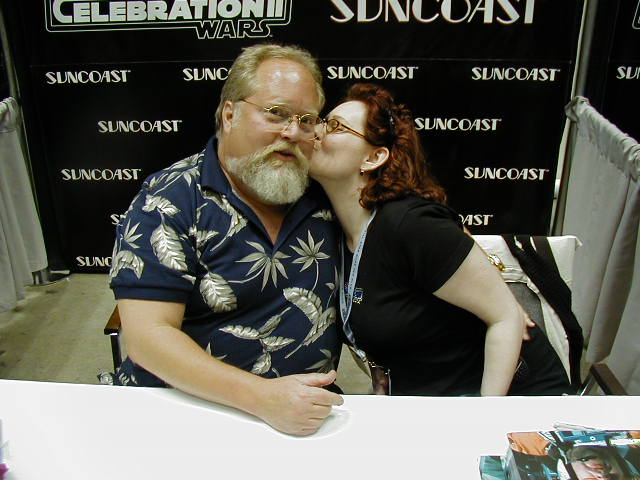
4. **William Hootkins**: William Hootkins might not be a name that immediately springs to mind, but his distinctive presence graced a multitude of films, including two notable appearances in the DC Universe. He is specifically remembered for his role as the corrupt Lt. Eckhardt in Tim Burton’s “Batman” (1989), a character whose unfortunate encounter with The Joker left a lasting impression. Additionally, he undertook the solemn duty of performing as Harry Howler in “Superman IV: The Quest for Peace,” adding to his diverse portfolio within the superhero genre.
Beyond his DC roles, Hootkins boasted several other noteworthy credits that cemented his place as a versatile character actor. Famously, he appeared in the 1970s cinematic phenomenon “Star Wars,” where his character, Porkins, piloted an X-Wing and played a part in the iconic attack on the Death Star. This particular project, as the context humorously notes, “was considered a pretty successful project at the time! Even inspired a few sequels. Who could have guessed?” Such roles, even if brief, connect him to some of the most enduring franchises in cinematic history.
While Hollywood often cast him in bit parts, his reputation in London’s theater scene told a different story. His obituary notably cited his ongoing starring role in the play “Hitchcock Blonde” as his career’s greatest triumph, indicating a deeper artistic depth and recognition within the theatrical community. For an actor with as many projects under his belt as Hootkins—a onetime high school classmate of Tommy Lee Jones—what he’s “known for” can often be a matter of subjective perspective, depending on one’s particular cinematic or theatrical interests.
William Hootkins died in 2005 at the age of 57. His contributions to beloved franchises like “Star Wars” and “Batman,” coupled with his significant stage work, highlight a career rich with varied performances. He brought a memorable quality to every character he played, whether a corrupt police lieutenant or a brave X-Wing pilot, ensuring his legacy as a character actor of considerable talent.
Read more about: Beyond Fantasia’s Pages: Uncovering 14 ‘NeverEnding Story’ Actors You Didn’t Know We Lost

5. **Pat Hingle**: Pat Hingle anchored four “Batman” movies, portraying Commissioner James Gordon in the initial series of modern Batman films that began with Tim Burton’s 1989 iteration. His tenure as Gordon spanned “Batman” (1989), “Batman Returns” (1992), “Batman Forever” (1995), and “Batman and Robin” (1997), providing a consistent, albeit often bumbling, presence in Gotham City’s police force. His portrayal was in keeping with earlier versions of the character, such as Neil Hamilton’s Gordon on the 1966 “Batman” TV show.
In more recent decades, the character of Commissioner Gordon has been largely redefined by Frank Miller and David Mazzucchelli’s “Batman: Year One” and subsequently by Gary Oldman’s performance in Christopher Nolan’s trilogy. This modern interpretation often depicts Gordon as a morally upright, highly competent realist, willing to bend rules for justice. Consequently, Hingle’s earlier, more bumbling iteration might not resonate as an “authentic” Gordon for contemporary audiences, a perception largely unrelated to the actor’s considerable abilities but more a reflection of evolving character portrayals.
Regardless of how his Gordon is viewed in retrospect, Hingle himself enjoyed an expansive career that resonated far beyond the gloomy streets of Gotham. His work portfolio was staggering, encompassing a wide array of movies, television shows, and stage plays. He shared the screen with an impressive roster of Hollywood legends, including Clint Eastwood, Marlon Brando, Sally Field, and Warren Beatty, and even acted alongside The Muppets, showcasing his versatility and widespread appeal.
Pat Hingle died in 2009 at the age of 84. His lengthy career is a testament to his talent and hard work, demonstrating a profound impact on the entertainment industry across multiple mediums. While his Commissioner Gordon might be superseded in popular imagination by later, grittier versions, his overall body of work ensures his place as a respected actor whose presence enriched many memorable productions.
Read more about: From the Block to Billions: Unpacking Jennifer Lopez’s Jaw-Dropping Real Estate Empire, From Her First L.A. Pad to Her Latest Secluded Sanctuary
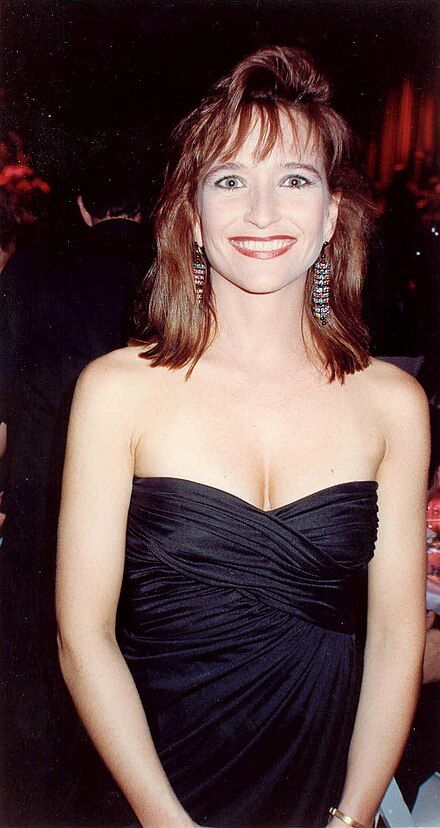
6. **Jan Hooks**: Jan Hooks, a beloved fixture of televised comedy, made a memorable, if brief, appearance in the DC Cinematic Universe with “Batman Returns.” Known for her iconic late ’80s stint on “Saturday Night Live” and subsequent recurring roles on “The Simpsons” and “3rd Rock From the Sun,” Hooks certainly didn’t need a minor role in a Batman movie to secure her showbiz legacy. However, her “metaphorical cup of coffee” in the film certainly added an interesting footnote to her already impressive career.
In “Batman Returns,” Hooks played an image consultant hired by the evil businessman Max Shreck (Christopher Walken) to refine presumptive Gotham City mayoral candidate The Penguin (Danny DeVito). Her character’s task was to explain basic public relations to the Penguin, such as why voters might “prefer fingers to flippers.” This comedic interlude served as a delightful reminder of a time when a “Batman” movie could incorporate moments of levity and genuine humor without generating controversy, a welcome touch in Tim Burton’s otherwise dark sequel.
Beyond this memorable appearance, Hooks had another DC-related credit to her name. She also portrayed a woman claiming to be raising Superman’s love child on CBS-TV’s “Superman 50th Anniversary Special” (1988). This lighthearted slice of Superman ephemera also featured notable personalities like Dana Carvey, The Amazing Kreskin, and Lou Reed, highlighting the playful and often quirky ways the DC Universe intersected with popular culture during that era.
Jan Hooks moved on to her next life in 2014 at 57 years old. Her unique comedic timing and ability to bring a distinct character to any role, no matter how small, made her a treasured talent. Whether making us laugh on SNL or providing comedic relief in Gotham, Hooks left an enduring legacy of humor and charm, and her brief yet impactful forays into the DC world are fondly remembered by fans.
Read more about: Laughing All the Way to Legend: 15 Iconic TV Scenes Where Comedians Totally Lost It on Live TV
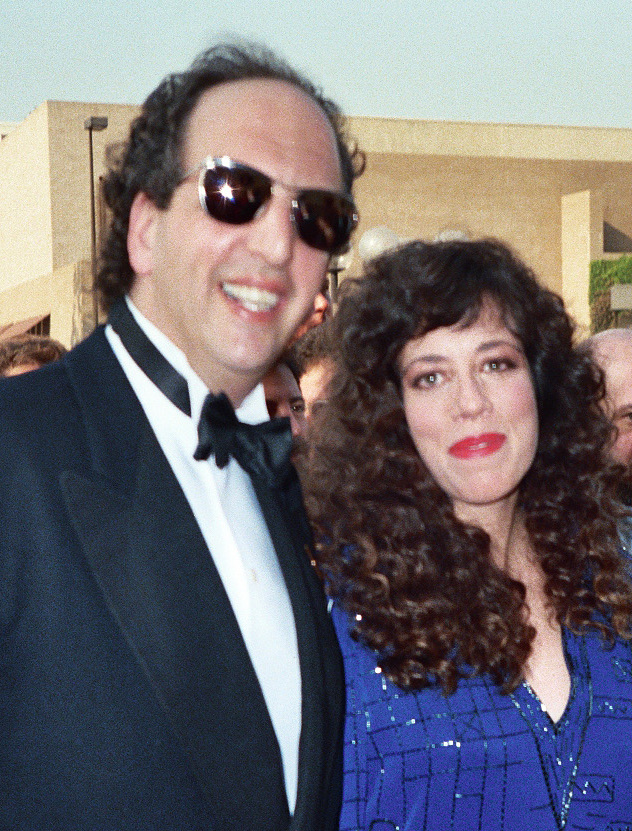
7. **Vincent Schiavelli**: If you’re a fan of distinctive character actors, Vincent Schiavelli’s face, with its famously mournful eyes and lanky frame, is instantly recognizable, even if his name isn’t immediately at the tip of your tongue. In “Batman Returns,” Danny DeVito’s Penguin enlisted a motley crew of minions, and among them was Schiavelli’s character, the enigmatic organ grinder. While the practical utility of an organ grinder in a criminal enterprise might escape many, one can only assume that the Penguin’s nefarious schemes required a certain musical ambiance.
Schiavelli, an actor of considerable range, seamlessly blended into the bizarre landscape of Gotham City, providing the perfect peculiar touch alongside his dancing monkey. His ability to embody such an unusual character with sincerity and depth was a hallmark of his career, making even the most minor roles truly memorable. This performance, though brief, adds a layer of unforgettable eccentricity to the already unique world created by Tim Burton.
Beyond his foray into the DC Universe, Schiavelli crafted a remarkable career, leaving an indelible mark on cinematic history with his turns in some of the most iconic films of his era. He brought his unique presence to acclaimed movies like “One Flew Over the Cuckoo’s Nest” (1975), the quintessential teen comedy “Fast Times at Ridgemont High” (1982), the majestic “Amadeus” (1984), and the supernatural romance “Ghost” (1990).
“X-Files” enthusiasts might also fondly recall his guest role in the cult favorite episode “Humbug,” where he appeared alongside the equally distinctive Michael J. Anderson and Jim Rose, showcasing his talent for inhabiting offbeat worlds. Vincent Schiavelli passed away in 2005 at the age of 57, a character actor whose unique visage and compelling performances enriched every project he touched, proving that there was certainly no monkeying around when it came to his dedication to the craft.
Read more about: From Hidden Gems to Iconic Ensembles: 15 Movies Where the Cast Made All the Difference

8. **Rene Auberjonois**: When Joel Schumacher took the directorial reins for “Batman Forever,” following Tim Burton’s darker vision, he couldn’t resist a good-natured jab at his predecessor. Enter Rene Auberjonois as “Dr. Burton,” a high-ranking staff member at Arkham Asylum. This toss-away character, essentially a playful inside joke, showcased Auberjonois’s willingness to embrace even the most meta and fleeting of roles within the DC universe, adding a subtle wink to the film’s change in creative direction.
Of course, to suggest that this brief cameo as a gag character was the pinnacle of Auberjonois’s extensive career would be a disservice to his incredible body of work. Auberjonois was a prolific talent, contributing both physical and vocal performances to an astonishing number of television shows, including countless DC and Marvel animated projects, where his distinctive voice became a comforting presence for a generation of superhero fans.
However, for many, Auberjonois is most widely remembered for his iconic role as the shape-shifting Chief of Security, Odo, on “Star Trek: Deep Space Nine.” His nuanced portrayal of the stoic, yet deeply empathetic, Changeling earned him a devoted following and solidified his place in science fiction lore. This role demonstrated his remarkable ability to convey complex emotions even through heavy prosthetic makeup.
Rene Auberjonois passed away in 2019 at the age of 79, not long after appearing in the critically beloved film “First Cow,” one of his final cinematic contributions. His career, spanning decades and genres, exemplified versatility and dedication, leaving behind a legacy that ranges from a cheeky Arkham doctor to a beloved Starfleet officer, and countless animated heroes and villains.

9. **Lane Smith**: The role of Perry White, the no-nonsense editor-in-chief of The Daily Planet, has become something of a prestigious part in the DC universe, with recent portrayals by talents like Laurence Fishburne. However, it’s the stellar actors who paved the way who truly established the character’s gravitas and enduring appeal. Among these foundational performers was Lane Smith, who put in significant, memorable work as Perry White on “Lois and Clark: The New Adventures of Superman.”
Smith’s portrayal on the popular mid-90s television series captured the essence of the gruff but fair editor, making him a beloved figure for a generation of Superman fans. His chemistry with Dean Cain’s Superman and Teri Hatcher’s Lois Lane was undeniable, providing a steady, authoritative anchor for the romantic-comedy-infused superhero drama. He truly brought the newspaper world of Metropolis to life.
While his work on “Lois and Clark” is cherished by superhero fandom, the broader world outside of that niche might more readily recognize Smith for his role as the memorable prosecutor Jim Trotter III in the classic 1992 comedy “My Cousin Vinny.” His stern, by-the-book demeanor provided the perfect foil to Joe Pesci’s unorthodox legal antics, making for some truly hilarious courtroom confrontations.
Lane Smith’s career began in the mid-1960s and continued robustly until his passing in 2005 at the age of 69. His extensive filmography includes appearances in the original “V” mini-series, the Pauly Shore vehicle “Son in Law” (1993), and his turn as the nefarious Coach Reilly in “The Mighty Ducks” (1992). He was an actor whose presence, whether as a respected editor or a rigid authority figure, consistently added depth and character to every project.
Read more about: Unseen Glimpses: A Journey Through Princess Diana’s Life in 12 Rare Photos That Reveal Her True Spirit

10. **Eddie Jones**: Just as Lawrence Fishburne has become synonymous with Perry White for modern audiences, and Kevin Costner with Jonathan Kent in “Man of Steel,” actors like Eddie Jones laid crucial groundwork for these iconic DC roles in earlier adaptations. Jones took on the mantle of Jonathan Kent in the mid-1990s television series “Lois and Clark: The New Adventures of Superman,” bringing a warm, grounding presence to Clark Kent’s adoptive father.
What made Jones’s portrayal particularly notable was that his Jonathan Kent was one of the relatively few live-action iterations of the character who actually lived long enough to see his adopted son grow into the world’s premiere superhero. Unlike later versions where Jonathan Kent often meets a tragic end to impart a life lesson, Jones’s character was clearly still a supportive, living presence for his adult Superman son, played by Dean Cain, offering a more enduring parental figure.
Beyond his role as Pa Kent, Jones maintained a healthy and consistent track record as a film and television performer, with a career that stretched back to the late 1950s. His steady work across decades showcased his reliability and versatility as an actor, making him a familiar face in a variety of productions. He was a true working actor, dedicating his life to the craft.
Superhero enthusiasts, in addition to his “Lois and Clark” role, might also fondly remember Eddie Jones as Malcolm, the eccentric clown pilot, in Joe Johnston’s beloved 1991 adventure film “The Rocketeer.” This particular credit connects Jones to another iconic superhero-adjacent tale, showcasing his ability to inhabit charming and memorable characters across different cinematic universes. Eddie Jones passed away in July 2019 at the age of 84, leaving a legacy of quiet strength and paternal warmth to the DC world.
Read more about: Who Was Fired First? The Original Casting Choices for 10 Beloved Movie Roles

11. **Harve Presnell**: In the expansive tapestry of Superman lore, Lois Lane’s father, Sam Lane, doesn’t always receive the most extensive character development in live-action iterations. While Harve Presnell capably portrayed Lois’s estranged father on “Lois and Clark: The New Adventures of Superman,” it’s often his more significant and perhaps more chilling work in other projects that truly stands out. Presnell brought a gravitas to every role, making even supporting characters unforgettable.
Indeed, Presnell’s most indelible contribution to cinema, for many, comes from the Coen Brothers’ critically acclaimed 1996 film, “Fargo.” In this masterpiece of small-town crime drama, Presnell delivered a powerful performance as Wade Gustafson, the overbearing and wealthy father-in-law of Jerry Lundegaard (played by William H. Macy). Gustafson becomes the target of an elaborate kidnapping scheme orchestrated by his son-in-law, a plan that spirals tragically out of control.
His portrayal of Wade Gustafson was crucial to the film’s narrative and its unsettling atmosphere. Presnell perfectly captured the character’s imposing presence and the underlying tension between him and Lundegaard, making the devastating consequences of the plot all the more impactful. “Fargo,” recognized by the American Film Institute as one of the top 100 films of all time, would simply not be the same without Presnell’s nuanced and commanding presence as the ill-fated patriarch.
Harve Presnell passed away in 2009 at the age of 75. While his turn as Sam Lane in “Lois and Clark” remains a notable entry in his filmography for DC fans, his powerful performance in “Fargo” stands as a testament to his talent, cementing his place as an actor capable of delivering truly memorable and impactful dramatic work on the big screen.
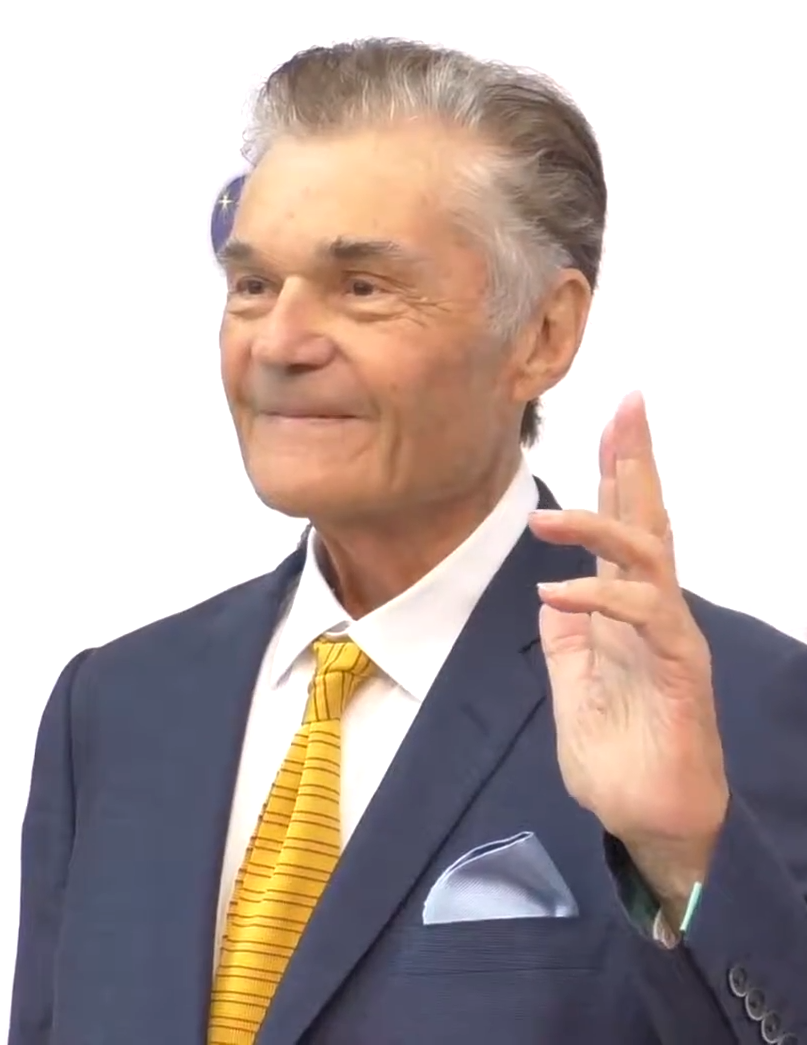
12. **Fred Willard**: To call screen comedy legend Fred Willard merely a “DC actor” feels almost criminally reductive, and that’s not to diminish his contributions to the Superman universe, but rather to highlight the immense comedic talent he possessed. Willard’s distinctive, often oblivious game show host-like persona made him a master of satirical irony, gracing classics such as “This Is Spinal Tap” (1984), “Best In Show” (2000), and “Anchorman” (2004) with his unforgettable presence.
Yet, the fact that a talent of Willard’s caliber technically falls under the umbrella of “DC actor” speaks volumes about how deeply Superman and his compatriots had become woven into the fabric of pop culture, long before the modern superhero movie boom. His appearances in DC-related media, though not the core of his career, are charming footnotes that underscore the pervasive reach of these iconic characters.
Willard notably played the President of the United States on “Lois and Clark: The New Adventures of Superman,” bringing his signature deadpan delivery to the highest office. In another display of his uncanny ability to land in positions of political authority within the Superman universe, he also appeared as the Deputy Mayor of Metropolis in the “Superman 50th Anniversary Special.” It’s almost as if some unseen force kept nudging him towards power in the world of Metropolis!
Fred Willard passed away in May 2020 at the age of 86. His unique comedic timing and ability to create memorable characters, whether as a clueless announcer or a surprisingly composed fictional president, made him an enduring and beloved figure in comedy. His brief but delightful forays into the DC world are a testament to his wide-ranging appeal and the universe’s ability to attract diverse talent.
Read more about: From Hidden Gems to Iconic Ensembles: 15 Movies Where the Cast Made All the Difference
As our journey through the annals of DC’s cinematic and televised history concludes, it’s clear that the universe is built not just on caped crusaders and cosmic beings, but on the rich, human tapestry woven by the actors who bring them to life. From the iconic figures to the memorable bit players, each artist contributes a vital thread, shaping our collective imagination and ensuring that these stories resonate across generations. These talented individuals, though no longer with us, live on through their performances, reminding us that every role, no matter how big or small, leaves an indelible mark. Their legacies continue to inspire, entertain, and remind us of the enduring power of storytelling in the ever-expanding DC Multiverse.