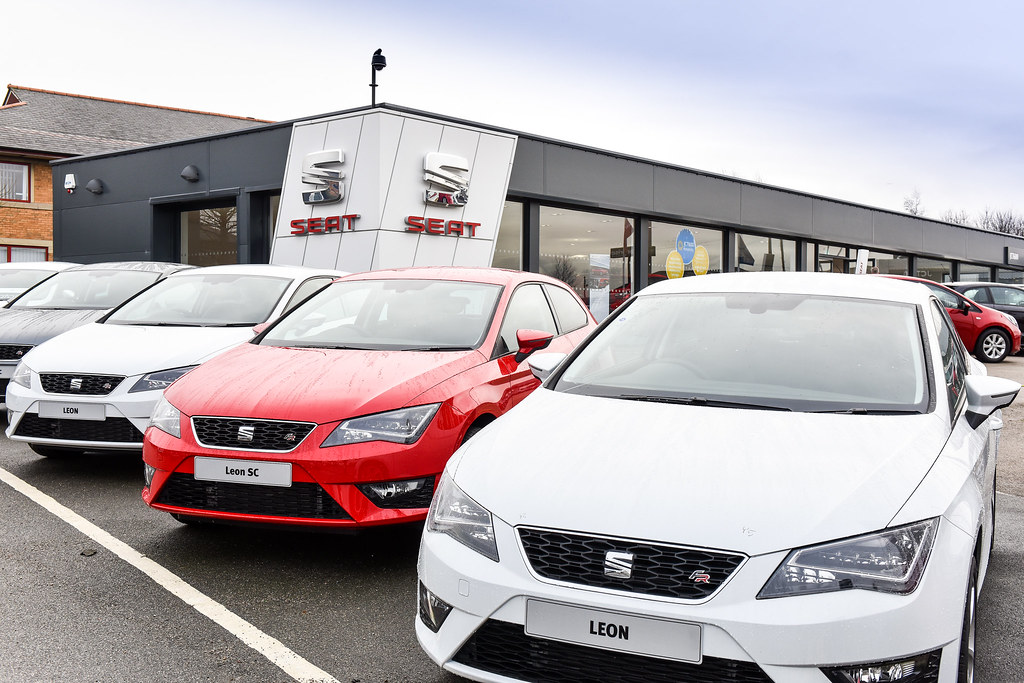
In the fast-paced, ever-evolving world of automotive engineering, innovation often takes center stage. Yet, beneath the gleaming paintwork and bespoke designs, there’s a fascinating narrative of collaboration and shared resources that often goes unnoticed by the casual observer. Taking a new car design from concept to reality is, after all, “time-consuming and astronomically expensive.” It’s a colossal undertaking that demands immense investment in research, development, and manufacturing.
This immense challenge is precisely “why automakers sometimes share technology with other brands, especially for critical tech like the engine.” While many assume that every car rolling off an assembly line is powered by an engine uniquely developed for that specific model, the reality is often more intertwined. This practice of engine sharing is not just about cutting costs; it’s a strategic move that leverages established reliability, proven performance, and the sheer efficiency of collaborative engineering.
What truly captivates the imagination, however, isn’t when components are shared between similar vehicles. The real marvel lies in the unexpected partnerships, where vastly different cars, targeting wildly disparate demographics, might just be humming to the beat of the same mechanical heart. Prepare to look “behind the dealership” and discover some of the most surprising engine-sharing revelations in automotive history. These are the pairings that might look dissimilar but secretly—or maybe not so secretly—share a powertrain.
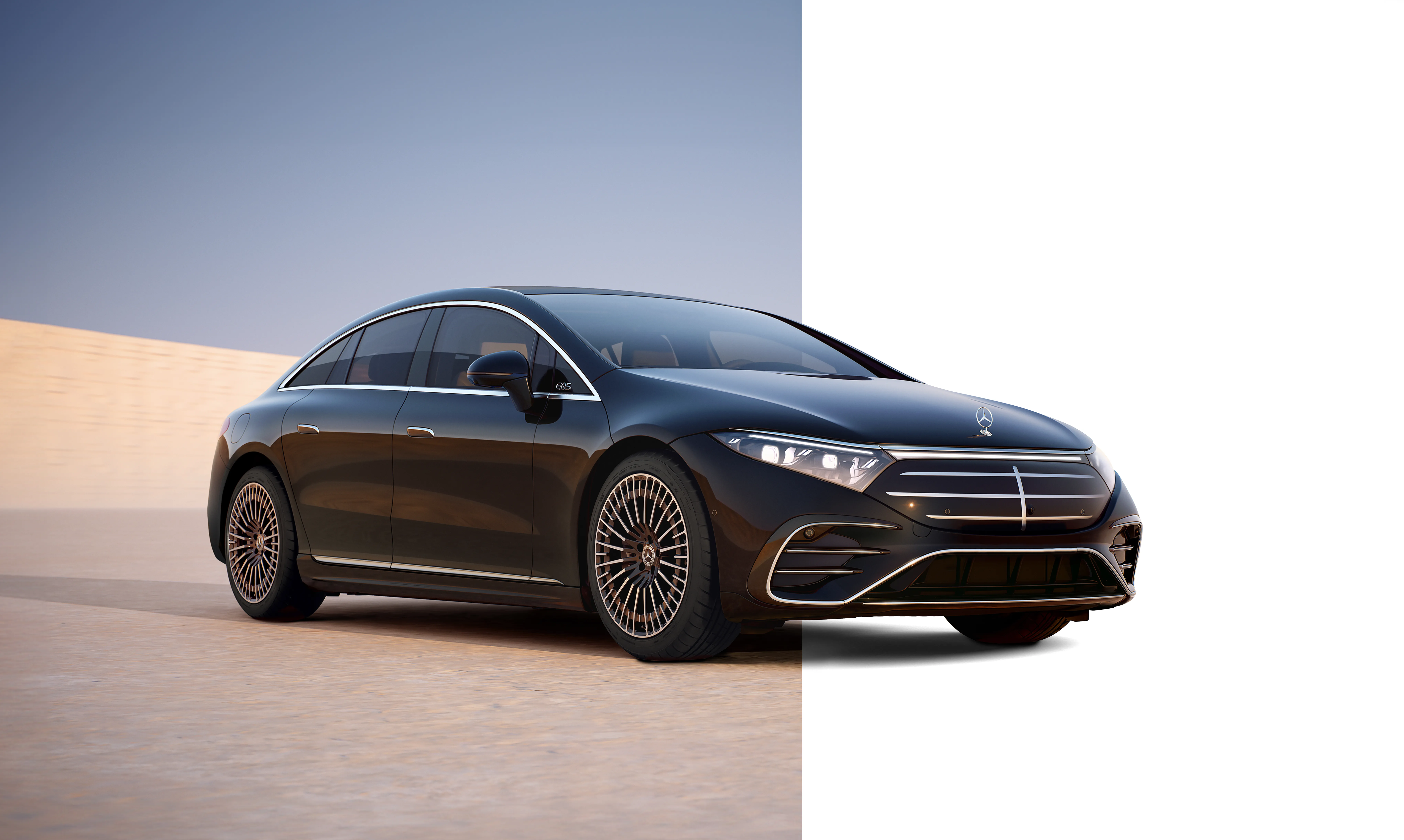
1. **Mercedes-Benz G63 AMG and Aston Martin Vantage**It might sound like a plot twist from an automotive thriller, but the rugged, boxy Mercedes-Benz AMG G 63 SUV and the sleek, undeniably elegant Aston Martin Vantage share a fundamental component. “You’d never believe the boxy Mercedes-Benz AMG G 63 SUV and sleek Aston Martin Vantage share an engine just by looking at them,” yet the evidence is clear. Aston Martin, a brand synonymous with bespoke luxury and high-performance sports cars, has indeed been utilizing Mercedes engines in their vehicles for some time now, demonstrating a pragmatic approach to powertrain development.
At the heart of both these automotive titans lies a modified version of the twin-turbo 4.0-liter V8 engine, originally a product of Mercedes-AMG. This isn’t a simple plug-and-play scenario; Aston Martin has meticulously engineered this powerhouse to suit the distinct character and performance demands of the Vantage. Their modifications are extensive, encompassing enlarged twin turbos, a revamped cooling system, and optimized compression ratios, all designed to enhance performance and reliability.
Crucially, Aston Martin also “included quad exhaust for a distinct Vantage sound before equipping the powertrain in 2017.” This attention to detail ensures that while the core engine block may be shared, the auditory experience and overall feel are uniquely Aston Martin. Such bespoke tuning transforms a common starting point into a tailored masterpiece, reflecting the brand’s commitment to sensory engagement.
The performance figures vividly illustrate the impact of these modifications. The AMG G 63, a formidable SUV, produces a robust 577 horsepower. However, “modifications to the recent editions of the Aston Martin Vantage V8 biturbo AMG engine gave it another jump in horsepower, meaning the 577 horsepower produced by the AMG G 63 increases to an impressive 656 horsepower for the Vantage.” This substantial boost highlights Aston Martin’s pursuit of raw power and exhilarating speed.
Further distinguishing these vehicles are their transmission setups and ultimate speed capabilities. The Mercedes-Benz SUV employs a nine-speed automatic transmission, propelling it to a respectable top speed of 137 mph. In contrast, “The Aston Martin Vantage pairs the V8 engine with an eight-speed automatic with a shorter final drive ratio for impressive acceleration and a top speed of more than 200 mph.” This strategic gearing choice in the Vantage underscores its primary mission as a high-performance sports car, capable of breathtaking acceleration and blistering top-end speed.
Car Model Information: 2016 Land Rover Range Rover Sport Supercharged
Name: Aston Martin V8 Vantage,Aston Martin V12 Vantage
Caption: V12 Vantage S
Manufacturer: Aston Martin
Production: 2005–2017 (V8 Vantage),2009–2018 (V12 Vantage)
Assembly: Gaydon, Warwickshire
ModelYears: 2006–2018
Designer: Ian Callum,Henrik Fisker
Class: Sports car
BodyStyle: coupé
Platform: Aston Martin VH platform
Related: Aston Martin DB9,Aston Martin DBS V12,Aston Martin V12 Zagato,Aston Martin Rapide,Aston Martin DB10,Aston Martin Vanquish (2012)
Layout: Front mid-engine, rear-wheel-drive layout
Engine: ubl
Transmission: Graziano Trasmissioni,manual transmission
Wheelbase: 102.4 in
Abbr: on (V8 Vantage)
Length: 172.5 in
Width: 73.5 in
Height: 49.4 in
Weight: 1630 kg
Sp: uk
Predecessor: Aston Martin Virage#Vantage
Successor: Aston Martin Vantage (2018)
Doors: Swan doors
Categories: 2010s cars, 24 Hours of Le Mans race cars, All Wikipedia articles written in British English, All articles with unsourced statements, Articles with short description
Summary: The Aston Martin Vantage is a series of hand-built sports cars from the British automotive manufacturer Aston Martin. Aston Martin has previously used the “Vantage” name on high-performance variants of their existing GT models, notably on the Virage-based car of the 1990s. The modern car, in contrast, is the leanest and most agile car in Aston’s lineup. As such, it is intended as a more focused model to reach out to potential buyers of cars such as the Porsche 911 as well as the exotic sports and GT cars with which Aston Martins traditionally compete.
Production of the V8 Vantage ended in 2017 while production of the V12 Vantage continued until 2018. The 2005 Vantage and its variants became the most successful model in Aston Martin’s history. Aston Martin unveiled the next-generation Vantage in November 2017, and started its production run the following year.
Get more information about: Aston Martin Vantage (2005)
Buying a high-performing used car >>>
Brand: Aston Martin Model: Vantage
Price: $13,250 Mileage: 205,160 mi.
Read more about: Beyond the Gridiron: A Curated Look at Travis Kelce’s Multi-Million Dollar Automotive Collection, from Bespoke Luxury to Electrified Classics
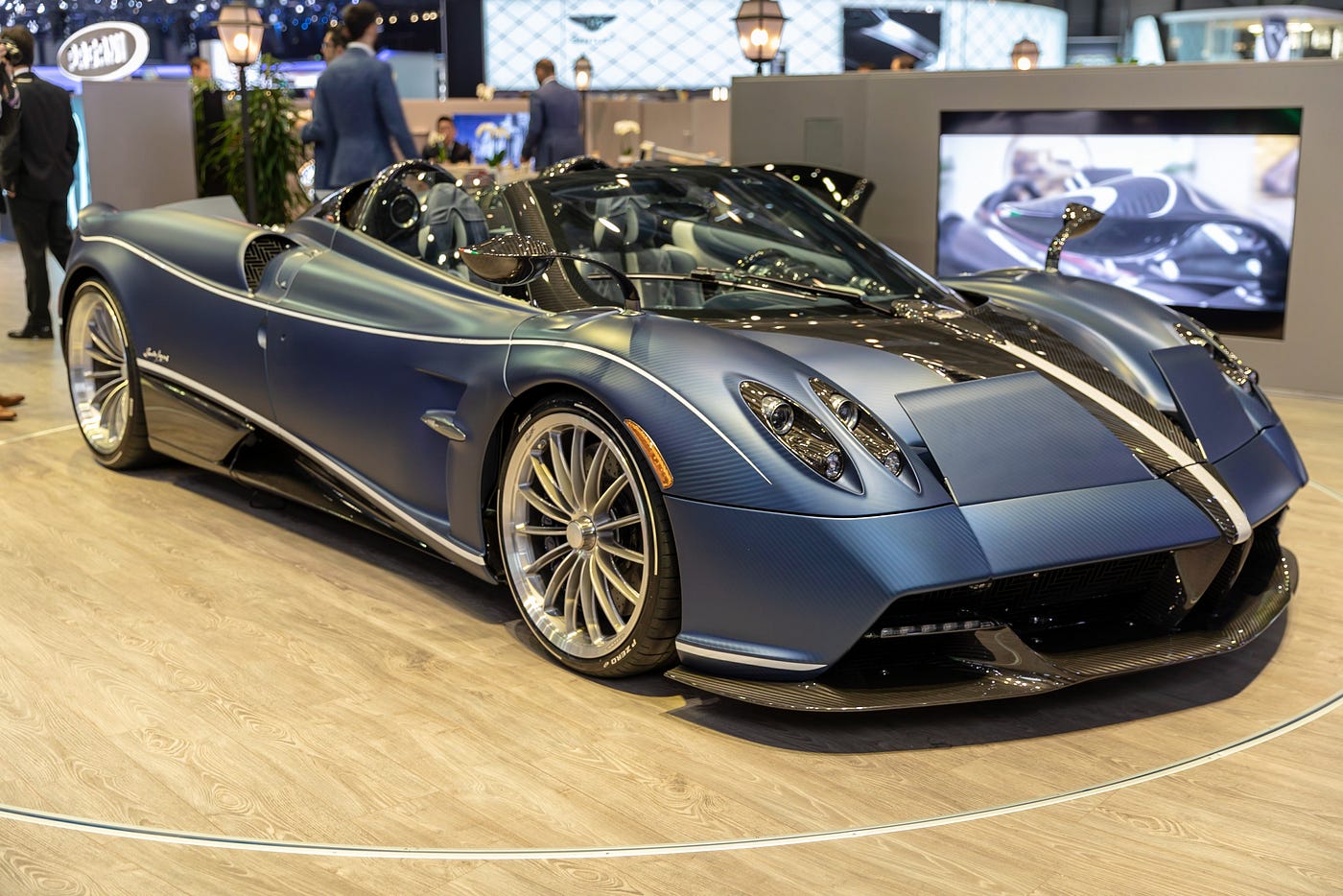
2. **Mercedes-Benz S-Class and Pagani Zonda**Mercedes-Benz’s reputation for “precision engineering” is legendary, and it’s a quality that many other automakers have eagerly sought to leverage. This is brilliantly exemplified in one of the most unexpected collaborations: the luxury Mercedes-Benz S-Class sedan and the hyper-exclusive Pagani Zonda. The shared component here is the renowned M120 engine, a testament to Mercedes-Benz’s prowess in developing powerful and refined powertrains that transcend their original applications.
First introduced in the W140 Mercedes-Benz S-Class sedan, which was produced from 1991 to 1998, the M120 engine represented the pinnacle of German automotive luxury and performance. In models such as the S600, this magnificent “6.0-liter V12 engine makes 402 horsepower and can take the car from zero to 60 mph in just over six seconds.” It provided the S-Class with effortless power and unparalleled smoothness, befitting its status as a flagship luxury vehicle.
Enter the Pagani Zonda, a hypercar that has, since 1999, featured an AMG-tuned version of this very V12 engine in most of its models. While the Zonda’s aesthetic and performance aspirations are a world apart from the S-Class, its foundation was built upon Mercedes-Benz’s engineering excellence. The initial iteration of the 1999 Pagani Zonda, with “a few tweaks to the engine and some significant tuning work by AMG,” saw the 6.0-liter V12 engine produce 394 horsepower, enabling a top speed of 185 mph.
The Zonda’s lightweight construction was pivotal in maximizing the engine’s potential, allowing it to “take advantage of every ounce of muscle provided by the M120.” This synergy between a potent engine and a featherlight chassis resulted in astonishing performance, with the Zonda capable of reaching “60 mph in just over 4 seconds.” As Pagani evolved, “later Pagani models produced far higher hp figures using AMG-tuned engines,” pushing the boundaries of what was thought possible with this remarkable V12.
The contrast between these two vehicles—one a plush, high-speed executive sedan, the other a bare-bones, track-focused hypercar—highlights the versatility of superior engineering. “The V12 Mercedes engine was at its most impressive in the Zonda, but it performed just as well under the hood of a Mercedes-Benz S-Class.” The 1998 S-Class, for instance, could launch to a top speed of 155 mph, showcasing the engine’s capability across entirely different automotive philosophies, proving that a great engine knows no bounds.
Read more about: Lewis Hamilton’s Legendary Garage: A High-Octane Tour of the 7x F1 Champion’s Unrivaled Car Collection

3. **Lotus Evora and Toyota Camry**When picturing a Lotus, images of lightweight, agile, driver-focused sports cars immediately come to mind. Conversely, Toyota is renowned for building “long-lasting engines that endure for hundreds of thousands of miles” and producing reliable, mass-market vehicles. The surprising common thread between these two distinct automotive philosophies is the reliable “2GR-FE 3.5-liter V6 engine,” which powers both the stylish Lotus Evora sports car and the ubiquitous four-door Toyota Camry sedan.
Lotus’s decision to utilize engines supplied by Toyota for some of its models is a strategic move aimed at “keep[ing] its cars affordable” without compromising on performance or reliability. This partnership allows Lotus to focus its engineering efforts on chassis dynamics and handling, while relying on Toyota’s proven powertrain durability. Extracting the expected performance from the Toyota engine required significant “tuning” by Lotus engineers, a testament to their ability to transform a dependable engine into a high-revving sports car heart.
The result is the Lotus Evora, an “incredible machine offering dynamic looks and a thrilling driving experience.” Its mid-engine configuration, combined with the expertly tuned Toyota V6, delivers impressive power. “Even on the low end, the mid-engine Evora can pump out 276 horsepower,” offering a spirited drive. For those craving even more exhilaration, “When equipped with the supercharged variant of the 2GR-FE in the Evora GT430, the powertrain delivers a hefty 430 horses,” pushing the performance envelope considerably.
On the other side of the spectrum, the Toyota Camry, a popular sedan known for its practicality and comfort, also leveraged the same 2GR-FE V6 Toyota engine for its higher-tier models. While the Camry will eventually transition to an exclusive hybrid powertrain, in its prime, this engine offered robust performance for everyday driving. In the TRD Camry, for instance, “the 3.5-liter V6 can generate up to 301 horsepower,” providing ample power for highway cruising and city commutes.
However, despite sharing the same core engine, the driving experience between the two cars diverges significantly. The Camry, with its “eight-speed automatic transmission,” makes the car’s acceleration “feel sluggish” compared to the Lotus. This highlights how crucial vehicle weight, chassis tuning, and transmission characteristics are in defining a car’s character. “So while these cars share an engine, the differences in how they drive, handle, and look are obvious,” showcasing the diverse applications of a single, well-engineered power unit.
Car Model Information: 2014 Lotus Evora S
Name: Lotus Evora
Caption: Lotus Evora 400
Manufacturer: Lotus Cars
Production: 2009–2021,6,117 produced
ModelYears: 2010–2021
Assembly: Hethel,Norfolk,England
Designer: Russell Carr
Class: Sports car
BodyStyle: 2+2 (car body style),coupé
Related: Lotus 3-Eleven,Infiniti Emerg-e
Layout: Rear mid-engine, rear-wheel-drive layout
Engine: Toyota,Toyota GR engine#2GR-FE,V6 engine
Transmission: Aisin Seiki#Aisin AI,Manual transmission
Wheelbase: 2575 mm
Abbr: on
Length: 4395 mm
Width: 1848 mm
Height: 1229 mm
Weight: cvt
Sp: uk
Successor: Lotus Emira
Predecessor: Lotus Europa S
Categories: 2+2 coupés, All Wikipedia articles written in British English, All articles with dead external links, Articles with dead external links from December 2018, Articles with dead external links from May 2019
Summary: The Lotus Evora is a sports car produced by the British company Lotus. The car, which was developed under the project name Project Eagle, was launched on 22 July 2008 at the British International Motor Show. The Evora S was launched in 2010 with a supercharged 3.5-litre V6. A facelifted and more powerful Evora 400 model was unveiled at the 2015 Geneva Motor Show, followed by another more powerful variant, the Evora GT430, which was unveiled in 2017.
The Lotus Evora is based on the first all-new vehicle platform from Lotus Cars since the introduction of the Lotus Elise in 1995 (the Exige and the 2006 Europa S are both derivatives of the Elise). The Evora was planned to be the first of three vehicles to be built on the same platform. The sales target was 2,000 cars per year, with prices between £45,000 and just over £50,000, and sales in America scheduled from the beginning of 2010.
Get more information about: Lotus Evora
Buying a high-performing used car >>>
Brand: Lotus Model: Evora
Price: $49,920 Mileage: 46,090 mi.
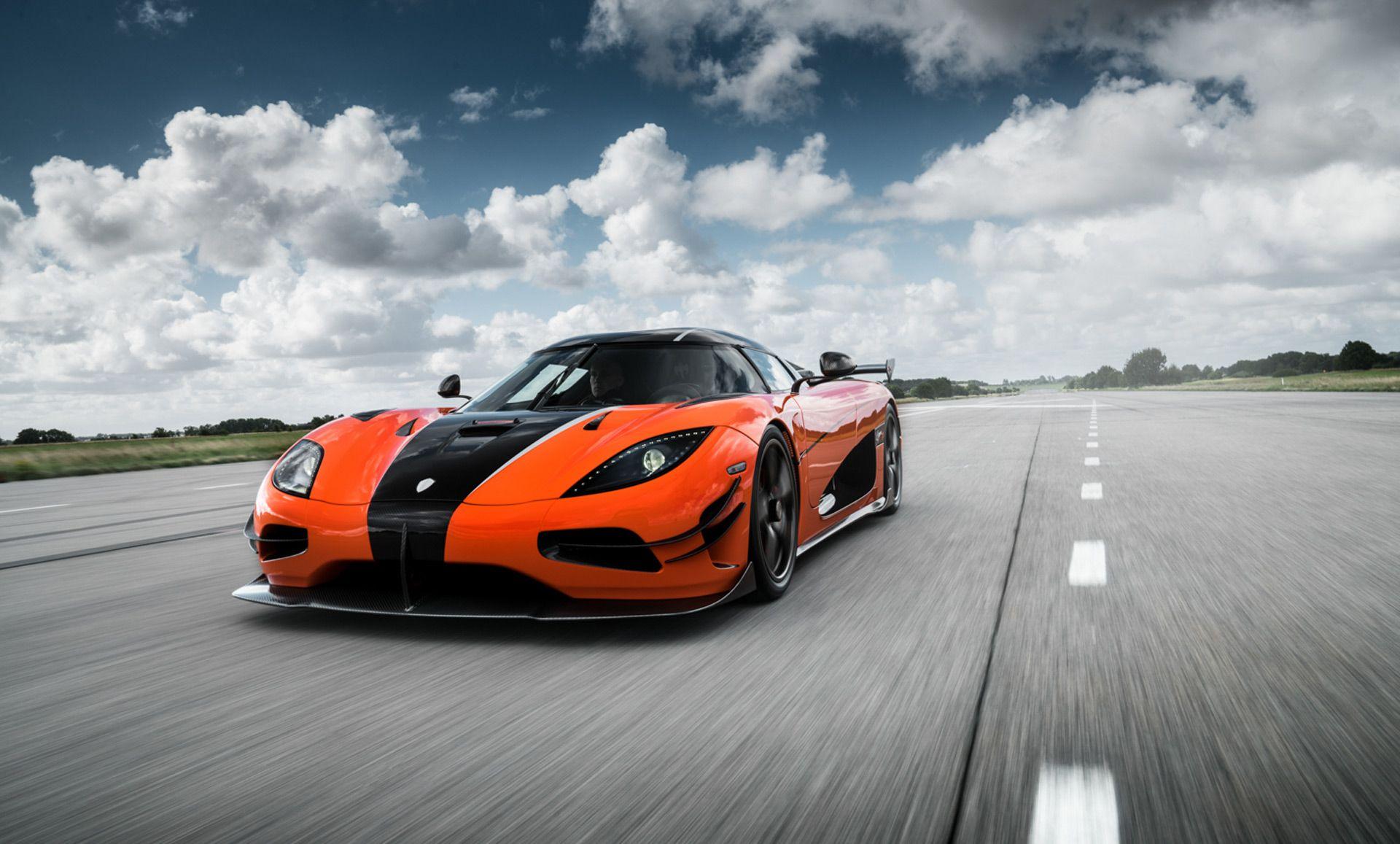
4. **Koenigsegg CC8S and Ford Crown Victoria**Prepare for perhaps the most astonishing revelation in the world of engine sharing: the hyper-exclusive Koenigsegg CC8S, the Swedish manufacturer’s first production supercar, shares its engine with none other than the venerable Ford Crown Victoria. Yes, the very same Crown Victoria widely deployed by police forces across the U.S., a symbol of robust utility and enduring reliability, laid the foundational engineering for a machine designed to redefine automotive performance. This improbable pairing underscores the ingenuity involved in transforming a mass-market component into a supercar’s heart.
While the basic concept for the engine originated from the Ford engineering team, Koenigsegg’s approach was anything but basic. They “heavily modified the modular Ford V8 powertrain to improve performance,” taking a proven design and pushing its boundaries to extreme levels. One fundamental change involved the displacement: “The Ford modular V8 engine had a 4.6-liter displacement in the Crown Vic, but the displacement was increased to 4.7 liters for the CC8S.” This initial alteration set the stage for a cascade of high-performance enhancements.
The most dramatic transformation is evident in the horsepower figures. Where a Crown Victoria typically produced “210 to 250 horsepower,” Koenigsegg’s extensive modifications rocketed the CC8S to an astounding “655 horses.” These aren’t minor tweaks; they represent a complete overhaul. “Other alterations Koenigsegg made to the Ford V8 engine include upgrading the engine with two centrifugal superchargers, fitting the block with dry-sump lubrication, and adding a larger intercooler,” among numerous other refinements. Each modification was critical in unlocking the engine’s incredible potential.
The performance gap between these two vehicles is, unsurprisingly, colossal. A Ford Crown Victoria, designed for durability and police patrol, typically had “a top speed of about 130 mph.” Its acceleration from “zero to 60 mph took well over eight seconds”—respectable for its class, but far from blistering. The Koenigsegg CC8S, however, with its hyper-tuned Ford V8, was a different beast entirely. It was “able to reach speeds of 240 mph” and could blast “past 60 in less than four” seconds.
This incredible metamorphosis demonstrates the power of dedicated engineering and a clear vision. “Koenigsegg created an award-winning supercar with capabilities that far exceed what the Crown Victoria could achieve,” proving that with enough innovation and ambition, even the most humble origins can lead to automotive greatness. It’s a powerful reminder that sometimes, the most unexpected components form the backbone of extraordinary machines.
Read more about: Shocking Engine Shares: When Everyday Cars Get Supercar Power

5. **BMW i8 and Mini Cooper**The world of automotive engineering is a tapestry woven with intriguing connections, and few are as unexpectedly captivating as the shared powertrain between the futuristic BMW i8 and the charmingly compact Mini Cooper. These two vehicles represent vastly different automotive philosophies: the i8, a beacon of hybrid sports car innovation with its head-turning aesthetics and agile handling, contrasted with the Mini Cooper, a quintessential urban companion celebrated for its fun-to-drive nature and city-friendly dimensions. Despite their outwardly disparate appearances and market positions, a common mechanical heart—the BMW B38 engine—has quietly pulsed within both since 2014, albeit with significant and purpose-driven adaptations.
In its most recognizable form within the Mini Cooper, the B38 engine delivers the spirited performance and efficiency expected from a premium compact car. Typically configured as a 1.5-liter three-cylinder unit, this engine is a marvel of modern engineering, providing a balance of power and fuel economy that suits the Mini’s character. It offers a respectable 134 horsepower and 164 lb-ft of torque, enabling the Mini to navigate tight city streets with nimble agility and reach a top speed of around 120 mph, making it an ideal choice for urban adventurers.
However, the B38 engine undergoes a profound transformation when integrated into the BMW i8. Here, it forms the internal combustion component of an advanced plug-in hybrid system, working in concert with an electric motor. This isn’t a mere addition; it’s a symbiotic relationship where the B38 is extensively modified to complement the electric drivetrain, focusing on sportier performance and enhanced output. The synergy between the internal combustion engine and the electric motor propels the i8 into the realm of high-performance sports cars.
The combined efforts of the modified B38 and the electric motor result in a formidable total output for the i8: an impressive 369 horsepower and 420 lb-ft of torque. This dramatic increase in power allows the i8 to achieve blistering acceleration and a top speed of 155 mph, showcasing its pedigree as a genuine performance machine. While the core engine block may trace its lineage to a more modest application, the comprehensive engineering efforts in the i8 exemplify how meticulous tuning and the integration of cutting-edge hybrid technology can unlock an entirely new level of dynamic capability, blurring the lines between a compact car engine and a sports car powerhouse.
Car Model Information: 2016 BMW i8
Name: BMW i8 (I12/I15)
Manufacturer: BMW
Production: April 2014 – June 2020 , (20,465 units)
Assembly: Saxony,Leipzig
Predecessor: BMW ActiveE
Successor: BMW 8 Series (G15),BMW M8
Class: Sports car
BodyStyle: coupé
Layout: Transverse engine,mid-engine,all-wheel-drive
Motor: 131 hp
Order: EPA
Abbr: on
Engine: turbocharged,I3 engine
Battery: kWh,lithium-ion battery
Transmission: Aisin,AWTF-80 SC
Drivetrain: Plug-in hybrid
Wheelbase: Convert
Length: Convert
Width: Convert
Height: Convert
Weight: Convert
Range: 500 km
ElectricRange: 37 km
Related: BMW i3
Designer: Vision EfficientDynamics
Doors: Butterfly doors
Powerout: 369 hp
ModelYears: 2014–2020
Categories: All articles containing potentially dated statements, All articles that are excessively detailed, All articles with style issues, Articles containing potentially dated statements from October 2016, Articles containing potentially dated statements from September 2016
Summary: The BMW i8 is a plug-in hybrid sports car developed by BMW. The i8 was part of BMW’s electrified fleet and was marketed under the BMW i sub-brand. The production version of the BMW i8 was unveiled at the 2013 Frankfurt Motor Show and was released in Germany in June 2014. Deliveries to retail customers in the U.S. began in August 2014. A roadster variant was launched in May 2018. Production ended in June 2020.
The 2015 BMW i8 accelerated from 0 to 100 km/h (62 mph) in 4.4 seconds and had an electronically limited top speed of 250 km/h (155 mph). The 2015 model year i8 had a 7.1-kWh lithium-ion battery pack that delivered an all-electric range of 37 km (23 mi) under the New European Driving Cycle. Under the U.S. EPA cycle, the range in EV mode was 24 km (15 mi). The battery capacity of both the BMW i8 Roadster and the i8 Coupe was increased to 11.6 kWh in 2018, allowing the NEDC electric range to rise to 55 km (34 mi) for the coupé and 53 km (33 mi) for the roadster.
The BMW i8 coupé had a fuel efficiency of 2.1 L/100 km (134.5 mpg‑imp; 112.0 mpg‑US) under the NEDC test with carbon emissions of 49 g/km. The EPA rated the i8 combined fuel economy at 76 MPGe (2.1 L gasoline-equivalent/100 km; 91 mpg-imp gasoline-equivalent) and 29 miles per gallon (6.7L/100 km) when running in pure gasoline mode.
Get more information about: BMW i8
Buying a high-performing used car >>>
Brand: BMW Model: i8
Price: $49,999 Mileage: 57,285 mi.
Read more about: The Software Guru Behind a Viral Retirement Calculator Reveals Her ‘Boring’ Secrets to Financial Independence
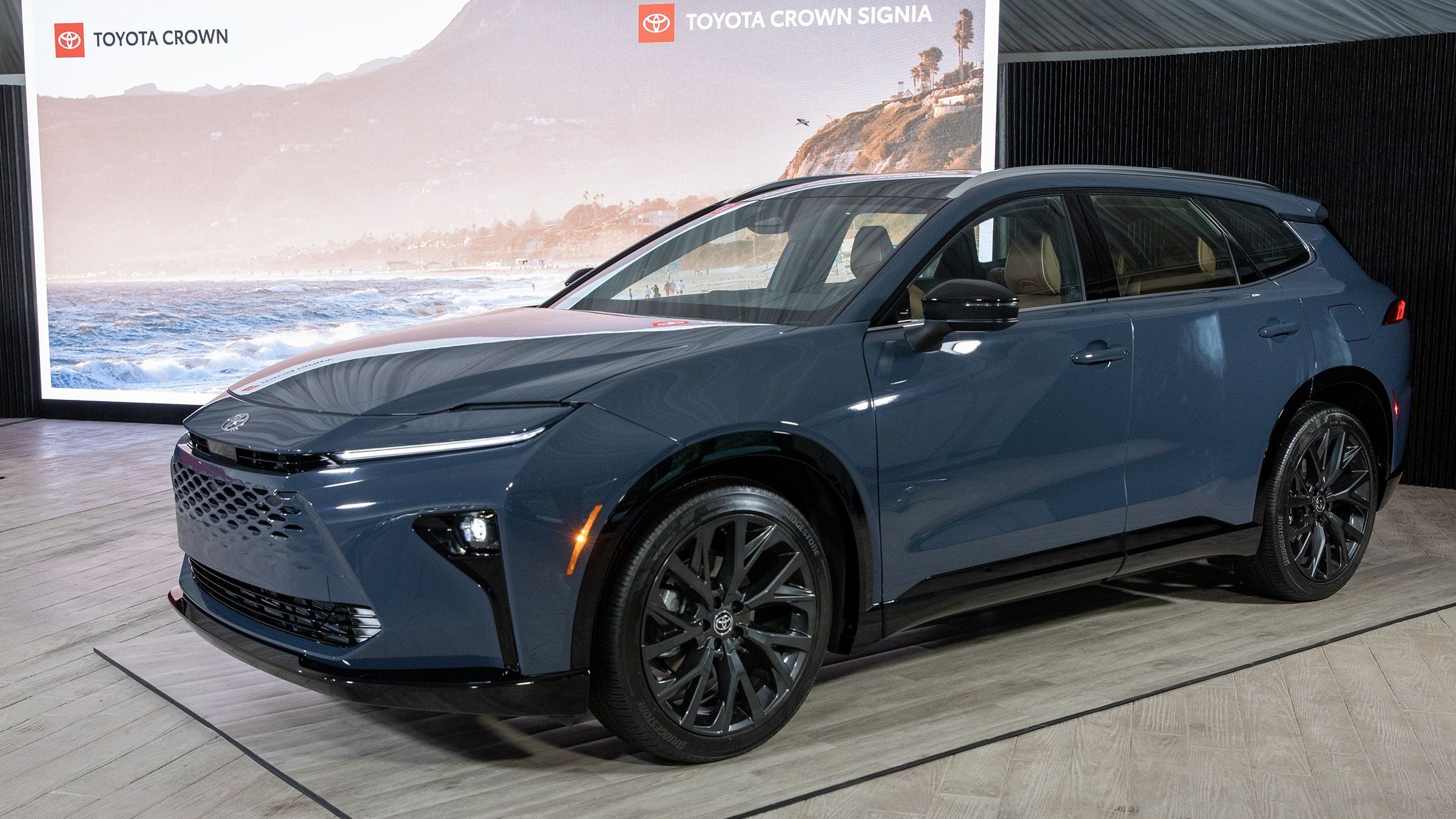
6. **Toyota Supra and BMW Z4**The resurgence of the Toyota Supra in the late 2010s was met with immense excitement, and its connection to the BMW Z4 revealed a fascinating cross-brand collaboration. Far from being entirely distinct creations, these two celebrated sports cars share more than just a passing acquaintance; they are the product of a high-profile partnership between Toyota and BMW. This deep engineering alliance led them to tune the same potent turbocharged 3.0-liter straight-six engine, a BMW-made B58 unit, ensuring each vehicle retained its unique character while benefiting from shared, robust German engineering.
At the heart of both the A90 Supra, since its 2019 reintroduction, and the contemporary BMW Z4, lies this highly regarded BMW B58 engine. This powertrain is celebrated for its smooth power delivery and significant output, providing a thrilling foundation for both sports cars. In both applications, it generates an impressive 382 horsepower, with the Z4 producing 369 lb-ft of torque and the Supra delivering a closely matched 368 lb-ft. This near-identical power output underscores the fundamental commonality in their performance capabilities, promising exhilarating acceleration and potent mid-range thrust for drivers of either model.
Beyond the engine itself, a crucial shared characteristic is their rear-wheel-drive system, which is fundamental to the engaging driving dynamics both cars offer. However, the true distinction between the Supra and the Z4 emerges in their handling and steering philosophies, meticulously engineered to appeal to different driving preferences. The Supra, often lauded for its purist approach, typically offers more focused Normal and Sport driving modes, emphasizing direct responsiveness and a visceral connection to the road. In contrast, the Z4 expands on this with Comfort, Eco Pro, and Adaptive driving modes, providing a broader spectrum of settings that allow drivers to tailor the experience from relaxed cruising to spirited performance, highlighting a more versatile approach to luxury sports driving.
The divergence continues beyond the driving modes, extending to their very body styles and interior environments. Both are exclusively two-door vehicles, but the Z4 proudly presents itself as a convertible, offering open-air exhilaration. The Supra, on the other hand, embraces its heritage as a hardtop coupe, providing a stiffer chassis and a slightly different aerodynamic profile. Inside, their dashboard designs, layouts, and material choices are distinctly different, reflecting their respective brand identities. The Z4 tends to feature a wider array of interior color options and premium materials, aligning with BMW’s luxury aspirations.
Car Model Information: 2024 Toyota Supra 3.0 Premium
Name: Toyota Supra
Caption: Toyota GR Supra (J29/DB)
Manufacturer: Toyota
Aka: unbulleted list
Production: unbulleted list
Class: Sports car
BodyStyle: fastback,coupé
Layout: Front-engine, rear-wheel-drive layout
Predecessor: Toyota Celica (A20)
Categories: 1980s cars, 1990s cars, 2000s cars, 2010s cars, 2020s cars
Summary: The Toyota Supra (Japanese: トヨタ・スープラ, Hepburn: Toyota Sūpura) is a sports car and grand tourer manufactured and developed by the Toyota Motor Corporation beginning in 1978. The name “supra” is a definition from the Latin prefix, meaning “above”, “to surpass” or “go beyond”.
The initial four generations of the Supra were produced from 1978 to 2002. The fifth generation has been produced since March 2019 and later went on sale in May 2019. The styling of the original Supra was derived from the Toyota Celica, but it was longer. Starting in mid-1986, the A70 Supra became a separate model from the Celica. In turn, Toyota also stopped using the prefix Celica and named the car Supra. Owing to the similarity and past of the Celica’s name, it is frequently mistaken for the Supra, and vice versa. The first, second and third generations of the Supra were assembled at the Tahara plant in Tahara, Aichi, while the fourth generation was assembled at the Motomachi plant in Toyota City. The 5th generation of the Supra is assembled alongside the G29 BMW Z4 in Graz, Austria by Magna Steyr.
The Supra traces much of its roots back to the 2000GT owing to an inline-6 layout. The first three generations were offered with a direct descendant to the Crown’s and 2000GT’s M engine. Interior aspects were also similar, as was the chassis code “A”. Along with this name, Toyota also included its own logo for the Supra. It was derived from the original Celica logo, being blue instead of orange. This logo was used until January 1986, when the A70 Supra was introduced. The new logo was similar in size, with orange writing on a red background, but without the dragon design. That logo, in turn, was on Supras until 1991 when Toyota switched to its current oval company logo. The dragon logo was a Celica logo regardless of what colour it was. It appeared on the first two generations of the Supra because they were officially Toyota Celicas. The dragon logo was used for the Celica line until it was also discontinued.
In 1998, Toyota ceased sales of the fourth-generation Supra in the United States. Production of the fourth-generation Supra for worldwide markets ended in 2002. In January 2019, the fifth-generation Supra, which was co-developed with the G29 BMW Z4, was introduced.
Get more information about: Toyota Supra
Buying a high-performing used car >>>
Brand: Toyota Model: Supra
Price: $59,995 Mileage: 1,454 mi.
Read more about: The Real Cost of Speed: 14 Sports Cars & What Financial Experts REALLY Think About Your Investment
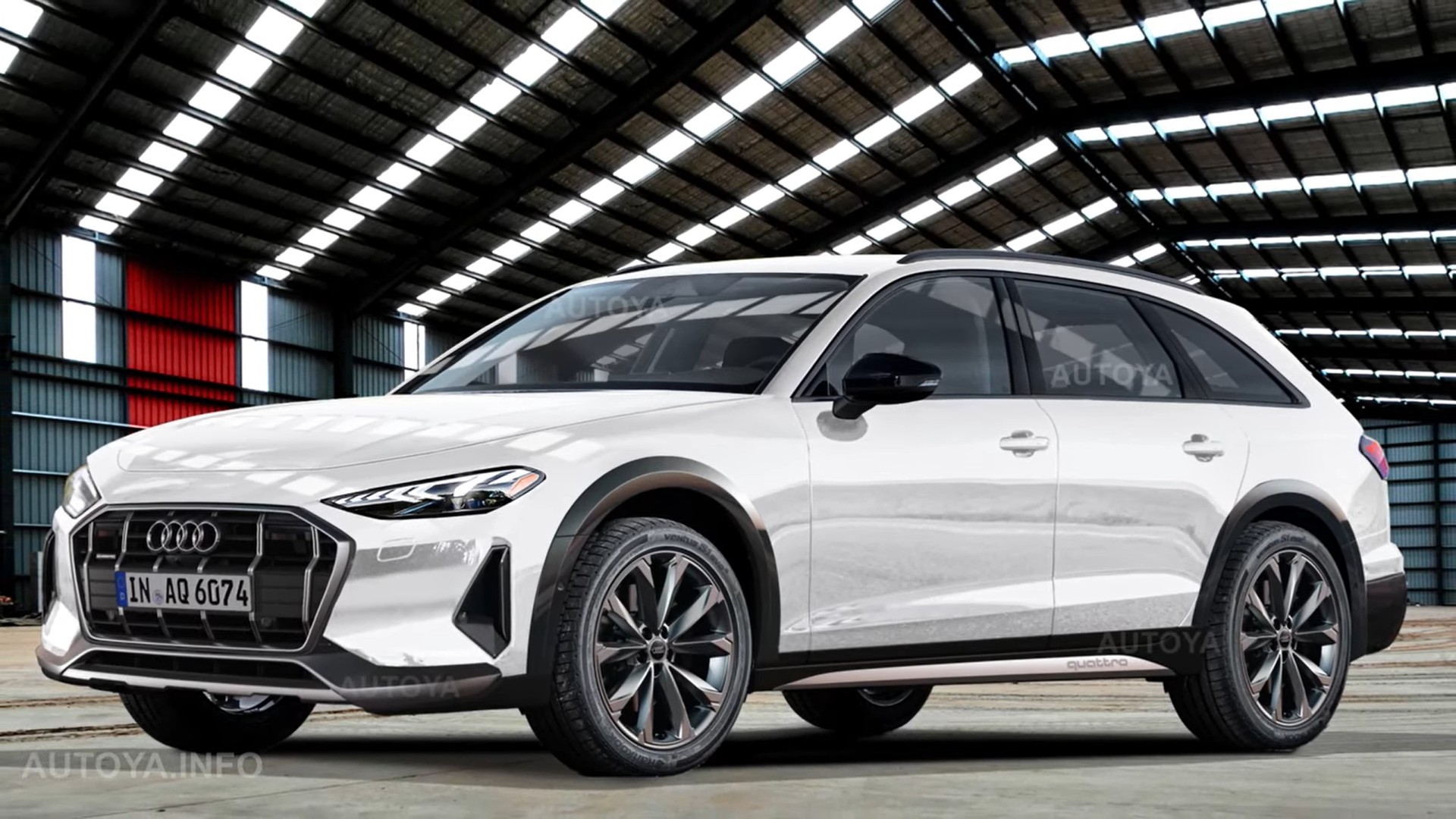
7. **Audi R8 and Lamborghini Huracan**Beneath the sleek, aggressive lines of two of the most iconic performance machines on the planet, the Audi R8 and the Lamborghini Huracan, beats the heart of a shared engineering masterpiece: the ferocious 5.2-liter V10 powertrain. This remarkable engine is a testament to the synergy within the Volkswagen Group, bringing together the expertise of both Audi and Lamborghini. It’s an alliance that allows each brand to leverage a proven, high-performance core while meticulously tuning it to deliver a driving experience that is unmistakably their own, catering to subtly different, yet equally demanding, segments of the supercar market.
The shared 5.2-liter V10 engine is a naturally aspirated marvel, renowned for its exhilarating sound and linear power delivery, a rarity in an increasingly turbocharged world. While both cars benefit from this incredible powerplant, their engineering teams—Audi’s focused on precision and Lamborghini’s on raw, unadulterated passion—have honed it to distinct specifications. The Audi R8, an engineering tour de force, can generate a maximum of 602 horsepower and 413 lb-ft of torque, figures that are undeniably impressive by any measure, allowing it to accelerate with breathtaking intensity.
However, when it comes to sheer, visceral power, the Lamborghini Huracan often pushes the envelope a little further. For instance, the Huracán Spyder, equipped with the same V10 block, boasts a staggering 640 maximum horsepower and 443 lb-ft of torque, with even base Huracán trims starting at a robust 610 hp. Both supercars pair this formidable engine with a sophisticated seven-speed gear shifter and a dual-clutch transmission setup, which facilitates lightning-fast gear changes and seamless power transfer to the wheels, critical for maintaining momentum during high-performance driving.
The fundamental difference between these two automotive titans lies not in their shared engine, but in their overarching driving philosophy. The Audi R8 is meticulously engineered to offer a blend of refined comfort and track-capable performance, making it a surprisingly livable supercar that can tackle both daily commutes and exhilarating circuit laps with equal aplomb. Its precision engineering and balanced dynamics make it an accessible, yet incredibly potent, high-performance vehicle. Conversely, the Lamborghini Huracan is singularly designed for raw speed and an unbridled, emotionally charged driving experience, prioritizing explosive acceleration and an almost aggressive connection to the road, embodying pure, untamed Italian passion.
Ultimately, while the Audi R8 and Lamborghini Huracan share a common, awe-inspiring V10 heart, their distinct personalities shine through in how that power is delivered and perceived. The R8 offers a more controlled and sophisticated application of its incredible power, while the Huracan provides an unadulterated, adrenaline-fueled assault on the senses. This demonstrates a masterful exercise in engineering differentiation, proving that even with identical core components, distinct brand identities can be powerfully articulated through bespoke tuning and vehicle design.
Car Model Information: 2011 Audi R8 4.2 quattro
Caption: Audi R8 V10 Plus (Type 4S)
Manufacturer: Audi
Production: June 2006 – March 2024,(45,949 Units)
Class: Sports car
BodyStyle: coupé
Layout: Longitudinal engine,Mid-engine design,rear-wheel-drive
Sp: uk
ModelYears: 2007–2024
Categories: 2010s cars, 2020s cars, All articles with unsourced statements, Articles with short description, Articles with unsourced statements from March 2019
Summary: The Audi R8 is a mid-engine, 2-seater sports car, which uses Audi’s trademark quattro permanent all-wheel drive system. It was introduced by the German car manufacturer Audi AG in 2006. Production ended in the first quarter of 2024.
The car is exclusively designed, developed, and manufactured by Audi AG’s private subsidiary company manufacturing high performance automotive parts, Audi Sport GmbH (formerly quattro GmbH), and was inspired by the Lamborghini Gallardo albeit the second generation is built using the Huracán platform. The fundamental construction of the R8 is based on the Audi Space Frame, and uses an aluminium monocoque which is built using space frame principles. The car is built by Audi Sport GmbH in a newly renovated factory at Audi’s ‘aluminium site’ at Neckarsulm in Germany. At the time it was introduced in 2006, the R8 became the first production car with full-LED headlamps.
Get more information about: Audi R8
Buying a high-performing used car >>>
Brand: Audi Model: R8
Price: $67,995 Mileage: 44,740 mi.
Read more about: Whispers on Wheels: Unveiling the Private Car Choices of Hollywood’s Elite for Their Personal Lives
8. **Lincoln LS and Jaguar S-Type**Delving into the realm of luxury sedans, one might not immediately connect the American-made Lincoln LS with the quintessential British elegance of the Jaguar S-Type. Yet, these two vehicles, each targeting discerning buyers in the luxury market with their own distinct interpretations of sophistication, shared a significant secret: a common V8 engine at their core. This intriguing commonality arose from a period when Ford Motor Company held ownership of both Lincoln and Jaguar, providing an opportune moment for strategic platform and component sharing to optimize development and production efficiencies.
The shared powerplant between these luxury cruisers was a V8 engine, originally designed by Jaguar, which speaks volumes about the quality and performance Ford sought for both brands. In its early iterations within the Lincoln LS, this robust V8 delivered a respectable 252 horsepower, evolving to produce up to 280 horsepower in later models, providing smooth and ample power for a comfortable yet capable luxury sedan. The Jaguar S-Type, reflecting its sportier luxury aspirations, also utilized this V8, with its high-performance S-Type R variant featuring an upgraded 4.2-liter supercharged version that unleashed an impressive 400 horsepower, elevating its performance significantly.
Both the Lincoln LS and Jaguar S-Type channeled their power to the rear wheels through a five-speed automatic transmission, a common setup for luxury sedans of their era, though later S-Type models benefited from a more advanced six-speed gearbox, further refining the driving experience. This shared drivetrain configuration provided a consistent foundation for performance, ensuring both vehicles offered a smooth, composed, and confident ride characteristic of their luxury segment. Despite this mechanical common ground, their aesthetic and design philosophies diverged significantly, creating distinct visual appeals.
The Jaguar S-Type exuded an unmistakable sense of elegant British style with its smooth curves and gracefully rounded edges, harkening back to classic Jaguar designs. Its exterior was crafted to convey a timeless sophistication that resonated with buyers seeking understated luxury. In stark contrast, the Lincoln LS presented a bolder, more contemporary American luxury aesthetic, characterized by a prominent grille and a more assertive stance. The interior further highlighted these differences; while both offered luxurious appointments, the S-Type often featured more opulent materials like leather upholstery and rich wood trim, reinforcing its higher-end positioning and exuding a palpable sense of craftsmanship.
Ultimately, the unexpected engine sharing between the Lincoln LS and Jaguar S-Type underscores a common industry practice, even among luxury brands, to strategically leverage engineering assets. While their underlying mechanical heart may have been related, the distinctive design languages, interior appointments, and performance tuning by their respective brands ensured that each vehicle offered a uniquely tailored luxury experience, proving that a shared foundation can still lead to profoundly different automotive identities.
Car Model Information: 2004 Lincoln LS
Name: Lincoln LS
Caption: 2000–2002 Lincoln LS
Manufacturer: Lincoln Motor Company
Production: 1999–2006
ModelYears: 2000–2006
Assembly: Wixom, Michigan
Designer: Helmuth Schrader (1995)
Class: Mid-size car,luxury car
BodyStyle: sedan (automobile)
Platform: Ford DEW98 platform
Related: Ford Thunderbird (eleventh generation),Jaguar S-Type (1999),Jaguar XF (X250)
Layout: Front-engine, rear-wheel-drive layout
Engine: Jaguar AJ-V6 engine,V6 engine
Transmission: Getrag#Products
Wheelbase: 114.5 in
Abbr: on
Length: 193.9 in
Width: 73.2 in
Height: 57.2 in
Weight: 3692 lb
Successor: Lincoln MKZ
Categories: 2000s cars, All articles with unsourced statements, Articles with short description, Articles with unsourced statements from November 2020, Cars discontinued in 2006
Summary: The Lincoln LS is a four-door, five-passenger luxury sedan manufactured and marketed by Ford’s Lincoln division over a single generation from 1999 until 2006. Introduced in June 1999 for the 2000 model year, the LS featured rear-wheel drive and near 50/50 weight distribution and was available with a V8 or V6, the latter initially offered with a manual transmission. The LS aimed to provide a blend of luxury and sport to attract a new generation of buyers to the Lincoln brand.
The LS shared the Ford DEW98 platform with the Jaguar S-Type and the Ford Thunderbird. Trim levels ranged from the base V6 model to the Special Edition V8 LSE trims in 2004, with revised front and rear fascia, taillights and foglights, and front grille.
LS models were manufactured at Ford’s Wixom Assembly Plant until production ended on April 3, 2006, and the plant was idled as part of Ford’s The Way Forward. Approximately 262,900 were manufactured, including 2,331 with manual transmissions and 1,500 LSE editions.
Get more information about: Lincoln LS
Buying a high-performing used car >>>
Brand: Lincoln Model: LS
Price: $5,500 Mileage: 115,873 mi.
Read more about: Fueling Your Wallet’s Misery: These 14 Rides Have Terrible MPG, and Owners Despise the Pump Life
As we pull back the curtain on these surprising automotive collaborations, it becomes abundantly clear that the world “behind the dealership” is far more interconnected and resourceful than many might imagine. The strategic sharing of core engine technology isn’t a sign of creative bankruptcy; rather, it’s a testament to engineering pragmatism. It’s a savvy way to manage the astronomical costs of development while focusing specialized expertise where it truly differentiates a brand. From hybrid sports cars drawing power from compact car engines to hypercars roaring with the heart of a utilitarian sedan, these examples are a powerful reminder that the true magic lies not just in the hardware. It’s in the ingenuity of engineers who can transform a common block of metal into a bespoke powerhouse. They prove that even the most unexpected partnerships can forge automotive legends, showcasing the enduring adaptability and brilliance of modern car manufacturing.