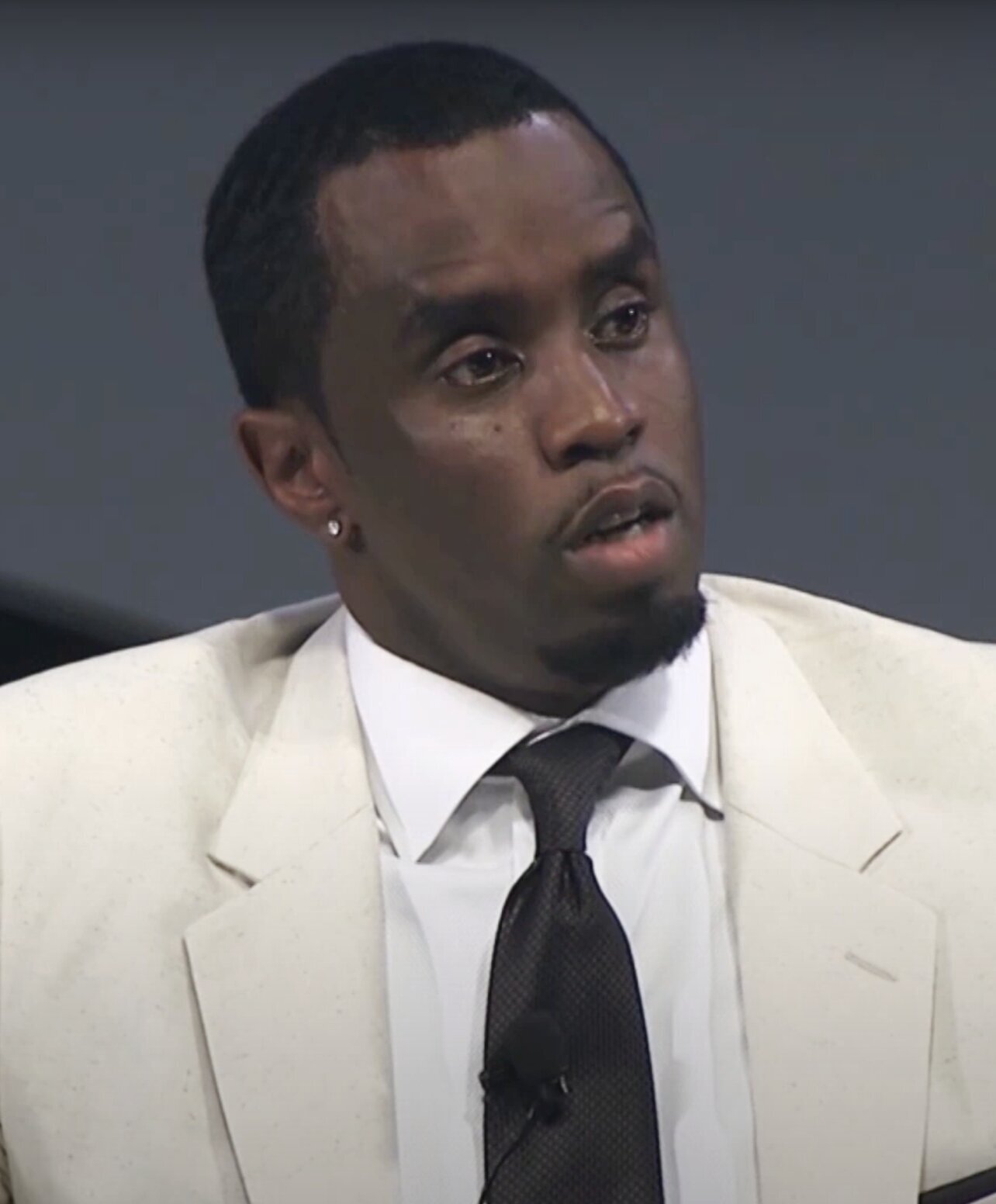
The world of hip-hop and entertainment has been irrevocably altered by the unfolding legal drama surrounding Sean “Diddy” Combs. Once a titan whose empire seemed unshakeable, Diddy now faces a cascade of serious federal charges, including racketeering conspiracy and trafficking, shaking the foundations of his storied career and prompting a re-evaluation of his legacy. This seismic shift isn’t just about the music mogul himself; it’s also about the reverberations felt by those who once stood in his orbit, particularly his former protégés whose lives were intertwined with his. The sheer scale of the allegations has created a ripple effect, forcing many to revisit decades-old incidents with fresh eyes.
As these allegations surface and legal proceedings intensify, long-held narratives are being challenged, and the often-unseen struggles of artists within the industry are coming vividly into focus. It’s a moment of reckoning, where the glitz and glamour of private jets and lavish parties are stripped away, revealing the stark realities and profound personal tolls experienced by individuals who worked under the Bad Boy umbrella. The very fabric of their careers, and indeed their lives, has been shaped by these associations, and now, their voices are breaking the silence, offering insights into a world far more complex than the public often perceives.
Among the most compelling voices emerging from this complex narrative are those of Moses “Shyne” Barrow and Mark Curry, both former Bad Boy artists who have stepped forward to share their perspectives on the mogul’s influence and the significant impact he had on their trajectories. Their candid accounts offer a rare, unfiltered glimpse into the darker undercurrents of the music industry and highlight the personal costs associated with proximity to immense power. Join us as we delve into the intricate details of their stories, beginning with Shyne Barrow’s pivotal and life-altering experiences, which serve as a stark reminder of the unpredictable nature of fame and fortune.
1. **Shyne Barrow’s Initial Account of the 1999 Nightclub Shooting**
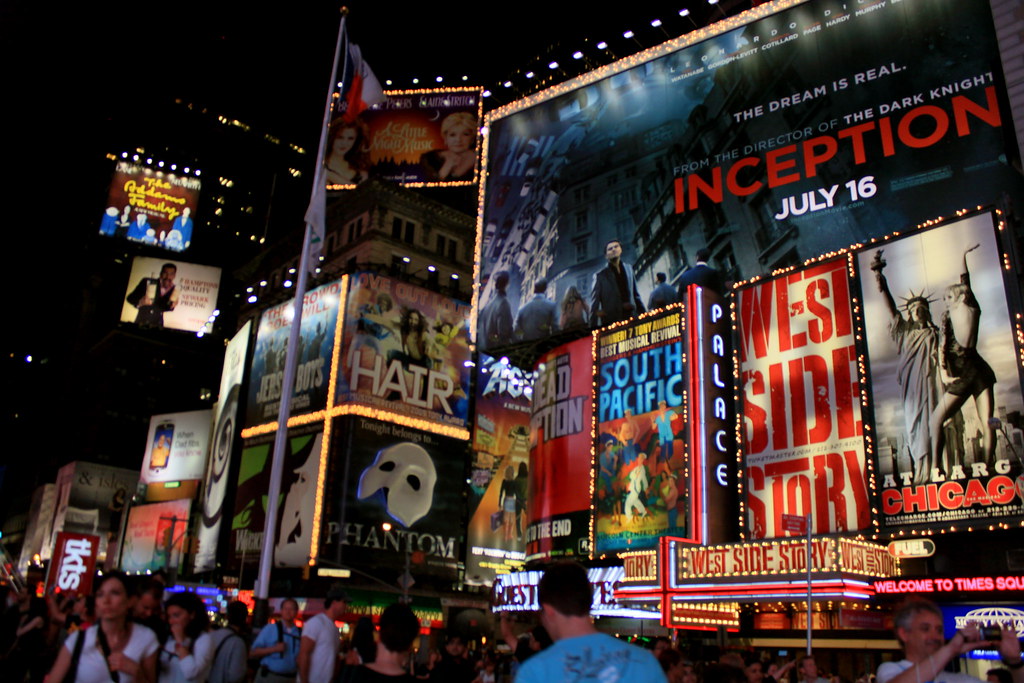
Moses “Shyne” Barrow’s journey with Sean “Diddy” Combs took a fateful and ultimately life-altering turn on a cold night in December 1999. The setting was the now-defunct Club New York in Times Square, a place that epitomized the vibrant, yet often volatile, energy of the hip-hop scene. Shyne, then a prodigious 18-year-old artist with immense potential, was proudly signed to Bad Boy Records and eager to conquer the world, as he himself described. He was accompanying Diddy and his then-girlfriend, Jennifer Lopez, a night out that would irrevocably change his future.
However, the evening quickly devolved into chaos when gunfire erupted within the crowded club, turning a night of celebration into a scene of panic and injury. Three innocent bystanders were hurt in the melee, tragically including a woman who was shot in the face. This incident became a defining moment in hip-hop history, not only for the violence it entailed but for the high-profile individuals involved. Shyne, caught in the eye of this storm, found his burgeoning career abruptly overshadowed by legal peril, a stark contrast to the bright future he had envisioned.
Shyne has consistently maintained his account, portraying himself as acting in defense of Diddy. He vividly recounted his youthful aspirations during a press conference, stating with poignant sincerity, “When I was an 18-year-old kid, just wanting to do nothing other than make my mother proud and make Belize proud and be recognized for my talent and take over the world.” This powerful sentiment underscores the profound tragedy of his situation, highlighting how a young artist’s dream was cruelly intercepted by a moment of intense violence and alleged loyalty gone awry.
The narrative of alleged betrayal forms the core of Shyne’s enduring grievance. He squarely laid the blame for his subsequent legal struggles at Diddy’s feet, claiming that his mentor “turned around and called witnesses to testify against me. He pretty much sent me to prison.” This accusation paints a devastating picture of disillusionment and a profound breach of trust. Shyne adamantly clarified the true nature of their relationship, emphasizing, “Let’s not lose sight of what the cold hard facts are… This is not someone who I vacationed with and someone who I enjoyed this great, intimate relationship of brotherhood. This is someone who destroyed my life.” His words resonate with a deep sense of injustice.
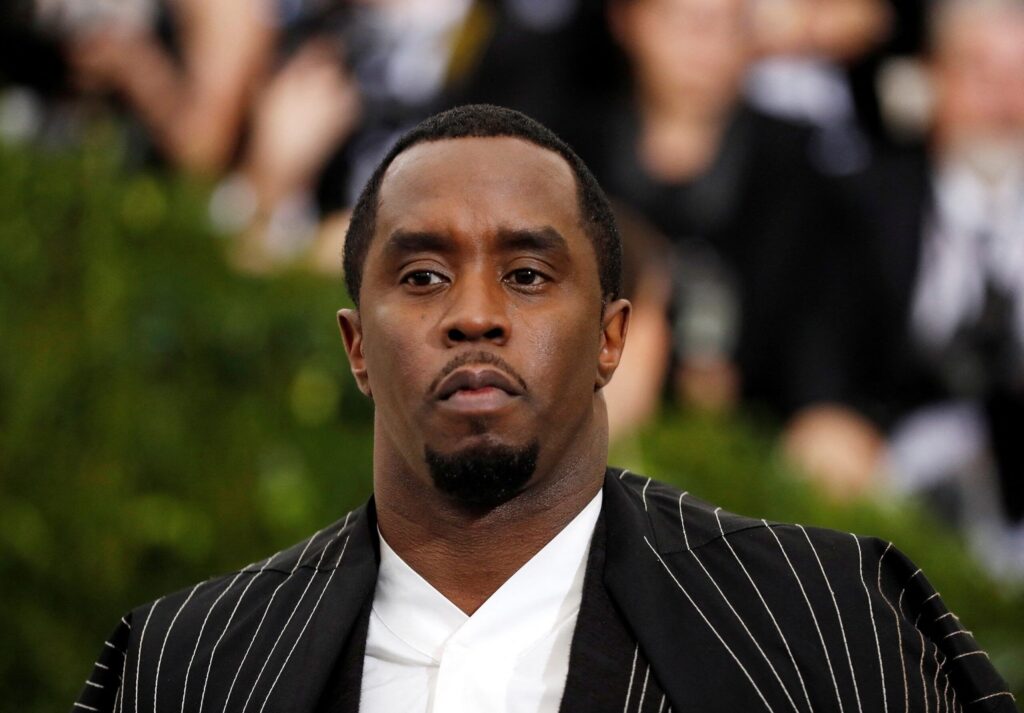
2. **The Aftermath: Shyne’s Conviction, Imprisonment, and Deportation**
The immediate legal fallout from the Club New York shooting was swift and severe, particularly for Shyne. Following the chaotic incident, Diddy, Jennifer Lopez, and Diddy’s bodyguard, Anthony “Wolf” Jones, hastily fled the scene. Their escape was short-lived, however, as NYPD officers pulled them over for running a red light. A gun was discovered in their vehicle, leading to the arrests of all three, along with Shyne, who was also apprehended. The situation quickly escalated, drawing massive media attention.
In the ensuing legal proceedings, a stark disparity in outcomes emerged. While Jennifer Lopez was quickly released and Diddy and Jones were ultimately found not guilty at trial, Shyne faced a profoundly different and devastating fate. Despite Diddy’s public statements at the time, denying involvement, the court’s judgment for Shyne was unsparing.
Shyne was convicted on five of eight counts, a stark and painful contrast to the acquittals of his famous co-defendants. In 2001, he was handed a substantial sentence of 10 years in prison for first-degree assault, gun possession, and reckless endangerment. This conviction effectively halted his promising music career, extinguishing the bright flame of stardom. The disparity in legal consequences for those involved in the same harrowing incident remains a significant and often debated point.
He ultimately served almost nine years of his decade-long sentence, an arduous period that profoundly reshaped his understanding of loyalty, justice, and personal responsibility. His time behind bars was not just a period of punishment but a crucible in which his character and resolve were tested. It forced him to confront the consequences of that fateful night and the role played by those around him.
Upon his release in 2009, Shyne’s challenges were far from over. He was not permitted to return to his life in the United States, but instead, faced immediate deportation to Belize, his country of origin. This forced return marked a definitive end to his life as a free man within the American music industry, severing ties to the very scene where he had once sought fame. His deportation signified not just a geographic relocation, but a profound and irreversible personal and professional pivot.
3. **Shyne’s Forgiveness and Current Political Stance in Belize**
Despite the immense personal and professional setbacks inflicted by the 1999 incident and its brutal aftermath, Moses “Shyne” Barrow has publicly articulated his decision to forgive Sean “Diddy” Combs. This act of forgiveness, however, is deeply nuanced. Shyne eloquently conveyed his perspective during his press conference, stating with clear-eyed realism, “I forgave. I moved on. But let us not pretend as if I was in Miami for Thanksgiving and Christmas.” This powerfully conveys a pragmatic acceptance of a painful past without romanticizing a relationship that, for him, was profoundly damaging.
Shyne’s journey since his deportation has been nothing short of remarkable, a testament to his profound resilience and capacity for reinvention. He has seamlessly transitioned from a once-celebrated rapper to a prominent and influential political figure in Belize. He now proudly serves as the Leader of the Opposition in the Belize House of Representatives, a role that commands significant respect. This extraordinary transformation speaks volumes about his determination to not only survive but to thrive and carve out a new, impactful path in public service.
His past experiences, rather than merely defining him as a victim, have seemingly fueled his commitment to national development and his constituents. The hardships endured, the lessons learned from the crucible of incarceration, and the desire to make his mother and country proud have all contributed to his evolution into a respected politician. It’s a compelling narrative of turning adversity into a platform for positive change.
In light of Diddy’s recent federal charges, Shyne has maintained a remarkably composed and dignified public stance. He firmly emphasized, “Do I take any joy with what he is going through? Absolutely not. I am different than other people. No one needs to fail for me to succeed.” This declaration speaks to a profound level of personal growth and a resolute focus on his own achievements and progress, entirely separate from the misfortunes now engulfing his former mentor. While he harbors no schadenfreude, he also acknowledges Diddy’s current predicament as a form of karmic justice, referring to Diddy having to “deal with his debt to the universe.”

4. **The Diddy-Shyne Business Connection for Belizean Development**
Adding another intricate layer to the already complex relationship between Shyne Barrow and Sean “Diddy” Combs is the revelation of a continued professional interaction, surprisingly focused on the economic and educational welfare of Belize. Despite the profound personal disruption and what Shyne perceived as a grave betrayal, he candidly acknowledged that Diddy “was in the position at that time to give scholarships and maybe to invest.” This pragmatic approach led Shyne to actively “not deny attempting to bring the investment to Belize and contribution to education in Belize.” It represents a strategic decision to transcend personal grievances for the greater good of his nation.
This unique business-oriented connection vividly underscores Shyne’s unwavering dedication to his constituents and his adopted role as a public servant. His willingness to engage with Diddy, despite their deeply fraught history, for the betterment of Belize, speaks volumes about his commitment. It highlights a strategic and mature mindset, prioritizing tangible results for his country over carrying a personal grudge. This was clearly not an attempt to rekindle a lost brotherhood, but rather a calculated effort to leverage available resources for collective national benefit.
Shyne was meticulously keen to clarify the precise nature of this engagement, ensuring no misconceptions would arise regarding their perceived closeness. He emphatically stated, “Don’t distort it as if he and I were boom bally. This is someone that destroyed my life.” This powerful and direct assertion serves to reinforce that any collaborations were strictly transactional and strategically driven by his commitment to Belize, rather than by a renewed or intimate personal bond. It provides a fascinating insight into how deeply personal histories can be navigated for broader advantages.
His efforts to secure investments and scholarships for Belize from Diddy demonstrate a resourceful and forward-thinking leadership. It’s a testament to his ability to separate the personal from the professional when the welfare of his country is at stake. This pragmatic approach not only benefits Belize but also showcases Shyne’s evolution from a young, embroiled rapper to a sophisticated politician who prioritizes the needs of his nation, even if it means engaging with figures from a painful past.

5. **Diddy’s Cease and Desist Letter and Shyne’s Documentary**
The renewed scrutiny surrounding Sean “Diddy” Combs’ past has recently cast a spotlight on Moses “Shyne” Barrow’s documentary, “The Honorable Shyne,” which made its debut on Hulu on November 18. In this compelling production, Shyne revisited the pivotal 1999 nightclub shooting, making significant and potentially damaging revelations, most notably his long-held belief that he was unjustly positioned as the “fall guy” for Diddy during the incident. These claims, along with Shyne’s subsequent appearances in interviews to promote the documentary, have clearly agitated Diddy’s legal camp.
According to detailed reports from Page Six, Sean “Diddy” Combs, through his legal representatives, issued a cease and desist letter to Shyne concerning the claims made within the documentary. The primary objective of this legal maneuver was to “ensure” that his former protégé adhered strictly to factual claims, particularly the explosive allegation that Shyne had unfairly shouldered the blame and consequences for Diddy in the 1999 NYC nightclub shooting. This legal action vividly underscores the profound and enduring tension, as well as the deeply conflicting narratives, that continue to surround the 1999 incident.
Diddy’s official stance, reiterated by his representatives, firmly denies Shyne’s “fall guy” claims, categorizing them as “unequivocally false.” A rep for the music mogul stated, “Mr. Combs was acquitted of all charges related to the 1999 Club New York incident and has consistently maintained his innocence.” Furthermore, the statement emphasized that Diddy “cannot accept or condone any characterization of his actions as ‘demonic’ or ‘malicious.'” This forceful denial highlights Diddy’s unwavering commitment to his narrative of innocence regarding the incident.
The timing of Diddy’s legal action, unfolding amidst his own grave federal charges of racketeering and trafficking, adds an extra layer of complexity and public intrigue to the dispute. Shyne, for his part, interprets Diddy’s current severe legal predicament as a form of retrospective validation for his long-standing assertions. He subtly, yet powerfully, implies that the “Bad Boy founder’s ways are now ‘coming to light,'” drawing a direct connection between past events and present circumstances.
In his documentary, Shyne poignantly articulated this sentiment, remarking, “Because when I said it [at the time], everyone was partying and having a great time with Diddy while I was left to rot in prison.” This statement encapsulates the enduring sense of injustice felt by Shyne, vividly illustrating the contrasting fates of the two men following the 1999 event. This ongoing legal and public dispute between mentor and protégé serves as a powerful reminder of the profound and often unresolved issues that continue to reverberate through both their lives.
6. **Mark Curry’s Initial Accusations and Critique of Industry Exploitation**
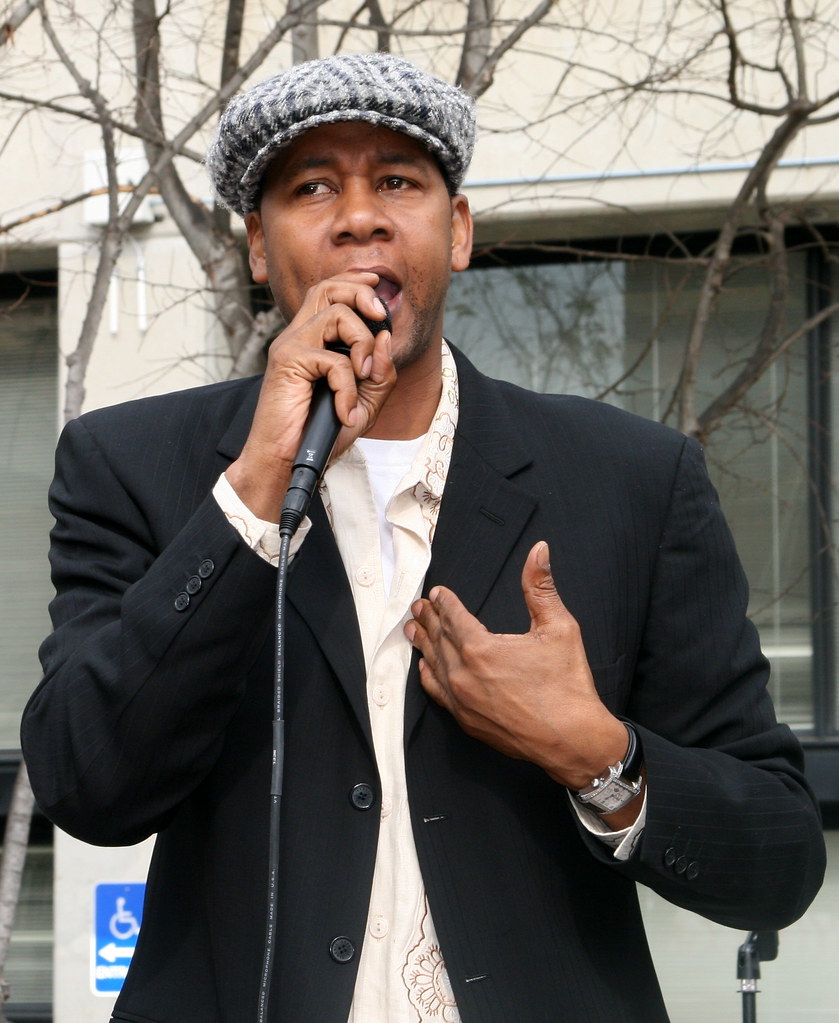
While Shyne Barrow’s story casts a long shadow over Diddy’s past, he isn’t the only former protégé speaking out. Enter Mark Curry, another artist who once called Bad Boy Records home, eventually parting ways with the label in 2005. Curry recently took to Instagram Live, not holding back as he leveled serious accusations against not only Diddy but also Jay-Z, claiming they built their formidable empires by allegedly exploiting and taking advantage of others. It’s a bold statement that cuts deep into the glossy facade of the music industry, suggesting that beneath the glitz, there might be a less savory truth about how success is attained and maintained.
Curry didn’t mince words, specifically criticizing Jay-Z for what he perceived as a lack of support during his own challenging times. He emotionally shared, “He ain’t ever picked up the phone and said, ‘Hey, Mark… What can we do to possibly make sure that you’re straight?’ They don’t do that. These n****s is crazy. That’s why they going through what they going through. Because you know why? You do not do God’s children like that. Of course, they are fake.” This direct challenge suggests a deeper systemic issue, where those at the top are seen as neglecting the very artists who helped build their success, prioritizing their own ascent above collective well-being.
He further expanded on his critique, highlighting what he views as a deeply ingrained problem within the entire music industry. Curry suggested that Diddy’s meteoric rise to success, while impressive on the surface, might have come at a significant cost – specifically, at the expense of others’ potential and dreams. “Don’t think that Jay-Z and Puff are the biggest moguls ever,” Curry urged, adding, “They’re great people. But what you want to look at is the great people that weren’t able to become because of them people. So we gonna leave them there? How many people could have been greater that weren’t made because of their empowerment?” It’s a sobering thought, questioning the true cost of unchecked power in the entertainment world and how many voices might have been silenced or sidelined in the process.
7. **Curry’s Deeper Allegations: Character, Violence, and Publishing Rights**
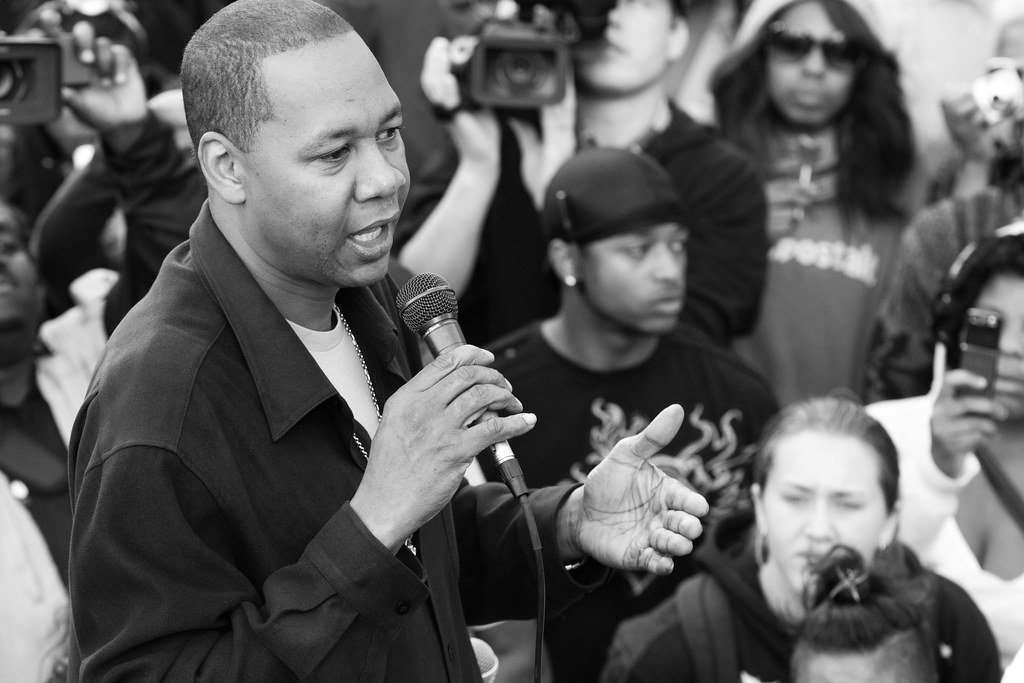
Mark Curry’s outspokenness isn’t a new development; he’s been vocal about his experiences with Diddy for years, offering a consistent narrative that speaks to a troubling character. In January 2024, as a wave of ual assault allegations began to engulf Diddy, Curry shared his candid thoughts with The Art of Dialogue, asserting that Diddy is “very capable of doing that [what lawsuits allege].” This wasn’t merely speculation but, in Curry’s view, a reflection of a pattern he had observed firsthand during his time at Bad Boy Records. His proximity to Diddy for a decade, as documented in his own writings, lends a weighty perspective to these claims.
He further elaborated on this unflinching assessment of Diddy’s character, explaining, “It’s in his character. It’s who he is. That’s what comes with power. That’s what comes with arrogance… When you have a history of (violence) it becomes a problem.” Curry has long documented his perspective, notably publishing a book in 2009 titled *Dancing with the Devil: How Puff Burned the Bad Boys of Hip-Hop*. This book chronicles his tenure as a Bad Boy artist, aiming to expose what he calls the “dark side of the industry” and the harsh realities faced by many artists who become entangled with powerful figures.
Adding another layer to his criticisms, Curry also dismissed Diddy’s much-publicized move in September 2023 to return publishing rights to former Bad Boy artists and songwriters. While many viewed this as a positive gesture, Curry saw it differently, describing the move as “largely meaningless” and even “disrespectful.” He explained that Diddy had, in fact, returned his publishing rights years prior, and what he truly desired was tangible financial compensation rather than a symbolic gesture that he felt did little to address the long-term economic disparities. For Curry, the act felt like a sidestep, avoiding the real economic impact that artists often endure.
The book’s description vividly outlines Curry’s journey, stating, “On the surface, the multi-million dollar empire that Puff built looks like the stuff of dreams. But after working with Puff for a decade, Curry discovered that Bad Boy Entertainment is not, as Puff promised, a place where dreams come true.” It further reveals “startling new details about key events in the fast paced, controversial (and sometimes deadly) world of Hip-Hop,” with the goal of providing “a road map for reforms necessary to prevent artists ending up in poverty, in prison or in the grave.” It’s a stark reminder of the often-unseen struggles behind the glamour and the profound personal costs associated with the industry’s darker undercurrents.

8. **Diddy’s Federal Indictment: Racketeering, Sex Trafficking, and Alleged Enterprise**
The personal accounts from former protégés like Shyne Barrow and Mark Curry, while deeply impactful, form just one part of the escalating legal storm surrounding Sean “Diddy” Combs. The most severe challenges come in the form of federal charges, which have dramatically shifted the perception of the music mogul from an industry titan to a defendant facing a potentially life-altering sentence. On Tuesday, Diddy was formally indicted on an array of grave charges, including racketeering conspiracy, trafficking by force, fraud or coercion, and transportation to engage in prostitution. These are not minor infractions, but serious federal allegations that could lead to a minimum of 15 years and a maximum sentence of life in prison if he is found guilty, marking a critical turning point in his public and legal standing.
The unsealing of the indictment offered a chilling glimpse into the allegations. It paints a picture of Diddy allegedly orchestrating a “criminal enterprise” designed to facilitate a pattern of abuse and exploitation. The indictment claims that Diddy “abused, threatened, and coerced women and others around him to fulfill ual desires,” creating a predatory environment that extended beyond casual interactions into a more structured, organized illicit operation. This suggests a calculated pattern of behavior, rather than isolated incidents, fundamentally redefining the public’s understanding of his business and personal practices, and hinting at a much darker side to his empire.
The specifics of the alleged “criminal enterprise” are profoundly disturbing, outlining a range of activities that go far beyond what one would expect from a music executive. The indictment details claims of ” trafficking, forced labor, kidnapping, arson, bribery and obstruction of justice.” These charges describe a multifaceted network of illicit actions, suggesting a systematic approach to control and exploit individuals, using various means from physical threats to financial inducements to maintain power and secrecy. The sheer breadth of these allegations underscores the gravity of the federal case and the serious legal ramifications Diddy now faces.
Adding to the grim picture are details from earlier law enforcement searches of Diddy’s residences in March. Investigators reportedly recovered a staggering amount of evidence, including “more than 1,000 bottles of baby oil and lubricant, along with other ‘various Freak Off supplies.'” These items, according to the indictment, were allegedly used to manipulate women into participating in so-called “Freak Offs” with male workers and to drug women to keep them “obedient and compliant.” Furthermore, during these searches, firearms and ammunition were found, alarmingly including “three AR-15s with defaced serial numbers,” raising serious questions about the nature of the activities taking place within his properties and the potential for a concealed, unlawful lifestyle.
Despite the weight of these charges and the detailed allegations, Diddy has firmly maintained his innocence, pleading not guilty in Manhattan federal court. His attorney, Marc Agnifilo, has also vehemently denied the claims made against him, asserting his client’s innocence in the face of widespread public and legal scrutiny. This sets the stage for a high-stakes legal battle, where the narratives presented by prosecutors and the defense will clash, ultimately determining the fate of one of hip-hop’s most iconic, and now deeply controversial, figures. The world watches, awaiting the unfolding drama, keenly aware of the potentially precedent-setting nature of this case.
9. **Denied Bail and the “Horrific” Conditions of Detention**
The immediate legal fallout from the federal indictment was swift and uncompromising for Sean “Diddy” Combs. Following his plea of not guilty in Manhattan federal court, the music mogul was dealt a significant blow: his request for bail was unequivocally denied. This decision meant that, despite his immense wealth and public stature, Diddy would not be released pending trial. His legal team had proposed an astonishing $50 million bond to secure his release, a figure that typically would be more than sufficient for high-profile defendants, highlighting the severity with which the court viewed his case.
However, the judge overseeing the case had substantial reasons for the denial, citing serious “concerns over witness intimidation and flight risk.” Given the nature of the charges, which include allegations of a criminal enterprise and coercion, the court evidently viewed Diddy’s potential to influence or harm witnesses as a grave threat to the integrity of the legal process. The possibility that he might flee the country to avoid prosecution was also deemed a credible concern, leading to the tough decision to keep him in federal custody immediately after the hearing, emphasizing the court’s priority on securing justice and preventing interference.
Following the denial, Diddy was sent to the Metropolitan Detention Center (MDC) in Brooklyn, New York. This facility is notorious for its challenging conditions, and reports soon emerged that Combs himself had complained about the “horrific” environment within the jail. He appealed to a judge for release, citing these poor conditions, but his appeal was ultimately denied. This means that, for the foreseeable future, the once-glamorous music mogul, accustomed to private jets and lavish lifestyles, will remain behind bars, confronting the stark realities of federal detention as his trial looms—a profound reversal of fortune for someone who once commanded such immense power and privilege.
10. **The Cascade of Civil Lawsuits: Cassie Ventura and Rodney “Lil Rod” Jones**
Beyond the gripping federal indictment, Sean “Diddy” Combs is also entangled in a rapidly accumulating pile of civil lawsuits, each adding further layers of scandal and legal complexity to his already besieged empire. These cases, initiated by individuals alleging various forms of abuse and misconduct, paint a consistent and disturbing picture that predates the federal charges, extending back decades. The sheer volume and consistency of these claims underscore a systemic pattern of alleged behavior that has now come forcefully into the public eye, revealing what many describe as a deeply troubling aspect of his career.
A pivotal moment arrived in November with the bombshell $30 million lawsuit filed by his ex-girlfriend, Cassie Ventura. Her allegations were harrowing, detailing claims that she was “beaten, raped and trafficked over the course of their relationship.” This lawsuit sent shockwaves through the industry, putting a spotlight on the darker aspects of their long-term relationship. While the suit was quickly settled the very next day, with Diddy denying wrongdoing at the time, the narrative shifted dramatically months later when CNN published a disturbing video. This video, depicting Diddy physically assaulting Ventura, prompted a public apology from him, adding undeniable weight to her initial claims and further unraveling his carefully constructed image.
The floodgates truly opened in February, when music producer Rodney “Lil Rod” Jones filed his own bombshell lawsuit, also seeking a staggering $30 million. Jones’s allegations are incredibly detailed and extensive, weaving a narrative that directly connects to the federal charges and the broader criticisms. He accuses Diddy of ually harassing him, drugging attendees at his house parties, and, most damningly, running a comprehensive sex-trafficking venture. This lawsuit provided a blueprint for many of the federal accusations, giving concrete examples of the alleged “Freak Offs” and other illicit activities that previously only existed as rumors or whispered stories within the industry.
Jones’s lawsuit, combined with others, outlines a culture of alleged debauchery and exploitation within Diddy’s inner circle. The recovered “baby oil and lubricant” mentioned in the federal indictment, alongside other “Freak Off supplies,” resonate deeply with Jones’s specific claims about drug-fueled parties and coerced participation, adding a disturbing level of corroboration. These civil cases, while separate from the federal criminal proceedings, contribute significantly to the overall narrative, painting a grim portrait of a mogul whose private jet lifestyle may have concealed a far more sinister reality than the public ever imagined.
The journey through these allegations, from Shyne Barrow’s painful recounting of betrayal and imprisonment to Mark Curry’s scathing critiques, and now to the severe federal charges and a cascade of civil lawsuits, paints a vivid and often disturbing picture. It’s a narrative that peels back the layers of glamour and celebrity, revealing the profound human cost of unchecked power and alleged exploitation within the music industry. The private jet once symbolized his ascent, but now it merely signifies the distance between his former life and the stark realities he faces in the legal system. The question isn’t just about his guilt or innocence, but about the systemic issues that allowed such an empire, and its alleged underbelly, to flourish for so long, and what lessons the industry will take from its spectacular unraveling.