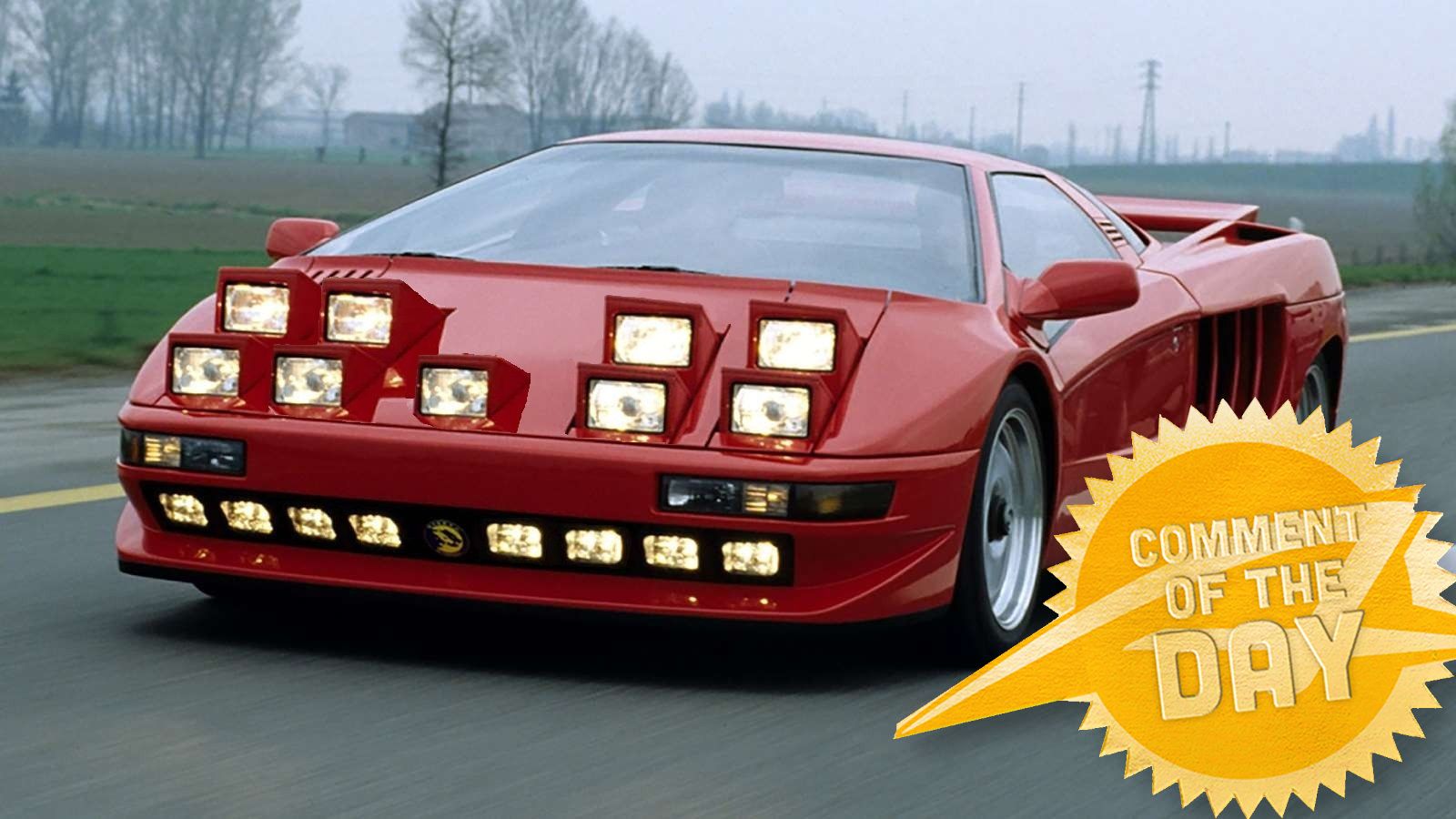
In an automotive world increasingly dominated by sleek, integrated lighting and pedestrian safety mandates, the mere mention of ‘pop-up headlights’ often conjures a potent wave of nostalgia. These dynamic, retractable lamps, once a defining characteristic of some of the most iconic sports cars and supercars, had seemingly vanished from the landscape of modern vehicle design, consigned to the annals of automotive history by evolving regulations and technological advancements. Yet, a new dawn appears to be breaking, signaling a thrilling, albeit limited, return for this beloved aesthetic. The venerable Italian design house, Bertone, has recently announced its intention to resurrect this captivating feature on its forthcoming 2026 Runabout, sparking excitement and curiosity among enthusiasts worldwide.
This bold move by Bertone serves as a powerful testament to the enduring appeal of these mechanically expressive lights. It forces us to reconsider the forces that led to their disappearance and to appreciate the blend of engineering ingenuity and stylistic flair that defined an era. As MotorTrend, we’re primed to delve deep into this fascinating topic, exploring not just Bertone’s audacious project, but tracing the entire lineage of hidden and pop-up headlamps from their earliest conceptualizations to their peak popularity, and understanding the design philosophy that made them so captivating.
Join us as we embark on a comprehensive journey through automotive history, examining the pivotal moments, influential models, and engineering marvels that shaped the story of pop-up headlights. From their initial, often manually operated, appearances to their sophisticated powered forms, we will explore the triumphs and unique characteristics that cemented their place in the hearts of car enthusiasts. This exploration will set the stage for understanding the challenges they faced and, ultimately, their dramatic retreat from mainstream production, a narrative that Bertone now aims to boldly defy.
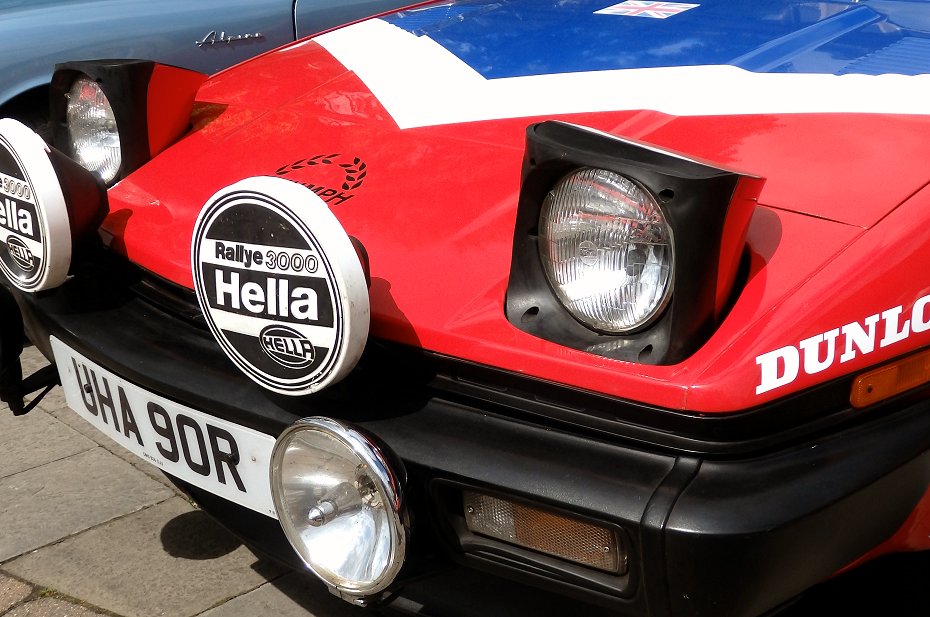
1. Bertone’s Bold Revival: The 2026 Runabout and Pop-Up Headlights
Bertone, a name synonymous with some of the most exquisite and avant-garde automotive designs, is making waves with the announcement of its new mid-engine, V-6-powered open-top Runabout. This bespoke supercar is not just a showcase of raw power, making more than 400 horsepower and boasting 460 hp total, but a clear homage to a bygone era of dramatic styling through its most striking feature: the return of pop-up headlights. This audacious design choice immediately grabs attention, challenging contemporary norms and igniting the passion of car enthusiasts who thought this aesthetic was lost forever.
Crucially, the context outlines how Bertone plans to navigate the stringent modern pedestrian impact rules and regulations that largely squeezed pop-up headlights out of existence. The answer lies in exclusivity: only 25 examples of the Runabout will be built. This extremely limited production volume might qualify it for specific limited-volume safety loopholes or imply that the car simply won’t be sold in most markets, though specific delivery plans for regions like America remain unconfirmed. This strategic approach underscores the challenges of integrating such a feature into today’s regulatory landscape.
The Runabout will be offered in two distinct configurations: a Barchetta, an open-top variant, and a Targa, which features a bigger windshield and a removable hard top, catering to varied driving preferences. A trio of charming color profiles will be available, including Rame Antico, a copper-looking shade; Azzurro Mediterraneo, a vibrant blue; and Bianco Perla, a pearlescent ivory. Bertone proudly labels the vaguely 1970s-esque Runabout a “neo-retro masterpiece,” signifying it as the inaugural entry in a new Bertone Classic Collection, marking a significant new chapter for the revered design house. Pre-orders are currently open, with deliveries anticipated to commence mid-2026, and a starting price set at 350,000 Euros, approximately $369,000 at current exchange rates, positioning it firmly in the ultra-exclusive supercar segment.
2. The Genesis of Concealed Lighting: The 1936 Cord 810-Series
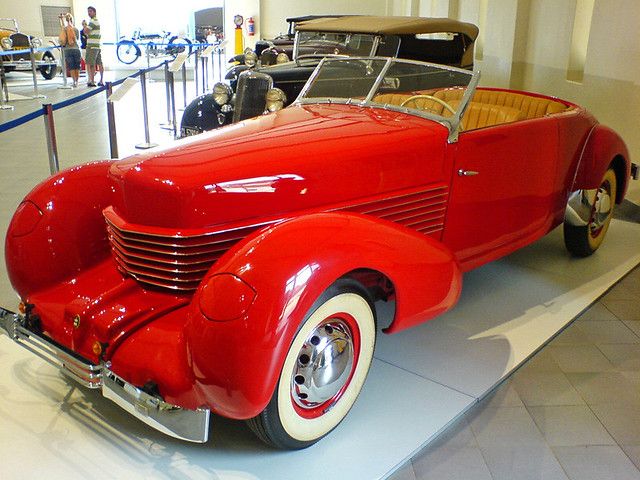
The concept of hidden headlamps, a precursor to the pop-up variety, made its production debut a century ago, revolutionizing automotive aesthetics and functionality. The pioneering American Cord 810-Series, launched in the 1936 Model Year, is widely recognized as the very first car to feature this innovative design. Its lamps were ingeniously mounted out of sight within the car’s distinctive “bulbous flowing front wings,” concealed behind a pair of unique drop-away doors. This design meant the lights remained hidden, maintaining a smooth, uninterrupted frontal appearance until they were manually needed to illuminate the path ahead.
This early implementation of concealed headlamps was not merely a stylistic flourish; it was a testament to the Cord 810’s overall advanced engineering. The vehicle itself was a marvel of its time, featuring an innovative front-wheel-drive system and powered by a potent Lycoming 4.7-litre V8 engine. The New York Auto Show unveiling in November 1935 highlighted these groundbreaking features, with the manually operated concealed headlamps immediately capturing public and industry attention as a symbol of modernity and sophisticated design.
The Cord 810 and its sibling, the 812 family, thus set a significant precedent. By integrating lighting elements seamlessly into the bodywork, they demonstrated how design could be both functional and aesthetically pleasing, contributing to a sleek and futuristic profile that would inspire designers for decades to come. This early innovation proved that headlights didn’t always have to be a prominent, fixed fixture on a car’s fascia, laying the groundwork for the more dynamic pop-up mechanisms that would follow.
3. Post-War Reemergence: Early Hidden Headlamp Concepts
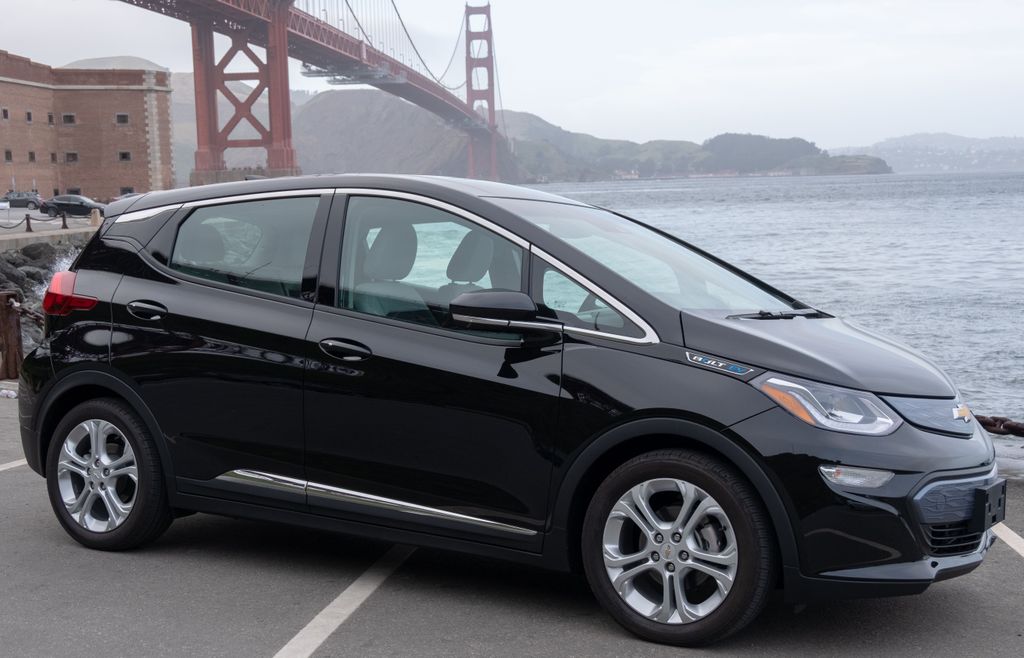
Following the disruptions of World War II, the automotive industry began to rebuild and innovate, and with it, concealed headlamps made a limited but warmly received comeback. General Motors, a titan of American manufacturing, was quick to revive the feature, showcasing it on their cutting-edge 1951 Le Sabre prototype concept. This vehicle served as a rolling testbed for future technologies and design directions, and the reappearance of hidden headlamps underscored their continued potential for a sleek, advanced aesthetic.
Across the Atlantic, the celebrated Italian design houses, renowned for their artistic flair and bespoke creations, also embraced the concept throughout the 1950s. They occasionally featured prototypes equipped with pop-up lamps, particularly on their exclusive and expensive sporting bespoke machines. These custom-bodied vehicles, often one-offs or produced in very limited numbers, were fertile ground for pushing design boundaries, and hidden lights provided an element of sophistication and aerodynamic purity that appealed to a discerning clientele.
For instance, a handsome Pininfarina custom bodied Alfa Romeo 8C from 1936, though pre-war, demonstrated the European appetite for concealed lighting early on. This continuous, albeit limited, adoption by both American giants and European artisans solidified the perception of hidden headlamps as a feature associated with innovation, luxury, and a forward-thinking design philosophy, paving the way for their wider adoption in the sporting car segment.
Car Model Information: 2017 Honda Accord Touring
Categories: 1950s cars, All articles with unsourced statements, Articles with short description, Articles with unsourced statements from February 2011, Articles with unsourced statements from July 2025
Summary: The General Motors Le Sabre is a 1951 concept car, and possibly the most important show car of the 1950s. The brainchild of General Motors Art Department head Harley Earl, it introduced aircraft-inspired design elements such as the wrap-around windshield and tail fins, which became common on automotive designs during the second half of the decade.
The Le Sabre is owned by the GM Heritage Center, and still occasionally appears at car shows.
This was GM’s first use of the Le Sabre name, which would be later adopted by Buick for the 1959 Buick LeSabre.
Get more information about: General Motors Le Sabre
Buying a high-performing used car >>>
Brand: General Motors Model: Le Sabre
Price: $19,960 Mileage: 86,317 mi.
4. Aerodynamic Advantage: Deutsch Bonnet HBR5’s Pop-Up Innovation
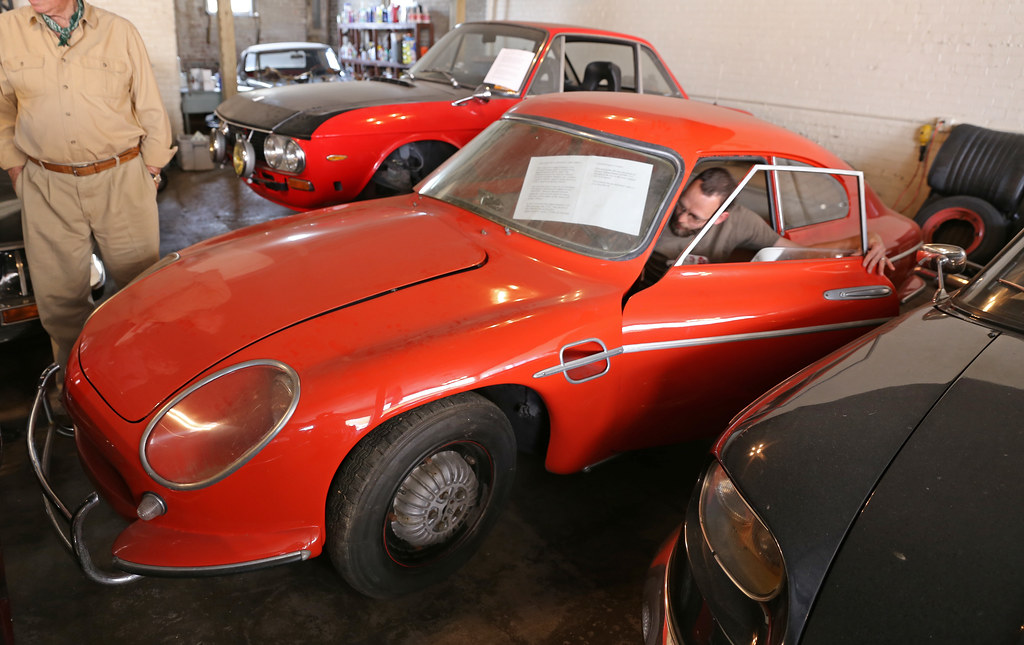
Beyond mere aesthetics, the decision to incorporate pop-up headlights was often driven by a tangible performance benefit: improved aerodynamics. In the mid-1950s, the French sports car specialist Deutsch Bonnet (DB), a successful Le Mans class winner, notably unveiled its Coach coupé, later known as the HBR5, which featured pop-up lights. This was not a coincidence; the design choice was made explicitly to gain an aerodynamic advantage, reducing drag and enhancing the car’s efficiency and speed on the track and road.
Conventional fixed headlights, by their very nature, disrupt the smooth flow of air over a car’s front end, creating turbulence and drag. By retracting these lights into the bodywork when not in use, designers could achieve a much cleaner, more streamlined profile. This was particularly crucial for performance-oriented vehicles where every detail mattered in optimizing speed and handling dynamics, directly aligning with MotorTrend’s focus on engineering and driving dynamics.
This functional aspect was also recognized by several small, low-volume British sport car makers of the era. They, too, dispensed with conventional headlamps in favor of sleeker concealed units, demonstrating a shared understanding across different manufacturers that these lights offered more than just visual appeal. The pursuit of speed and efficiency in racing and high-performance road cars provided a compelling, practical reason for the adoption and development of hidden and pop-up headlight systems.
Car Model Information: 2017 Honda Accord Touring
Categories: 1961 World Sportscar Championship season, 1961 in Italian motorsport, All articles with dead external links, Articles with dead external links from August 2019, Articles with permanently dead external links
Summary: The 45° Targa Florio took place on 30 April 1961, on the Circuito Piccolo delle Madonie, (Sicily, Italy). It was the second round of the F.I.A. World Sports Car Championship, and third round of the FIA GT Cup.
Get more information about: 1961 Targa Florio
Buying a high-performing used car >>>
Brand: Deutsch Bonnet Model: HBR5
Price: $19,960 Mileage: 86,317 mi.
5. The Dawn of Powered Pop-Ups: Colin Chapman’s Lotus Elan
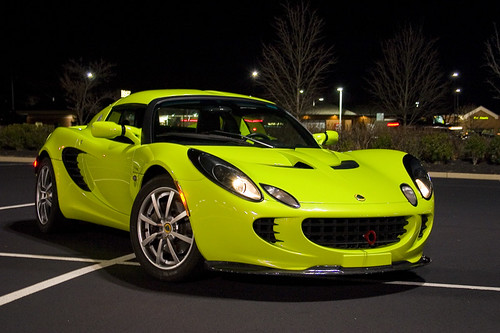
While early hidden headlights often required manual operation, the advent of powered systems marked a significant evolutionary step, enhancing convenience and sophistication. By 1962, the gifted Lotus founder and engineer, Colin Chapman, introduced what would become the first powered pop-up lights on his critically acclaimed Elan model. This innovation moved beyond simple mechanical levers, bringing a new level of engineering to the car’s lighting system.
The Lotus Elan utilized a vacuum system to raise and lower its headlights. This ingenious solution allowed drivers to activate the lights with the flick of a switch, integrating the feature more seamlessly into the driving experience. Such advancements showcased the rapid development in automotive technology during this period, constantly pushing boundaries in both performance and user-friendliness.
Despite the sophistication, these early powered systems were not without their quirks. A charming anecdote from the era tells how an older Lotus Elan with an air slight leak in its vacuum system would famously appear to be “winking” as one light unit involuntarily raised. This memorable characteristic, while a minor operational flaw, added to the car’s personality and became a part of its legend among enthusiasts, highlighting the intricate mechanical ballet that defined these iconic lights.

6. Supercar Iconography: The Lamborghini Miura’s Signature Lights
No discussion of pop-up headlights would be complete without revering their role in the defining era of the supercar. The Lamborghini Miura, sensationally revealed in 1966, was not just the first true mid-engined supercar; its stunning Bertone design was intrinsically linked to its unique lighting. The V12-powered Miura featured exposed, yet pop-up, Fiat 850 Spider-sourced headlamp units that, when not in use, laid flat within the bodywork. This distinctive arrangement gave the car a highly aggressive and purposeful stance, often described vividly as looking “like the starring eyes of a dead fish” when recessed.
This bold design choice contributed immensely to the Miura’s groundbreaking aesthetic, allowing for an incredibly low and aerodynamic front profile. The integration of these lights, simultaneously hidden and exposed, made the Miura instantly recognizable and iconic, symbolizing the fusion of extreme performance and dramatic Italian design. It set a new standard for supercar presence and solidified pop-up headlights as a feature synonymous with automotive excellence and exotic flair.
In the same pivotal year of 1966, Maserati also contributed to the pop-up headlamp legacy with the unveiling of its Indy fastback coupé. This model incorporated covered quad pop-up headlamps, distinguishing itself as the first Italian exotic sports production car to feature regular, fully integrated pop-up light units. Together, these legendary vehicles cemented pop-ups as a fundamental element in the visual language of high-performance and luxury sports cars, signaling an era where style and innovation converged dramatically on the road.
7. Mainstream Adoption: Pop-Ups on Performance and Mass-Market Machines (70s-80s era)
By the 1970s and 1980s, the appeal of pop-up headlamps had transcended the realm of ultra-exclusive prototypes and supercars, becoming almost a compulsory feature for any vehicle with sporting pretensions. This era saw the widespread adoption of these distinctive lights, gracing virtually every Ferrari, Lamborghini, De Tomaso, and Maserati model. The aggressive, sleek profile afforded by hidden lights became a visual shorthand for speed and performance, enhancing the mystique of these aspirational machines.
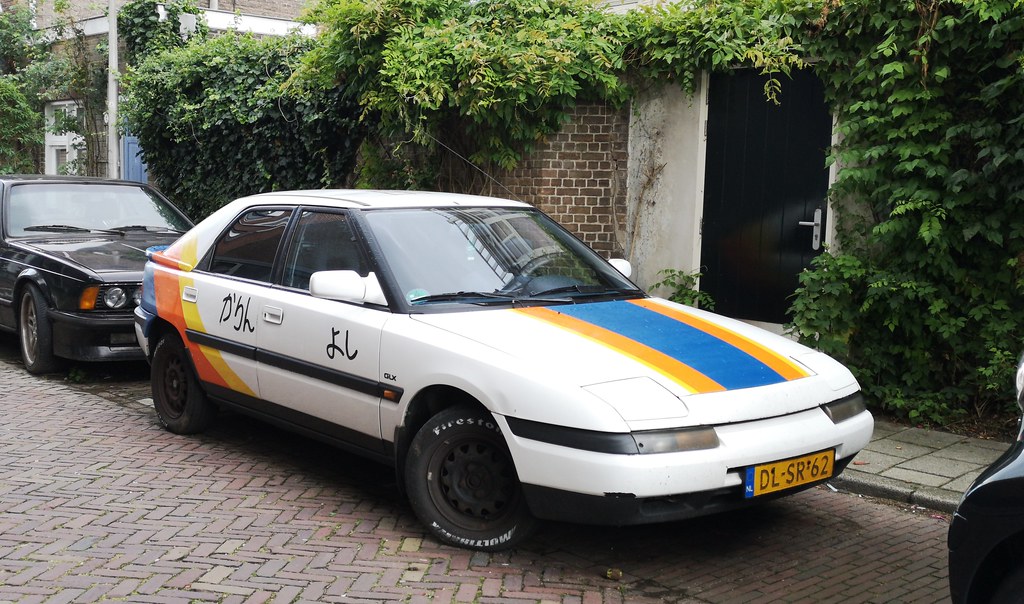
What truly marked the height of their popularity, however, was their infiltration into more mainstream mass-market machinery. Iconic cars like the Mazda 323 F, the Triumph TR7, and the beloved Mazda MX-5 NA all embraced pop-up headlights, making the cool factor accessible to a broader audience. These vehicles proved that the design could be both stylish and practical, lending a futuristic and dynamic edge to everyday sports coupes and roadsters, and further cementing the pop-up headlight’s place in popular culture.
Even Porsche, a brand known for its distinctive and enduring design philosophy, offered a variation on the theme. The 911 (964) Turbo S Special Equipment ‘flat-nose’ bravely did away with the traditional 911’s familiar and iconic VW Beetle-esque round headlights in favor of pop-up lamps, dramatically altering its front fascia. This willingness by established marques to adopt and adapt the design highlighted its widespread appeal and versatility, marking a period where pop-up headlights were truly at the pinnacle of their automotive presence.
The first section meticulously cataloged the rise and iconic status of pop-up headlights, celebrating their engineering ingenuity and stylistic flair. Now, as we shift gears, our focus turns to understanding the profound factors that led to their dramatic retreat from mainstream production. This narrative is punctuated by evolving safety regulations, mechanical realities, and swift technological leaps. The journey of pop-up headlights illustrates how innovation constantly pushes the boundaries of possibility and practicality in the fiercely competitive automotive world.

8. Evolving Safety Regulations: The Beginning of the End
The inexorable march of automotive safety regulations proved to be the most formidable challenge to pop-up headlights, ultimately driving them out of mainstream production. As the early 2000s approached, a renewed global focus on pedestrian safety began to fundamentally reshape vehicle design. This placed stringent demands on manufacturers to minimize injury in pedestrian collisions.
A significant catalyst came from the European Union, which introduced rigorous pedestrian protection standards. These mandated softer, more energy-absorbing materials and contours for vehicle front ends. Pop-up headlights, with their hard, angular, and mechanically protruding mechanisms, posed a significantly greater risk. Their rigid nature and sudden elevation simply did not align with modern safety imperatives.
The profound impact of these regulatory changes wasn’t confined to Europe; it quickly became a global phenomenon. Other major automotive markets, including the U.S. and Japan, adopted similar safety measures. This widespread adoption made it increasingly difficult and unviable for manufacturers to integrate pop-up headlights. As safety became paramount, their unique charm yielded to protecting vulnerable road users.
Read more about: 9 Legendary Muscle Cars That Vanished: A Nostalgic Drive into an Era’s Fading Glory

10. Mechanical Complexities and Reliability Concerns
Beyond regulatory pressures, inherent mechanical complexities and associated reliability issues also played a significant role in their disappearance. While undeniably captivating, these intricate systems introduced multiple points of failure that fixed headlights simply didn’t possess. This became a growing concern for manufacturers and consumers desiring hassle-free, long-term ownership.
One frequent problem revolved around the small electric motors or vacuum systems for raising and lowering the units. Over time, these mechanisms were prone to wear and failure, leading to headlights getting stuck in either position. Drivers often found themselves with one ‘winking’ headlight or, worse, unable to illuminate the road reliably, compromising nighttime safety.
Furthermore, the exposed nature of the pop-up mechanisms left them vulnerable to the harsh realities of the driving environment. Constant exposure to rain, snow, dirt, and road debris led to corrosion and premature wear of linkages, seals, and wiring. This resulted in additional maintenance costs and more time-consuming repairs. Anecdotal experiences, like lights unexpectedly closing over bumps in a Matra Murena, underscored these reliability challenges.
Read more about: Consumer Alert: The 14 Costly Dealer Add-Ons to Avoid at the Car Dealership

11. The Rise of Advanced Lighting Technologies
As pop-up headlights faced pressure, advanced lighting technology presented superior alternatives. The automotive industry underwent a rapid evolution, rendering mechanically complex pop-up designs increasingly obsolete. This technological leap reshaped what was possible in headlight design, offering new avenues for aesthetics and functionality.
The emergence of cutting-edge LED (Light Emitting Diode) and HID (High-Intensity Discharge) headlights marked a true paradigm shift. These modern solutions brought vastly improved brightness, enhanced energy efficiency, and superior durability. LEDs, in particular, offered significantly longer lifespans and consumed substantially less power, aligning perfectly with demands for efficiency.
Beyond raw performance, these new technologies unlocked unprecedented design freedom for automotive stylists. LED technology allowed for ultra-thin, sleek, compact headlight designs seamlessly integrated into bodywork. This eliminated bulky, problematic mechanical pop-up mechanisms, offering designers aerodynamic profiles without moving parts. Advanced systems like adaptive headlights, matrix LEDs, and laser headlights further solidified this dominance.
Read more about: Mechanic’s Crucial Warning: 15 Popular Vehicles That Turn into Costly Financial Traps Well Before 120,000 Miles

12. Aesthetic Shifts and Consumer Preferences
Alongside regulatory changes and technological advancements, shifts in aesthetic preferences and consumer priorities also contributed to pop-up headlights’ demise. While once synonymous with futuristic styling, public taste evolved towards simpler, more integrated, and notably lower-maintenance designs. This natural progression played a crucial role in their fade from the mass market.
The distinct allure of pop-up headlights stemmed from creating a smooth, uninterrupted frontal appearance when off. However, with advanced LED and laser lighting, designers found innovative ways to achieve this desired aerodynamic aesthetic without mechanical drawbacks. Ultra-thin LED strips and intelligently sculpted fixed light clusters offered a ‘hidden’ or seamlessly integrated look, maintaining pristine body flow statically.
Furthermore, modern consumers increasingly prioritized robust reliability, lower long-term maintenance costs, and a contemporary styling idiom. The charming quirks of pop-ups, while beloved by enthusiasts, became a practical liability for the broader market. Fixed headlights, with simpler construction and greater resistance to wear, better served these evolving trends, ensuring a smoother, more predictable ownership experience.
Read more about: Consumer Alert: The 14 Costly Dealer Add-Ons to Avoid at the Car Dealership

13. The Niche Revival: Limited Production and Loopholes
Despite widespread disappearance, the magnetic appeal of pop-up headlights has proven remarkably resilient, leading to a fascinating, albeit strictly limited, niche revival. This resurgence is not a broad return, but a strategic reintroduction facilitated by specific regulatory loopholes for extremely low-volume vehicles. Bertone’s audacious 2026 Runabout is a premier example of this bold comeback.
The key to Bertone’s ability to resurrect pop-up headlights lies in its incredibly restricted production volume. With only 25 examples planned, the Runabout potentially qualifies for limited-volume safety exemptions in many markets. These are typically granted to bespoke, handcrafted vehicles whose minuscule numbers mean standard safety regulations are impractical to enforce at the same stringent level.
This strategic approach means pop-up headlights, while unfeasible for high-volume vehicles, can still grace ultra-exclusive models. The coachbuilt Italian Ares Design Project 1 supercar, also featuring pop-up lamps and planned for restricted production, exemplifies this trend. This limited-edition strategy allows tapping into nostalgic appeal, letting a beloved design feature live on in truly unique machines.
Read more about: Unearthing the Best Factory Muscle Trucks: A Deep Dive into Performance Legends and Their Enduring Legacy

14. Future Conceptual Interpretations and Digital Innovations
Beyond the niche revival, the spirit of pop-up headlights continues to inspire designers, prompting fascinating conceptual interpretations for future lighting. While traditional mechanical pop-ups are unlikely to return to mass markets, advanced technologies offer intriguing possibilities to reimagine their aesthetic and functional essence, aligning with modern safety and efficiency. The future of hidden lights might be less about physical movement and more about clever digital illusion.
Imagine ‘Digital Pop-Up Headlights’ – flush-mounted LED or OLED panels that, instead of physically retracting, could ‘activate’ and subtly rise or project light in a dynamic, futuristic effect. This would create visual drama without mechanical complexities or pedestrian safety risks. Similarly, ‘Hidden Adaptive Lighting’ could allow units to seamlessly blend into bodywork, becoming visible only when activated, mimicking sleek, clean lines with static components.
Further innovations could include ‘Smart Glass Headlight Covers,’ utilizing electrochromic glass to switch between transparent and opaque states. This could provide the illusion of hidden lights, revealing headlamps only when needed, effectively creating a ‘pop-up’ effect through material science. Moreover, ‘Holographic & Projection-Based Lighting’ might eliminate physical headlamps, allowing cars to emit precise beams from imperceptible sources. This represents a true evolution of concealed lighting, proving the desire for dramatic, hidden illumination remains potent.
Read more about: The Enduring Saga of ‘A’: Tracing the Archetypal Letter’s Evolution from Ancient Scripts to Digital Forms
The remarkable journey of pop-up headlights, from their pioneering debut on the Cord 810 to their iconic status on supercars and eventual retreat, is a vivid narrative of automotive evolution. It profoundly reflects an interplay between engineering ambition, aesthetic desire, and societal demands. While safety regulations and groundbreaking technological advancements closed the chapter on widespread use, their enduring charm and distinct character resonate deeply within car culture. Bertone’s audacious revival, alongside speculative future concepts, reminds us that while designs adapt and technologies change, the pursuit of distinctive style and innovative solutions remains an undeniable, driving force in the captivating world of automobiles. The pop-up headlight, in its many captivating forms, will forever remain a potent symbol of a dynamic and unforgettable era in car design, leaving an indelible mark on enthusiasts and historians alike.