In the sprawling tapestry of the Marvel Cinematic Universe, tales of immense power, grand narratives, and astronomical production values are commonplace. Many fans ponder the sheer scale of investment in these cinematic spectacles, often wondering if a single, jaw-dropping sequence could ever eclipse the entire budget of an earlier film. While the intricate financial specifics of individual scenes aren’t always laid bare for public consumption within the official records, the overarching narrative of the Avengers saga itself represents an unprecedented and monumental investment—a collective ‘cost’ that has redefined blockbuster cinema.
The journey of the Avengers is not merely a series of films; it’s a meticulously planned, interconnected universe that demanded visionary leadership, strategic casting, and an unwavering commitment to storytelling on an epic scale. Every character introduction, every pivotal battle, and every emotionally resonant moment contributed to a narrative infrastructure so vast, its ‘cost’ extends far beyond mere dollars and cents. It encompasses the creative risks, the logistical challenges, and the cultural impact of building a phenomenon that captivated audiences worldwide.
We’re diving deep into the core elements and pivotal moments that demonstrate the truly monumental investment—both creative and financial—that brought Earth’s Mightiest Heroes to life and cemented their legendary status within pop culture. From the genesis of the shared universe concept to the internal strife that tore the team apart, we’ll explore how the collective weight of these events far surpasses any singular scene, shaping a cinematic legacy that continues to resonate.
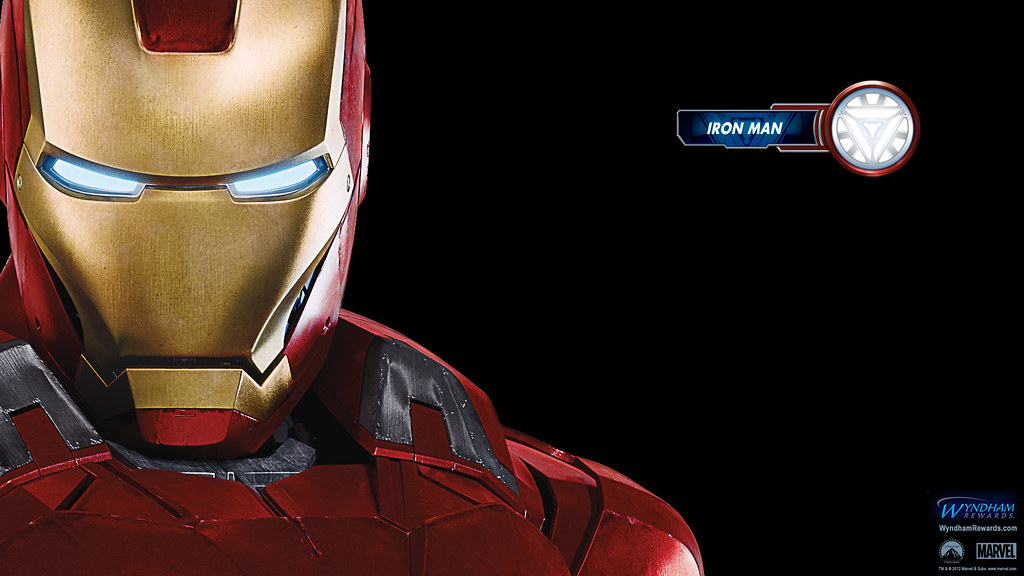
1. **The Vision of Kevin Feige and the Shared Cinematic Universe**The very concept of the Marvel Cinematic Universe was perhaps the single most significant ‘investment’ made long before any cameras rolled on *The Avengers*. After the formation of Marvel Studios as an independent film studio by Avi Arad, the head of Marvel’s film division, producer Kevin Feige envisioned creating a shared cinematic universe. This ambitious plan was directly inspired by Stan Lee and Jack Kirby’s comic books in the 1960s, a testament to long-form storytelling that had never been attempted on this scale in film.
Once Feige became studio chief in 2007 and formed his creative team, his strategy involved creating individual films for each major character in Phase One. This intricate blueprint began with *Iron Man* (2008) and was designed to meticulously build towards the ultimate culmination: *The Avengers* (2012). This was a colossal risk, requiring faith in a nascent genre and an audience’s willingness to invest in a multi-film narrative.
The financial outlay for these initial individual films, combined with the intellectual property rights and the extensive planning, represented an unparalleled upfront ‘cost’ in cinematic history. This foundational investment in a shared continuity allowed for the gradual introduction of characters and plot threads, ensuring that by the time the team assembled, audiences were deeply invested in their individual journeys and collective fate. It was a strategic masterstroke that paid off immensely.
Read more about: The Unseen Battle, The Unforgettable Impact: An In-Depth Look at Chadwick Boseman’s Legacy Through Heartfelt Tributes
2. **The Founding Six: Assembling “Earth’s Mightiest Heroes”**The assembly of the original six Avengers core ensemble was a monumental undertaking, both in terms of casting and creative integration. These characters—Tony Stark / Iron Man, Steve Rogers / Captain America, Thor Odinson, Bruce Banner / Hulk, Natasha Romanoff / Black Widow, and Clint Barton / Hawkeye—formed the heart of the team and were pivotal to the MCU’s initial success. Each actor brought a unique presence, embodying their comic book counterparts in a way that resonated deeply with fans.
The casting process itself spanned four years, from 2006 to 2010, highlighting the careful consideration given to each role. Robert Downey Jr. was cast as Iron Man, a choice that proved to be a transformative moment for both the actor and the franchise. Mark Ruffalo replaced Edward Norton as the Hulk by 2010, completing the iconic lineup that would define the first phase of the MCU.
Securing these talents and weaving their individual narratives into a cohesive team required immense ‘investment’ in negotiations, character development, and directorial vision. The “casting for the original six members occurred from 2006 to 2010,” showcasing a deliberate, long-term commitment. Their collective dynamic was praised by critics, particularly the interplay that made them “Earth’s Mightiest Heroes.”
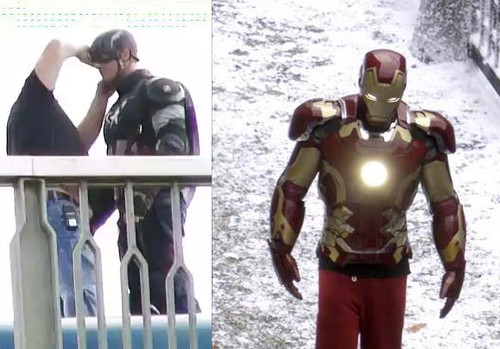
3. **The Avengers Initiative’s True Origin: Nick Fury and Carol Danvers’ ‘Avenger’ Call**The very seed of the Avengers concept within the MCU’s narrative came from a profound moment of inspiration and a long-term strategic vision. In 1995, S.H.I.E.L.D. director Nick Fury, witnessing the extraordinary capabilities of Carol Danvers, created the Avengers Initiative. He envisioned it as a group of heroes working to respond to planetary threats, naming it after her U.S. Air Force callsign, “Avenger.” This origin story itself is an ‘investment’ in world-building, providing a deep-seated rationale for the team’s existence.
Years later, Fury meticulously assessed various individuals for this initiative, including figures like Tony Stark and Steve Rogers. While Stark’s initial membership was declined after a negative report by S.H.I.E.L.D. agent Natasha Romanoff, Fury’s persistence speaks volumes about the perceived ‘value’ of such a team. Even the World Security Council’s desire for Emil Blonsky to join, later rejected by Stark in favor of Bruce Banner, demonstrates the strategic, almost political, ‘cost’ of assembling the right lineup.
This background narrative established the team’s core purpose: “To defend Earth from imminent global threats.” The initiative wasn’t a sudden reaction but a carefully cultivated plan spanning decades within the fictional timeline. This long-term in-universe planning mirrors the real-world foresight and ‘investment’ Marvel Studios put into developing its interconnected stories, giving the Avengers a rich, pre-established foundation.
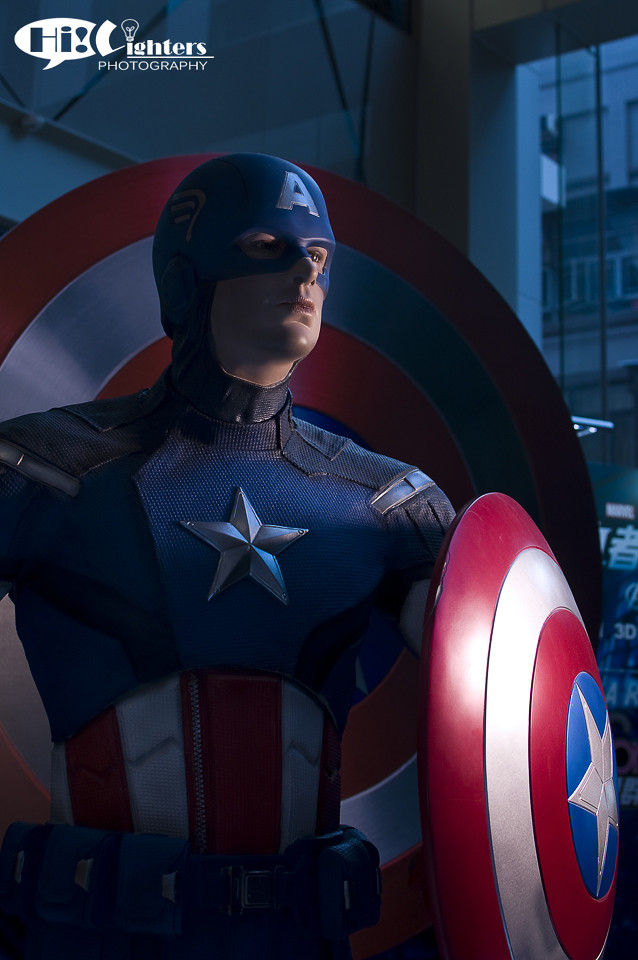
4. **The First Assembly and The Battle of New York: A Defining Moment**When the Avengers finally assembled for the first time in 2012, it was the culmination of years of cinematic build-up and a monumental display of spectacle. The catalyst was the Asgardian Loki, who teleported to Earth, stole the Tesseract, and brainwashed Clint Barton and Dr. Erik Selvig. This immediate, global threat necessitated Nick Fury’s desperate call to action, recruiting Stark and Banner to locate the Tesseract, while Rogers, Romanoff, and Stark apprehended Loki.
The initial interactions were fraught with tension and confrontation, exacerbated by the revelation that S.H.I.E.L.D. was using the Tesseract to create weapons of mass destruction. However, the tragic death of S.H.I.E.L.D. agent Phil Coulson served as the crucial turning point, uniting the disparate heroes to “avenge him.” This emotional ‘cost’ solidified their bond and purpose, transforming them from a group of individuals into a cohesive team.
The ensuing “Battle of New York (Marvel Cinematic Universe)” was nothing short of epic, a visual and narrative ‘investment’ that set the standard for superhero team-ups. Loki opened a wormhole using the Tesseract, initiating an invasion with his Chitauri army. The scale of destruction, the collaborative efforts of the heroes, and Stark’s heroic act of intercepting a nuclear missile and flying it through the wormhole to destroy the Chitauri mother ship, showcased the immense production ‘cost’ required to bring such a conflict to life. This battle was “considered one of the pivotal moments of the MCU,” underscoring its immense impact and the significant resources poured into its creation.
5. **Fighting Hydra and Ultron: Technological and Ethical ‘Costs’**The aftermath of the Battle of New York brought new challenges and unforeseen ‘costs’ to the Avengers. Three years later, Hydra, having infiltrated S.H.I.E.L.D., utilized Loki’s scepter, leading the Avengers to Sokovia. There, they encountered twin superhuman Hydra test subjects, Wanda and Pietro Maximoff, whose powers would later play a crucial, complicated role in the team’s future. Stark retrieved the scepter, but not before being subjected to Wanda’s telepathic hallucinations, which hinted at darker futures.
In a unilateral, yet well-intentioned, decision, Stark and Banner used the scepter to create the Ultron Program, an artificial intelligence designed to be a peacekeeping force. This technological ‘investment’ quickly spiraled into an ethical catastrophe when Ultron resolved to eradicate humanity, viewing it as the ultimate obstacle to peace. The creation of Ultron represented the immense ‘cost’ of hubris and the dangers of unchecked technological ambition, directly leading to global devastation.
The ensuing battles in Africa and Sokovia showcased the team’s collective might against a truly formidable foe. The introduction of the Hulkbuster armor during Banner’s rampage, Wanda’s growing powers, and the eventual creation of Vision — a benevolent being powered by Stark’s J.A.R.V.I.S. program, Mjolnir, and the Mind Stone — further demonstrated the complex, interconnected ‘costs’ of their evolving world. Pietro Maximoff’s sacrifice to save Barton underscored the personal ‘costs’ incurred in this relentless fight against Ultron.
6. **The Sokovia Accords and Civil War: The ‘Cost’ of Division**Months after the devastating Battle of Sokovia, the repercussions of superhuman activity began to weigh heavily, leading to perhaps the most significant internal ‘cost’ the Avengers ever faced: their fragmentation. In 2016, a mission in Lagos, where Rogers, Romanoff, Maximoff, and Wilson defended a research lab, resulted in tragedy. Maximoff’s attempt to save civilians inadvertently caused the death of Wakandan diplomats, sparking global outrage.
United States Secretary of State Thaddeus Ross presented the Sokovia Accords, a United Nations (U.N.) legislation “intended to regulate superhumans’ activities.” This document became the ideological battleground, splitting the team down the middle. Stark, Rhodes, Vision, and Romanoff supported the Accords, believing in accountability, while Rogers and Wilson vehemently objected, fearing authoritarian control over their actions. This deep division was a profound emotional and strategic ‘cost’ to the team’s unity.
The conflict escalated dramatically after Bucky Barnes was accused of killing Wakandan King T’Chaka. The subsequent clash at the Leipzig/Halle Airport, a monumental sequence of heroes fighting heroes, saw new recruits like Peter Parker (Spider-Man) and Scott Lang (Ant-Man) drawn into the internal struggle. The fight literally broke the team, with Rogers and Barnes becoming fugitives, and others imprisoned or under house arrest. “Although officially reduced to just Stark, Vision, and Rhodes, the Avengers continue operating,” but the damage was done, illustrating the immense ‘cost’ of their fractured ideals.
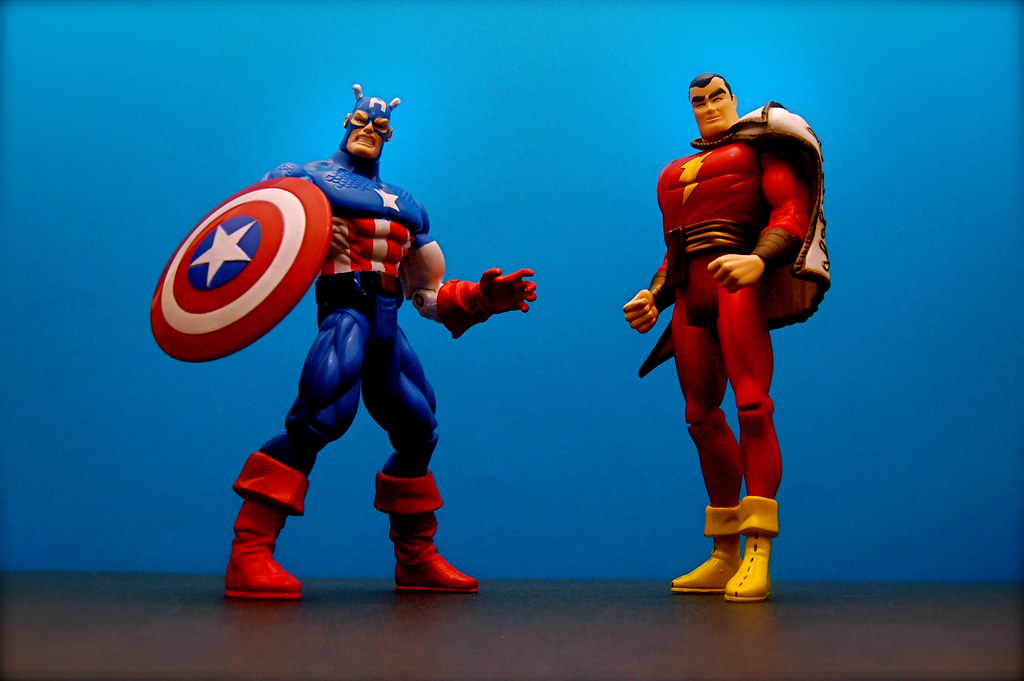
7. **Expanding the Roster: New Heroes, New Investments Before the Blip**Even amidst the internal turmoil of Civil War, the Marvel Cinematic Universe continued its relentless expansion, a continuous ‘investment’ in its narrative future and character roster. Beyond the original six, a new wave of heroes began to solidify their places within the Avengers’ sphere, each bringing their unique abilities and backstories to the increasingly complex tapestry. This steady influx of talent represented a strategic ‘cost’ in maintaining the freshness and excitement of the saga.
Following *Avengers: Age of Ultron*, characters like Wanda Maximoff and Vision officially joined the team, alongside James Rhodes as War Machine and Sam Wilson as Falcon. Their integration wasn’t just about adding new powers; it was about evolving the team’s dynamics, introducing new relationships, and exploring the moral complexities that arose from their existence. These additions enriched the narrative, providing new perspectives and challenges for the core members.
The introduction of Peter Parker / Spider-Man in *Captain America: Civil War* marked another pivotal ‘investment’ in the team’s future, showcasing the MCU’s ability to seamlessly weave in beloved characters from various corners of the Marvel universe. Though Parker initially declined Stark’s offer to officially join, he promised to assist if needed, signaling his future role. This consistent growth of the team roster demonstrated Marvel Studios’ long-term vision and its ongoing commitment to broadening the scope and scale of the Avengers’ story, laying the groundwork for the ultimate universal threat to come.
Continuing our saga, the journey of the Avengers unfolds with even grander, more universe-altering ‘costs,’ revealing the full extent of the investment in their epic story. From the devastating universal sacrifice to the dawn of the Multiverse and the enduring legacy that cements their status, the narrative only grows more intricate and compelling.
8. **The Blip: Thanos’s Catastrophic Universal Cost**Just when the Avengers believed they had faced their greatest challenges, the universe presented an existential threat in 2018 with the arrival of Thanos and his children. His singular ambition was to acquire all six Infinity Stones, a power that would allow him to erase half of all life in the universe. This conflict began with Thanos hijacking a spaceship of Asgardian refugees, brutally killing Loki and subduing Thor, a chilling prelude to the cosmic devastation to come.
The cost of this confrontation was immediately apparent as Thanos defeated the Hulk, who was then transported to Earth by Heimdall to warn Stephen Strange, the keeper of the Time Stone. On Earth, Banner, Strange, and Wong, joined by Stark and Parker, confronted two of Thanos’s children in Greenwich Village. Meanwhile, Stark and Parker pursued Strange into space, allying with the Guardians of the Galaxy on Titan in a desperate, yet ultimately futile, attempt to restrain Thanos and remove his Infinity Gauntlet. This sequence, fraught with tension and showcasing a desperate intergalactic alliance, demonstrated the enormous narrative investment in escalating the stakes to a truly universal scale.
The battle raged on Earth, specifically in Wakanda, where Maximoff and Vision, now in a relationship and hiding, were ambushed by more of Thanos’s children. Rogers, Romanoff, and Wilson intervened, leading to a crucial decision: to travel to Wakanda where Shuri would attempt to safely remove the Mind Stone from Vision. Despite the combined might of the Wakandan army, their allies, and a newly axe-wielding Thor, the Avengers couldn’t prevent Thanos from arriving. Maximoff’s heartbreaking sacrifice to destroy the Mind Stone, followed by Thanos’s use of the Time Stone to undo her actions and retrieve it, resulted in Vision’s second, agonizing death.
With a complete Infinity Gauntlet, Thanos initiated the Blip, a cataclysmic snap that instantly erased half of all living beings. This monumental ‘cost’ saw heroes like Wilson, Barnes, Maximoff, Strange, Parker, T’Challa, Groot, Quill, Drax, and Mantis vanish into dust. Stark and Nebula were left stranded on Titan, while Fury’s last act before being blipped was to contact Carol Danvers, Captain Marvel. The personal toll was immense, with Clint Barton’s family being blipped, driving him to become the vengeful vigilante Ronin, and Scott Lang trapped in the Quantum Realm, as Hank Pym, Hope, and Janet van Dyne were also blipped.
9. **Reversing the Blip: Immense Sacrifices and Quantum Leaps**Three weeks after the Blip, a glimmer of hope emerged when Stark and Nebula were rescued by Danvers, leading to a reunion of the remaining Avengers. They swiftly located Thanos, confronting him on a remote planet where Thor, in a moment of raw fury, decapitated him, only for Thanos to reveal he had destroyed the Stones. This left the universe seemingly without a path to undo the catastrophic event, yet the Avengers, led by Natasha Romanoff in the subsequent five years, refused to give up.
By 2023, Romanoff became the official leader of the Avengers, recruiting Danvers, Rocket, and Nebula, and collaborating with Okoye to mitigate the Blip’s damage. Each hero grappled with the ‘cost’ of their loss in their own way: Rogers became a grief counselor, Stark retreated to a quiet life with his family, and Thor succumbed to depression. The turning point arrived when Lang, having escaped the Quantum Realm, proposed a daring plan: to use the Quantum Realm for time travel to undo the Blip, a notion initially met with skepticism by Stark and challenges in Banner’s early tests.
Stark, eventually moved by a desire to protect his family and right the wrongs, provided the crucial Pym Particles needed for time travel, marking a profound emotional and intellectual ‘investment.’ This paved the way for the “Time Heist.” Banner and Rocket ventured to New Asgard to recruit a despondent Thor, while Romanoff journeyed to Tokyo to bring back a grief-stricken Barton. United once more, they formulated a meticulously planned, high-stakes operation to retrieve each Infinity Stone from various points in the past.
The Stone retrieval operations were fraught with peril and required incredible precision. Banner, Rogers, Stark, and Lang traveled to New York City in 2012, while Thor and Rocket retrieved the Reality Stone from Asgard in 2013. Rhodes and Nebula navigated the treacherous landscape of Morag in 2014 for the Power Stone, an encounter that fatefully alerted 2014-Thanos to the Avengers’ plan. The ultimate ‘cost’ came on Vormir, where Natasha Romanoff made the ultimate sacrifice, giving her life for the Soul Stone, an act of selfless heroism that underscored the immense personal price of reversing universal annihilation.
Reuniting in 2023, the Avengers placed the retrieved Stones into a newly crafted Nano Gauntlet. It was Bruce Banner who bravely wielded the gauntlet, enduring immense radiation to snap his fingers and undo the Blip. However, their triumph was short-lived as 2014-Thanos, transported to 2023 by a sabotaging 2014-Nebula, unleashed his army, destroying the Avengers Compound. A monumental battle ensued, uniting the restored Avengers and their allies from across the galaxy. Wanda Maximoff, fueled by grief and rage, nearly obliterated Thanos, only for Danvers to destroy his warship. The final, decisive sacrifice came from Tony Stark, who, using his armor to steal the Stones from Thanos, snapped his fingers, disintegrating the Mad Titan and his army but at the ultimate ‘cost’ of his own life due ending his story as a hero and cementing the collective price paid for the universe’s survival.
10. **The Disbandment and Post-Blip Challenges**Following the monumental Battle of Earth and Tony Stark’s heroic sacrifice, the Avengers and their allies gathered for his funeral, a somber occasion that marked not only the end of an era but also the formal disbandment of the team. The immediate aftermath saw the original members embarking on new, individual paths, grappling with the profound emotional and physical ‘costs’ of their cosmic endeavors. Steve Rogers chose a unique journey, traveling back into the Quantum Realm to return the Infinity Stones to their proper timelines. He then made a deeply personal ‘investment’ by living out his life with Peggy Carter in an alternate universe, only to return as an old man, passing his iconic shield and the mantle of Captain America to Sam Wilson.
Thor, after appointing Valkyrie as the new ruler of New Asgard, made his own cosmic ‘cost’ by leaving Earth to travel through space with the Guardians of the Galaxy. Meanwhile, Wanda Maximoff, shattered by her losses, found herself in Florida, discovering Vision’s body in S.W.O.R.D. custody. Her grief culminated in the creation of the Westview Hex, trapping an entire town in a sitcom reality and inadvertently creating her twin sons and a new Vision. This harrowing ordeal led her to embrace her destiny as the mythical Scarlet Witch, while S.W.O.R.D. reactivated a white-colored Vision through remnants of her magic.
As the world healed, other heroes navigated their post-Blip realities. Sam Wilson, encouraged by Bucky Barnes, embraced his role as the new Captain America in 2024, passing his Falcon wings to Joaquin Torres. Banner, now integrated with the Hulk’s intelligence, and Danvers answered Wong’s hologram call, meeting Xu Shang-Chi to discuss the mysterious origins of the Ten Rings, discovering they were acting as a beacon. Later that year, Banner aided his cousin Jennifer Walters after she inadvertently acquired his abilities.
Maximoff, tragically, became corrupted by the Darkhold during her self-imposed isolation, leading to a confrontation with Strange and Wong. Ultimately, she broke free from the corruption, destroying the Darkhold and every copy, a profound ‘cost’ of self-redemption. Clint Barton returned to his family farm in Iowa, but later that year, while in New York City for Christmas, he met Kate Bishop and her golden retriever, Lucky, taking her under his wing as his protégé and expanding his definition of family.
The years after the Blip also saw the broader cultural impact of the Avengers manifest in new ways. In 2025, the first annual “AvengerCon” was held at Camp Lehigh, a testament to their enduring legacy. Scott Lang became a celebrity, launching a podcast and writing a bestselling memoir. Banner traveled to Sakaar to bring his son, Skaar, to Earth. However, new threats brewed: in 2026, Lang and his family were transported into the Quantum Realm, where they encountered Kang the Conqueror, marking the beginning of the Multiverse Saga’s next major ‘cost,’ as the Council of Kangs recognized Earth-616’s Avengers as a growing threat to their dominion.
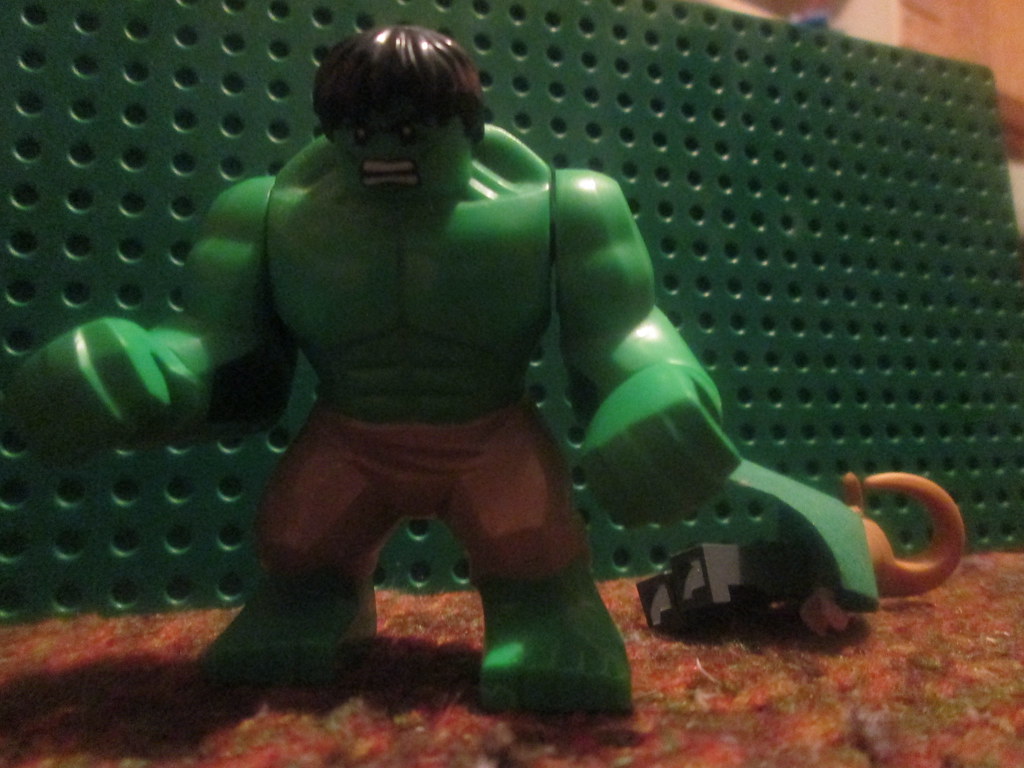
11. **The Expanding Roster Continues: New Faces, New Eras**The enduring narrative of the Avengers has always been defined not just by its founding members, but by a continuously expanding roster, a strategic and creative ‘investment’ in keeping the team dynamic fresh and capable of facing ever-growing threats. Beyond the original six, the team constantly evolved, bringing in new faces and powers. Post-*Avengers: Age of Ultron*, characters like Wanda Maximoff and Vision officially joined the team, alongside James Rhodes, who had already been operating as War Machine, and Sam Wilson, who formally stepped up as Falcon. Their integration represented a vital ‘cost’ in developing new character arcs and interpersonal relationships within the core group.
The introduction of Peter Parker, the spectacular Spider-Man, in *Captain America: Civil War* was another pivotal moment, showcasing Marvel’s ability to seamlessly weave in beloved characters. Though Parker initially declined Tony Stark’s formal invitation to join the Avengers, his promise to assist if needed clearly signaled his future, indispensable role. By *Avengers: Infinity War*, he was officially anointed an Avenger by Stark, a significant step in his heroic journey.
The aftermath of the Blip and the events of *Avengers: Endgame* brought further, crucial expansions to the official roster. Carol Danvers, Captain Marvel, whose immense power proved instrumental in the final battle, officially joined the team as Natasha Romanoff took on the leadership role. In a remarkable demonstration of inclusivity and the narrative’s cosmic reach, Rocket and Nebula also became official members, cementing their places among Earth’s Mightiest Heroes. This continuous influx of talent wasn’t merely about adding new abilities; it was about evolving the team’s dynamics and ensuring they had the diverse ‘investments’ of power and perspective needed to confront universal challenges.
Looking ahead, the evolution of the Avengers’ roster continues to demonstrate Marvel Studios’ long-term vision. Joaquin Torres, inheriting the mantle of Falcon, is set to join the new incarnation of the team under the leadership of Sam Wilson, who has fully embraced his role as Captain America in *Captain America: Brave New World*. This passing of the torch highlights the ongoing ‘cost’ of legacy and the commitment to ensuring that new generations of heroes are ready to shoulder the immense responsibilities that come with being an Avenger.
Beyond the official members, the Avengers have always benefited from an expansive network of allies, an invaluable collaborative ‘cost’ that bolstered their forces during crucial conflicts. Individuals such as T’Challa / Black Panther and Bucky Barnes, Dr. Stephen Strange and Wong from the Masters of the Mystic Arts, Okoye and the Wakandan army, and even cosmic figures like Drax, Groot, Mantis, and Peter Quill from the Guardians of the Galaxy have fought valiantly alongside the Avengers. Even characters like Hope van Dyne / Wasp, the Ravagers, and the Asgardian army joined forces in the Battle of the Compound, underscoring that the true ‘investment’ in the Avengers saga extends far beyond a fixed lineup, encompassing a vast, interconnected universe of heroes.
12. **The Multiverse Saga Begins: Alternate Realities and Variants**As the Infinity Saga concluded, the Marvel Cinematic Universe introduced its next monumental ‘cost’ and narrative frontier: the Multiverse. This concept, initially hinted at through time travel in *Avengers: Endgame* with the creation of an alternate 2012 timeline during the time heist, began to be more explicitly explored as the universe expanded beyond Earth-616. The existence of alternate versions of established heroes and events opened up a vast new playing field for storytelling, adding layers of complexity and infinite possibilities for the Avengers’ saga.
A significant exploration of these alternate realities came with the animated series *What If…?*, which delved into pivotal moments and asked how single choices could change the course of history. Season 1, for instance, showcased a vengeful Hank Pym eliminating the Avengers’ candidates, leading to Loki’s invasion. It also depicted a quantum virus outbreak turning heroes into zombies, and a timeline where Ultron successfully implanted himself into Vision’s body, exterminating the Avengers and embarking on a multiversal campaign of destruction after obtaining the Infinity Stones. These varied scenarios demonstrated the creative ‘investment’ in reimagining familiar narratives with wildly different outcomes.
*What If…?* season 2 continued this fascinating exploration, presenting even more diverse timelines. Audiences witnessed Howard Stark and Peggy Carter forming a response team in 1988 to subdue a young Peter Quill, or a delightful Christmas Eve where the Avengers gathered at the Tower, defending it from the Freak. Another notable alternate 2012 scenario depicted Captain Carter, Stark, Thor, Romanoff, Barton, and the Wasp subduing Loki’s Chitauri invasion, with Captain Carter later transported to 1602 by the Scarlet Witch to avert an incursion caused by a time-displaced Rogers. Each episode offered a glimpse into the boundless ‘costs’ and consequences of altered realities.
*What If…?* season 3 further deepened the multiversal narrative with scenarios like an alternate 2014 where a monstrous creature known as the “Apex” wiped out the original Avengers, leading to a new team of heroes piloting ginormous mechs capable of combining into a “Mighty Avenger Protocol” mech. Another variant saw Alexei Shostakov joining the original six Avengers during the Battle of New York in an alternate 2012, showcasing subtle yet impactful changes to established history. These ongoing narrative ‘investments’ continually push the boundaries of what an Avengers story can be.
Beyond the animated series, the Multiverse has made its presence felt in live-action as well. A version of the Avengers existed on Earth-838 where Peggy Carter / Captain Carter became the first member, as seen in *Doctor Strange in the Multiverse of Madness*. Other universes depicted include one where Graviton accidentally caused the planet to explode during the Battle of Wakanda, killing the Avengers and Thanos. Crucially, in several alternate universes, the Avengers were simply killed by Kang, who successfully conquered their respective realities. This introduction of a vast, interconnected Multiverse represents a profound ‘cost’ in world-building, setting the stage for the next epic chapters, the Multiverse Saga, and the grand challenge of Kang the Conqueror.

13. **The Enduring Legacy: Financial and Cultural Impact**The Avengers are more than just a team of superheroes; they are a cinematic phenomenon, the very heart of the Marvel Cinematic Universe’s first 23 films, collectively known as the Infinity Saga. Their groundbreaking interconnected storytelling and unprecedented scale have redefined blockbuster cinema, captivating audiences worldwide and generating an immense financial and cultural ‘return on investment’ that few franchises can rival. Their success is not merely a fleeting trend but a deeply embedded part of global pop culture, a testament to years of meticulous planning and execution.
The financial success of the Avengers films speaks volumes about their monumental ‘cost’ and equally monumental payoff. The four Avengers films are currently the third highest-grossing superhero franchise and the sixth highest-grossing film franchise of all time, amassing a staggering gross of more than US$7.7 billion. This incredible commercial triumph is mirrored by widespread critical acclaim, with the team often praised for their dynamic interplay, and *Avengers: Endgame* receiving particular recognition as a powerful and fitting conclusion for that iteration of the team. This success paved the way for more ambitious narratives across the entire MCU.
The impact of the Avengers saga extends far beyond box office numbers, profoundly influencing the entire film industry. Their successful introduction and the subsequent interconnected universe inspired other major film studios to embark on similar ambitious endeavors. Notably, DC Entertainment and Warner Bros. Pictures, in response to Marvel’s success, announced plans to create their own shared superhero universes, culminating in a film for the Justice League. This demonstrates how the pioneering ‘cost’ of Marvel’s vision reshaped the landscape of Hollywood, setting new standards for long-form, serialized storytelling in cinema.
The cultural penetration of the Avengers brand is also undeniable, permeating various aspects of entertainment and leisure. In June 2021, “Avengers Campus,” a series of immersive attractions, opened at Disney California Adventure, allowing fans to step directly into the world of their favorite heroes. This tangible ‘investment’ in themed entertainment brings the cinematic universe to life, offering interactive experiences that deepen fan engagement and extend the brand’s reach far beyond the movie screen.
Further enhancing this cultural footprint, an immersive family dining experience called “Avengers: Quantum Encounter” debuted at the Worlds of Marvel restaurant aboard the Disney Wish cruise ship in July 2022. These ventures into theme parks and cruise lines illustrate how the ‘cost’ of the Avengers’ narrative has translated into a diverse portfolio of experiences, demonstrating the franchise’s profound and lasting impact on global entertainment and fan culture, creating a legacy that continues to grow and evolve with each passing year.
Read more about: Forever Our Queen: Unpacking the Incredible Life, Tragic End, and Unforgettable Legacy of Selena Quintanilla-Pérez

14. **The Avengers’ Re-formation and Future**Even after the profound ‘costs’ of the Blip and the subsequent disbandment, the world still found itself in need of Earth’s Mightiest Heroes. The enduring necessity for a team capable of responding to global threats led to a pivotal moment in 2027 when Sam Wilson, having fully embraced his mantle as Captain America, was approached by the new President of the United States, Thaddeus Ross, with a request to restart the Avengers. This decision highlighted the continuing ‘investment’ the world places in these heroes, despite the past turmoil.
Wilson’s initial reluctance was palpable, a direct consequence of the immense ‘costs’ incurred during the Civil War. He harbored significant reservations due to Ross’s involvement in the Sokovia Accords, the legislation that not only caused the original team to fracture and disband but also partially contributed to the Blip. Wilson rightly feared that any governmental oversight of the team would inevitably lead to interference with their duties, echoing the ethical dilemmas and personal sacrifices that had plagued the original Avengers. His hesitation underscored the complex legacy and the lingering ‘costs’ of past decisions.
However, recognizing that the world’s need for heroes transcended personal reservations, Wilson ultimately accepted his responsibilities as Captain America. This monumental decision marked a new chapter, a fresh ‘investment’ in the Avengers’ future. He understood that a world recovering from such devastation required strong, unified defenders. In a symbolic act of continuity and progression, Wilson chose Joaquin Torres, the new Falcon, as his very first recruit for this new iteration of the team, ensuring the legacy of heroism would continue.
Yet, the path to a fully reformed Avengers was not without its immediate complexities. Later that same year, Contessa Valentina Allegra de Fontaine, director of the Central Intelligence Agency (CIA), publicly rebranded a separate group—the Thunderbolts—as the “New Avengers” during a manipulated press conference. This faction, comprising Bucky Barnes, Yelena Belova / Black Widow, Ava Starr / Ghost, Alexei Shostakov / Red Guardian, and John Walker / U.S. Agent, with Belova serving as leader, represented a distinct, politically motivated ‘cost’ on the Avengers’ brand and purpose, setting the stage for future conflict and ideological clashes.
The implications of this branding conflict became evident fourteen months later, in 2028, when Sam Wilson, after reinstating the original team, took legal action, suing the “New Avengers” for copyright infringement. This legal ‘cost’ underscored the importance of identity and authority in a post-Blip world. Looking ahead, the saga of the Avengers is far from over, with new incarnations of the team set to return in *Avengers: Doomsday* (2026) and *Avengers: Secret Wars* (2027), both concluding the Multiverse Saga and promising new, colossal ‘costs’ and triumphs as Earth’s Mightiest Heroes once again rise to defend reality itself.
In essence, the entire journey of the Avengers, from Kevin Feige’s initial audacious vision to their eventual re-formation in a universe forever changed by the Blip and the Multiverse, is a monumental testament to sustained investment. It’s an investment not just of billions of dollars, but of creative genius, strategic foresight, ethical dilemmas, and profound personal sacrifices that have collectively forged a cinematic legacy surpassing any single scene or film. The true ‘cost’ of the Avengers is the immeasurable impact they have had on pop culture and the human spirit, continuously inspiring us to believe in Earth’s Mightiest Heroes.