The world of classic cars is a realm of unparalleled fascination, a domain where engineering prowess meets artistic expression and historical narrative. For the discerning collector, it’s not merely about acquiring a vehicle; it’s about possessing a tangible piece of automotive heritage, a rare artifact that embodies passion, innovation, and an exclusive lifestyle. This curated journey takes us through the echelons of automotive rarity, where each machine tells a story, each curve whispers a legend, and each price tag reflects an irrefutable legacy.
At Rarecars.com, we deeply understand that every car holds a narrative, meticulously crafted with comprehensive details and expert insights to connect enthusiasts with their perfect match. Our premier marketplace is a sanctuary for those who appreciate the allure of stunning aesthetics, distinctive and timeless designs, and the staggering value these exceptional vehicles command. Collecting these rare automotive gems transcends mere investment; it becomes a profound passion project, offering a satisfaction unparalleled by more conventional assets.
The scarcity of these automobiles, often stemming from limited production runs, profound historical significance, or singularly distinctive designs, elevates them far beyond mere transportation. They are coveted masterpieces, commanding exorbitant prices at exclusive auctions and private sales, attracting dedicated collectors driven by an insatiable passion. Join us as we explore the first seven extraordinary examples from this elite club, each a testament to automotive excellence and an emblem of unparalleled exclusivity.
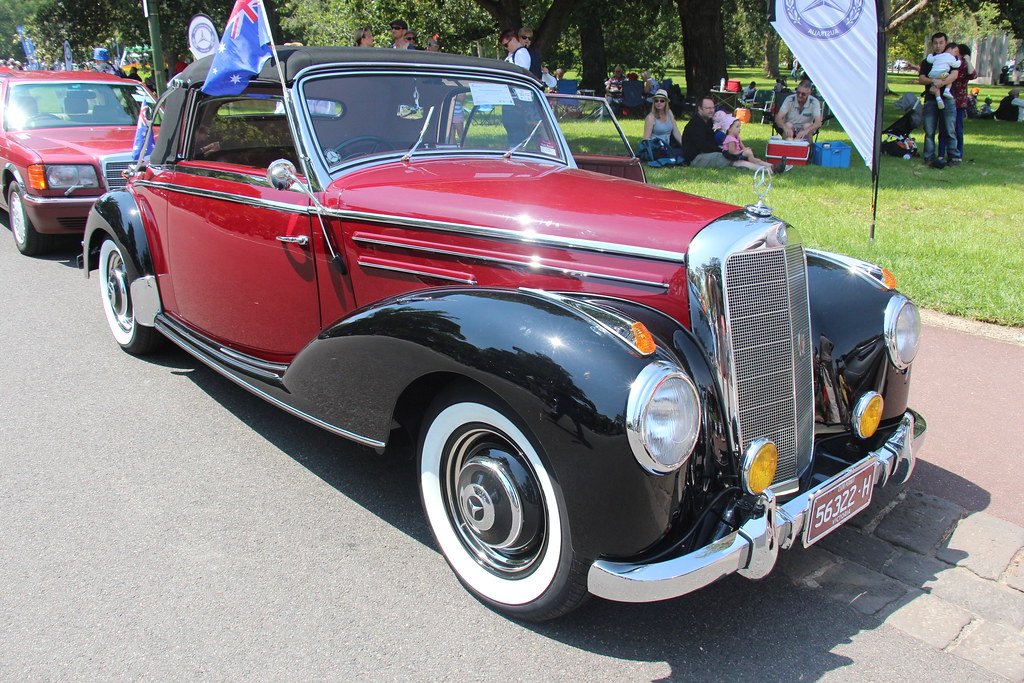
1. **1928 Mercedes-Benz S-Type 26/180 Sports Tourer**Our journey begins with a true icon of early automotive luxury, the 1928 Mercedes-Benz S-Type 26/180 Sports Tourer. This exquisite machine, a rare gem from a bygone era, bears the distinguished design imprint of none other than Ferdinand Porsche, cementing its place in the pantheon of automotive greatness. It represents a pivotal moment in Mercedes’ history, showcasing the company’s early success in the American market, delivering high-end vehicles to the wealthiest individuals of the era, including General Motors magnate Cliff Durant.
Originally, a mere 150 units of these elegant sports tourers were produced, an astonishingly small number even for the luxury market of the late 1920s. The passage of time has only amplified its rarity, with an even smaller fraction of these magnificent vehicles surviving into the 21st century. Today, every known example is meticulously preserved within private collections, rendering ownership a nearly impossible dream for most enthusiasts, underscoring its profound scarcity and desirability.
One particularly storied example of this sports tourer was initially acquired by the celebrated vaudeville singing star Al Jolson in 1928, who famously posed with the car and his wife in New York. Jolson cherished and maintained this vehicle until 1947 before selling it to Brooks Stevens, a young man revered as “The Seer Who Made Milwaukee Famous.” This rich provenance only adds layers to its already impressive historical significance, transforming it into a cherished piece of automotive art.
Its value today is reflective of its unique heritage, design genius, and extreme scarcity. A recent Gooding & Company auction in Pebble Beach listed such a car with an estimated price ranging from $5 million to $6 million. This valuation solidifies its status as one of the world’s most valuable classic cars, a testament to Porsche’s early design brilliance and Mercedes-Benz’s enduring legacy of engineering excellence.
Car Model Information: 2017 Honda Accord Touring
Name: Mercedes-Benz S-Class
Manufacturer: ubl
Production: 1954–present (S-Class nomenclature adopted since 1972)
Class: Full-size luxury car
BodyStyle: Sedan (car)
Related: Mercedes-Benz CL-Class,Mercedes-Benz CLS-Class,Mercedes-Benz SL-Class
Predecessor: Mercedes-Benz W187
Categories: 1980s cars, 1990s cars, 2000s cars, 2010s cars, 2020s cars
Summary: The Mercedes-Benz S-Class, formerly known as “special class” (German: “Sonderklasse”, abbreviated as “S-Klasse”), is a series of full-sized luxury sedans and coupés produced by the German automaker Mercedes-Benz. The S-Class is the designation for top-of-the-line Mercedes-Benz models and was officially introduced in 1972 with the W116, and has remained in use ever since. The S-Class is the flagship vehicle for Mercedes-Benz, being positioned above the other Mercedes-Benz models.
The S-Class has debuted many of the company’s latest innovations, including drivetrain technologies, interior features, and safety systems (such as the first seatbelt pretensioners). The S-Class has ranked as the world’s best-selling luxury sedan. In automotive terms, Sonderklasse refers to “a specially outfitted car.” Although used colloquially for decades, following its official application in 1972, six generations of officially named S-Klasse sedans have been produced.
In 1981, the two-door, four-seat S-Class, designated as SEC, was introduced, sharing the petrol V8 engines with its four-door version, W126. After the introduction of a new nomenclature scheme, SEC was simply renamed as S-Class Coupé. For the 1996 model year, the coupé was separated from the S-Class line and named as new CL-Class (in line with other two-door models: CLK, SL, and SLK); however, the CL-Class was reintegrated into the S-Class model line (same with CLK becoming E-Class Coupé and Cabriolet). The first-ever S-Class convertible since 1972, internally named A217, was introduced and became a one-generation model only. After the end of W222 production in 2020, the successors to the C217 coupé and A217 convertible are not planned, citing the low demand for those models and stronger demand for SUV models.
Get more information about: Mercedes-Benz S-Class
Buying a high-performing used car >>>
Brand: Mercedes-Benz Model: S-Type 26/180 Sports Tourer
Price: $19,960 Mileage: 86,317 mi.

2. **1960 Porsche Abarth 356B Carrera GTL**Next, we delve into a fascinating collaboration that yielded an incredibly rare Porsche: the 1960 Porsche Abarth 356B Carrera GTL. This vehicle emerged from a partnership between the venerable German marque Porsche and the esteemed Italian manufacturer Abarth, blending German engineering precision with Italian automotive artistry. The result was a car that remains shrouded in a certain mystique due to its extreme scarcity.
Very little is widely known about the intricate details of this particular model, yet it is believed that the production run for the Abarth 356B Carrera GTL amounted to an almost mythical 20 units. Such limited numbers inherently elevate a vehicle’s desirability and price over time, transforming it into a coveted collector’s item. Originally, this masterpiece was sold for an approximate price of $6,500, a sum that, while significant then, pales in comparison to its unestablished, yet undoubtedly astronomical, current value.
The extreme rarity of the 1960 Porsche Abarth 356B Carrera GTL means that opportunities to witness it are few and far between. However, one of these exceptional models is proudly housed within the Collier Collection, offering a precious chance for the public to marvel at this exquisite blend of German and Italian automotive genius. Its presence in such a revered collection underscores its importance as a historical and artistic achievement, reflecting the pinnacle of collaborative design.
This car is a striking embodiment of the dedication that goes into collecting rare automobiles. It exemplifies how historical context, combined with exceptionally limited production and distinguished parentage, can create a legend. Its enigmatic nature only heightens its appeal, ensuring its place as a jewel in any serious collection and a benchmark for automotive connoisseurship.
Car Model Information: 2017 Honda Accord Touring
Name: Porsche 356
Manufacturer: unbulleted list
Production: 1948–1965
Assembly: Gmünd, Carinthia
Successor: Porsche 911 (classic)
Caption: Porsche 356 C coupé
Class: Sports car
Related: unbulleted list
Layout: Rear-engine, rear-wheel-drive layout
BodyStyle: unbulleted list
Designer: Ferry Porsche,Erwin Komenda
Wheelbase: 82.7 in
Abbr: on
Order: flip
Length: convert
Width: 65.4 in
Height: convert
Weight: convert
Categories: 1950s cars, 1960s cars, 24 Hours of Le Mans race cars, All Wikipedia articles written in American English, All articles containing potentially dated statements
Summary: The Porsche 356 is a rear-engine sports car, and the first-ever production Porsche model.
The 356 is a lightweight and nimble-handling, rear-engine, rear-wheel drive, two-door available both in hardtop coupé and open configurations. Engineering innovations continued during the years of manufacture, contributing to its motorsports success and popularity. Production started in 1948 at Gmünd, Austria, where Porsche built approximately 50 cars. In 1950 the factory relocated to Zuffenhausen, Germany, and general production of the 356 continued until April 1965, well after the replacement model 911 made its September 1964 debut. Of the 76,000 originally produced, approximately half survive. The 356 was first produced by Austrian company Porsche Konstruktionen GesmbH (1948–1949), and then by German company Dr. Ing. h. c. F. Porsche GmbH (1950–1965). It was Porsche’s first production automobile. Earlier cars designed by the Austrian company include Cisitalia Grand Prix race car, the Volkswagen Beetle, and Auto Union Grand Prix cars.
The original price in 1948 for the 356 coupe was US$3,750 (equivalent to $49,100 in 2024) (official general USD inflation). The 356 cabriolet cost US$4,250 (equivalent to $55,600 in 2024).
Get more information about: Porsche 356
Buying a high-performing used car >>>
Brand: Porsche Model: Abarth 356B Carrera GTL
Price: $19,960 Mileage: 86,317 mi.
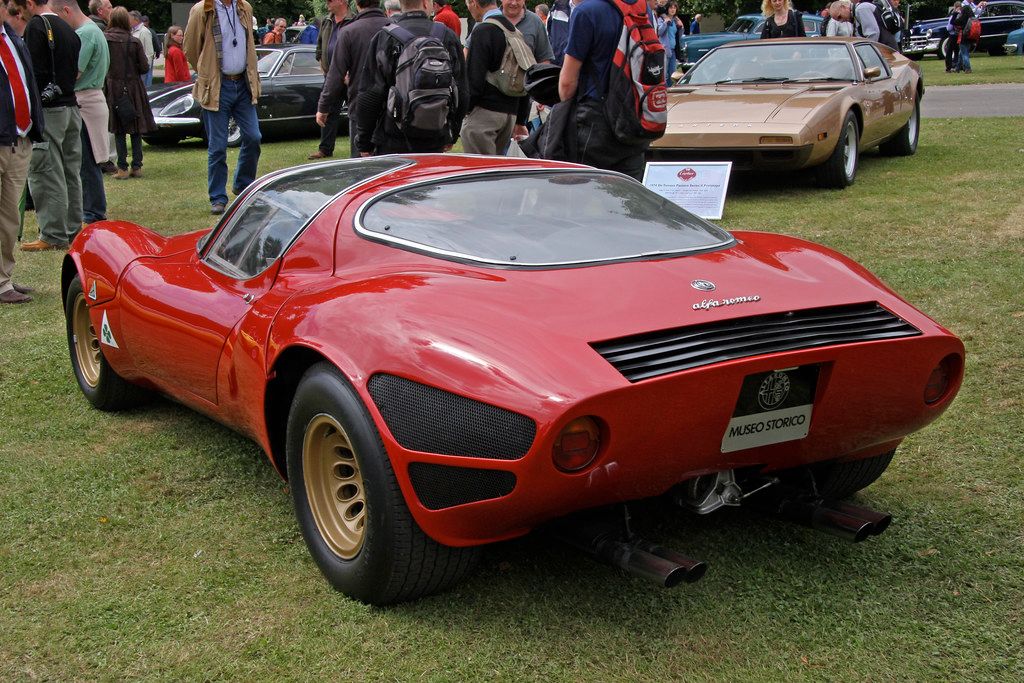
3. **Alfa Romeo 33 Stradale**From Germany and Italy, we remain in Italy to admire the breathtaking Alfa Romeo 33 Stradale, an iconic Italian sports car built between 1967 and 1969. The name “Stradale,” Italian for “road-going,” hints at its fascinating origin as a street-legal variant of the formidable Autodelta Alfa Romeo Tipo 33 sports prototype. This direct lineage from a racing thoroughbred imbues it with an undeniable sense of performance and heritage.
The 33 Stradale was a marvel of its time, boasting a top speed of 160 mph and an impressive acceleration time of 0-60 mph in just 5.5 seconds. Powering this magnificent machine was a specially built 2.0-liter V8 engine, featuring SPICA fuel injection, four ignition coils, and 16 spark plugs. These advanced specifications highlight Alfa Romeo’s commitment to cutting-edge engineering and performance during the late 1960s, distinguishing it from many contemporaries.
Only 18 units of this exclusive masterpiece were ever manufactured, solidifying its status as an exceptionally rare collector’s item. When it was initially launched, its price tag of 10 million Italian lire, approximately $6,150 at the time, made it one of the most expensive cars of its era. This exclusivity, combined with its racing pedigree and stunning design, ensures its continued desirability among elite collectors worldwide.
Today, the Alfa Romeo 33 Stradale’s value has skyrocketed, with estimates placing it at around $3 million and above. Experts like Barazi of CarSumo suggest that due to its infrequent appearance at auction, its true market value could potentially be far higher. For those wishing to behold its beauty, one can still marvel at its exquisite design and engineering at the Alfa Romeo museum in Arese, where it stands as a shining testament to Italian automotive artistry.
Car Model Information: 2017 Honda Accord Touring
Name: Alfa Romeo 33 Stradale
Manufacturer: Alfa Romeo
Production: November 1967 – March 1969,18 produced
Assembly: Milan
Designer: Franco Scaglione
Class: Sports car
BodyStyle: coupé
Related: Alfa Romeo Tipo 33
Layout: Rear mid-engine, rear-wheel drive layout
Engine: V8 engine
Transmission: Colotti Trasmissioni,Manual transmission
Wheelbase: 2350 mm
Abbr: on
Length: 3970 mm
Width: 1710 mm
Height: 991 mm
Weight: 700 kg
Successor: Alfa Romeo 33 Stradale (2023)
Doors: Butterfly doors
Categories: 1960s cars, Alfa Romeo vehicles, All articles with unsourced statements, Articles with short description, Articles with unsourced statements from January 2023
Summary: The Alfa Romeo 33 Stradale is a mid-engine sports car built by Italian automobile manufacturer Alfa Romeo. It was the fastest commercially available car for the standing kilometer upon its introduction. 18 examples were produced between 1967 and 1969. “Stradale” (Italian for “road-going”) is a term often used by Italian car manufacturers to indicate a street-legal version of a racing car; indeed the 33 Stradale was derived from the Tipo 33 sports prototype. Built in an attempt by Alfa Romeo to make some of its racing technology available to the public, it was also the most expensive automobile for sale to the public in 1968 at US$17,000 (equivalent to $153,700 in 2024).
Get more information about: Alfa Romeo 33 Stradale
Buying a high-performing used car >>>
Brand: Alfa Romeo Model: 33 Stradale
Price: $19,960 Mileage: 86,317 mi.
Read more about: The Real Cost of Speed: 14 Sports Cars & What Financial Experts REALLY Think About Your Investment

4. **1962 Aston Martin DB4 GT Zagato**Our journey continues with an elegant British-Italian alliance, the 1962 Aston Martin DB4 GT Zagato, a vehicle born from the collaboration between Aston Martin and the renowned Italian coachbuilder Zagato. Unveiled at the 1960 London Motor Show, this stunning car was conceived as a lighter, more aerodynamic, and improved version of the standard DB4 GT, aiming for enhanced performance and visual flair.
Only 19 of these exceptional vehicles were ultimately built, a number even smaller than the originally planned run of 25 units, further cementing its extreme rarity. Zagato, a firm steeped in history since 1919, has designed some of the most memorable cars, and the DB4 GT Zagato stands as one of their crowning achievements. Its design was so highly revered that it earned a place in the High Museum of Art’s automotive exhibition, acknowledging its status as a masterpiece from the golden era of automotive design.
Underneath its exquisitely sculpted aluminum body, which replaced all the steel components of the original DB4 to make it 100 pounds lighter, resided a potent 3.7-liter twin-spark straight-six engine. This engine produced an impressive 314 hp, enabling the car to achieve a 0-60 mph acceleration time of 6.1 seconds and a top speed of 154 mph. These performance figures, coupled with its breathtaking aesthetics, made it a formidable contender on both road and track.
The allure of the DB4 GT Zagato has only grown with time, reflected in its astounding market value. One of these originals recently fetched an incredible $14.3 million at auction, a testament to its unparalleled beauty, legendary racing pedigree, and the iconic collaboration that brought it to life. It remains a coveted prize for serious collectors, embodying the pinnacle of 1960s grand touring and bespoke automotive artistry.
Car Model Information: 2017 Honda Accord Touring
Name: Aston Martin DB4 GT Zagato
Manufacturer: Aston Martin
Production: 1960–1963,(25 produced, inc 4 Sanction II and 2 Sanction III)
Class: Grand tourer
BodyStyle: Coupe
Engine: straight-6
Transmission: 4-speed manual
Wheelbase: 2362 mm
Abbr: on
Length: 4267 mm
Width: 1557 mm
Height: 1270 mm
Weight: 1225 kg
Successor: Aston Martin V8 Zagato
Related: Aston Martin DB4
Designer: Ercole Spada
Sp: uk
Categories: All Wikipedia articles written in British English, All articles needing additional references, All articles with unsourced statements, Articles needing additional references from April 2018, Articles needing additional references from July 2025
Summary: The Aston Martin DB4 GT Zagato is a grand tourer sports car designed by Zagato and produced between 1960 and 1963. Introduced in October 1960 at the London Motor Show, it was effectively a DB4 GT, lightened and improved by the Zagato factory in Italy, by Ercole Spada. Initially, the factory planned to produce 25 cars, but demand was not as strong as expected and production was reduced to 19.
Growing popularity of the original DB4 GT Zagato resulted in two subsequent waves of cars based on DB4s being rendered into “Zagatos” through the cooperation of Aston Martin and the Zagato works in Italy. They are known as “Sanction II” and “Sanction III” cars. Also, an unauthorised industry of modifying original DB4 GTs into “Zagato” replicas has arisen.
Get more information about: Aston Martin DB4 GT Zagato
Buying a high-performing used car >>>
Brand: Aston Martin Model: DB4 GT Zagato
Price: $19,960 Mileage: 86,317 mi.
Read more about: The Real Cost of Speed: 14 Sports Cars & What Financial Experts REALLY Think About Your Investment

5. **1951 Pegaso Z-102**Venturing into a less commonly celebrated but equally fascinating corner of automotive history, we encounter the 1951 Pegaso Z-102. This groundbreaking vehicle from the 1950s made a significant mark, boldly challenging established giants like Ferrari in both performance and distinctive style. It was a remarkable feat of engineering and design from Spanish manufacturer Pegaso, a name perhaps not widely recognized today, but one that left an indelible legacy with this particular model.
The Z-102 was a technological tour de force, boasting an impressive top speed of 120 mph, a figure that placed it squarely among the high-performance elite of its era. Its sophisticated design and robust engineering allowed it to compete with the best Italian sports cars, demonstrating Spain’s capacity for advanced automotive manufacturing. This audacious spirit and innovative approach ensure its status as a prized collector’s car, even decades after its limited production run.
What adds to the intrigue and rarity of the Pegaso Z-102 is its origin from a manufacturer that, while innovative, did not achieve widespread commercial dominance in the way some of its contemporaries did. This makes each surviving example a unique window into an ambitious chapter of automotive history. Its scarcity means that each sighting is a special occasion for enthusiasts and connoisseurs of unique automotive design.
For those eager to experience this unique piece of automotive heritage, one of these rare models is proudly displayed at the “Collecio D’automobils Salvador Claret” in Barcelona, Spain. Its presence in such a museum allows it to continue telling its story, captivating new generations with its pioneering spirit and exceptional design. The Pegaso Z-102 stands as a testament to vision and engineering excellence, a reminder that true luxury and innovation can emerge from unexpected origins.

6. **1972 Porsche 916**Our sixth entry transports us back to the precision engineering of Porsche, but with a twist of what-might-have-been: the 1972 Porsche 916. This model is exceptional for its extreme rarity, primarily because it existed almost entirely in prototype form. A mere 11 prototypes of the Porsche 916 were ever built, making it one of the rarest Porsches in the company’s illustrious history and an object of immense desire for collectors.
The 916 was initially conceived with the intention of full-scale production, poised to join Porsche’s celebrated lineup. However, this ambitious project was ultimately scrapped due to the prohibitive high costs associated with bringing it to market. This decision, while perhaps financially prudent at the time, inadvertently created a legendary scarcity, turning each prototype into an automotive artifact of profound significance.
The limited existence of the 916 means that encountering one is an extraordinary event. Each of the 11 prototypes represents a unique chapter in Porsche’s developmental history, a glimpse into a direction the company considered but ultimately diverted from. This historical context imbues these cars with a special allure, appealing to those who appreciate the intricacies of automotive evolution and the stories behind unfulfilled potential.
Remarkably, one of these 11 exceptionally rare units found its way to the United States. It is now proudly displayed at the Automobile Atlanta Museum in Marietta, Georgia, allowing the public to admire this pivotal, albeit unproduced, piece of Porsche engineering. The 1972 Porsche 916 serves as a powerful reminder that sometimes, the most valuable cars are those that never quite made it to mass production, existing instead as exclusive whispers of what could have been.
Read more about: Beyond Nostalgia: 13 Legendary 1950s Cars Now Commanding Millions on the Collector Market
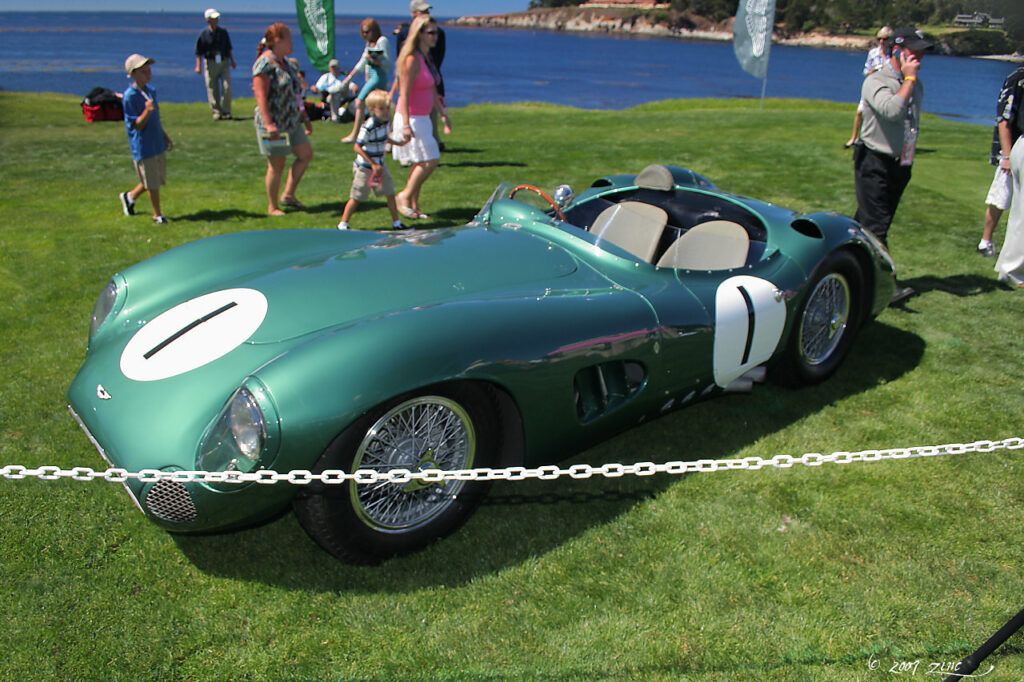
7. **1956 Aston Martin DBR1**Concluding the first segment of our exploration into automotive exclusivity, we arrive at a true racing legend: the 1956 Aston Martin DBR1. Regarded as one of the greatest race cars of the 1950s, this magnificent machine was purpose-built for the World Sportscar Championship, designed to conquer the most demanding circuits and secure Aston Martin’s place in motorsport history. Its fierce competition and triumphant victories define its legendary status.
Only five units of the DBR1 were ever constructed, an astonishingly limited run that underscores its bespoke, high-performance nature. These five cars etched their names into the annals of racing, achieving remarkable success at prestigious events such as Le Mans and Nürburgring. Its most famous victory came at the 1959 24 Hours of Le Mans, marking Aston Martin’s sole outright triumph at this iconic endurance race, a feat of unparalleled significance for the marque.
The DBR1 is one of only three cars in history to win both the Le Mans 24 Hours and the World Sports Car Championship in the same year, placing it in an elite club alongside the Ferrari 375 Plus (1954) and the Ferrari 250TR (1958). It also secured an extraordinary hat-trick in 1959, winning at Nurburgring, Le Mans, and the Tourist Trophy all in the same year, matching the Ferrari 250TR’s record of three consecutive wins from 1958. This impressive track record showcases its dominant performance and engineering brilliance.
Powering this champion was a racing version of the Lagonda straight-six engine, specifically designed to comply with the stringent 24 Hours of Le Mans regulations. This 2.5-liter engine delivered a formidable 250 hp, propelling the DBR1 to victory after victory. As the most expensive British car ever sold at auction, with an estimated price around $22.5 million, its value reflects not just its rarity but its profound historical impact. One of these legendary cars can be admired at the Simeone Foundation Automotive Museum, a shrine to its enduring legacy.
Having traversed the distinguished lineage of automotive excellence, our journey into the ‘Secret Club for Owners of the Rarest Most Expensive Classic Cars’ continues, unveiling seven more treasures that redefine luxury, innovation, and unparalleled valuation. These machines, whether modern marvels or opulent pre-war masterpieces, each embody a unique blend of craftsmanship, engineering prowess, and a story that captivates the discerning collector. From the world’s first titanium-bodied supercar to legendary race winners and bespoke creations, we delve deeper into the extraordinary realm where passion meets unparalleled exclusivity.
Car Model Information: 2017 Honda Accord Touring
CarName: Aston Martin DBR1
Caption: Aston Martin DBR1/5 at Silverstone Classic 2007
Category: 24 Hours of Le Mans#Cars,Sports car racing
Constructor: Aston Martin Lagonda Limited
Designer: Ted Cutting
Team: flagicon,Border Reivers (racing team)
Drivers: flagicon,Reg Parnell
Chassis: space frame
FrontSuspension: Torsion bar suspension
RearSuspension: De Dion tube
Length: 13 ft
Abbr: on
Width: 5 ft
Height: 3 ft
Wheelbase: 7 ft
Track: 4 ft
EngineName: Aston Martin
Power: Convert
Capacity: 2,493 cc / 2,992 cc,
Configuration: Straight six,
EnginePosition: Front-engine, rear-wheel drive layout
GearboxName: David Brown CG537
Gears: 5-speed
Type: Manual transmission
Weight: 1765 lb
Tyres: Avon Tyres#Avon Rubber plc
Debut: 1956 24 Hours of Le Mans
Races: 18,Inc 4 Le Mans
Wins: 9,Inc 1959 Le Mans
ConsChamp: 1 (1959)
Categories: 24 Hours of Le Mans race cars, All Wikipedia articles written in British English, Articles with hAudio microformats, Articles with short description, Aston Martin racing cars
Summary: The Aston Martin DBR1 is a sports racing car built by Aston Martin starting in 1956, intended for the World Sportscar Championship as well as non-championship sportscar races at the time. It is most famous as the victor of the 1959 24 Hours of Le Mans, Aston Martin’s only outright victory at the endurance classic. It is one of only three cars in the 1950s to win both the World Sports Car Championship and Le Mans 24 Hours in the same year (the others being the Ferrari 375 Plus in 1954 and the Ferrari 250TR in 1958). In addition the six World Sports Car Championship victories was a record for any car in the 1950s and remained a record in the championship until surpassed by the Ferrari 250TR. The three consecutive triumphs in 1959 at the Nürburgring, Le Mans and the Tourist Trophy equalled the record set by the Ferrari 250TR with its three consecutive victories at the start of the 1958 season.
In August 2017, car DBR1/1 was sold for a world record price for a British-made car of US$22,555,000.
Get more information about: Aston Martin DBR1
Buying a high-performing used car >>>
Brand: Aston Martin Model: DBR1
Price: $19,960 Mileage: 86,317 mi.
Read more about: Rev Your Engines! 15 Legendary Rides That Roared: How the 1950s Became the Golden Era for Automotive Design

8. **Icona Vulcano Titanium**Our exploration ventures into the cutting-edge with the Icona Vulcano Titanium, an automotive masterpiece distinguished as the world’s inaugural titanium-bodied car. This singular creation, born from the innovative spirit of the Italian design house Icona Group, pushes the boundaries of material science and aesthetic execution, presenting a striking fusion of strength, lightness, and breathtaking design. It stands as a testament to bespoke craftsmanship, where every panel and curve is a meticulous work of art.
Beneath its remarkable shell, the Icona Vulcano Titanium is powered by a mid-front-mounted, supercharged V8 engine, unleashing an impressive 680 horsepower. This formidable powerplant propels the car from 0 to 62 mph in a mere 2.8 seconds, demonstrating a performance pedigree commensurate with its avant-garde construction. Its capabilities are a direct reflection of the dedication to engineering excellence, offering an exhilarating driving experience that is as exclusive as its visual presence.
Despite its groundbreaking design and formidable craftsmanship, this one-off supercar, with a stated price tag of $3.8 million, remained unsold, highlighting a peculiar aspect of extreme luxury – sometimes, even unparalleled innovation seeks a very specific patron. Its existence as a singular entity further cements its status as an icon, a truly bespoke marvel that continues to inspire awe and conversation among connoisseurs of high-performance artistry.
Car Model Information: 2023 Honda Civic EX
Name: Icona Vulcano
Manufacturer: Icona Design
Production: 2013
BodyStyle: coupé
Class: Sport car
Layout: Front-engine, rear-wheel-drive layout
Designer: Samuel Chuffart
Length: [object Object]
Width: [object Object]
Height: [object Object]
Weight: [object Object]
Wheelbase: [object Object]
Sp: uk
Categories: Articles with short description, CS1 French-language sources (fr), CS1 Spanish-language sources (es), Cars introduced in 2013, Cars of Italy
Summary: The Icona Vulcano is a sports car designed by Icona Design and manufactured by Cecomp. Only three have been built, each with a different powertrain.
Get more information about: Icona Vulcano
Buying a high-performing used car >>>
Brand: Icona Model: Vulcano Titanium
Price: $25,738 Mileage: 20,788 mi.
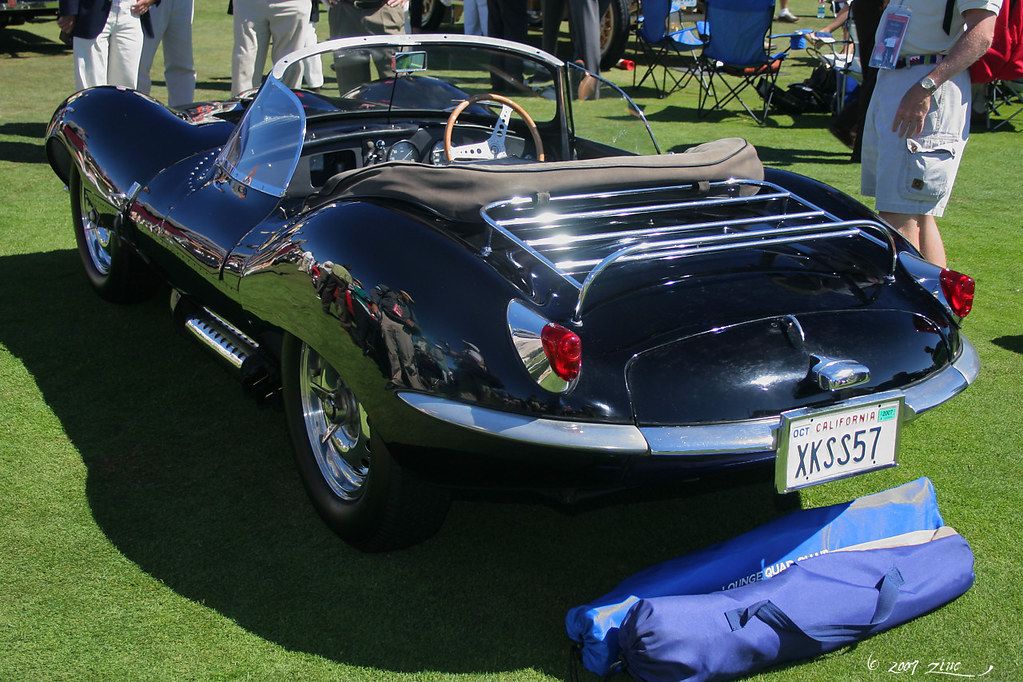
9. **1957 Jaguar XKSS**Few vehicles command the immediate reverence and desire of the 1957 Jaguar XKSS, widely recognized as one of the rarest and most coveted sports cars ever conceived. Born as a road-friendly adaptation of the legendary Jaguar D-Type race car, its lineage is steeped in motorsport glory, yet its destiny was to conquer the open road. Originally, a mere 16 units of this exquisite machine were produced, and tragically, it is believed that only 12 survive to this day, making each existing example an automotive relic of profound significance.
The genesis of the XKSS is a fascinating tale of adaptation and entrepreneurial vision. Following the 1956 racing season, a number of completed D-Type racing cars remained unsold. In a stroke of genius, Sir William Lyons of Jaguar made the pivotal decision to convert these formidable racers into street-legal automobiles, specifically targeting the burgeoning American market where high-performance European cars were fiercely popular. This initiative transformed track titans into elegant roadsters, a testament to Jaguar’s agility and foresight.
Further adding to its already impressive allure, the Jaguar XKSS gained legendary status through its association with Hollywood icon Steve McQueen, who famously acquired one for $5,000 in 1958 and was frequently seen piloting it through the streets of Los Angeles. McQueen’s personal XKSS is now valued at an astonishing $30 million, primarily due to its indelible connection to the actor, although original XKSS models generally command between $1.5 million and $1.6 million on their own merits.
The enduring legacy of the XKSS continues to captivate enthusiasts globally. While some pristine examples reside within exclusive private collections, the public has a rare opportunity to marvel at one such masterpiece at the Petersen Automotive Museum in Los Angeles. Moreover, Jaguar paid homage to this storied model by building and launching the final nine XKSS units in 2016, meticulously crafted to the exact specifications of the originals, ensuring its legend endures for generations to come.
Read more about: Unearthing Automotive Gold: These Rare Classic Car Parts Command Fortunes in the Collector’s Market

10. **1931 Bugatti Royale Kellner Coupe**Stepping back into an era of unparalleled automotive opulence, we encounter the 1931 Bugatti Royale Kellner Coupe, a vehicle so grand it was conceived exclusively for royalty. The Type 41, better known as the Royale, was a monumental luxury car built between 1927 and 1933, a testament to Ettore Bugatti’s boundless ambition. Weighing approximately 7,000 pounds and powered by an enormous 12.763-liter straight-eight engine, it remains one of the largest-engined cars ever built, dwarfing even modern luxury vehicles like the Rolls-Royce Phantom by a significant margin.
Ettore Bugatti’s grand vision was to produce 25 of these magnificent machines, positioning them as “the most luxurious car ever” for Europe’s elite. However, fate intervened with the onset of the Great Depression, which severely curtailed the market for such extravagant automobiles. Consequently, only six units of the Royale were ultimately completed, with a mere three finding buyers during their initial offering, an astonishingly low number that underscores its profound scarcity.
Even in its initial production, the chassis alone commanded an exorbitant price of $30,000, a sum that in the 1930s represented an immense fortune. Today, the surviving six examples are revered as automotive deities, with most finding their homes in prestigious museums or the most exclusive private collections. Their sheer size, combined with an unofficial designation as one of the most stylish cars ever created, elevates them beyond mere transport to the realm of rolling sculpture.
The Bugatti Royale Kellner Coupe’s monumental valuation reflects its singular status in automotive history. While Forbes reported a price tag of $10 million in 2001, a specific sale in 1987 saw one fetch $9.7 million at auction, according to CarBuzz. This extraordinary price solidifies its position among the world’s most expensive and rare classics, a poignant reminder of an era when automotive ambition knew no bounds, even in the face of economic adversity.
Car Model Information: 2017 Honda Accord Touring
Name: Bugatti Type 41
Caption: 1929 Type 41 “Coupé Napoléon”
Manufacturer: Bugatti
Aka: Bugatti Royale
Production: 1927–1933,7 built
Assembly: Molsheim,Alsace
Class: Luxury car
BodyStyle: Berline, coupé, cabriolet, roadster, brougham, coupé de ville
Layout: Front-engine, rear-wheel-drive
Engine: 12763 cc
Abbr: on
Transmission: Manual transmission
Wheelbase: 4.3 m
Length: 6.4 m
Width: 2.1 m
Weight: 3175 kg
Categories: 1930s cars, All articles needing additional references, All articles with vague or ambiguous time, Articles needing additional references from December 2019, Articles with short description
Summary: The Bugatti Type 41, better known as the Royale, is a large ultra-luxury car built by Bugatti from 1927 to 1933, With a 4.3 m (169.3 in) wheelbase and 6.4 m (21 ft) overall length, it weighs approximately 3,175 kg (7,000 lb) and uses a 12.763 litre (778 cu in) straight-eight engine. For comparison, against the Rolls-Royce Phantom VII (produced from 2003 to 2017), the Royale is about 20% longer, and more than 25% heavier. This makes the Royale one of the largest cars in the world. With a production run of just seven vehicles, it is both one of the rarest and most expensive.
Ettore Bugatti planned to build twenty-five of these cars and sell them to royalty as the most luxurious car ever, but the Great Depression undermined his effort: only three of the seven made were sold; six still exist, with one wrecked in a crash. Unused engines were installed in newly constructed high-speed railcars for the French National Railway (SNCF).
Get more information about: Bugatti Royale
Buying a high-performing used car >>>
Brand: Bugatti Model: Royale Kellner Coupe
Price: $19,960 Mileage: 86,317 mi.
Read more about: Hidden Gems: 18 Incredibly Rare Cars You Won’t Believe Exist
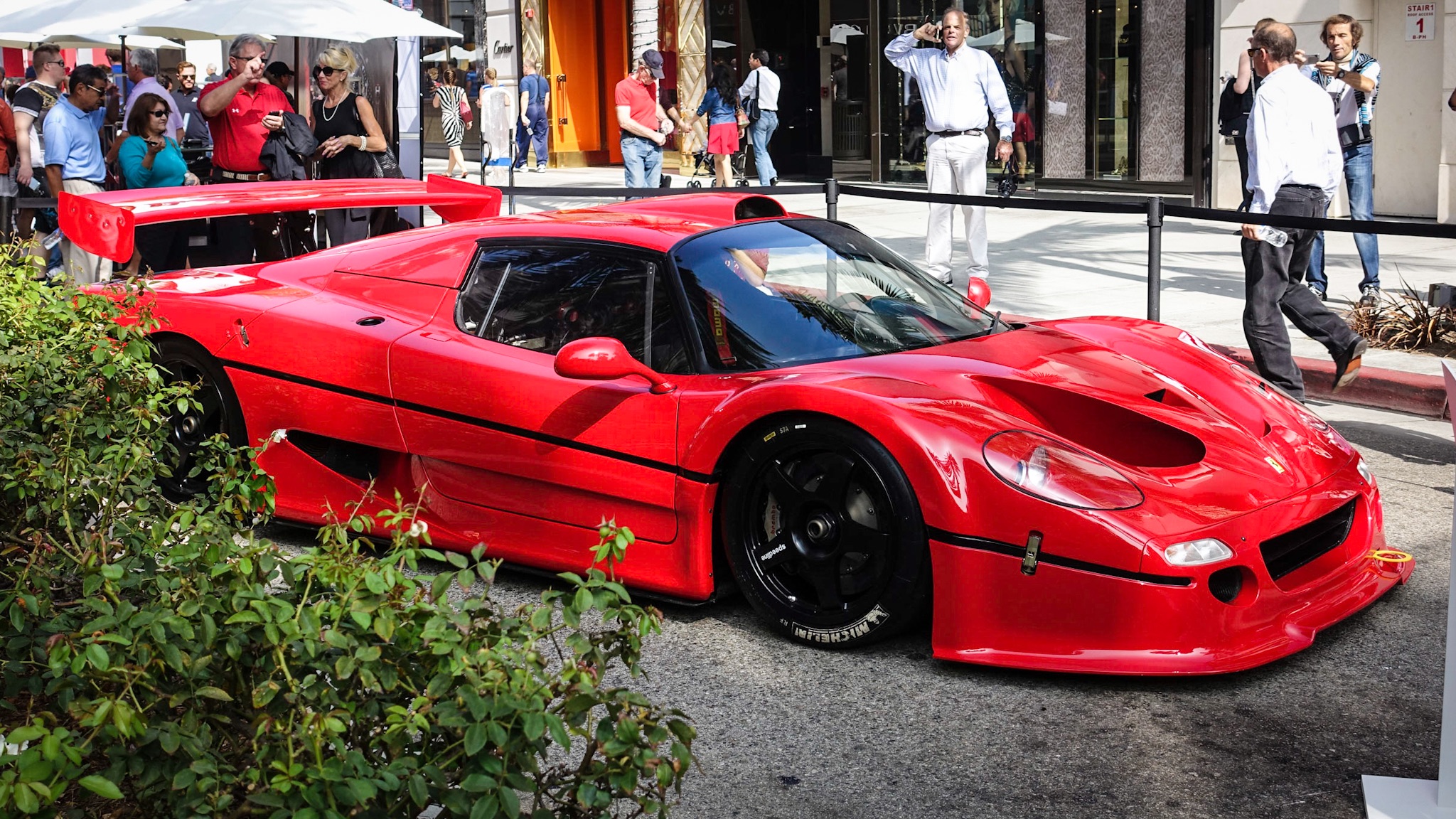
11. **1996 Ferrari F50 GT**From the pantheon of Ferrari legends emerges the 1996 Ferrari F50 GT, a formidable machine crafted with a singular purpose: to dominate the BPR Global GT Series. Conceived as a track-focused evolution of the celebrated F50, this vehicle represented Ferrari’s unwavering commitment to motorsport and extreme performance. However, fate, or perhaps a shift in competitive landscape, intervened, leading to the unfortunate abandonment of the project before the F50 GT ever had the chance to grace the race circuits it was destined to conquer.
This unfulfilled racing destiny, paradoxically, contributes significantly to the F50 GT’s profound rarity and almost mythical status. Only three units of this exceptional Ferrari were ever produced, a number that makes it one of the most exclusive and sought-after models in the marque’s illustrious history. Each of these three cars is a tangible whisper of what could have been, embodying the pinnacle of 1990s Ferrari racing technology and design, meticulously engineered for blistering speed and uncompromising agility.
Despite never competing in an official capacity, the 1996 Ferrari F50 GT is revered with an almost religious fervor among dedicated Ferrari enthusiasts and discerning collectors worldwide. Its extreme scarcity, coupled with the inherent allure of unfulfilled potential and the raw, untamed performance it promised, ensures its place as a jewel in any serious collection. It stands as a powerful symbol of Ferrari’s relentless pursuit of automotive perfection, a magnificent testament to a racing dream that, though unrealized on track, lives on in the hearts of connoisseurs.
Car Model Information: 2017 Honda Accord Touring
Name: Ferrari F50 GT
Caption: Chassis #001 on Rodeo Drive, Beverly Hills, 2014
Category: Group GT1
Constructor: Ill
Designer: Ill
Production: 3
Predecessor: Ferrari F40
Successor: Ferrari FXX
Length: cvt
Width: cvt
Height: cvt
Wheelbase: cvt
EngineName: Ferrari 641
Capacity: cvt
Configuration: V12 engine
EnginePosition: Rear mid-engine, rear-wheel-drive layout
Gears: 6
TransmissionType: sequential manual transmission
Power: cvt
Torque: cvt
Weight: 909.4 kg
Abbr: on dry
Categories: All articles to be merged, Articles to be merged from July 2025, Articles with short description, Ferrari vehicles, Rear mid-engine, rear-wheel-drive vehicles
Summary: The Ferrari F50 GT (also known as the Ferrari F50 GT1) is a racing derivative of the Ferrari F50, intended to compete in the BPR Global GT Series against other series rivals, such as the McLaren F1 GTR. After the series folded, Ferrari was unhappy with homologation specials such as the Porsche 911 GT1 being allowed in the newly formed FIA GT Championship and decided to cancel the project due to lack of funding to compete.
The car was co-developed with Dallara and Michelotto.
Get more information about: Ferrari F50 GT
Buying a high-performing used car >>>
Brand: Ferrari Model: F50 GT
Price: $19,960 Mileage: 86,317 mi.
Read more about: 14 Luxury Cars Quietly Going Out of Style: An In-Depth Look at Automotive Evolution

12. **1954 Packard Panther-Daytona Roadster**Our journey takes an intriguing detour into American automotive ingenuity with the 1954 Packard Panther-Daytona Roadster, a vehicle of extraordinary rarity that represents a unique chapter in Packard’s storied history. This distinctive model was produced in an astonishingly limited run of just four units, originally conceived with the evocative name “The Grey Wolf II.” Such minuscule production numbers instantly cement its status as a collector’s dream, a truly seldom-seen marvel.
The Panther-Daytona Roadster was a testament to innovative design and engineering for its era. It boasted a sleek, one-piece fiberglass body, a revolutionary material choice that underscored Packard’s forward-thinking approach. Powering this elegant machine was an inline-8 engine, generating a respectable 212 horsepower, enabling it to achieve impressive speeds of up to 131 mph. These specifications, combined with its striking aesthetics, marked it as a significant, albeit exclusive, offering in the post-war American luxury car market.
Today, the scarcity and unique historical context of the 1954 Packard Panther-Daytona Roadster translate into a considerable valuation among collectors. Its infrequent appearances at auction are met with intense interest, reflecting its desirability as a tangible piece of automotive heritage. One notable sale in 2013 saw an example fetch $825,000, underscoring its enduring appeal and its significant place in the narrative of American automotive innovation and luxury.
Car Model Information: 2017 Honda Accord Touring
Categories: All articles with dead external links, Articles with dead external links from July 2025, Articles with permanently dead external links, CS1 errors: generic name, Commons category link is locally defined
Summary: The Packard Panther is a concept car built in 1954 by Packard and was displayed at auto shows to showcase some of the ideas the automaker was considering for its production models. This show car was first named the “Grey Wolf” and also called the “Packard Daytona”. A total of four Panthers were built.
Get more information about: Packard Panther
Buying a high-performing used car >>>
Brand: Packard Model: Panther-Daytona Roadster
Price: $19,960 Mileage: 86,317 mi.

13. **1971 Plymouth Hemi ‘Cuda Convertible**For enthusiasts of raw American power and iconic muscle car design, the 1971 Plymouth Hemi ‘Cuda Convertible stands as an undisputed legend. This particular variant is celebrated as one of the rarest muscle cars ever manufactured, a true apex predator of its era. With fewer than a dozen units ever produced, its extreme scarcity elevates it far beyond a mere vehicle, transforming it into a revered symbol of American automotive prowess and a profoundly coveted collector’s item.
Powered by the legendary Hemi engine, synonymous with uncompromising performance, this ‘Cuda Convertible delivered an exhilarating driving experience that defined an entire generation of high-octane motoring. Its aggressive styling, combined with the thunderous roar of its V8, made it an unmistakable presence on both road and track, etching its image into the collective consciousness of car aficionados.
The monumental rarity of the 1971 Plymouth Hemi ‘Cuda Convertible has fueled an astronomical surge in its market value over the decades. Opportunities to acquire one are exceptionally rare and fiercely competitive, often resulting in headline-making sales. One prime example fetched an incredible $3.2 million at a Mecum auction, a testament to its unparalleled desirability, its iconic status within muscle car lore, and the insatiable passion of collectors for these powerful pieces of American history.
Car Model Information: 2017 Honda Accord Touring
Caption: 1970 Hardtop Coupe
Name: Plymouth Barracuda
Manufacturer: Plymouth (automobile)
Production: 1964–1974
Assembly: Fenton, Missouri,Hamtramck, Michigan,Maywood, California,Windsor, Ontario
Layout: Front-engine, rear-wheel drive layout
Class: Pony car
Categories: 1970s cars, All articles with dead external links, All articles with unsourced statements, Articles with dead external links from February 2018, Articles with dead external links from January 2022
Summary: The Plymouth Barracuda is a two-door pony car that was manufactured by Chrysler Corporation from 1964 through 1974 model years.
The first-generation Barracuda was based on the Chrysler A-body and was offered from 1964 until 1966. A two-door hardtop (no B-pillar) fastback design, it shared a great majority of parts and bodywork with the Plymouth Valiant, except for the distinctive wraparound rear glass.
The second-generation Barracuda, though still Valiant-based, was heavily redesigned. Built from 1967 through 1969, it was available as a two-door in fastback, notchback, and convertible versions.
The third generation, offered from 1970 until 1974, was based on the Chrysler E-body, exclusive to it, and the slightly larger Dodge Challenger. A completely new design, the two-door Barracuda was available in hardtop and convertible body styles.
Get more information about: Plymouth Barracuda
Buying a high-performing used car >>>
Brand: Plymouth Model: Hemi ‘Cuda Convertible
Price: $19,960 Mileage: 86,317 mi.
Read more about: Beyond the Legends: Unearthing 12 Special-Edition Muscle Cars That Demand Recognition
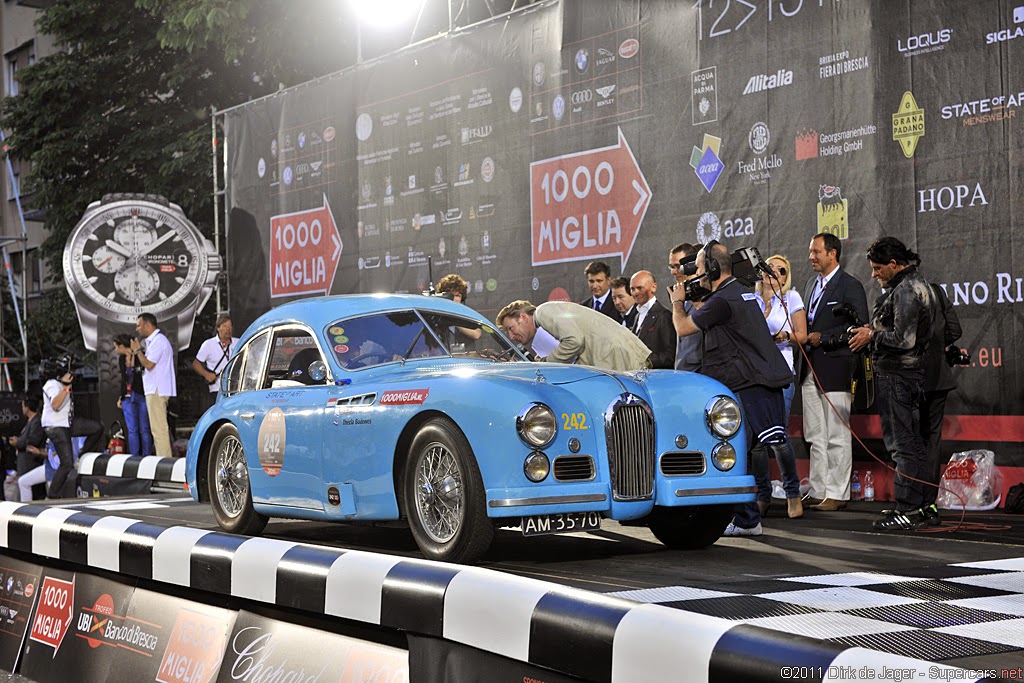
14. **1948-1951 Talbot-Lago T26 Grand Sport**Our journey culminates with another magnificent European classic, the 1948-1951 Talbot-Lago T26 Grand Sport, a vehicle that perfectly embodied post-war luxury and high-performance engineering. This elegant automobile was produced in extremely limited numbers, with only 12 units ever leaving the factory, making each surviving example a precious testament to French automotive artistry and a highly sought-after prize for discerning collectors.
Beyond its opulent aesthetics and bespoke craftsmanship, the Talbot-Lago T26 Grand Sport boasts a formidable racing pedigree that adds immeasurable depth to its historical significance. This very model made an indelible mark in motorsport history by achieving a stunning victory at the prestigious 1950 Le Mans 24-hour race, a monumental achievement that cemented its reputation as a true performance icon and a testament to its robust engineering and enduring reliability.
Today, the 1948-1951 Talbot-Lago T26 Grand Sport continues to captivate and inspire. One of these rare classics is proudly displayed at the Simeone Foundation Automotive Museum, offering the public a chance to witness its grandeur and historical importance firsthand. Other examples are carefully preserved within private collections, ensuring that the legacy of this powerful and luxurious post-war masterpiece, with its remarkable blend of elegance and racing glory, endures for generations to appreciate.
In this exclusive world where mechanical artistry meets boundless passion, these rare automobiles are far more than mere machines; they are narratives cast in metal, glass, and leather. Each exquisite model, from the audacious modern hypercars to the stately pre-war masterpieces, represents a pinnacle of human ingenuity, design, and a dedication to automotive perfection that transcends generations.
Car Model Information: 2017 Honda Accord Touring
Name: Talbot-Lago
Logo: Talbot brand logo 1954.png
LogoSize: 150
Type: Société Anonyme
Industry: automotive industry
Fate: Simca
Predecessor: Automobiles Talbot France
Founded: 1936
Founder: Antonio Lago
Defunct: [object Object]
HqLocationCity: Suresnes
HqLocationCountry: France
Products: car,auto racing
Brands: Talbot
Categories: Articles with short description, CS1 French-language sources (fr), Commons category link from Wikidata, Defunct motor vehicle manufacturers of France, Formula One constructors
Summary: Talbot-Lago was a French automobile manufacturer based in Suresnes, Hauts de Seine, outside Paris. The company was owned and managed by Antonio Lago, an Italian engineer that acquired rights to the Talbot brand name after the demise of Darracq London’s subsidiary Automobiles Talbot France in 1936.
Under Lago’s managing, the company produced a range of automobiles that included sport and racing cars; in some cases, the bodies of the vehicles were designed by coachbuilding companies such as Figoni et Falaschi. Talbot-Lago faced financial problems; as a result, Lago sold the company to Simca in 1959.
Get more information about: Talbot-Lago
Buying a high-performing used car >>>
Brand: Talbot-Lago Model: T26 Grand Sport
Price: $19,960 Mileage: 86,317 mi.
For the elite circle of collectors, the quest for these vehicles is a profound journey, a pursuit driven by an appreciation for unparalleled craftsmanship and the fascinating stories each car holds. While their exorbitant values and extreme scarcity mean they remain largely out of reach for most, their enduring presence in museums and private sanctuaries ensures that their remarkable legacies will continue to inspire, reminding us of the timeless allure and power of automotive dreams made real. These are not just cars; they are enduring works of art, preserved for posterity, each a vital chapter in the grand saga of luxury motoring.