Whenever a film proudly declares itself “based on a true story,” a little flicker of suspicion often ignites within us. Hollywood, after all, has a well-earned reputation for bending historical truths, whether it’s to spice up a plot, simplify complex events, or perhaps even merge several real people into one convenient composite character. It’s an understandable creative license, but it certainly leaves us wondering how much of what we see on screen is genuinely reflective of the past.
But fear not, fellow history enthusiasts and cinematic connoisseurs! While many biopics and historical dramas do indeed play fast and loose with the facts, there’s a distinguished collection of films that went above and beyond. These are the movies where the filmmakers became veritable time travelers, obsessively ensuring that every detail, from the grandest battles to the smallest surgical tools, aligned as closely as possible with the historical record. It’s these triumphs of accuracy that we’re here to celebrate today, offering you a meticulously curated list of cinematic journeys that truly got it right.
Join us as we embark on a fascinating expedition through the annals of cinema, uncovering the dedication, research, and sheer passion that brought these pivotal moments and forgotten worlds vividly back to life. Prepare to have your curiosity piqued and your understanding of history deepened, all without needing a time machine – just a comfortable couch and a screen.
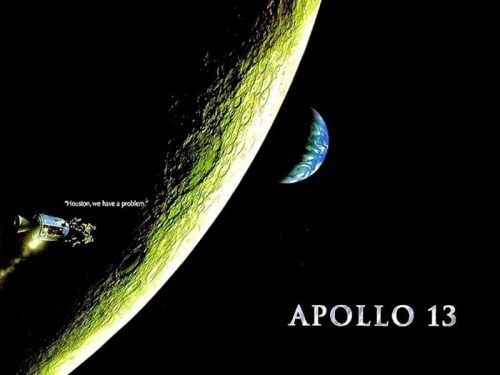
1. Apollo 13 (1995)
Ron Howard’s “Apollo 13” is widely regarded as one of the most historically accurate space movies ever made, a meticulous retelling of NASA’s near-tragedy in 1970. The film faithfully captured the nail-biting events surrounding the third attempt at a lunar landing that famously went awry when an onboard explosion wreaked havoc on the rocket, forcing the astronauts to abort their moon mission and desperately try to return to Earth. Their perilous journey home, a testament to human ingenuity and resilience, was recreated with astonishing fidelity.
To achieve this remarkable level of accuracy, the production staff was granted extensive access to NASA mission transcripts and invaluable technical advisers. This close collaboration ensured that the intricate procedures, the tense communications, and the desperate problem-solving efforts depicted in the film mirrored the real-life events as closely as possible. It was a commitment to realism that paid dividends, making every moment on screen feel authentically high-stakes.
One of the film’s most impressive feats was its innovative approach to capturing zero gravity. Rather than relying heavily on special effects, scenes were ingeniously shot on the KC-135 “vomit comet” aircraft. This unique training aircraft, used by NASA to prepare astronauts for a zero-gravity environment, allowed the actors to genuinely experience and portray weightlessness, adding an unparalleled layer of realism to the space sequences that is hard to replicate with green screens.
NASA scientist Rick Elphic himself was deeply impressed by the film’s technical excellence, specifically praising its depiction of the zero G conditions and the actual spacecraft explosion. He noted that the film’s portrayal of the flight’s realism was spot-on, avoiding the exaggerations often seen in other movies that seek to heighten drama artificially. Elphic gave “Apollo 13” high marks not just for its compelling drama and storytelling, but equally for its effects and historical accuracy.
Further cementing its authenticity, director Ron Howard involved David Scott, an astronaut from the Apollo 15 mission, as a key technical adviser. Scott’s firsthand experience and insights were crucial in guiding many of the film’s technical aspects, ensuring that everything, from the smallest button push to the overall atmosphere of the mission, resonated with genuine astronaut experience. This dedication to detail, from expert consultation to practical effects, made “Apollo 13” a shining example of historical accuracy in cinema.
Read more about: Full Of Masculinity: 15 Must-See Movies That Will Seriously Level Up Your Guy Code
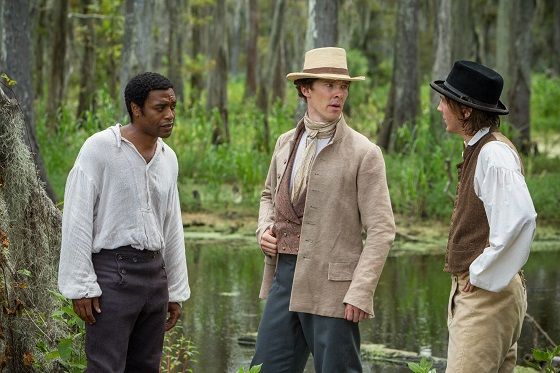
2. 12 Years a Slave (2013)
Steve McQueen’s acclaimed film “12 Years a Slave” brought to vivid and harrowing life the extraordinary memoir of Solomon Northrup, a free Black man from New York who was tragically kidnapped and sold into slavery in 1841. Northrup authored his powerful account in 1853, and a century and a half later, his experiences became the raw, unflinching foundation for a film that earned widespread critical praise for its fidelity to this brutal chapter of American history.
What truly sets this film apart in its commitment to historical accuracy is its extensive use of Northrup’s original language from his memoir. The screenplay meticulously incorporates passages and dialogue directly from his written account, imbuing the scenes with an undeniable, raw authenticity. This approach allows the audience to confront the harsh realities of slavery through the very words of someone who endured the harrowing experience, bypassing dramatic interpretations to deliver the truth directly.
The film’s power lies not just in its unflinching narrative but also in how it immerses the viewer in the stark brutality and psychological torment of slavery. By retaining the authentic voice of Northrup, the film achieves a level of historical grounding that few other adaptations can claim. It’s a testament to the power of personal testimony and careful adaptation, presenting a history that is both academically sound and emotionally devastating.
Through its faithful adaptation of the memoir, “12 Years a Slave” ensures that the audience witnesses the injustices and dehumanization precisely as Northrup documented them. The film portrays the systematic dismantling of his freedom, his arduous journey through various plantations, and the constant struggle for survival and dignity. This commitment to the source material makes it an indispensable historical document as much as a cinematic achievement.
Read more about: Keanu Reeves Broke His Silence On Rumors That He Secretly Wed Alexandra Grant
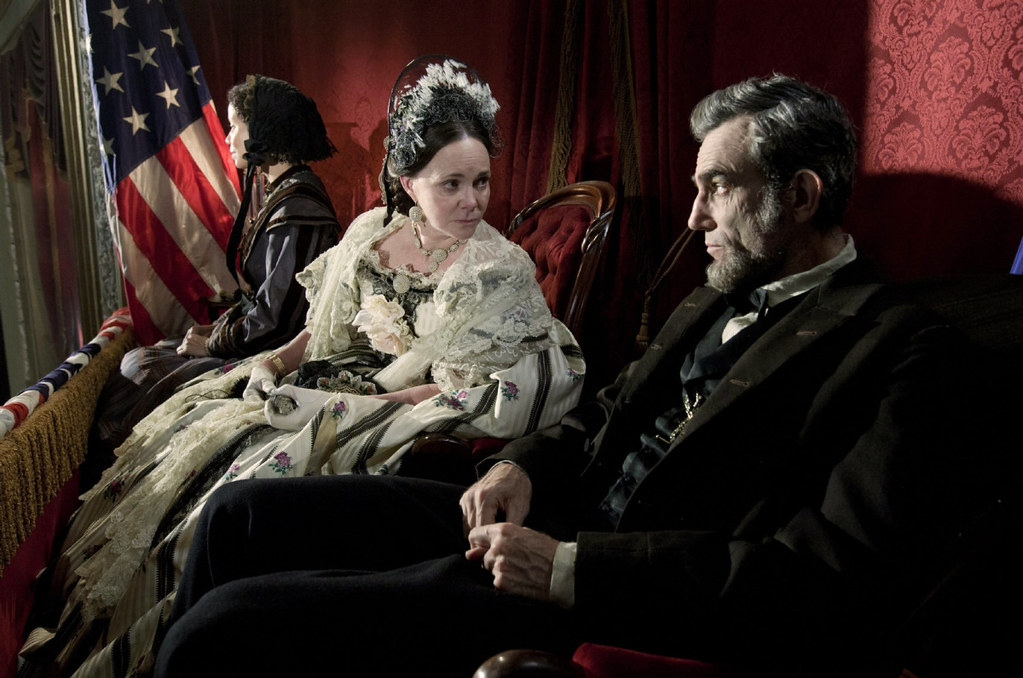
3. Lincoln (2012)
Steven Spielberg’s “Lincoln” doesn’t claim that “every word” is historically true, as noted by historian and author Ronald White, but it masterfully captured the “dramatic core” of the arduous months dedicated to passing the 13th Amendment to the Constitution. This monumental effort, aimed at abolishing slavery, forms the narrative backbone of a film celebrated for its insightful portrayal of political maneuvering and the character of one of America’s most iconic presidents.
Particular highlights of the film’s accuracy include its detailed depiction of William Seward’s intricate lobbying efforts. Seward, Lincoln’s Secretary of State, played a crucial role in securing the votes necessary for the amendment’s passage, employing a combination of persuasion, promises, and political bargaining. The film illuminates these behind-the-scenes machinations, showing the gritty reality of legislative triumphs.
Equally compelling is the film’s characterization of the fiery abolitionist Thaddeus Stevens. Played by Tommy Lee Jones, Stevens is portrayed with a complex mix of principle and pragmatism, his unwavering commitment to equality clashing with the political realities of the time. The film captures his powerful rhetoric and his relentless pursuit of justice, offering a nuanced view of a pivotal historical figure.
And, of course, no discussion of “Lincoln” would be complete without acknowledging Daniel Day-Lewis’s transformative portrayal of Abraham Lincoln himself. White described Day-Lewis’s performance as “about as perfect as it gets,” even noting that the actor meticulously recreated Lincoln’s distinct walk and manner of speech. This dedication to embodying the historical figure, combined with the screenplay’s focus on the legislative struggle, grounds the film deeply in its historical context, making it a compelling lesson in American history.
Read more about: Built to Crash? A Deep Dive into 12 Cars That Failed Key Safety Tests

4. Downfall / Der Untergang (2004)
“Downfall,” or “Der Untergang,” is a powerful and claustrophobic film that seeks to reconstruct the final ten days of Adolf Hitler’s life within his Berlin bunker in 1945. This German production stands as a chilling testament to historical accuracy, largely due to its source material: the memoirs of Hitler’s personal secretary, Traudl Junge. Her firsthand accounts provided an invaluable framework for detailing the psychological unravelling and the desperate final acts of the Nazi regime.
The film’s accuracy is reinforced through its meticulous production design. The claustrophobic set design effectively recreates the oppressive atmosphere of the bunker, conveying the isolation and paranoia that gripped its occupants. Furthermore, the uniforms worn by the characters are accurate and period-appropriate, adding another layer of visual authenticity to the grim narrative.
Bruno Ganz’s intense and unforgettable portrayal of Hitler is central to the film’s impact. Ganz delved deep into historical records and medical accounts to embody the dictator’s deteriorating physical and mental state, capturing the nuances of his rages, his delusions, and his eventual resignation. This performance, combined with the detailed setting, vividly retells the dictator’s downfall with an unsettling realism.
“Downfall” meticulously details the bunker’s hierarchy, the desperate attempts to cling to power, and the grim reality facing those who remained loyal to Hitler until the very end. The film captures the palpable sense of doom and the chilling fanaticism that permeated the bunker in those final moments, offering an unparalleled look into the inner sanctum of a collapsing regime. It’s a stark, uncompromising piece of cinema that brings history to life in a way that is both educational and deeply disturbing.
Read more about: Unveiling History’s Lens: A Deep Dive into the 10 Most Historically Accurate World War II Movies
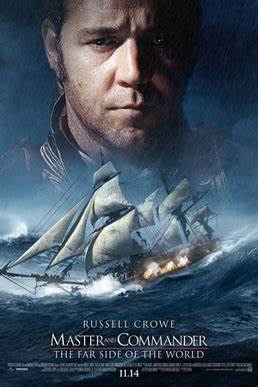
5. Master And Commander: The Far Side Of The World (2003)
In a fascinating twist of fate, “Master And Commander: The Far Side Of The World” achieved a level of historical accuracy that, ironically, may have surpassed its fidelity to the fictional novel it was based upon. This maritime epic, set during the Napoleonic Wars, is revered not just for its thrilling action but for its astonishing commitment to depicting early 19th-century naval military history with painstaking detail, immersing audiences in the harsh realities of life at sea during that era.
The film’s production team went to extraordinary lengths to ensure authenticity, focusing on every minute detail of the ship, the uniforms, and the daily life onboard. The details of the HMS Surprise, from its rigging to its internal layout, were meticulously researched and reproduced. This dedication extended to the smallest elements, ensuring that the vessel itself became a historically accurate character in the narrative.
Furthermore, the costumes worn by the crew were exact matches for those used in the period, moving beyond generic naval attire to reflect the specific styles and materials of the early 19th century. Even the surgical tools used on a 13-year-old midshipman in one particularly memorable scene were identified as historically accurate in a New York Times review by Jason Epstein. These precise details contributed significantly to the film’s immersive quality, making the world of the HMS Surprise feel incredibly real.
Beyond the tangible artifacts, the film also captured the intricate routines, disciplinary measures, and hierarchical structure of a British naval vessel. The interactions between officers and crew, the scientific observations, and the sheer grit required to navigate and fight at sea during that period are all portrayed with a realism that resonated deeply with historians and naval enthusiasts. “Master And Commander” serves as a masterclass in historical world-building, where the environment itself speaks volumes about the past.
Read more about: Roger Ebert’s Sci-Fi Shakedown: The 10 Cinematic Blunders He Just Couldn’t Stand
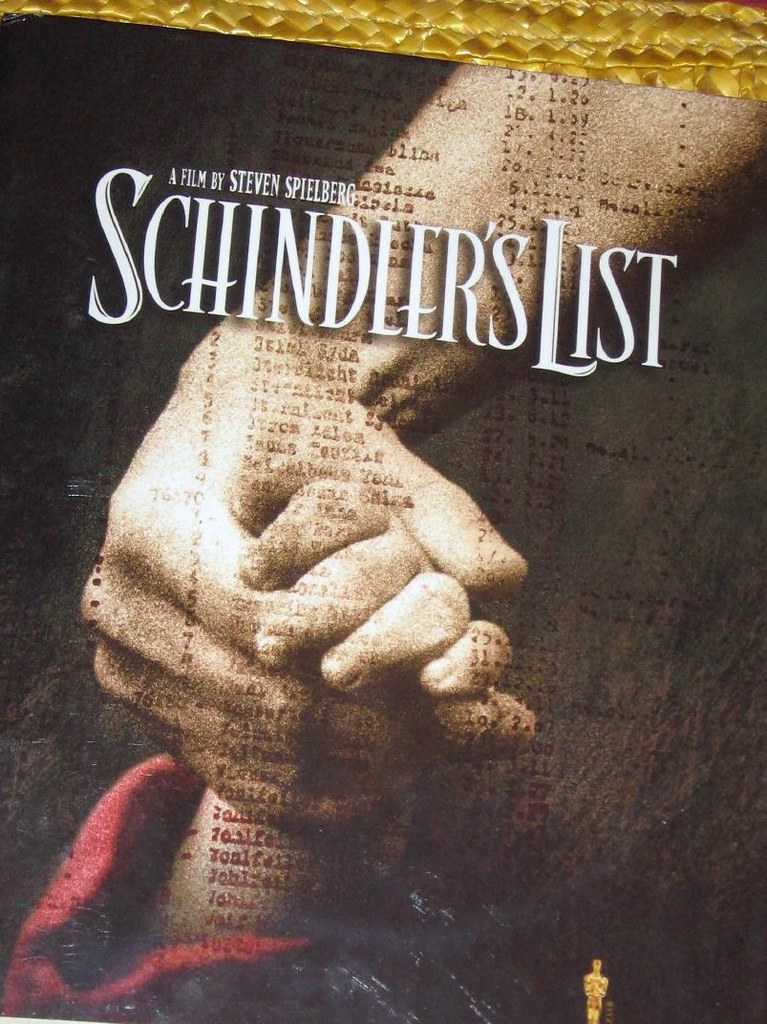
6. Schindler’s List (1993)
Steven Spielberg’s seminal “Schindler’s List” stands as a powerful and enduring testament to the Holocaust, largely faithful in its retelling of Oskar Schindler, a German industrialist who courageously saved over a thousand Jews from extermination by employing them in his factories. While the film, like any narrative adaptation, fictionalizes some small details for dramatic flow, its core story and emotional truth remain profoundly accurate, resonating with the grim realities of one of history’s darkest periods.
A crucial aspect of the film’s authenticity stemmed from the fact that it was shot while many Holocaust survivors were still alive. Spielberg and his film crew made extensive efforts to work directly with these survivors, integrating their firsthand accounts into the film’s direction and narrative. This invaluable collaboration ensured that the atrocities, the small acts of resistance, and the sheer human will to survive were depicted with an unparalleled degree of accuracy and sensitivity.
By grounding the narrative in real survivor testimonies, the film transcended mere historical reconstruction, achieving a harrowing emotional authenticity. The details shared by those who lived through the Holocaust informed everything from the visual design of the ghettos and concentration camps to the subtle behaviors and dialogues of the characters, making the film a living memorial to their experiences and losses.
“Schindler’s List” depicts not just Schindler’s remarkable actions but also the systematic brutality of the Nazi regime, including the horrors of the liquidations of ghettos and the dehumanizing conditions in the camps. Its commitment to factual and emotional accuracy, combined with its black-and-white cinematography, lends it a documentary-like quality that leaves an indelible impression on viewers, serving as a powerful educational tool for future generations.
Read more about: Unveiling History’s Lens: A Deep Dive into the 10 Most Historically Accurate World War II Movies
7. The Witch (2015)
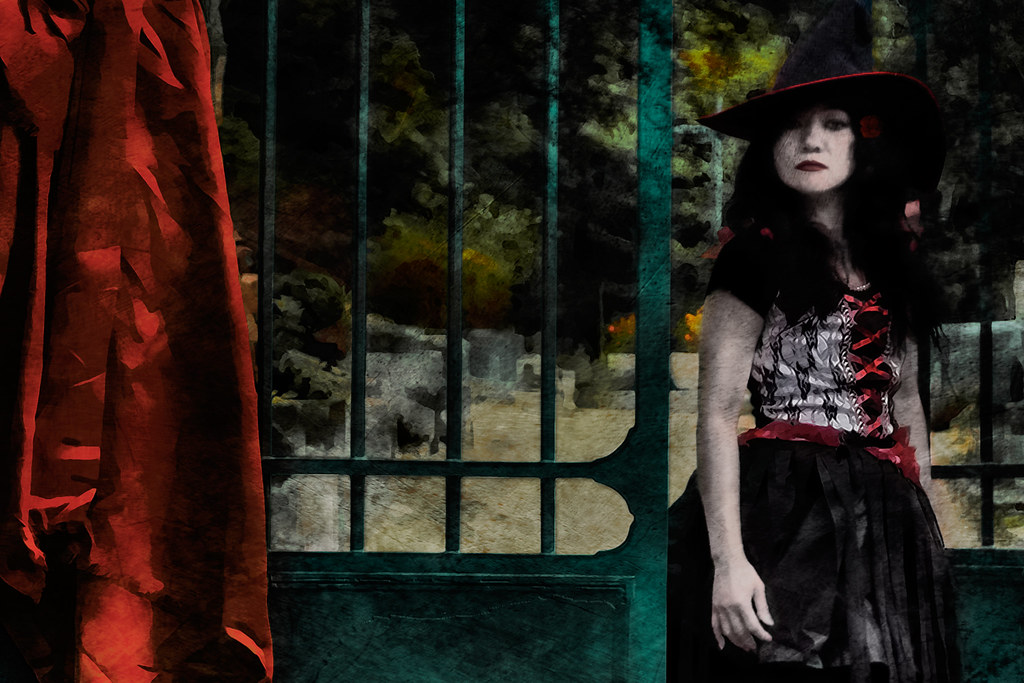
“The Witch,” beyond being a widely acclaimed horror film, has also garnered significant praise for its exceptional historical accuracy. Set in 17th-century New England, the film meticulously captures the austere character of Puritan life and the prevalent scarcity that defined the era. As Merrill Fabrey noted in TIME, this dedication to historical detail is particularly reflected in the film’s environmental and cultural portrayals.
Director Robert Eggers, known for his commitment to authenticity, went to great lengths to ensure that the setting and atmosphere were period-appropriate. He notably used only natural light and candlelight during filming, immersing both the cast and the audience in the genuine visual experience of a 17th-century homestead. This decision eliminated artificiality, lending an unparalleled sense of realism to the film’s stark and isolated environment.
The fears and frustrations that plague the film’s characters were not conjured from modern anxieties but were deeply rooted in primary sources from the period. Eggers researched extensively into Puritan beliefs, superstitions, and the anxieties of early colonial life, ensuring that the characters’ spiritual and psychological struggles accurately reflected the historical mindset. This foundation makes the horror resonate on a deeper, culturally specific level.
By meticulously recreating the daily routines, the religious fervor, and the pervasive fear of the unknown that characterized early New England settlements, “The Witch” offers a compelling and accurate glimpse into a challenging historical period. The film illustrates how environmental harshness, religious dogma, and societal isolation could fuel suspicion and paranoia, making the unfolding tragedy feel chillingly inevitable and historically plausible.
As we continue our cinematic time travel, prepare to dive into another fascinating collection of films that didn’t just get history right, they brought it intimately to life. This next set of masterpieces excels in unearthing specific, often deeply personal, narratives and human experiences that shaped the past, leveraging everything from individual memoirs to meticulous character studies. If you thought the broad strokes of history were captivating, just wait until you see the finely detailed portraits. Get ready for seven more historically accurate films that genuinely immerse you in specific historical worlds and the lives lived within them.
Read more about: 12 Movies So Unwatchable, People Literally Gave Up Midway Through!
8. Rush (2013)
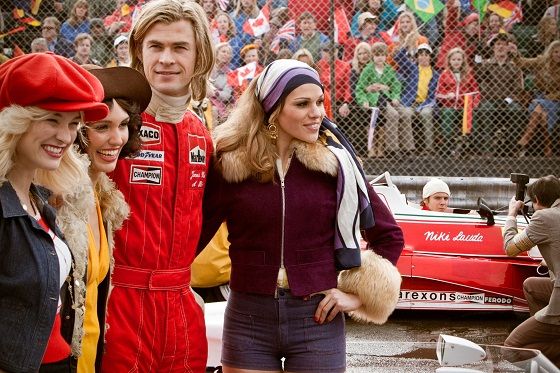
Ever wondered what it was like to be at the heart of one of sport’s most intense rivalries? Ron Howard’s “Rush” zooms into the high-octane world of 1970s Formula 1 racing, pitting two legends, James Hunt and Niki Lauda, against each other. What’s truly impressive is how accurately the film captures the essence of their skills, their distinct personalities – from Hunt’s flamboyant arrogance to Lauda’s calculating brilliance – and their soaring levels of fame during that wild decade. It’s a thrill ride not just for racing fans, but for anyone curious about the human drama behind legendary competition.
“Information Is Beautiful,” a website known for dissecting accuracy, gave “Rush” high marks for its portrayal of the drivers’ attributes. It wasn’t just about the racing; the movie meticulously depicted their respective characters and how they navigated the spotlight. Think of it as a finely tuned engine of historical detail, where even the smallest components contribute to the overall realism.
Beyond the track, the film also delved into Lauda’s relationship with his wife, Marlene. While no film can perfectly recreate private conversations, the movie largely depicts their dynamic with historical fidelity, grounding the larger-than-life sporting narrative in relatable human connections. It’s a testament to how even the most spectacular events are often propelled by very personal stories.
Read more about: Beyond the Screen: 13 Terrifying Horror Movies Rooted in Chilling Real-Life Events
9. All Quiet On The Western Front (2022)
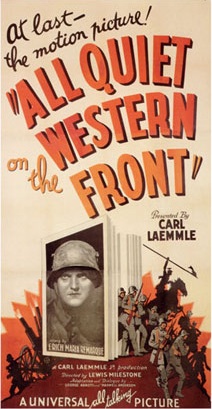
Sometimes, the most profound historical accuracy isn’t found in depicting famous generals or grand strategies, but in the raw, unvarnished experiences of the everyday individual. The 2022 adaptation of “All Quiet On The Western Front” does exactly this, serving as a visceral and unsparing portrayal of life for an average soldier in the trenches of World War I. While its characters may be fictional, their journey is meant to represent the harrowing reality faced by countless young men caught in the grinding machinery of that devastating conflict.
The film’s profound authenticity stems directly from its literary source material. Author Erich Maria Remarque, a veteran of the war himself, based his main character Paul Baumer’s first-person narrative on his own brutal experiences fighting on the front lines. This foundation imbues both the book and the film with an unparalleled sense of truth, allowing viewers to witness the physical and psychological toll of trench warfare through the eyes of someone who truly lived it.
According to Smithsonian Magazine, this direct link to Remarque’s personal history makes the film’s depiction of soldiers’ experiences as accurate as it gets. It’s not just a story *about* the war; it’s a story *from* the war, translated to the screen with a powerful, gut-wrenching commitment to realism. The film doesn’t romanticize combat; it exposes its horror, making it a crucial historical document as much as a cinematic achievement.
Read more about: Beyond the Dutton Ranch: Uncovering Where You’ve Seen Your Favorite Yellowstone Stars Before

10. The Last Emperor (1987)
What happens when a child is thrust onto the throne of an empire, only for that empire to crumble around him? Bernardo Bertolucci’s 1987 epic, “The Last Emperor,” meticulously chronicles the extraordinary life of Puyi, the final emperor of China. This cinematic journey is a masterclass in historical biography, benefiting immensely from an unprecedented level of cooperation from the Chinese government, which even granted access to iconic locations like Beijing’s Forbidden City for filming.
The film’s remarkable accuracy is largely thanks to its unwavering commitment to Puyi’s own real memoirs, which served as a primary source for the narrative. Where the memoirs left gaps, the production team delved into extensive research to fill in the details, ensuring that the broad strokes of Puyi’s turbulent life remained historically grounded. It’s an intimate portrait of a singular figure caught in the maelstrom of immense historical change.
While some minor characters might have been fictionalized to serve the narrative, the core events and the emperor’s personal journey are presented with striking fidelity. From his childhood isolation to his later struggles for identity and survival amidst revolution and war, “The Last Emperor” offers a deeply researched and visually stunning glimpse into a unique historical existence, making complex history both accessible and emotionally resonant.
Read more about: Hollywood’s Timeless Talents: 12 Iconic Actors Still Rocking the Big Screen (and Beyond!)
11. Letters from Iwo Jima (2006)
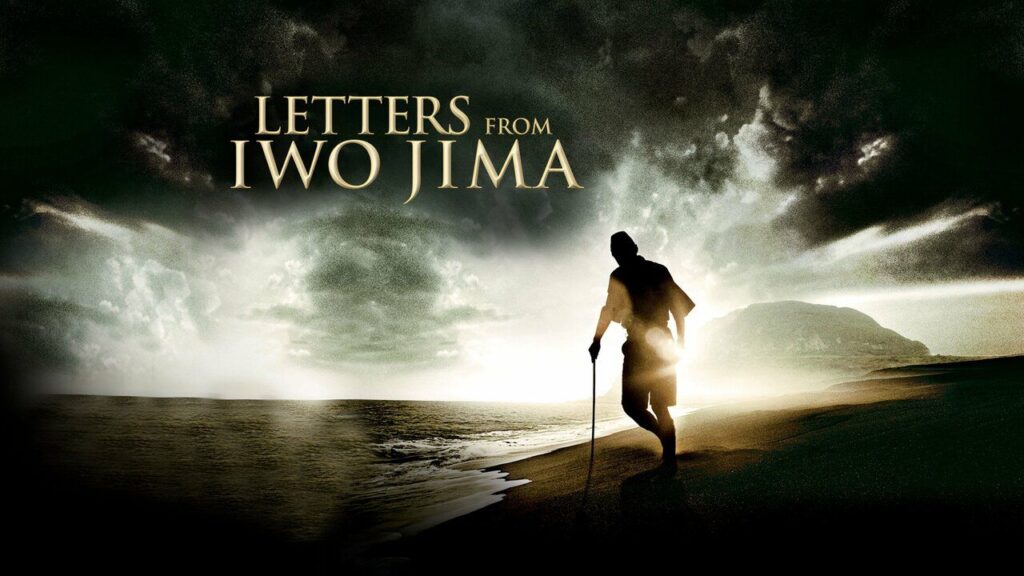
Most war films, especially those from Hollywood, tend to focus on the Allied perspective. But Clint Eastwood’s “Letters from Iwo Jima,” released in 2006, courageously flips the script, offering a powerful and historically grounded view of the fighting from the Japanese perspective during World War II. This shift in viewpoint not only enriches our understanding of the conflict but also provides a more complete, albeit tragic, picture of human experience during wartime.
To achieve this profound level of authenticity, Eastwood and his team relied heavily on historical records, including actual letters and diaries penned by the Japanese troops who fought valiantly at Iwo Jima. A particular focus was placed on the writings of General Tadamichi Kuribayashi, who was tasked with the island’s defense against the formidable American forces. These personal accounts transformed abstract history into deeply human drama.
By immersing itself in these direct testimonies, the film captures the motivations, fears, and desperate resolve of the Japanese soldiers, presenting a nuanced and often heartbreaking counter-narrative. It’s a powerful reminder that history is rarely one-sided and that understanding past conflicts requires empathy for all those involved. “Letters from Iwo Jima” stands as a moving testament to the personal cost of war, regardless of allegiance.
Read more about: Leaving Scars: 14 Iconic War Films That Still Haunt Audiences Decades Later

12. Grave of The Fireflies (1988)
Animated films might not be the first thing that comes to mind when you think of historical accuracy, but Studio Ghibli’s “Grave of The Fireflies” is a profoundly sad and incredibly precise exception. This heart-wrenching film, based on the book of the same name by Akiyuki Nosaka, offers an unflinching depiction of the horrors, gnawing uncertainty, and pervasive scarcity that defined life in Japan during the tumultuous final years of World War II. Its accuracy is rooted in a deeply personal and tragic truth.
The reason for its devastating fidelity? Nosaka based the book on his own agonizing experiences during that era. As Teresa Marasigan of Esquire eloquently put it, the book was Nosaka’s poignant way of processing the immense guilt he carried after losing his younger sister to starvation when he was just 14 years old. This firsthand experience breathes an almost unbearable authenticity into every frame, ensuring the film isn’t merely a depiction, but a personal testimony.
“Grave of The Fireflies” doesn’t just show you the events; it makes you *feel* the desperation, the hunger, and the crushing loss experienced by countless civilians. It’s a stark, powerful reminder of war’s indiscriminate cruelty, brought to life through the most intimate of historical accounts. This film is a raw, emotional journey into a devastating period, ensuring that the personal toll of conflict is never forgotten.
Read more about: The Ultimate Cinematic Showdown: Are Your Favorites Among These 15 Unforgettable War Films?
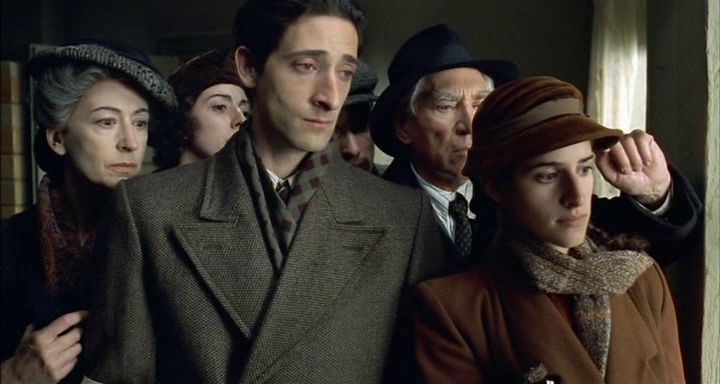
13. The Pianist (2002)
Imagine surviving unimaginable horrors through the sheer power of art. Roman Polanski’s “The Pianist” tells the true, harrowing survival story of Wladyslaw Szpilman, a Jewish pianist living in Nazi-occupied Warsaw during World War II. The film remains remarkably faithful to the events described in Szpilman’s own memoir, resulting in a thoughtful, deeply harrowing, and incredibly accurate cinematic experience that puts you directly into the heart of a city under siege.
Szpilman’s personal account forms the backbone of the narrative, meticulously guiding the film through his experiences of displacement, hiding, and enduring unspeakable atrocities. This unwavering commitment to his memoir ensures that every challenge, every narrow escape, and every moment of despair and resilience feels utterly authentic. It’s an individual’s journey through one of history’s darkest chapters, told with a powerful, unvarnished honesty.
Beyond Szpilman’s central character, the movie also unflinchingly portrays the broader context of the Warsaw Ghetto Uprising and the inhumane treatment inflicted upon Jews in Poland and across Europe. It weaves the personal with the collective tragedy, creating a profound and accurate record of a brutal period, filtered through the extraordinary lens of one man’s will to survive and his enduring connection to music.
Read more about: The Purple Reign: 12 Shocking, Inspiring, and Iconic Moments from the Life of Music Legend Prince
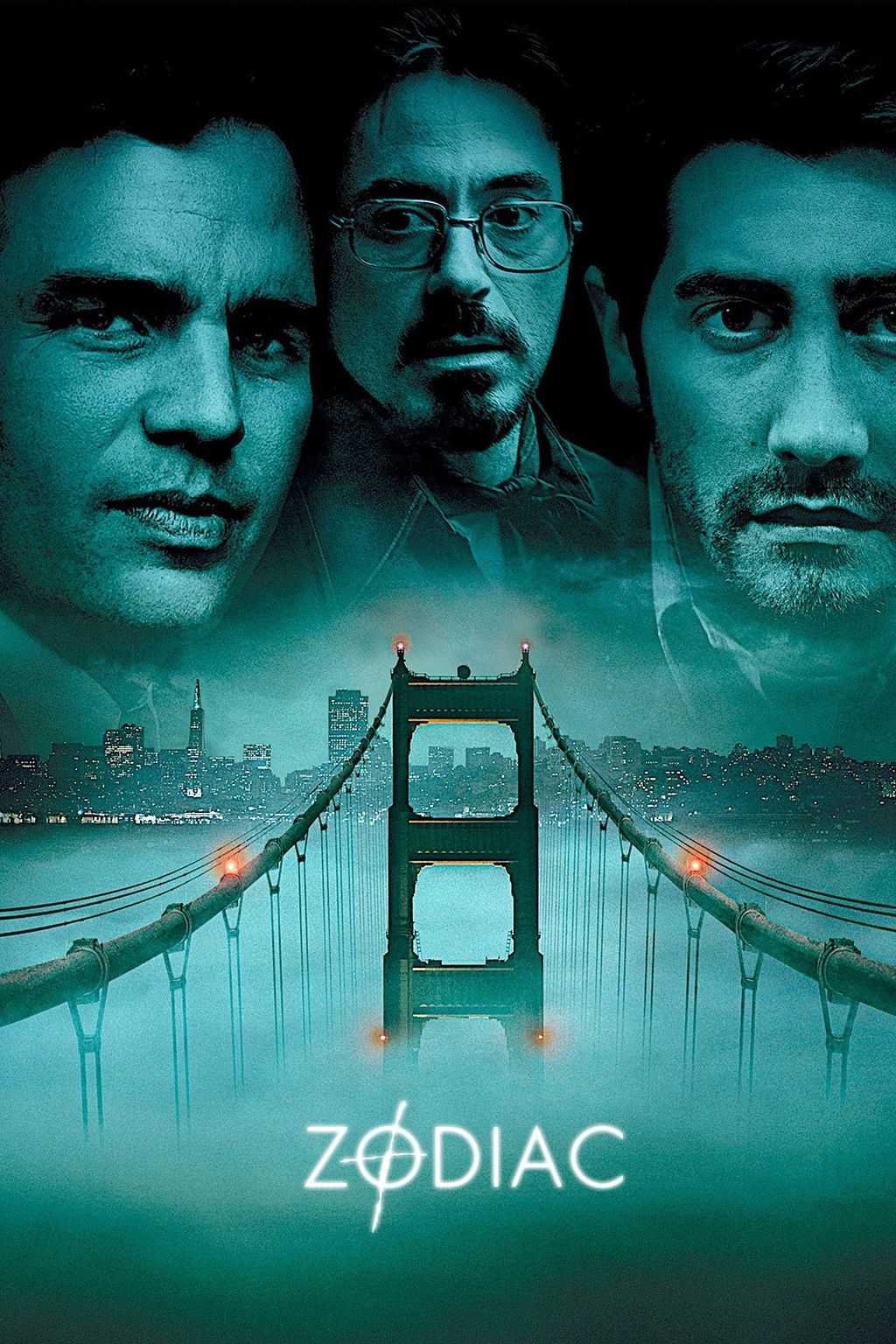
14. Zodiac (2007)
Sometimes, history isn’t about grand battles or political upheavals, but the chilling details of a relentless pursuit. David Fincher’s “Zodiac” chronicles the real-life amateur investigation between 1968 and 1983 by San Francisco cartoonist Robert Graysmith into the infamous Zodiac killer’s slayings. If you’re a fan of true crime that sticks to the facts, this film is your meticulously recreated playground.
Alex von Tunzelmann of The Guardian rightly credits director Fincher for his almost obsessive attention to detail in presenting the facts of the case. Every clue, every letter, every interaction in the film feels like it was lifted directly from the police files and Graysmith’s own research. This isn’t a movie that takes liberties for dramatic effect; it thrives on the inherent tension of a mystery rooted in unsettling reality.
What’s truly admirable is Fincher’s ability to show restraint when those facts are unclear or in dispute. Instead of inventing answers, the film mirrors the real-life ambiguities of the case, emphasizing the frustrating, maddening, and often inconclusive nature of such a prolonged investigation. “Zodiac” isn’t just a movie about a serial killer; it’s an immersive and painstakingly accurate dive into the minds of those who tried to catch him, showcasing a very specific, and deeply unsettling, piece of American history.
Read more about: Beyond the Screen: 13 Terrifying Horror Movies Rooted in Chilling Real-Life Events
From the sweeping sagas of humanity’s greatest triumphs and tragedies to the intimate whispers of individual survival and determination, cinema has proven itself a powerful, and often surprisingly accurate, vehicle for time travel. These films, whether recounting a space mission gone awry or the quiet despair of wartime starvation, remind us that history isn’t just dates and names. It’s the lives lived, the challenges overcome, and the unwavering human spirit that echoes through the ages. So next time you settle in for a historical drama, remember that sometimes, what you’re seeing isn’t just a story – it’s a meticulously crafted window into the past, offering insights that are as entertaining as they are enlightening.