In the vast and ever-evolving landscape of automotive design, few segments spark as much fervent discussion and strong opinion as the minivan. Often cast as the utilitarian workhorse, or perhaps, as the provided context playfully puts it, “the cargo pants of the automotive world,” these vehicles are designed with a singular focus: family utility. Yet, within this segment, there exists a spectrum of success and failure, a range that captivates the discerning eye of any true car enthusiast. We approach these vehicles not just as mere machines, but as complex ecosystems of engineering, comfort, and, critically, reliability. The journey of evaluating them often leads us to ponder the very language we use to articulate their merits and, more often than not, their glaring deficiencies.
Indeed, our passion for cars extends beyond horsepower figures and ergonomic layouts; it encompasses a rigorous, almost academic, assessment of quality. We want to know what makes a vehicle truly exceptional, what defines its excellence. But, perhaps even more keenly, we seek to understand what makes a vehicle fall short. When we encounter a car that disappoints, we instinctively categorize its failures, trying to articulate precisely how it misses the mark. This process of critical evaluation, of moving from mere observation to informed judgment, necessitates a precise vocabulary, a linguistic toolkit that allows us to differentiate between simple flaws and catastrophic design missteps.
This brings us to a crucial linguistic distinction that underpins much of our critical analysis: the difference between ‘bad,’ ‘worse,’ and ‘worst.’ As the context rightly points out, “The words worse and worst are extremely useful. They are the main and often best way we can indicate that something is, well, more bad or most bad.” Yet, despite their fundamental role in conveying degrees of negativity, these terms are frequently, and quite easily, mixed up. For an industry built on incremental improvements and comparative performance, understanding this nuance is not just a matter of grammatical correctness; it is essential for delivering an authoritative and expert-driven assessment. It allows us to articulate with precision when a vehicle is simply problematic, when it represents a step backward, or when it stands as an undeniable low point in automotive engineering.
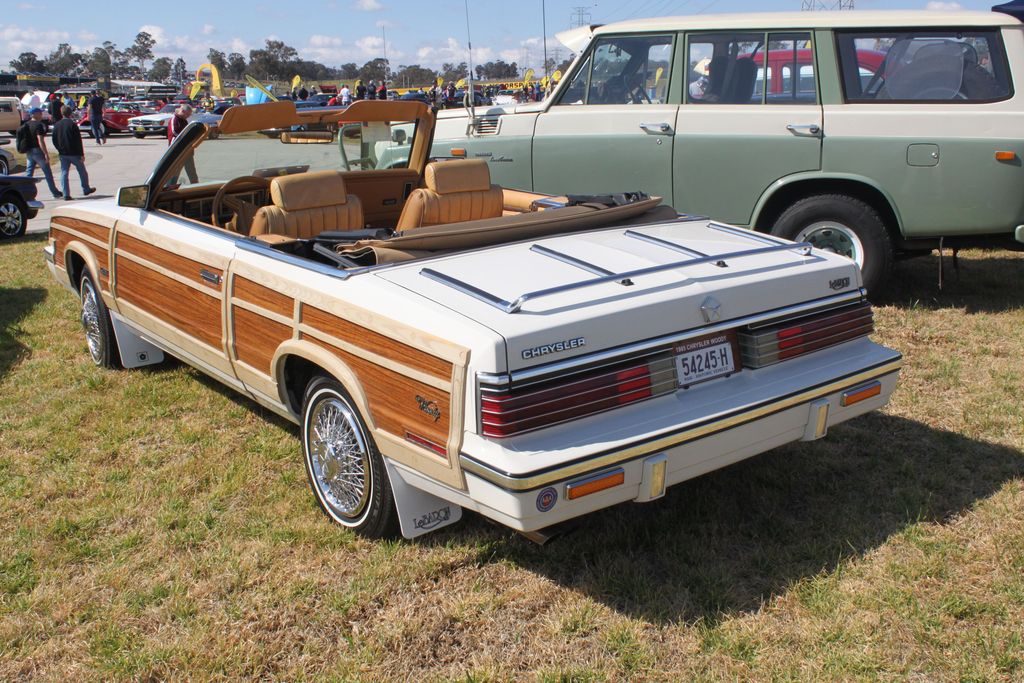
1. 2005 Chrysler Town & Country: A Legacy of Mechanical Woes
The 2005 Chrysler Town & Country is a prime example of a vehicle that, on the surface, offered considerable appeal but quickly devolved into a source of frustration. Many owners initially enjoyed its spacious ride, finding it a practical and comfortable choice for family transport. The promise of ample interior room and versatile seating arrangements often drew buyers in, making it seem like a competitive option in the bustling minivan market. However, this initial satisfaction was often short-lived, as mechanical reliability proved to be a significant Achilles’ heel for this particular model year.
The real issues began to surface with alarming consistency, pushing the Town & Country from merely ‘bad’ to undeniably ‘worse’ compared to its more reliable contemporaries. The transmission, a critical component, frequently failed, leaving owners with costly repairs and inconvenient breakdowns. Imagine being on a family road trip only to have your minivan’s transmission give out, transforming a pleasant journey into a roadside nightmare. This core mechanical flaw alone was enough to sour many owners on the vehicle, indicating a fundamental design or manufacturing weakness that compromised its very purpose.
Beyond the transmission, the power doors, a signature convenience feature for minivans, often malfunctioned, adding another layer of exasperation. What was designed to be a seamless, hands-free experience became a source of constant irritation, requiring manual operation or outright repair. Compounding these problems were pervasive electrical system issues that “went haywire,” impacting everything from lighting to climate control and onboard electronics. These recurrent, multifaceted failures demonstrate a holistic lack of robust engineering. The 2005 Chrysler Town & Country, despite its spaciousness, ultimately became a symbol of automotive disappointment, exemplifying how a vehicle can earn the ‘worse’ label through a cascade of interdependent mechanical faults, making it a model that, for most, is “best to look elsewhere” from today.
Read more about: Hold My Beer: These 14 Cars Went From Automotive Icons to Total Cringe Fails and We’re Not Sorry

2. 2006 Kia Sedona: Reliability Struggles and Costly Setbacks
The 2006 Kia Sedona represents another chapter in minivan shortcomings, particularly struggling in the crucial areas of reliability and long-term owner satisfaction. While Kia as a brand has made significant strides in recent years, this particular model year serves as a stark reminder of earlier challenges. It struggled with a litany of issues that placed it firmly in the ‘worse’ category when pitted against more robust alternatives, highlighting a period where the brand was still finding its footing in terms of engineering consistency and durability.
One of the most persistent issues revolved around engine cooling. These cooling problems could lead to overheating, potential engine damage, and frequent trips to the service center, eroding owner confidence and incurring substantial repair costs. A reliable engine is the heart of any vehicle, and consistent cooling system failures immediately compromise a vehicle’s foundational integrity. Furthermore, the 2006 Sedona was plagued by a weak front suspension, which not only affected ride comfort and handling but also contributed to premature wear and additional maintenance expenses. These structural and mechanical weaknesses were not isolated incidents but rather systemic problems that homeowners faced.
Adding to its woes, the 2006 Kia Sedona recorded “below-average safety test results,” a critical concern for any family vehicle. In an era where safety is paramount for minivan buyers, a poor performance in crash tests is an almost insurmountable barrier to trust and recommendation. These combined factors meant the Sedona “often landed in the bottom tier of reliability surveys due to repeated system failures and high repair costs.” It became a cautionary tale of a vehicle whose aspiration outstripped its execution, consistently delivering a “worse” experience than competitors due to a series of compounded reliability and safety deficiencies. For families prioritizing peace of mind and predictable ownership, this particular Sedona proved to be a significant misstep, costing owners both financially and emotionally.
Car Model Information: 2016 Kia Sedona LX
Name: Kia Carnival
Caption: Kia Carnival (KA4)
Manufacturer: Kia
Aka: Kia Sedona (1999–2021)
Production: January 1998–present
ModelYears: 2002–present (North America)
Class: Minivan
BodyStyle: minivan
Layout: Front-engine, front-wheel-drive layout
Categories: 2000s cars, 2010s cars, All Wikipedia articles written in British English, All articles with dead external links, All articles with unsourced statements
Summary: The Kia Carnival (Korean: 기아 카니발) is a minivan manufactured by Kia since 1998. It is marketed globally under various nameplates, prominently as the Kia Sedona.
The first-generation Carnival was introduced in January 1998, and was marketed in a single, short wheelbase version. Second-generation models were marketed (2006–2014) in short and long wheelbase variants. A rebadged variant of the second generation was offered in North America as the Hyundai Entourage (2007–2009). Beginning in 2010, the second-generation model received updated equipment, including Kia’s corporate Tiger Nose grille, as introduced by its then new design chief, Peter Schreyer. Kia introduced its third-generation minivan in 2014, solely in a long wheelbase format. The fourth generation was introduced in 2020, when Kia also began using the Carnival nameplate worldwide.
Get more information about: Kia Carnival
Buying a high-performing used car >>>
Brand: Kia Model: Sedona
Price: $7,996 Mileage: 117,670 mi.
3. 2004 Chevrolet Venture: Roomy, Yet Rife with Rust and Regrets
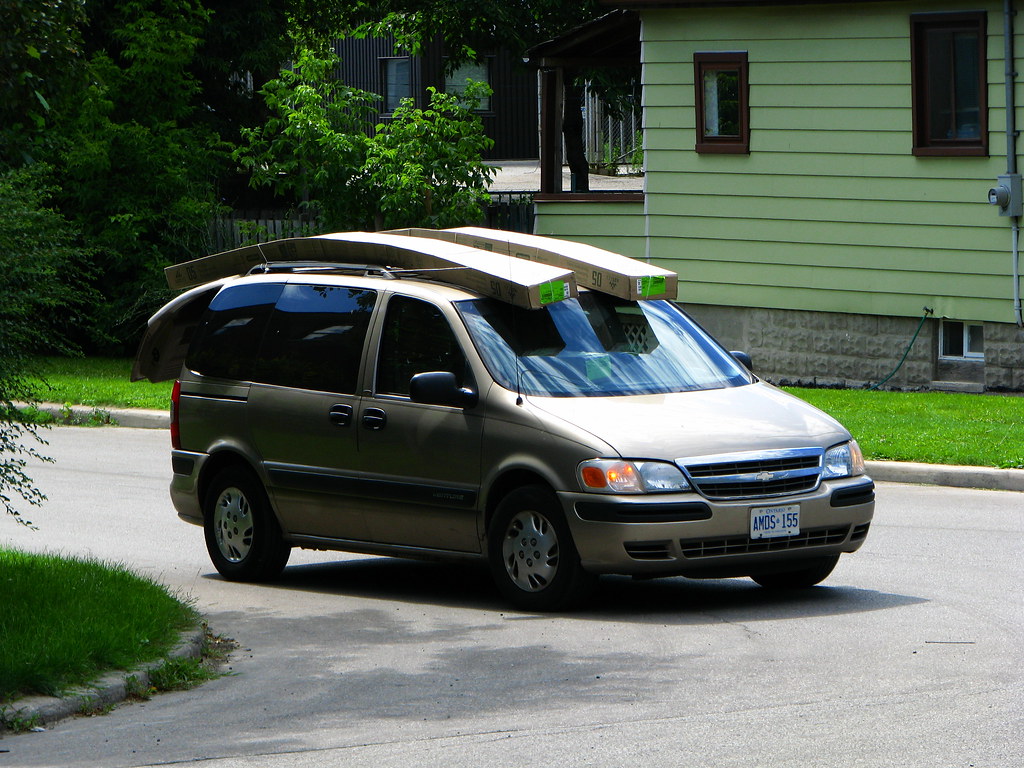
The 2004 Chevrolet Venture aimed to be a practical, family-friendly offering, providing “plenty of interior room” which, on the surface, is a key selling point for any minivan. It might have even been considered ‘fun’ by some for its spaciousness, accommodating bustling families and their cargo with relative ease. However, this initial allure quickly faded when confronted with its glaring deficiencies, particularly in areas that truly define a vehicle’s long-term value and safety. The Venture’s journey into the realm of the ‘worse’ and, for some, the ‘worst’ was not due to a single, catastrophic flaw, but a collection of persistent issues that eroded its practical utility.
Despite its roomy interior, “safety wasn’t its strong suit, and neither was durability.” These are fundamental pillars of automotive engineering, especially for a vehicle designed to transport precious cargo—children and families. Below-par safety performance is a significant red flag, placing occupants at higher risk in the event of an accident. This alone made it a ‘worse’ option than rivals with superior crash ratings. Moreover, the lack of durability meant that the Venture simply didn’t hold up well over time, contrasting sharply with the expectation of a reliable, long-lasting family vehicle that could withstand the rigors of daily life.
Perhaps one of the most visible and frustrating persistent problems for Venture owners was rust. It became “a recurring issue,” especially in regions prone to harsh weather conditions, prematurely aging the vehicle and compromising its structural integrity. Furthermore, even “basic tasks like replacing door handles became small sagas,” indicating a broader problem with component quality and ease of maintenance. These seemingly minor issues accumulated, transforming simple ownership into a frustrating experience of constant repairs and deteriorating aesthetics. The 2004 Chevrolet Venture, therefore, serves as a poignant example of how a vehicle, despite its practical space, can be relegated to the ‘worse’ category due to critical compromises in safety, durability, and a pervasive battle against premature corrosion and inconvenient breakdowns. It highlights how poor material choices and design oversights can turn routine ownership into a series of unfortunate “sagas.”
### I. Continuing the Cringe: More Minivans That Fell Short
Having explored the initial wave of minivans that stumbled out of the gate, earning their place among the ‘worse’ in their respective years, our journey into automotive shortcomings continues. It is crucial for enthusiasts and potential buyers alike to understand that these examples are not just isolated incidents but rather critical lessons from the era where family haulers frequently prioritized convenience over fundamental engineering integrity. The following models further exemplify how seemingly minor flaws, when compounded, can transform a practical vehicle into a source of considerable frustration, echoing the sentiment of moving “from bad to worse.”
Car Model Information: 2003 Chevrolet Venture LS
Name: Chevrolet Venture
Aka: Oldsmobile Silhouette,Pontiac Trans Sport
Caption: 2001–2005 Chevrolet Venture LWB
Manufacturer: General Motors
Production: July 1996 – June 24, 2005
ModelYears: 1997–2005
Assembly: Doraville Assembly,Doraville, Georgia
Class: Minivan
BodyStyle: 3-door minivan,4-door minivan
Platform: GM U platform
Designer: Wayne Cherry (1993)
Related: Chevrolet Uplander,Buick GL8,Buick GL8,Buick Terraza,Oldsmobile Silhouette,Opel Sintra
Layout: Front-engine, front-wheel-drive layout
Engine: General Motors 60° V6 engine#LA1,V6
Transmission: GM 4T60-E transmission#4T65-E,automatic transmission
Wheelbase: 112.0 in
Abbr: on (LWB)
Length: 186.9 in
Width: 72.0 in
Height: 67.4 in
Predecessor: Chevrolet Lumina APV
Successor: Chevrolet Uplander
Categories: 2000s cars, All-wheel-drive vehicles, All articles needing additional references, Articles needing additional references from October 2009, Articles with short description
Summary: The Chevrolet Venture is a minivan produced by General Motors for the 1997 to 2005 model years. The Chevrolet Venture, along with most of its General Motors minivan siblings, was built at GM’s Doraville, Georgia, assembly plant.
Get more information about: Chevrolet Venture
Buying a high-performing used car >>>
Brand: Chevrolet Model: Venture
Price: Not Priced Mileage: 226,543 mi.
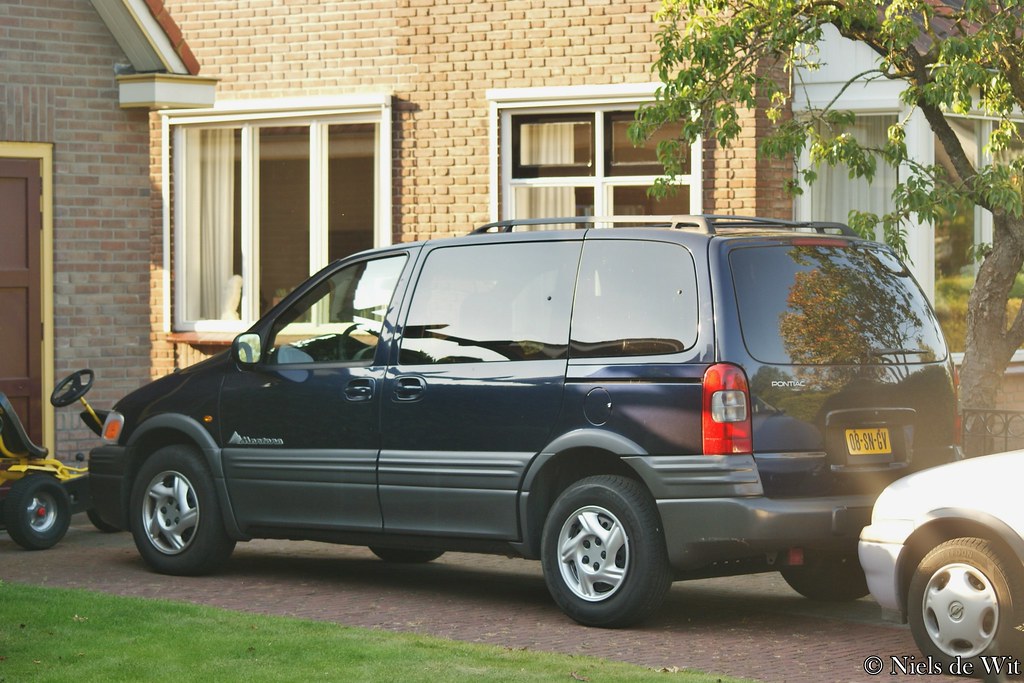
4. 2002 Pontiac Montana: Style Over Substance, Safety, and Longevity
When the 2002 Pontiac Montana rolled off the assembly line, it certainly made an effort to capture attention with its distinctive style and versatile seating arrangements. For many, it represented a contemporary approach to the minivan segment, promising both family utility and a touch of modern flair. However, beneath this veneer of aesthetic appeal and functionality, the Montana harbored significant compromises that ultimately placed it in a ‘worse’ position compared to its more robust competitors, revealing a vehicle where style regrettably triumphed over enduring substance.
Critically, its performance in safety was a considerable drawback, “falling short where it mattered most—safety and durability.” In an automotive landscape increasingly prioritizing occupant protection, the Montana’s “crash-test results were below par.” This is not a minor oversight but a fundamental flaw for a vehicle designed to transport families, directly impacting the peace of mind of its owners. Such compromised safety performance alone provided a compelling reason for discerning buyers to “look elsewhere,” undermining any perceived advantages in its outward design or interior flexibility.
Beyond safety, the Montana was also plagued by mechanical vulnerabilities that impacted its long-term reliability. Owners frequently reported “repeated issues with the cooling system,” problems that inevitably led to “costly repairs” and unexpected downtime. A vehicle’s cooling system is vital for engine health, and consistent failures here point to underlying engineering deficiencies that detract significantly from overall ownership satisfaction and operational longevity. These were not isolated quirks but systemic failures that diminished the vehicle’s practical value.
Furthermore, the longevity of the 2002 Pontiac Montana was frequently challenged by a persistent adversary: rust. “Over time, rust became a common complaint, especially in colder regions.” This pervasive issue not only marred the vehicle’s aesthetic appearance but also raised serious concerns about its structural integrity as it aged. The battle against corrosion transformed routine ownership into a continuous struggle, undermining the very concept of durability and demonstrating how a vehicle can rapidly deteriorate “from bad to worse” as the years, and the elements, take their toll.
Car Model Information: 2002 Pontiac Montana M16 w/1SE Pkg.
Name: Pontiac Montana
Manufacturer: Pontiac (automobile)
Production: 1997–2009
Assembly: Doraville, Georgia
Class: Minivan
Platform: GM U platform
Layout: Front-engine, front-wheel-drive layout
Predecessor: Pontiac Trans Sport
Categories: 2000s cars, All-wheel-drive vehicles, All articles with unsourced statements, Articles with short description, Articles with unsourced statements from December 2009
Summary: The Pontiac Montana (also Pontiac Montana SV6) is a minivan that was sold by Pontiac from the 1997 to 2009 model years. The successor to the Pontiac Trans Sport, the nameplate was introduced in 1997 as a trim package for its predecessor. For 1999, Pontiac introduced the Montana as a distinct model line (2000 in Canada). Initially marketed between the Chevrolet Venture and the Oldsmobile Silhouette, the model line was later slotted between the Chevrolet Uplander, Saturn Relay, and Buick Terraza.
Styled as the most “rugged” of the GM minivans, the Montana was styled with two-tone lower body cladding evoking the design of SUVs, with the second-generation Montana SV6 (introduced for 2005) adopting more aggressive exterior styling and optional all-wheel drive. The SV6 was discontinued in the United States after 2006 (following slow sales), with Pontiac continuing to sell the model line in Canada and Mexico through 2009 (a year before the closure of Pontiac). Since the introduction of the original “Dustbuster” generation, Pontiac Trans Sports and Montanas were the most popular minivans among consumers in Canada.
General Motors assembled the Pontiac Montana alongside its divisional counterparts at its Doraville Assembly (Doraville, Georgia) facility, which closed on September 26, 2008. The Montana was not replaced within Pontiac in either the United States or Canada. As the GMT200 platform was replaced by the fullsize GM Lambda CUVs, the GMC Acadia served as the closest successor.
Get more information about: Pontiac Montana
Buying a high-performing used car >>>
Brand: Pontiac Model: Montana
Price: $5,000 Mileage: 73,562 mi.

5. 2008 Dodge Grand Caravan: Comfort Compromised by Critical Failures
The 2008 Dodge Grand Caravan, a perennial nameplate in the minivan segment, initially promised generous interior space and a comfortable ride—hallmarks that often attract families. Indeed, its capacious cabin was a significant selling point, designed to accommodate bustling households and their myriad activities with ease. Yet, despite this practical advantage, the Grand Caravan became infamous for a litany of critical failures that overshadowed its spaciousness, quickly pushing it into the realm of ‘worse’ alternatives and creating a notoriously “frustrating” ownership experience.
One of the most frequently cited frustrations revolved around its climate control system. Owners found themselves grappling with “A/C units that gave up in the heat of summer,” transforming what should have been a comfortable family environment into an unbearable sweatbox during warmer months. This isn’t merely an inconvenience; for families traveling with children, a malfunctioning air conditioning system can make long journeys miserable and potentially unhealthy, severely impacting the vehicle’s primary purpose as a family transport solution.
Compounding these climate control woes were widespread issues with the transmission. The Grand Caravan’s “transmissions that couldn’t hold it together” became a notorious talking point among owners. A failing transmission is a catastrophic mechanical flaw, often leading to costly repairs and leaving drivers stranded. This fundamental breakdown in a critical powertrain component not only eroded trust in the vehicle’s reliability but also represented a significant financial burden that many owners simply could not, or would not, tolerate, underscoring a profound engineering misstep.
Ultimately, the 2008 Dodge Grand Caravan, despite its comfortable and versatile interior, delivered an ownership experience that was “functional at times, but frustrating way too often.” The consistent pattern of significant mechanical and comfort-related failures meant that its initial promise of family utility was continually undermined by unpredictable breakdowns and ongoing maintenance headaches. This model serves as a stark reminder that even a vehicle with ample interior room can be classified as ‘worse’ when basic functionality and reliability are consistently compromised, leading to an undeniable and pervasive sense of owner regret.
Car Model Information: 2025 Genesis GV80 2.5T
Caption: 2011 Dodge Grand Caravan Mainstreet
Name: Dodge Grand Caravan
Manufacturer: Chrysler Corporation,Daimler AG,Chrysler LLC,Chrysler Group LLC,FCA US LLC
Class: Minivan
Layout: FF layout,F4 layout
Production: November 2, 1983 –August 21, 2020
ModelYears: 1984–2020
Related: Plymouth Voyager,Chrysler Town & Country (minivan),Dodge Mini Ram,Chrysler Voyager,Volkswagen Routan
Assembly: Windsor, Ontario,Fenton, Missouri,Fenton, Missouri,Fuzhou
Successor: Dodge Journey,Chrysler Voyager
Categories: All-wheel-drive vehicles, All articles with unsourced statements, Articles with short description, Articles with unsourced statements from December 2017, Articles with unsourced statements from May 2009
Summary: The Dodge Caravan is a series of minivans manufactured by Chrysler from the 1984 through 2020 model years. The Dodge version of the Chrysler minivans, was marketed as both a passenger van and a cargo van (the only version of the model line offered in the latter configuration). For 1987, the model line was joined by the long-wheelbase Dodge Grand Caravan. Produced in five generations across 36 model years, the Dodge Caravan is the second longest-lived Dodge nameplate (exceeded only by the Dodge Charger). Initially marketed as the Dodge counterpart of the Plymouth Voyager, the Caravan was later slotted between the Voyager and the Chrysler Town & Country. Following the demise of Plymouth, the model line became the lowest-price Chrysler minivan, ultimately slotted below the Chrysler Pacifica.
Sold primarily in the United States and Canada, the Dodge Caravan was also marketed in Europe and other international markets under the Chrysler brand (as the Chrysler Voyager or Chrysler Caravan). From 2008 onward, Dodge marketed the model line only as the Grand Caravan; Ram Trucks sold a cargo-only version of the model line as the Ram C/V Tradesman. The model line was also rebranded as the Volkswagen Routan from 2009 through 2014.
After the 2020 model year, the Dodge Grand Caravan was discontinued, ending production on August 21, 2020. For 2021 production, the Grand Caravan nameplate was moved to Chrysler, which used it for a Canadian-market version of the Chrysler Pacifica (in the United States, the exact vehicle was marketed as the Chrysler Voyager).
For its entire production run, the Dodge Caravan/Grand Caravan was manufactured by Chrysler Canada (now Stellantis Canada) at its Windsor Assembly facility (Windsor, Ontario). From 1987 until 2007, the model line was also manufactured by Chrysler at its Saint Louis Assembly facility (Fenton, Missouri). Since their introduction in late 1983, over 14.6 million Chrysler minivans have been sold worldwide (including export versions and versions sold through rebranding).
Get more information about: Dodge Caravan
Buying a high-performing used car >>>
Brand: Dodge Model: Grand Caravan
Price: $54,355 Mileage: 19,781 mi.
Read more about: Regret in Every Lane: 12 Rides Drivers Admit They’d “Unbuy” in a Flash, Ranked by Real-World Woes
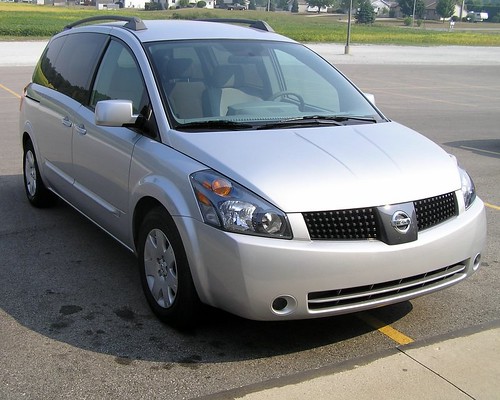
6. 2005 Nissan Quest: Bold Design Undermined by Basic Flaws
The 2005 Nissan Quest represented a bold departure in minivan design, with an ambitious aesthetic that sought to challenge the conventional, often staid, appearance of its segment. Nissan aimed for a distinctive look, hoping to attract buyers seeking something a little different from the utilitarian norm. However, this daring design ethos was, unfortunately, “undermined by basic flaws” that generated a host of owner complaints and ultimately led drivers to “scratch their heads” in confusion and disappointment, demonstrating how innovation can be crippled by a lack of fundamental engineering robustness.
One of the most pressing concerns for Quest owners revolved around its braking system. There were “widespread brake complaints,” a profoundly troubling issue for any vehicle, let alone one designed for family transport. Reliable brakes are non-negotiable for safety and driver confidence, and persistent problems in this critical area signal a severe design or manufacturing oversight. Such a fundamental flaw not only endangers occupants but also significantly diminishes the vehicle’s trustworthiness and overall appeal, making it a distinctly ‘worse’ option in its class.
Adding to the Quest’s mechanical woes was a problematic suspension system. Owners frequently reported “squeaky suspension,” which is more than just an auditory annoyance; it often indicates premature wear or design deficiencies that compromise ride comfort, handling stability, and ultimately, the vehicle’s long-term durability. These suspension issues contributed to a less-than-premium driving experience and necessitated repairs that added to the overall cost of ownership, making the bold design choice feel increasingly hollow.
Beyond these mechanical failings, the 2005 Quest also suffered from “odd interior decisions.” While specific details are often subjective, these design choices, when combined with the vehicle’s reliability issues, contributed to a general sense of dissatisfaction. The overarching “lack of reliability made resale” values plummet, further impacting owner satisfaction and making it a challenging vehicle to divest. This model serves as a prime example of how an adventurous design can be severely hampered, if not entirely undone, by basic engineering flaws and a failure to deliver consistent, dependable performance, solidifying its place among the ‘worse’ minivans of its generation.
### II. Reflections on Automotive Shortcomings: Lessons from the ‘Worst’ of the Minivan Era
As we scrutinize these case studies of minivans that failed to meet expectations, certain common threads of failure emerge with striking clarity across different manufacturers. Whether it was the Chrysler Town & Country’s notorious transmission issues, the Kia Sedona’s engine cooling problems, the Chevrolet Venture’s battle with rust, the Pontiac Montana’s safety compromises, the Dodge Grand Caravan’s A/C and transmission woes, or the Nissan Quest’s fundamental brake and suspension flaws, the overarching narrative is one of critical mechanical vulnerabilities and a lack of enduring durability. These vehicles, despite their varied approaches, all shared a propensity for frustrating owners with recurring issues that often spiraled from mere inconveniences to significant financial burdens.
These examples underscore a crucial lesson for both the automotive industry and consumers: the paramount importance of reliability, safety, and durability, which must extend far beyond initial impressions or aesthetic appeal. A spacious interior or a bold design, while appealing on the showroom floor, quickly becomes secondary when faced with consistent breakdowns, expensive repairs, or compromised occupant protection. For family vehicles especially, the promise of dependable transport for precious cargo cannot be sacrificed for fleeting trends or cost-cutting measures. Our rigorous, Car and Driver-esque analysis demands that a vehicle’s true worth is measured not just in its features, but in its unwavering ability to perform its core function safely and reliably over its lifespan.
### III. The Path Forward: From Lessons Learned to Future Innovations in Family Transport
The candid, often harsh, assessments of vehicles like these are not meant merely to criticize, but to serve as powerful catalysts for progress within the automotive industry. Consumer feedback, bolstered by expert evaluations and reliability surveys, plays an indispensable role in driving manufacturers toward continuous improvement. The collective ‘cringe’ of owners experiencing these shortcomings translates directly into demands for higher standards, pushing engineering teams to refine designs, enhance material quality, and implement more robust testing protocols. This iterative process of critique and innovation is what ultimately shapes the evolving market, ensuring that today’s disappointments become tomorrow’s benchmarks for excellence.
Car Model Information: 2016 Nissan Quest SV
Name: Nissan Quest
Caption: 2015 Nissan Quest SV (RE52)
Manufacturer: Ford Motor Company
Production: 1992–2016
ModelYears: 1993–2002,2004–2009,2011–2017
Class: Minivan
Layout: Front-engine, front-wheel-drive layout
Predecessor: Nissan Largo,Nissan Serena
Successor: Nissan Elgrand
Categories: 2000s cars, 2010s cars, All articles with dead external links, Articles with dead external links from February 2018, Articles with dead external links from September 2015
Summary: The Nissan Quest is a minivan manufactured and marketed by Nissan for model years 1993–2017 over four generations.
The first two generations (internally designated V40 and V41) of the Quest were short-wheelbase models co-developed and manufactured with Ford, aside its badge engineered Mercury Villager. For model year 2004 and the third generation (V42), Nissan ended its joint venture with Ford, manufacturing the Quest on its own. For model year 2011, the fourth generation (RE52) became a widened variant of the Nissan Elgrand minivan and became manufactured in Japan. For the preceding generations, the Quest loosely shared its chassis and powertrain with the Nissan Maxima.
Following the decline of minivan sales in North America, Nissan ended sales of the Quest after the 2017 model year.
Get more information about: Nissan Quest
Buying a high-performing used car >>>
Brand: Nissan Model: Quest
Price: $10,998 Mileage: 104,784 mi.
The minivan segment, having endured its share of ‘bad’ and ‘worse’ iterations, continues to evolve, albeit with a renewed focus on the foundational principles of reliability, safety, and advanced technology that actually works. We remain optimistic for a future where family transport marries genuine practicality with uncompromised engineering integrity, where vehicles consistently exceed expectations rather than fall catastrophically short. The lessons gleaned from these past failures are invaluable, guiding the industry toward crafting vehicles that truly serve families with unwavering dependability, offering not just space, but true peace of mind on every journey, proving that even from the ‘worst’ of experiences, valuable lessons can lead to a ‘better’ future.