People are born, and at one point in their lives, they die, but how many of them saw it coming? How many people can claim to know the time and the way of their demise? Not many, but history has witnessed many ordinary folks and even celebrities who knew about the tragic events of their impending doom. Throughout history, certain famous individuals have made unnerving and prophetic predictions about their own deaths, often with startling accuracy.
These eerie foretellings have come through vivid dreams, unshakable intuitions, or what seems like sheer coincidence. Their words, spoken or written, echo with an unsettling resonance, as though they glimpsed a shadow of their own fate before it unfolded. These premonitions have become part of their legacies, casting a haunting light on their lives and tragic ends.
From musicians to writers, and even historical figures, their ability to predict their demise leaves us both captivated and curious about the mysterious interplay of intuition and destiny. In this journey through the curious annals of celebrity history, we explore the astonishing cases of individuals whose final acts were, in a chilling twist of fate, remarkably foreshadowed by their own words or actions. Get ready to have your intellectual curiosity piqued as we delve into these fascinating, and often tragic, tales.
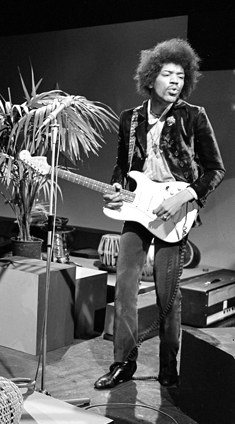
1. Jimi Hendrix.
Undoubtedly the most technical musician to ever play the electric guitar, Jimi Hendrix died more than four decades ago but is still remembered and honored in the world of music by his beloved fans. In 1965, when the legendary musician had still not achieved a reputable status, Hendrix recorded a song with R&B artist Curtis Knight titled “The Ballad of Jimi” in a New York music studio.
This recording, made at the nascent stage of his career, contained peculiar lyrics that would later take on a chilling significance. Hendrix dedicated this song to a friend having the same name, a seemingly innocent gesture at the time. Yet, the words he penned and sang were destined to become an eerie premonition of his own fate, not that of a distant acquaintance.
The prophetic verses from “The Ballad of Jimi” declared: “Many things he would try, For he knew soon he’d die. Now Jimi’s gone, he’s not alone. His memory still lives on. Five years, this he said, He’s not gone, he’s just dead.” The powerful imagery and specific timeline embedded within these lines would soon cast a long, dark shadow over his extraordinary life.
It turned out that the “friend” was none other than Jimi Hendrix himself, as the peculiar lyrics of the song were not a mere dedication but a prediction. Hendrix tragically died by accidentally choking on his vomit exactly five years after the recording of the song. Adding another layer to this uncanny timing, Hendrix passed away in 1970 from a drug overdose, almost exactly five years after he recorded the song. His extraordinary talent and tumultuous lifestyle made his early death feel almost inevitable, yet the eerie timing of his passing only added to his mythos.
Hendrix’s prediction, combined with his incredible influence on music, continues to be one of the most haunting aspects of his legacy. His death at such a young age not only marked the loss of a musical genius but also cemented his place in the infamous “27 Club,” a tragic assembly of talented musicians who died at that specific age.
Read more about: Prince Rogers Nelson: A Comprehensive Overview of the Iconic Musician’s Life, Career, and Enduring Legacy
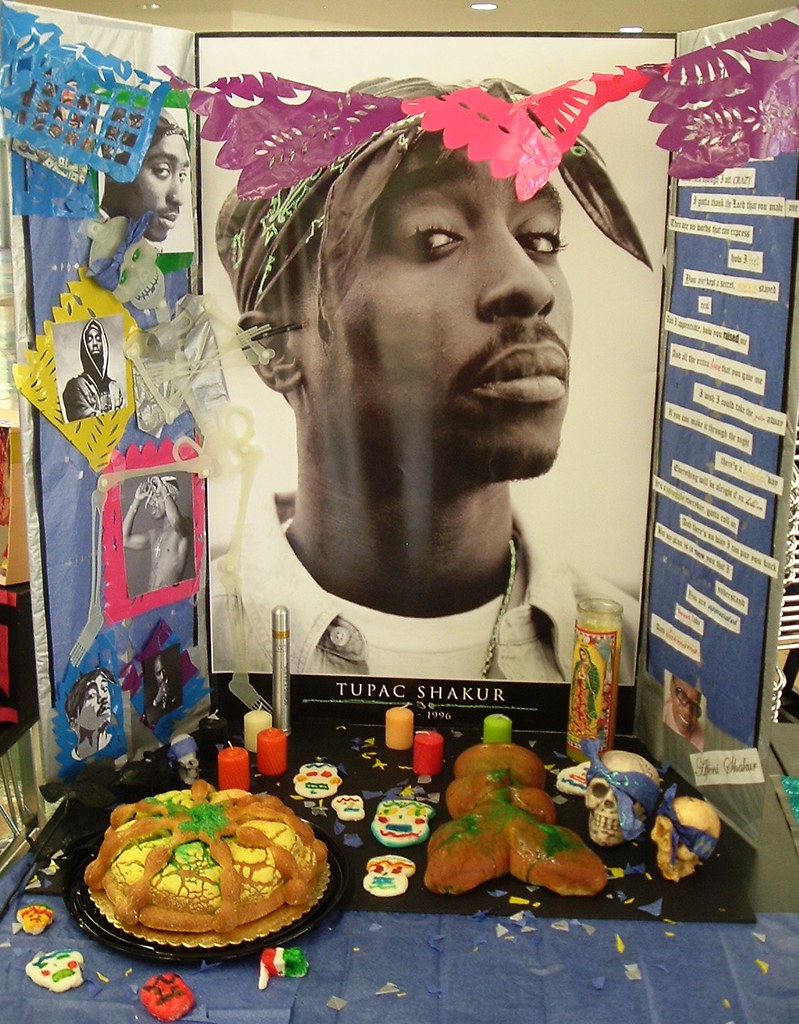
2. Tupac Shakur
No other rapper represents the reflection of gangster rap culture and iconography better than Tupac Shakur. Born in New York, the rapper was involved in various assaults and ruckus along with his hip-hop group Outlawz. His life, marked by intense creativity and significant controversy, ultimately met a tragic end in a drive-by shooting in Las Vegas, Nevada.
It is safe to say that Tupac saw his demise coming, as evidenced by his own haunting lyrics. In the song “Niggas Done Changed,” which rapper Richie Rich co-wrote with Tupac, the artist eerily articulated his future: “I been shot and murdered, can tell you how it happened word for word But best believe niggass gon’ get what they deserve.” These words were released two months after the catastrophic shooting that resulted in his death, making the timing profoundly unsettling.
Beyond just the lyrics, the music video for his song “I Ain’t Mad at Cha” is particularly chilling. It visually depicts Tupac’s character rising as a spirit after being gunned down, a stark visual premonition. Just months after the song’s release, Tupac was killed in a drive-by shooting in Las Vegas in 1996, fueling speculation that his death was somehow foretold in his music and visuals.
Having recorded the song not long before the tragic incident, one can only imagine whether Tupac knew the impact of writing the particular lyrics of that song. His life was filled with controversy, and many believe that his violent death was a direct result of the dangerous environment he navigated. However, the premonitory nature of his lyrics, combined with his on-screen portrayal of an afterlife, adds a supernatural layer to his tragic end.
Tupac’s death, still shrouded in mystery and the subject of numerous conspiracy theories, has only amplified his lasting influence on hip-hop and culture. The eerie accuracy of his lyrical and visual predictions continues to fascinate and disturb fans, cementing his place as a figure whose life and death were inextricably linked to his art.
Read more about: Beyond the Mic: Unpacking Hip-Hop’s Most Unforgettable Feuds and Unlikely Collaborations
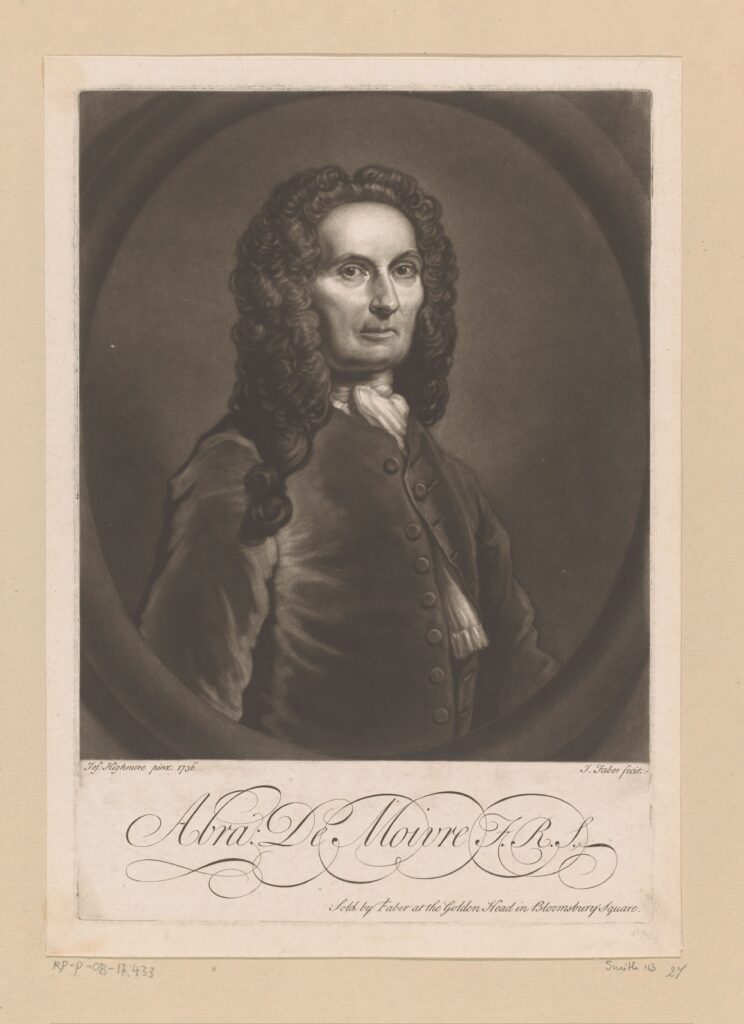
3. Abraham de Moivre
The world has seen several musicians predicting their deaths in the form of lyrics, but the same being done by a mathematician is extremely rare. That is where the French mathematician Abraham de Moivre stands out, having incorrectly predicted his death with uncanny accuracy through a doubtful yet very careful calculation.
De Moivre is best known for developing de Moivre’s formula and for his significant contributions in the fields of trigonometry, complex numbers, and normal distribution. His analytical mind, usually applied to abstract mathematical concepts, turned to a much more personal and unsettling pattern in his own life, leading to his unique premonition.
His chilling prediction began with a peculiar observation about his sleep patterns: he noticed that he was waking up fifteen minutes late every night. Intrigued by this unusual and consistent sleeping habit, de Moivre applied his mathematical prowess to this personal anomaly. He calculated that if this pattern continued, the accumulated delay would eventually add up to a full 24 hours.
Based on this precise, if somewhat bizarre, calculation, de Moivre predicted that he would die on November 27, 1754—the exact day when his fifteen minutes of waking up late every day would amount to a full 24 hours of lost sleep. This was a testament to his meticulous nature, even when faced with the inexplicable.
When the calculated day arrived, de Moivre shockingly breathed for the very last time, passing away exactly as he had predicted. This extraordinary and highly unusual case of a mathematician using a logical progression to foresee his own demise remains one of history’s most intriguing examples of self-fulfilled prophecy, blurring the lines between calculation and destiny.

4. Lynyrd Skynyrd
After several mispronunciations of their ridiculous name, the band Lynyrd Skynyrd titled their 1973 debut album ‘(Pronounced ‘Lĕh-‘nérd ‘Skin-‘nérd)’ to make things right. Do not let the name fool you, as the album became a two-time platinum success, cementing their place in rock history with their unique Southern rock sound.
The band was riding high on their success, but a dark shadow loomed over their future, eerily foreshadowed by one of their own songs. Just three days after recording the track “That Smell,” Lynyrd Skynyrd was involved in a terrible airplane crash that would change their lives forever. The song itself contained lyrics that were chillingly prescient.
The ominous words from “That Smell” echoed a sense of impending doom: “Say you’ll be alright come tomorrow, but tomorrow might not be here for you. Angel of darkness upon you. The smell of death surrounds you.” These lyrics, recorded so close to the tragedy, transformed from a rock anthem into a haunting prophecy of the band’s catastrophic fate.
The airplane crash resulted in the gruesome deaths of three key band members, including lead singer Ronnie Van Zant, guitarist Steve Gaines, and backing vocalist Cassie Gaines. This devastating loss dealt a severe blow to the band, and despite the addition and replacement of several musicians, Lynyrd Skynyrd never quite reached the marvelous status it once had.
Adding another layer of eerie coincidence, the cover of the album for which “That Smell” was recorded showcased three of their six band members covered in flames. Chillingly, these were the very same three members who died in the airplane crash, transforming the album art from a bold statement into a morbid and unsettling premonition.
Read more about: Buckle Up! The Ultimate Road Trip Playlist: 14 Classic Rock Albums You Can Listen to for 5 Hours Straight (and Beyond!)
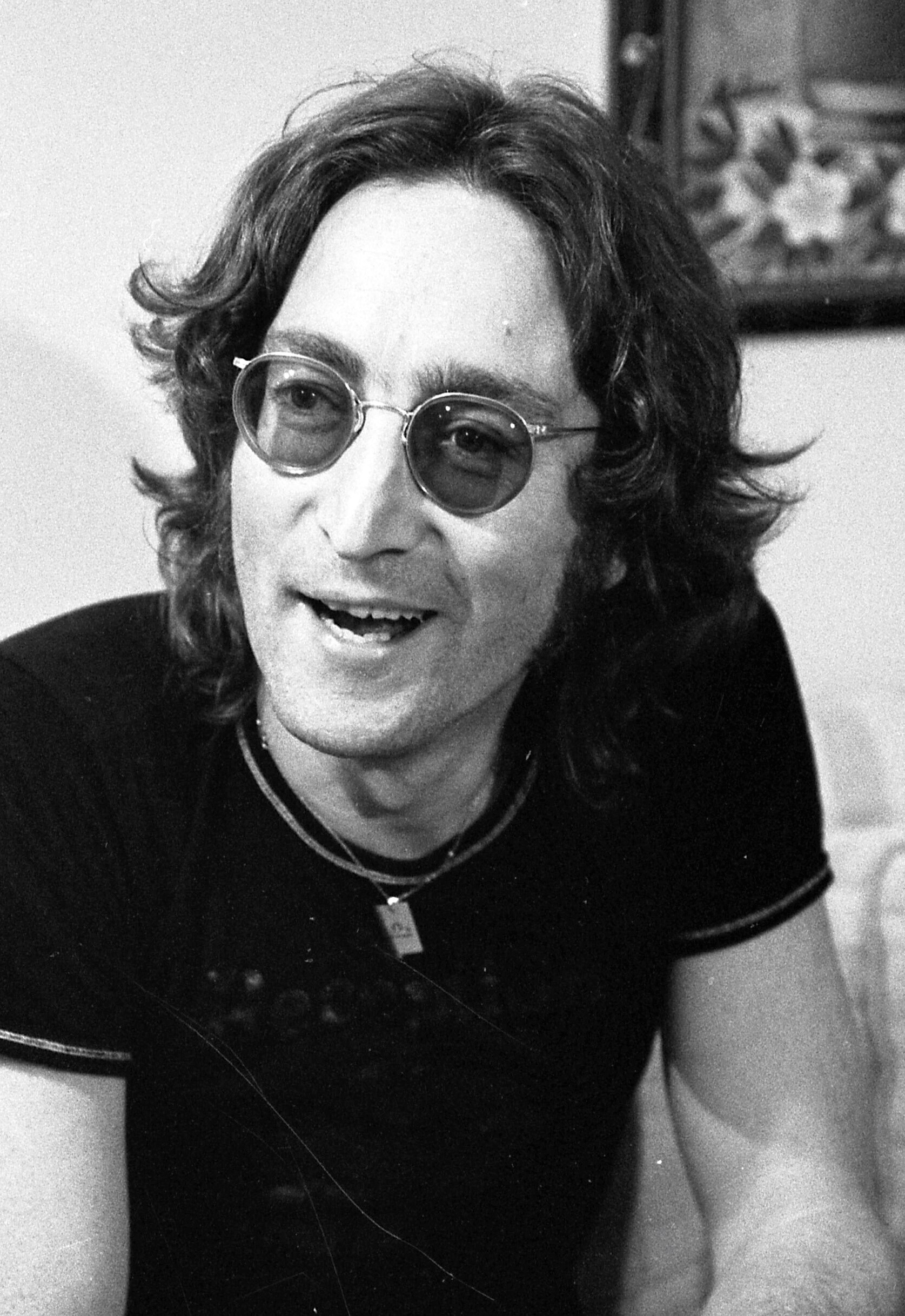
5. John Lennon
As the heart of The Beatles, the most commercially successful band in the history of music, John Lennon was a force to be reckoned with. His unparalleled contribution to pop music by pairing with Paul McCartney is legendary, defining an era and influencing countless artists across generations. Yet, even this icon of musical innovation had unsettling intimations about his own mortality.
While Lennon never explicitly predicted his death using a song in the same direct manner as some others on this list, several fans believe that a subtle premonition was documented by the lyrics: “Living on a borrowed time, without a thought for tomorrow.” These words are from his song “Borrowed Time,” which was notably the very first song he wrote while taking a break from the music business.
While the belief that these specific lyrics served as a direct prediction seems doubtful to some, Lennon hinted at his death in numerous interviews and conversations over the years, making his passing feel, in retrospect, tragically foretold. These verbal prophecies were often delivered with a casual air, yet carried a profound weight.
For instance, when The Beatles’ manager, Brian Epstein, was shot, Lennon reportedly stated with unsettling conviction: “I’m next, I know it.” Later, when the band was forced to break up due to immense stress and internal strife, he exclaimed: “I don’t want to be dead at age 40.” These statements revealed a deep-seated apprehension about his future.
Further solidifying these premonitions, when interviewed about how he thought he might die, the musician replied with a chillingly specific answer: “I’ll probably be popped off by some loony.” Tragically, on December 8, 1980, Lennon, at exactly age 40, was shot five times by a delusional individual named Mark David Chapman. The devastating fulfillment of his earlier remarks adds a somber and haunting resonance to his iconic life and enduring legacy.
Read more about: The Enduring Reign of the Queen of Tejano: Unforgettable Moments from Selena Quintanilla-Pérez’s Life and Legacy
6. Jeff Buckley
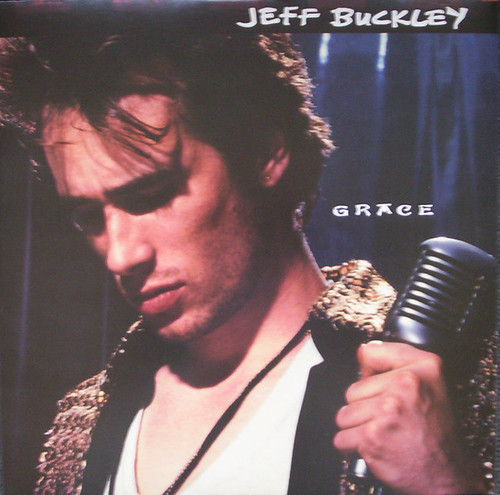
Down on his luck but determined to make a name for himself in the music industry, Jeff Buckley had all the raw talent and potential to be a sensation. His singing, songwriting, and guitar skills gradually improved over a decade as a session guitarist, honing his craft and developing his distinctive sound. He even established his own band, poised to reach new heights, but fate, in its cruel irony, had a different plan for him.
Buckley’s promising career was tragically cut short, but not before he left behind a haunting musical premonition. The song “Dream Brother” was the very last he recorded for his only released album, titled ‘Grace’. This track, infused with his signature melancholic beauty, contained lyrics that would later take on an unnerving significance, serving as a chilling image of his untimely death.
The odd lyrics from “Dream Brother” painted a vivid, almost prophetic, picture: “Asleep in the sand with the ocean washing over Ah do you meet the one I love and smell the one who loves you Dream brother, dream brother, dream, dream Dream asleep in the sand with the ocean washing over.” The imagery of water and sleep intertwined with a sense of passing proved to be eerily accurate.
Tragically, just three years after the release of the song, Jeff Buckley’s life came to an end in a deeply unfortunate accident. He died by accidentally drowning in the Wolf River Harbor located in Memphis, Tennessee. The profound connection between his final recorded words and the circumstances of his death transformed “Dream Brother” from a poignant song into a chilling, self-fulfilling prophecy.
This tragic event remains a somber note in music history, adding a layer of profound mystery to Buckley’s already enigmatic persona. The haunting resonance of his lyrical foresight ensures that his brief but impactful legacy continues to intrigue and sadden fans, leaving us to wonder about the power of unconscious premonition within creative expression.
Read more about: Adele’s Unprecedented Reign: Deconstructing the Multi-Million Dollar Legacy Behind a Revered Music Catalog

7. The Ultimate Warrior
Born James Brian Hellwig, the larger-than-life persona of The Ultimate Warrior remains one of the most recognizable and feared entities in the world of professional wrestling. His powerful presence and intense energy captivated millions, making him a true icon of the sport. Yet, it was during what would be his final public appearance that he delivered an eerie and profoundly prophetic message that sent chills down the spines of his devoted fanbase.
Appearing on Monday Night Raw, The Ultimate Warrior delivered an unforgettable promo, declaring: “No WWE talent becomes a legend on their own. Every man’s heart one day beats its final beat. His lungs breathe their final breath. And if what that man did in his life makes the blood pulse through the body of others and makes them believe deeper in something larger than life then his essence, his spirit, will be immortalized.” It was a powerful, moving speech, one that resonated deeply with the wrestling community, though few could have grasped its immediate, tragic significance.
Warrior left the ring that night, acknowledging his puzzled yet grateful fans who had no idea they were witnessing their wrestling legend for the very last time. In a truly unsettling turn of events, the very next day, he died of a heart attack. His poignant words about the final beat of a man’s heart took on an almost supernatural weight, transforming his farewell into a chilling self-fulfilling prophecy.
His final days, however, were notably happy ones. The Ultimate Warrior had made amends with long-standing adversaries like Hulk Hogan and Vince McMahon. He had also just been inducted into the prestigious WWE Hall of Fame and made a memorable appearance at WrestleMania XXX, ensuring that his spirit, as he predicted, was indeed immortalized through his extraordinary impact on others.
Read more about: Riding Those Entry-Level Road Bikes? Here’s What Lycra Enthusiasts Secretly Think About You (And 15 Epic Bikes That Prove Them Wrong!)
8. Mark Twain
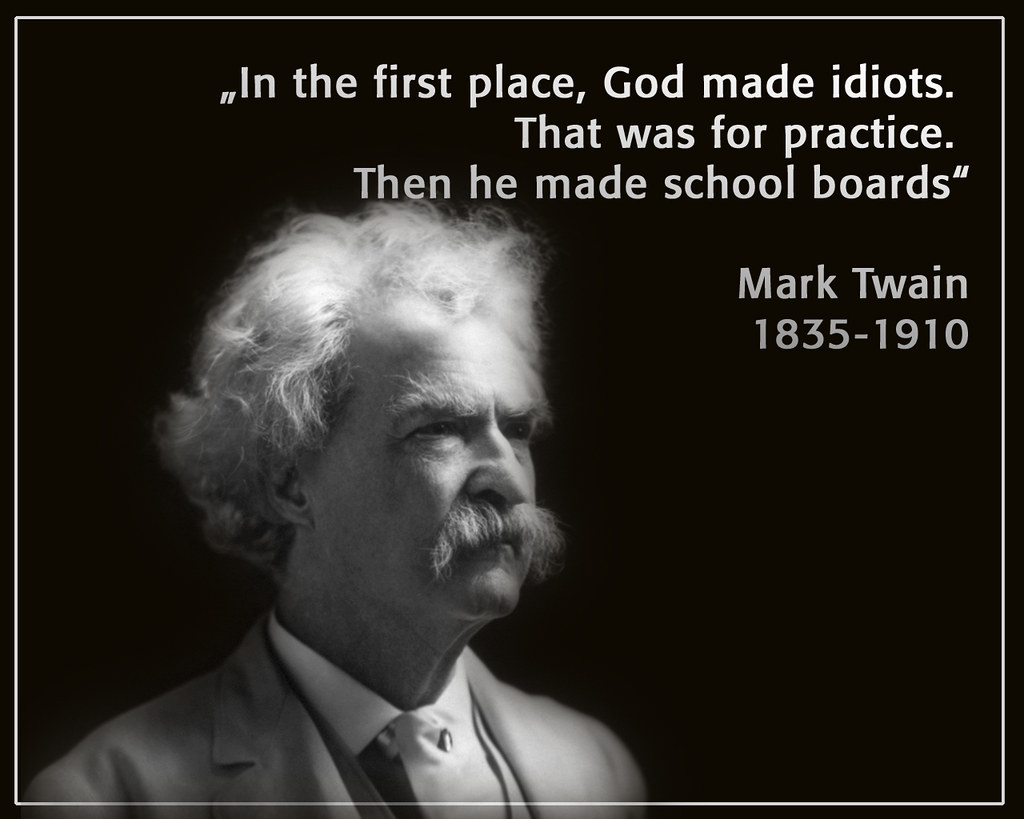
Known affectionately as the father of American literature, Mark Twain’s ambitious stories of motivated characters, such as Tom Sawyer and Huckleberry Finn, have captivated generations of readers. While his mastery of the English language and his profound impact on his country’s literary landscape are universally celebrated, a lesser-known facet of his life involves a remarkably precise prediction about his own death.
Twain’s life began shortly after the spectacular galactic visit by Halley’s Comet in 1835. With his characteristic wit, he famously joked that the next time the comet made its appearance, he would “go with it.” This wasn’t merely a casual remark; the author firmly believed, in his unique way, that God himself must have orchestrated such an event, musing: “Now here are these two unaccountable freaks; they came in together, they must go out together.”
An astonishing 75 years later, the celestial traveler, then known as Comet Swift, once again neared Earth, fulfilling the cosmic schedule Twain had jokingly laid out. With uncanny accuracy, his prediction came true. The celebrated author passed away due to a heart attack on April 21, 1910, just one day after the comet’s closest approach to our planet.
It is truly remarkable to consider the poetic symmetry of Twain’s life, bookended by a rare astronomical event. His ability to foresee his own departure in such grand, almost mythological terms, adds an extra layer of mystique to an already legendary figure. His life and death became inextricably linked to the cosmos, a narrative detail that continues to intrigue scholars and fans alike.
Read more about: Beyond the Screen Name: Uncovering the Shocking True Identities of Your Favorite Celebrities
9. John Denver
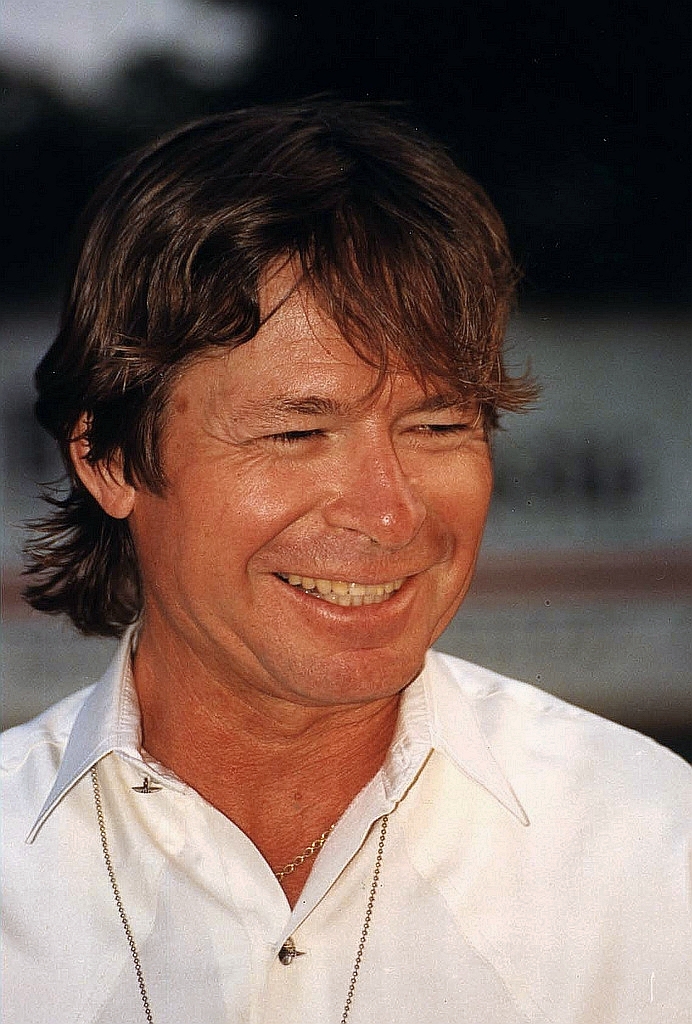
John Denver’s extensive career saw him excel as a singer, songwriter, entertainer, humanitarian, actor, and activist, earning him a place among the best musicians of his era. His popularity soared to incredible heights, captivating audiences worldwide with his wholesome image and melodic tunes. Beyond his celebrated performing arts career, Denver harbored a thrilling, albeit dangerous, passion: flying, having become an amateur pilot.
This love for aviation, which brought him immense joy, would ultimately become tragically intertwined with his fate. In 1969, at the cusp of his major success, Denver penned the timeless song “Leaving on a Jet Plane,” originally titled “Babe, I Hate to Go.” The lyrics, seemingly a simple farewell, held an unsettling premonitory power: “Cause I’m leavin on a jet plane, Don’t know when I’ll be back again.”
Twenty-eight years after the release of this iconic song, the veteran musician met a catastrophic end that echoed his own words. At the age of 53, John Denver died when his experimental Ruta Long-EZ plane crashed near Pacific Grove, California. The aircraft, a symbol of his enduring love for the skies, became the instrument of his tragic, untimely departure.
The profound irony of his life’s passion, coupled with the haunting accuracy of his lyrics, adds a somber and unforgettable dimension to John Denver’s legacy. It’s a poignant reminder that sometimes, the words we craft and the dreams we pursue can cast a long shadow, unknowingly foretelling the very path our lives will take.
Read more about: LeBron James’ Unprecedented Ascent: A Deep Dive into His NBA Career Milestones and Enduring Dominance
10. Kurt Cobain
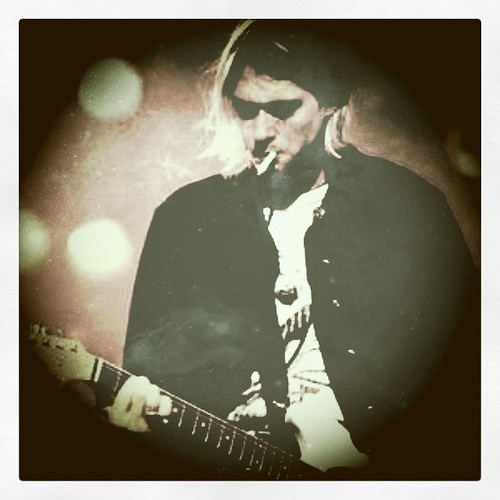
Nirvana frontman Kurt Cobain, alongside drummer Dave Grohl and bassist Krist Novoselic, single-handedly catapulted grunge into the mainstream, permanently altering the trajectory of the music industry. His raw talent and distinctive voice resonated with a generation, but his troubled life, marked by drug addiction and chain-smoking, ultimately led to an unexpected and tragic halt. The troubled artist committed suicide, a fate he had ominously hinted at on numerous occasions, yet his band’s popularity continues to breathe even decades after his passing.
The chilling accuracy of Cobain’s final act becomes even more unsettling when considering a conversation he had with a school friend at the tender age of 14. In this prophetic exchange, he made three distinct predictions about his future. First, he declared he would become a superstar, a prophecy that undoubtedly came true as he rose to become one of rock music’s greatest and most influential figures.
His second prediction was that he would become rich, which also materialized with the monumental success of Nirvana’s second album, ‘Nevermind.’ However, it was his third, and most haunting, prediction that truly resonates with his tragic end: he claimed he would “go out in a blaze of glory like Jimi Hendrix,” another iconic musician who died young.
Unfortunately, this final premonition proved to be devastatingly accurate. Cobain died from a self-inflicted shotgun wound to the head, cementing his place in the infamous “27 Club,” a tragic gathering of talented musicians who met their demise at that specific age. The eerie precision of his teenage foresight adds a profound and sorrowful layer to the mythos surrounding this grunge legend.
Read more about: Maestros Beyond the Melody: Unpacking the Diverse Legacies of America’s Most Influential Musicians

11. “Pistol Pete” Maravich
“Pistol Pete” Maravich, an NBA Hall of Famer, was renowned for his extraordinary showmanship and athletic prowess, with many, including fellow basketball legends, citing him as the best ball-handler of all time. He quickly made a name for himself, earning the distinction of being one of the youngest players inducted into the Naismith Memorial Basketball Hall of Fame. Maravich stands out on this list as the only sportsman, yet he shares a startling commonality with the musicians and historical figures: he too accurately predicted his own death.
Early in his career, after playing just four years in the NBA, Maravich made a chilling statement in an interview with the Beaver County Times. With an unsettling casualness, he declared: “I don’t want to play 10 years [in the NBA] and then die of a heart attack at the age of 40.” It was a remarkably specific premonition, outlining both the duration of his career and the exact manner and age of his demise.
Six years later, Maravich was forced to retire from the sport due to an injury, perfectly completing his stated ten years in the NBA. The eerie alignment of his words with subsequent events did not stop there. Tragically, while playing a pickup game, he suffered a heart attack and died, precisely at the age of forty.
Adding another layer of medical mystery to this already uncanny tale, medical reports later discovered that Maravich had a missing heart valve. This congenital condition meant he should have died at the age of twenty, yet he lived two additional decades, seemingly in defiance of biological odds, only to pass away exactly as he had predicted. It’s a profound intersection of fate, intuition, and biological anomaly.
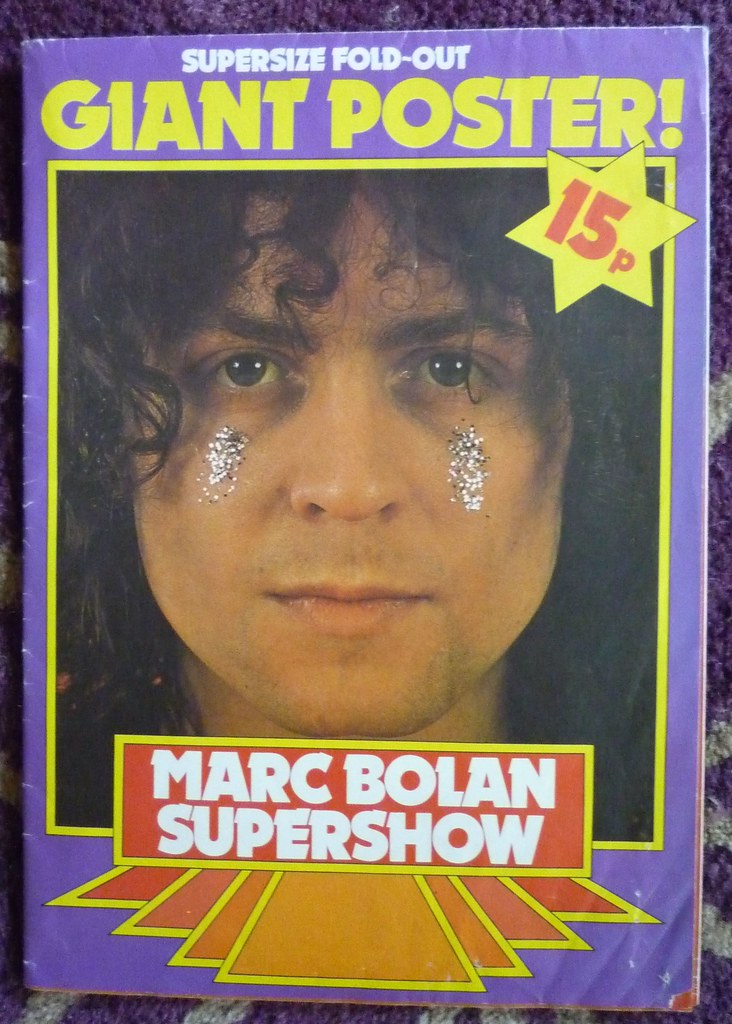
12. Marc Bolan
The British rock band T. Rex, with their unique take on glam rock, left an undeniable mark on the underground music industry of their country, despite their career spanning only a decade. At the heart of their distinctive sound was frontman Marc Bolan, a charismatic figure whose untimely death, tragically, seemed to have been foretold within his own artistic creations.
Five years before his demise, Bolan recorded the song “Solid Gold Easy Action” for his 1972 ‘Great Hits’ album. The lyrics, seemingly abstract at the time, contained phrases that would later take on a chillingly literal meaning: “Life is the same, and it always will be Easy as picking foxes from a tree A woman from the east with her headlights shinning.” These words, once a mere rock anthem, would transform into a tragic prophecy.
His fate caught up with him when he was riding in a car driven by his girlfriend, Gloria Jones, who was under the influence. The vehicle lost control, tragically crashing into a tree. The devastating accident resulted in injuries for Jones and the immediate death of Bolan, fulfilling the lyrical imagery of a “tree” and a “woman with her headlights shining” in a brutal, concrete way.
But the eerie coincidences did not end there. What about the enigmatic “fox” mentioned in the lyrics? In a detail that stretches the boundaries of belief, the registration number of the car involved in the fatal crash was FOX 661L. This final, specific detail cemented the uncanny accuracy of Bolan’s lyrical premonition, adding a profound and unsettling layer to the legacy of the glam rock icon.
Read more about: The Ultimate Chill: 9 Celebrities Who Knew Their Own Tragic End Before It Happened
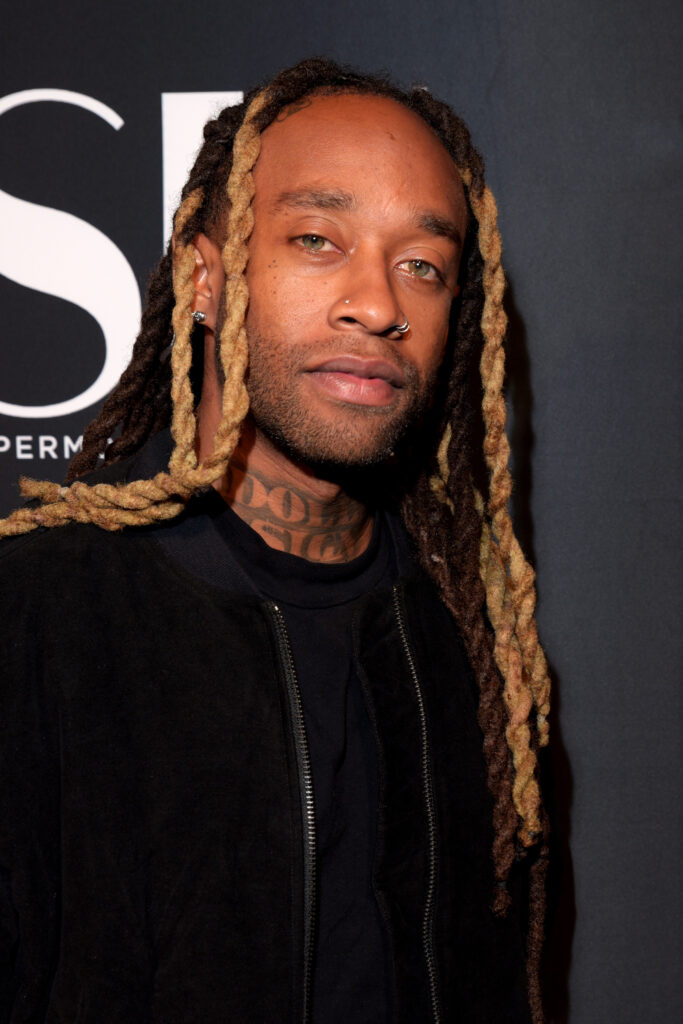
13. Dolla
Dolla, a young and resolute rapper, possessed immense talent and potential, poised to become one of his generation’s best. However, his promising career was drastically cut short by murder, a fate tragically common among rappers who sometimes perceived violent gang wars and shootouts as an inevitable part of their careers. He was killed by a gunshot at the tender age of 21, adding another name to a sorrowful list.
Even more unsettling is the direct link between his demise and his own words. Dolla articulated his fate in the lyrics of his then-unreleased song “Georgia Nights,” intended for his debut album “A Dollar and a Dream.” His chilling premonition declared: “Waking up in cold sweats having dreams of going out with a bang My poppa died by the gun, I’ll die by the gun And if I ever have a son, he’ll probably die by the same.”
The profound irony of his death lies in its direct fulfillment of his lyrical claims. Dolla was indeed killed by a gun, a brutal echo of the violent end he had envisioned for himself. Adding another layer of tragic familial connection, his father had also died from a gunshot to the head as an act of suicide, illustrating a haunting cycle of violence. While Dolla never had a son, the generational prophecy in his song remains a stark reminder of his profound, albeit tragic, foresight.
This heartbreaking confluence of personal experience, ancestral trauma, and artistic expression makes Dolla’s story particularly poignant. His lyrics, written before his death, paint a vivid and disturbing picture of the future that awaited him, leaving us to wonder about the mysterious forces that guide, or perhaps haunt, the lives of those who leave us too soon.
The Eerie Echoes of Prophecy: A Lasting Legacy
As we conclude our journey through these remarkable tales, it’s clear that the lives of these individuals were marked not only by their extraordinary achievements but also by unsettling predictions about their own deaths. From cryptic lyrics to vivid dreams and calculated observations, the manner in which these premonitions manifested is as diverse as the celebrities themselves. Whether they were fleeting intuitions or deeply ingrained fears, their words and actions cast a haunting shadow that ultimately converged with their tragic ends.
These stories compel us to ponder the enigmatic interplay between free will and destiny, coincidence and clairvoyance. While skepticism may temper some interpretations, the sheer accuracy and specificity of many of these foretellings are difficult to dismiss as mere chance. Each account adds a fascinating, often heartbreaking, layer to the legacies of these figures, ensuring their stories resonate with a unique kind of wonder and sorrow.
Read more about: From Ashtrays to Bubble Tops: The 15 Wild & Wonderful Car Features People Loved 60 Years Ago
Their prophetic words, once perhaps overlooked, now serve as poignant reminders of life’s fragility and the mysterious ways in which impending doom can sometimes be glimpsed. These narratives continue to captivate our intellectual curiosity, inviting us to explore the boundaries of perception and the enduring power of human intuition in the face of the unknown. They leave us with a profound sense of awe, forever etched into the annals of history as celebrities who, in a chilling twist, truly saw it coming.