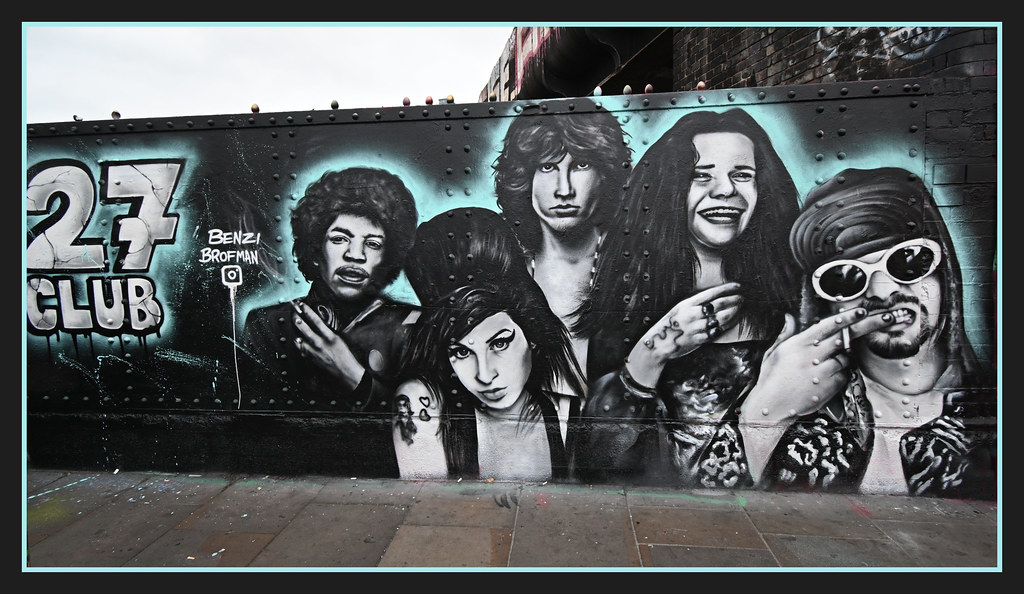
The allure of mysterious coincidences, especially when they involve cultural icons, has always held a powerful grip on the human imagination. Few phenomena in popular culture capture this fascination quite like the notorious ’27 Club.’ This informal, notional list comprises an unnerving number of popular musicians and other celebrities who, through tragic and often similar circumstances, departed this world at the youthful age of 27. It’s a concept that transcends mere statistics, weaving itself into the fabric of entertainment lore, celebrity journalism, and fervent fan speculation.
What truly makes the 27 Club an enduring enigma is the persistent question: Is it merely a series of devastating twists of chance, or is there something much deeper, more sinister, at play? To many, it’s just a heartbreaking collection of untimely deaths, yet for a devoted segment of super-fans and enthusiasts, these parallel tragedies – often attributed to overdose, suicide, car accidents, or murder – are far too similar to be dismissed as simple coincidence. This sentiment fuels a vibrant landscape of theories, transforming these fallen stars into ‘Rock Gods and Goddesses’ and rendering their early demises somehow ‘inevitable.’
Among the most compelling of these speculative narratives are the ‘Crossroads Myth’ and the ‘Creative Peak’ theory, each attempting to rationalize the perplexing pattern of premature death. The Crossroads theory posits a Faustian bargain, suggesting that immensely talented musicians bartered their lives at 27 for their exceptional gift of fame and artistry. Conversely, the Creative Peak theory proposes that 27 marks a zenith of intense creativity and production, an artistic surge that, for truly gifted musicians, is inextricably linked to substance abuse, turmoil, or self-destruction, making death at this age an almost unavoidable consequence. These theories, alongside others like the one suggesting external famous individuals might be behind the deaths to prevent being surpassed, illustrate the profound human need to find meaning in the inexplicable, transforming tragic facts into captivating, unsettling narratives that continue to resonate across generations.

1. **Jimi Hendrix**Jimi Hendrix, the pioneering electric guitarist, singer, and songwriter of the Jimi Hendrix Experience and Band of Gypsys, stands as one of the undeniable pillars of the 27 Club. His death on September 18, 1970, at the age of 27 years and 295 days, from asphyxia due to drug use, plunged the music world into mourning and helped solidify the early contours of the infamous club. Hendrix was one of four prominent musicians—alongside Brian Jones, Janis Joplin, and Jim Morrison—who all died at 27 between 1969 and 1971, a cluster of events that initially sparked “some comment” about the uncanny coincidence.
Hendrix’s groundbreaking talent and electrifying stage presence cemented his status as a legendary figure whose influence continues to reverberate through rock music. His high-risk lifestyle, a common thread among many associated with the 27 Club, aligned perfectly with the emerging narrative of creative genius entwined with self-destructive tendencies. His premature demise became a prime example for those who believe in the ‘Creative Peak’ theory, where unparalleled artistic output comes at a devastating cost of turmoil and substance abuse, leading to an unavoidable death at the age of 27.
Furthermore, Hendrix’s inclusion in what has often been referred to as the “holy trinity” of 1960s rock, alongside Joplin and Morrison, amplified the mystique surrounding his death. His passing, perceived by many as being at the height of his powers, contributed significantly to the mythologizing of these musicians into “Rock Gods and Goddesses.” This iconic status, combined with the tragic circumstances of his death, ensured that Jimi Hendrix would forever be etched into the lore of the 27 Club, a potent symbol of extraordinary talent meeting an early, enigmatic end.
Read more about: From Barracks to Blockbusters: 15 Iconic Actors Who Answered the Call of Duty Before Hollywood Stardom

2. **Janis Joplin**Janis Joplin, the powerful lead vocalist and songwriter for Big Brother and the Holding Company, the Kozmic Blues Band, and Full Tilt Boogie Band, is another foundational member of the 27 Club. Her death on October 4, 1970, at 27 years and 258 days, due to a drug overdose, occurred just weeks after Jimi Hendrix’s passing, further intensifying the eerie pattern of young, talented musicians dying at the same age. Her inclusion, along with Hendrix and Jim Morrison, formed the core of what was later termed the “holy trinity” of 1960s rock, giving the club its initial, chilling prominence.
Joplin’s raw, electrifying vocal style and her uninhibited stage presence made her an undeniable force in the blues-rock scene. Her life, much like her music, was characterized by an intense emotionality and a high-risk lifestyle that sadly mirrored the struggles of many of her contemporaries. This personal struggle, culminating in a drug overdose, lent further credence to the ‘Creative Peak’ conspiracy theory, which suggests that immense artistic output for highly talented individuals is often tragically linked to substance abuse and self-destruction, leading to an untimely death at 27.
The tragic nature of her death, coupled with her immense talent, quickly integrated her into the burgeoning mythology of the 27 Club. For fans, her passing wasn’t just a personal loss; it became another piece of evidence in the unsettling puzzle of why so many brilliant stars seemed to burn out so quickly and at such a specific age. Janis Joplin’s legacy is thus dual-faceted: she remains an icon of vocal power and emotional authenticity, but also a poignant symbol of the 27 Club’s enduring, and deeply sorrowful, mystery.
Read more about: Beyond the Boys’ Club: 14 Iconic Rock Anthems by Fearless Female Artists That Still Electrify Our Playlists

3. **Jim Morrison**Jim Morrison, the enigmatic singer, lyricist, and leader of the legendary rock band The Doors, completed the original “holy trinity” of 1960s rock icons who died at 27. His death on July 3, 1971, at 27 years and 207 days, officially attributed to heart failure, added another layer of intrigue and sorrow to the growing phenomenon of the 27 Club. Coming shortly after the deaths of Hendrix and Joplin, Morrison’s passing solidified the initial perception that there was something profoundly significant, or tragic, about this particular age for celebrated musicians.
Morrison’s persona was one of a rebellious, ‘rock & roll poet’ living on the edge, a self-description that even Kurt Cobain would later echo. This image, deeply ingrained in his public identity, resonated strongly with the underlying themes of the 27 Club – a life lived with such intensity and disregard for convention that a premature end seemed almost destined. The official cause of death, “heart failure,” was also subject to speculation due to the circumstances and lack of an autopsy, further fueling the ‘unsolved mystery’ aspect that defines the club’s narrative.
Interestingly, the cultural grip of the 27 Club was so powerful that it even impacted those who would later become its members. Three years before her own death, Amy Winehouse’s personal assistant recalled Winehouse, then 25, expressing a fear that she would “join Jim Morrison, Brian Jones, and Kurt Cobain in dying at 27,” stating, “I have a feeling I’m gonna die young.” This premonition highlights how the myth itself could shape anxieties and perhaps even contribute to a sense of inevitability, reinforcing the pervasive influence of Morrison’s legacy within the club’s lore.
Read more about: Echoes of Dissent: The Controversial Songs That Defined America’s Airwaves

4. **Brian Jones**Brian Jones, a founding member, guitarist, and multi-instrumentalist of the iconic Rolling Stones, was one of the earliest figures whose tragic death at 27 contributed to the initial recognition of the 27 Club phenomenon. He passed away on July 3, 1969, at 27 years and 125 days, due to drowning. His death, occurring before those of Hendrix, Joplin, and Morrison, set a somber precedent, making him a precursor to the cluster of musical losses that would soon follow and cement the club’s notoriety.
Jones’s artistic vision and musical contributions were instrumental in shaping the early sound and image of the Rolling Stones. However, his life was also marked by personal struggles, substance abuse, and escalating tensions within the band, leading to his departure just weeks before his death. The circumstances of his drowning were shrouded in ambiguity, contributing to the speculative edge that often accompanies the deaths of 27 Club members. This air of mystery only deepened the collective fascination with the group of musicians who seemed to share not just an age of death, but also a certain tragic grandeur.
His passing, as part of the 1969-1971 wave, was crucial in laying the groundwork for the ’27 Club’ as a subject of popular culture and entertainment industry lore. While the coincidence of these deaths initially gave rise to “some comment,” it was the sheer number and iconic status of these early figures, including Jones, that began to etch the age of 27 into the collective consciousness as a seemingly cursed period for rock stars. He remains an essential, if often overshadowed, figure in the dark tapestry of this notorious club, a tragic pioneer whose fate foreshadowed the legends to come.
Read more about: Remembering the Icons: We Bid Farewell to 13 American Figures Who Left an Indelible Mark in 2024

5. **Kurt Cobain**Kurt Cobain, the founding member, lead singer, guitarist, and songwriter of the immensely influential band Nirvana, irrevocably propelled the idea of the 27 Club into the popular zeitgeist. His death, ruled a suicide, occurred on approximately April 5, 1994, at the age of 27 years and 44 days. While earlier deaths had sparked “some comment,” it wasn’t until Cobain’s tragic end that the concept truly exploded into widespread public consciousness, largely fueled by the burgeoning influence of the Internet and sensational celebrity journalism.
A pivotal moment in the club’s popularization came from a quote by Cobain’s mother, Wendy Fradenburg Cobain O’Connor, published in a local newspaper and subsequently carried worldwide: “Now he’s gone and joined that stupid club. I told him not to join that stupid club.” Many contemporary journalists, and biographers like Charles R. Cross, interpreted her words as a direct reference to the infamous untimely deaths of fellow rock musicians like Hendrix, Joplin, and Morrison. This statement, regardless of its original intent, indelibly linked Cobain to the existing narrative and solidified his position as arguably the most significant post-1970s member to reinforce the club’s mythos.
The intended meaning of Cobain’s mother’s quote has, in fact, been disputed. Some scholars suggest she was referring to a “tragic family matter” of multiple suicides within their family. Other journalists linked it to the recent heroin-related deaths of other young Seattle rock musicians. However, the cultural interpretation prevailed, cementing his status. Cobain’s own words, expressing a desire to feel “more bonded with the Jim Morrison type of living on the edge, rock & roll poet,” underscore the conscious or unconscious connection to the romanticized, yet tragic, path taken by his predecessors, making his inclusion in the 27 Club a deeply impactful and symbolically resonant event.
Read more about: Beyond the Boys’ Club: 14 Iconic Rock Anthems by Fearless Female Artists That Still Electrify Our Playlists

6. **Amy Winehouse**Amy Winehouse, the immensely talented British singer-songwriter, became a focal point for the renewed swell of media attention surrounding the 27 Club following her death on July 23, 2011. Her passing at 27 years and 312 days, attributed to alcohol poisoning, brought the infamous club back into sharp focus for a new generation, sparking widespread discussion about the phenomenon nearly two decades after Kurt Cobain’s death. Her talent was undeniable, but her public struggles with addiction and a high-profile, tumultuous lifestyle made her a tragic figure whose story seemed almost predestined to fit the club’s narrative.
What makes Winehouse’s entry into the 27 Club particularly poignant is the revelation that she herself feared she would become a member. As reported by her personal assistant, Alex Haines, three years before her death, Winehouse, then 25, expressed, “She reckoned she would join the 27 Club of rock stars who died at that age. She told me, ‘I have a feeling I’m gonna die young.'” This chilling premonition underscores the pervasive nature of the 27 Club myth, demonstrating how it can permeate the consciousness of artists and potentially influence their self-perception, or at least reflect their awareness of the precarious paths taken by their predecessors.
Her death reignited the debate about the causes behind these untimely demises, fitting squarely into the mold of the ‘Creative Peak’ theory, where extraordinary talent is often accompanied by self-destructive behaviors and substance abuse. Amy Winehouse’s enduring musical legacy, combined with the tragic circumstances of her death and her own chilling foresight, cemented her status as a modern-day icon of the 27 Club, ensuring that the mystery surrounding this age continues to captivate and haunt fans and observers alike. Her story serves as a stark reminder of the fragile line between genius and self-destruction, and the powerful grip of a cultural narrative that refuses to fade away.
The initial cluster of rock legends who tragically departed at 27 undeniably cemented the 27 Club in popular culture, creating a haunting narrative that echoed across generations. Yet, as the years passed, the club’s lore began to evolve, stretching beyond the traditional confines of music to embrace a more diverse array of celebrated figures. This expansion only deepened the mystery, prompting questions about whether the age itself held some inherent danger, or if human nature simply sought patterns in the most devastating of coincidences.
As we delve deeper into this perplexing phenomenon, we’ll examine additional figures whose untimely demises at 27 further shaped the club’s narrative, pushing its boundaries and fueling the enduring debate between rational explanation and the powerful allure of the unknown. These are stories that, while varied in their specific circumstances, all converge on that fateful age, leaving us to wonder about the threads that connect such disparate lives in a single, sorrowful club.
Read more about: Never Been on a First Date? Valerie Bertinelli’s Shocking Revelation and the Many Layers of a Timeless Name
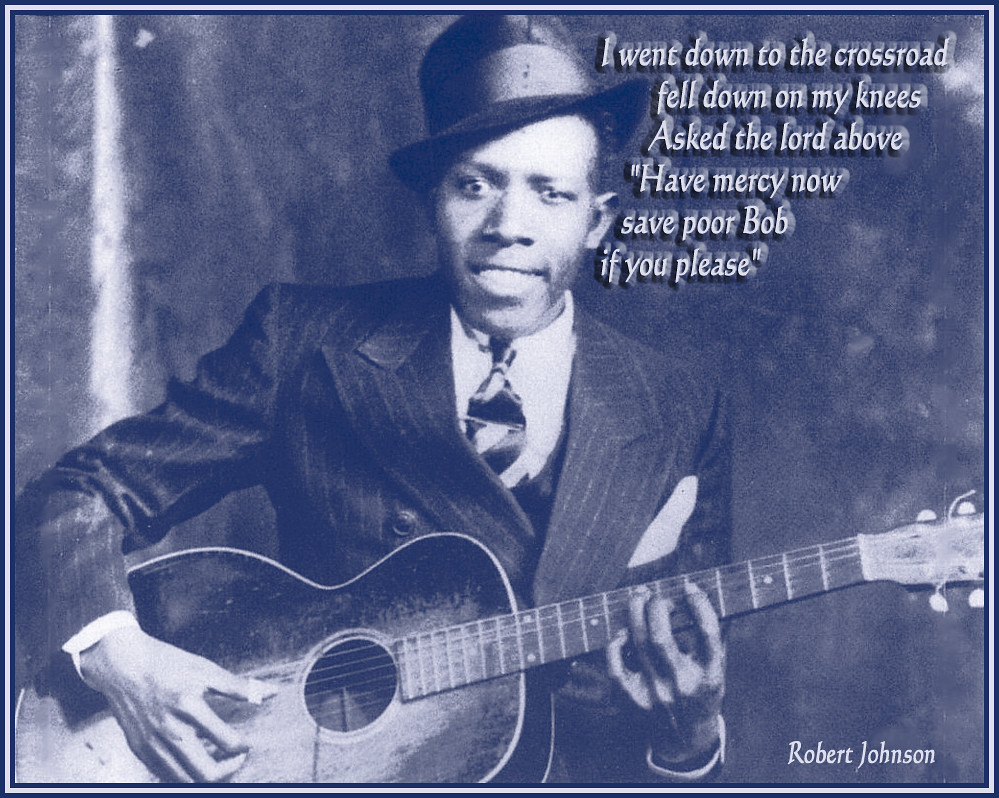
7. **Robert Johnson**Long before the likes of Hendrix and Morrison gave the 27 Club its infamous name, there was Robert Johnson, a blues singer and musician whose legend predates the club’s popular emergence by decades. Dying in 1938 at the age of 27 years and 100 days, Johnson is widely regarded as one of the earliest popular musicians to be retrospectively included by various sources. His inclusion highlights the timeless nature of the tragic pattern, suggesting that the phenomenon existed long before it became a subject of celebrity journalism and online fascination.
Johnson’s death is officially listed as unknown, though whispers of poisoning and murder have long circulated, adding to the layers of mystery surrounding his life and passing. This ambiguity perfectly aligns with the ‘unsolved mystery’ aspect that defines much of the 27 Club’s appeal. It’s a tale shrouded in folklore, a tragic end for a man whose innovative guitar style and haunting vocals left an indelible mark on music history.
His story is perhaps the quintessential embodiment of the ‘Crossroads Myth,’ a cornerstone conspiracy theory that claims talented musicians bargained their lives at 27 for their exceptional gift of fame and artistry. Johnson himself was famously rumored to have met the Devil at a crossroads, exchanging his soul for unparalleled musical prowess. Whether true or not, this captivating narrative inextricably links his early demise to a supernatural pact, cementing his place as an almost proto-member and a foundational enigma of the 27 Club.
Read more about: Beyond the Vows: 8 Powerhouse Actresses Who Mastered Hollywood’s Altar of Success First
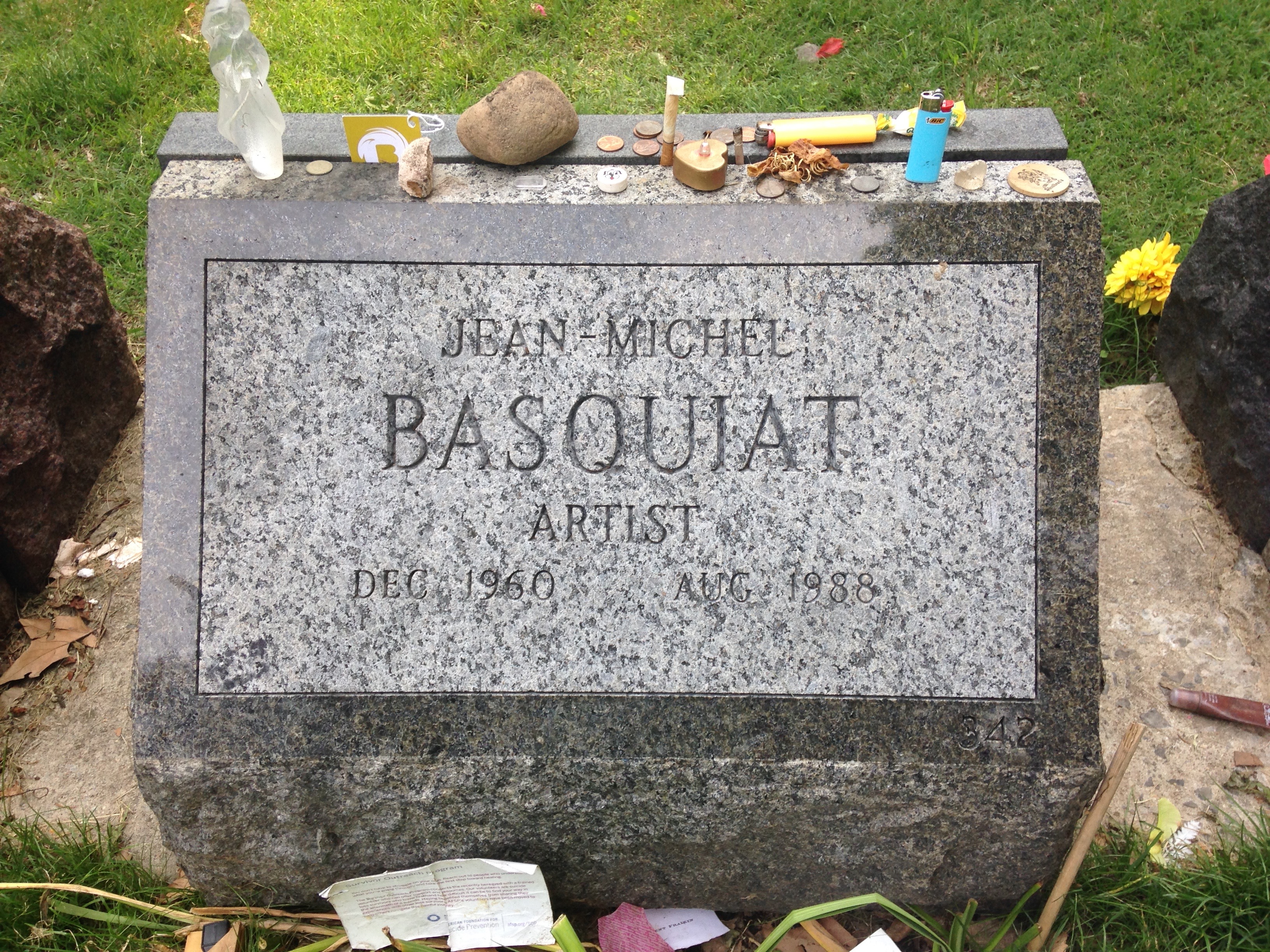
8. **Jean-Michel Basquiat**While the 27 Club is predominantly associated with musicians, its evolving lore embraced visual artists whose intense creative lives also met a premature end. Jean-Michel Basquiat, a visionary painter and graffiti artist, broadened the club’s scope beyond traditional rock stars when he passed away on August 12, 1988, at 27 years and 234 days, due to a drug overdose. Though he formed the band Gray, his primary fame stemmed from his groundbreaking work as a painter, making his music career “relatively brief and obscure.”
Basquiat’s meteoric rise in the art world was characterized by a raw, intense creative output that pushed boundaries and redefined contemporary art. This kind of intense production and boundless energy, unfortunately, often comes with a high-risk lifestyle. His struggle with substance abuse, culminating in an overdose, tragically resonates with the ‘Creative Peak’ theory, which posits that intense creativity for artists is often linked to turmoil, substance abuse, or self-destruction, leading to an untimely death at the age of 27.
His inclusion demonstrates how the 27 Club myth transcends specific artistic mediums, suggesting that the pressures and excesses of celebrity, regardless of whether it’s in music, painting, or other creative fields, can lead to similar tragic outcomes. Basquiat’s story underscores the idea that for some extraordinarily talented individuals, their brilliant light burns so brightly that it extinguishes itself far too soon, cementing his status as a poignant, non-musical icon within the club’s tragic tapestry.
Read more about: Beyond the Headlines: An In-Depth Look at Madonna’s Iconic Journey Through Music, Film, and Cultural Evolution

9. **Jonathan Brandis**The expansion of the 27 Club’s narrative beyond music became strikingly evident with the inclusion of actors, highlighting how the intense scrutiny and pressures of celebrity can affect individuals across various entertainment industries. Jonathan Brandis, a popular American film and television actor, was tragically added to this list when he died by suicide on November 12, 2003, at the age of 27 years and 213 days. His passing marked a significant moment, as *Rolling Stone* explicitly included him in a list of 27 Club members, further broadening the public’s perception of the phenomenon.
Brandis was a well-known child star who transitioned into a successful young adult acting career, gracing both the big and small screens. His battle with depression and the eventual cause of his death—suicide—is, sadly, one of the “most common causes of death in the 27 Club,” aligning with the themes of self-destruction and internal turmoil that are frequently linked to the club’s members. His story contributes to the unsettling pattern of young, talented individuals facing profound personal struggles that lead to such devastating ends.
His tragic end reinforced the “cultural perception” of the 27 Club, illustrating that the vulnerability to a premature demise at this specific age was not exclusive to rock stars. It signaled that the demanding and often unforgiving world of celebrity, irrespective of the craft, could lead to similar high-risk lifestyles and tragic outcomes, making his inclusion a stark reminder of the broader human element behind the myth.
Read more about: Gone Too Soon: The Enduring Legacies of Movie Stars Who Shined Brightly Before Turning 30

10. **Anton Yelchin**In more recent times, the 27 Club continued its ominous expansion, solidifying its hold on celebrity journalism with the untimely death of actor Anton Yelchin. He passed away on June 19, 2016, at the age of 27 years and 100 days, due to a tragic car crash. Yelchin, widely recognized for his role as Chekov in the *Star Trek* reboot series, had also played in a punk rock band, but his primary fame was unequivocally as an actor. His death reignited the media’s focus on the club, with headlines proclaiming, “The curse of the ’27 Club’ strikes again after Star Trek actor Anton Yelchin dies.”
Yelchin’s demise, officially attributed to a “car crash,” falls under “transportation-related accidents,” one of the categories of violent means often associated with the 27 Club. This specific cause of death further diversified the tragic circumstances beyond overdose or suicide, adding another dimension to the perplexing question of why so many celebrated figures meet such varied, yet equally final, ends at the same age. It fuels the debate between chance and an underlying, unexplainable pattern.
His story powerfully demonstrates the club’s enduring cultural relevance in the modern era, showing how it continues to influence public perception and media narratives surrounding celebrity deaths. The immediate association of his passing with the 27 Club underscores the powerful “memetic reification” of the myth, where collective storytelling and media reinforcement transform unrelated events into a lasting cultural narrative. Anton Yelchin’s fate reminds us that the tragic grip of this informal club extends even to the most unexpected and seemingly accidental circumstances.
Read more about: Gone Too Soon: Remembering 14 Iconic Actors Whose Legacies Live On Forever
The 27 Club, in its expanded form, continues to be a captivating, albeit somber, fixture in our cultural consciousness. From the blues of Robert Johnson to the canvases of Basquiat, the silver screen performances of Brandis and Yelchin, and even the football pitches graced by Escobar, the myth has proven remarkably adaptable. While scientific research, as published in the *British Medical Journal*, refutes the notion of a statistical spike at age 27, noting that “fame may increase the risk of death among musicians, but this risk is not limited to age 27,” the cultural perception persists. The “27 Club effect” demonstrates the powerful role of collective storytelling and media reinforcement in transforming these individual tragedies into a lasting cultural narrative. It remains an unsettling testament to our desire to find meaning in the most devastating of coincidences, ensuring that the allure of these young icons and their tragically curtailed lives will continue to spark wild theories and endless debate for generations to come.