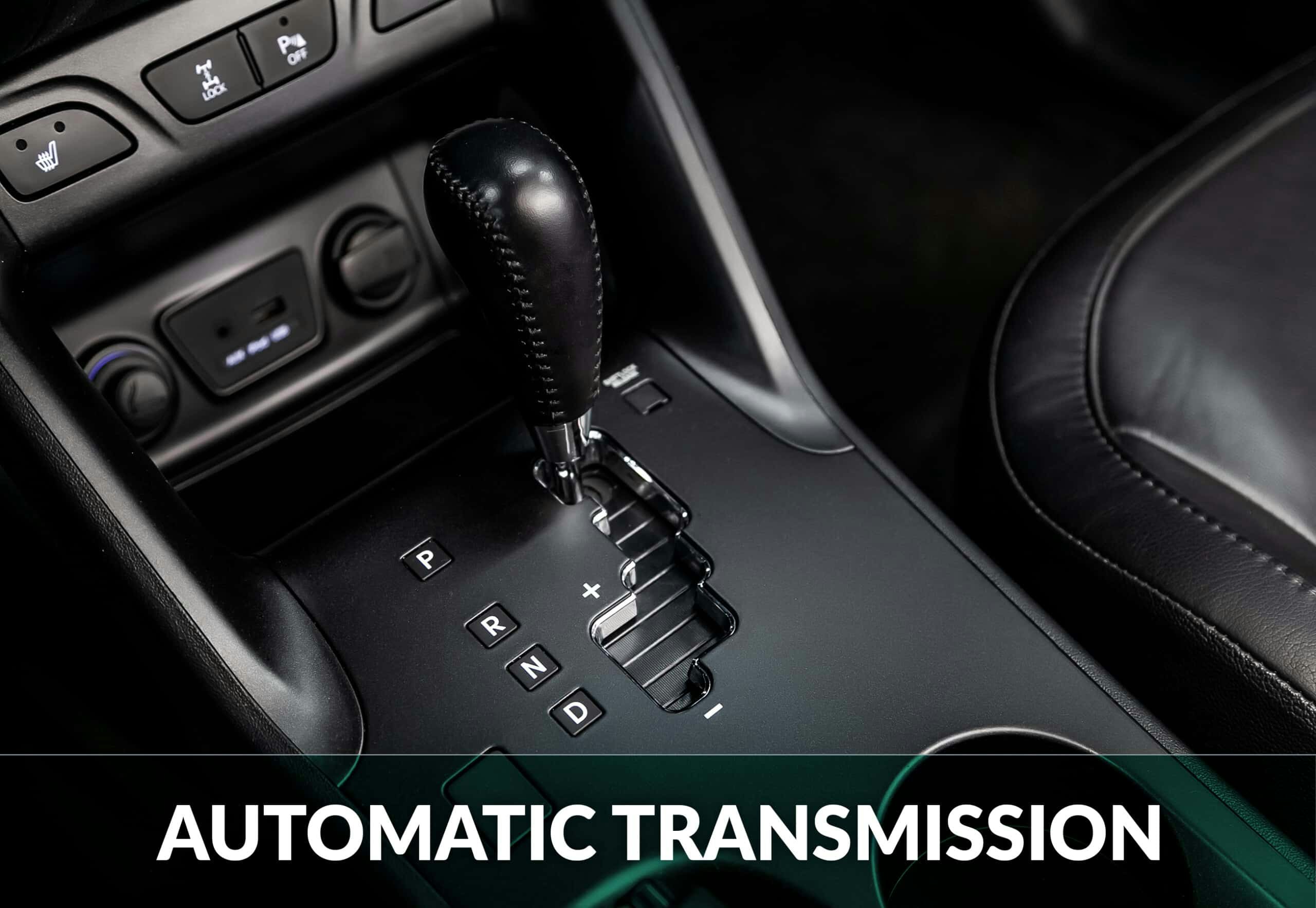
Automatic transmissions offer convenience and ease of driving, revolutionizing the motor industry and simplifying controls for many. Just put it in Drive and go, right? While these vehicles are designed for smooth, effortless operation, that very simplicity can lead to a few bad habits that cause serious, expensive damage over time. Many drivers, especially beginners, are eager to experience the ease of an auto car, but often overlook the subtle ways they might be sabotaging their vehicle’s most complex and vital component.
Whether it’s shifting into Park while still rolling or coasting in Neutral like it’s 1995 – spoiler: it’s not saving you gas – these little habits can lead to big repair bills, often exceeding the $500 mark for even minor fixes, and quickly escalating into thousands for major overhauls or replacements. Automatic transmissions are full of finely tuned parts and complex hydraulics, not magic. While they’re built to handle daily driving, they’re not built to survive years of driver abuse or YouTube driving “hacks.” This advice comes straight from the people who know: mechanics who’ve seen the same transmission killers roll into the shop week after week, techs who write the service bulletins, and seasoned drivers who’ve learned the hard way.
The transmission is one of the most critical components of your vehicle, responsible for transferring power from the engine to the wheels and enabling you to change speeds smoothly. However, improper use or neglect can lead to significant transmission damage, resulting in costly repairs or even complete transmission failure. We’ve rounded up 14 common mistakes people make with automatics – habits that aren’t rare; they’re everywhere, and they’re slowly cooking your transmission like it’s a Sunday roast. If you want to keep your car running smoothly and avoid dropping thousands at the repair shop, this is one list you’ll want to check twice.

1. **Shifting into Park While Moving**This is one of the most damaging habits automatic drivers fall into. Shifting into “Park” while the vehicle is still moving can severely damage the transmission, as the parking pawl (locking mechanism) is not designed to handle the force of the vehicle in motion. This may not seem like a big deal, especially if you’re just coasting gently into a parking spot, where you might think there would be some kind of safety mechanism to prevent you from doing this if it’s so bad. However, the parking mode is not for stopping your car; it is meant to prevent your vehicle from rolling away after parking.
Shifting to the Park mode will cause a locking pin to be inserted into a gear attached to the output shaft of the gearbox. The wheels are also connected to the same shaft. So, when you lock it and keep the vehicle rolling at the same time, there’s a risk of breaking the locking pin. Over time, forcing this part to stop a moving vehicle can bend or even break it.
Once the pawl is damaged, your car might start rolling even when it’s parked, posing a serious safety risk and leading to an expensive repair. Some auto cars fortunately won’t let you use parking mode to stop them, but relying on that isn’t wise. Always come to a complete stop before shifting into “Park.” Use the brake pedal to ensure the vehicle is stationary. That one-second pause could save you thousands.
Read more about: The ’90s Unleashed: 10 Era-Defining Trends That Secretly Forged Tomorrow’s Stars
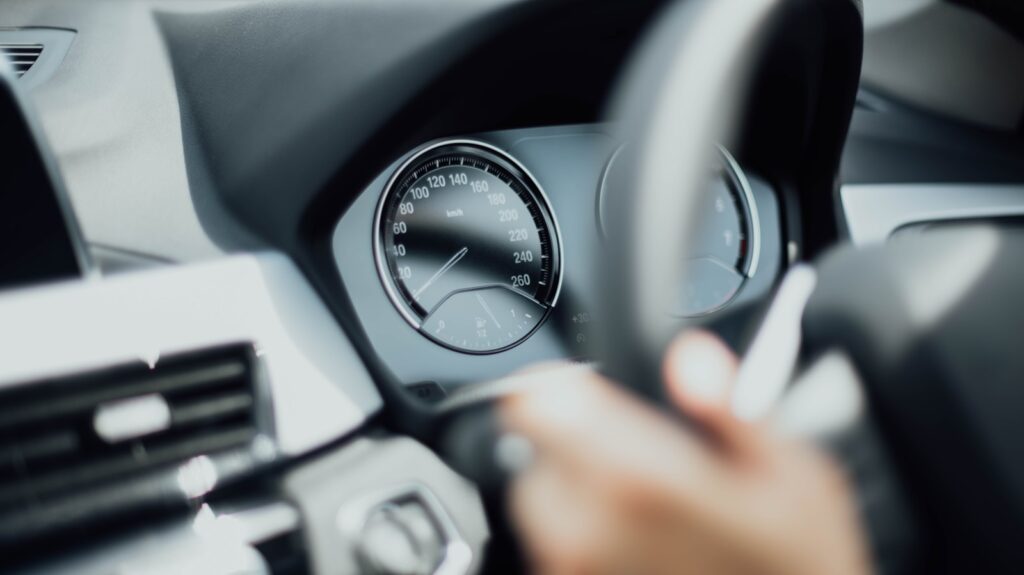
2. **Resting Your Hand on the Gear Shifter**While it might seem harmless or even stylish to keep your hand on the gear lever, doing so in an automatic car can lead to unnecessary wear. Resting your hand on the gear shift while driving can place unnecessary pressure on the transmission components, leading to wear and potential damage. Unlike manuals, automatics aren’t designed for constant input on the shifter, and even in a manual, it’s not recommended.
Most automatic shifters are linked mechanically or electronically to the transmission system. Applying even light pressure can slowly wear out the shift mechanism, bushings, and internal parts. This prolonged pressure increases wear. Pressure on the gear shift may also cause accidental shifts into another gear, particularly in models with a less robust shift lever.
To protect these delicate components, simply keep your hand off the gear shift while driving and use it only when shifting gears intentionally. Use your hand when you need to shift, and then let it go. You’re not shifting anyways, so knock it off. This small change in habit can prevent future issues like imprecise shifting or, worse, gear slipping.
Read more about: From Ashtrays to Bubble Tops: The 15 Wild & Wonderful Car Features People Loved 60 Years Ago

3. **Coasting Downhill in Neutral**This is one of the oldest myths in driving: shifting to Neutral downhill or at stoplights to save gas. Many people do this, believing it protects the driveline from unnecessary wear or saves fuel. An average New York driver might tell you they save much gas when they put their car in a neutral position when sliding downhill or down a slope, with the car partly on its own.
While that may have been relevant decades ago, modern automatic cars are equipped with fuel injection systems that already optimize consumption, making any fuel savings negligible. Worse, coasting downhill in “Neutral” can reduce the effectiveness of your braking system and increase wear on the transmission. Shifting into “Neutral” removes engine braking, which can lead to reduced control and longer stopping distances. It also cuts the oil supply, so the transmission does not get the proper lubrication for smooth operation, resulting in significant wear and damage.
The fact that you are not in full control means that you cannot save the situation fast enough should a potential hazard show up. You cannot speed up your car when it is in a neutral position; you can only slow it. This limits your ability to accelerate or control the car quickly if needed, which, with the way people on the road text and drive these days, means you never know when you’ll have to bob and weave out of the way. Instead, use engine braking and maintain your vehicle in gear while driving downhill to ensure better control and reduce wear on the transmission. Stay in Drive and let the car do what it was designed to do: manage fuel efficiently without compromising safety.
Read more about: Unmasking the Silent Destroyers: 14 Everyday Driving Habits Secretly Wrecking Your Ride

4. **Ignoring Regular Transmission Fluid Maintenance**Transmission fluid lubricates, cools, and cleans the internal components of the transmission, making it crucial for keeping your transmission in good working order. It also powers the internal parts of your automatic gearbox. One of the most common mistakes vehicle owners make is neglecting routine transmission maintenance, often thinking transmission fluid lasts forever because it’s sealed in a lifetime system.
Low or dirty fluid can cause overheating and internal damage. Over time, this fluid will degrade, become contaminated, or lose its effectiveness, leading to increased friction and heat. Old or dirty transmission fluid can cause excessive wear and tear on internal parts, leading to overheating and eventual transmission failure. Contamination in the fluid can also work its way into other internal components and cause mechanical or electrical failures.
Without adequate lubrication, metal components can grind against each other, causing excessive heat and damage which lead to costly repairs. Low fluid levels can also cause erratic shifting and slipping. In reality, lifetime usually means 100,000 miles at best. Dirty fluid leads to harsh shifting, overheating, and premature failure.
Regularly check your transmission fluid level and condition. The fluid should be at the proper level and have a bright red or pink color. If the fluid appears dark, it’s time for a change. If it appears burnt or has a foul smell, the transmission might be in need of repair or rebuilding. Adhere to your vehicle’s recommended transmission service schedule, which typically includes fluid changes, filter replacements, and inspections. If you tow, often drive in heavy traffic, or live in a hot climate, you may need to service it more frequently. Additionally, keeping your fuel tank low also starves the automatic car, which largely depends on fluid pressure to run properly, as fuel helps a vehicle’s engine and other elements to stay cool and lubricated. Therefore, it is best to keep your fuel tank at least ¼ full most of the time if you drive an automatic transmission car.
Read more about: The Truth About Your Car’s Transmission Fluid: Why ‘Lifetime’ Doesn’t Mean Forever

5. **Overloading Your Vehicle**Every car has a maximum weight it can safely carry. Overloading your vehicle beyond its recommended weight capacity puts additional strain on the transmission, particularly in vehicles not designed for heavy-duty towing or carrying large loads. Going over that limit forces the transmission to work harder, especially during acceleration and hill climbs.
This extra strain can cause overheating, increase clutch wear, and even cause transmission failure in extreme cases. Excessive weight forces the transmission to work harder, generating more heat than it’s designed to handle, which can degrade the fluid and damage internal components. This added strain can lead to premature wear of clutches, gears, and other critical transmission parts.
Follow the manufacturer’s recommended load limits for your vehicle and avoid carrying excessive weight. Check the owner’s manual for the maximum recommended weight and towing capacity. It’s not just about the engine; it’s about the transmission doing heavy lifting too, along with brakes, the structural integrity of the frame, and your safety, and the safety of everyone else on the road.
Read more about: The Car Modifications Dealers Say Can Instantly Void Your Warranty: A Comprehensive Consumer Guide

6. **Using Harsh Driving Habits (Aggressive Acceleration/Braking)**Aggressive driving, such as rapid acceleration or hard braking, can put extra stress on the transmission and reduce its lifespan. Many drivers fall into the habit of accelerating before the transmission has fully engaged the gear, or revving the engine before switching to the gear. This might give you a burst of speed or feel powerful, but it’s brutal on the transmission.
Rapid acceleration and hard braking cause increased strain and heat, which can accelerate wear on transmission components. Revving the engine before switching to gear gives the transmission a massive shock that leads to more friction between the internal components, causing damage to engine parts. Accelerating too early, before the transmission has fully engaged, causes internal slippage, which leads to faster wear on the clutches and bands. This is particularly damaging to automatic transmissions, where abrupt shifts can cause internal components to wear prematurely or even break under pressure.
This subtle abuse, at first, might only manifest as jerking or hesitation, but over time, your transmission could start outright failing. Driving hard without warming up the engine, especially in cold weather when oil thickens and moves slowly, will also lead to severe internal damage if you shift into gear and start driving at high speed from the beginning.
Drive smoothly and avoid sudden or aggressive driving maneuvers to protect your transmission and improve vehicle efficiency. Give the fuel a minute to run into the transmission and all of its parts before demanding high performance. Unless you’re on a racetrack (with a car built for it), avoid these hard starts. They shorten your transmission’s life significantly.

7. **Ignoring Transmission Warning Signs**Many drivers make the mistake of ignoring early warning signs that their transmission may be in trouble. Symptoms like slipping gears, delayed shifting, unusual noises, or warning lights should never be overlooked, as they can indicate serious underlying issues. If your automatic transmission starts to shift hard, slip between gears, or make whining noises, that’s your car screaming for attention.
Ignoring minor transmission problems can lead to more severe damage over time, escalating repair costs and potentially resulting in total transmission failure. Catching problems early can mean a minor repair instead of a full rebuild or replacement. Automatic transmissions rarely fail without warning. A malfunctioning transmission can also compromise your vehicle’s performance, leading to unpredictable behavior that could be dangerous, especially in critical driving situations.
Be aware of how your vehicle drives. If you notice anything unusual, such as grinding noises, slipping gears, or delayed response, have it checked by a professional immediately. Don’t delay repairs. Addressing minor issues early can prevent major, costly repairs down the road, saving you from a $4,000 headache by being attentive to a $100 fix.
Now that we’ve explored the initial set of common blunders that can silently sabotage your automatic transmission, it’s time to dive deeper. There are still more insidious mistakes and often-overlooked maintenance errors that mechanics consistently see rolling into their shops. These habits, though seemingly minor, can lead to catastrophic transmission failure and leave you facing repair bills that stretch into the thousands. Preventing these issues often comes down to understanding your vehicle better and adopting smarter driving practices. Let’s uncover the next seven critical errors to avoid to ensure your vehicle’s long-term health and your financial peace of mind.
Read more about: Behind the Hook: What Tow Truck Drivers *Really* Think About Your High-Mileage Truck

8. **Accelerating Before the Transmission Engages**Many of us are guilty of this without even realizing it: shifting into Drive or Reverse and immediately pressing the gas pedal. This seemingly innocuous habit, however, is a recipe for long-term trouble for your automatic transmission. It might feel like you’re just getting going a split-second faster, but that impatience comes at a significant cost to your vehicle’s internal components.
Automatic transmissions, with their complex hydraulics and finely tuned parts, need a crucial split-second to fully engage the correct clutch and properly route power from the engine to the wheels. They are designed for smooth, deliberate transitions, not instantaneous demands. When you rush this process by accelerating too early, before the transmission has fully engaged, you cause internal slippage.
This slippage generates increased friction between the clutches and bands, accelerating their wear at an alarming rate. At first, you might only notice subtle symptoms like a slight jerking sensation or momentary hesitation, but over time, this consistent abuse can lead to more severe issues. Eventually, your transmission could start outright failing, requiring extensive and expensive repairs. Taking that extra moment before accelerating is a small pause that can save you thousands.
Read more about: From Roaring V8s to Silent Power: My Week-Long Deep Dive into the Striking Differences Between Gas Cars and EVs

9. **Not Warming Up in Cold Weather**Driving hard without warming up your engine, especially in colder climates, is a blunder that can lead to severe internal damage to your transmission. As temperatures drop, automatic transmission fluid thickens significantly. This thicker, slower-moving fluid means your transmission isn’t getting the optimal lubrication and cooling it needs right when you demand performance from it.
Forcing the car to perform immediately before the fluid has had a chance to warm up and circulate properly can result in sluggish or delayed shifting. This is particularly true for older vehicles or those that aren’t running synthetic fluid, which performs better in extreme temperatures. The internal components are forced to work harder, generating excessive friction and heat without adequate protection.
Allowing your car to idle for even just a minute helps warm both the engine and transmission oils, enabling them to start flowing properly through the system. You don’t need an extended warm-up period, but that brief moment ensures smooth movement and significantly reduces internal wear. Give your transmission a minute to get its fluids circulating before you ask it for high performance; it’s a simple step that pays dividends in longevity.
Read more about: The Critical Mistake: Why Prolonged Idling in Winter is Destroying Your Car’s Engine and How to Protect It

10. **Riding the Brakes on Long Descents**Another common mistake many drivers make, particularly on long hills or mountainous roads, is to constantly hold down the brake pedal. While it might seem like the natural way to control your speed, this habit causes more problems than it solves. It’s a double-edged sword that not only damages your braking system but also puts undue stress on your automatic transmission.
Continuous braking on descents causes your brake pads and rotors to overheat rapidly, leading to accelerated wear and reduced braking effectiveness. More importantly, it prevents your transmission from receiving proper engine braking input, forcing it to absorb more of the workload than it’s designed to handle. This creates excessive heat within the transmission, degrading the fluid and straining its internal components.
The smarter approach is to shift to a lower gear, often labeled ‘L’ or ‘2’ depending on your vehicle. This allows the engine to help slow you down, utilizing engine braking to distribute the workload between the brakes and the transmission. This technique extends the life of both critical systems, reduces the risk of brake fade, and enhances safety, especially when navigating heavy traffic descents or challenging terrain.
Read more about: Riding Those Entry-Level Road Bikes? Here’s What Lycra Enthusiasts Secretly Think About You (And 15 Epic Bikes That Prove Them Wrong!)

11. **Keeping the Fuel Tank Low**It might not seem directly related to your transmission, but consistently driving with a low fuel tank can subtly contribute to premature wear and tear on your automatic transmission and other vital vehicle components. An automatic car relies heavily on fluid pressure for proper operation, and fuel plays a critical, albeit indirect, role in maintaining the overall health of your vehicle’s systems.
Fuel does more than just power your engine; it also aids in keeping the vehicle’s engine and other elements cool and lubricated. When your fuel tank is perpetually low, the fuel pump has to work harder, and there’s less fuel to absorb and dissipate heat within the tank. This can lead to the pump overheating and potentially failing, which in turn impacts the entire fuel delivery system.
While not a direct transmission killer, a struggling fuel system can indirectly stress other components and affect the engine’s ability to maintain optimal performance and fluid pressure, which an automatic transmission largely depends on. Therefore, it is strongly recommended to keep your fuel tank at least ¼ full most of the time if you drive an automatic transmission car. This simple habit helps ensure consistent operation, proper lubrication, and cooling for your vehicle’s critical systems, extending their lifespan.
Read more about: Escape the Digital Dash: 14 Cars and Strategies for a Touchscreen-Free Driving Experience in 2024

12. **Using the Wrong Gear for the Situation**Modern automatic transmissions are more sophisticated than ever, often equipped with various driving modes such as Sport, Snow, Tow/Haul, and even Manual shift options. While these modes offer versatility, misusing or completely ignoring them can place significant stress on your transmission. It’s crucial to understand what each gear and driving mode is designed for and to utilize them appropriately.
For instance, trying to tow a heavy load uphill while simply leaving your transmission in ‘Drive’ (D) can cause it to overheat rapidly. The ‘Tow/Haul’ mode, or a lower gear like ‘L’ or ‘2’, is specifically engineered to adjust shift points and provide better engine braking, reducing strain on the transmission. Ignoring these specialized modes forces the transmission to work outside its optimal parameters, generating excessive heat and accelerating component wear.
Conversely, using a low gear, like ‘L’ or ‘2’, at high speeds for extended periods can be equally damaging. These gears are meant for low-speed power or engine braking on descents, not sustained high-speed travel. Operating in a low gear at high RPMs can over-rev the engine and put tremendous stress on internal transmission components, leading to premature failure. Understanding and correctly using these gear options not only protects your transmission but also improves overall fuel economy and vehicle performance.
Read more about: Unmasking the Glaring Gaps: 10 Major Marvel Movie Plot Holes Fans Can’t Ignore
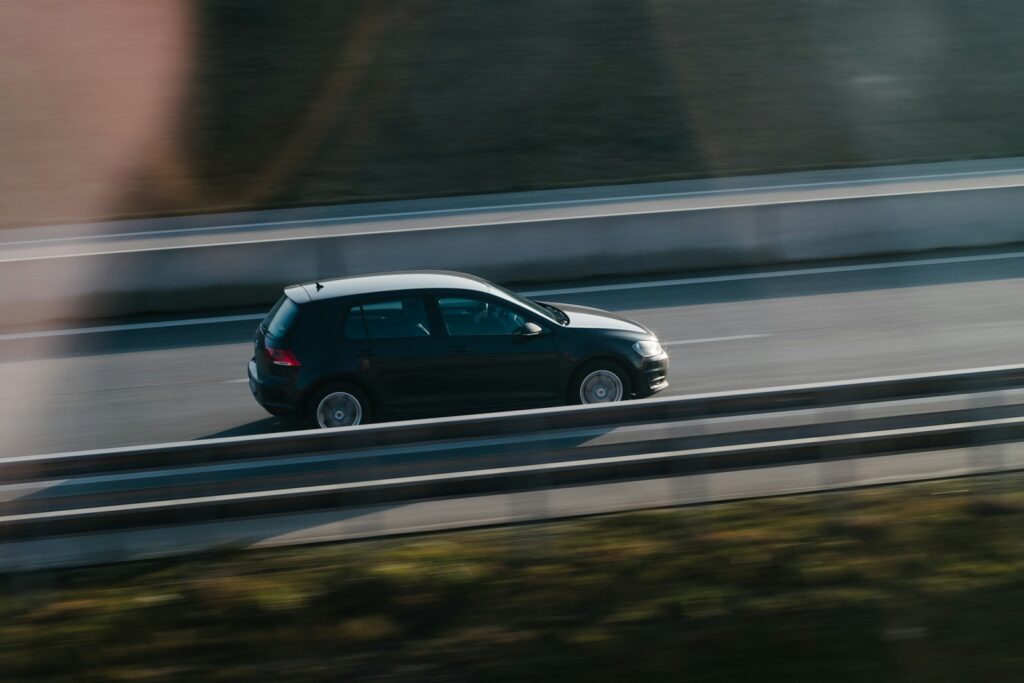
13. **Launching the Car Aggressively**There’s a thrill for some in putting a foot on the brake, revving the engine, and then abruptly dropping it into Drive for a fast, aggressive launch. While this might give you a momentary burst of speed and an adrenaline rush, it is brutally damaging to your automatic transmission. This aggressive maneuver puts massive and instantaneous stress on several critical components.
The clutches and torque converter are especially vulnerable to this kind of shock. When you launch the car aggressively, you’re essentially forcing these components to engage under immense pressure and heat, far beyond their normal operating conditions. This creates excessive friction and wear that can quickly degrade the materials designed to manage seamless gear changes.
Over time, this repeated abuse can destroy the internal parts responsible for power transfer and smooth shifting. Unless you’re on a professional racetrack and your vehicle is specifically built and tuned for such extreme demands, these hard starts should be avoided at all costs. They drastically shorten your transmission’s life and significantly increase the likelihood of needing costly repairs.
Read more about: Unlocking the Empire: Kendall Jenner’s Journey from Reality TV Star to Global Fashion & Business Mogul
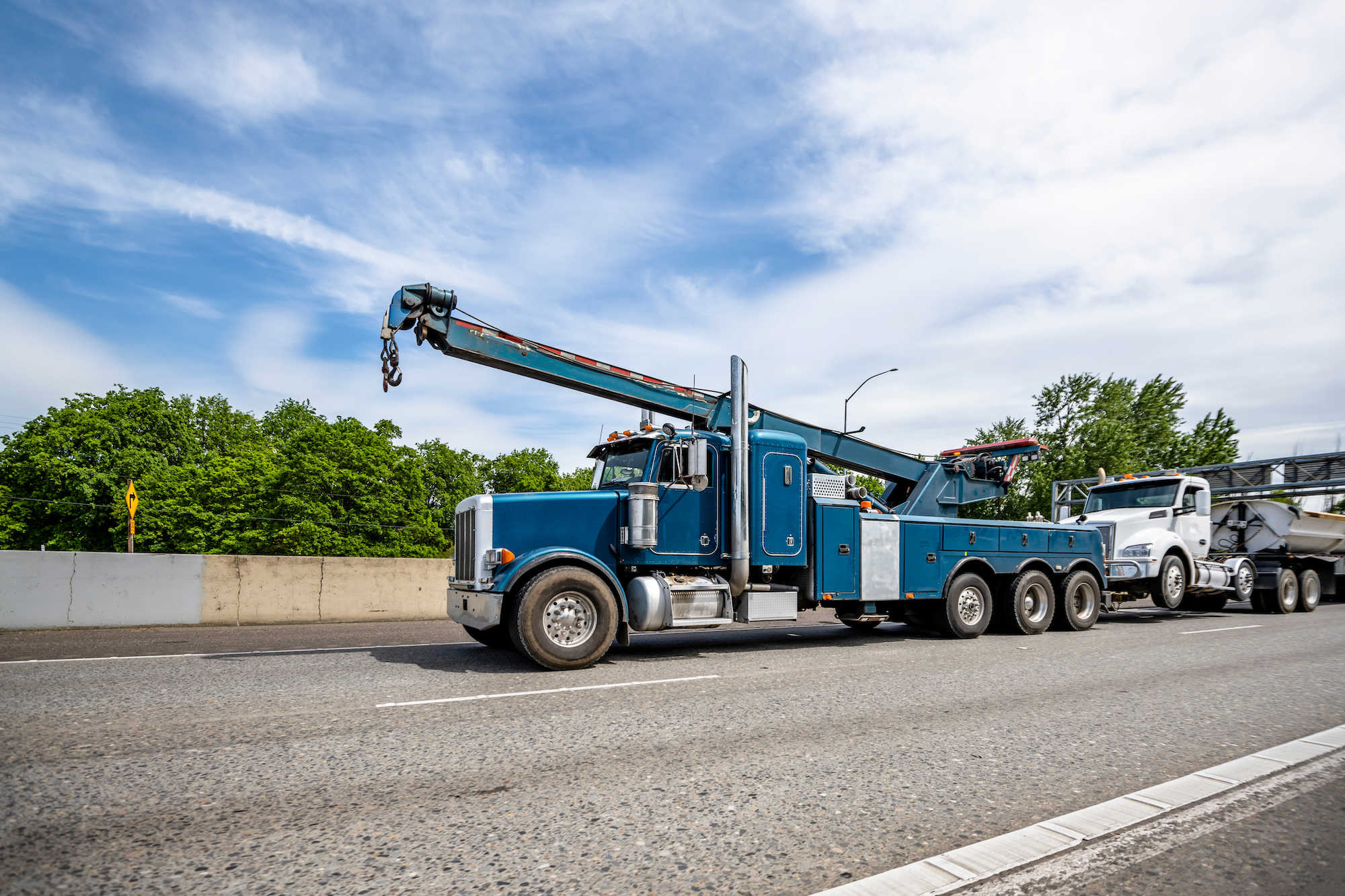
14. **Towing Without a Transmission Cooler**If your vehicle is rated for towing but isn’t equipped with an external transmission cooler, you are, quite literally, playing with fire. Heat is arguably the greatest enemy of an automatic transmission, and towing heavy loads generates an enormous amount of it. The stock cooling system in many vehicles is often designed for everyday driving, not the strenuous demands of towing.
When you tow, the transmission has to work significantly harder to transfer power, leading to a rapid increase in operating temperature. Without an auxiliary cooler, the transmission fluid can quickly overheat. This excessive heat causes the fluid to degrade and lose its viscosity, making it less effective at lubricating and cooling the internal components.
Once the fluid loses its effectiveness, metal parts begin to grind, friction increases, and the transmission can suffer catastrophic failure. An external transmission cooler is designed to keep the fluid temperature within safe limits, especially on long hauls or during hot weather driving. If you plan to tow anything more than occasionally, a dedicated transmission cooler isn’t merely a luxury; it’s an absolute necessity to protect your investment and prevent an early, expensive transmission breakdown.
Read more about: So You’re Driving a Brand-New Minivan? Here’s What Fellow Parents Are *Really* Thinking About Your Smart Ride.
Automatic transmissions have indeed brought immense convenience and comfort to driving, simplifying what was once a complex mechanical dance. However, this ease of use can inadvertently lead many drivers to develop habits that, while seemingly minor, slowly chip away at the lifeblood of their vehicle’s most complex component. From neglecting vital fluid checks to pushing your car beyond its designed limits, these mistakes culminate in far more than just reduced performance; they directly impact your vehicle’s reliability, your safety on the road, and inevitably, your wallet. By understanding the intricate workings of your automatic transmission and actively avoiding these common pitfalls, you equip yourself with the knowledge to drive smarter. Staying informed, respecting your vehicle’s limits, and adhering to manufacturer guidelines aren’t just good practices; they are the pillars of long-term vehicle health and the surest way to dodge those dreaded, high-cost repairs. Embrace these insights, drive with purpose, and ensure your ride stays smooth and dependable for countless miles to come.