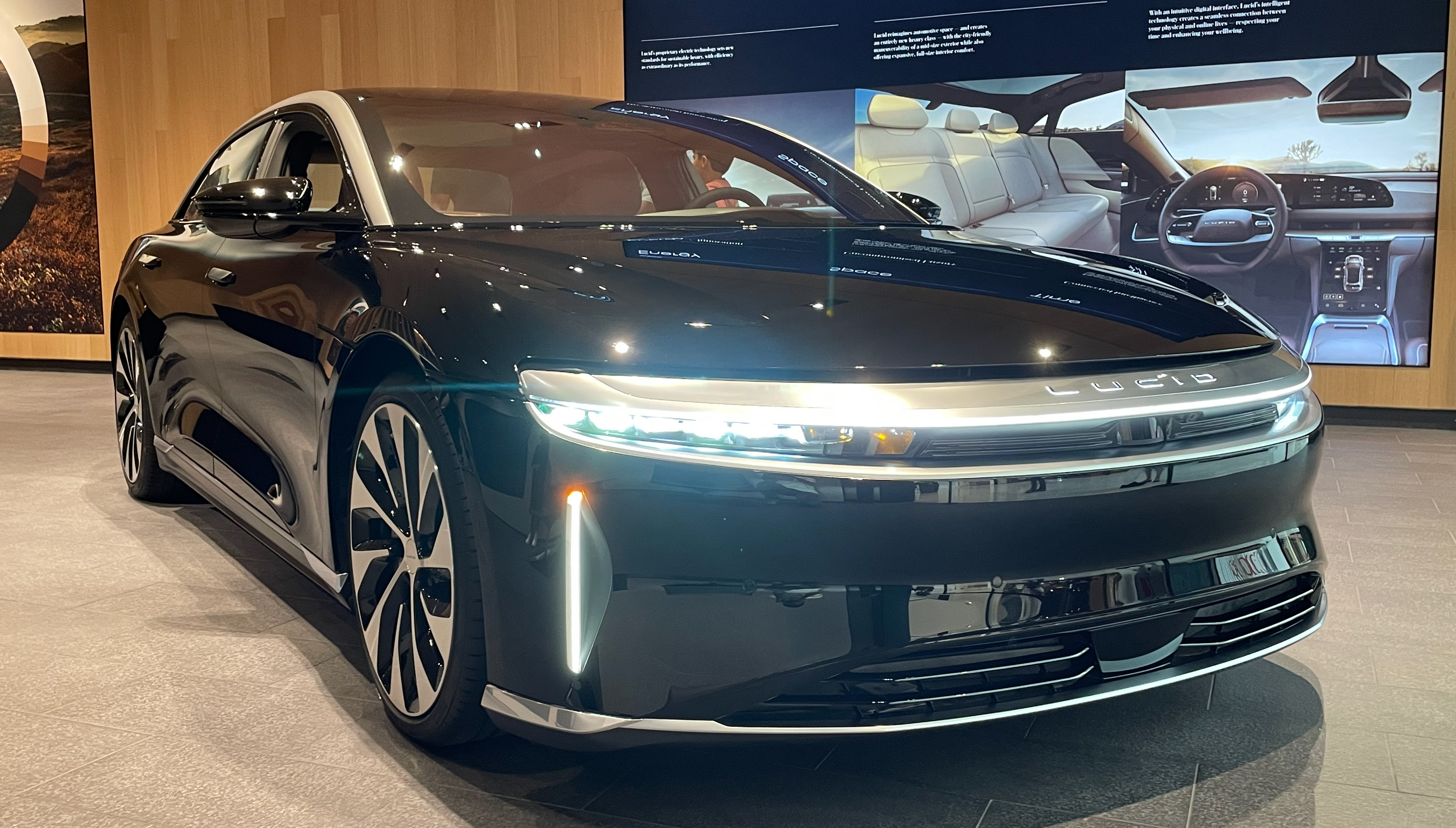
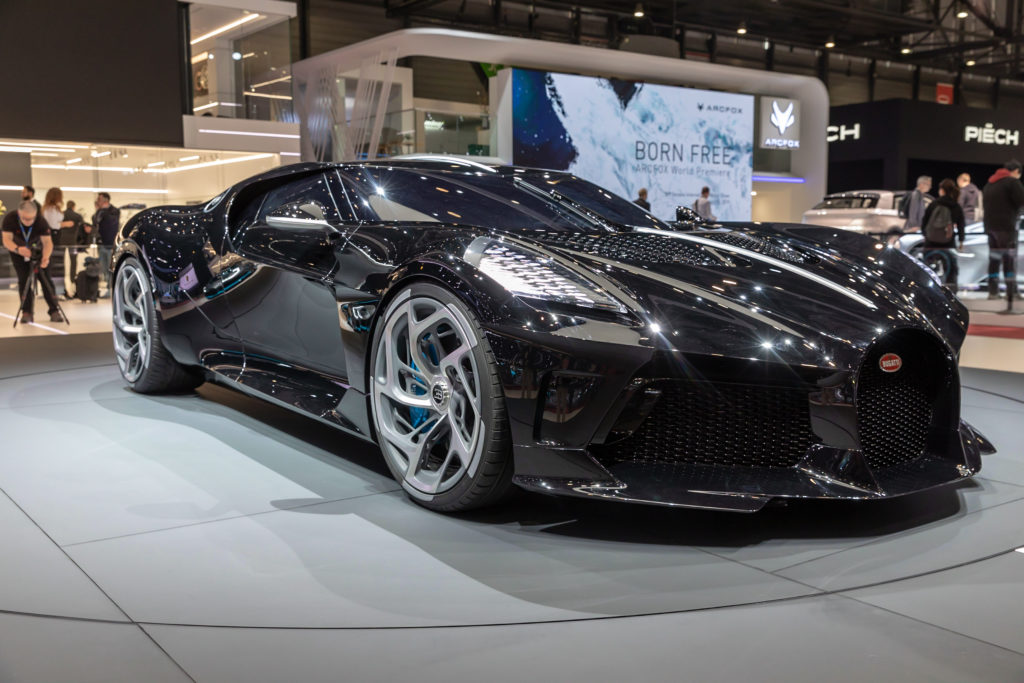
The gleam of a high-end luxury vehicle, with its distinctive lines and the promise of superior performance, holds a powerful sway over the imagination. For many, a luxury car is more than just a mode of transport; it’s a statement, an experience, and a reflection of personal achievement. Yet, behind this aspirational facade often lie complex financial considerations that savvy individuals and their financial advisors navigate with careful thought and strategic planning.
While the desire to own such a magnificent machine is undeniably potent, the decision to invest in a luxury car intertwines personal wants with financial realities. Understanding this delicate balance is crucial, not only for the buyers themselves but also for the automotive industry looking to cater to this influential market. Financial advisors, in particular, often harbor unspoken insights into these purchases, observing how clients prioritize desire over long-term financial health, or conversely, how they integrate luxury acquisitions into a broader wealth strategy.
This in-depth article will pull back the curtain on the luxury car market, drawing from extensive research and expert perspectives to explore the multifaceted motivations of high-end vehicle buyers. We’ll delve into the distinct personas that populate this market, uncover what they truly seek in their prized possessions, and reveal how their purchasing journeys are evolving. Ultimately, we aim to shed light on what these significant luxury choices truly mean, both for the individual and their financial future.
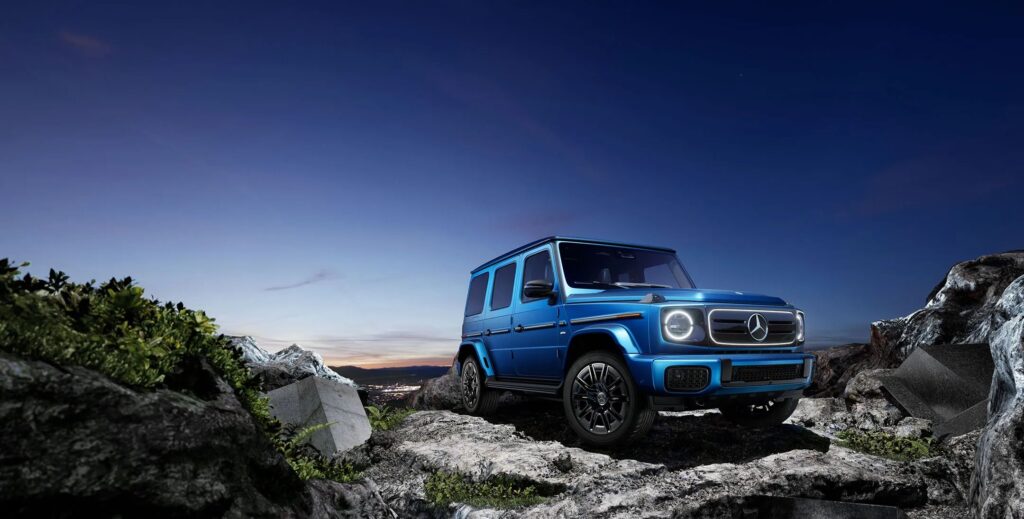
1. **The Allure of Luxury Cars: Market Dynamics & Profitability**
Luxury cars, generally defined as those valued at over $150,000, may account for only a small portion of vehicles sold globally, but their impact on drivers’ imaginations is undeniably vast. These are the vehicles that consistently set future trends with their instantly recognizable, iconic designs, and they deliver a superior performance that intrinsically commands a significant price premium. It’s a segment where the vehicle transcends mere utility to become an object of desire and a symbol of aspiration.
From a business perspective, the strong appeal of these high-end vehicles translates directly into significant advantages for manufacturers. The ability to produce and market such coveted items can substantially boost a company’s valuation, enhancing its capacity to venture into and offer other luxury products and experiences. Moreover, in a global automotive market characterized by limited volume growth expectations, the luxury segment stands out for its greater profitability potential for industry players, making it a critical focus area for OEMs.
To better understand the nuances of this influential market, a comprehensive survey and interviews were conducted with more than 150 people around the world. These respondents were either actively considering or had recently made a purchase of a luxury car, representing a diverse range of wealth segments. Notably, the vast majority of those surveyed reported annual incomes falling between $200,000 and $1 million, highlighting the significant financial capacity of this consumer base.
The core of the research focused intently on their needs and motivations throughout the entire purchase and ownership life cycle, seeking to answer pivotal questions like what factors prompt customers to select a luxury car and how loyal they truly are to specific brands. One major takeaway from this extensive study underscored a fascinating duality: while luxury-car buyers unequivocally prioritize the driving experience and derive immense enjoyment from it, they also possess a distinct expectation for their vehicles to retain, or even ideally, increase in value over time.
Read more about: More Trouble Than They’re Worth: Unpacking the 14 Most High-Maintenance Cars on the Road
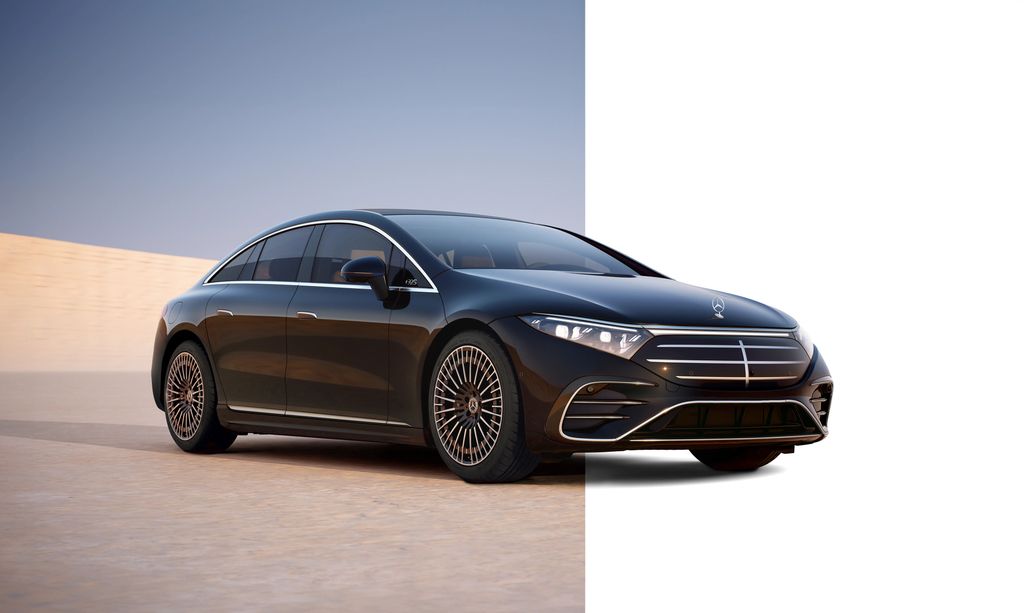
2. **Understanding the Luxury Buyer: Four Distinct Personas**
While luxury-car buyers are united by a shared appreciation and love for leading-edge vehicles, their underlying reasons for purchasing a high-end brand can vary quite significantly. This diversity in motivation necessitates a deeper understanding of the customer base, moving beyond broad demographics to identify the specific psychological drivers at play. The survey, through its in-depth analysis, successfully identified four distinct buyer personas, each with unique characteristics and priorities that shape their engagement with the luxury automotive market.
These four identified personas include: “collectors/connoisseurs,” individuals driven by a passion for unique, often rare vehicles and an appreciation for craftsmanship; “innovation seekers,” those who prioritize the latest technology and forward-thinking features; “performance enthusiasts,” for whom raw power, handling, and the thrill of the drive are paramount; and “personal-status buyers,” who see their vehicle as a reflection of their social standing and achievements. Each of these groups exhibits different needs and motivations that influence nearly every aspect of their purchase and ownership journey, from the initial research phase to long-term brand engagement.
These distinct motivations manifest in various ways, impacting the amount of time spent meticulously researching cars, the specific advisers consulted when making a vehicle selection, and even the number of hours dedicated to driving their luxury acquisition. Furthermore, these personas also dictate the likelihood of switching brands, revealing the varying degrees of allegiance within the luxury segment. The importance of a highly detailed customer segmentation, extending beyond traditional socio-demographic data such as age, gender, or income, became unequivocally clear in building these profiles.
For instance, the research highlighted stark differences in priorities among these groups. “Innovation seekers,” for example, consistently listed ‘vehicle design,’ ‘connectivity,’ and ‘sustainability’ as their top three priorities when considering a luxury car. In stark contrast, “personal-status buyers” placed their focus squarely on ‘brand exclusivity,’ ‘design,’ and ‘performance.’ Brands that can systematically capture and skillfully emphasize these nuanced preferences in their customer interactions are demonstrably more likely to forge meaningful connections with their target buyers and secure their loyalty.
3. **The Quest for Perfection: What Luxury Buyers Truly Seek**
When respondents in the extensive survey were asked what they sought above all else in luxury goods, a single concept emerged as the most frequently mentioned desire: ‘perfection.’ This term, while initially connoting a lofty, flawless state of existence, was clarified by most respondents to refer to something far more tangible and fundamental in the context of high-end products. It speaks to an underlying demand for impeccable quality and reliability that defines the luxury experience.
Specifically, the majority of respondents articulated that ‘perfection’ in a luxury item referred to “the high quality of a product’s physical characteristics and its durability.” This indicates that beyond the aesthetic appeal or brand prestige, there is a deep-seated expectation for superior craftsmanship, robust engineering, and a product that is built to last, performing flawlessly over an extended period. It underscores that true luxury is not just about initial dazzle but enduring excellence.
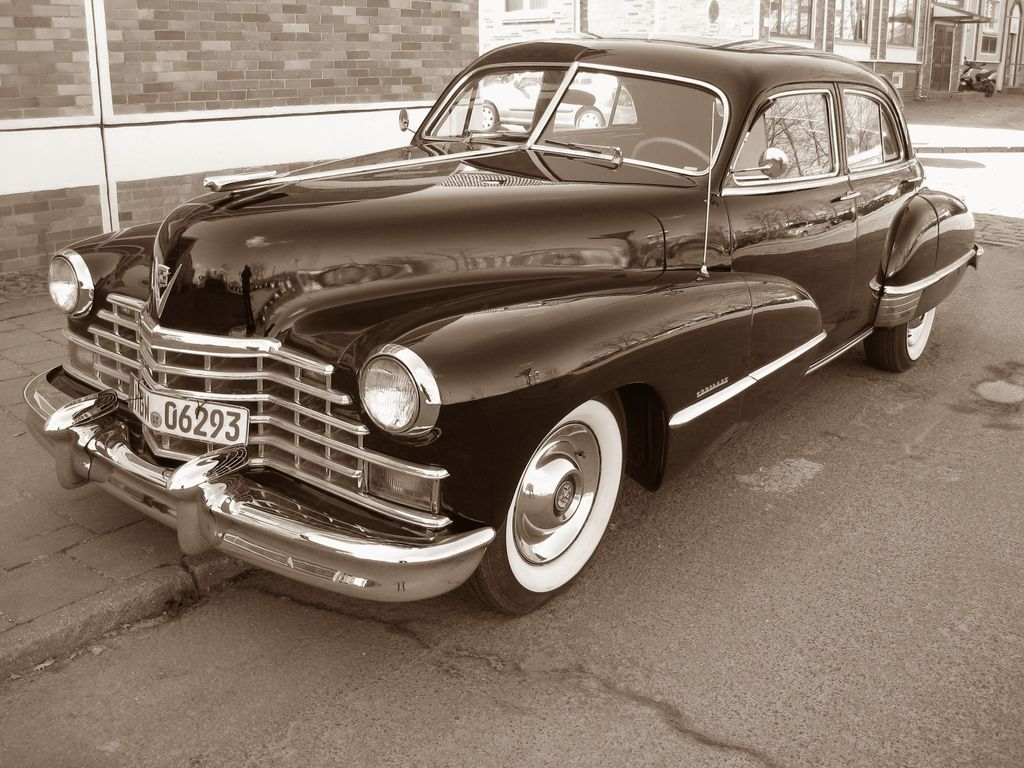
Following closely behind perfection in the hierarchy of desired attributes was a luxury item’s “heritage”—its distinctive and timeless brand perception. This finding highlights the critical importance of manufacturers preserving a brand’s rich history and, equally important, designing products that possess a timeless quality, enabling them to stand the test of time and appeal to future generations. Companies aiming to attract customers with a discerning passion for vintage luxury items will naturally prioritize and reinforce their brand’s historical image and enduring legacy.
Beyond these top two attributes, other qualities also ranked high in the survey, underscoring a comprehensive set of expectations from luxury consumers. These included ‘exclusivity,’ providing a unique and often limited ownership experience; ’emotion,’ referring to the powerful feelings and connections evoked by the product; and ‘personalization’—the highly valued ability to customize features to individual tastes. Furthermore, ‘sustainability’ has notably increased in importance for luxury buyers, now ranked as the sixth-most-important attribute, reflecting a growing consciousness even in the high-end market.
Read more about: From Quirky to Coveted: 14 Ugly American Cars That Are Now Seriously Cool Collector’s Items
4. **The Purchase Drivers: Joy, Investment, and Collection**
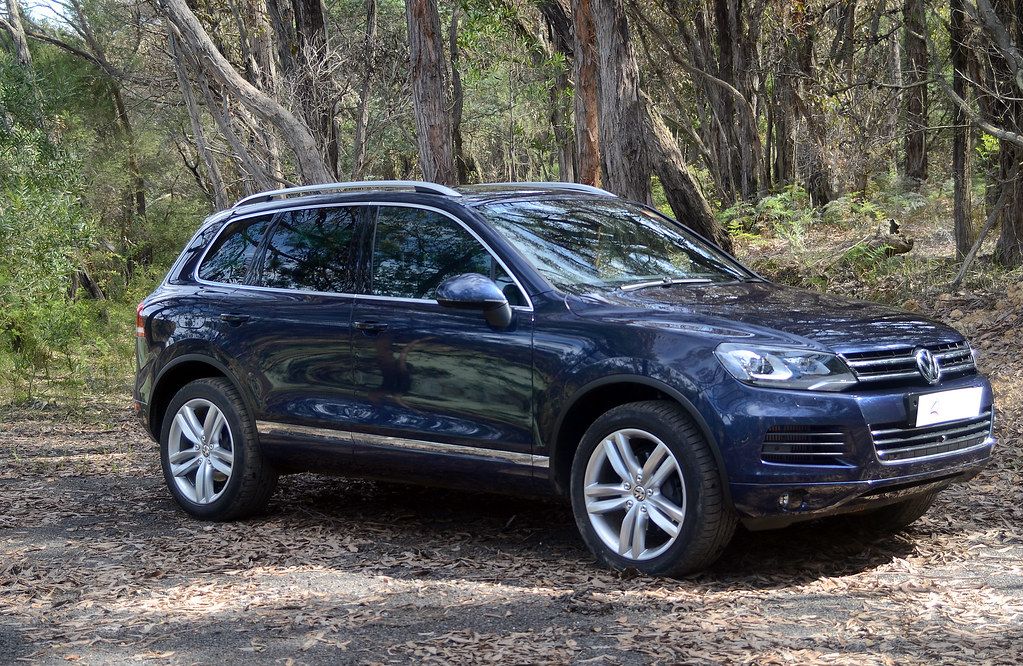
When it comes to making a significant luxury purchase, the survey respondents revealed a clear tendency to focus less on mere acquisition and more on the profound experiences that ownership could provide. For many, a luxury car opens doors to new opportunities, such as engaging in unique travel adventures or participating in exclusive social events that enrich their lifestyle. In this context, the status associated with owning a luxury item, while present, was often perceived as a secondary importance, overshadowed by the experiential benefits.
A compelling insight from the research was that an overwhelming 86 percent of survey respondents cited the “enjoyment of driving” as their primary purchase motivation. This figure far surpassed the desire to simply showcase their car as a status symbol, which was cited by only 36 percent of respondents. This data point challenges a common stereotype, suggesting that the intrinsic pleasure and performance of the vehicle itself are far more influential factors than external validation for a significant portion of luxury buyers.
Beyond the pure exhilaration of the drive, a substantial portion of respondents also mentioned more pragmatic, financially oriented motivations. Specifically, “investment potential” was cited by 32 percent, and the desire for “collection” by 16 percent, as key purchase drivers. These figures indicate that for a notable segment of the luxury car market, the acquisition is viewed not just as a consumption item but as an asset that could potentially appreciate or form part of a valuable personal collection.
It is particularly noteworthy that respondents under the age of 45 were more likely than their older counterparts to cite these investment and collection dimensions. This generational shift suggests an evolving perspective on luxury purchases, where younger buyers are increasingly blending passion with a keen eye for asset value. The pure joy of driving, therefore, is frequently coupled with a strategic understanding of market dynamics, making the luxury car decision a complex blend of emotional desire and practical foresight.
Read more about: The Real Cost of Speed: 14 Sports Cars & What Financial Experts REALLY Think About Your Investment

5. **The Omnichannel Imperative: Where Luxury Buyers Gather Information**
In today’s interconnected world, luxury-car buyers are highly sophisticated consumers who gather information about potential vehicles from a multitude of sources. Their research journey is truly omnichannel, spanning online platforms, engaging in-person events such as exclusive car club meetings, and various forms of digital media. This diversified approach to information gathering means that manufacturers must maintain a pervasive and consistent presence across numerous touchpoints to effectively reach their target audience.
The survey highlighted the high level of engagement among these prospective buyers, revealing that a substantial “40 percent of respondents researched general information about luxury cars once a week or more.” This consistent and frequent engagement underscores the many opportunities that Original Equipment Manufacturers (OEMs) have to connect with potential customers throughout their decision-making process, provided they understand where and how these interactions are taking place.
Interestingly, the research uncovered that traditional channels like “car manufacturer websites, magazines, and publications only account for 12.5 percent of all customer interactions related to luxury cars.” This finding is significant because it indicates that while these official and established sources have a role, they are not the primary drivers of initial interest or broad information gathering. Often, these channels are utilized later in the purchase journey, typically to collect technical or commercial information after a customer has already narrowed down their choices or made a preliminary purchase decision.
To truly maximize sales and influence buyer choices, luxury OEMs must actively “monitor and curate their presence across independent channels and touchpoints, such as YouTube and social media sites focusing on luxury cars.” These external platforms play a disproportionately important role, especially during the crucial ‘consideration phase’ of the purchase journey when customers are actively evaluating different brands and models. A robust, well-managed digital footprint on these independent channels is no longer optional but a fundamental requirement for success in this dynamic market.
Read more about: Beyond the Black Badge: The Unseen Shift as Exclusive Cars Embrace Younger Buyers
6. **Brand Loyalty: A Fading Concept in the Luxury Market**
While luxury Original Equipment Manufacturers (OEMs) with a storied heritage and strong reputation can certainly leverage their history to attract buyers, the market research reveals a stark reality: they cannot afford to be complacent. The landscape of luxury automotive purchases is dynamic and competitive, with brand loyalty proving to be a more fragile concept than traditionally assumed. This means that even the most established marques must continually innovate and deliver exceptional experiences to retain their clientele.
A compelling statistic from the survey underscores this shift: only “37 percent of luxury-car buyers were brand loyalists who stated that they were likely to make a repeat purchase.” This figure indicates that a significant majority of luxury owners are not inherently committed to their current brand for their next acquisition. It’s a powerful signal that the automatic assumption of repeat business, often taken for granted in the luxury segment, is no longer a given.
Further reinforcing this trend, the survey found that “35 percent said they would consider switching brands, and 28 percent said they were likely or very likely to switch.” Combined, this represents a formidable segment of the market—63 percent—that is open to or actively seeking alternatives. In such a fluid and competitive environment, new entrants with a compelling proposition have a clear opportunity to progressively gain market share from established players who fail to consistently satisfy evolving customer expectations.
The likelihood of brand switching is also heavily influenced by a customer’s specific persona. Unsurprisingly, those in the “innovation-seeker persona” are most inclined to investigate new brands, constantly searching for the latest advancements and fresh experiences. Conversely, individuals fitting the “collector/connoisseur persona” are least likely to switch, valuing the continuity, history, and often the investment potential associated with specific brands. This nuanced understanding of loyalty is paramount for OEMs devising their retention and acquisition strategies.
### Navigating the Future of Luxury: EVs, Ownership, and the Advisor’s Lens
The luxury automotive market, while steeped in tradition and heritage, is not immune to rapid evolution. New technologies, shifting consumer expectations, and a growing emphasis on sustainability are reshaping what it means to own, drive, and even finance a high-end vehicle. This section will explore these emerging trends, from the potential rise of new players to the critical considerations of electric vehicles and the paramount importance of a seamless ownership experience, all through the informed lens that financial advisors often apply to such significant purchases. They understand that while the heart may yearn for a magnificent machine, the head must always consider the practicalities and long-term implications.
7. **The Rise of New Contenders: Chinese Luxury Brands on the Global Stage**
For decades, the luxury car market has been dominated by established European brands, celebrated for their storied legacies, engineering prowess, and unmistakable prestige. These marques have built a reputation that, for many buyers, is synonymous with luxury itself. New entrants, particularly those without a similar historical lineage or extensive distribution networks, face a steep uphill battle in gaining credibility and market share.
A significant finding from our survey, conducted among global luxury car buyers, revealed the magnitude of this challenge. A considerable “71 percent of respondents stated that they were unlikely or very unlikely to consider a Chinese vehicle for their next luxury purchase.” This statistic underscores the powerful influence of brand perception and the deeply ingrained preferences that have long guided luxury consumers. It’s a clear signal that history and brand trust carry immense weight.
However, the landscape is not entirely static, and certain buyer personas demonstrate a greater openness to exploring new options. Intriguingly, “innovation seekers” showed the highest willingness to consider Chinese luxury cars, with “46 percent” indicating a potential interest. This particular segment of buyers is driven by a desire for the latest advancements, fresh technologies, and forward-thinking features, which many emerging brands are actively championing.
This shift highlights a crucial opportunity for newer brands, especially those from China, to challenge established dynamics. As the automotive industry increasingly embraces electrification, autonomy, and advanced connectivity, these technological frontiers can serve as a potent differentiator. For financial advisors, understanding this evolving competitive landscape is key when discussing future vehicle acquisitions with clients who prioritize innovation over traditional brand heritage.
8. **Electrifying the Elite: The Appeal of Luxury Electric Vehicles**
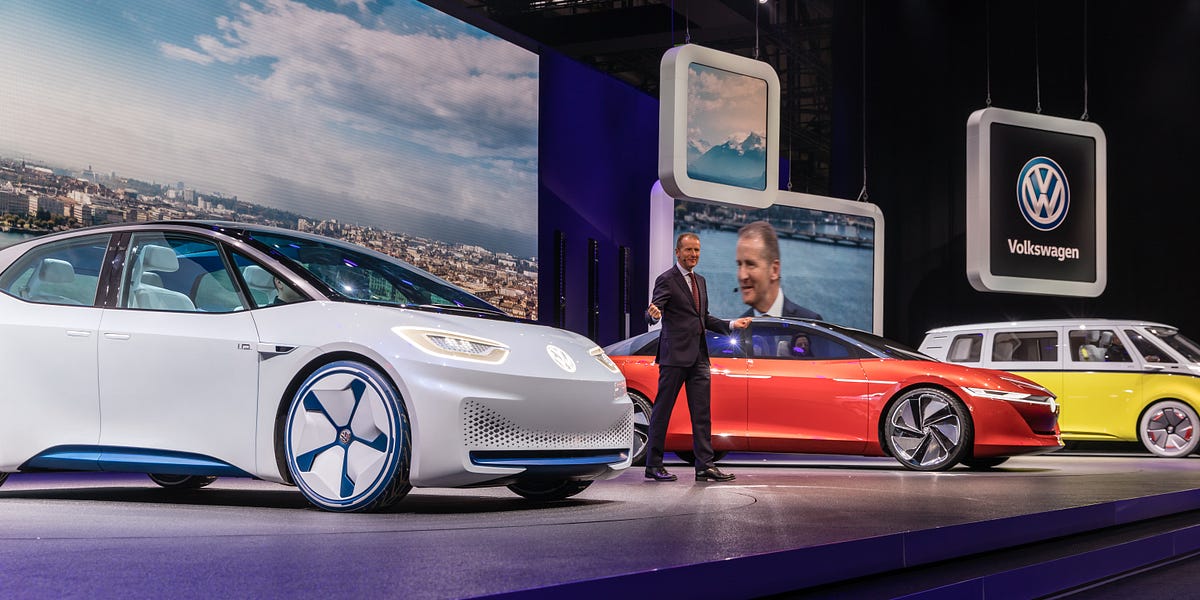
The automotive world is currently captivated by the electric vehicle (EV) revolution, and its influence is steadily extending into the luxury segment. These sophisticated battery-electric vehicles (BEVs) and hybrids promise a new paradigm of driving, blending cutting-edge technology with environmental consciousness. The question for luxury buyers, and implicitly their financial advisors, is how well these new options align with their expectations for performance, prestige, and long-term value.
Our survey explored the appetite for luxury EVs, revealing a notable, though not overwhelming, openness among respondents. Approximately “20 percent of respondents declared that they would consider buying a luxury battery electric vehicle (BEV) in the near term, and roughly the same percentage would consider a hybrid.” This indicates a growing, albeit cautious, acceptance of electric powertrains within the high-end market, suggesting that EVs are carving out a significant niche.
Geographic variations play a substantial role in this adoption curve. Asia, for instance, leads the charge in enthusiasm for luxury EVs, with “about 50 percent for BEVs and hybrids combined.” This contrasts with “36 percent for the Europe, Middle East, and Africa (EMEA) region and 33 percent for the Americas,” showcasing diverse regional preferences that brands must consider in their market strategies.
Despite the rising interest, a significant portion of luxury buyers remains hesitant. A notable “19 percent stated that they would never buy a luxury EV,” and many others anticipate buying at least one more vehicle fitted with an internal combustion engine (ICE). These figures demonstrate that while the appeal of EVs is growing, the emotional connection to traditional powertrains and other lingering concerns continue to shape purchasing decisions, posing a nuanced challenge for financial planning.
9. **The Residual Value Riddle: A Major Hurdle for Luxury EVs**
While the environmental benefits and advanced technology of luxury electric vehicles are compelling, a significant barrier to wider adoption emerges when buyers consider the financial implications: the uncertain residual value of used EVs. This concern, often overlooked in public discourse, ranked as the top reason respondents cited for delaying or outright refusing a luxury EV purchase. It represents a critical divergence from the typical expectation that luxury goods should retain, or even appreciate in value.
Contrary to popular assumptions, concerns about charging infrastructure or the emotional allure of internal combustion engines did not top the list of deterrents. Instead, “the top reason was related to the unclear residual value of used EVs.” This phenomenon is largely attributed to the accelerated pace of technological advancements in batteries and electronic components, which can quickly render older EV models less desirable and less valuable in the secondary market.
For financial advisors, this issue is particularly salient. Clients acquiring luxury vehicles often view them as investments in their lifestyle, and sometimes, even as assets with potential for value retention. The challenge of sustaining residual value in a fast-evolving EV market clashes directly with this expectation, making the financial case for a new luxury EV less straightforward than for its ICE counterpart or other luxury assets that tend to appreciate.
To mitigate this concern and boost EV penetration, luxury OEMs must proactively develop strategies. This could include optimizing residual value during vehicle design, focusing on extending battery life cycles, reducing battery servicing costs, and establishing robust trade-in programs for used EVs. Addressing this “residual value riddle” is paramount, especially for expanding beyond early adopters and into broader market segments across North America and Europe, where financial prudence remains a key factor.
10. **Tailoring EV Appeal: Body Types and Regional Preferences**
The distinct characteristics of an electric powertrain—delivering high torque and quiet, vibration-free power—present a unique proposition for luxury car buyers. However, the emotional appeal of an internal combustion engine’s sound and driving feel remains strong for many enthusiasts. This duality necessitates a careful examination of which EV body types resonate most with luxury consumers, and how these preferences vary across different regions and buyer personas.
Our survey delved into this precise question, asking respondents about their excitement levels for various luxury EV body types. The findings revealed a diverse landscape of preferences. A notable “25 percent of respondents stated that they were very excited to own large luxury SUVs—also called ‘super’ SUVs,” highlighting a strong demand for spacious, powerful, and technologically advanced electric vehicles in this category.
Sports cars followed closely, with “24 percent” of respondents indicating excitement for electric versions, suggesting that the thrill of performance can successfully translate to an EV platform for a significant segment of buyers. Luxury sedans, while still appealing, garnered “18 percent” excitement, indicating a slightly lower, yet still substantial, interest compared to SUVs and sports cars. These variations underscore the need for targeted product development.
Crucially, these preferred EV body types were not universal but varied significantly across regions and customer personas. This further emphasizes the importance of a highly detailed understanding of target markets. For financial advisors, knowing which body types hold the most appeal, and for which clients, can inform discussions about both desirability and potential resale value, offering a more tailored approach to client recommendations regarding electric luxury cars.
11. **The Imperative for Impeccable Maintenance: Elevating the Ownership Experience**
Beyond the initial thrill of purchase and the joy of driving, the long-term ownership experience of a luxury car is profoundly shaped by the quality of its maintenance services. For discerning luxury buyers, exacting standards are the norm across all aspects of their lives, and this extends unequivocally to how their prized vehicles are cared for. Unfortunately, our survey uncovered a notable “pain point” in this crucial area.
Despite maintenance being a key decision factor influencing both brand selection and loyalty, a significant portion of luxury car owners reported dissatisfaction with their current service experiences. “About 45 percent of survey respondents were not fully satisfied with their current maintenance experience; this percentage was even higher for EV owners.” This level of discontent can directly impact brand perception and, critically, a client’s willingness to make a repeat purchase, a concern that financial advisors might secretly consider when assessing the true cost of ownership.
To address this widespread dissatisfaction, car manufacturers and dealers have a clear opportunity to leverage technology to enhance the customer experience. This could involve analyzing data from connected cars to proactively anticipate and prevent failures, thereby shifting from reactive repairs to predictive maintenance. Digital platforms could streamline the booking of service appointments, making the process more convenient and efficient for busy luxury owners.
Furthermore, embedding artificial intelligence into customer relationship management systems could allow brands to detect and monitor negative service events in real-time. By acting swiftly and effectively to resolve poor experiences, luxury car providers can transform potential frustrations into opportunities to build deeper trust and reinforce brand loyalty, ensuring that the financial investment in a luxury vehicle is matched by an equally high-caliber ownership journey.
12. **Beyond the Drive: The Quest for Stress-Free Ownership**
Luxury car buyers are prepared to invest significantly in their vehicles, not just in the initial purchase, but also in ongoing care and maintenance. However, this willingness to spend is often coupled with a strong desire for a completely hassle-free ownership experience. They expect convenience, efficiency, and a seamless process for everything from routine service to preparing their cars for special events or transporting them to distant driving destinations.
Our survey highlighted this crucial demand, revealing that a significant number of luxury-car buyers lament the struggle to find comprehensive solutions for a stress-free ownership experience. A striking “49 percent said they would opt for full garage maintenance and management services if they were available close to their residence.” This universal preference, regardless of region, underscores a significant unmet need in the market.
The desire for this ultimate convenience is particularly pronounced among specific buyer personas. “Connoisseurs and collectors were most likely to select that option (71 percent), followed by status buyers (58 percent).” These segments prioritize having experts handle the logistics, paperwork, and technicalities, allowing them to simply enjoy the prestige and performance of their cars without the usual accompanying burdens.
For financial advisors, this insight is particularly valuable. They understand that the “cost” of a luxury car extends beyond its purchase price to include the time, effort, and potential stress of managing its ownership. The emergence of businesses catering to this need for stress-free maintenance and management provides an important amenity for high-net-worth clients, ensuring that their automotive passion aligns with their desire for a frictionless, premium lifestyle.
**The Road Ahead: Driving Dreams and Financial Realities**
The world of high-end sedans is an intricate tapestry woven with aspiration, technological innovation, and deeply personal financial decisions. As we’ve journeyed through the motivations of luxury buyers, the challenges of evolving technologies like EVs, and the paramount importance of a seamless ownership experience, one truth remains clear: the market for these magnificent machines is not just holding its own, but thriving. Our survey revealed that an impressive “49 percent of respondents saying that they expect to buy luxury vehicles more frequently in the future” and “only 4 percent expecting to reduce the frequency of purchase.” Even more compelling, a robust “64 percent of respondents said they expect to drive and enjoy luxury cars more than they do today.”
Read more about: The $10,000 Mistake: 9 Vehicles Owners Say to Avoid Due to Massive Repair Bills
These findings paint an optimistic picture for the luxury automotive sector, confirming that the passion for driving and the allure of superior craftsmanship continue to capture the hearts and minds of discerning consumers. For financial advisors, these trends underscore the importance of nuanced discussions with clients. While the thrill of a luxury acquisition is undeniable, a strategic approach ensures that these purchases align with broader financial goals, whether it’s balancing enjoyment with investment potential or anticipating the evolving landscape of maintenance and residual values. Ultimately, the gleam of a luxury car on the open road is not just a personal triumph, but a testament to a vibrant market where dreams meet well-considered financial realities.