Hollywood, the land of dreams and cinematic magic, often presents a glamorous facade to the world. It’s where legends are made, careers skyrocket, and the most captivating stories unfold on screen, captivating millions and shaping cultural narratives. The allure of Tinseltown is undeniable, promising fame, fortune, and an enduring legacy for those who make it big. But beneath the glittering surface of red carpets and blockbuster premieres, there’s a much more ruthless, unforgiving side that can make or break even the biggest stars with shocking speed.
Indeed, the entertainment industry, particularly in film and television, operates with an intensity that can be quite cut-throat. One wrong move, a public misstep, or a single controversial action can send a thriving career spiraling into oblivion in the blink of an eye. While there’s no official, publicly declared Hollywood “blacklist” per se, the reality is that many individuals have found their professional paths abruptly halted, not due to a lack of talent, but because of circumstances that drew them away from the spotlight.
From public scandals and allegations of misconduct to deeply unpopular political stances and contentious personal issues, the reasons for falling out of favor are as varied as the stars themselves. We’ve all heard whispers of careers that seemed to just… disappear, leaving fans wondering what happened to their favorite actors. This article dives deep into the stories of 15 actors and actresses who have experienced what many believe to be an unofficial blacklisting by a significant portion of Hollywood, examining the events that led to their challenging situations.
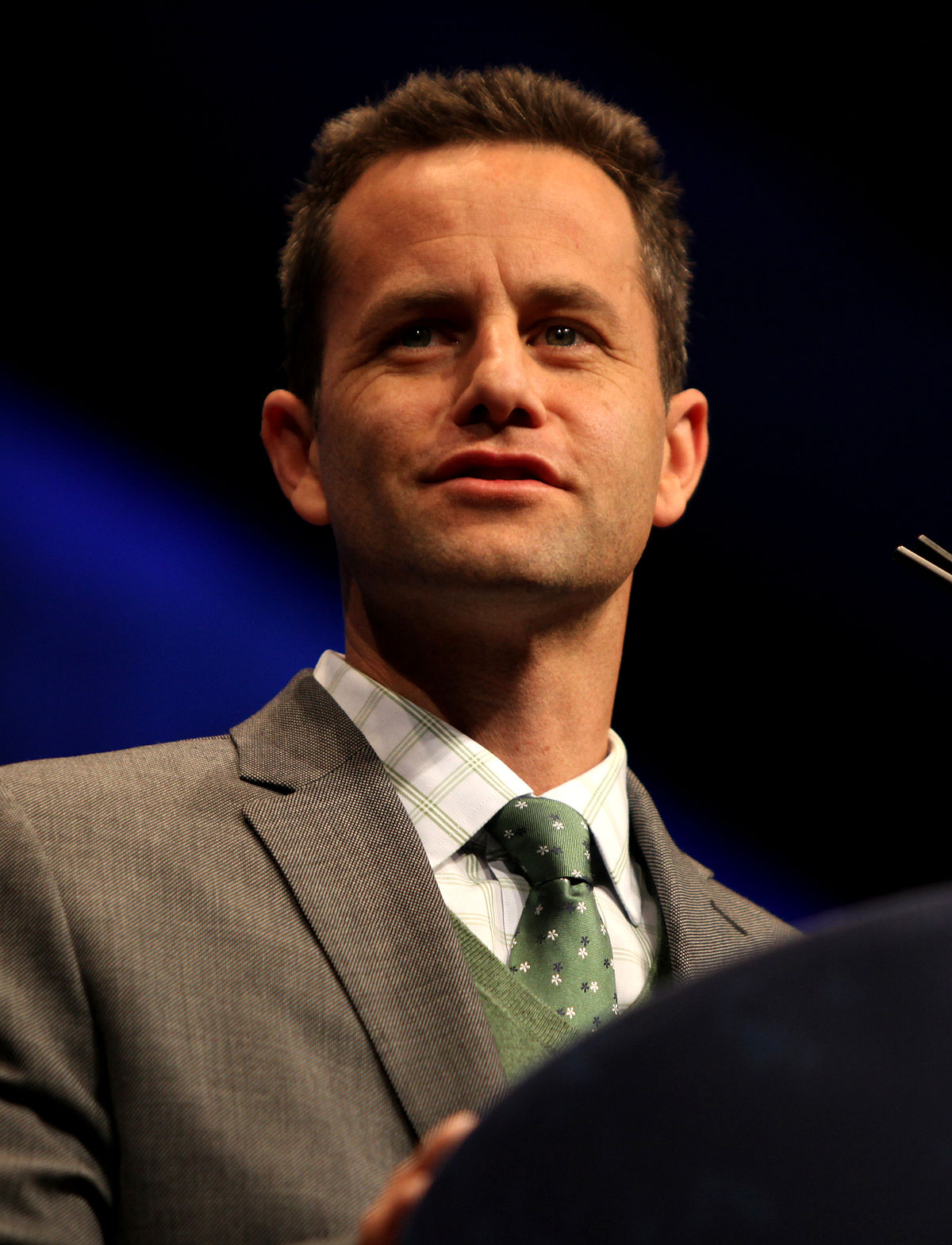
1. **Kirk Cameron: From Teen Heartthrob to Controversial Crusader**Kirk Cameron captivated audiences from a young age, making his mark as a child star in numerous TV shows and films. He’s arguably best remembered for his iconic role as Mike Seaver in the beloved sitcom “Growing Pains,” where he charmed viewers for seven seasons, alongside appearances in movies like “Like Father Like Son” and “Listen to Me.” He was a quintessential teen idol, embodying the wholesome image that endeared him to millions across America, representing a certain kind of youthful innocence on screen.
However, the Kirk Cameron many remember from their screens is hardly known as an actor anymore. In a dramatic and significant shift, he has become predominantly recognized these days for his radical Christian views, which he articulates prolifically and passionately. His career trajectory took a substantial turn when his personal beliefs began to overshadow his professional acting endeavors, leading to a perception that he was no longer a suitable fit for mainstream Hollywood projects and their broader audiences.
Cameron’s outspokenness on his religious convictions, including his perspectives toward religion, homouals, and other social issues, has been a constant presence in interviews on TV shows and across social media platforms. The context states unequivocally that Cameron “cannot keep his religious views and beliefs to himself,” and it is this relentless public expression that has led to him being “essentially blacklisted from Hollywood.” This transformation from a beloved actor to a polarizing public figure highlights how deeply personal beliefs can impact professional standing in an industry often seen as progressive.
His journey serves as a stark reminder that in Hollywood, the line between an actor’s persona and their private life can become blurred, especially when personal convictions clash with widely accepted industry norms. The consequences, as Cameron’s story illustrates, can be profound, effectively rerouting a once-promising career into entirely new, often more niche, directions outside the mainstream spotlight. It’s a powerful example of how public identity and private faith can intersect with unforeseen professional outcomes.
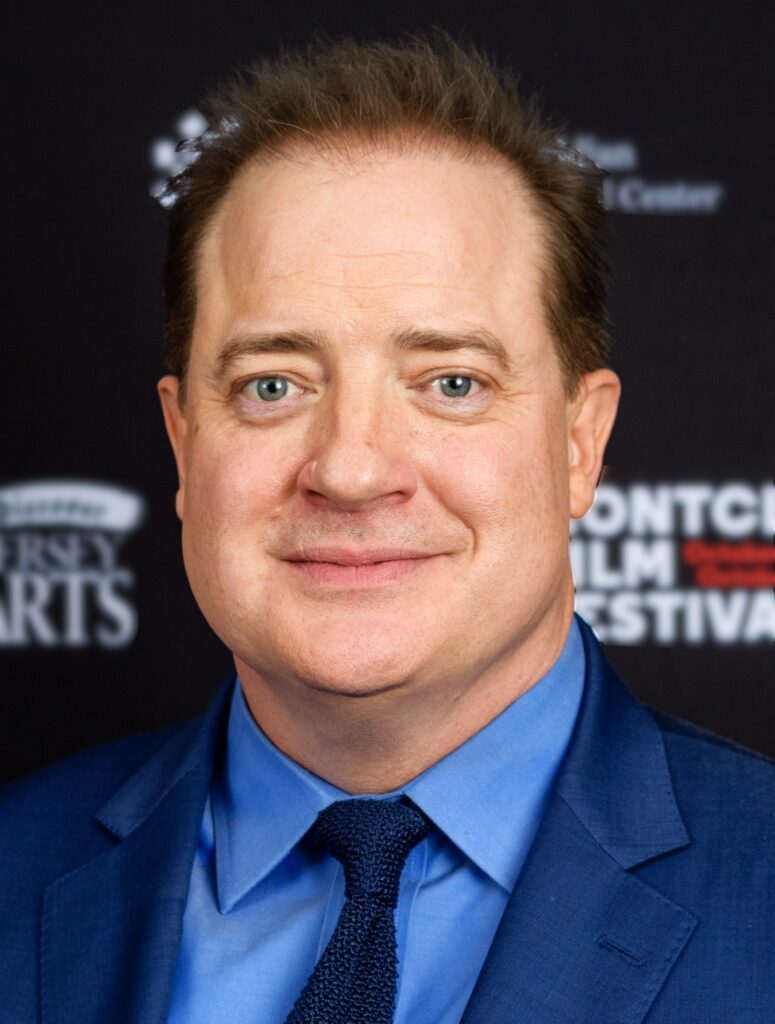
2. **Brendan Fraser: The Vanishing Act and a Haunting Encounter**Brendan Fraser was a ubiquitous presence and a bona fide movie star in the late 1990s and early 2000s, captivating audiences with his charm and versatility. He starred in highly successful films like “Bedazzled” and, most famously, “The Mummy” franchise, establishing himself as a charismatic leading man capable of delivering both comedy and action. His ascent seemed unstoppable, and he was a household name, synonymous with adventure and lighthearted fun that made him a favorite among moviegoers.
However, as the 2000s wore on, a noticeable decline in Fraser’s film roles became apparent, leaving many fans wondering where their beloved actor had gone. The actor himself has since shed light on a deeply troubling encounter, pointing to it as a significant factor in his decreased work volume and subsequent blacklisting. This revelation, when it finally came to light, sent shockwaves through the industry and among his dedicated fanbase, who had long missed his presence on screen.
According to Fraser’s candid account, he was ually assaulted by Philip Berk, the former president of the Hollywood Foreign Press Association (HFPA), at the Beverly Hills Hotel in 2003. Fraser claims that his resistance to Berk’s advances led to the HFPA rarely inviting him back to the prestigious Golden Globes ever since. While Berk denies Fraser’s version of events, claiming in his 2014 memoir that he “pinched Fraser’s behind as a joke,” Fraser’s public excoriation of Berk for the indecency was a brave act that came with considerable professional consequences.
Fraser acknowledges that other factors might have contributed to his declining career opportunities, but he maintains that the incident with Berk played a pivotal role. He powerfully articulated his experience, stating, “The phone does stop ringing in your career, and you start asking yourself why. There are many reasons, but was this one of them? I think it was.” His courageous decision to speak out against such a powerful figure in Hollywood highlights the severe professional repercussions that victims of assault can face, even when they are male stars. This quiet withdrawal from the spotlight, the unspoken reason for the “phone stopping ringing,” illustrates a subtle yet effective form of blacklisting that can leave careers in limbo.
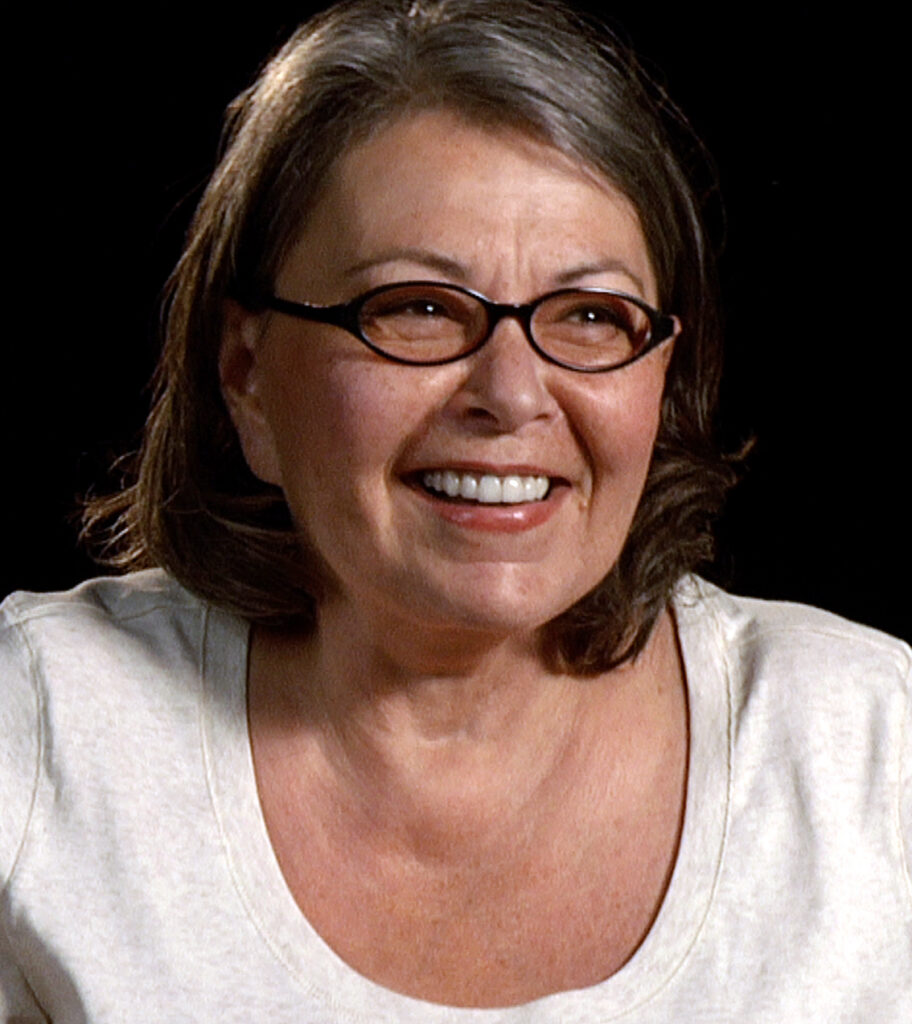
3. **Roseanne Barr: The Tweet That Canceled a Comeback**Roseanne Barr, an actress and comedian, has long been one of Hollywood’s most controversial figures, known for her no-holds-barred approach to comedy and her consistently outspoken nature. Her vocal support for Donald Trump’s presidency only amplified her already prominent public profile, making her a lightning rod for debate and discussion. While her political stances were often provocative, it was her online behavior that ultimately led to a dramatic and swift downfall, even after a remarkable career resurgence.
Barr’s career saw an incredible and unexpected comeback with the highly anticipated revival of her popular sitcom “Roseanne” in 2018. The reboot garnered impressive ratings, proving her enduring appeal and bringing her back into the cultural conversation in a major way. The show itself cleverly explored contemporary political divides, with the fictional Roseanne Conner often mirroring the actress’s own ardent Trump support, which added a layer of meta-commentary. This success, however, was tragically short-lived, proving how precarious a second chance can be.
In May 2018, Barr’s outspoken political Twitter rants took a disastrous turn when she posted a racist tweet targeting Valerie Jarrett, a Senior Advisor to former President Barack Obama. The backlash was immediate and severe, reverberating across social media and news outlets. Though Barr swiftly deleted the tweet and issued an apology, the damage was already done, and ABC took decisive action the very same day, demonstrating zero tolerance for such remarks.
The company’s president publicly condemned her remarks, labeling them as “abhorrent, repugnant and inconsistent with our values.” Consequently, the “Roseanne” reboot was promptly canceled, a shocking move given its viewership. The show was quickly re-envisioned as “The Conners,” with Barr’s fictional character written out as deceased, marking an undeniable and abrupt end to her television comeback. It’s clear that in today’s hypersensitive social climate, such public transgressions carry immediate and career-altering consequences, making it “hard to see Barr getting offered many roles in the future following her latest public scandal.”
Read more about: When the Mic Stays On: How Public Outbursts and Controversial Remarks Topple Prominent Careers
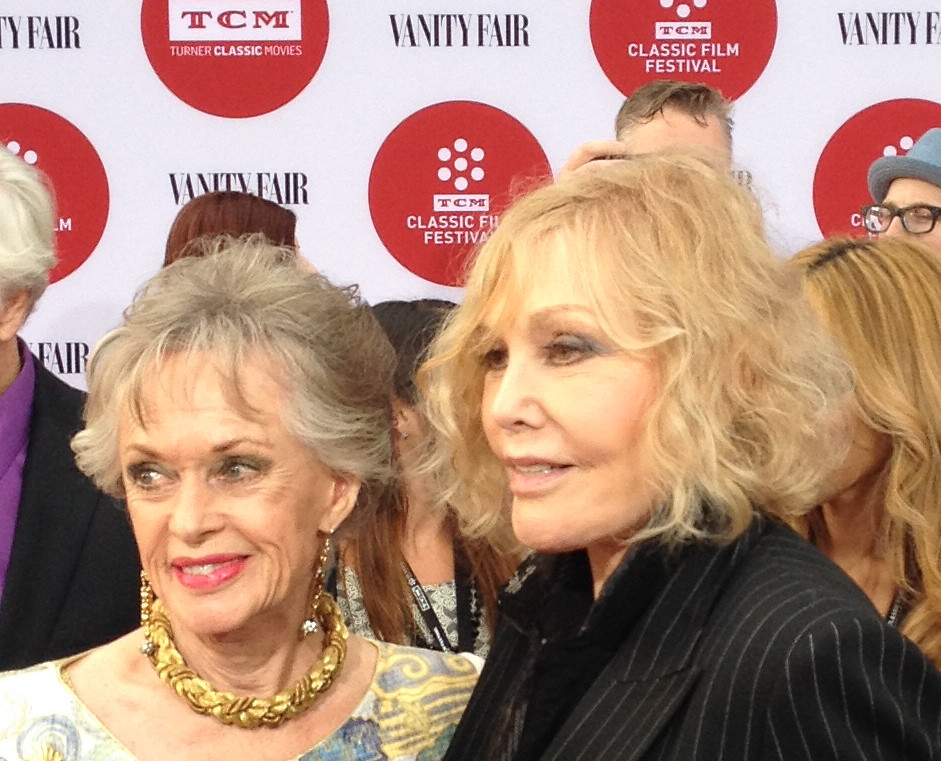
4. **Tippi Hedren: The Muse Who Dared to Say No**Tippi Hedren’s journey into Hollywood began as a successful fashion model in her early twenties, but her life changed irrevocably when she was discovered by the legendary filmmaker Alfred Hitchcock. This discovery led to her big break, casting her for the lead role in two of his most iconic films: the suspense thriller “The Birds” in 1963 and the psychological drama “Marnie” in 1964, cementing her status as a rising star and Hitchcock’s new blonde muse. She was poised for a brilliant career, seemingly handpicked for greatness.
However, what began as a promising professional collaboration soon devolved into a nightmarish personal ordeal that would cast a long shadow over her career. According to Hedren’s courageous accounts, Hitchcock reportedly made a number of unwelcome ual advances toward her during their time working together, creating an environment of profound discomfort and fear. Her steadfast refusal to succumb to these pressures set the stage for a bitter and ultimately career-damaging confrontation with one of Hollywood’s most powerful and acclaimed directors.
Hedren bravely informed Hitchcock that “Marnie” would be their last film together, unequivocally rejecting his personal demands and asserting her boundaries. An enraged Hitchcock, unwilling to accept her decision and seemingly consumed by vindictiveness, retaliated by threatening to ruin her career. He refused to release Hedren from her contract, effectively preventing her from taking on any new work for two agonizing years before finally selling the contract in 1966. This manipulative tactic essentially left her in professional limbo, an actress paid not to work.
Hedren vividly recalled how “Hitchcock, supposedly angry at her refusal to sleep with him, made sure she didn’t get any leading roles for a while — basically paying her not to work.” She candidly stated that “this essentially ruined her career as a leading lady,” fundamentally altering her trajectory. While she eventually found her way back to acting and later became a vocal animal rights activist, the prime of her leading lady career was undeniably curtailed by this harrowing experience, illustrating the severe consequences of standing up to powerful predators in the industry, even in the golden age of Hollywood.
Read more about: Remember the ’60s? 12 Iconic Stars Who Dared to Ditch Hollywood for Truly Unexpected Lives
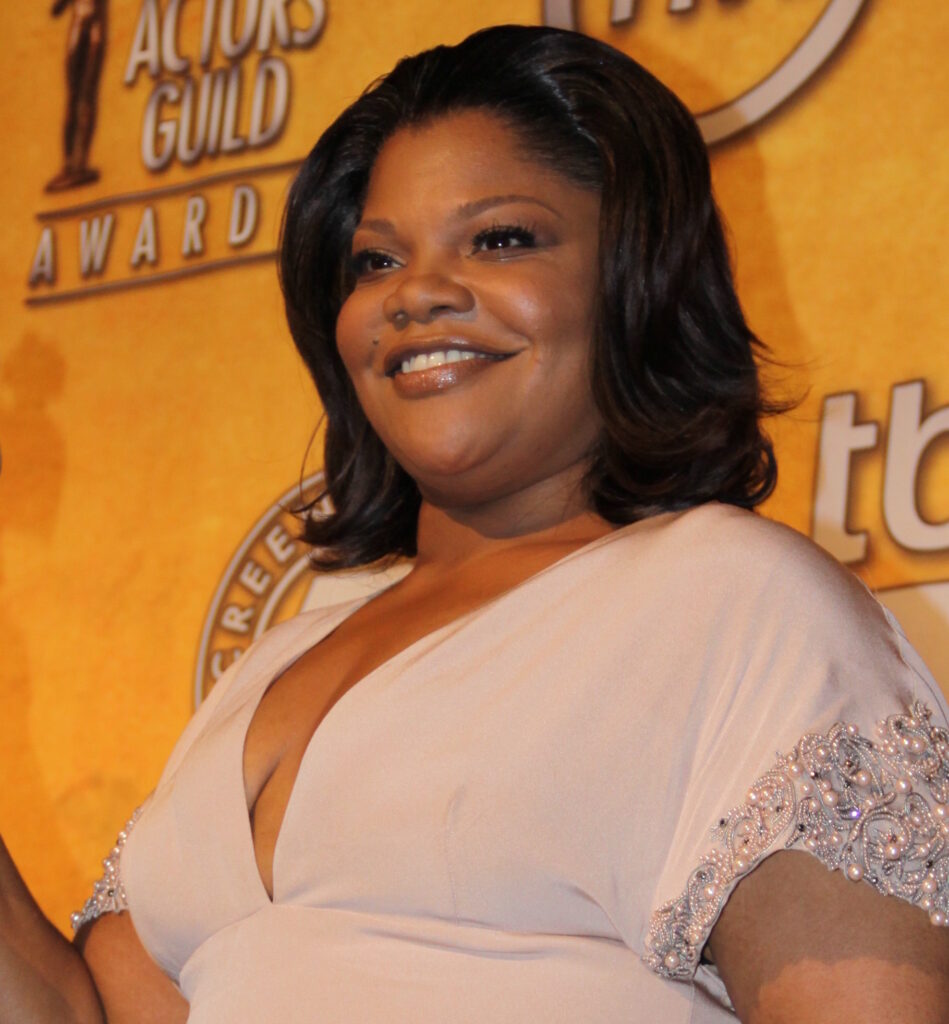
5. **Mo’Nique: The Oscar Winner Who Didn’t “Play the Game”**Monique Angela Hicks, known professionally as Mo’Nique, built a formidable career as a comedian and actress, first gaining widespread attention for her stand-up shows and her memorable role as Nicole “Nikki” Parker in the UPN series “The Parkers” from 1999 to 2004. Her raw talent, fearless comedic style, and magnetic stage presence earned her a dedicated following, preparing her for an even bigger spotlight that was soon to come.
Her career reached its zenith in 2009 with her powerhouse performance as an abusive mother in Lee Daniels’ critically acclaimed film “Precious.” This role not only garnered her immense critical praise but also culminated in a prestigious Academy Award for Best Supporting Actress, an achievement that typically propels an actor into a new echelon of demand and opportunity. The world, it seemed, was truly at Mo’Nique’s feet, with a bright future ahead.
However, the aftermath of her Oscar win was unexpectedly stark. Instead of a deluge of new offers and a significant bump in pay, Mo’Nique found that her film and television roles largely dried up. In a candid 2015 interview with the Hollywood Reporter, she attributed this career slowdown to how she managed the 2010 Oscar campaign for “Precious,” suggesting a deeper, unspoken reason for her sudden lack of work, a situation highly unusual for an Oscar winner.
Mo’Nique’s claims were notably substantiated by “Precious” director Lee Daniels, who, in a phone call, reportedly confirmed to her that Hollywood had blackballed her because she “didn’t play the game.” In a subsequent interview, Daniels further elaborated, stating, “Her demands through Precious were not always in line with the campaign. This soured her relationship with the Hollywood community.” This “game” often refers to the extensive schmoozing, networking, and public relations work expected during awards season, which Mo’Nique allegedly eschewed, believing her work should speak for itself.
Her experience underscores a challenging reality for many in the industry: sometimes, even an Oscar isn’t enough to override perceived breaches of unspoken industry protocols. “Legend has it that because she didn’t schmooze enough during Oscar season, she was shunned,” and indeed, she has had a remarkably limited number of acting jobs since her celebrated win, with two of those seven roles still unreleased. This raises difficult questions about the unwritten rules of Hollywood success.
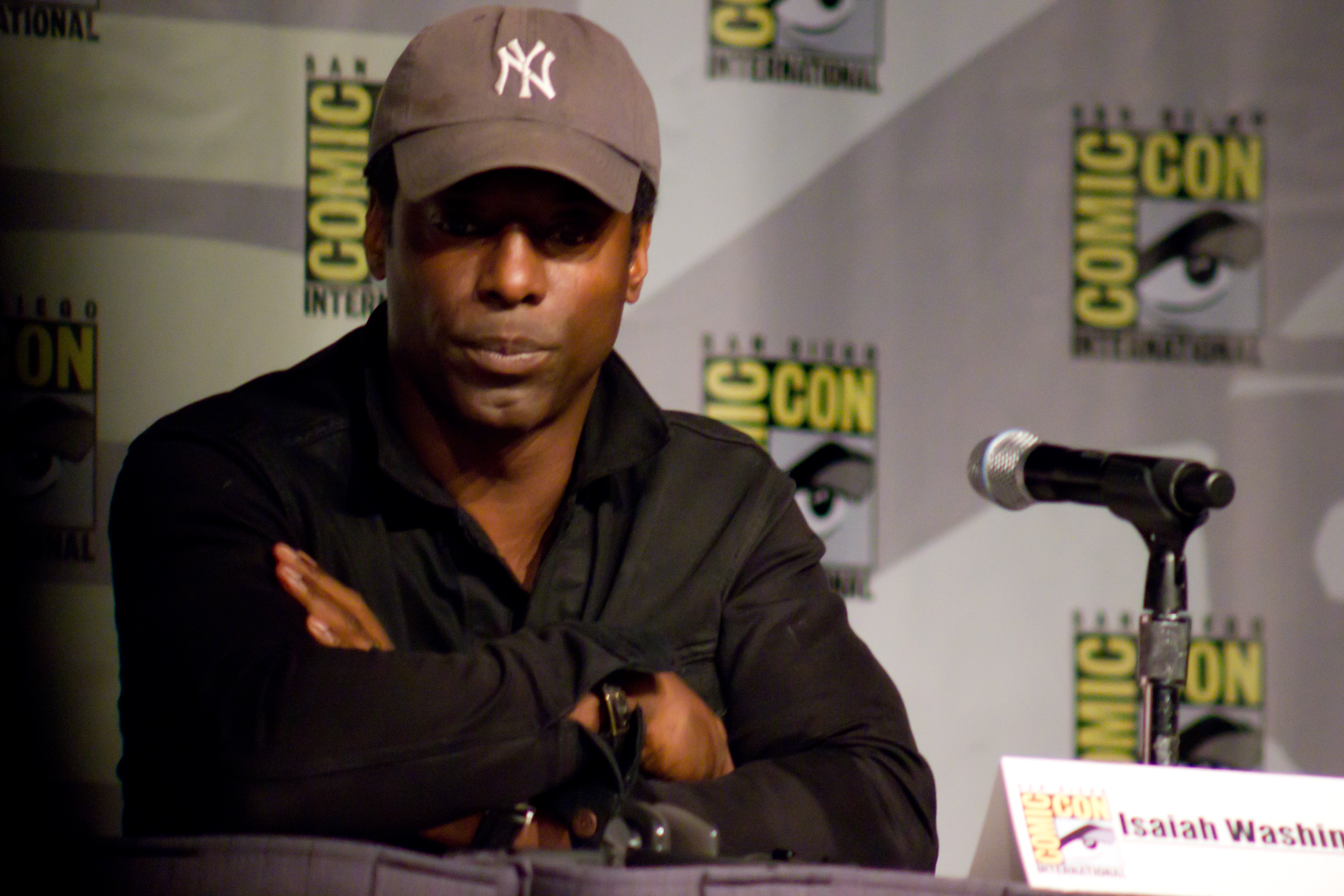
6. **Isaiah Washington: The Slur That Ended a Surgical Career**Isaiah Washington, a seasoned Hollywood veteran, had accumulated dozens of television and movie credits throughout his career, establishing himself as a reliable and recognizable face on screen. However, it was his prominent role as Dr. Preston Burke in the wildly popular medical drama “Grey’s Anatomy” that truly brought him widespread fame and critical acclaim, showcasing his considerable talent as a leading man. His character seemed to have great chemistry with the other doctors, suggesting a harmonious working environment and a bright future on the hit show.
This seemingly successful tenure, however, was dramatically cut short by a series of events that profoundly impacted his career. Washington was famously let go from the show, and subsequently, many believe he was “essentially blacklisted by Hollywood,” after he used a homophobic slur directed at a castmate during an angry tirade on set. This incident quickly became a public scandal, sending shockwaves through the cast, production crew, and the devoted fan base of the show.
The situation escalated further when Washington, after the show won a Golden Globe, controversially used the slur again during a conversation with the press, an act that many considered the “nail in the coffin” for his time on “Grey’s Anatomy.” While he later denied that he used the harmful word to refer to his coworker T.R. Knight’s uality and issued an apology, the repeated use of such language in public was deemed unacceptable by the industry, leading to swift repercussions.
The fallout was severe, culminating in a “do-not-resuscitate” order on his contract for the medical drama, essentially ending his run on a highly popular show. While Washington has managed to secure roles from time to time since the controversy, including a recurring role on “The 100,” it’s widely observed that he “isn’t working nearly as much as he could have been.” In his own poignant words, he reflected on the profound impact of the incident, stating, “They killed the actor (in me) on June 7, 2007.” His story serves as a potent reminder of the intolerance for hate speech within modern Hollywood and the lasting repercussions for those who cross that line.

7. **Mel Gibson: From Hollywood Icon to “Mad Mel”**Mel Gibson was an undeniable force in Hollywood throughout the 1980s, 90s, and early 2000s, carving out a legendary career as both a highly successful and immensely popular actor and director. He starred in blockbuster hits, helmed critically acclaimed films, and even put up $30 million of his own money to make the immensely controversial but financially successful 2004 film “The Passion of the Christ.” His talent and appeal seemed boundless, making him one of the industry’s most bankable stars, a true Hollywood icon.
However, Gibson’s career took a catastrophic turn with a series of very public freak-outs that irrevocably damaged his reputation “beyond recognition.” The most infamous incident occurred in 2006 when, following a drunk driving arrest, he unleashed a “giant anti-Semitic rant” that “made huge headlines all over the world.” This ugly outburst against a specific community left many in Hollywood “disinclined to work with him,” fundamentally altering his standing in the industry and public eye.
Despite a triumphant return as a director with “Hacksaw Ridge” in 2016, which earned critical acclaim and showed his directorial prowess, Gibson “is still largely blacklisted from Hollywood screens.” The public and industry’s memory of his hateful remarks proved to be long-lasting and unforgiving. Even though “it has been over a decade since the incident and some fans have forgiven him,” the context explicitly states that “many people, especially the Hollywood elite, will never forget the things he has said and done.”
His story serves as a powerful testament to the fact that while talent can open many doors, severe public misbehavior, particularly involving bigotry, can permanently close others. The epithet “Mad Mel,” which he earned for a while, encapsulated the dramatic fall from grace of a once-revered figure. It’s a stark reminder that in an industry built on public image and perceived values, some transgressions are simply too profound to ever truly be forgiven or forgotten by those who hold the power to cast and greenlight projects.
Read more about: Sins Under the Silver Screen: 14 Superstars Who Faced Hollywood’s Wrath Due to Scandal
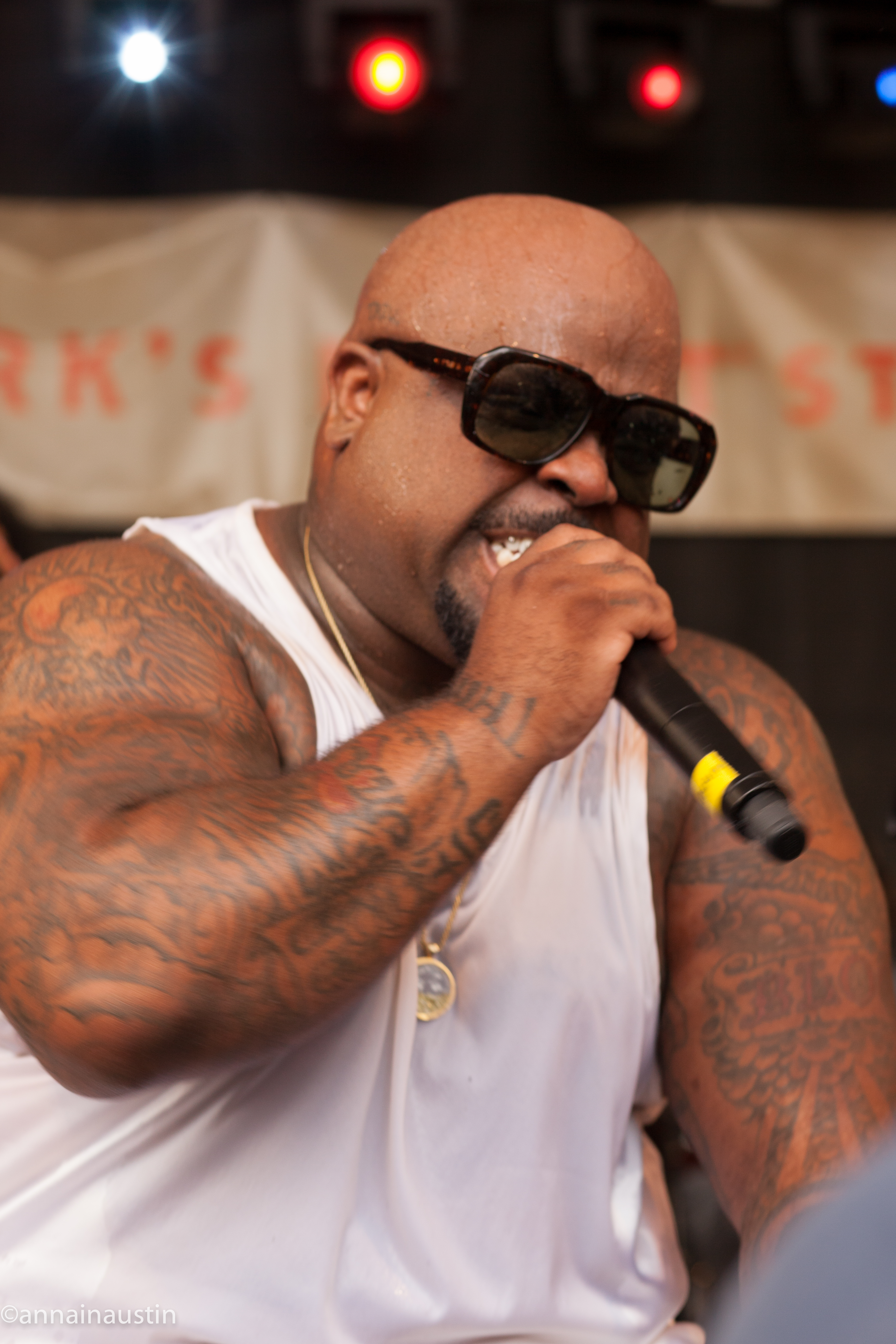
8. **Cee-Lo Green: The Superstar Whose Tweets Cost Him Everything**Cee-Lo Green was a powerhouse in the music industry, first making waves in the mid-1990s. But his infectious 2010 hit song, “F**k You,” soaring to No. 2 on the Billboard charts, truly made him a household name. This monumental success wasn’t just limited to music. Green brilliantly parlayed his newfound fame into a coveted judging role on “The Voice” and even snagged his own TV show, becoming a multi-talented fixture in popular culture.
However, this seemingly unstoppable rise came to a dramatic halt due to a series of deeply unfortunate public remarks. Green made some incredibly insensitive tweets concerning the sensitive topics of rape and homophobia. These comments quickly circulated, drawing widespread condemnation. They were the catalyst for his professional downfall, proving just how quickly public sentiment can turn in the age of social media.
The consequences were immediate and severe. He lost his prime spot as a judge on “The Voice,” his television show was canceled, and many scheduled concert gigs vanished. Venues and promoters quickly distanced themselves from the controversy. Cee-Lo Green’s story is a stark reminder of the immense power of public opinion. It highlights the irreversible damage from ill-considered words, especially for public figures. His career, once flying high, was effectively grounded, a testament to Hollywood’s zero-tolerance policy for such transgressions.
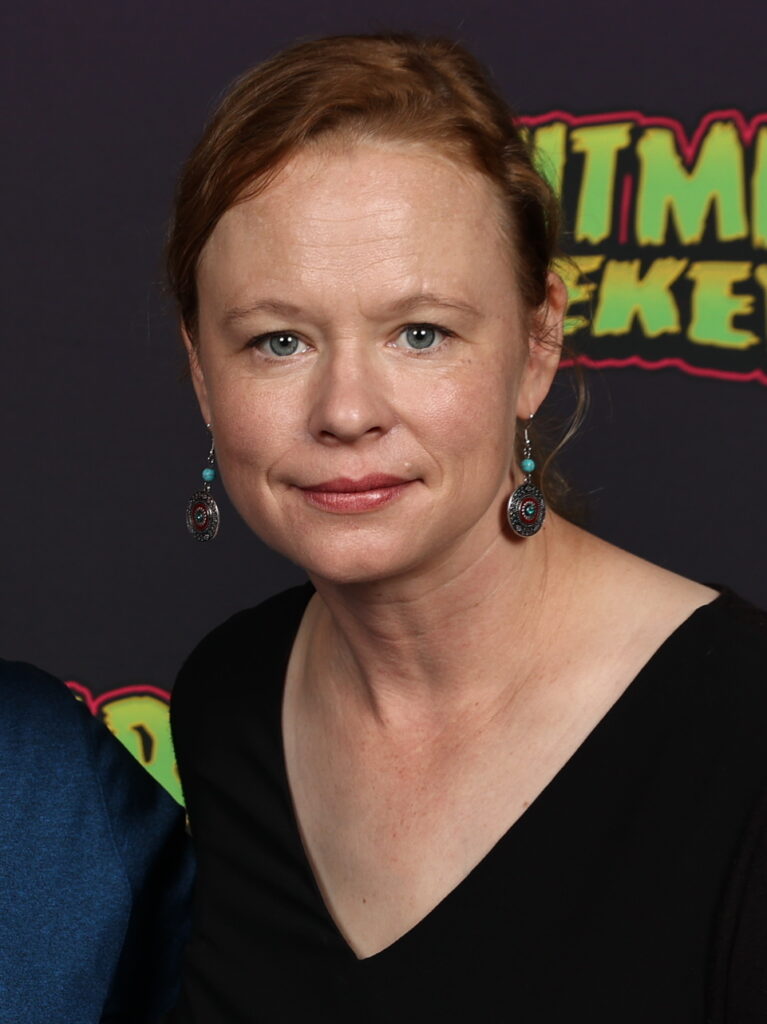
9. **Thora Birch: The Child Star Who Was Labeled “Difficult”**Thora Birch was a familiar face from a young age, starring in many notable films that cemented her status as a beloved child star. Many still fondly remember her iconic performance in “Hocus Pocus,” a Halloween classic watched year after year. As she grew, Birch successfully transitioned into a bona fide star in the late 1990s and early 2000s, showcasing her serious acting chops in critically acclaimed films like “American Beauty” and “Ghost World.”
With such a blazing start to her career, it’s a question many fans have pondered: why isn’t Thora Birch a bigger star today? The whisper that circulated through Hollywood and became a persistent rumor was that she had been blacklisted. The alleged reason? Her father and manager reportedly physically threatened a co-star during a Broadway run of “Dracula,” leading to her swift firing from the play in 2010. This incident, regardless of the full truth, seemingly attached the dreaded “difficult” label to her name.
It’s a disheartening reality that in Hollywood, the label of “difficult” is often unfairly applied to actresses. This serves as a subtle but powerful barrier to career progression. While Birch has recently returned to acting with intermittent roles, she may never achieve the superstar status many once predicted. Her experience highlights how quickly a reputation can derail a promising career in this image-conscious industry.
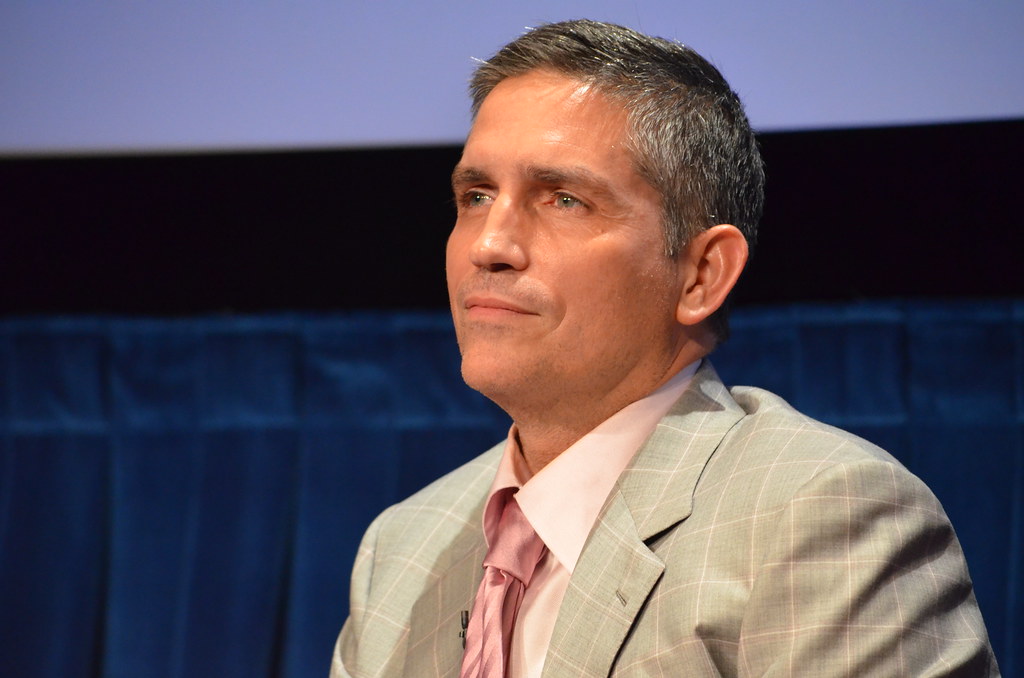
10. **Jim Caviezel: The Passionate Role That Shuns You From Hollywood**Jim Caviezel was a moderately known actor in the late 1990s, with a respectable body of work under his belt. However, one particular role catapulted him into the global spotlight and, controversially, onto Hollywood’s unofficial blacklist. That role was playing Jesus Christ in Mel Gibson’s highly anticipated and incredibly controversial 2004 film, “The Passion of the Christ.” The R-rated depiction of Jesus’ final days was a massive financial success worldwide, but it simultaneously garnered a huge amount of criticism for its graphic violence and alleged anti-Semitic undertones.
Even before filming began, director Mel Gibson candidly warned Caviezel about the potential career-damaging repercussions of taking on such a polarizing role. Gibson’s prophecy, it turned out, was eerily accurate. Despite the film’s global box office success, Caviezel reportedly found that “no one would take his calls” in its aftermath. He experienced a significant drought in acting work for several years thereafter. This dramatic shift underscores how deeply a single, controversial role can impact an actor’s future opportunities.
His story is a powerful example of how creative choices, especially those intertwined with sensitive religious or political themes, can inadvertently lead to professional isolation. While Caviezel has since secured some small and recurring roles, and is even slated to reprise his saintly character in Gibson’s long-delayed sequel, “The Passion of the Christ: Resurrection,” there’s little doubt that his immersive portrayal of Jesus ultimately “turned some people off from hiring him again.” This effectively defined his career trajectory for years to come.
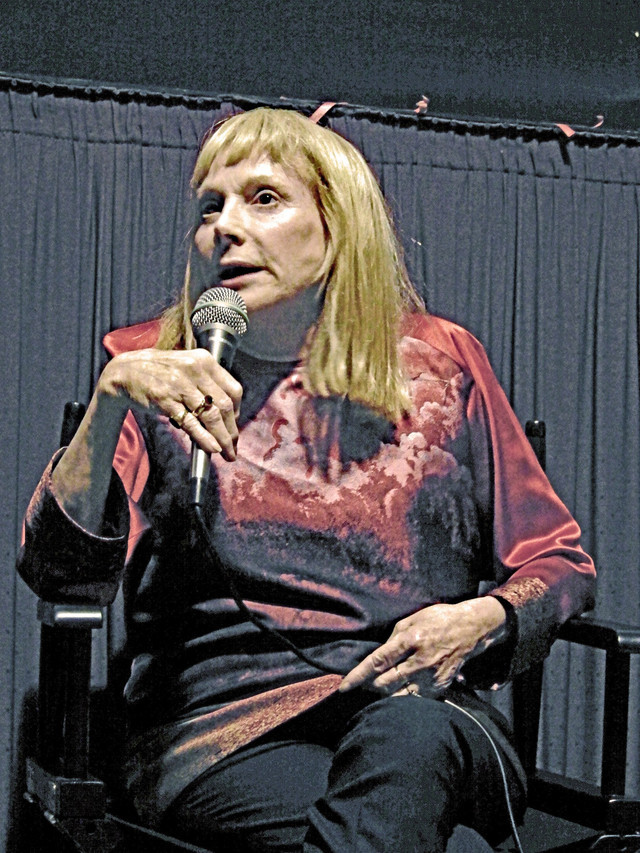
11. **Sondra Locke: The Heartbreak and Retaliation That Ended a Career**Sondra Locke’s entry into the film world was spectacular. She made her film debut in the late 1960s and immediately earned an Academy Award nomination for Best Supporting Actress for her very first role in “The Heart Is a Lonely Hunter.” She was a rising star, continuing to appear in many other films over the next few years. She also showcased her talent as a director, establishing herself as a multi-faceted presence in Hollywood.
Her career, however, took a devastating turn following a highly publicized and incredibly messy breakup with superstar Clint Eastwood, whom she had been dating for a long time. Their 15-year relationship ended acrimoniously in 1989. Locke soon found herself “essentially blacklisted from many of the different studios in Hollywood.” The widespread belief was that Eastwood used his “considerable star power” to ensure she was “left out in the cold,” unable to secure work.
This alleged blacklisting lasted for approximately a decade, a brutally long time in entertainment. When Locke finally managed to return to regular work, her career never regained its momentum or reached its previous heights. Her experience stands as a chilling, older example on this list. It highlights the immense power dynamics within Hollywood relationships and the devastating, long-term professional consequences that can arise from personal disputes with powerful figures.
Read more about: When the Spotlight Faded: The Shocking Stories of 14 Iconic Female Stars Blacklisted in Hollywood

12. **Charlie Sheen: From “Winning” to “Wrecking Ball”**Charlie Sheen was once a true Hollywood darling, known for his versatile acting talent and charisma. He commanded impressive salaries, notably becoming one of the highest-paid TV actors on the planet for “Two and a Half Men,” earning almost $2 million per episode! His “bad-boy image” was, for a long time, part of his allure. It allowed him to date high-profile stars and generally run wild without significant professional repercussions.
However, his career took a spectacular and very public nosedive with a series of drug-induced breakdowns and bizarre public rants. These became legendary, famously encapsulated by phrases like “#winning” and “tiger blood.” This alarming behavior, fueled by decades of documented substance use, led to him being perceived as a man who had “clearly lost his marbles.” The culmination was his dramatic firing from “Two and a Half Men” in 2011, a shocking move that underscored the severity of his situation.
Since that infamous public freak-out, Sheen has largely been remembered more for his antics than his acting. While he did land a new leading role on “Anger Management” in 2012, even that tenure was marred by controversy. His co-star, Selma Blair, left the show, alleging he was “too hard to work with.” Most companies continue to “avoid Sheen and his ridiculous antics like the plague,” making consistent, high-profile work incredibly scarce. His story remains one of Hollywood’s most vivid cautionary tales.
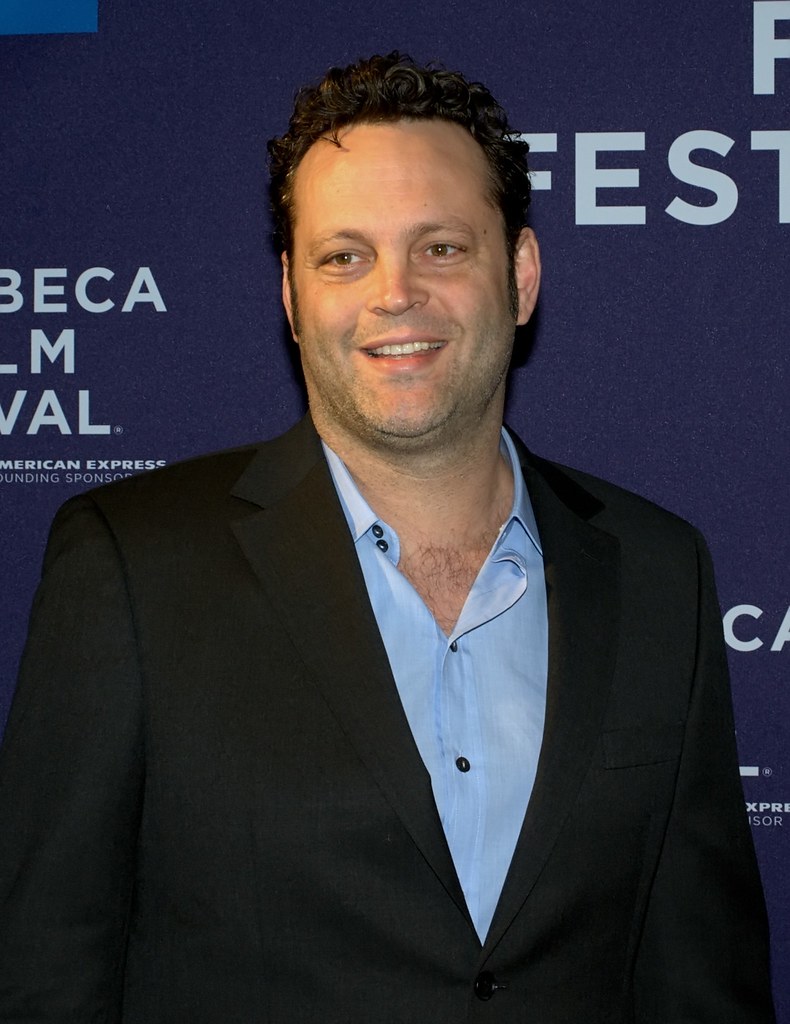
13. **Vince Vaughn: Political Views and a Limited Range**Just a little over a decade ago, Vince Vaughn was a seemingly unstoppable force in Hollywood, celebrated as one of its busiest and most successful actors. He graced the screens in many beloved classic comedies, winning over fans with his quick wit, charming demeanor, and lovable everyman persona. His presence almost guaranteed a good time at the movies, and his star power seemed destined to shine indefinitely.
However, in recent years, Vaughn’s presence in Hollywood has become noticeably less active. Many speculate that his prime as an actor has quietly passed him by. His blacklisting, unlike some of the more explosive examples, appears more subtle and multifaceted. While he’s always been known for a certain comedic style, his perceived “limited range as an actor” has been cited as a factor, particularly his struggle to excel outside of “goofy comedies.” His performance on HBO’s “True Detective,” for instance, didn’t win over critics.
Adding another layer to his professional slowdown are his increasingly vocal and often controversial political views. While there’s “nothing wrong with being a conservative,” Vaughn’s public statements have sometimes crossed a line that studios find problematic. For example, publicly advocating for “guns in all schools to prevent mass shootings” is a stance many companies might understandably want to distance themselves from. This combination of a perceived lack of versatility and polarizing political statements has quietly contributed to his diminished presence in mainstream Hollywood.
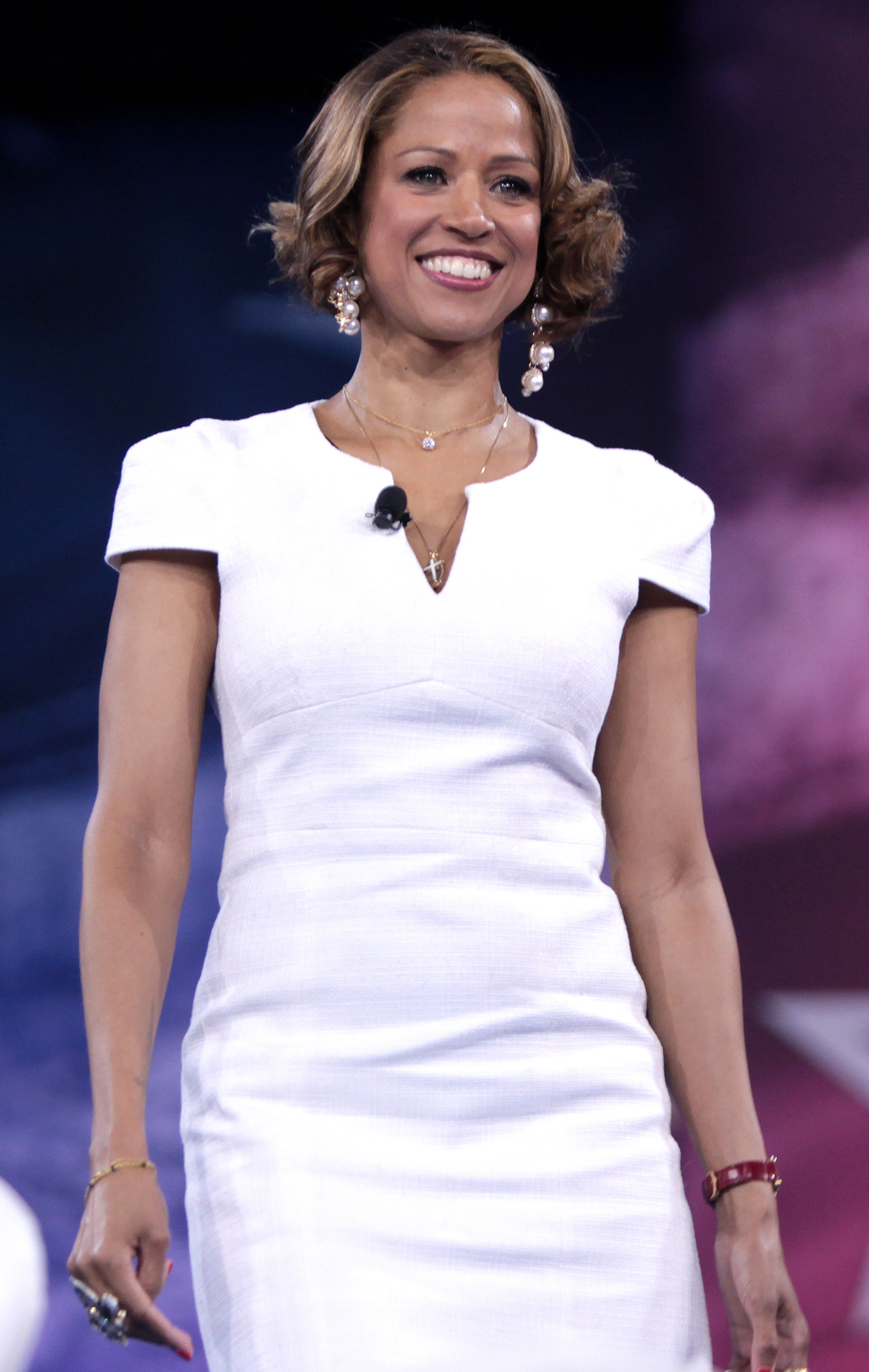
14. **Stacey Dash: From “Clueless” to Controversial Crusader**Stacey Dash first rose to prominence through her memorable role in the iconic 1995 film “Clueless.” This cemented her status as a recognizable actress. Her career later saw her transition into a talk show host, notably appearing on the Fox News show “Outnumbered.” For a time, she navigated both entertainment and political commentary, though it was her increasingly controversial views that would ultimately define her public image and impact her professional life.
Dash initially voted for Barack Obama in 2008, but between 2008 and 2012, she underwent a radical shift. She became an incredibly outspoken proponent of conservative views. While, again, “nothing wrong with being a conservative,” her statements often ventured into territory deemed outrageous and offensive by many, especially within the predominantly liberal Hollywood sphere. A prime example was her public call for the abolition of Black History Month, a stance that ultimately led to her being fired from Fox News.
Further controversies followed, including her comments about transgender people in 2016. These only amplified her “hot water” status with Hollywood philosophies. These “extreme beliefs” and her “inability to keep them to herself” have, according to the context, undoubtedly been a significant reason why she “doesn’t get big roles anymore.” Her story is a testament to how aggressively held and publicly expressed political views, particularly those seen as extreme or discriminatory, can lead to professional isolation in Hollywood.
Read more about: Sins Under the Silver Screen: 14 Superstars Who Faced Hollywood’s Wrath Due to Scandal

15. **Rose McGowan: The Trailblazer Who Took On a Titan**Rose McGowan’s career was on a significant upward trajectory, earning her a dedicated fanbase through her memorable role in the horror classic “Scream.” She also had a five-year run as a co-star on the popular WB series “Charmed” alongside Alyssa Milano. She was a recognizable face, building a solid career in both film and television. Many anticipated even bigger things for the talented actress.
However, her trajectory took a dramatic and courageous turn following the revelations of 2017. She emerged as one of the most prominent and vocal figures who helped “out the disgusting acts of Harvey Weinstein.” McGowan bravely alleged that Weinstein ually assaulted her in the late 1990s. While she didn’t press charges at the time, they reportedly settled out of court. This harrowing experience and her subsequent decision to speak out placed her directly in the crosshairs of one of Hollywood’s most powerful figures.
Weinstein reportedly tried to “blacklist her from Hollywood and bury the films she has been a part of” in retaliation. “Desperado” filmmaker Robert Rodriguez, however, defied Weinstein, casting McGowan in his half of the double feature “Grindhouse.” Ironically, it was produced by Weinstein himself. Infuriated by Rodriguez’s defiance, “the Weinstein machine gave ‘Grindhouse’ almost zero backing, and the film tanked at the box office.” This further illustrates the producer’s vengeful reach. Her story highlights the severe personal and professional costs of taking on a titan like Weinstein.
So, what have we learned from these truly wild tales of Hollywood’s unofficial blacklist? It’s clear that Tinseltown, for all its glitz and glamour, operates with unspoken rules and swift, often brutal, consequences. Whether it’s through public controversies, allegations of misconduct, unpopular political stances, or the sheer audacity to stand up to power, these stories illuminate the precarious nature of fame and fortune in an industry where image is everything. For some, a comeback seems possible, a redemption arc unfolding after years in the wilderness. For others, the ban appears to be a permanent scarlet letter, changing the course of their careers forever. Each narrative is a powerful reminder that behind every dazzling premiere, there’s a complex, often unforgiving reality that can abruptly bring even the brightest stars back down to Earth. It’s a compelling look at the dark side of Hollywood dreams, where the price of fame can sometimes be too high.