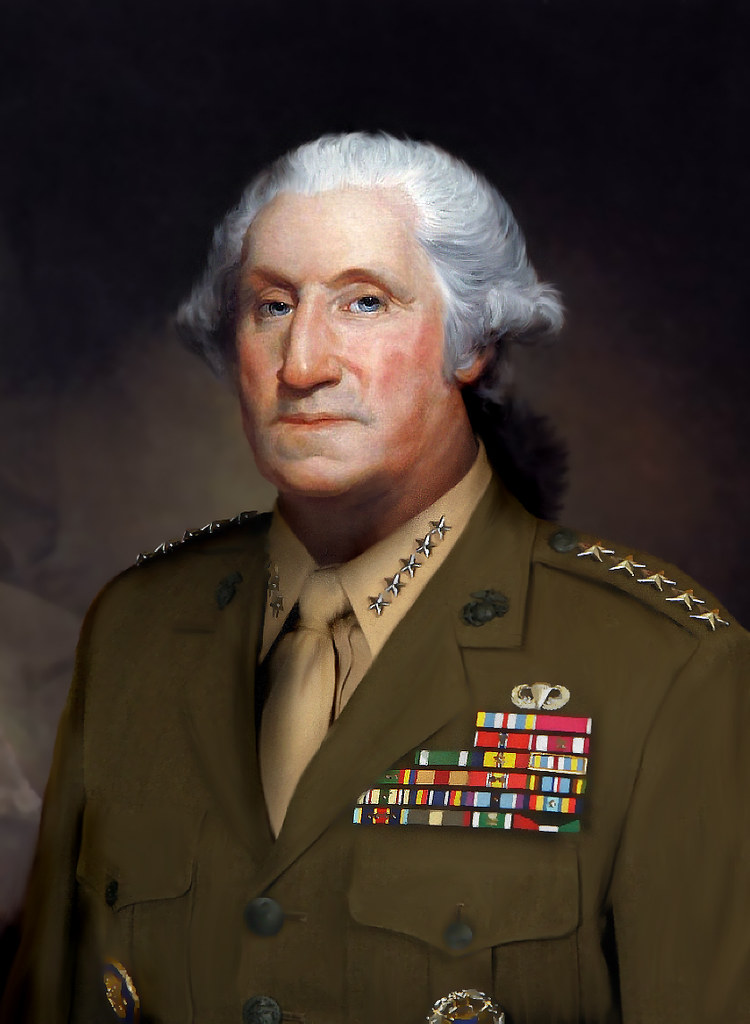
Long before he became the revered Father of the Nation, the architect of American independence, or the stoic figurehead of the fledgling republic, George Washington was a man driven by a restless ambition that extended far beyond the conventional expectations of his time. His life, often romanticized as a linear progression toward destiny, was in fact punctuated by deeply personal, sometimes shocking, pursuits that shaped his character and honed his instincts for survival and command. These were not mere pastimes but intense engagements that often placed him in harm’s way, demanding a level of vigilance and protection that would be unimaginable for a public figure today, yet was a stark reality for the frontiersman and burgeoning leader.
Indeed, the narrative of Washington’s life is incomplete without acknowledging these often-overlooked dimensions – the daring forays into uncharted territories, the calculated risks of land speculation, and the rigorous self-mastery he sought from a young age. These were the crucibles in which his leadership was forged, demanding not only physical courage but also acute political acumen and an unwavering resolve. They were the private battles that prepared him for the public wars, forcing him to confront danger in its myriad forms, from hostile wildernesses to treacherous human dealings.
Today, we embark on a journey through these compelling aspects of Washington’s early life and personal endeavors, uncovering the hidden narratives that illustrate his complex personality and the profound challenges he faced. We will explore how these formative experiences instilled in him a constant need for strategic thinking and a deep understanding of protection, laying the groundwork for the monumental tasks that lay ahead. These weren’t just hobbies; they were foundational trials that cultivated the formidable leader America would come to depend on, and they demanded a vigilance akin to what a modern-day bodyguard might provide.
1. **The Unconventional Path: From Farmer’s Son to Frontier Surveyor**Born in a modest setting in Westmoreland County, Virginia, George Washington’s early education took an unconventional turn following his father’s death. Unlike his elder half-brothers who enjoyed formal schooling in England, Washington’s path was more practical, grounded in the realities of colonial life. He attended the Lower Church School in Hartfield, where he diligently acquired skills that would prove pivotal to his future and his deep involvement with the American landscape.
It was here that he delved into mathematics and land surveying, subjects that captivated his keen intellect and hands-on approach. He rapidly developed into a talented draftsman and mapmaker, skills that were not just academic pursuits but gateways to adventure and opportunity in the expanding colony. This intense personal focus on surveying quickly evolved from learning into a defining characteristic of his early adulthood.
By early adulthood, Washington’s biographers noted his writing possessed “considerable force” and “precision,” reflecting a mind already geared towards meticulous detail and clear communication. His proficiency in surveying opened doors, allowing him to navigate the vast, untamed territories of Virginia, a pursuit that, while offering significant economic prospects, also plunged him into environments fraught with unknown dangers and demanded an acute awareness of his surroundings.
2. **Into the Wilderness: Early Expeditions and Unseen Threats**Washington’s entry into the professional world as a surveyor was not a sedentary desk job but a physically demanding and often perilous endeavor. In 1748, at just sixteen years old, he embarked on a month-long expedition, accompanying a team to survey William Fairfax’s extensive Shenandoah Valley property. This was his baptism by fire into the rugged frontier, far from the comforts of settled communities.
These early surveying trips exposed Washington to the raw, untamed nature of colonial America. Traversing dense forests, crossing unbridged rivers, and navigating treacherous terrain were daily challenges. Beyond the natural obstacles, the frontier was a volatile region, home to diverse Indigenous communities, some of whom were wary or hostile towards colonial encroachment, and where lone travelers or small groups faced constant, unseen threats.
By the following year, his skills were formally recognized with a surveyor’s license from the College of William & Mary. Despite not having served the customary apprenticeship, his talent was undeniable, leading to his appointment as surveyor of Culpeper County, Virginia, by Thomas Fairfax. This rapid ascent into a position of responsibility on the dangerous frontier underscored his early reputation for competence and bravery, but also the inherent risks of his chosen path, requiring an almost instinctual self-preservation and keen awareness of danger.

3. **Ambition and Acquisition: Forging a Fortune in Untamed Lands**Washington’s surveying was not merely a technical skill; it was a vehicle for his burgeoning ambition and a key to accumulating significant wealth and influence. His firsthand knowledge of the land, gained through arduous treks across the frontier, provided him with an unparalleled advantage in an era where land ownership was the bedrock of power and prosperity. His personal pursuits were often financially driven, transforming his passion into profit.
By 1752, at the age of 20, Washington had already begun to parlay his surveying expertise into substantial landholdings, acquiring almost 1,500 acres in the Shenandoah Valley and eventually owning a total of 2,315 acres. This aggressive acquisition of land demonstrated a shrewd business acumen and a forward-thinking vision, identifying fertile ground for future development and speculation long before others.
This drive to expand his estate continued throughout his life, significantly contributing to his status as one of Virginia’s wealthiest men after his marriage to Martha Custis. His relentless pursuit of land, while boosting his social standing and financial security, also placed him in a competitive, sometimes cutthroat, environment. Disagreements over land claims and boundaries were common, and his ambition, while celebrated, inherently exposed him to rivalries and potential disputes that demanded both legal and, at times, physical resolve.
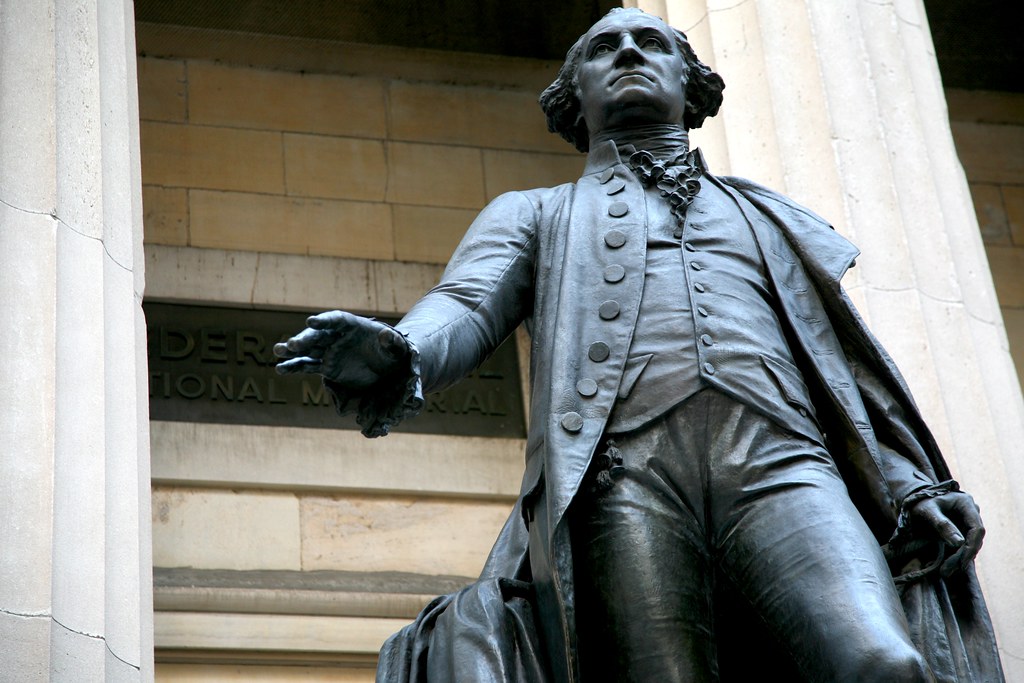
4. **The “Rules of Civility”: A Teenage Obsession with Self-Mastery**Amidst the rugged realities of frontier life and the pragmatic pursuits of surveying, a more introspective and perhaps surprising personal endeavor shaped young George Washington: his meticulous compilation of “The Rules of Civility.” As a teenager, he painstakingly copied over a hundred rules for social interaction, derived from an English translation of a French guidebook, demonstrating a profound personal commitment to self-improvement.
This wasn’t just an exercise in penmanship; it was a deeply personal quest for self-mastery and social grace, a deliberate attempt to cultivate the manners and deportment of a gentleman. In a world where social standing and personal reputation were paramount, understanding and adhering to these rules was a form of self-protection, a way to navigate complex social hierarchies and avoid inadvertent offense in an often unforgiving society.
While not a “shocking hobby” in the adventurous sense, this rigorous self-discipline reveals a crucial aspect of Washington’s character – his unyielding commitment to personal order and control. It speaks to a deep-seated desire to present himself with dignity and command respect, understanding that the mastery of one’s inner self and outward presentation was as vital as the command of troops or the surveying of land. This meticulous attention to his own conduct was a lifelong pursuit that offered a different kind of personal security, ensuring his moral and social standing was unassailable.
5. **A Brother’s Journey, A Personal Peril: The Barbados Ordeal**In 1751, George Washington undertook a journey that marked his first and only departure from mainland North America, a deeply personal mission fraught with peril. He accompanied his beloved older half-brother, Lawrence, to Barbados, a desperate hope that the warmer climate might alleviate Lawrence’s worsening tuberculosis. This was not a military campaign or a surveying expedition, but a private act of familial devotion.
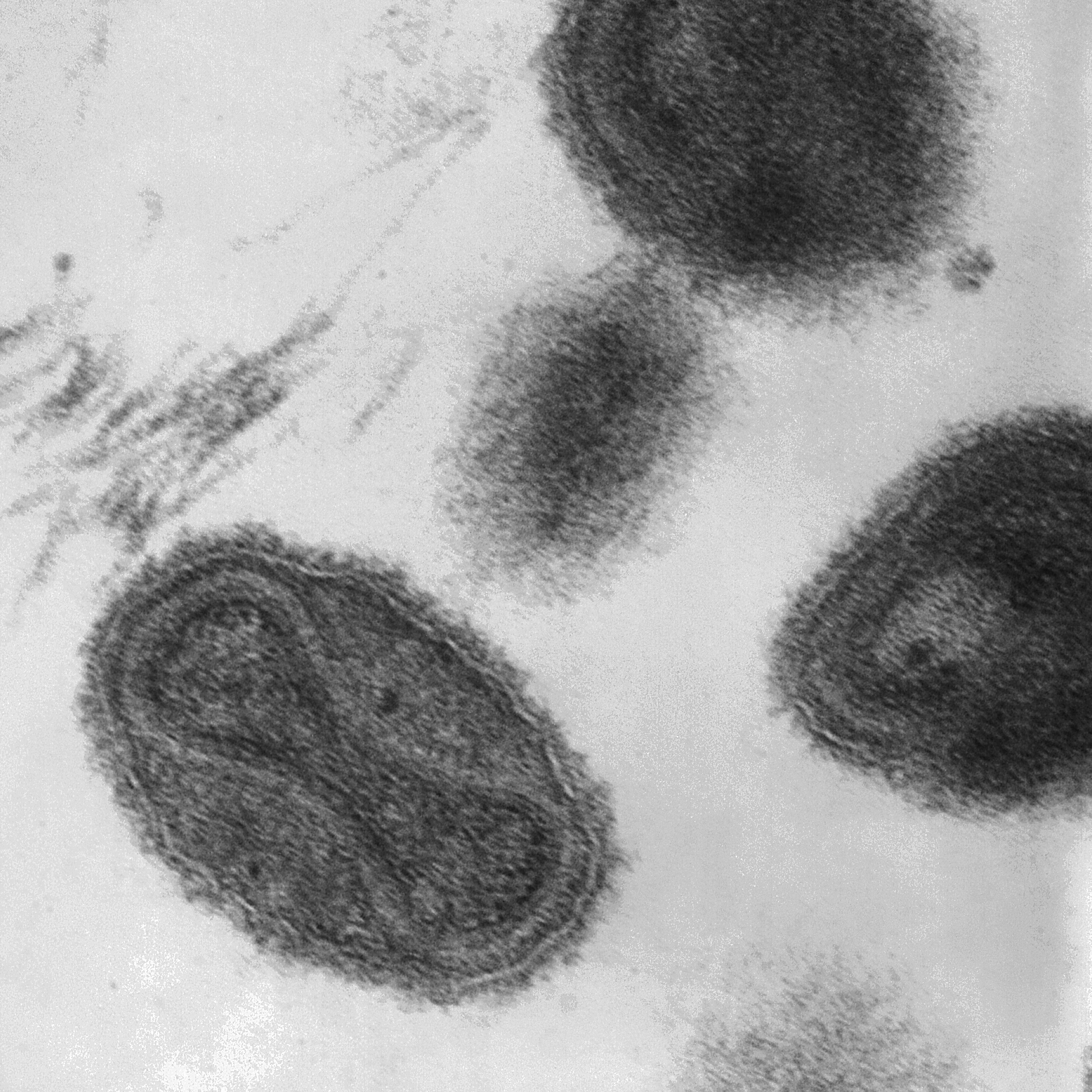
Yet, even on this personal voyage, danger found Washington. During his time in Barbados, he contracted smallpox, a dreaded and often fatal disease of the 18th century. The illness left his face slightly scarred, a permanent physical reminder of the vulnerability and unpredictable risks inherent in even the most personal of journeys. This experience was a stark lesson in fragility, underscoring the constant need for vigilance against unseen threats.
His survival, while a testament to his resilience, also provided him with immunity to the disease, a crucial advantage in later military campaigns where smallpox ravaged armies. This personal ordeal, a journey undertaken out of love, inadvertently equipped him with a form of natural protection that would serve him well in future endeavors. It highlighted how even outside his public roles, personal decisions could lead to profound and lasting consequences, demanding an ever-present awareness of his own and his companions’ safety.

6. **The Seeds of Conflict: Personal Stakes in Western Land Disputes**Washington’s unwavering interest in western land speculation was not merely a personal financial pursuit; it placed him squarely in the crosshairs of mounting tensions between the American colonists and the British Crown. His personal investments and ambitions in these vast, unsettled territories became intertwined with the larger political grievances that would eventually ignite a revolution.
He, along with many other prominent colonists, was deeply angered by the Royal Proclamation of 1763, which arbitrarily banned American settlement west of the Allegheny Mountains. This British interference directly threatened his own substantial land speculation ventures and those of his peers. His private economic interests thus fueled his burgeoning opposition to British imperial policies, transforming a personal pursuit into a political flashpoint.
This was a delicate and dangerous game. To defy the British Crown, even through economic opposition, carried immense personal and financial risk. His involvement in these land disputes, born from his surveying ‘hobby’ and ambition, demonstrated his willingness to stand against perceived oppression, showing a daring that extended beyond military confrontation. It revealed a man whose personal fortunes were deeply tied to the political landscape, requiring astute navigation and a keen sense of self-preservation in the face of increasingly authoritarian rule.”
Having navigated the formative dangers of his youth, George Washington’s journey into leadership was not merely a grand ascent but a continuous series of high-stakes endeavors, both public and profoundly personal. These were the crucibles where his strategic mind, his unwavering resolve, and his innate understanding of human nature were truly tested, often placing him in positions of extreme peril and demanding a constant, almost instinctual, vigilance. The ‘hobbies’ of his later life, far from being leisurely pursuits, reveal the depths of a character forged in the fires of conflict and ambition, often with a dramatic flair worthy of the grandest narratives.

7. **Igniting a Global Conflict: The Ill-Fated Ohio River Valley Expedition and the Jumonville Affair**
Washington’s transition from an ambitious land surveyor to a military figure, and ultimately a catalyst for global war, began with an seemingly routine but profoundly perilous diplomatic mission. In 1753, at the tender age of 21, Virginia’s Lieutenant Governor, Robert Dinwiddie, appointed him as a special envoy. His task was to venture into the contested Ohio River Valley, a territory coveted by both the British and French empires, and deliver a stark demand: the French forces were to vacate the land claimed by the British. This was no mere errand but a diplomatic tightrope walk through a volatile wilderness, fraught with the potential for miscalculation and armed confrontation.
Promoted to major and then lieutenant colonel, Washington was soon ordered to confront the French presence at the Forks of the Ohio. Having established a defensive position at Great Meadows, he learned of a nearby French encampment. In a move that would forever alter the course of history, on May 28, 1754, Washington commanded an ambush on what proved to be a small French detachment, resulting in the death of its commander, Joseph Coulon de Jumonville, and several of his men. The sudden violence of this encounter, carried out by Washington’s Virginians and Indian allies, sent shockwaves through the delicate balance of colonial power.
The immediate aftermath was disastrous for Washington’s burgeoning military reputation. Retreating to Fort Necessity, he found himself besieged and forced to sign a surrender document written in French, a language he did not understand. Unwittingly, he accepted responsibility for the ‘assassination’ of Jumonville, a claim he would later attribute to a mistranslation. This diplomatic blunder, coupled with the brutal nature of the ambush, inflamed an already tense situation. The Jumonville affair, as it became known, was the spark that ignited the French and Indian War, drawing continents into conflict and thrusting the young Washington onto the world stage under a cloud of controversy and danger.
8. **Surviving the Unsurvivable: Braddock’s Defeat and Washington’s Near-Miraculous Escape**Despite the ignominy of Fort Necessity, Washington’s frontier experience and evident bravery were undeniable. In 1755, he volunteered his services as an aide to General Edward Braddock, who was leading a major British expedition to expel the French from Fort Duquesne and the Ohio Country. This was a high-stakes military undertaking, positioning Washington once again at the heart of perilous combat, this time under the direct command of seasoned British regulars. His advice, though not always heeded, underscored his growing strategic insight even at a young age.
Washington, suffering from severe dysentery, initially did not travel with the main column but rejoined Braddock at Monongahela. It was there that the expedition met its catastrophic end. The French and their Indian allies ambushed the divided British army with devastating efficiency. The ensuing Battle of the Monongahela resulted in two-thirds of the British force becoming casualties, a horrifying slaughter in which Braddock himself was killed. Amidst the chaos and carnage, Washington’s personal valor shone through, a testament to his innate courage.
During this harrowing engagement, danger sought him out relentlessly. He had two horses shot out from under him, a near-miraculous escape from death in itself, and his hat and coat were pierced by bullets. Despite his severe illness, he rallied the shattered survivors, forming a rear guard that allowed the remnants of the British force to retreat. His conduct, an extraordinary display of leadership under fire, redeemed his reputation among many of his earlier critics. Yet, this visceral experience of British military ineptitude and the disregard for colonial officers also deepened his burgeoning hostility towards the imperial command, laying seeds for future rebellion.

9. **The Private Empire: Shifting Agriculture and Breeding Mules at Mount Vernon**Returning from the brutal realities of war, Washington’s life at Mount Vernon was far from a peaceful retreat. Despite his marriage to the wealthy widow Martha Dandridge Custis, which elevated him to one of Virginia’s wealthiest men, his financial security remained surprisingly precarious. The vast estate he managed, including his own and Martha’s dower lands, demanded constant innovation and shrewd business acumen. His personal pursuits, though now centered on his estate, were still high-stakes endeavors aimed at securing and expanding his economic empire.
Recognizing the declining profitability of tobacco, Washington undertook a significant strategic agricultural shift, transforming Mount Vernon’s primary cash crop to wheat. This was a bold and calculated risk, requiring substantial investment in new infrastructure like flour milling operations and the expansion into other crops such as hemp. This diversification was not just a personal interest; it was a sophisticated economic strategy to stabilize and grow his wealth, pushing the boundaries of traditional plantation management in the colonial era.
Beyond crop diversification, Washington embraced another surprising agricultural innovation: the breeding of mules. In 1785, he was gifted a stud by King Charles III of Spain, marking the beginning of his pioneering efforts. Washington passionately believed that these hybrid animals would revolutionize agriculture by providing a more resilient and efficient labor force than horses. This intense, almost scientific, ‘hobby’ reflected his forward-thinking mindset and his relentless pursuit of practical advancements, blending his personal fascination with the practical demands of managing a vast, complex estate in a rapidly changing economic landscape.
10. **America’s First Spymaster: The Secret World of the Culper Ring**As commander-in-chief of the Continental Army during the American Revolutionary War, Washington’s ‘hobbies’ expanded far beyond the conventional battlefield. Faced with a better-equipped and often better-informed British enemy, he recognized the critical need for intelligence, transforming himself into America’s first spymaster. This was a clandestine endeavor, fraught with immense personal danger for all involved, operating in the shadows of a brutal war.
In 1778, Washington personally directed Major Benjamin Tallmadge to establish what would become known as the Culper Ring, a covert espionage system designed to collect vital information about British movements and plans in New York. The network employed a complex system of aliases, codes, and dead drops, a meticulous and dangerous operation demanding constant vigilance and absolute discretion. The lives of numerous patriots, often unsung heroes, hinged on the flawless execution of these secret communications.
The intelligence gleaned from the Culper Ring proved invaluable, notably saving French forces from a surprise British attack orchestrated with information from Benedict Arnold, a high-profile general turned British spy. Arnold’s treason, a profound betrayal that Washington had initially disregarded due to Arnold’s past distinctions, highlighted the constant internal threat and the psychological burden of his spymaster role. Washington’s swift personal assumption of command at West Point and the reorganization of its defenses after Arnold’s defection underscored his immediate, decisive action in the face of such a critical compromise, demonstrating an unparalleled ability to adapt and protect his nascent nation from threats both external and deeply personal.
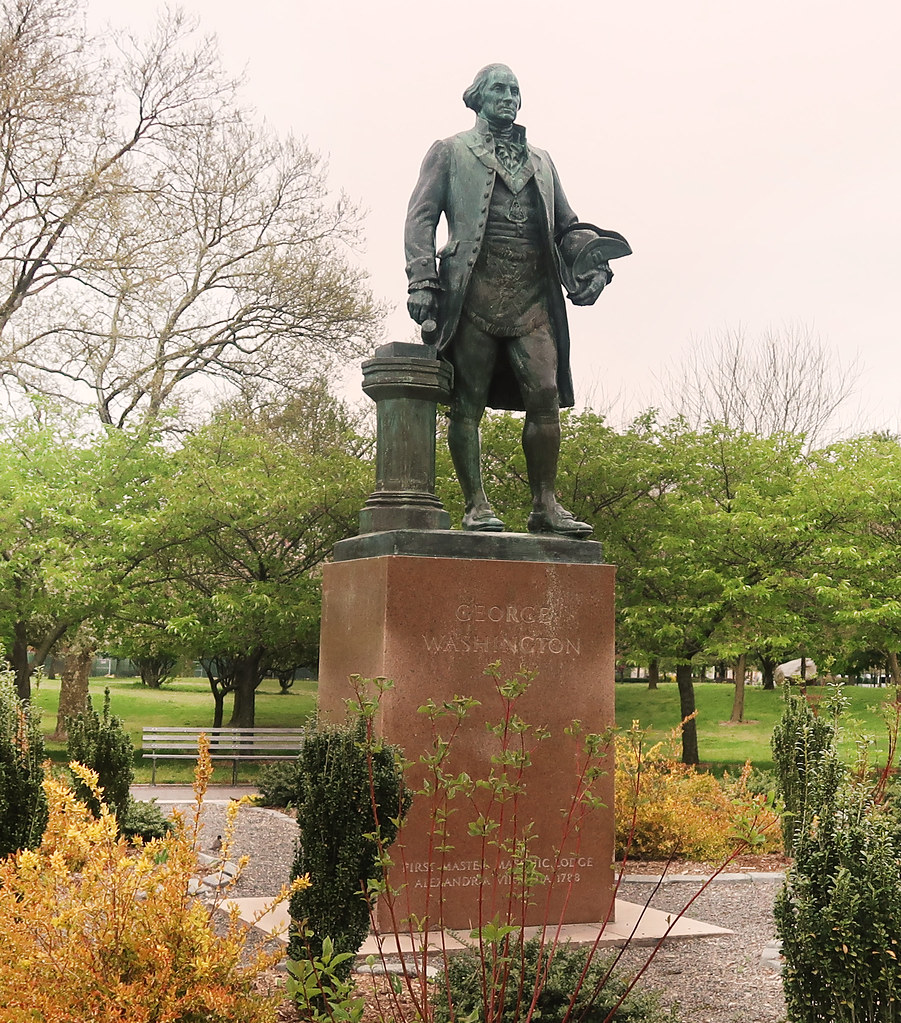
11. **Defusing a Powder Keg: The Newburgh Conspiracy and the Power of Personal Persuasion**As the American Revolutionary War drew to a close and peace negotiations commenced, a new and existential threat emerged, not from the British, but from within Washington’s own ranks. The Continental Army, after years of grueling service, was on the brink of disbandment, its officers and soldiers unpaid and disillusioned. In March 1783, this widespread dissatisfaction festered into the Newburgh Conspiracy, a planned mutiny by American officers that threatened to plunge the fledgling nation into military chaos and undermine the very principles they had fought for.
Washington recognized the profound danger this internal rebellion posed to the fragile republic. A military coup, even one born of legitimate grievance, would destroy the ideal of civilian control over the military, betraying everything the Revolution stood for. He understood that this was not a battle to be won with arms, but with the force of his personal conviction and an appeal to the higher ideals of patriotism. The stakes were nothing less than the soul of the new United States.
In a dramatic address to his officers at Newburgh, Washington confronted the conspirators directly. He appealed to their patriotism, their sacrifices, and the moral authority of their cause. The turning point came when he fumbled with a letter, then produced a pair of spectacles, remarking, “Gentlemen, you must pardon me. I have grown gray in your service and now find myself growing blind.” This simple, deeply human gesture, revealing his vulnerability and shared sacrifice, broke the tension and brought many officers to tears, immediately defusing the planned mutiny.
His personal intervention, a masterclass in leadership and persuasion, prevented a catastrophic military uprising. It was a moment where the full weight of his moral authority, honed through years of personal and public trials, averted bloodshed and ensured the peaceful transition of power from military to civilian authority. This act of personal defusal stands as one of his most profound achievements, safeguarding the nascent American experiment through the sheer force of his character and presence.
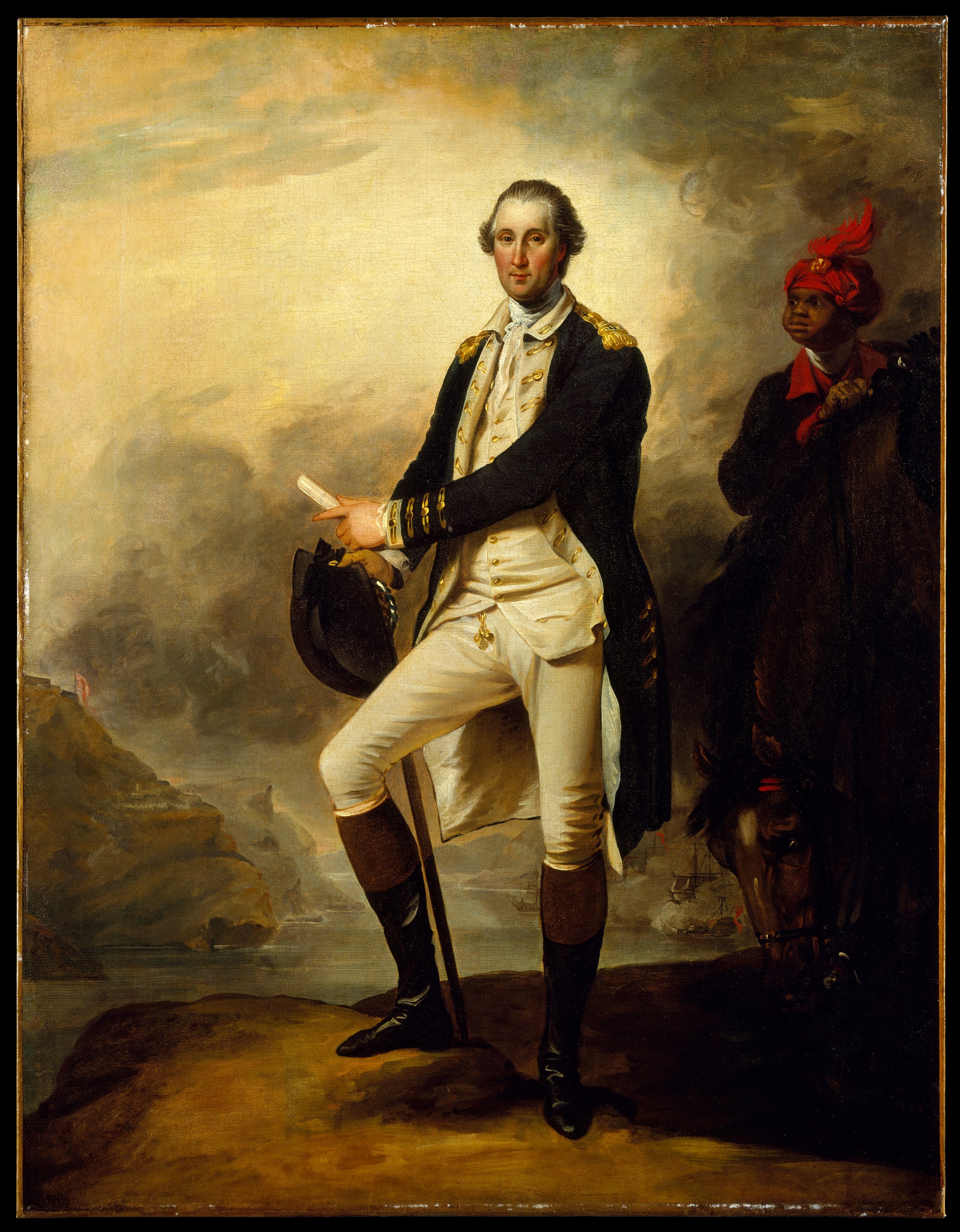

12. **The Pursuit of Prosperity: Post-War Land Holdings and the Ohio Country Journey**After his monumental service as commander-in-chief and his pivotal role in establishing the framework of a new government, George Washington was eager to return to the private life of a planter at Mount Vernon. Yet, even in ‘retirement,’ his pursuits remained far from sedentary, often involving significant personal risk and continuing the high-stakes ‘hobby’ of land speculation that had defined much of his early life. The economic realities of the post-war era meant his financial situation was not robust, compelling him to revisit earlier ambitious ventures.
In 1784, Washington embarked on a rigorous 34-day, 680-mile trip to the Ohio Country, a journey that underscored his continued personal engagement with the expansion of his land holdings. This arduous expedition, traversing the rugged frontier once more, was not merely a nostalgic return to his surveyor roots but a crucial business endeavor to check on his substantial investments in the untamed western territories. It was a solitary quest for prosperity, physically demanding and exposing him to the unpredictable dangers of the wilderness, reminiscent of his youth.
He oversaw extensive remodeling work at Mount Vernon, transforming it into the iconic mansion known today, even as he grappled with persistent financial difficulties. His creditors often paid him in depreciated wartime currency, while he faced significant debts in taxes and wages. Mount Vernon itself had struggled during his long absence, facing poor crop yields and operating at a deficit. Washington’s unrelenting pursuit of land and his personal journeys to secure his financial future reveal a man perpetually engaged in high-stakes personal enterprise, driven by a deep-seated ambition that transcended even the triumphs of war and nation-building.
From the audacious land deals of his youth to the perilous battlefield commands, and from the quiet, meticulous pursuit of agricultural innovation to the shadowy world of espionage and the dramatic defusal of military rebellion, George Washington’s life was a tapestry woven with shocking pursuits and high-stakes endeavors. Far from being mere hobbies, these intense engagements forged a leader uniquely prepared for the immense responsibilities that awaited him. They underscore that the man behind the monument was one of restless ambition, a constant need for vigilance, and an unparalleled capacity for both personal risk and profound self-mastery, illustrating how the most defining figures often emerge from the most unexpected and dangerous ‘hobbies’ imaginable.