We’re car people, right? We live and breathe the rumble of an old engine, the gleam of perfectly polished chrome, and the intoxicating scent of gasoline and aged leather. For many of us, our classic cars aren’t just vehicles; they’re rolling pieces of art, mechanical masterpieces, and often, significant financial investments. But once that dream machine is yours, whether it’s a barn-find project or a concours-ready stunner, the next big question rears its head: “Where in the name of all that’s holy am I going to put it?”
Traditionally, the answer was simple: “the garage.” A solid, brick-built structure, perhaps with a leaky roof and an oil stain or two, but a garage nonetheless. That’s the normal, the expected, the absolutely mundane solution. But let’s be honest, “normal” rarely describes the lengths we go to for our automotive passions. In our world, “normal” is just a setting on a washing machine. And as the modern landscape pushes traditional garages out of reach for many, classic car owners are getting… well, *weird* with their storage solutions. We’re talking about options that deviate from the normal, solutions that have an unusually strange character, perhaps even bizarre, as the dictionary might put it when defining ‘weird’.
So, if you’re looking to protect your automotive treasure but a conventional garage isn’t in the cards – or perhaps you just enjoy the thrill of the unconventional – then buckle up. We’re diving deep into the fascinating, sometimes perplexing, and undeniably ‘weird’ world of classic car storage. These aren’t just places to stash wheels; they’re creative solutions, born of necessity and ingenuity, proving passion finds a way, even if that way is a bit out of the ordinary. Prepare yourselves for a journey through storage options that challenge the norm, offering everything from minimal shelter to environmental control that feels almost… preternatural.

1. **The Humble Carport: A Bizarre Choice for a Treasured Classic**Let’s kick things off with a confession: a carport isn’t exactly groundbreaking technology. It’s a roof on some poles, essentially. For your daily driver, it’s perfectly acceptable; it keeps the worst of the rain off and offers a modicum of shade. But for a classic car? Many enthusiasts would recoil, perhaps with a dramatic gasp and clutching their pearls. Yet, for a true classic, it represents a deviation from the normal, a strangely minimalist choice that borders on the bizarre when considering the precious cargo beneath. It’s the automotive equivalent of wearing a tuxedo to a picnic – it just doesn’t quite fit the gravitas of the occasion.
The main “weirdness” here stems from the inherent compromise. We’re talking about vehicles that often suffer from rust issues even when stored perfectly. Leaving one exposed to atmospheric moisture, as a carport inherently does, seems almost counter-intuitive, even masochistic, to a dedicated classic car owner. Over time, that moisture will find its way into every nook and cranny, initiating the insidious creep of corrosion that eventually renders older vehicles unsafe and unroadworthy. It’s a short-term band-aid for a long-term problem, better than nothing, yes, but still a weird gamble with an irreplaceable piece of history.
However, there’s a strange allure to the carport, especially for those who genuinely want to keep their pride and joy close. The context points out a significant benefit: “The main benefit is that you can keep your car at your house and drive it whenever you like, unlike many other storage options.” This instant gratification, this immediate access, is something many other, more secure, and climate-controlled options simply cannot offer. It allows for easy cleaning, quick check-ups, and impromptu Sunday drives. So, while it’s undeniably weird in its lack of robust protection, the carport offers a unique freedom, a “strange character” that prioritizes accessibility. Just remember those high winds and anchor it firmly; you wouldn’t want your carport flying into your neighbor’s garden during a storm!
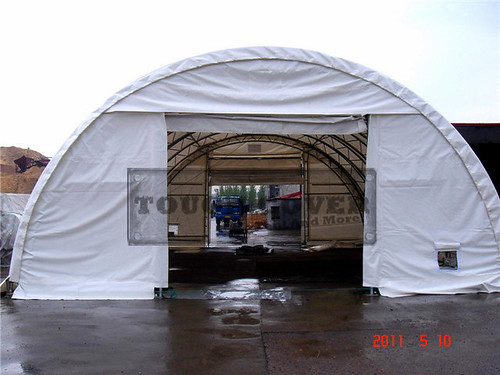
2. **The Portable Garage: Housing a Prized Automobile in a ‘Tent-like’ Structure**Next up, we enter the realm of the truly temporary, the quasi-permanent, the decidedly ‘weird’ solution that looks like a glorified tent but promises to protect your classic. Behold, the portable garage! From the outside, it might look like something you’d set up for a backyard party, but these structures are “built to be much sturdier and durable” than your average gazebo. Yet, entrusting your vintage masterpiece to a fabric-and-frame structure is, to many traditionalists, downright bizarre. It’s an unusual choice, a deviation from the expected solid walls and concrete floors.
The practicality of a portable garage is undeniable, particularly for those without the luxury of an existing garage or the vast sums of money required to build one. They can be surprisingly affordable, even less than a carport depending on size and quality. But herein lies the strange dance with compromise. While they do a decent job of protecting against “bad weather” like rain, snow, and sun, they are notoriously bad at combating the silent killer of classic cars: humidity. And that, my friends, is where things get interesting, and a little bit “weird.”
To truly make a portable garage work, you often have to introduce another ‘weird’ element: the dehumidifier. Running an extension cable from your house to power a dehumidifier and perhaps a battery conditioner turns a simple storage solution into a mini-engineering project. You’re effectively creating a climate-controlled micro-environment within a temporary fabric shell. It’s a testament to ingenuity, but it’s also a bit strange, a bit out of the ordinary, to go to such lengths for a structure that high winds and heavy snow can still challenge. It demands vigilance; any build-up of snow needs clearing quickly, and anchoring must be “very securely” done. This is not just storage; it’s an active engagement with the elements, making it an unusually strange character in the pantheon of car shelters.

3. **Underground Parking: The ‘Weird’ Risks and Rewards of Subterranean Storage**Now we delve beneath the surface, into the cool, cavernous depths of underground parking. This isn’t just for everyday commuters anymore; in big cities where space is at a premium, it’s become a haven for luxury and classic cars. Some facilities are even “set up underground parking specifically for people to store their luxury cars.” On the surface, it seems ideal: easy access year-round, generally secure, and protection from extreme weather. But peel back the layers, and you’ll find a few “weird” quirks that make this option both appealing and puzzling.
The primary “weirdness” here stems from accessibility and control. While “easy access year-round” is noted, the caveat is “you may need to travel to get to your car.” For a classic car owner who cherishes spontaneity, a “long journey every time you want to drive your classic” can quickly become tiresome, turning pleasure into a logistical chore. It deviates from the idyllic image of a classic car awaiting its owner just steps away, introducing a strange barrier that makes the relationship feel less immediate, almost formal.
Then there’s the issue of power – or lack thereof. “You may not be able to plug your car into a power supply.” For classic cars driven sparingly, a battery conditioner is non-negotiable, risking a dead battery and a ruined drive. This lack of control over fundamental maintenance introduces another bizarre complication. And let’s not forget the fellow parkers. In professional luxury car facilities, you’re probably safe, but in a general public car park, “you may risk having your door dented.” The thought of a supermarket trolley attacking your pristine classic in a supposedly secure location is enough to make any enthusiast shiver with an “unearthly” dread. It’s a world where protection comes at the cost of direct control, a strange bargain.

4. **Specialist Classic Car Storage Facilities: Unveiling the ‘Strange’ Trade-offs**For those whose classic cars are truly priceless, both emotionally and financially, there’s a professional option promising ultimate peace of mind: the specialist classic car storage facility. These aren’t just glorified parking lots; they’re often “warehouses or hangars that are well ventilated, insulated, and where the temperature and humidity is constantly controlled.” This provides “the most suitable environment for classic cars,” a sanctuary where every atmospheric parameter is meticulously managed. In many ways, this is the least “weird” option in terms of pure protection; it’s exactly what you’d expect for a high-value asset. But the ‘weirdness’ here isn’t in what they provide, but in what they *take away*.
The trade-off for this pristine environment and professional care is “reduced access to your vehicle.” Imagine owning your dream classic, knowing it’s nestled in a climate-controlled haven, hooked up to a battery conditioner, its engine even run “every now and again” for you. Sounds perfect, right? Until you realize that “If you want to take your car out for a drive you will usually need to book a time to access it.” For many, this structured, almost bureaucratic access is profoundly strange. It removes the spontaneity, the joy of a whim-driven drive, transforming car ownership into a scheduled appointment. It’s an unusually strange character, indeed, for a hobby often defined by freedom.
The other aspect that can be considered ‘weird’ is the financial commitment. While peace of mind is invaluable, “this type of storage can become expensive if you’re using it long-term.” We’re talking about a monthly fee, at least $150, for the privilege of storing your car, essentially paying to *not* have it readily available. It’s a curious paradox: investing heavily in the asset, then paying a continuous fee for its absence from your daily life. This can lead to the ‘weird’ seasonal migration, where cars are stored over winter and brought home for summer, highlighting the constant negotiation between ideal conditions and personal desire. For some, it’s a perfectly rational solution; for others, it’s a peculiar sacrifice to the gods of preservation.
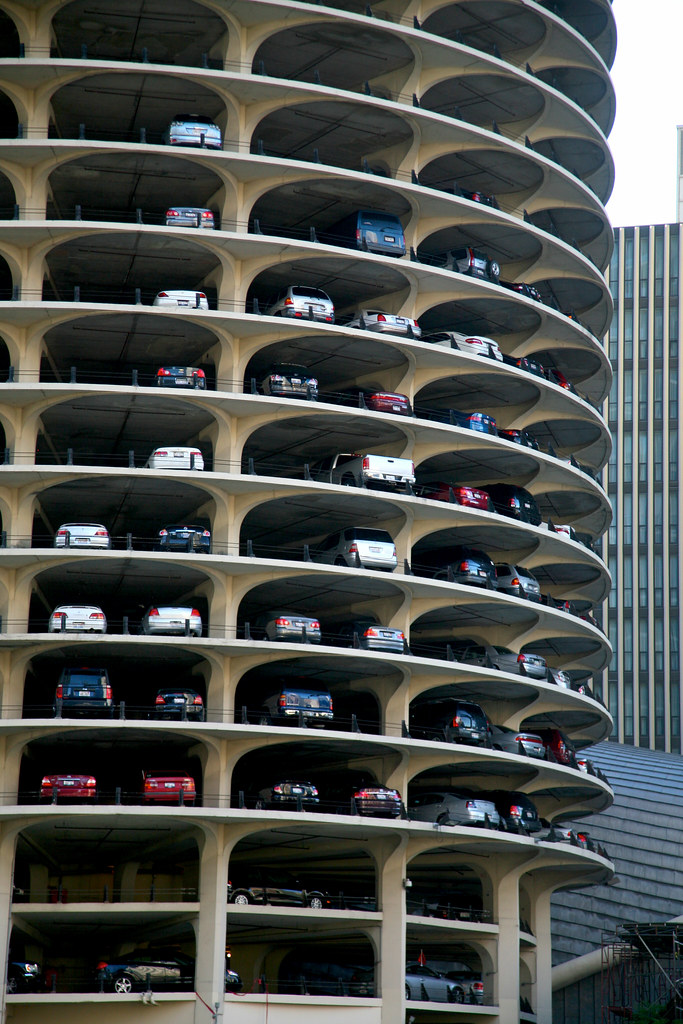
5. **The Perambulator Folding Garage: A Unique Blend of Convenience and ‘Weird’ Form**If the portable garage was a tent, then the perambulator folding garage is its slightly more sophisticated, undeniably ‘weird’ cousin. Forget the fabric shell flapping in the breeze; we’re talking about “a folding metal frame and a waterproof material that covers your car.” This isn’t just a cover; it’s an entire structure that collapses and expands, designed with almost “bizarre” ingenuity to maximize space. It allows you to “get in and out of your car with ease, and without requiring any additional space to open your doors”—a true feat of engineering for tight spots. The very visual of it, transforming from a compact unit to a full car shelter, is certainly “deviating from the normal.”
What makes this particularly “weird” is its ability to be both robust and adaptable. Unlike a flimsy car cover, “the material is not in direct contact with your car so damage to the paintwork is less likely.” This thoughtful design acknowledges the delicate nature of a classic car’s finish. Yet, despite its advancements, it still retains some of the inherent ‘weirdness’ of a non-traditional structure. It needs to be “fixed to the ground to prevent them taking off in high winds,” ideally to a “concrete base.” So, while offering incredible flexibility, it still demands a foundational commitment—a permanent anchor for a semi-permanent solution.
The design promises to “deal with humidity,” with breathable coverings, though the context wisely notes “this solution will never be as good as a traditional climate-controlled garage.” So, it’s a brilliant compromise, a clever solution navigating the tightrope between full garage protection and open-air exposure. It’s a “strange character” blending the best of both worlds, providing dedicated shelter tailored to the car’s dimensions while allowing convenient access. It’s a clear example of how car enthusiasts, faced with constraints, develop unusually strange but effective methods to protect their beloved machines, pushing the boundaries of what a “garage” can truly be.

6. **The Car Bubble: An ‘Uncanny’ Encapsulated Environment**If you thought the perambulator folding garage was clever, prepare yourselves for the next level of ‘weird’ ingenuity in car preservation: the car bubble. This isn’t just a cover; it’s an entire ecosystem for your classic. It uses an internal fan system to constantly circulate air inside a sealed capsule, which not only dries the vehicle but also maintains a consistent environment. This ingenious design radically reduces the chance of rust forming, making it a favorite even among professional car storage facilities for its effectiveness. It’s almost uncanny how well it protects.
Driving your cherished classic onto a base mat, pulling the cover over, and then watching it inflate around your vehicle like a futuristic sarcophagus—that’s a genuinely bizarre sight, isn’t it? Yet, this space-age solution provides an unparalleled level of protection against the elements, literally creating a microclimate for your car. The context notes that “Years of research have gone into providing the best conditions inside the capsule to extend the lifespan of your classic car,” which explains why these seemingly ‘out of the ordinary’ bubbles are so effective at combating corrosion and other atmospheric foes.
While the majority of car bubbles are designed for indoor use, providing a clean, dry sanctuary within a garage, there are outdoor versions available too, though they naturally come with a slightly higher price tag due to the increased protection they offer. The ‘weird’ part for some might be the reliance on a constant power source. However, the cost of running the fans is shockingly low—in some cases, less than a dollar or a pound per month! So, if you have an outdoor power supply, this highly specialized yet surprisingly affordable solution offers almost preternatural protection, making it one of the best home-based options for serious classic car enthusiasts.
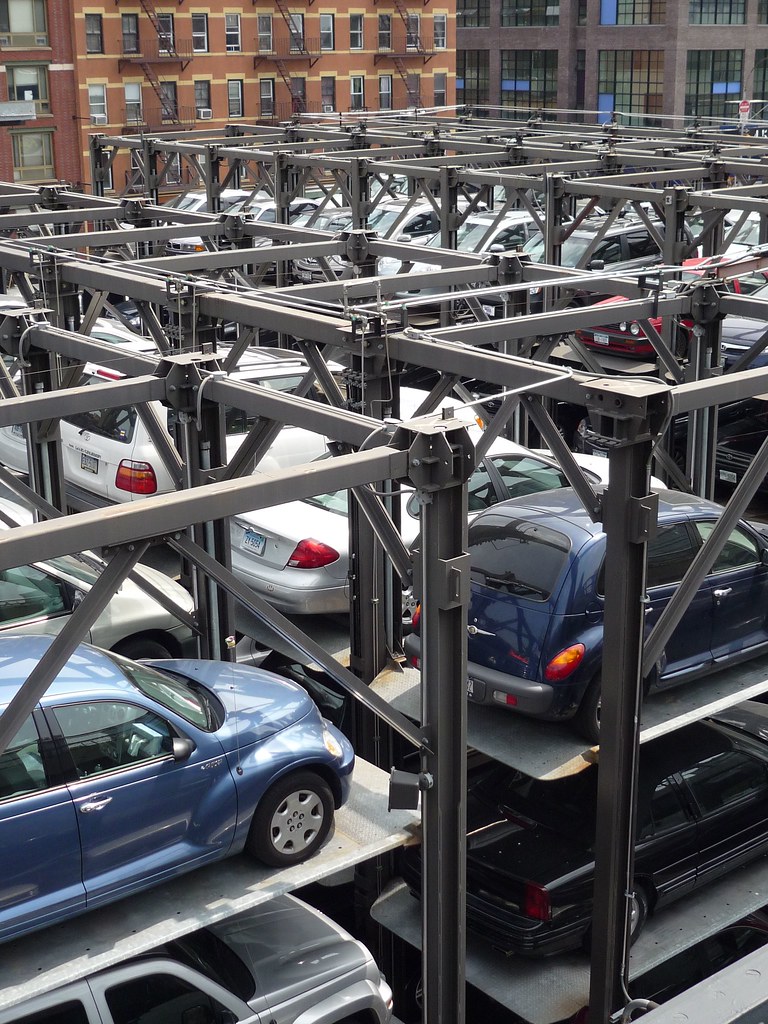
7. **Renting a Garage: The ‘Oddball’ Approaches to Finding Space**Sometimes, the weirdest solutions are the simplest, or at least they start that way. Not everyone has the luxury of owning their own garage, but that doesn’t mean you’re out of options. In fact, there’s a burgeoning, sometimes ‘oddball’ community-driven market for renting garage space. It’s a solution born of necessity, leveraging the unused space that so many people have but might not even think to offer. The hunt for one can be an adventure in itself, often deviating from the normal channels of property rentals.
Sometimes, the weirdest solutions are the simplest, or at least they start that way. Not everyone has the luxury of owning their own garage, but that doesn’t mean you’re out of options. In fact, there’s a burgeoning, sometimes ‘oddball’ community-driven market for renting garage space. It’s a solution born of necessity, leveraging the unused space that so many people have but might not even think to offer. The hunt for one can be an adventure in itself, often deviating from the normal channels of property rentals.
So, how do you find one of these elusive, privately-owned classic car havens? The first port of call is usually online, where various websites now facilitate garage rentals, particularly in dense urban areas where space is a premium. Social media groups for local classic car enthusiasts or community pages can also be surprisingly fruitful. But for the truly adventurous, or those who enjoy a bit of old-fashioned detective work, the ‘oddball’ approach of simply “knocking on neighbors’ doors to see if they have any space they’re willing to rent out” can yield unexpected treasures. You never know what’s lurking behind a seemingly mundane residential door!
Friends and family, naturally, are another fantastic resource, potentially offering discounted rates or simply the peace of mind of storing your pride and joy with someone you trust. But don’t limit your search to just traditional garages. The context encourages us to “think outside the box,” suggesting local landowners might have space in a barn, or companies might have spare room in a warehouse or storage facility. Ultimately, “Any building with a roof that gets your car away from the elements is preferable to leaving it outside,” proving that for the committed enthusiast, finding a roof, no matter how ‘weird’ the path to it, is paramount.
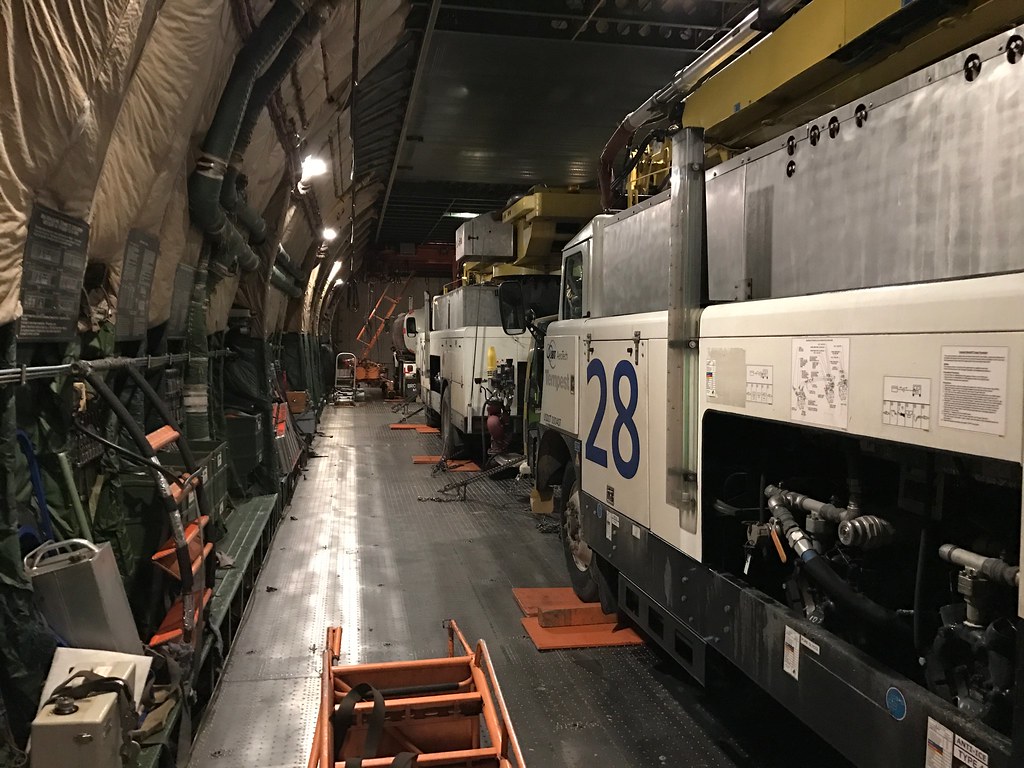
8. **The Shipping Container Conversion: From Cargo to Climate Control – A ‘Bizarre’ Journey**Now, for something that truly pushes the boundaries of conventional car storage and veers delightfully into the bizarre: the shipping container. These industrial-strength metal boxes, designed for the harsh realities of maritime transport, are increasingly repurposed for everything from garden storage to workshops. But a classic car haven? That sounds like a ‘weird’ leap of faith, doesn’t it?
Their solid construction and modular design make them appealing, but the journey from a simple cargo box to a suitable environment for a vintage French masterpiece is anything but straightforward. The biggest hurdle, and the source of much of the ‘bizarre’ engineering required, is condensation. Being made of metal, these containers are notorious for sweating, especially in humid climates or areas with significant temperature fluctuations. This phenomenon is, as the context starkly puts it, “very bad news for your classic car,” leading to insidious rust and corrosion.
Therefore, transforming a shipping container into a car-friendly space demands a robust DIY approach involving insulation, proper airflow, and—you guessed it—a dehumidifier. These aren’t just suggestions; they’re an absolute must to mitigate the internal atmospheric challenges. And then there’s the size. While they look imposing from the outside, “They can be surprisingly narrow,” meaning you need to carefully check the dimensions to ensure you have enough room to open your car doors without dinging your pristine paintwork. The thought of crawling out a sunroof because you misjudged the width is an amusing, if slightly tragic, ‘weird’ scenario.
Ultimately, this is a specialist solution, and the context wisely advises a thorough research period to understand what it truly takes to make a container “befitting of storing your pride and joy.” It’s a testament to the lengths enthusiasts will go, embarking on a genuinely bizarre journey to create a custom, industrial-chic sanctuary for their automotive treasures.
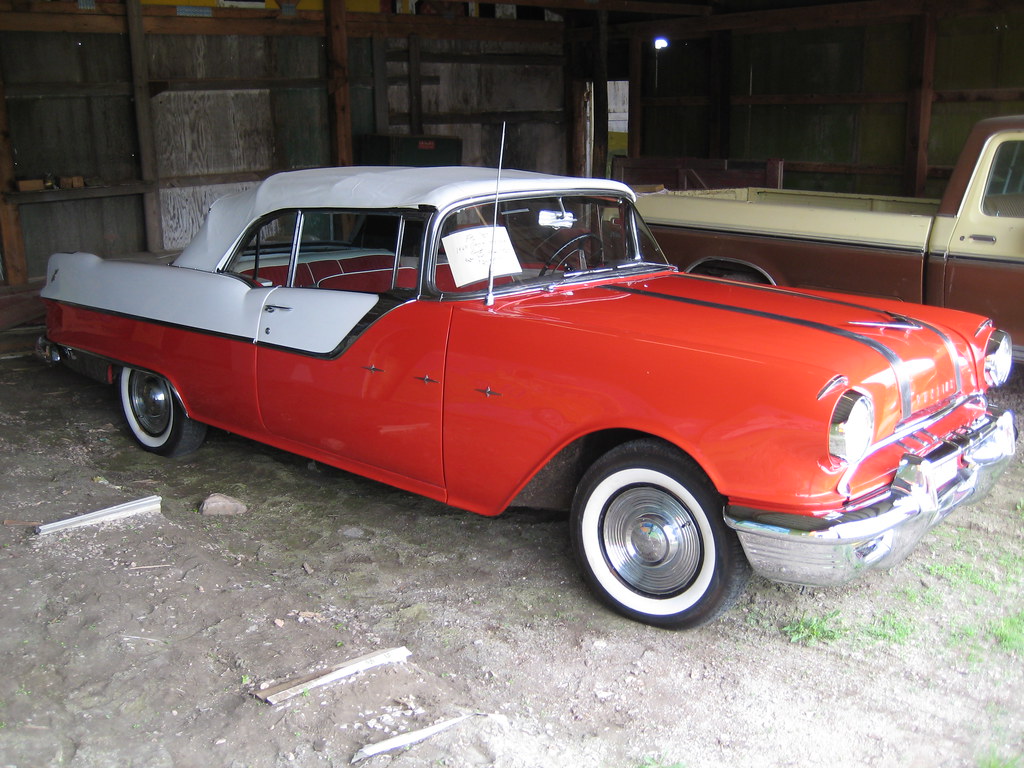
9. **The Dedicated Car Shed: The ‘Weird’ Notion of a Standalone Automotive Sanctuary**For many classic car owners, the dream isn’t just to store their vehicle, but to create a dedicated space—a sanctuary, if you will—where the car isn’t merely housed, but cherished, worked on, and admired. Enter the dedicated car shed, a solution that, while seemingly straightforward, carries its own unique brand of ‘weirdness’ and commitment. It’s about more than just protection; it’s about providing a car with its own personal retreat, distinct from the family garage.
Locating a spot at home, perhaps in the backyard, to set up one of these purpose-built sheds allows you to free up space in your main garage or driveway. More importantly, it carves out a private domain for your classic, offering both robust protection from the elements and a secluded area for tinkering and maintenance. The context highlights these practical benefits: “Protects your car from the elements,” “Can be set up next to your home or in your backyard,” and “Saves space in a regular garage.” It’s an ideal setup for those who truly integrate their hobby into their home life.
However, the ‘weird’ notion here lies in the significant undertaking. Constructing a dedicated car shed can be “expensive to construct,” demanding a substantial financial outlay. Beyond the initial build, it “Requires maintenance of the structure,” adding to the long-term commitment. And in a world of homeowner associations and city zoning laws, you “May need approval from HOA or the city to add” such a structure, turning a simple storage solution into a bureaucratic battle. Before you break ground, ensuring the shed is insulated and waterproof, equipped with a lock, and situated in an optimal location, is paramount. It’s a blend of practicality and passion, creating a standalone automotive haven that is undoubtedly a ‘strange character’ in the realm of car care.
10. **The Secure Car Trailer: Mobile Storage with ‘Strange’ Implications**Our final ‘weird’ storage solution truly embraces mobility: the secure, enclosed car trailer. This isn’t just for lugging your classic to a show; for many, it serves as a dual-purpose storage unit and transport vessel. It offers an excellent level of protection from the elements, essentially a garage on wheels. The versatility is undeniable, making it particularly appealing for enthusiasts who frequently move their vehicles, perhaps between different homes or to various automotive events.
One of the clear advantages, as the context points out, is that it “Protects your car from the elements” and “Traveling with your classic car is easier with a trailer.” Depending on its size, it could even potentially “store more than one vehicle,” which adds a layer of economic efficiency for collectors. However, the ‘strange’ implications of using a trailer as a primary storage solution begin to surface when considering the practicalities of everyday life and neighborhood regulations.
Firstly, acquiring and maintaining a high-quality, secure car trailer can be “Expensive to buy and maintain.” This isn’t a cheap solution, and it comes with its own set of ongoing costs. Then there’s the challenge of where to park it. “Some HOAs could restrict trailers from being parked at home,” immediately introducing a ‘weird’ logistical puzzle. And despite its enclosed nature, the entire unit, including your precious vehicle inside, “can be exposed to theft,” necessitating additional security measures like a “tow lock and padlock for your car trailer.” For long-term storage, even simple tasks like removing the battery and winterizing the car become essential. It’s a mobile fortress with its own peculiar set of rules and considerations, a truly strange beast in the world of classic car care.
***
And there you have it, folks! A deep dive into the wonderfully weird and often ingenious world of classic car storage solutions. From the minimalist protection of a carport to the climate-controlled encapsulation of a car bubble, and from the community spirit of a rented garage to the industrial might of a converted shipping container, the paths enthusiasts take to protect their automotive treasures are as diverse and unique as the cars themselves. It’s a powerful reminder that when passion meets necessity, convention often takes a backseat to creativity.
Ultimately, whether you choose a high-tech bubble or a DIY shed, the goal remains the same: safeguarding a piece of history. The journey to find the perfect spot for your classic might be a little ‘weird,’ a little ‘out of the ordinary,’ and perhaps even a little ‘bizarre,’ but it’s always driven by an unwavering love for these incredible machines. As we’ve seen, innovation knows no bounds when it comes to keeping those wheels turning and those engines purring. So, go forth, explore, and find the ‘weird’ storage solution that works for you and your beloved ride!