In the vast and exciting world of automobiles, Japanese manufacturers have long held a coveted position, revered globally for their engineering prowess, innovative technology, and, perhaps most notably, their unwavering commitment to reliability. Brands like Toyota, Honda, and Subaru have meticulously built their reputations on producing vehicles that seem to defy the passage of time, running for decades with minimal fuss and earning the trust of millions of drivers worldwide. It’s a legacy that defines an entire segment of the automotive industry, setting a high bar for performance, longevity, and overall owner satisfaction.
Yet, as any seasoned automotive enthusiast or journalist will attest, even the most esteemed manufacturers can occasionally miss the mark. Not every model that rolls off the assembly line emerges as a testament to bulletproof dependability or an exemplar of driving enjoyment. Indeed, sprinkled throughout the storied history of Japanese automotive design are a handful of vehicles that, for various reasons, simply did not live up to the lofty expectations set by their brand siblings. These cars represent the rare missteps, the cautionary tales that remind us that even in a lineage of mastery, there can be notable exceptions.
This in-depth exploration delves into the fascinating, albeit sometimes frustrating, stories of 15 such Japanese cars. These are the models that, despite their badges, have been known to frustrate owners, demand costly repairs, or simply fail to deliver a compelling driving experience. We’re not just highlighting mechanical failures; we’re examining instances of buyer’s remorse stemming from issues ranging from subpar performance and questionable design choices to significant reliability concerns that plague both new and used markets. Join us as we critically assess these vehicles, offering insights into why they struggled to earn — or maintain — their owners’ affection and often led to a less-than-ideal motoring journey.
1. Honda CR-Z EX: The Hybrid Sports Car That Wasn’t
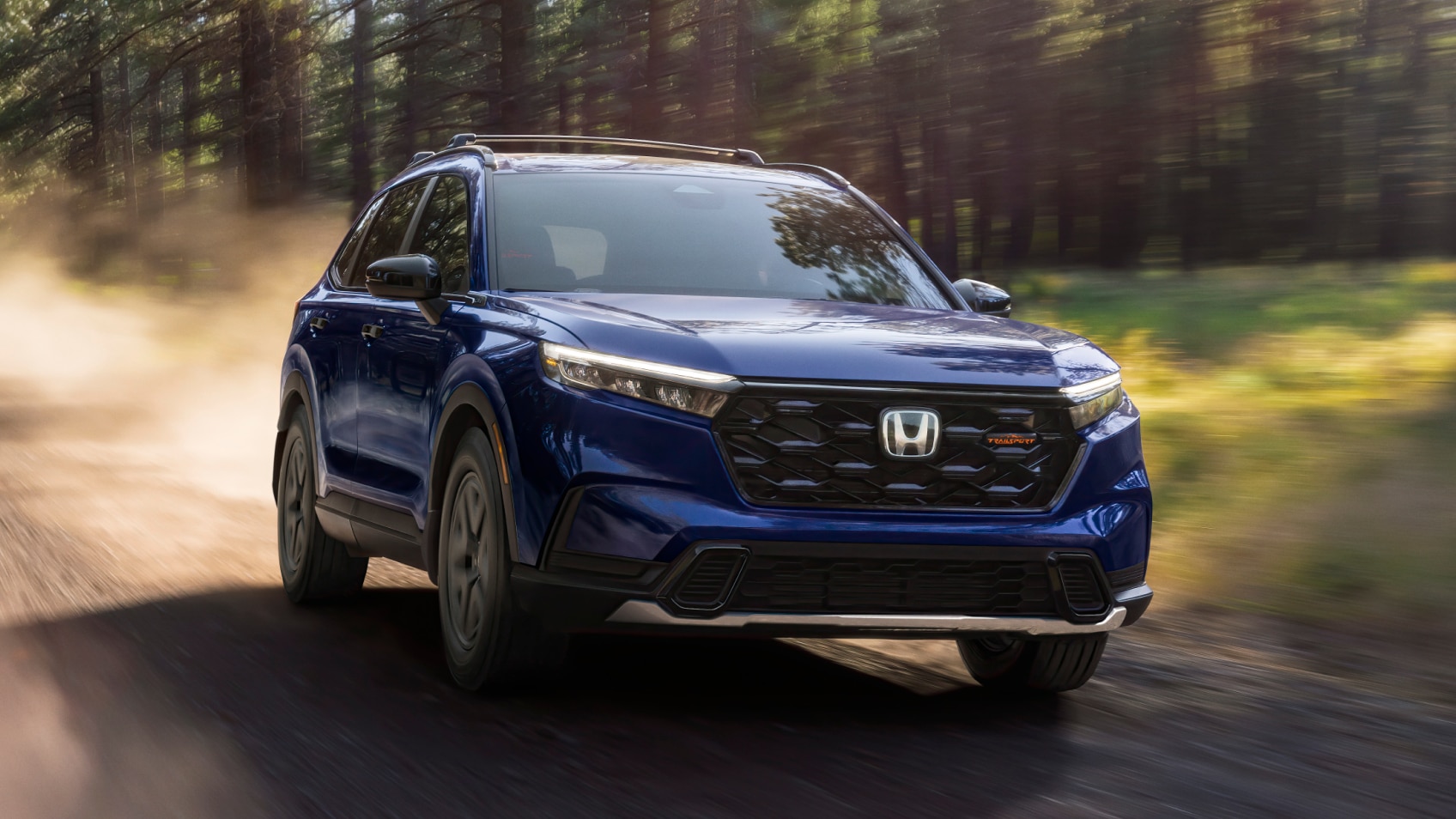
The Honda CR-Z EX arrived on the scene with an ambitious vision: to seamlessly blend the fuel efficiency of a hybrid with the engaging spirit of a sports coupe. It was an intriguing concept, promising the best of both worlds, a car for the environmentally conscious driver who still craved a spirited drive. However, in execution, this dual ambition proved to be its Achilles’ heel, as the CR-Z EX unfortunately failed to truly excel in either domain, leaving many drivers feeling thoroughly underwhelmed by its compromise-laden nature.
Its hybrid powertrain, while technically advanced, simply couldn’t muster the zest or responsiveness expected from a vehicle marketed as a sports coupe. Drivers often found its performance sluggish, lacking the punch and immediate acceleration that defines an enjoyable sporty ride. Adding to the disappointment, the CR-Z EX’s fuel economy, though respectable, didn’t quite achieve the high standards that consumers had come to expect from dedicated hybrid vehicles, making its “hybrid efficiency” claim feel somewhat less compelling.
Beyond its identity crisis, long-term reliability concerns further diminished the CR-Z EX’s attractiveness. Issues particularly related to the battery system and various electrical components frequently surfaced, leading to unexpected repair costs and headaches for owners. Coupled with a notably cramped interior and severely limited cargo space, the car’s appeal was significantly narrowed in an already competitive compact car segment, making it a difficult choice for those seeking either true sportiness or practical hybrid efficiency.
Car Model Information: 2011 Honda CR-Z EX COUPE 2D
Name: Honda CR-Z (ZF1/ZF2)
Manufacturer: Honda
Production: 2010–2016
ModelYears: 2011–2016
Assembly: Suzuka, Mie
Class: Sport compact car
BodyStyle: liftback
Layout: Front-engine, front-wheel-drive
Related: Honda Insight,Honda Fit Hybrid
Engine: ubl
Motor: MF6 DC brushless motor
Transmission: Continuously variable transmission
Wheelbase: 2435 mm
Abbr: on
Length: 4080 mm
Width: 1740 mm
Height: 1395 mm
Weight: convert
Predecessor: Honda CR-X,Honda Insight#First generation,Honda CR-X del Sol
Categories: All Wikipedia articles in need of updating, All articles needing additional references, All articles with dead external links, All articles with unsourced statements, Articles needing additional references from November 2023
Summary: The Honda CR-Z is a sport compact hybrid electric vehicle manufactured by Honda and marketed as a “sport hybrid coupe.” It combines a gasoline-electric hybrid drivetrain with features typical of a sports car, including a standard six-speed manual transmission and a 2+2 seating layout (except in North America, where it was offered only as a two-seater).
The CR-Z was seen as a spiritual successor to the second-generation Honda CR-X, sharing similarities in name and exterior design.
In the United States, the CR-Z was classified as an Advanced Technology Partial Zero Emissions Vehicle by the California Air Resources Board. It was the third Honda hybrid available with a manual transmission, following the Insight and Civic Hybrid, and the only one in its class to offer this option.
The CR-Z used the sixth generation of Honda’s Integrated Motor Assist (IMA) technology, first introduced with the original Insight. Sales began in Japan in February 2010, followed by the United States in August 2010. Production of the CR-Z ended at the end of 2016 to make room for the Accord Hybrid and Clarity.
Get more information about: Honda CR-Z
Buying a high-performing used car >>>
Brand: Honda Model: CR-Z
Price: $6,695 Mileage: 153,568 mi.

2. Mitsubishi Eclipse (Third Generation): The Sports Coupe’s Downfall
The Mitsubishi Eclipse, in its earlier iterations, had carved out a special place in the hearts of sports coupe enthusiasts, celebrated for its sharp handling and engaging performance. However, the third-generation model, introduced in the early 2000s, represented a significant downturn, marking a period where both performance dynamics and overall build quality took a noticeable dip, ultimately tarnishing a once-beloved nameplate.
One of the most persistent and frustrating issues for owners of this generation was its unrefined automatic transmission, which gained a reputation for frequent failures and inconsistent shifting, directly impacting the driving experience and often leading to costly repairs. Furthermore, the available 3.0-liter V6 engine, while offering more power, was unfortunately prone to severe mechanical issues, including timing belt failures that could escalate into devastating and expensive engine damage if not addressed proactively.
Enthusiasts, who fondly remembered the engaging feel of earlier Eclipses, found themselves disappointed by the third generation’s handling, which lost much of its former sharpness. The car felt less connected to the road, reducing the driving pleasure that had once been a hallmark of the model. This noticeable drop in overall quality, combined with the emergence of more reliable and dynamically superior competitors, quickly rendered this iteration of the Eclipse a less desirable choice, especially in the competitive used car market. The negative feedback regarding this generation of Eclipse was further compounded by reports of frequent brake failures in 2005 models, attributed to corrosive ABS units, and faulty fuel tank mounting brackets in 2008, unequivocally cementing its reputation as one of the least reliable Japanese cars.
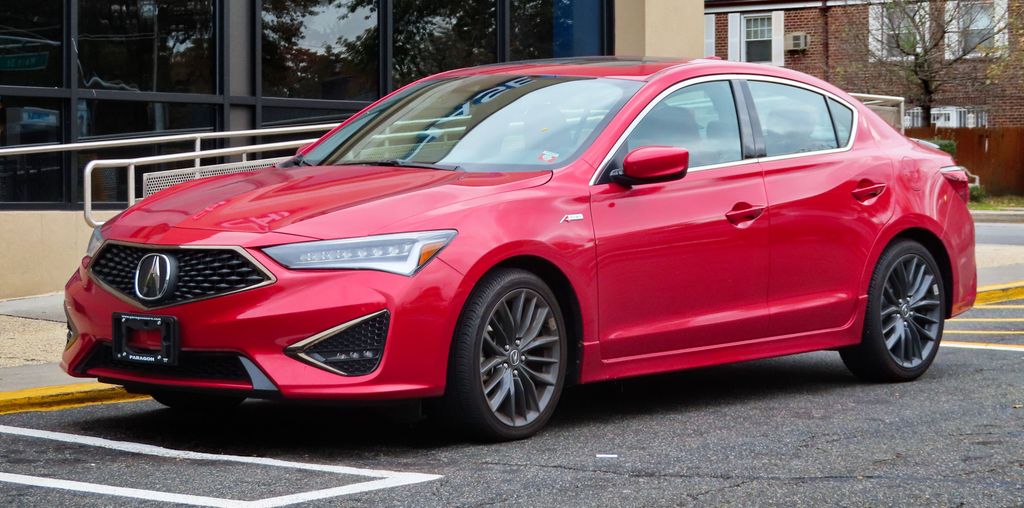
3. Acura ILX (Early Models): Luxury Aspirations, Honda Realities
Early models of the Acura ILX were introduced with the clear intention of serving as an accessible entry point into the luxury sedan market, aiming to offer premium features and refinement at a competitive price. However, the vehicle struggled to fully deliver on this luxury promise, often leaving prospective buyers and owners feeling that it fell short of true premium expectations. The fundamental issue lay in its shared architecture and components.
A significant criticism leveled against the early ILX was its extensive sharing of components with its less expensive Honda counterparts. While this strategy likely helped with production costs, it inadvertently detracted from the distinct premium feel that consumers expect from a luxury brand like Acura. The interior, despite being an improvement over non-luxury compacts, simply didn’t offer the elevated quality of materials, intricate design, or advanced features that were readily available in more established luxury market rivals, making it difficult for the ILX to stand out.
Adding to these concerns were significant drawbacks related to its powertrain. Owners frequently reported issues with a rough transmission and a noticeable lack of engine refinement, which undermined the smooth and polished driving experience anticipated from a luxury vehicle. These mechanical shortcomings, combined with the diluted luxury experience, made early ILX models a challenging proposition for those seeking genuine premium value. Ultimately, these factors made the ILX a hard sell against more entrenched and well-regarded luxury competitors, highlighting the difficulties of trying to bridge the gap between mainstream and luxury segments without sufficient differentiation.
Car Model Information: 2018 Acura ILX Premium Package
Name: Acura ILX
Caption: 2019 Acura ILX A-Spec
Manufacturer: Honda
Production: 2012–2022,2012–2014 (ILX Hybrid)
ModelYears: 2013–2022,2013–2014 (ILX Hybrid)
Assembly: Greensburg, Indiana,Marysville, Ohio
Class: Compact executive car
BodyStyle: sedan (car)
Layout: Front-engine, front-wheel drive
Related: Honda Civic (ninth generation)
Engine: ubl
Motor: Brushless DC electric motor
Drivetrain: Integrated Motor Assist,parallel hybrid
Battery: Lithium Ion
Transmission: Automatic transmission,Manual transmission,dual-clutch transmission,Continuous variable transmission
Wheelbase: 105.1 in
Abbr: on (1.5 L hybrid)
Length: {{convert,179.1,in,mm,0,abbr=on
Width: 70.6 in
Height: 55.6 in
Weight: {{convert,2910-2954,lbs,kg,0,abbr=on
Predecessor: Acura CSX,Acura TSX
Successor: Acura Integra (DE)
ModelCode: DE1/2/3
Categories: Acura vehicles, All Wikipedia articles written in American English, Articles with short description, Cars discontinued in 2022, Cars introduced in 2012
Summary: The Acura ILX is a compact executive car manufactured and marketed by Honda under the Acura brand for the 2013–2022 model years, based on the ninth-generation Civic sedan. The ILX replaced the Canadian market exclusive Acura CSX. The gasoline-electric hybrid version was Acura’s first.
Get more information about: Acura ILX
Buying a high-performing used car >>>
Brand: Acura Model: ILX
Price: $18,330 Mileage: 48,881 mi.
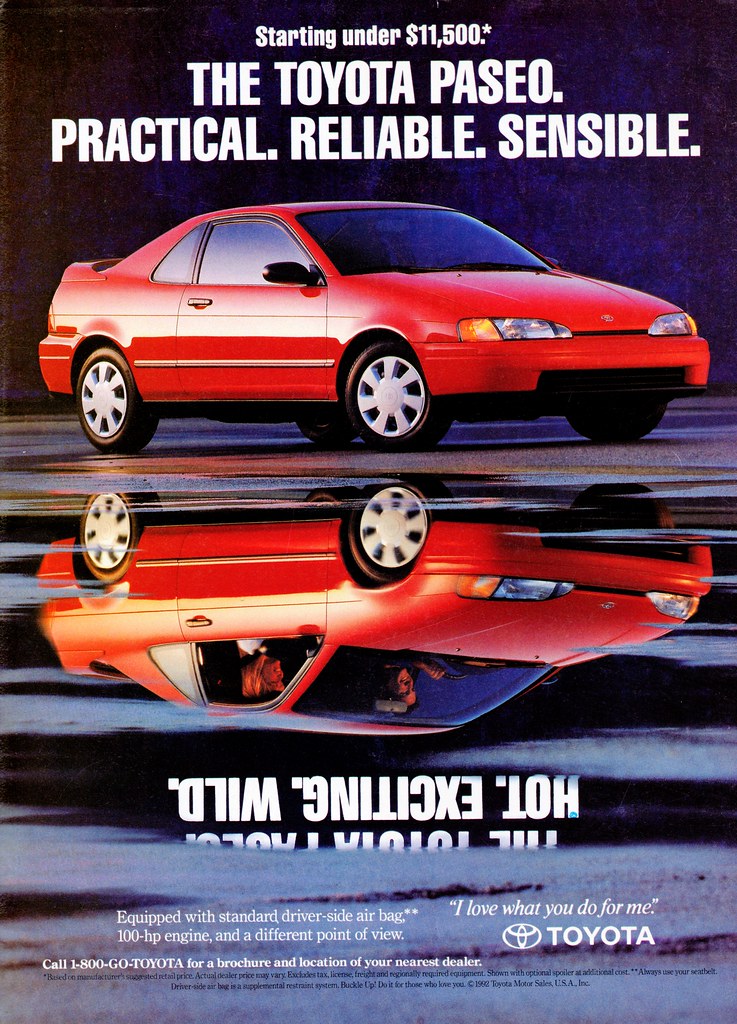
4. Toyota Paseo (Second Generation): Underpowered and Underwhelming
The second-generation Toyota Paseo, while largely managing to uphold Toyota’s formidable reputation for fundamental reliability, was unfortunately plagued by other significant shortcomings that diminished its appeal. It was widely perceived as notably underpowered and, more critically, lacked the practical utility that many drivers seek for daily transportation, relegating it to a niche, less desirable status in the crowded automotive landscape.
Under the hood, the Paseo’s 1.5-liter engine struggled noticeably with acceleration, particularly when attempting highway merges or maintaining speeds during long-distance drives. This made it ill-suited for anything beyond leisurely urban commuting, where demands for brisk performance are less stringent. Drivers often found themselves wishing for more power, hindering any aspirations of a spirited or confident driving experience.
Inside, the cabin was notoriously cramped, a significant drawback especially for rear passengers who often found long journeys uncomfortable due to the limited legroom and overall restricted space. Furthermore, the interior lacked the contemporary comfort features or technological amenities that modern drivers had come to expect, presenting a stark, no-frills environment. These factors, alongside a design that simply failed to distinguish itself in a market brimming with more attractive and functional alternatives, contributed significantly to its low desirability among discerning used car buyers. The Paseo’s tendency for high oil consumption and leak radiators also further contributed to its less-than-ideal ownership experience.
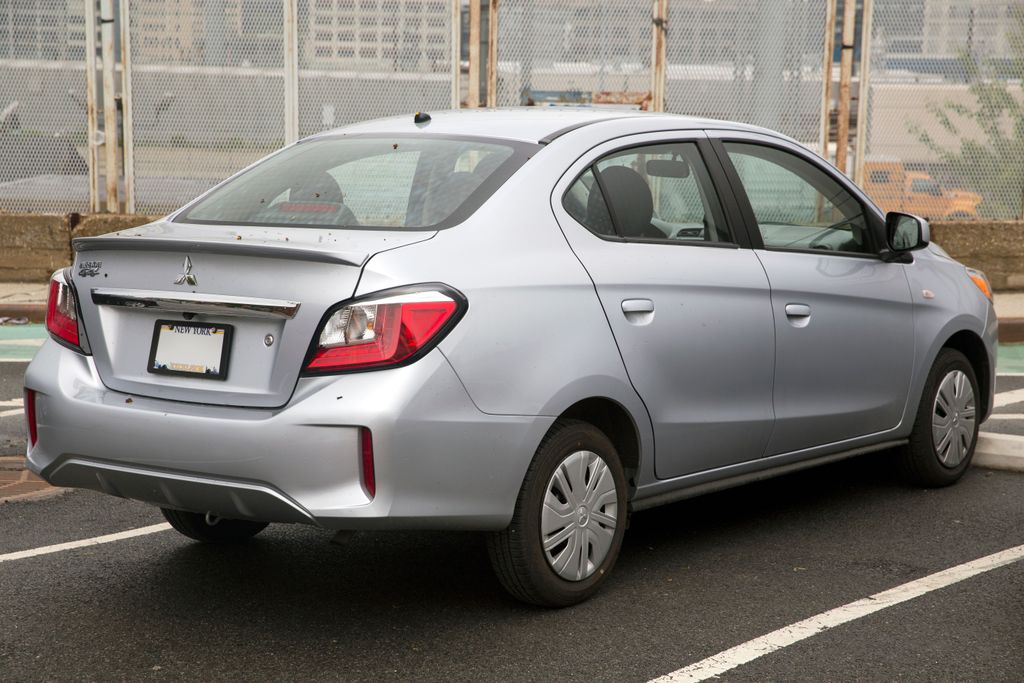
5. Mitsubishi Mirage: The Bare Minimum of Motoring
The Mitsubishi Mirage frequently finds itself at the receiving end of criticism, largely due to its uncompromisingly basic approach to personal transportation. Its primary allure, a remarkably low entry price, comes with substantial sacrifices across key automotive attributes: performance, comfort, and the sheer joy of driving, making it a vehicle often chosen out of necessity rather than desire.
At the heart of the Mirage’s performance woes is its three-cylinder engine, which is widely recognized as one of the least powerful offerings on the market. This diminutive powertrain struggles noticeably under everyday driving conditions, delivering acceleration that can best be described as anemic. Coupled with minimal handling capabilities, the car often feels uncomposed and uninspiring on the road, offering little in the way of dynamic engagement or driver confidence.
Stepping inside the Mirage, the immediate impression is one of austerity. The materials used throughout the cabin are predominantly cheap, lacking the tactile quality and durability found in many competitors. The feature list is notably sparse, presenting a driving environment that feels more like a step back in time rather than a modern vehicle equipped for contemporary expectations. Specific model years, like the 2014-2015 Mirage, were particularly singled out for their poor performance, a noisy cabin environment, and a distinctly low-quality interior, further solidifying its reputation as a vehicle that prioritizes economy above all else, often at the expense of a tolerable ownership experience. Its transmission also tends to wear out faster than expected, adding to the list of potential frustrations for owners.
Car Model Information: 2023 Mitsubishi Mirage Ralliart
Name: Mitsubishi Mirage
Caption: Mitsubishi Mirage (sixth generation)
Manufacturer: Mitsubishi Motors
Production: 1978–2003,2012–present
Class: Subcompact car
Layout: Front-engine, front-wheel-drive
Predecessor: Mitsubishi Lancer (A70)
Successor: Mitsubishi Lancer#Eighth generation (2000)
Categories: 1980s cars, 1990s cars, 2000s cars, 2010s cars, 2020s cars
Summary: The Mitsubishi Mirage is a range of cars produced by the Japanese manufacturer Mitsubishi from 1978 until 2003 and again since. The hatchback models produced between 1978 and 2003 were classified as subcompact cars, while the sedan and station wagon models, marketed prominently as the Mitsubishi Lancer, were the compact offerings. The liftback introduced in 1988 complemented the sedan as an additional compact offering, and the coupé of 1991 fitted in with the subcompact range. The current Mirage model is a subcompact hatchback and sedan and it replaces the Mitsubishi Colt sold between 2002 and 2012.
Get more information about: Mitsubishi Mirage
Buying a high-performing used car >>>
Brand: Mitsubishi Model: Mirage
Price: $16,980 Mileage: 11,832 mi.
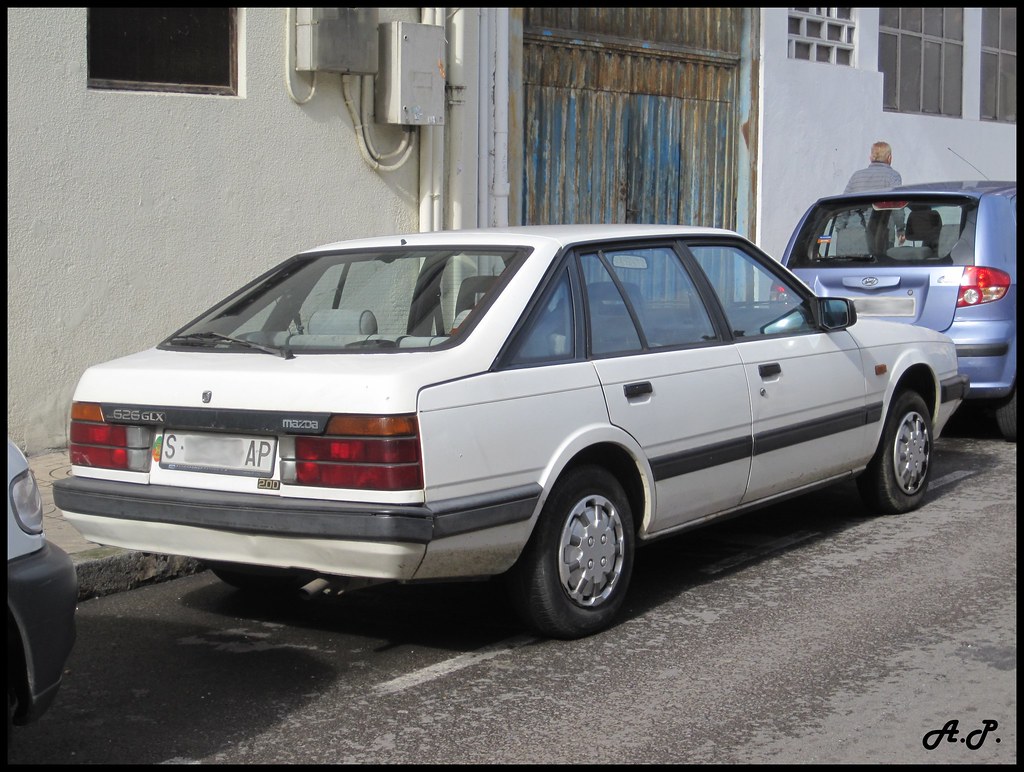
6. Mazda 626 (Fifth Generation): Transmission Troubles and Rust Woes
The fifth-generation Mazda 626, a vehicle that otherwise offered a comfortable ride and commendable noise, vibration, and harshness (NVH) control, is unfortunately primarily remembered for one pervasive and frustrating issue: its transmission troubles. Particularly the automatic variant became a notorious headache for owners, often necessitating expensive repairs or, in many unfortunate cases, complete replacements, severely impacting the car’s perceived reliability and long-term value.
Beyond the transmission, engine reliability also emerged as a significant concern for many 626 owners. Reports of issues such as overheating and premature wear were not uncommon, contributing to an overall sense of mechanical vulnerability. These engine problems, when combined with the severe transmission issues, painted a picture of a vehicle that could demand substantial financial outlay to keep on the road, challenging the notion of affordable ownership.
Adding to its list of woes, the fifth-generation 626 also faced considerable challenges with rust. This problem was particularly prevalent in climates prone to harsh winters and the liberal application of road salt, where corrosion would often take hold, compromising the vehicle’s structural integrity and aesthetic appeal over time. These collective reliability problems, compounded by an aging design that struggled to keep pace with evolving automotive trends, ultimately made the Mazda 626 a less attractive choice for those navigating the used car market, a decision often guided by practical considerations of dependability and running costs. The automatic transaxle, in particular, was known for unpredictable and erratic shifting, frustrating even the most patient drivers.
Car Model Information: 2000 Mazda 626 ES V6
Name: Mazda Capella
Caption: Sixth-generation Mazda 626 sedan
Manufacturer: Mazda
Class: Compact car
Layout: front-engine, rear-wheel-drive layout,front-engine, front-wheel-drive layout,front-engine, four-wheel-drive layout
Production: 1970–2002
Successor: Mazda6
Categories: 1980s cars, 1990s cars, 2000s cars, All-wheel-drive vehicles, All Wikipedia articles written in British English
Summary: The Mazda Capella, also known as the 626 in Europe, North America and Southeast Asia, is a mid-size car that was manufactured by Mazda from 1970 until 2002. Sold in the Japanese domestic market under the Capella name, the vehicle was also commonly known in other major markets as the Mazda 626. Ford, Mazda’s partner at the time, also used the Capella platform to create the Ford Telstar and Ford Probe. 4,345,279 of the 626 and Telstar models were sold worldwide.
Designed to compete against Japanese mid-size stalwarts such as the Honda Accord, Toyota Corona, and Nissan Bluebird, the Capella was succeeded by the Mazda6 (Atenza) in 2002.
The car was named after Capella, the brightest star in the constellation Auriga, the sixth-brightest in the night sky and the third-brightest in the northern celestial hemisphere, after Arcturus and Vega.
Get more information about: Mazda Capella
Buying a high-performing used car >>>
Brand: Mazda Model: 626
Price: $849 Mileage: 217,875 mi.
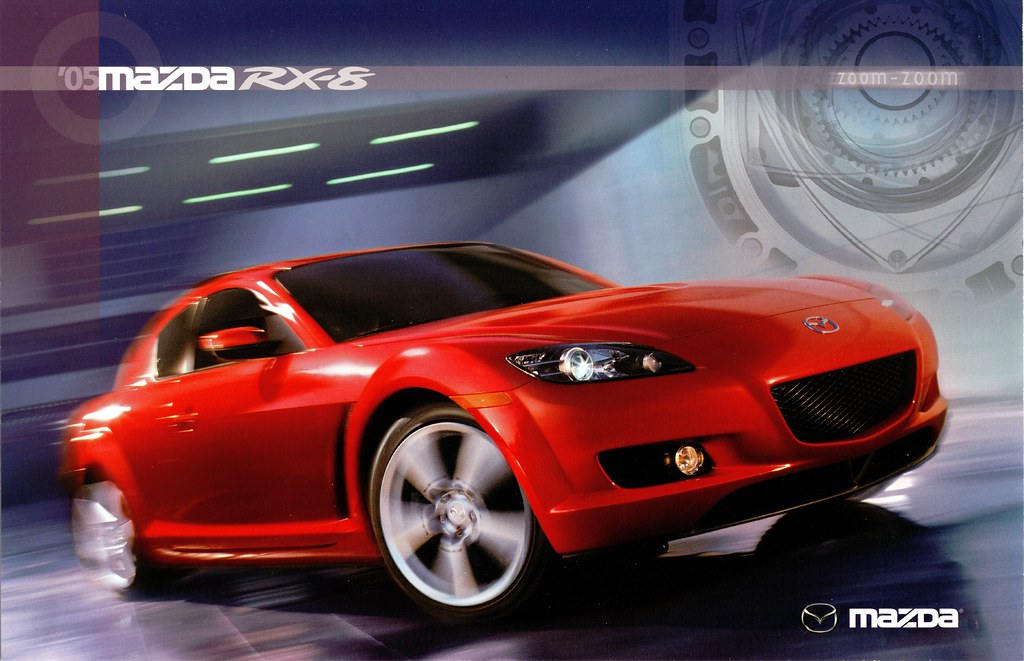
7. Mazda RX-8: The Rotary Engine’s Costly Charm
The Mazda RX-8 stands as a testament to Mazda’s unwavering commitment to the unique rotary engine, a design philosophy that offered a truly distinctive, high-revving driving experience unlike any other. This innovation, while lauded by purists for its smooth power delivery and lightweight characteristics, came packaged with several significant drawbacks that ultimately overshadowed its charismatic appeal, turning potential joy into considerable owner frustration.
Foremost among these issues were the engine’s inherent design flaws, which led to notoriously poor fuel economy. This made the RX-8 a costly vehicle to run on a daily basis, especially for those accustomed to the efficiency of conventional piston engines. Furthermore, the rotary engine was known for its high oil consumption, a characteristic that required diligent monitoring and frequent top-ups, a maintenance quirk that proved inconvenient for many owners.
Reliability emerged as a major concern for the RX-8, with many owners facing the daunting prospect of expensive engine rebuilds and frequent, specialized maintenance issues. Problems such as premature spark plug and ignition coil failures were common, but the most critical issue often revolved around faulty apex seals, which could lead to a catastrophic loss of compression, frequently occurring before the 150,000-mile mark. These severe engine problems significantly inflated the long-term cost of ownership, making it a less ideal choice for any cost-conscious buyer. Its weak torque also contributed to a less enjoyable daily driving experience. The RX-8’s unique performance characteristics, while exhilarating, ultimately could not sufficiently offset its demanding running costs and the ever-present potential for expensive, complex repairs, relegating it to a car for dedicated enthusiasts willing to tolerate its significant quirks.
Car Model Information: 2010 Mazda RX-8 Sport
Name: Mazda RX-8
Manufacturer: Mazda
Production: February 2003 – June 2012
Assembly: Hiroshima
Class: Sports car
BodyStyle: Quad coupé
Related: Mazda MX-5 (NC)
Layout: Front-engine, rear-wheel-drive layout#Front mid-engine, rear-wheel-drive layout
ModelCode: List of Mazda model codes#Model codes
Designer: Ikuo Maeda,Wu-Huang Chin (interior designer)
Engine: Mazda Wankel engine#13B-MSP Renesis,Wankel engine
Powerout: convert
Transmission: Manual transmission,6-speed manual,Jatco JR405E transmission,6-speed automatic
Wheelbase: 2703 mm
Abbr: on
Length: 2003–2008: {{convert,4425,mm,in,1,abbr=on
Width: 1770 mm
Height: 1340 mm
Weight: Manual models: {{convert,1309,-,1373,kg,lb,0,abbr=on
Predecessor: Mazda RX-7
ModelYears: 2003–2012
Doors: Car door#Conventional
Categories: 2010s cars, All Wikipedia articles written in American English, All articles with failed verification, All articles with unsourced statements, Articles with failed verification from November 2019
Summary: The Mazda RX-8 is a sports car manufactured by Japanese automobile manufacturer Mazda between 2003 and 2012. It was first shown in 2001 at the North American International Auto Show. It is the direct successor to the RX-7. Like its predecessors in the RX range, it is powered by a rotary Wankel engine. The RX-8 was available for the 2003 model year in most parts of the world.
The Mazda RX-8 utilizes a rotary Wankel engine, and the non-reciprocating piston engine uses a triangular rotor inside a near oval housing, producing from 141 kW (189 hp) and 164 lb⋅ft (222 N⋅m) of torque, to 177 kW (237 hp) and 159 lb⋅ft (216 N⋅m) of torque from launch.
The RX-8 was discontinued for the 2012 model year without a successor. It was removed earlier from the European market in 2010 after the car failed to meet emissions standards. Due to falling sales from Europe coupled with rising yen prices, Mazda could not justify the continued sale of the RX-8 in other markets. 192,094 units were produced during its nine-year production run.
Get more information about: Mazda RX-8
Buying a high-performing used car >>>
Brand: Mazda Model: RX-8
Price: $6,995 Mileage: 65,589 mi.

8. Suzuki Samurai: The Off-Roader with a Dangerous Secret
The Suzuki Samurai garnered a cult following, celebrated for its robust off-road capabilities and remarkably affordable pricing. However, this vehicle also became notoriously associated with significant safety issues, primarily its inherent instability and concerning tendency to roll over during abrupt maneuvers or at moderate speeds.
This negative reputation was significantly exacerbated by publicized testing and reports in the late 1980s, highlighting its inherent risks. Its bare-bones approach to comfort and rudimentary on-road performance made it less suitable for daily driving, limiting its appeal to a niche of dedicated off-road enthusiasts.
Despite its charismatic charm as an off-roader, the Samurai’s pervasive stability problems ultimately tarnished its reputation. These critical safety concerns directly led to its withdrawal from the American market, exiting the U.S. entirely in 1996, influenced by widespread criticisms.
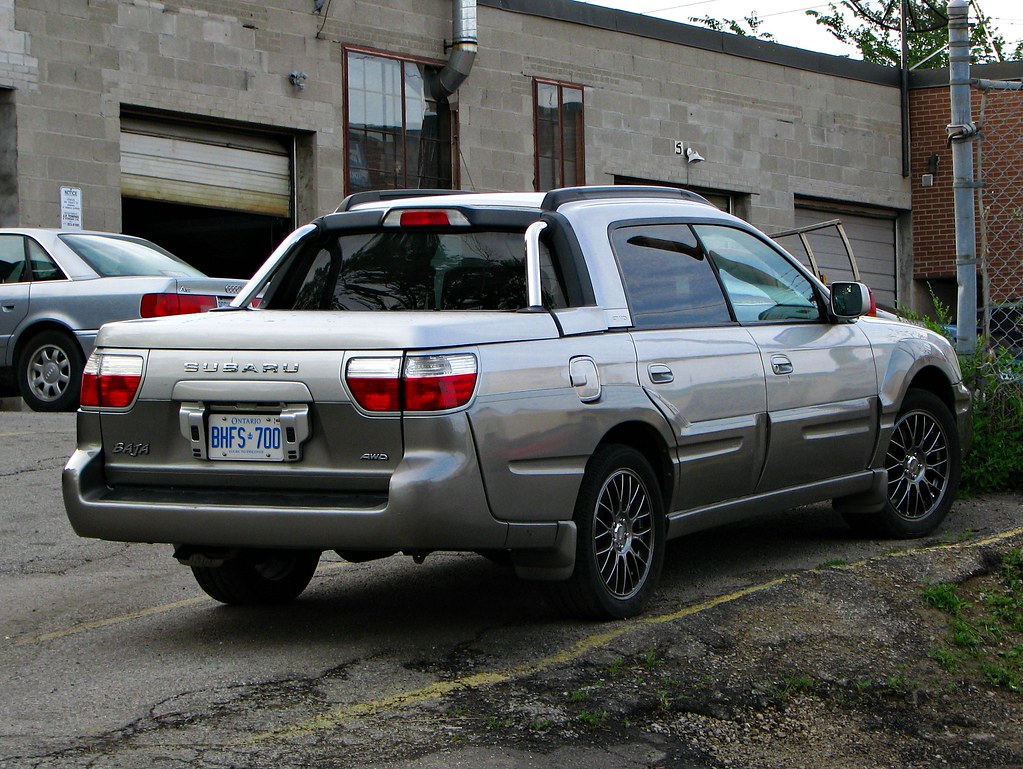
9. Subaru Baja: The Compromise That Failed to Deliver
The Subaru Baja represented an ambitious and innovative attempt to seamlessly combine the practical utility typically found in a pickup truck with the comfortable attributes of a passenger car. Regrettably, in its execution, it struggled to convincingly meet expectations in either category, resulting in a vehicle that was ultimately a compromise in both domains.
Its noticeably limited cargo space proved insufficient for demanding utility tasks, failing as a true truck. Concurrently, passenger comfort levels did not meet the higher standards of other refined Subaru offerings, creating a noticeable gap within the brand’s lineup.
Adding to these challenges, the Baja was plagued by reliability issues common among Subarus of that era. These frequently included persistent problems like head gasket failures and other recurring engine issues, significantly eroding its long-term desirability and owner satisfaction.
Car Model Information: 2006 Subaru Baja Sport
Name: Subaru Baja
Caption: 2006 Subaru Baja Sport
Manufacturer: Subaru-Isuzu Automotive, Inc.
Production: July 2002 – April 2006
ModelYears: 2003–2006
Assembly: United States
Class: Compact SUV
BodyStyle: coupé utility
Layout: Front-engine, four-wheel-drive layout
Engine: Subaru EJ engine#EJ251,Subaru EJ engine#EJ253,Subaru EJ engine#EJ255
Transmission: Automatic transmission,Manual transmission
Wheelbase: 104.3 in
Abbr: on
Disp: flip
Length: 193.1 in
Width: 70.1 in
Height: 2003–04: {{convert,64.2,in,mm,0,abbr=on,disp=flip
Related: Subaru Legacy (third generation)
Predecessor: Subaru BRAT
Categories: All-wheel-drive vehicles, Articles with short description, Cars discontinued in 2006, Cars introduced in 2002, Commons category link from Wikidata
Summary: The Subaru Baja is an all-wheel-drive, four passenger coupé utility manufactured from 2002 to 2006 by Subaru and marketed for model years 2003 to 2006. The Baja combines the handling and passenger carrying characteristics of a traditional passenger car with the open-bed versatility and load capacity of a small pickup truck.
The unibody design borrowed heavily from the existing mechanicals, platform and sheet metal of the Subaru Legacy/Outback wagon. Production began on July 18, 2002 as a 2003 model at the Subaru of Indiana Automotive, Inc. factory in Lafayette, Indiana.
The name Baja derives from the Mexican peninsula of Baja California; home to the Baja 1000 off-road race.
Get more information about: Subaru Baja
Buying a high-performing used car >>>
Brand: Subaru Model: Baja
Price: $11,999 Mileage: 109,715 mi.
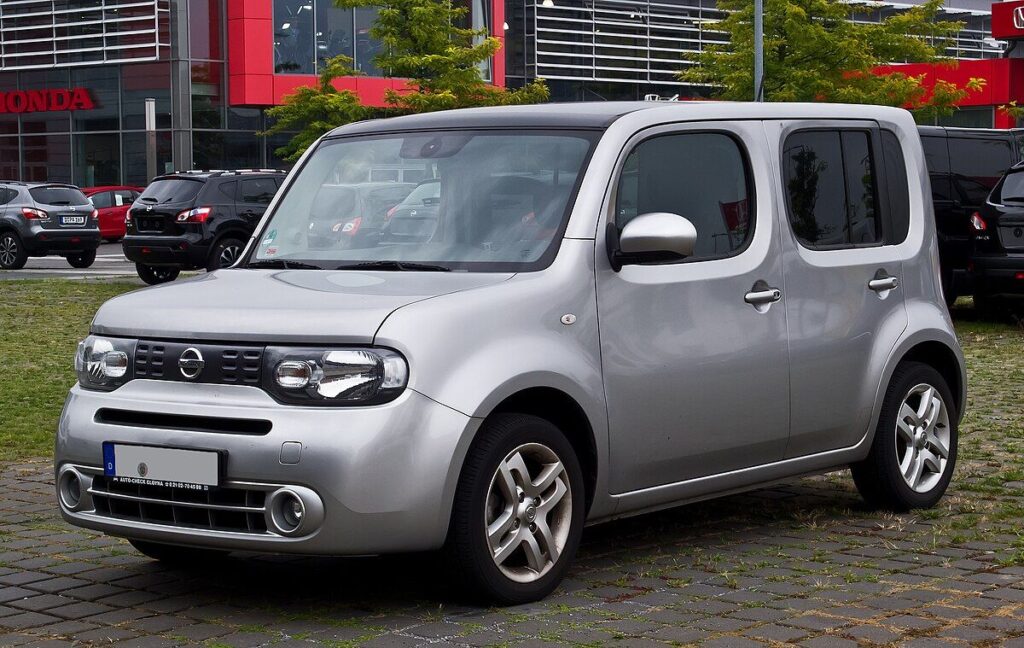
10. Nissan Cube: The Boxy Experiment That Fell Flat
The Nissan Cube entered the automotive scene with a distinctively box-like design, specifically targeting a niche audience seeking an unconventional and visually unique vehicle. However, its highly unusual styling often polarized opinions, failing to achieve broad aesthetic appeal or widespread enthusiasm.
Regrettably, the car’s fundamental performance did little to expand its appeal beyond its polarizing aesthetics. The Cube was consistently noted as underpowered, struggling with acceleration, and its driving dynamics were largely lackluster. Its boxy shape also led to a notably noisy cabin, especially on highways.
While the interior offered commendable spaciousness—a practical benefit of its geometric design—it was unfortunately marred by widespread low-quality materials. This significantly detracted from the overall user experience, failing to create a comfortable or premium environment, despite the generous cabin volume.
Car Model Information: 2011 Nissan Cube 1.8SL
Name: Nissan Cube
Manufacturer: Nissan
Production: 1998–2019
Assembly: Yokosuka, Kanagawa
Class: Mini MPV
BodyStyle: hatchback
Layout: Front-engine, front-wheel-drive,Front-engine, four-wheel-drive
Platform: Nissan B platform
Successor: Nissan Note#E12,Nissan Lafesta,Nissan Juke
ModelYears: 2009–2014 (North America)
Categories: 2000s cars, 2010s cars, All-wheel-drive vehicles, All Wikipedia articles needing clarification, All articles with specifically marked weasel-worded phrases
Summary: The Nissan Cube is a mini MPV produced by carmaker Nissan between 1998 and 2019. Initially sold only in Japan, the Cube was sold in North American markets from 2009 to 2014, and in European markets from 2009 to 2011. In Japan, it was exclusive to Nissan Red Stage dealerships. It is a slightly larger load-carrying alternative to the Nissan Micra hatchback. While production for the North American market ended in 2014, the Japanese-market Cube lasted until December 2019.
Get more information about: Nissan Cube
Buying a high-performing used car >>>
Brand: Nissan Model: Cube
Price: $9,995 Mileage: 36,909 mi.
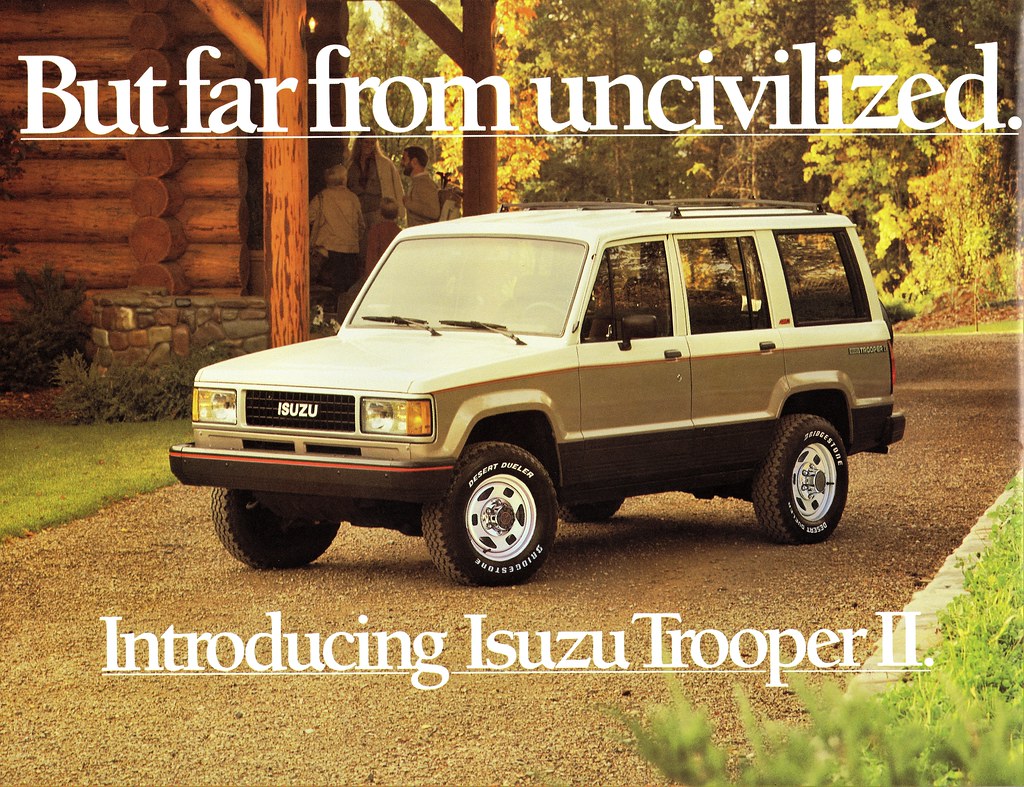
11. Isuzu Trooper (Second Generation): Stability Concerns and Mechanical Woes
The second-generation Isuzu Trooper became embroiled in significant controversy and faced lawsuits concerning its stability and safety. Accusations of a high rollover risk were widely publicized, unequivocally impacting its reputation and casting a long shadow over its reliability in the minds of consumers and safety advocates.
From a mechanical perspective, this iteration of the Trooper was persistently plagued by critical transmission failures and recurring engine issues. These mechanical vulnerabilities often led to costly and unexpected repairs, placing a significant financial burden on owners and undermining its perceived value.
Despite possessing respectable off-road capabilities, which were a hallmark of its design, the pervasive reliability concerns and lingering safety stigma made the second-generation Trooper a considerably less desirable choice. This was particularly true for families and everyday drivers prioritizing peace of mind and dependable operation.
Car Model Information: 1998 Isuzu Trooper S
Name: Isuzu Trooper
Caption: Second generation Isuzu Trooper (United States)
Manufacturer: Isuzu
Production: 1981–2002
Assembly: Fujisawa, Kanagawa
Class: Full-size car,SUV
Layout: front engine, selectable four-wheel-drive
Successor: ubl
Categories: 1990s cars, 2000s cars, All-wheel-drive vehicles, All articles needing additional references, All articles with unsourced statements
Summary: The Isuzu Trooper is a full-size SUV manufactured and marketed by Isuzu between September 1981 and September 2002 over two generations, the first, produced between 1981 and 1991; and the second (UBS) produced between 1991 and 2002, the latter with a mid-cycle refresh in 1998. In its earliest iterations, the Trooper was based on the company’s first generation Isuzu Faster/Chevrolet LUV pickup.
Marketed in the Japanese domestic market, as the Isuzu Bighorn, Isuzu marketed it internationally primarily as the Trooper, and in other markets as the Acura SLX (USA), Chevrolet Trooper, Subaru Bighorn, SsangYong Korando Family, Honda Horizon, Opel Monterey, Vauxhall Monterey, Holden Jackaroo, and Holden Monterey.
In the United States, for the first generation, which was initially solely offered with two doors, Isuzu was required to comply with the 25% U.S. Chicken Tax on two-door trucks. Prior to its formal introduction Paul Geiger, product-development manager at American Isuzu Motors, noted the Roman numeral “II” designated the truck version (with the rear seat as a mandatory $300 option) and “I” indicating the passenger version with a rear seat included along with certain other features. Isuzu thus marketed the first generation two-door as the Trooper II, and when introducing the four-door retained the Trooper II nameplate. Isuzu never formally marketed a Trooper I, and Car & Driver later inferred the company had changed their mind about the suffix before the SUV went on sale.
Isuzu offered the Trooper initially with four-cylinder motor, four-speed manual transmission, and part-time four-wheel drive, subsequently adding amenities and luxuries, including optional air-conditioning, power windows, and a more powerful V6 engine. The second generation was available with two-wheel- or four-wheel drive.
Competitors included the Toyota Hilux Surf, Mitsubishi Pajero, and Nissan Terrano.
Get more information about: Isuzu Trooper
Buying a high-performing used car >>>
Brand: Isuzu Model: Trooper
Price: $9,500 Mileage: 186,000 mi.
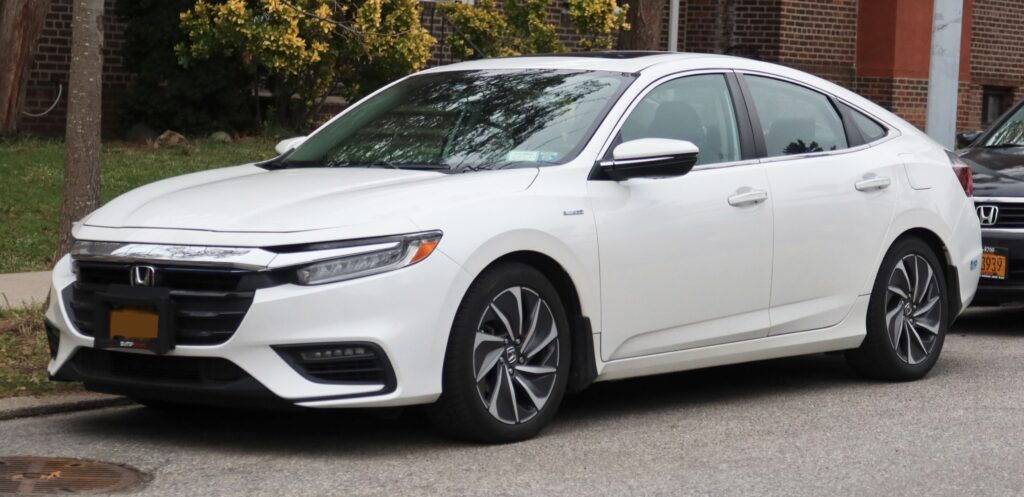
12. Honda Insight (First Generation): A Pioneer Ahead of Its Time, But Not Practical
The first-generation Honda Insight holds a distinctive place as a pioneer among hybrid vehicles, celebrated for impressive fuel efficiency through its innovative hybrid system. This forward-thinking design, however, demanded a notable trade-off, sacrificing significant comfort and practical utility for efficiency.
One immediate limitation was its strict two-seater configuration, severely restricting versatility and overall usability for many potential buyers needing more passenger capacity. Furthermore, the vehicle’s ride quality was frequently described as harsh and notably uncomfortable, failing to deliver a smooth and compliant experience.
As these pioneering vehicles aged, battery reliability issues regrettably emerged, presenting unforeseen complications and added expenses for owners seeking a worry-free used hybrid. While the Insight’s ahead-of-its-time technology was intriguing, it ultimately proved not well-rounded or versatile enough for widespread mainstream appeal, remaining more of a technological curiosity.
Car Model Information: 2022 Honda Insight EX
Name: Honda Insight
Caption: Honda Insight (ZE4; 2019)
Manufacturer: Honda
Production: 1999–2006,2009–2014,2018–2022
ModelYears: 2000–2006 , 2010–2014 , 2019–2022
Class: Subcompact car
BodyStyle: liftback
Layout: Front-engine, front-wheel-drive
Sp: us
Categories: 2010s cars, All Wikipedia articles written in American English, All articles containing potentially dated statements, All articles that may contain original research, All articles with dead external links
Summary: The Honda Insight (ホンダ・インサイト, Honda Insaito) is a hybrid electric vehicle that is manufactured and marketed by Honda. Its first generation was a two-door, two passenger liftback (1999–2006) and in its second generation was a four-door, five passenger liftback (2009–2014). In its third generation, it became a four-door sedan (2018–2022). It was Honda’s first model with Integrated Motor Assist system and the most fuel efficient gasoline-powered car available in the U.S. without plug-in capability for the length of its production run.
Honda introduced the second-generation Insight in Japan in February 2009 and in the United States on March 24, 2009. The Insight was the least expensive hybrid available in the US.
In December 2010, Honda introduced a less expensive base model for the 2011 model year. The Insight was launched in April 2009 in the UK as the lowest priced hybrid on the market and became the best selling hybrid for the month.
The Insight ranked as the top-selling vehicle in Japan for the month of April 2009, a first for a hybrid model. During its first twelve months after first available in the Japanese market, the second-generation Insight sold 143,015 units around the world. In July 2014, Honda announced the end of production of the Insight for the 2015 model, together with the Honda FCX Clarity hydrogen fuel-cell car and the Honda Fit EV electric car.
At the 2018 North American International Auto Show, Honda announced the third-generation Honda Insight prototype, based on the tenth-generation Honda Civic sedan. Unlike the previous Insight, it was a traditional sedan, not a five-door liftback. The third-generation Insight went on sale later that year.
In April 2022, Honda announced that the Insight would be discontinued after the 2022 model year, with production ending in June. It has been replaced by a new Civic Hybrid.
Get more information about: Honda Insight
Buying a high-performing used car >>>
Brand: Honda Model: Insight
Price: $21,900 Mileage: 47,158 mi.
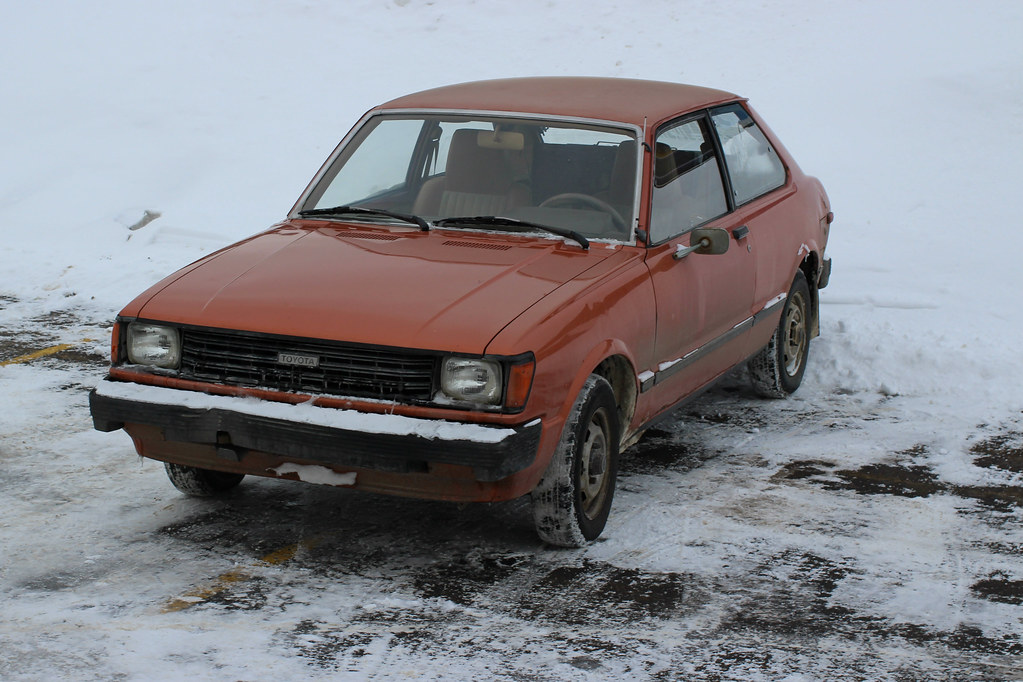
13. Toyota Tercel (Last Generation): Basic Transport, Little Else
The last generation of the Toyota Tercel offered only basic transportation, providing little else to genuinely attract discerning buyers in an increasingly competitive market. It found itself significantly overshadowed by modern, more appealing subcompact cars that consistently delivered superior performance, enhanced comfort, and contemporary styling.
Under the hood, the Tercel’s engine was widely noted for its fundamental reliability, a characteristic often associated with the Toyota brand. However, this same engine was simultaneously and consistently criticized for being distinctly underpowered, struggling to provide adequate acceleration or confidence during more demanding driving conditions.
Ultimately, the car’s pronounced lack of innovation, coupled with a notably sparse array of features, made it a considerably less appealing option for consumers actively seeking a compelling small car value proposition. In a market where competitors offered more, the Tercel’s minimalist approach left it struggling to find its footing.
Car Model Information: 1982 Toyota Tercel Deluxe 2dr Hatchback
Name: Toyota Tercel
Caption: The fourth generation Toyota Tercel DX sedan (EL42, US)
Manufacturer: Toyota
Aka: unbulleted list
Production: August 1978 (extended production as Soluna until 2003)
Assembly: Toyota, Aichi
Class: Subcompact car
Successor: unbulleted list
Categories: 1980s cars, 1990s cars, All articles with unsourced statements, Articles containing Japanese-language text, Articles with short description
Summary: The Toyota Tercel (Japanese: トヨタ・ターセル, Toyota Tāseru) is a subcompact car manufactured by Toyota from 1978 until 1999 across five generations, in five body configurations sized between the Corolla and the Starlet. Manufactured at the Takaoka plant in Toyota City, Japan, and sharing its platform with the Cynos (aka Paseo) and the Starlet, the Tercel was marketed variously as the Toyota Corolla II (Japanese: トヨタ・カローラII, Toyota Karōra II)—sold at Toyota Japanese dealerships called Toyota Corolla Stores—and was replaced by the Platz in 1999. It was also known as the Toyota Corsa (Japanese: トヨタ・コルサ, Toyota Korusa) and sold at Toyopet Store locations. Starting with the second generation, the Tercel dealership network was changed to Vista Store, as its badge engineered sibling, the Corolla II, was exclusive to Corolla Store locations.
The Tercel was the first front-wheel drive vehicle produced by Toyota, although it was the only front-wheel drive Toyota to have a longitudinally mounted engine. For example, the E80 series Corolla’s frame (except AE85 and AE86) is similar to the L20 series Tercel’s frame. Also, Toyota designed the A series engine for the Tercel, attempting simultaneously to achieve good fuel economy and performance and low emissions. Choice of body styles increased as well, with the addition of a four-door sedan.
The name “Tercel” was derived from the Latin word for “one third”, with “tiercel” referring to a male falcon which is one-third smaller than its female counterpart. Similarly, the Tercel was slightly smaller than the Corolla. The early Tercels have a logo on the trunk with a stylized falcon as the T in Tercel. All Tercels were assembled at the Takaoka factory in Toyota City, Aichi or by Hino Motors in Hamura, Tokyo. Hino assembled the third generation Tercel from 1986 to 1990 for the two-door and some three-door models. When Japanese production of the Tercel/Corsa/Corolla II (and the related Cynos/Paseo coupés) came to an end in 1999, 4,968,935 examples had been built.
Get more information about: Toyota Tercel
Buying a high-performing used car >>>
Brand: Toyota Model: Tercel
Price: $3,299 Mileage: 183,248 mi.
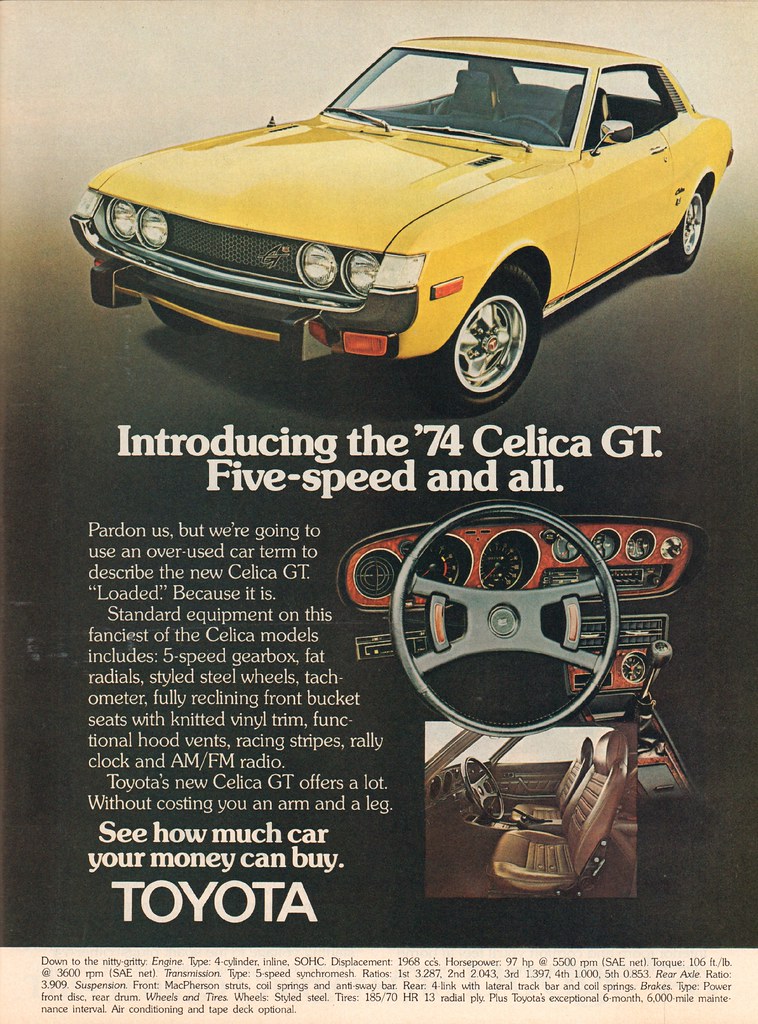
14. Toyota Celica GTS: The Disappointment of the Seventh Generation
The Toyota Celica GTS, particularly from its seventh generation, proved a disheartening chapter for enthusiasts, often breaking down despite promises of Toyota’s renowned reliability. This model regrettably became synonymous with mechanical melancholy, contrasting sharply with its brand’s esteemed reputation for dependability.
A primary source of frustration stemmed from persistent oil pump and filter issues. These critical problems frequently led to significant performance pitfalls, creating a driving experience far removed from the spirited engagement expected of a GTS badge. This dramatic decline was a profound disappointment for loyal Celica aficionados.
The seventh-generation Celica GTS fundamentally failed to meet the high reliability standards meticulously established by its esteemed predecessors. Faulty oil pumps and clogged filters were recurring culprits, frequently leading to sudden power loss. Many owners faced expensive, unforeseen repairs or, in worst-case scenarios, complete engine failure, solidifying its place among models to approach with caution.
Car Model Information: 2020 Toyota Tacoma TRD Sport
Name: Toyota Celica
Caption: 1994 Toyota Celica GT-Four (ST205, UK)
Manufacturer: Toyota
Production: December 1970
ModelYears: 1971–2005
Assembly: Susono,Shizuoka Prefecture
Class: Sports car
BodyStyle: unbulleted list
Layout: unbulleted list
Categories: 1980s cars, 1990s cars, 2000s cars, Accuracy disputes from August 2020, All-wheel-drive vehicles
Summary: The Toyota Celica ( or ) (Japanese: トヨタ・セリカ, Hepburn: Toyota Serika) is an automobile produced by Toyota from 1970 until 2006. The Celica name derives from the Latin word coelica meaning heavenly or celestial. In Japan, the Celica was exclusive to Toyota Corolla Store dealer chain. Produced across seven generations, the Celica was powered by various four-cylinder engines, and body styles included convertibles, liftbacks, and notchback coupé.
In 1973, Toyota coined the term liftback to describe the Celica fastback hatchback, and the GT Liftback would be introduced for the 1976 model year in North America. Like the Ford Mustang, the Celica concept was to attach a coupe body to the chassis and mechanicals from a high volume sedan, in this case the Toyota Carina.
The first three generations of North American market Celicas were powered by variants of Toyota’s R series engine. In August 1985, the car’s drive layout was changed from rear-wheel drive to front-wheel drive, and all-wheel drive turbocharged models were manufactured from October 1986 to June 1999. Variable valve timing came in certain Japanese models starting from December 1997 and became standard in all models from the 2000 model year. In 1978, a restyled six-cylinder variant was introduced as the Celica Supra (Celica XX in Japan); it would be spun off in 1986 as a separate model, becoming simply the Supra. Lightly altered versions of the Celica were also sold through as the Corona Coupé through the Toyopet dealer network from 1985 to 1989, and as the Toyota Curren through the Vista network from 1994 to 1998.
Get more information about: Toyota Celica
Buying a high-performing used car >>>
Brand: Toyota Model: Celica GTS
Price: $37,795 Mileage: 39,984 mi.
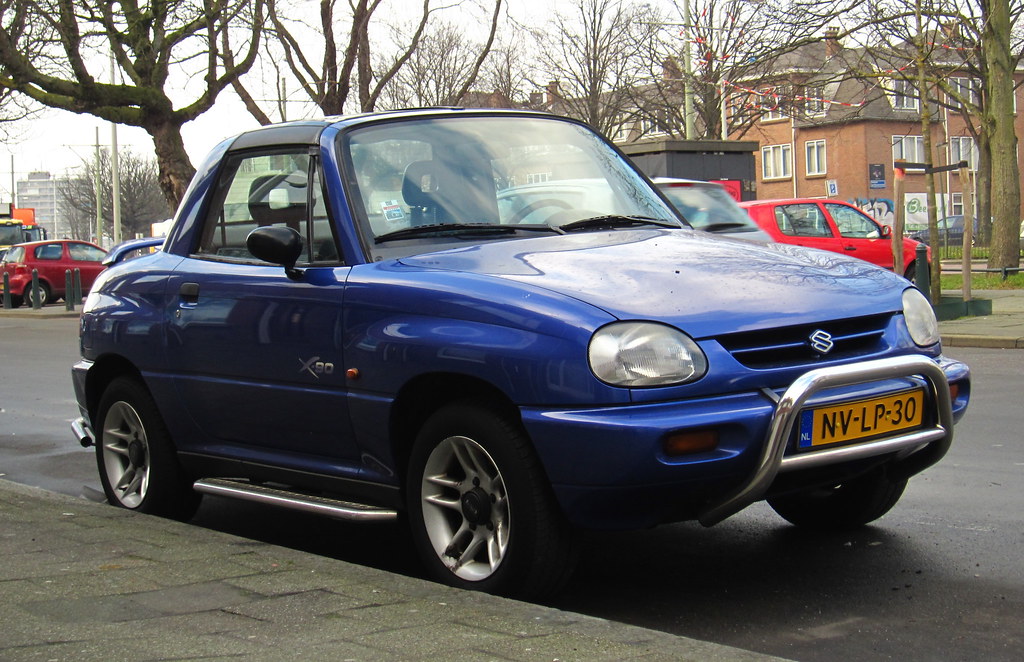
15. Suzuki X-90: An Oddity Remembered for Quirkiness, Not Capability
Following the regrettable market performance and safety concerns surrounding the Suzuki Samurai, one might have expected valuable lessons to be learned; however, the subsequent introduction of the Suzuki X-90 served as unfortunate proof that manufacturers do not always adapt. This model, perhaps conceived with ambitious intentions to break the traditional mold of automotive design, instead conspicuously broke expectations.
The X-90’s highly distinctive design proved to be more perplexing than genuinely impressive, leading it to be widely perceived as an oddity rather than a trendsetter. Its market reception and subsequent sales figures directly mirrored this struggle, as it was a vehicle that consumers found immensely difficult to categorize, understand, and ultimately, embrace into their automotive lifestyles.
Distinguishing features such as its T-top roofing and unique 2-door layout, while certainly distinctive, ultimately failed to align with the broader desires of the automotive market. This significant misalignment in consumer preferences inevitably led to its quiet and rather swift exit from Suzuki’s lineup. For those navigating the used Japanese car market today, the X-90 is frequently overlooked, largely remembered more for its sheer quirkiness than for any notable practical capabilities or enduring appeal.
Car Model Information: 1996 Suzuki X-90 4WD
Name: Suzuki X-90
Manufacturer: Suzuki
Aka: Suzuki Vitara X-90 (Europe)
Production: 1995–1997
Assembly: Iwata, Shizuoka
Class: Subcompact car
BodyStyle: coupe
Layout: Front-engine, rear-wheel-drive layout,Front-engine, four-wheel-drive layout
Chassis: Body-on-frame
Engine: SOHC,Suzuki G engine#G16A
Transmission: Automatic transmission,Manual transmission
Wheelbase: 2200 mm
Abbr: on
Length: 3710 mm
Width: 1695 mm
Height: 1550 mm
Weight: 1100 kg
Related: Suzuki Vitara
Predecessor: Suzuki Jimny#Second generation (1981)
Categories: All-wheel-drive vehicles, All articles with unsourced statements, Articles with short description, Articles with unsourced statements from August 2018, Cars introduced in 1995
Summary: The Suzuki X-90 is a front engine, rear or four wheel drive, two door, two seater car manufactured and marketed by Suzuki for the model years 1995-1997. Derived from the Suzuki Vitara, the X-90 featured a T Section removable roof. Replacing the Samurai in the market in the United States, Suzuki began marketing the X-90 in Japan by the end of 1995, and in western markets in April 1996.
Get more information about: Suzuki X-90
Buying a high-performing used car >>>
Brand: Suzuki Model: X-90
Price: $5,000 Mileage: 146,943 mi.
It’s clear that while Japanese cars are often synonymous with dependability, there are exceptions to every rule. This list of the worst Japanese cars provides a crucial look at those rare models that didn’t measure up to the high standards expected from such reputable brands. As you consider your next vehicle purchase, remember these cautionary tales. Opt for a model that promises a proud badge on the grille and proven performance and safety on the roads.