
Owning a car comes with significant responsibilities, chief among them securing adequate auto insurance. While rare, certain factors can make obtaining comprehensive coverage a genuine challenge, potentially leading to denial. Understanding these pitfalls is paramount for drivers aiming to remain properly insured in the coming five years.
The thought of a vehicle becoming uninsurable is alarming for any owner. The auto insurance landscape constantly evolves, with providers meticulously assessing risks from various data points. This guide will illuminate critical elements that could transform your car from an easily insurable asset into a source of frustration and financial exposure.
Navigating insurance complexities demands foresight and a clear understanding of what constitutes a ‘high risk.’ From your car’s specific traits to personal driving habits, many elements influence an insurer’s decision. By exploring these key factors, you gain knowledge to proactively address potential issues and ensure your vehicle retains proper protection.

1. **High-Performance Sports Cars: The Inherent Risk of Speed**High-performance sports cars consistently rank as high-risk by insurance providers. Designed for speed and dynamic handling, these vehicles possess an elevated risk profile impacting insurability. Insurers approach them cautiously, as their design can encourage accident-prone driving, leading to significant financial exposure.
The context states “High-performance sports cars, for example, are more prone to accidents and speeding.” This tendency for increased incidents directly translates to higher potential payouts for claims. A vehicle more likely to collide becomes less appealing for standard insurance companies focused on managing liabilities.
Insurers “categorize certain cars as more dangerous based on their performance, safety records, or likelihood of theft.” For high-performance sports cars, advanced capabilities place them squarely within this elevated risk category. Consequently, major providers such as Progressive, GEICO, and State Farm “tend to shy away from insuring vehicles that pose a significant financial risk,” leading to higher premiums or coverage difficulty.
Read more about: The Torque Test: Unveiling the Towing Prowess of 15 Top Electric Trucks and SUVs – From Mighty Haulers to Range Considerations

2. **Classic or Rare Vehicles: The Challenge of Rarity and Parts**Beyond modern speed machines, classic or rare older vehicles also present unique insurability challenges. Celebrated for heritage and character, these cars often face significant hurdles in the insurance market. Their age and scarcity introduce complexities contemporary automobiles typically avoid, placing them in a high-risk category.
The context highlights: “Even some older classic cars, due to their rarity or difficulty in finding replacement parts, may be considered high-risk.” This challenge in sourcing components is a major concern. Even minor repairs can become extremely costly if specialized or discontinued parts are required, leading to high potential claim expenses.
Furthermore, the inherent rarity of these vehicles complicates accurate valuation for insurance purposes. Establishing a precise market value for unique classic cars can be subjective, adding uncertainty for underwriters. This makes them a “significant financial risk,” often necessitating specialized policies recognizing their unique value and risk profile.
Read more about: Buyer Beware: 14 Car Models That Could Drain Your Wallet with Sky-High Repair Costs
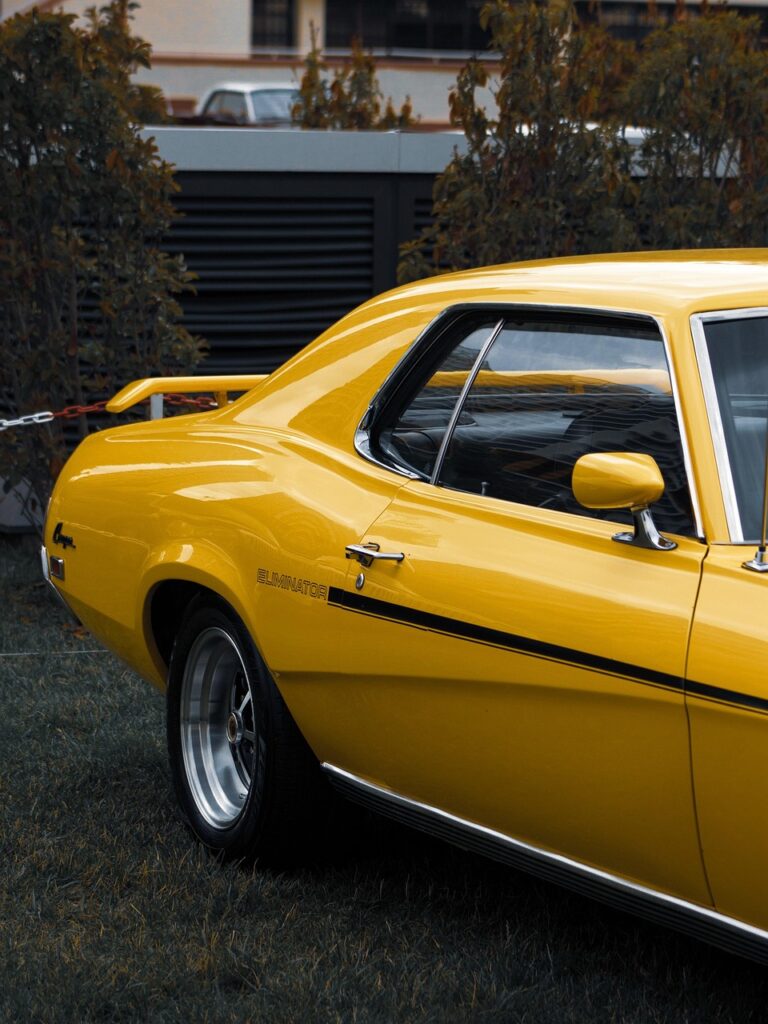
3. **Engine Performance Modifications: Altering Safety and Accident Likelihood**Customizing a vehicle with engine performance modifications, while appealing to enthusiasts, significantly impacts insurability. Upgrades boosting power or torque deviate fundamentally from the manufacturer’s original design, introducing new variables into an insurer’s risk assessment. Such alterations can transform a car’s safety profile and challenge standard coverage.
The core issue: “Extensive modifications, such as engine upgrades… can alter the car’s safety and performance, increasing the likelihood of accidents.” Enhancing engine output without corresponding upgrades to other critical systems, like braking, creates an imbalance. This may compromise vehicle stability and control, elevating accident risk.
This increased “likelihood of accidents” is a primary reason why such alterations “might lead to denied car insurance coverage.” Standard insurance policies are underwritten based on factory specifications. When these are substantially changed, insurer risk calculations become less reliable, rendering the vehicle an unpredictable quantity for coverage. Owners often require “specialized insurance.”

4. **Aesthetic and Structural Body Modifications: Altering Integrity and Safety**Significant aesthetic or structural body modifications also threaten a vehicle’s insurability. These changes—custom body kits, widened fenders, altered suspension—are pursued for appearance or handling. From an insurer’s standpoint, they introduce substantial risks that dramatically change the car’s original safety profile and escalate potential repair costs.
A key concern with “body changes” is their potential to “alter the car’s safety and performance, increasing the likelihood of accidents.” Modifications affecting the chassis or impact zones may compromise occupant protection. A lowered suspension, for example, can reduce ground clearance, making the car vulnerable to damage and affecting stability.
Furthermore, extensive body modifications can significantly complicate accident repairs. Custom panels or structural alterations mean standard replacement parts may not be suitable. This necessitates complex, time-consuming, and expensive custom fabrication or specialized sourcing, inflating claim costs for insurers. Such unpredictable expenses make the vehicle a less desirable risk.
The context states this is “one of the reasons that might lead to denied car insurance coverage.” Insurers depend on predictable repair procedures and parts availability for accurate risk and premium calculations. When extensive body modifications render these factors highly variable, the vehicle’s financial risk profile surpasses mainstream policies, leading to potential denials.
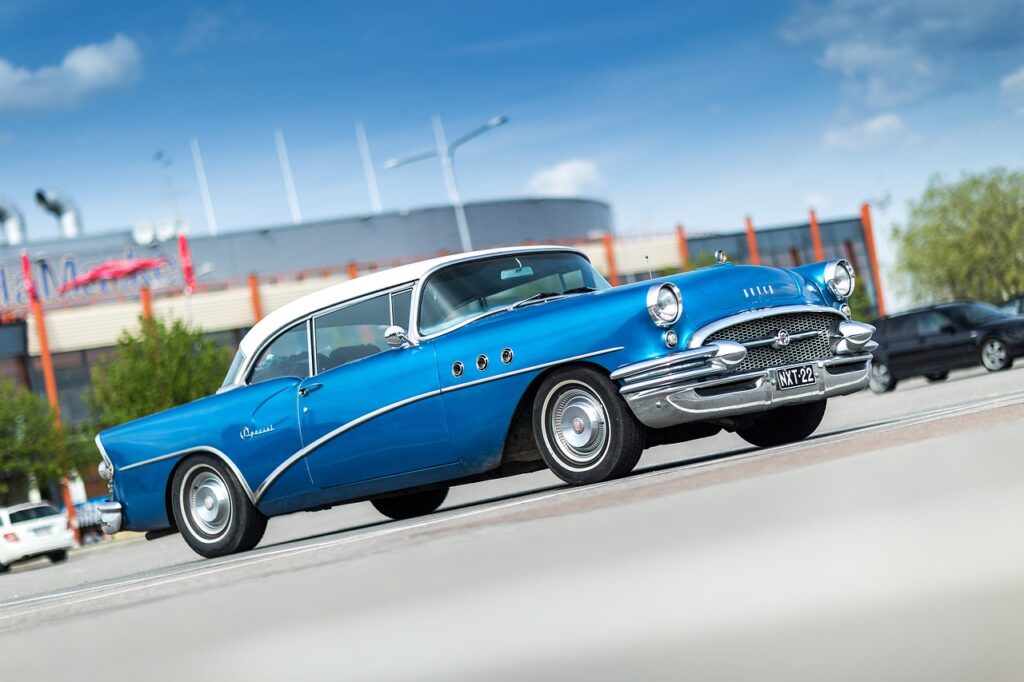
5. **After-Market Parts Installation: How Non-Standard Components Affect Insurability**The appeal of customizing a vehicle with after-market parts is strong, allowing owners to personalize or enhance performance. However, installing these non-standard components—specialized exhausts, advanced infotainment systems, or custom wheels—introduces complexities that significantly impact a car’s insurability. Insurers scrutinize such deviations due to inherent risks.
A crucial concern, highlighted in the context, is that “after-market parts… can alter the car’s safety and performance, increasing the likelihood of accidents.” Many after-market parts lack rigorous testing and quality assurance of original manufacturer components. Subpar quality, improper installation, or unexpected interactions can compromise integrity, potentially leading to mechanical failures and escalating accident probability.
Moreover, after-market parts complicate valuation and replacement costs following incidents. If a vehicle with extensive custom parts is damaged or stolen, determining the fair market value for these unique additions can be subjective and contentious. Standard insurance policies typically cover original or approved equivalent parts, making non-standard component assessment intricate and expensive for the insurer.
Proactive communication with your insurer is essential. You must “check with your insurer to understand how those modifications impact your auto insurance coverage.” This disclosure ensures proper accounting and coverage for installed parts. Without it, enhancements might render portions of your vehicle uninsurable, potentially requiring specialized insurance to secure adequate protection.

6. **Salvage Title Status: The Enduring Liability of Severe Damage History**One of the most definitive factors rendering a car extremely difficult, if not impossible, to insure under standard policies is carrying a salvage title. This designation is not merely administrative; it signifies a severe past event that fundamentally alters an insurer’s perception of the vehicle’s reliability and inherent risk. Consumers must understand these profound implications.
As the context states, “A car with a salvage title has been deemed a total loss by an insurance company due to severe damage from accidents, floods, or theft.” This means prior repair costs exceeded a certain percentage of its value, or it was recovered damaged after theft. While these vehicles can often be “repaired and made roadworthy again,” the shadow of past extensive damage persists.
The core problem for insurance companies is that “many insurers view them as a liability.” Significant damage from a major collision, flood, or theft raises serious questions about the vehicle’s long-term integrity, structural soundness, and electrical reliability. Even after professional repairs, concern lingers that latent issues might resurface, leading to unexpected failures or vulnerability in subsequent incidents.
This inherent “damage history makes them less reliable, increasing the chances of future claims,” translating into higher financial risk for insurers. Consequently, “cars with a salvage title can face car insurance risk factors that result in coverage denials or higher premiums.” If you own such a vehicle, “you may have to turn to specialty auto insurance companies,” as standard insurers deem these unpredictable risks incompatible.
Continuing our in-depth analysis, this section shifts focus from the vehicle itself to the driver’s history and behavior, along with proactive strategies to ensure continued insurability. Understanding these personal risk factors and knowing how to respond to potential insurance denials is crucial for maintaining comprehensive coverage in an ever-evolving market. Equipping yourself with this knowledge can empower you to navigate challenges and secure the protection you need for your vehicle. We will delve into specific issues like driving records and coverage continuity, followed by practical, actionable advice.

7. **Poor Driving Record: The Undeniable Impact of Driver History**Beyond the intrinsic characteristics of a vehicle, your personal driving record serves as a pivotal determinant in an insurer’s risk assessment. A clean driving history signals responsibility and lower risk, while a blemished one, unfortunately, communicates the opposite. This individual track record can, in essence, make or break your ability to secure appropriate coverage.
As the context clearly states, “Your car may be insurable, but your personal driving record can still affect whether or not you can get coverage.” Insurers meticulously scrutinize your past behavior behind the wheel, translating multiple accidents, traffic violations, or severe offenses like DUI into a quantifiable risk profile. Each incident on your record contributes to a perception of increased liability.
Such a history can transform you into a “high-risk driver in the eyes of insurers,” leading directly to unfavorable outcomes. This elevated risk may prompt insurance providers to “deny you coverage” outright or, at the very least, impose substantially “higher premiums.” The financial consequences for drivers with poor records are often significant and long-lasting.
Leading insurers like “Liberty Mutual, Progressive Insurance, GEICO Car Insurance, and State Farm Car Insurance each evaluate driving records differently.” However, a shared consensus exists that “a history of reckless driving is a major factor in car insurance eligibility.” This consistency across major providers underscores the universal importance of maintaining a responsible driving history.
For those facing challenges due to a poor record, options often narrow. You “may have to seek cheap auto insurance or inexpensive auto insurance from specialized insurers that focus on high-risk drivers.” These providers, while offering a path to coverage, typically do so at a higher cost, reflecting the increased risk they are undertaking.
Read more about: Unearthing Ancient Worlds: A Deep Dive into Paleontology’s Groundbreaking Revelations and Its Unfolding Story

8. **Failure to Maintain Continuous Coverage: The Cost of Lapses**A factor often overlooked, yet profoundly impactful on insurability, is the continuity of your insurance coverage. Any significant gap in your auto insurance history can send a red flag to potential insurers, signaling a higher perceived risk that may lead to challenges in securing future policies. This continuity is as important as your driving record itself.
“Lapses in your insurance coverage can be another reason for rejection.” When an insurer observes an extended period where you lacked coverage, they draw conclusions about your financial stability and adherence to legal requirements. Such gaps can suggest a disregard for mandated insurance laws or an inability to consistently afford premiums.
This perception of financial instability or a cavalier attitude towards compliance can significantly escalate your risk profile. Consequently, “insurers may view you as a higher risk because it suggests financial instability or a disregard for legal requirements,” directly increasing the likelihood of an “auto insurance companies rejecting your application.”
Even if coverage isn’t outright denied, a history of lapses can still have a detrimental effect on your premiums. You might find yourself in a position where you “end up paying higher premiums until you’ve proven your ability to maintain coverage consistently.” This is the insurer’s way of mitigating the heightened risk associated with your past coverage gaps.
To mitigate the impact of past lapses, proactive measures are essential. If you have “experienced a gap in your coverage, consider getting multiple car insurance quotes to compare rates.” This strategy allows you to explore various options and find an insurer willing to offer coverage, albeit potentially at a higher initial cost.
9. **Navigating a Car Insurance Denial: Proactive Steps for Re-Securing Coverage**Facing a car insurance denial can be a daunting experience, leaving many drivers feeling stranded and unsure of their next steps. However, it’s crucial to remember that a denial doesn’t equate to a permanent uninsurable status. Instead, it signifies a need for a more strategic approach to securing the necessary protection for your vehicle.
The initial reaction might be to panic, but as the context wisely advises, “If you’re faced with a car insurance denial, don’t panic.” This crucial first step involves maintaining a clear head and understanding that solutions are available. The insurance landscape, while complex, often provides avenues for even high-risk situations.
The key lies in understanding that various companies have different underwriting criteria. What one insurer deems uninsurable, another might be willing to cover, albeit possibly with specific conditions or higher premiums. Your goal is to identify these more accommodating providers and tailor your approach.
Therefore, understanding the reasons behind a denial is paramount. Was it your vehicle type, its modifications, a salvage title, your driving record, or a lapse in coverage? Pinpointing the specific issue allows you to target your remedial efforts and explore the most effective strategies to improve your chances of obtaining coverage.
We will now explore several actionable “tips to improve your chances of getting coverage,” providing a roadmap for drivers to navigate these challenges successfully. These strategies are designed to address the underlying concerns that lead to insurance denials, paving the way for renewed protection.

10. **Strategically Shopping for Quotes: Expanding Your Search Horizons**When faced with a car insurance denial or struggling to find affordable coverage, one of the most effective strategies is to broaden your search and actively compare offers from various providers. The auto insurance market is diverse, and insurers’ risk appetites and pricing models can differ significantly, particularly for vehicles or drivers deemed high-risk.
The context explicitly advises, “Shop around for quotes.” This isn’t merely a suggestion but a critical step in identifying viable coverage options. Each insurer operates with “different criteria for insuring high-risk vehicles,” meaning a denial from one company does not preclude acceptance from another.
Leveraging modern tools can streamline this process immensely. “Use online tools like InsuRabbit.com to buy auto insurance online or compare car insurance quotes from different companies.” These platforms allow you to efficiently gather multiple quotes without the need to contact each insurer individually, saving valuable time and effort.
By comparing a wide array of quotes, you not only increase your chances of finding an insurer willing to provide coverage but also empower yourself to identify the most competitive rates available. This thorough comparison ensures you aren’t overpaying simply because you’ve been categorized as a higher risk.
Remember that even if initial quotes are higher, finding *any* coverage is the primary goal. Once insured, maintaining continuous coverage and a clean driving record can gradually lead to lower premiums over time. The act of shopping around is the first practical step toward re-establishing your insured status.

11. **Proactively Improving Your Driving Record: A Long-Term Investment**For drivers whose insurability challenges stem from a less-than-perfect driving record, proactive steps to improve this history are indispensable. While some issues may require time to recede, there are immediate actions you can take to demonstrate a commitment to safer driving and, over time, enhance your standing with insurers.
“Improve your driving record” is a direct piece of advice from the context, emphasizing the personal accountability involved. This is a long-term investment in your insurability, directly addressing one of the most significant risk factors for insurance providers.
One immediate and impactful action is to “Take defensive driving courses.” These courses not only refresh your driving skills and knowledge of road safety but also often result in a certificate that can be presented to insurers. Such a certificate may demonstrate your proactive efforts to reduce risk, potentially leading to small discounts or improved consideration.
Furthermore, patience and consistent safe driving are vital for certain past infractions. You may need to “wait for traffic violations to fall off your record to improve your standing with insurers.” Most violations have a limited impact period on your record, typically three to five years, after which they are no longer considered in risk assessments.
During this waiting period, it’s crucial to drive impeccably to avoid adding new infractions. Every incident-free year strengthens your profile, gradually shifting you from a high-risk category to a more favorable one. This consistent demonstration of safe driving habits is invaluable for long-term insurability.

12. **Exploring Specialized Insurance Options: Coverage for Unique Situations**For some high-risk situations, standard insurance providers may simply be unwilling or unable to offer comprehensive coverage. In such instances, turning to specialized insurers becomes not just an option, but often the most viable pathway to securing adequate protection for your vehicle. These companies are built specifically for challenging cases.
As the context highlights, you may need to “Consider specialized insurers.” These providers operate in a niche market, focusing on drivers and vehicles that mainstream companies deem too risky. They have tailored policies and risk assessment models that accommodate circumstances like extensive modifications, salvage titles, or problematic driving histories.
For vehicles with a salvage title, for example, “you may have to turn to specialty auto insurance companies that offer limited coverage for such vehicles.” While the coverage might be more restricted than a standard full-coverage policy, it provides essential protection that would otherwise be unavailable, fulfilling legal requirements and mitigating financial exposure.
Similarly, if your vehicle has undergone “extensive modifications,” you “may need specialized insurance designed for modified vehicles.” These policies are specifically structured to account for the unique value and increased repair costs associated with custom parts and alterations, ensuring they are properly valued and covered in the event of damage.
While premiums from specialized insurers might initially be higher than what a standard driver would pay, they offer a lifeline for those facing denials from traditional providers. They ensure that even unique or high-risk vehicles and drivers can obtain legal and practical insurance coverage, allowing them to remain on the road with peace of mind.
Navigating the complexities of auto insurance in the coming years requires both diligence and foresight. While certain vehicle characteristics and modifications can undeniably present hurdles, your personal driving history and continuity of coverage are equally significant. By proactively understanding these factors, diligently shopping for appropriate policies, committing to a safe driving record, and exploring specialized options when necessary, consumers can confidently secure the protection their vehicles need, ensuring that the road ahead remains smooth and insurable. The power to stay covered is ultimately in your hands, informed by these insights.