When you think of car shows today, you might picture gleaming vehicles, digital displays, and a certain polished uniformity. But let’s be real: for those who truly appreciate automotive history, the 20th century was a golden age, a time when car shows weren’t just events; they were cultural phenomena, pulsating with raw energy, unbridled creativity, and a genuine sense of community that modern gatherings often struggle to replicate.
Indeed, while today’s car shows might boast LED headlights and electric motors, they simply can’t match the rough-around-the-edges aesthetic, the anti-establishment credentials, and the untamed fury that defined their 20th-century counterparts. We’re talking about an era when chrome shone brighter, gas was affordable, and muscle cars truly dominated the roads. It was a time when hot rods, vinyl seats, and even bell-bottoms converged in a glorious blanket of gasoline and pure automotive passion.
So, if you’re ready for a turbo-charged trip down memory lane, get set to explore a world where cars had character, and the people rolling them out had soul. These iconic moments from the last century aren’t just nostalgic; they’re a vivid reminder of why car shows were once, and arguably always will be, a significant cultural touchstone. Prepare to yearn for a time-traveling Pontiac as we dive into some of the most unforgettable automotive spectacles.

1. **Detroit Auto Show – Muscle Car Madness (1969)**Oh, 1969 — the era of horsepower domination! Imagine standing in a vast hall, the air thick with the scent of gasoline and a palpable buzz of excitement. This legendary image from the Detroit Auto Show perfectly captures a surging tide of iconic muscle cars, including the ferocious Chevelles, the untamed Mustangs, and the formidable Chargers, all gleaming under the bright showroom lights.
These automotive behemoths were surrounded by a throng of leather-jacketed fans, their faces lit up with awe and admiration. There were no distracting touch screens or eco-friendly hybrids to be seen here; it was simply a pure, unadulterated celebration of growling V8 engines and raw American muscle. This was an era where the sheer power and presence of a vehicle spoke volumes, embodying a spirit of mechanical prowess and unbridled freedom.
Every line, every curve, every polished surface of these cars screamed performance and attitude. The Detroit Auto Show in ’69 wasn’t just displaying vehicles; it was showcasing a national obsession, a cultural benchmark for what an automobile could represent. It was an experience that connected enthusiasts directly to the heart of American engineering and design, fostering a bond between man and machine that feels increasingly rare today.
The energy in that room was electric, a testament to a time when cars were symbols of status, identity, and the thrill of the open road. The spectacle of these powerful machines, ready to roar to life, truly defines what made 20th-century car shows an experience unlike any other, deeply embedded in the collective consciousness of car lovers.
2. **Pebble Beach Concours d’Elegance – Timeless Class (1956)**Stepping back to 1956, the Pebble Beach Concours d’Elegance presented a completely different, yet equally captivating, facet of car show culture. This stylish black-and-white photograph transports us to a scene of unparalleled sophistication, where men in elegant fedoras casually nursed their beverages, surrounded by an exquisite collection of hand-crafted Ferraris and Bentleys.
This wasn’t merely a display of vehicles; it was an exhibition of pure glamour and selectivity, setting a standard of class that stands in stark contrast to today’s omnipresent camera-phone craze. The atmosphere was one of refined appreciation, a place where the artistry and meticulous engineering of each automobile were savored and revered. Attendees were connoisseurs, drawn by an appreciation for bespoke design and unparalleled luxury.
Each car, a testament to human ingenuity and dedication, told a story of craftsmanship that went beyond mass production. These weren’t just modes of transportation; they were moving sculptures, curated for an elite audience that understood and valued their heritage and rarity. The event cultivated an air of exclusivity, ensuring that every detail, from the polished chrome to the luxurious interiors, contributed to an experience of refined taste.
The 1956 Concours d’Elegance embodied a quiet confidence, a serene appreciation for the finest things in life, proving that car shows in the 20th century were not just about speed and flash, but also about the enduring appeal of timeless design and a distinctly elegant approach to automotive passion. It was an affair where true beauty and meticulous presentation reigned supreme.

3. **Chicago Auto Show – The Space-Age Era (1962)**The year 1962 brought with it a vision of the future, vividly showcased at the Chicago Auto Show. This retro-futuristic exhibit was a true spectacle, featuring innovative bubble-topped concept vehicles that looked as though they had just landed from another planet. The entire presentation was infused with an atomic-age aesthetic, reflecting a vibrant optimism for what lay ahead in technology and design.
Visitors to the show were mesmerized by cars adorned with magnificent fins and an abundance of gleaming chrome, fueling dreams of personal flying machines and advanced transport. This photograph from the era serves as an incredible time capsule, perfectly encapsulating a period of daring and optimistic innovation, where the boundaries of automotive possibility were constantly being pushed and redefined.
It wasn’t just about showing new models; it was about unveiling bold concepts that ignited the public imagination, demonstrating what automakers believed the future of mobility could, and should, look like. The designers of the era were true visionaries, integrating elements of aerospace and modern art into their creations, making each vehicle a statement of intent for a more technologically advanced world.
The Chicago Auto Show in 1962 captured the exciting promise of a new age, where the car was not just evolving, but transforming into a symbol of human progress and boundless ingenuity. It highlighted how 20th-century car shows were pivotal platforms for showcasing radical ideas and fostering a collective excitement for the next great leap in automotive design.
4. **Custom Car Show, Los Angeles – Rebel Chrome (1971)**In 1971, the Custom Car Show in Los Angeles was a vibrant explosion of individuality and artistry, perfectly capturing the essence of SoCal majesty. This iconic photo immerses us in a world where lowriders reigned supreme, boasting blinding candy paint jobs, dazzling metal flake finishes, and seemingly bottomless layers of clear coat that shimmered intensely under the bright California sun. These weren’t just vehicles; they were mobile masterpieces, each a unique expression of its owner’s personality.
Many of these incredible creations were lovingly built by hand, crafted by neighborhood legends who poured their soul and sweat into every intricate pinstripe and custom detail. This level of personal investment and artistic dedication made each car a true labor of love, standing as a testament to unparalleled craftsmanship and a profound commitment to automotive art. The passion was palpable, etched into every modification.
Adding to the vibrant atmosphere, funk music pulsed rhythmically from transistor radios and cassette players scattered throughout the grounds. The sounds of James Brown, Curtis Mayfield, and Parliament provided the perfect soundtrack, fueling an undeniable spirit of rebellion and pride that resonated with every attendee. It was more than just music; it was the heartbeat of a movement, connecting people through shared cultural touchstones.
Pin-up models, clad in platform shoes and flared pants, stood confidently alongside legendary Impalas and Monte Carlos, adding an aggressive, unapologetic glint to the entire scene. The Custom Car Show in Los Angeles was a riot of color, sound, and attitude, celebrating individual expression and community spirit in a way that truly made 20th-century car shows unforgettable, defining a generation’s pursuit of automotive identity.
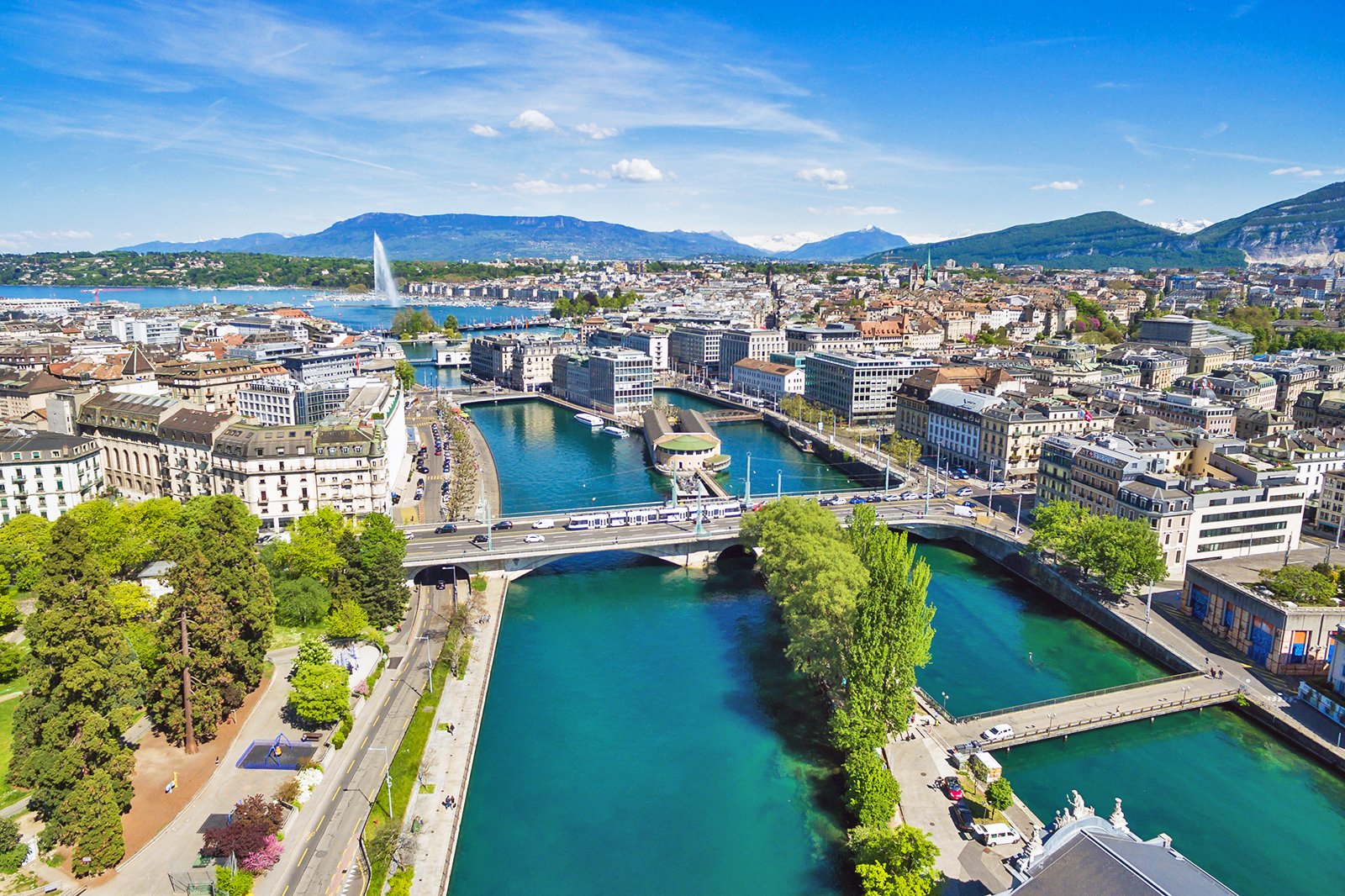
5. **Geneva International Motor Show – European Elegance (1984)**The 1984 Geneva International Motor Show offered a distinctly European flavor, a sophisticated counterpoint to American muscle and custom culture. This particular year presented a view in which European producers successfully retained an air of mystique and refined innovation. It was a showcase where elegance and performance converged, demonstrating a unique approach to automotive excellence.
Suit-clad corporate types engaged in hushed conversations, mingling among some of the continent’s most coveted vehicles, such as the iconic BMW M1s and the rally-bred Lancia Delta Integrale. These weren’t just cars; they were symbols of precision engineering and understated power, captivating an audience that appreciated both form and function with equal measure. The atmosphere was one of discerning appreciation.
The masses, in turn, were absolutely wowed by the subtle yet powerful details, from the prestigious turbo badges that hinted at thrilling performance, to the sharp, wedge-shaped silhouettes that defined cutting-edge design of the era. The Geneva show was a masterclass in how to combine technological advancement with aesthetic grace, appealing to both the intellect and the heart of car enthusiasts.
This event beautifully underscored the distinct contribution of European manufacturers to the global automotive landscape, presenting a vision of motoring that was as much about sophisticated driving dynamics as it was about groundbreaking design. The 1984 Geneva International Motor Show truly highlighted how 20th-century events brought diverse automotive philosophies to the forefront, enriching the overall car culture.
Read more about: Rare Cars of the 1980s: Icons of Performance Innovation and Style
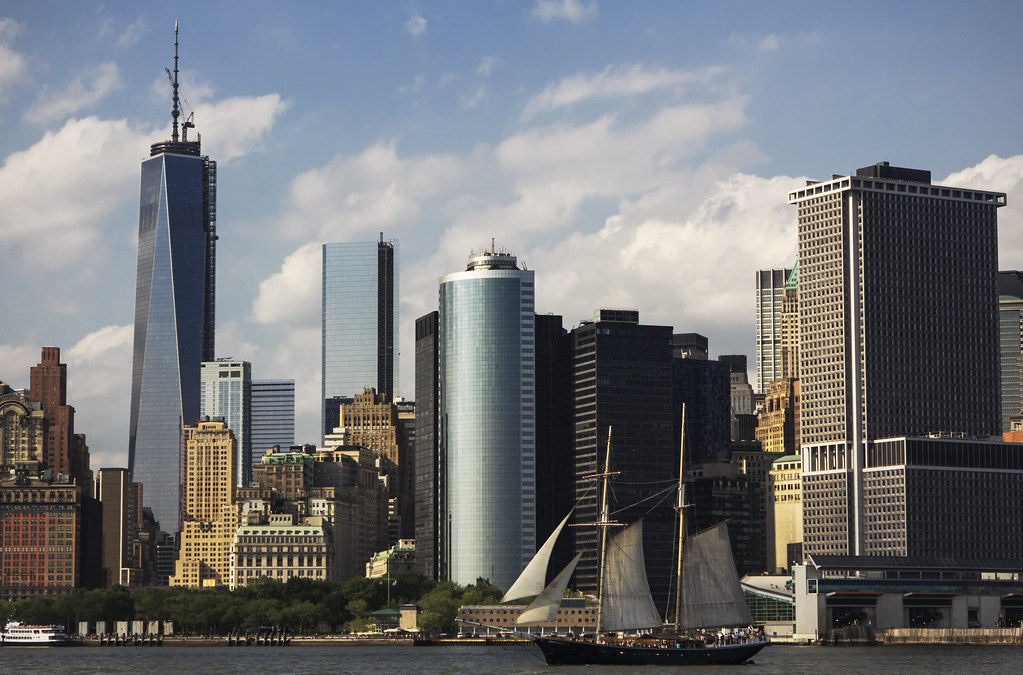
6. **New York Auto Show – The SUV Sneaks In (1990)**The 1990 New York Auto Show captured a truly pivotal moment in automotive history: the precise instance when tough SUVs began their ascent to ruling the road. This photograph shows how vehicles like the rugged Ford Explorer and the versatile Jeep Cherokee started to command attention, signaling a significant shift in consumer preferences and the direction of the auto industry. It marked a turning point from sleek sedans to more practical, family-oriented vehicles.
Set amidst a backdrop of vibrant, neon-lit billboards and distinctive big hair, the year 1990 emerges as a profoundly transforming period, yet it was undeniably a great one for the automotive world. This was an era where utility began to blend with style, slowly paving the way for the ubiquitous presence of SUVs we see today. The introduction of these vehicles sparked conversations about versatility, adventure, and a new kind of freedom on the road.
The enthusiasm for these emerging utility vehicles was palpable, as attendees explored their spacious interiors and robust exteriors, envisioning new possibilities for travel and everyday life. The show effectively showcased how car manufacturers were adapting to changing lifestyles and desires, demonstrating a keen understanding of evolving market demands and anticipating future trends.
This snapshot from the New York Auto Show not only documented the rise of a new vehicle category but also encapsulated the dynamic spirit of innovation that characterized 20th-century car shows. It proved that these events were not just about celebrating the past or present, but also about heralding the future and introducing groundbreaking concepts that would reshape the automotive landscape for decades to come.
Car Model Information: 2018 Ford Explorer XLT
Name: Ford Explorer
Caption: Sixth-generation Ford Explorer
Manufacturer: Ford Motor Company
Production: 1990–present
ModelYears: 1991–present
Class: unbulleted list
Chassis: unbulleted list
Predecessor: Ford Bronco II
Successor: Ford Territory (Australia)
Categories: 2000s cars, 2010s cars, 2020s cars, All-wheel-drive vehicles, All Wikipedia articles in need of updating
Summary: The Ford Explorer is a range of SUVs manufactured by the Ford Motor Company since the 1991 model year. The first five-door SUV produced by Ford, the Explorer, was introduced as a replacement for the three-door Bronco II. As with the Ford Ranger, the model line derives its name from a trim package previously offered on Ford F-Series pickup trucks. As of 2020, the Explorer became the best-selling SUV in the American market.
Currently in its sixth generation, the Explorer has featured a five-door wagon body style since its 1991 introduction. During the first two generations, the model line included a three-door wagon (directly replacing the Bronco II). The Ford Explorer Sport Trac is a crew-cab mid-size pickup derived from the second-generation Explorer. The fifth and sixth generations of the Explorer have been produced as the Ford Police Interceptor Utility (replacing both the Ford Crown Victoria Police Interceptor and the Ford Police Interceptor Sedan).
The Explorer is slotted between the Ford Edge and Ford Expedition within North America’s current Ford SUV range. The model line has undergone rebadging several times, with Mazda, Mercury, and Lincoln each selling derivative variants. Currently, Lincoln markets a luxury version of the Explorer as the Lincoln Aviator.
For the North American market, the first four generations of the Explorer were produced by Ford at its Louisville Assembly Plant (Louisville, Kentucky) and its now-closed St. Louis Assembly Plant (Hazelwood, Missouri). Ford currently assembles the Explorer alongside the Lincoln Aviator and the Police Interceptor Utility at its Chicago Assembly Plant (Chicago, Illinois).
Get more information about: Ford Explorer
Buying a high-performing used car >>>
Brand: Ford Model: Explorer
Price: $14,961 Mileage: 118,000 mi.
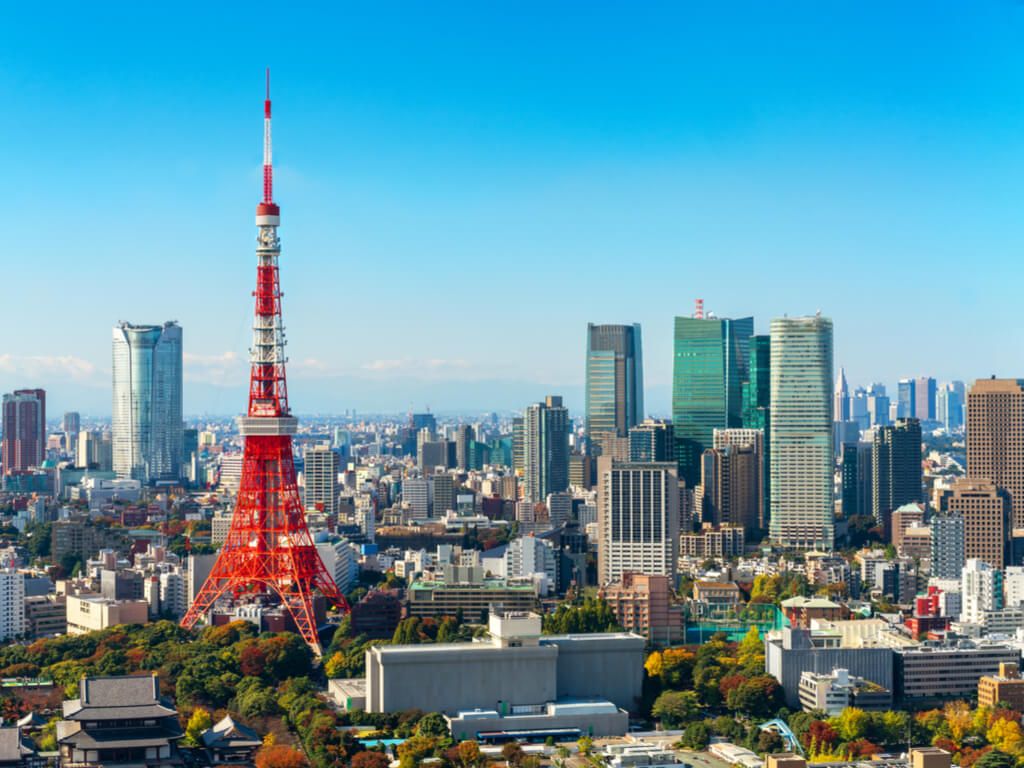
7. **Tokyo Motor Show – High-Tech Hype (1987)**In 1987, Japan undeniably stole the spotlight, and the Tokyo Motor Show served as its magnificent grand stage. This dazzling image from the event captures a pivotal moment when Japanese automakers truly surged ahead, showcasing unparalleled innovation, distinct style, and an incredible flair for the futuristic. It was a vibrant declaration of their growing dominance in the global automotive industry, leaving a lasting impression on attendees.
Under the glowing ceiling lights of the impressive Makuhari Messe convention center, crowds swarmed with palpable excitement around wild concept cars. These vehicles looked as though they had been effortlessly teleported straight out of an anime, pushing the boundaries of what was conceivable in automotive design. Each car was a testament to bold imagination, sparking wonder and curiosity.
Attendees were treated to a glimpse of features that felt straight out of a science fiction movie. One car boasted fascinating flip-up headlights that blinked almost like eyes, a true must-have feature for ’80s automotive cool. Others integrated cutting-edge voice recognition systems, sophisticated digital speedometers, and intuitive touch-sensitive controls, all pointing to a future where technology and driving experience were seamlessly intertwined.
Brands like Honda, Toyota, and Nissan were not merely competing with each other; they were collectively pushing the entire envelope of what the automobile could be, redefining expectations and setting new global standards for design and functionality. The 1987 Tokyo Motor Show was a thrilling glimpse into tomorrow, cementing the 20th century’s reputation for innovation and groundbreaking automotive showcases.
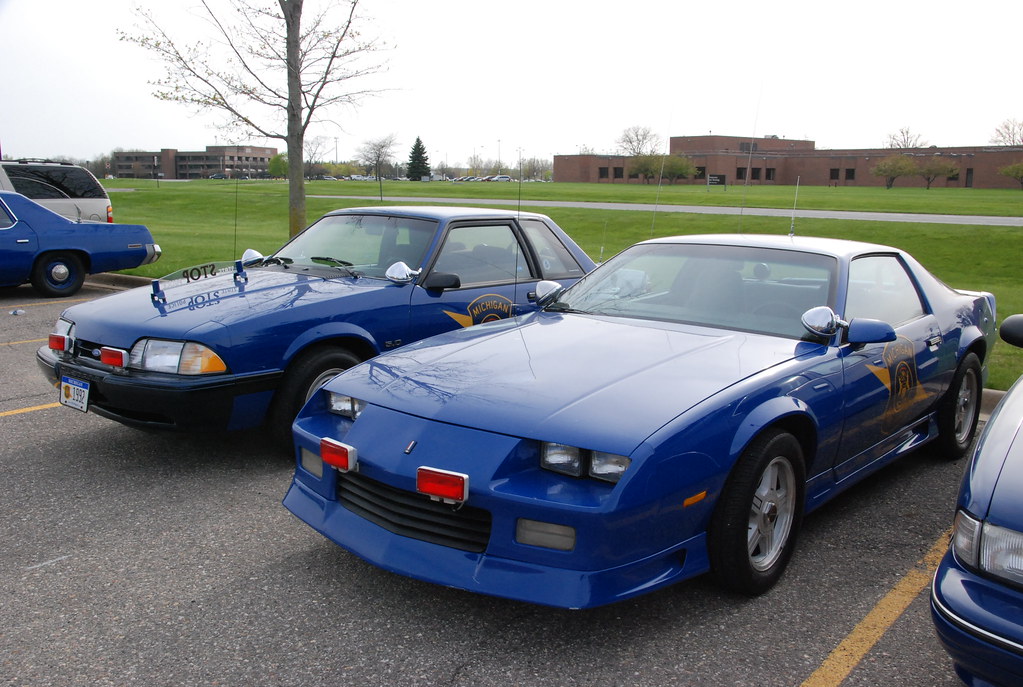
8. **Daytona Beach Custom Meet – Hot Rod Heaven (1978)**Shift gears with us to 1978, a year when the Daytona Beach Custom Meet was less a formal event and more a gritty, sun-drenched spectacle of pure American cool. Here, amidst the sandy expanse, you’d find topless gearheads, their hands stained with grease, joyfully tinkering with their beloved chopped Fords and rat rods. It was a raw, unfiltered scene, teeming with the kind of unpretentious camaraderie that truly defined an era, as onlookers cruised by on skateboards, soaking in every moment.
Imagine the scene: surfboards strapped to the hoods of these custom machines, glinting under the Florida sun, while the unmistakable riffs of ZZ Top blasted from worn-out speakers, creating the perfect soundtrack for rebellion and freedom. This wasn’t just a car show; it was America at its best, a vibrant fusion of beach culture, rock and roll, and automotive artistry, all rolled into one unforgettable experience.
This snapshot perfectly encapsulates a time when hot rods weren’t just modified vehicles; they were extensions of their owners’ spirits, each dent and decal telling a story. The Daytona Beach Custom Meet embodied the anti-establishment ethos and the hands-on passion that made 20th-century car shows so uniquely captivating, fostering a deep sense of community among those who lived and breathed custom culture.
Car Model Information: 2020 Ford Transit-150 Base
Name: Ford Motor Company
Logo: Ford logo flat.svg
Type: Public company
TradedAs: {{NYSE,F
Founder: Henry Ford
AreaServed: Worldwide
KeyPeople: unbulleted list
Industry: Automotive industry
Products: unbulleted list
Services: unbulleted list
Production: increase 4.5 million vehicles (2024)
Revenue: increase}} {{US$
OperatingIncome: decrease}} {{US$
NetIncome: increase}} {{US$
Assets: increase}} {{US$
Equity: increase}} {{US$
NumEmployees: 171,000 (2024)
Owner: Ford family (Michigan)
Divisions: unbulleted list
Brands: Ford,Lincoln Motor Company,Motorcraft
Subsid: collapsible list
Predecessor: Henry Ford Company
Founded: Detroit
HqLocation: Ford World Headquarters
HqLocationCity: Dearborn, Michigan
HqLocationCountry: US
Website: https://ford.com
Categories: 1900s cars, 1903 establishments in Michigan, 1910s cars, 1920s cars, 1930s cars
Summary: The Ford Motor Company (commonly known as Ford, sometimes abbreviated as FoMoCo) is an American multinational automobile manufacturer headquartered in Dearborn, Michigan, United States. It was founded by Henry Ford and incorporated on June 16, 1903. The company sells automobiles and commercial vehicles under the Ford brand, and luxury cars under its Lincoln brand. The company is listed on the New York Stock Exchange under the single-letter ticker symbol F and is controlled by the Ford family. They have minority ownership but a plurality of the voting power.
Ford introduced methods for large-scale manufacturing of cars and large-scale management of an industrial workforce using elaborately engineered manufacturing sequences typified by moving assembly lines. By 1914, these methods were known around the world as Fordism. Ford’s former British subsidiaries Jaguar and Land Rover, acquired in 1989 and 2000, respectively, were sold to the Indian automaker Tata Motors in March 2008. Ford owned the Swedish automaker Volvo from 1999 to 2010. In the third quarter of 2010, Ford discontinued the Mercury brand, under which it had marketed upscale cars in the United States, Canada, Mexico, and the Middle East since 1938.
Ford is the second-largest American-based automaker, behind General Motors, and the sixth-largest in the world, behind Toyota, Volkswagen Group, Hyundai Motor Group, Stellantis, and General Motors, based on 2022 vehicle production. The company went public in 1956 but the Ford family, through special Class B shares, retain 40 percent of the voting rights. During the 2008–2010 automotive industry crisis, the company struggled financially but did not have to be rescued by the federal government, unlike the other two major US automakers. Ford Motors has since returned to profitability, and was the eleventh-ranked overall American-based company in the 2018 Fortune 500 list, based on global revenues in 2017 of $156.7 billion. In 2023, Ford produced 4.4 million automobiles, and employed about 177,000 employees worldwide. The company operates joint ventures in China (Changan Ford and Jiangling Ford), Taiwan (Ford Lio Ho), Thailand (AutoAlliance Thailand), and Turkey (Ford Otosan). Ford owns a 32% stake in China’s Jiangling Motors.
Get more information about: Ford Motor Company
Buying a high-performing used car >>>
Brand: Ford Model: Fords
Price: $30,961 Mileage: 53,725 mi.

9. **Frankfurt Auto Show – Boxy But Beautiful (1982)**Now, let’s fast-forward to the heart of Europe in 1982, where the Frankfurt Auto Show presented a very different, yet equally compelling, vision of automotive excellence. Trapped in an undeniable cloud of hairspray and the pulsating beats of synth-pop, this particular show perfectly encapsulated the heyday of practical European design. It was a refreshing counterpoint to the flashier American customs, focusing instead on understated elegance and unwavering reliability.
Here, you’d find a formidable array of Volvos, Saabs, and Audis, all lined up in purposeful formation. Each vehicle stood as square as a brick, yet was admired for being twice as reliable. This was a testament to meticulous engineering and a design philosophy that prioritized function, safety, and durability over flamboyant aesthetics. These cars, while perhaps not “flashy” in the traditional sense, exuded a quiet confidence and a sophisticated beauty all their own.
The 1982 Frankfurt Auto Show highlighted a unique European sensibility, proving that charm could be found in sturdy construction and intelligent design. It resonated with an audience that valued longevity and performance in everyday driving, celebrating a different kind of automotive passion. This event demonstrated how diverse the world of 20th-century car shows truly was, offering a rich tapestry of styles and cultural values.
10. **Woodward Dream Cruise (1994)**Fast-forward to 1994, and you arrive at the inaugural official Woodward Dream Cruise, an event that would swiftly become legendary and a true motorhead wonder. This photograph captures the very moment Detroit’s iconic Woodward Avenue roared back to life, transforming into a vibrant, living museum of automotive history. It was a heartfelt homage to the muscle car wars of the 1960s and 1970s, which had originally used this very strip as their proving grounds.
Thousands upon thousands of classic rides, from gleaming muscle cars to meticulously restored hot rods, laid claim to the asphalt, transforming the avenue into an endless parade of chrome, paint, and horsepower. The air buzzed with an infectious energy, a collective celebration of American automotive heritage, as generations of car enthusiasts came together to share their passion and their prized possessions.
The Woodward Dream Cruise wasn’t conceived as a traditional “auto show” in a convention center. Instead, it emerged as a sprawling, community-driven phenomenon, blurring the lines between spectator and participant. It’s a powerful example of how 20th-century car culture evolved beyond formal displays into dynamic, street-level gatherings where the vehicles were not just admired but truly experienced in their natural habitat, embodying a shared love for the open road.
Read more about: 14 Essential Robert Redford Movies Everyone Needs to See at Least Once in Their Life

11. **Goodwood Festival of Speed – Vintage Vroom (1993)**Stepping across the Atlantic, we land in 1993 at the Goodwood Festival of Speed, a quintessentially British celebration of automotive history and high-performance. The scene is utterly charming and exhilarating: Lord March himself, the visionary behind the event, waves enthusiastically from the cockpit of a priceless classic Bugatti, as an array of magnificent drivers whiz by, navigating the challenging course lined with traditional haystacks.
This event brilliantly brought grass-roots motorsport back into the upper echelons of competitive racing, creating an accessible yet exclusive atmosphere that was universally hailed by the discerning audience. It’s a place where the roar of vintage engines isn’t just noise; it’s a symphony of engineering prowess, a tangible connection to the golden ages of racing. Every car present tells a story of innovation, bravery, and mechanical artistry.
Goodwood is more than just a race; it’s a living, breathing museum where the past is not just preserved but actively celebrated and pushed to its limits. It epitomizes how 20th-century car shows and festivals honored the legacy of speed, design, and daring, inviting enthusiasts to witness history in motion. It’s an enduring testament to the timeless appeal of true automotive passion, proving that the thrill of the chase never fades.
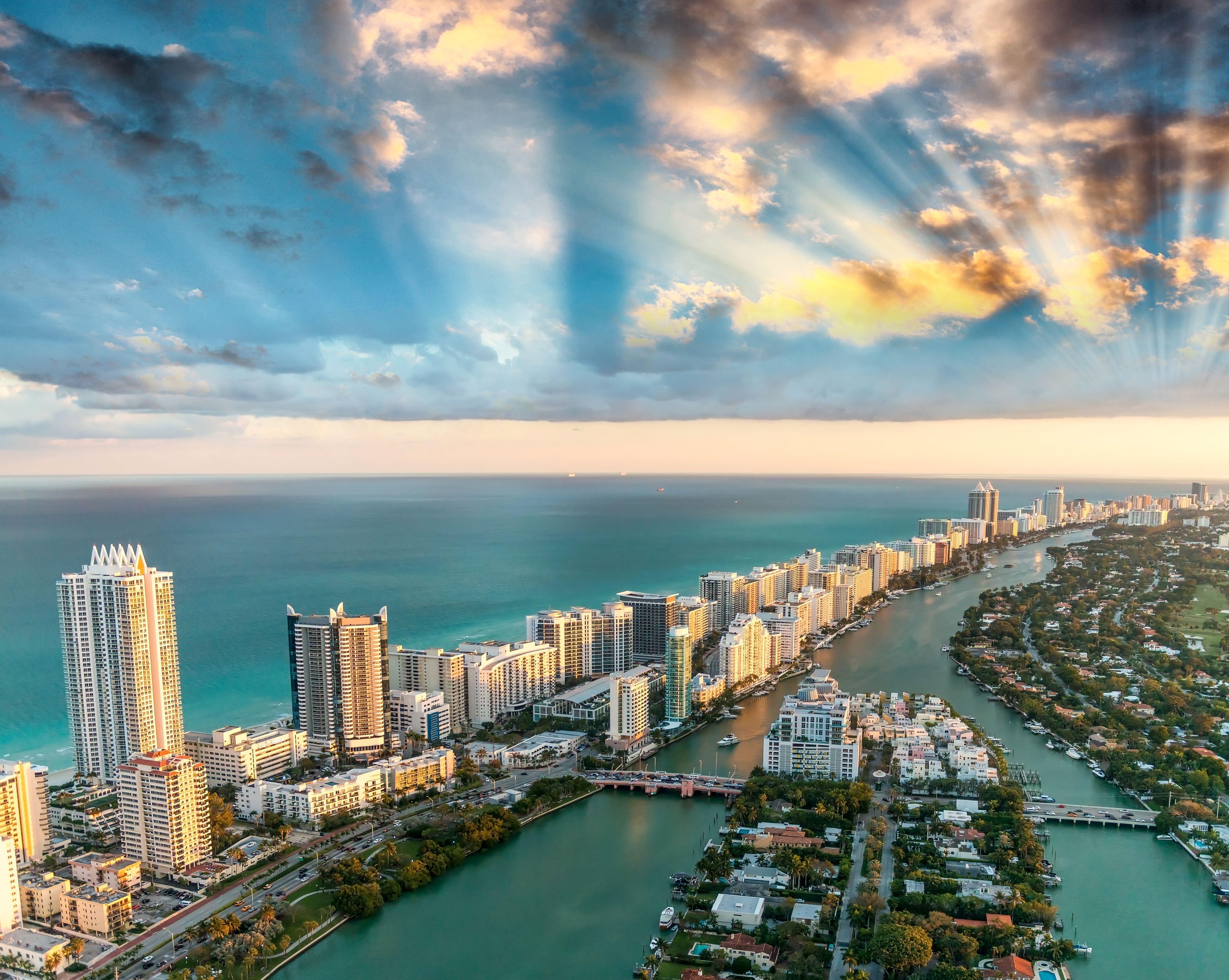
12. **Miami Beach Custom Expo – Art Deco Meets Detroit (1988)**Transport yourself to the vibrant, sun-drenched streets of 1988 Miami, where the Miami Beach Custom Expo offered a truly unique blend of style and power. Here, against a backdrop of shimmering neon lights and swaying palm trees, you’d find a dazzling display of pastel-colored Corvettes, each one a gleaming testament to Detroit’s finest craftsmanship. It was a visually stunning affair, a perfect fusion of natural beauty and mechanical artistry.
This exposition was particularly special because it masterfully combined the city’s iconic Art Deco architecture with the thunderous presence of thumping V8 engines. The resulting atmosphere was so undeniably hip, so effortlessly cool, that it felt less like a car show and more like the meticulously curated backdrop for a blockbuster movie. Every angle, every reflection, painted a picture of an era defined by bold statements and unapologetic style.
The Miami Beach Custom Expo perfectly captured a cultural moment where cars were not just modes of transport or expressions of power, but integral elements of a broader lifestyle. It highlighted how 20th-century car shows evolved to reflect regional aesthetics and popular culture, transforming into immersive experiences that celebrated both design and identity in equal measure, proving the versatility of automotive passion.
Car Model Information: 2025 Chevrolet Corvette Stingray w/3LT
Name: Chevrolet Corvette
Caption: 2021 Chevrolet Corvette C8
Manufacturer: Chevrolet
Production: 1953–present
ModelYears: bulleted list
Assembly: bulleted list
Class: Sports car
BodyStyle: coupé
Layout: Front-engine, rear-wheel-drive layout,Rear mid-engine, rear-wheel-drive layout
Categories: 1950s cars, 1960s cars, 1970s cars, 1980s cars, 1990s cars
Summary: The Chevrolet Corvette is a line of American two-door, two-seater sports cars manufactured and marketed by General Motors under the Chevrolet marque since 1953. Throughout eight generations, indicated sequentially as C1 to C8, the Corvette is noted for its performance, distinctive styling, lightweight fiberglass or composite bodywork, and competitive pricing. The Corvette has had domestic mass-produced two-seater competitors fielded by American Motors, Ford, and Chrysler; it is the only one continuously produced by a United States auto manufacturer. It serves as Chevrolet’s halo car.
In 1953, GM executives accepted a suggestion by Myron Scott, then the assistant director of the Public Relations department, to name the company’s new sports car after the corvette, a small, maneuverable warship. Initially, a relatively modest, lightweight 6‑cylinder convertible, subsequent introductions of V8 engines, competitive chassis innovations, and rear mid-engined layout have gradually moved the Corvette upmarket into the supercar class. In 1963, the second generation was introduced in coupe and convertible styles. The first three Corvette generations (1953–1982) employed body-on-frame construction, and since the C4 generation, introduced in 1983 as an early 1984 model, Corvettes have used GM’s unibody Y‑body platform. All Corvettes used front mid-engine configuration for seven generations, through 2019, and transitioned to a rear mid-engined layout with the C8 generation.
Initially manufactured in Flint, Michigan, and St. Louis, Missouri, the Corvette has been produced in Bowling Green, Kentucky, since 1981, which is also the location of the National Corvette Museum. The Corvette has become widely known as “America’s Sports Car.” Automotive News wrote that after being featured in the early 1960s television show Route 66, “the Corvette became synonymous with freedom and adventure,” ultimately becoming both “the most successful concept car in history and the most popular sports car in history.”
Get more information about: Chevrolet Corvette
Buying a high-performing used car >>>
Brand: Chevrolet Model: Corvette
Price: $87,990 Mileage: 3,779 mi.
13. **Las Vegas Hot Rod Convention – Flame Decals Forever (1976)**What happens in Vegas, stays in Vegas, unless it’s the roar of snarling engines and the flash of custom paint at the 1976 Las Vegas Hot Rod Convention! This was a pure, unadulterated glimpse into Vegas flash, where individuality was king and subtlety was left at the door. The convention offered ample space for hot-rod specials, each one a riot of personal expression, proudly featuring blazing fire stripes, aggressive side pipes, and luxuriously shagged interiors.
This was a show that didn’t censor and certainly didn’t apologize for its bold aesthetic. It was all about the unapologetic confidence of custom culture, where every modification was a statement and every car told a unique story. From the gleaming chrome to the roaring exhaust, the entire event pulsated with an unmistakable energy, a celebration of raw power and unbridled creativity.
The 1976 Las Vegas Hot Rod Convention was a visceral experience, steeped in “vibes and valve covers.” It served as a powerful reminder of how deeply ingrained custom cars were in 20th-century American culture, offering enthusiasts a platform to showcase their passion and connect with a like-minded community. It was a place where dreams were built on four wheels, fueled by gasoline and an endless supply of swagger.

14. **Paris Motor Show – Design Before Digital (1965)**Cross the Channel once more and step into the sophisticated world of the 1965 Paris Motor Show, captured in a stunning fashion photo that exudes timeless elegance. This particular exhibition was overcrowded with the graceful forms of Citroëns and Renaults, each vehicle boasting swooping lines and a distinct designer elegance that epitomized French automotive artistry. It was a moment when design was truly paramount, before the digital era began to shape every curve.
Adding to the undeniable allure, minidresses and mod make-up-clad girls stood confidently next to these automotive masterpieces, embodying the chic fashion trends of the era. The scene painted a vivid picture of how deeply intertwined car design was with broader cultural aesthetics, where every element, from the vehicle’s silhouette to the model’s ensemble, communicated a cohesive vision of modernity and style.
This show underscored a fundamental truth of 20th-century European automotive philosophy: elegance then was not something coded or computer-generated; it was meticulously cut from steel and infused with artistic vision. The 1965 Paris Motor Show remains a beautiful testament to a time when cars were celebrated as moving sculptures, embodying a blend of engineering prowess and high fashion that continues to inspire.

15. **Indianapolis Auto Extravaganza – Drag Strip Dreams (1973)**Prepare for a full-throttle experience as we plunge into the raw, unapologetic, and utterly unflinching gearhead heaven that was the 1973 Indianapolis Auto Extravaganza. This event transcended the definition of a mere auto show; it was a complete sensory saturation, an immersion into the very heart of American motorsport. The scene, captured in time, depicts a thrilling string of dragsters, their powerful engines laying down thick plumes of smoke and fire, parachutes half-out, and rear slicks still gloriously warm from the burnout box.
The air itself was a heavy, intoxicating blend of high-test gasoline, hot rubber, and the comforting aroma of fried food wafting from the concession stands. It was an atmosphere charged with adrenaline and a palpable sense of mechanical worship, where every rev of an engine resonated deeply with the collective passion of the assembled crowd. This was where the visceral thrill of speed met the gritty reality of performance.
Amidst this cacophony of power, greasy palms moved feverishly under lifted hoods, making last-minute tweaks to Holley carburetors and nitrous injectors by touch alone. This hands-on, no-holds-barred approach epitomized the deep connection between driver, machine, and the pursuit of ultimate speed. The Indianapolis Auto Extravaganza was a vibrant testament to the unadulterated passion that defined 20th-century car shows, celebrating engineering, courage, and the sheer thrill of pushing limits.
It also beautifully showcased the grassroots innovation and competitive spirit that thrived in the American automotive landscape. Beyond the gleaming showroom models, these events were about testing boundaries, proving concepts, and celebrating the raw, untamed power that truly captivated enthusiasts. It was a place where legends were born, not just on the track, but in the pits and among the captivated spectators, forging an unbreakable bond with the machines.
Why the 20th Century Won the Car Show Game
From chrome-drenched muscle cars of the roaring ’60s to the anti-establishment anarchy of the ’70s aftermarket world, and the turbo-laden ascent of the ’80s, the 20th century gifted us more than just car shows — it provided them with an undeniable soul. These iconic moments from history aren’t just here to stir up nostalgia; they’re a powerful, vivid reminder that car shows were once, and arguably always will be, significant cultural touchstones. While contemporary showcases might boast a high-tech sheen and electric innovation, they often lack the rough-around-the-edges attitude, the renegade gloss, and the raw, unadulterated growl that truly captured an era. So, let’s keep championing the spirit of those times, where cars had character, and the incredible folks rolling them out had soul, fueling our collective imagination for generations to come.