The Fast & Furious saga has long captivated audiences with its blend of high-octane action, gravity-defying stunts, and an unwavering emphasis on family. For over two decades, this franchise has evolved from humble street racing origins into a global phenomenon, continually pushing the boundaries of cinematic spectacle. Each installment not only raises the stakes in terms of explosive set pieces but also deepens the intricate web of relationships and rivalries that define its universe.
In its tenth main installment, *Fast X* delivers an adrenaline-fueled ride that tests the very fabric of Dominic Toretto’s world, presenting him with his most formidable adversary yet. This film serves as the first half of a two-part finale, promising a conclusion to a saga that has spanned generations of characters and countless thrilling moments. As viewers, we are invited to witness the escalating consequences of past actions and the immense personal cost of a life lived a quarter mile at a time.
This journey into *Fast X* is more than just a recap of its thrilling plot; it’s an exploration of the forces that drive its characters, the meticulous craft behind its creation, and the enduring themes that resonate with its dedicated fanbase. From the chilling introduction of a new, deeply personal antagonist to the internal struggles of beloved heroes, *Fast X* is a testament to the franchise’s ability to reinvent itself while staying true to its core values. Let’s peel back the layers and examine the crucial elements that make this chapter a compelling addition to the Fast & Furious legacy.
1. **The Explosive Core: Unpacking the Plot of Fast X**
At the heart of *Fast X* lies a plot driven by a meticulously planned, deeply personal vendetta, setting a darker tone for the franchise. The narrative kicks off with Dominic Toretto and his team being requested by the Agency to steal a computer chip during its transit in Rome. However, Dom and Letty Ortiz, remaining behind with their son Brian “Little B” Marcos, soon realize this mission is an elaborate trap, orchestrated by a new, terrifying enemy.
This realization comes through a wounded Cipher, who arrives at Dom’s home in the middle of the night, revealing that Hernan Reyes’s son, Dante, has turned her crew against her and is now using them to target Dom. Dante seeks revenge for his father’s death and the loss of his family’s fortune, events that transpired ten years prior. This revelation immediately shifts the stakes, transforming a seemingly standard Agency mission into a deeply personal battle against a ghost from Dom’s past.
As the team, consisting of Roman Pearce, Tej Parker, Han Lue, and Ramsey, travels to Rome, they unwittingly fall into Dante’s snare. They break into a truck, only to discover it contains a DM-79 sub-nautical neutron mine, not a computer chip. Dante then remotely controls the truck, activating and releasing the bomb into the streets of Rome. Dom’s heroic intervention, pushing the bomb into the Tiber River, minimizes the damage, but Letty is apprehended by the police, further escalating the crisis and setting the stage for a relentless manhunt by the Agency, led by the suspicious Aimes, who blames Dom and his team for the bombing.
2. **Dante Reyes: A Villain Unlike Any Other**
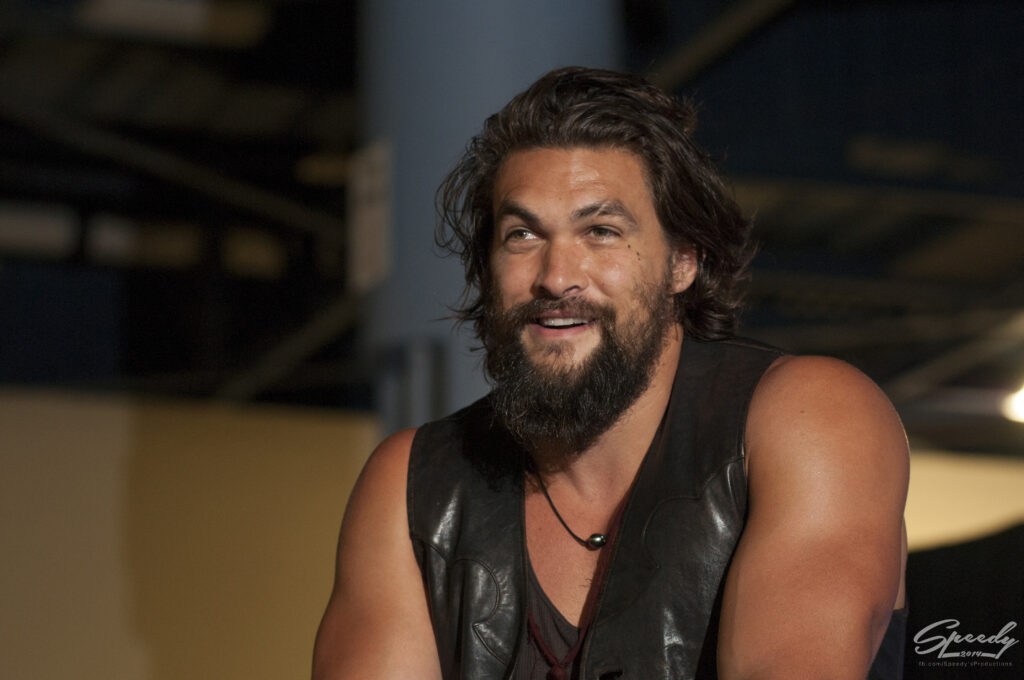
Jason Momoa’s portrayal of Dante Reyes introduces a new breed of antagonist to the Fast & Furious universe, one defined by a chilling blend of sadism, flamboyance, and deeply rooted daddy issues. Dante is not merely a criminal mastermind; he is a force of chaos driven by a decade-long obsession with making Dominic Toretto pay for the death of his father, drug lord Hernan Reyes, and the subsequent loss of his family’s fortune in *Fast Five* (2011).
Momoa himself described the character as Dom’s foil, highlighting Dante’s “very sadistic and androgynous” nature, likening him to “a bit of a peacock… He’s got a lot of issues. He’s definitely got some daddy issues.” This distinctive characterization allowed Momoa to play against type, taking on a “less macho” persona and even performing his own stunts, adding a layer of authenticity and menacing charm to Dante’s unpredictable actions. Director Louis Leterrier further elaborated on Dante’s design, aiming to forge the “anti-Dom,” describing him as “the yang of [Dom’s] yin, the antichrist of his Christ.”
What makes Dante particularly compelling is his clear and understandable motivation. Leterrier emphasized the strong ties between Dante and Dom, stating, “There are strong ties with [Dante and Dom] and that is what makes an amazing villain because you understand why they became this and [their motivations].” This deeply personal vendetta, rooted in Dom’s past actions, allows Dante to operate not just as an evil force but as a twisted reflection of the franchise’s central theme of family, albeit one consumed by a desire for vengeance against the man who dismantled his own.
3. **Dominic Toretto’s Toughest Challenge Yet**
Vin Diesel’s iconic character, Dominic Toretto, faces an unprecedented onslaught in *Fast X*, forcing him to confront the full, devastating fallout of his past actions. Having retired to settle down with his wife, Letty Ortiz, and son, Brian Marcos, Dom is pulled back into the fray, but this time, the stakes are profoundly personal, centering entirely on his cherished family.
Director Louis Leterrier described *Fast X* as exploring the consequences of Dom’s previous installments, saying, “[Dom] has fought so hard to keep faith and protect family [but] there is a price to pay. His enemies are coming after him.” This sentiment underscores the film’s central conflict: Dom’s past as a “lone wolf” living “a quarter mile at a time” has caught up with him, and now, he is “responsible for a human being, an innocent life [he] brought into the world,” making his decisions carry an unbearable weight.
The film explicitly details this increased familial responsibility, with the writing team emphasizing a more grounded approach and higher personal stakes. As the “snowball [of Dom’s actions] has picked up speed and became an avalanche,” Dom finds himself cornered by mercenaries, facing the potential breakup of his family and the harrowing prospect of “tremendous casualties.” His struggle to protect Little B, leading to Jakob’s sacrifice and his daring escape over a dam, showcases a Dom pushed to his absolute limits, grappling with the devastating price of justice and vengeance.

4. **Cipher’s Desperate Alliance**
Charlize Theron’s character, Cipher, a criminal mastermind and cyberterrorist who has historically been a formidable adversary of Dom’s team, finds herself in an unexpected and vulnerable position in *Fast X*, leading to a truly desperate alliance. Her arrival at Dom’s home, wounded and seeking refuge, marks a significant shift in her dynamic within the franchise.
Cipher reveals to Dom and Letty that Dante Reyes has turned her own crew against her, essentially usurping her technological prowess and forcing her into a corner. This unusual vulnerability for a character previously depicted as an almost untouchable “devil,” as Leterrier described her, highlights Dante’s cunning and the extent of his reach. The director also commented on the dynamic between Cipher and Dante, noting, “They are bad news, but one is more afraid than the other. One is worse news than the other,” emphasizing Dante’s heightened level of menace.
Her dire situation ultimately leads to a shocking, yet strategically necessary, collaboration with Letty. Tess, Mr. Nobody’s daughter, covertly wounds Letty to ensure her transfer to the prison’s treatment center, where Cipher is also held. Deducing that the black site is located in Antarctica, Cipher and Letty are forced to work together to escape, forming an unlikely and uneasy partnership born out of mutual survival against Dante’s pervasive threat.
5. **Jakob Toretto’s Redemption and Sacrifice**
John Cena’s character, Jakob Toretto, Dominic and Mia’s brother, undergoes a profound transformation in *Fast X*, evolving from a master thief and assassin who once worked against Dom into a reformed and deeply loving figure, ultimately making the ultimate sacrifice. Introduced as a villain in *F9*, Jakob has embraced a kinder persona, developing a particularly strong bond with his nephew, Little Brian.
His reformed character is immediately showcased when he rescues Mia and Little B from a squad sent by Aimes to apprehend them in Los Angeles. With Mia’s approval, Jakob takes Little B to a secret location in Portugal, effectively becoming his protector. This new role as guardian of Dom’s son cements his place within the Toretto family, demonstrating his commitment to their safety above all else.
In a pivotal and heart-wrenching moment, Jakob sacrifices himself to save Dom and Little B from a pursuing mercenary squad. As Dom is cornered, Jakob deliberately wipes out the enemies, allowing Dom to rescue Little B, a selfless act that tragically leads to his presumed death. Director Louis Leterrier revealed that he considered killing off Jakob due to his previous villainous role in *F9*, ultimately concluding that the stakes of Jakob’s death were crucial to *Fast X*’s overall story and provided a poignant culmination to his character arc, representing a powerful act of sacrifice for family.

6. **Tess Petty: A New Ally in a Shifting World**
Brie Larson makes her debut in the Fast & Furious franchise as Tess Petty, Mr. Nobody’s daughter, introducing a fresh dynamic as a government agent who allies with Dom and his crew against the Agency’s new, compromised leadership. Her character is a beacon of integrity and loyalty in a world where alliances are constantly shifting and traditional authorities can no longer be trusted.
Larson herself described Tess as “a bridge,” explaining that “she doesn’t go along with the Agency. She believes in the legacy her father set up, standing with Dom and the Toretto family.” This positioning makes Tess a crucial asset, offering insights and support from within the very system that is now hunting Dom’s team. Her unwavering belief in the team’s innocence, despite the Agency’s official stance, highlights her moral compass and commitment to true justice.
Tess actively aids Dom by using God’s Eye, a powerful mass surveillance program, to find him in Naples and inform him of Dante’s location in Rio de Janeiro. Even after being injured by a sniper and having God’s Eye stolen by Dante, she is taken to the hospital, symbolizing the personal cost of her allegiance. Leterrier noted Larson’s character being influenced by “the generational legacy of the characters,” explaining, “Everybody [in the franchise] has a different point of view on Dom and his influence on their lives. That’s how she [fits in],” solidifying her role as a vital connection to the franchise’s past and a hopeful figure for its future.

7. **The Unseen Threat: Aimes’ Treachery**
Alan Ritchson’s character, Aimes, initially presented as the new de facto leader of Mr. Nobody’s agency following his disappearance, proves to be one of the most insidious threats in *Fast X* due to his covert alliance with Dante Reyes. His betrayal adds a layer of cunning and internal conflict to the Agency, revealing that the hunt for Dom’s team is not merely a misunderstanding but a carefully orchestrated setup.
Aimes quickly assumes that Dom and his team are responsible for the Rome bombing, initiating a global manhunt. However, his true nature is unveiled later in the film when he apprehends Dom in Rio, only for Dante to intercept them. It’s then that Dante openly acknowledges Aimes as a double agent, working alongside him and his father, Hernan Reyes, all along. This revelation casts a dark shadow over the very institution meant to uphold justice.
The twist involving Aimes’s allegiance was even filmed with an alternative ending in early drafts, where Aimes and Dante were brothers, according to Ritchson. This highlights the depth of the character’s planned deception. Aimes’s readiness to shoot down a plane carrying Roman, Tej, Ramsey, and Han, possibly killing them, solidifies his role as a cold-blooded traitor and a direct conspirator in Dante’s vengeful scheme, underscoring the film’s theme of alliances being made and shattered.
Having dissected the heart-pounding plot and the captivating character arcs in the first half of *Fast X*, we now shift our focus to the equally intricate and often turbulent journey behind the scenes. Bringing a saga of this magnitude to the screen involves monumental effort, unexpected twists, and a budget that defies imagination. From directorial changes to global logistics and the careful curation of its iconic automotive stars, the production of *Fast X* is a story in itself, mirroring the high stakes and dramatic turns audiences have come to expect from the franchise. Let’s peel back the curtain and explore the meticulous craft and sheer scale that brought this penultimate chapter to life.
8. **The Production Saga: A Turbulent Start**
Development for the tenth main *Fast & Furious* film began as early as October 2020, with Justin Lin, a veteran director who had helmed five previous installments in the franchise, originally slated to return. The vision was ambitious: *Fast X* was conceived as the first half of a grand, two-part finale, promising an epic conclusion to a saga that has captivated audiences for over two decades. This initial framework suggested a continuity in creative leadership and a clear path forward for the franchise’s culminating chapters.
However, the production journey quickly veered off script. Just a week after principal photography commenced in April 2022, Lin abruptly exited his directorial role, citing “creative differences.” This sudden departure sent ripples through Hollywood and halted primary production, leaving Universal Pictures in a scramble. Later reports alleged that Lin’s exit was prompted by significant clashes on set with lead actor and producer Vin Diesel, who was purportedly often late, unconditioned, and struggled with remembering his lines. Lin was also reportedly upset with unapproved rewrites to his screenplay and last-minute changes to filming locations, reaching a point where he declared, “This movie is not worth my mental health.”
With production stalled and Universal reportedly incurring costs of $1 million a day, the studio urgently sought a replacement. Former *Fast & Furious* directors like F. Gary Gray and David Leitch were considered, but their commitments made them unavailable. The studio ultimately turned to Louis Leterrier, known for films like *The Incredible Hulk*, who was announced as Lin’s replacement on May 2, 2022. Leterrier, who had a long-standing relationship with Universal and a deep understanding of the franchise, initially rejected the offer, calling it a “massive” task, but eventually stepped into the colossal shoes.
Leterrier’s immediate challenge was immense, but he quickly integrated, leveraging elements of Lin’s original contributions, including established crew, shot lists, and storyboards, to keep the production moving. He performed several uncredited rewrites to the entire screenplay on his initial travel to the set, highlighting the urgency and intensity of his onboarding. Despite the tumultuous start, Leterrier embraced a vision of bringing the franchise “back to earth,” favoring more practical stunts enhanced with visual effects over extensive CGI, aiming to restore a grounded authenticity.
9. **Crafting the Narrative: The Screenplay and its Evolution**
The narrative backbone of *Fast X* underwent significant development, with Dan Mazeau and Justin Lin commencing their first draft in April 2022. Early insights from Tyrese Gibson hinted at the film “going back to its roots,” suggesting a return to the street racing elements that defined earlier entries, while also promising to further explore the rich history of the Toretto family, building upon the themes introduced in *F9*.
Director Louis Leterrier later elaborated on the evolving screenplay, emphasizing a focus on “increased familial responsibilities.” He noted that Dominic Toretto, once a “lone wolf” living “a quarter mile at a time,” now carried the immense weight of being “responsible for a human being, an innocent life [he] brought into the world.” This shift underscored the film’s commitment to higher, more personal stakes, moving beyond sheer spectacle to explore the profound consequences of Dom’s past actions and the intricate web of his life.
Leterrier also revealed the deliberate crafting of Dante Reyes as the “anti-Dom,” describing him as “the yang of [Dom’s] yin, the antichrist of his Christ.” This design aimed to provide Dante with a clear and understandable motivation, forging strong ties between the villain and the protagonist. The creative team sought to “explore the price of justice” by re-framing events from *Fast Five* through Dante’s perspective, guiding the audience to rethink the franchise’s history and acknowledge the antagonist’s own truth. This approach ensured that Dante was not just an evil force, but a complex character with a compelling origin story linked directly to Dom.
The writing team consciously built towards a dramatic cliffhanger, with Leterrier himself confirming the film would end on such a note. Early promotional materials hinted at “tremendous casualties” and the necessity for characters to “take sides,” suggesting a fragmented family and the potential for tragic losses. Michelle Rodriguez famously teased the ending, stating, “You’re going to feel so cheated in a way, but then so gratified and excited about what’s to come,” reinforcing the intended shock and anticipation for the saga’s ultimate conclusion.
Read more about: The Architects of Imagination: Unpacking the Multifaceted World of Filmmaking and Its Creative Visionaries
10. **Assembling the All-Star Ensemble: Casting Challenges and Surprises**
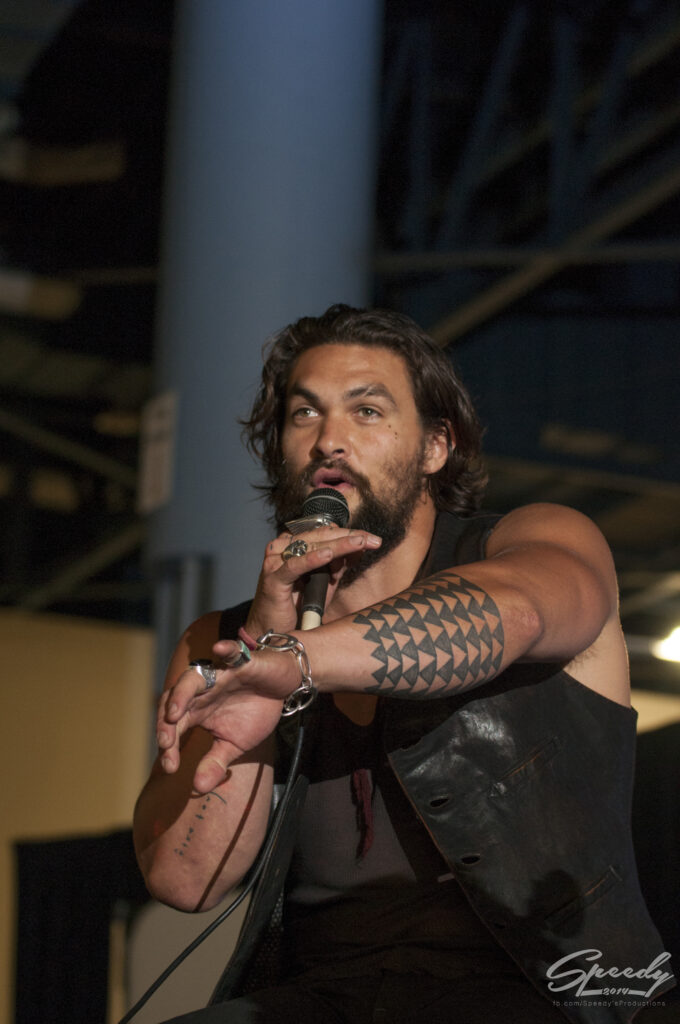
*Fast X* boasts an impressive and ever-expanding cast, a testament to the franchise’s ability to attract top talent. New additions like Jason Momoa as the unforgettable Dante Reyes, Daniela Melchior as Isabel Neves, Brie Larson as Tess Petty, and Alan Ritchson as Aimes, along with screen legend Rita Moreno as Abuelita Toretto, injected fresh energy into the ensemble. Larson, in particular, despite initial hesitations about joining another massive franchise after the MCU, ultimately called *Fast & Furious* her “dream franchise,” expressing genuine enthusiasm for her role as Mr. Nobody’s daughter and an ally to Dom.
However, the casting process wasn’t without its dramatic turns. The highly publicized feud between Vin Diesel and Dwayne Johnson once again resurfaced, with Johnson ruling out a return as Luke Hobbs for *Fast X*, labeling Diesel’s public plea for his return as “manipulation.” Despite this, Johnson ultimately made a surprising mid-credits scene cameo, signaling a potential shift in their dynamic and raising anticipation for future installments. Interestingly, Keanu Reeves was originally approached to play Aimes, a role eventually filled by Alan Ritchson after a serendipitous contact from Justin Lin.
The film also saw the unexpected and highly debated return of Gal Gadot’s character, Gisele Yashar, who was presumed dead in *Fast & Furious 6*. This resurrection, along with Johnson’s cameo, sparked mixed reactions among fans and critics, with some viewing it as “ineffective” fan service that undermined past narrative stakes, while others celebrated the return of a beloved character. Vin Diesel reasoned that Gisele’s inclusion in *Fast X* “fit the film,” suggesting a carefully planned re-entry into the saga.
With such a vast and continually expanding roster of characters, including Paul Walker’s presence through archival footage, challenges inevitably arose regarding narrative coherence and screen time. Critics and fans debated whether *Fast X* could adequately serve every character in a satisfying way, with concerns that some arcs might feel underdeveloped. The team emphasized the inclusion of Paul Walker’s Brian O’Conner, with Leterrier stating, “Brian is very much alive in [this franchise],” ensuring his family remains a vital part of the saga’s emotional core, promising a proper goodbye in the concluding chapters.
11. **The Staggering Cost: A Monumental Budget**
Producing a film of *Fast X*’s scale naturally comes with a hefty price tag, but the final budget figures were nothing short of monumental. Initially reported at $300 million in May 2022, the production budget was revised to $340 million by November of the same year. However, a more comprehensive report in April 2024 revealed that Universal’s total expenditure on the film reached a staggering $453.6 million, before a significant tax reimbursement.
Several factors contributed to this escalating financial commitment. Global inflation played a role, driving up material and operational costs across the board. Furthermore, stringent COVID-19 safety protocols mandated extensive pandemic testing requirements, adding substantial, unforeseen expenses to the production. A significant portion of the budget, reportedly $100 million, was allocated to cast salaries, with Vin Diesel alone commanding an estimated $20 million for his involvement, highlighting the high value placed on the franchise’s star power.
Reports from unnamed sources within the industry shed light on the intense atmosphere surrounding the budget and creative decisions. Vin Diesel, recognized by Universal as “simultaneously the greatest star [they’ve] had and their biggest headache,” reportedly “stressed” over the increased costs. His deep creative control and frequent, last-minute changes were described as “a process [which] is like a mosaic that doesn’t stop moving,” underscoring his demanding, perfectionist approach to shaping the Fast & Furious universe.
After accounting for a substantial $74 million tax reimbursement from the UK government for staging production in the country, the net production budget for *Fast X* settled at $378.8 million. This colossal figure officially positions *Fast X* as the fourth-most expensive film ever made, a testament to the franchise’s ambition and the sheer scale required to deliver its signature brand of action and global spectacle to audiences worldwide.
Read more about: Driving These 16 Electric SUVs? Here’s What Gas Truck Owners Secretly Think About You.

12. **A Global Cinematic Canvas: Filming Across Continents**
True to the *Fast & Furious* tradition, *Fast X* embraced a sprawling, global production schedule, transforming diverse international locales into the backdrop for its high-octane sequences. Principal photography commenced on April 21, 2022, and the cast and crew embarked on an ambitious journey that spanned multiple continents, underscoring the universal appeal and reach of the franchise. This extensive filming schedule was designed to capture authentic environments for the film’s dramatic set pieces.
The production team meticulously coordinated filming across several iconic European cities and beyond. Rome hosted two weeks of filming in May and one week in July, with scenes shot at historic sites such as the Via Cristoforo Colombo, Lungotevere, and the area around Castel Sant’Angelo. Turin followed, transforming Piazza Crimea and Corso Fiume into action zones. Filming also took place in London, Lisbon, Almada, Viseu, and Vila Real in Portugal, and Los Angeles, showcasing the logistical prowess required to manage such a complex endeavor.
These global shoots brought significant economic benefits to the host countries and cities. For instance, the two-week schedule in Turin alone reportedly generated €3.8 million for the local economy, primarily from location rent, hospitality, local workforce employment, and security services. Sofia Noronha, a producer for Sagesse Productions overseeing the Portugal shoot, highlighted the “brutal economic investment” made by the film in the country, noting that investments from film productions often double the tax incentives offered, benefiting local economies immensely.
Despite the grandeur of global production, challenges arose. Filming in Angelino Heights, the iconic location of the Toretto house in Los Angeles, faced protests from local residents. They raised concerns about road safety education, claiming the franchise inadvertently encouraged dangerous street racing in their neighborhood. Nevertheless, filming proceeded following the protest. Michelle Rodriguez even revealed that a significant fight sequence between her and Charlize Theron was shot without a principal director, highlighting the adaptability and resilience of the crew amidst the turbulent production changes.
Read more about: When Vision Meets Reality: The Star Who Moved a Continent and Other Cinematic Location Legends
13. **Wheels of Fortune: The Iconic Vehicles of Fast X**
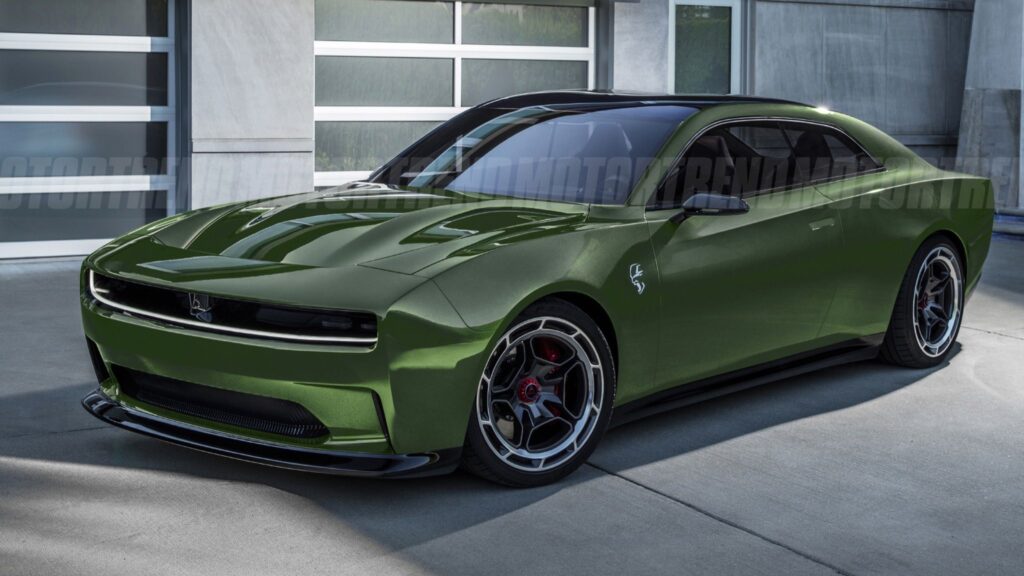
For a franchise built on speed and customized machines, the vehicles in *Fast X* were as central to the narrative as the characters themselves, offering a thrilling mix of innovation and nostalgia. This installment marked a significant milestone by introducing electric cars into the *Fast & Furious* universe, with leaked set photos revealing futuristic designs like the 2024 Dodge Charger Daytona SRT Banshee Concept and the striking gull-winged DeLorean Alpha5, hinting at the franchise’s evolution towards a new era of automotive power.
Alongside these electric pioneers, *Fast X* paid homage to the franchise’s enduring legacy by bringing back and featuring classic, muscle-bound vehicles that are synonymous with Dom Toretto and his crew. The iconic 1970 Charger R/T, a staple in Dom’s arsenal, made its powerful return, joined by other formidable Dodge models such as the 2022 TorRed Dodge Charger R/T and the menacing 2023 Dodge Charger SRT Hellcat Redeye. These selections reinforced the raw power and distinctive style that audiences have come to associate with the Fast family.
Adding a layer of fan-favorite excitement, the film also reportedly included the highly anticipated return of the orange and black Veilside Mazda RX-7 FD Fortune, a car first popularized in *The Fast and the Furious: Tokyo Drift* (2006). This inclusion was a deliberate nod to long-time fans, weaving together different threads of the expansive Fast & Furious cinematic tapestry and celebrating the diverse automotive culture that has always been at the heart of the saga.
The enduring partnership between Dodge and the *Fast & Furious* franchise continued strong in *Fast X*. A Dodge spokesperson affirmed their “long-standing marketing partnership,” which was evident in the prominent display of their vehicles, including the “Greys of Thunder” Dodge Charger Daytona SRT in promotional materials. This collaboration not only provided iconic vehicles for the film but also showcased Dodge’s commitment to both classic power and future innovation within the cinematic world of high-speed action.
Read more about: Remember These? 14 Classic Cars From the 1980s That Everyone Forgot About

14. **The Unforgettable Cliffhanger: Setting the Stage for the Grand Finale**
*Fast X* delivered on its promise of an adrenaline-charged, emotionally taxing experience, culminating in one of the most dramatic cliffhangers in the franchise’s history. The film’s conclusion left audiences on the edge of their seats, with Dominic Toretto and his son, Little B, making a desperate escape by driving off the edge of a dam, only for Dante Reyes to trigger explosives planted on the structure, leaving their fate hanging precariously in the balance.
Adding to the shockwaves, the film presented a jaw-dropping return in its final moments. In Antarctica, Gisele Yashar, a character long presumed dead since *Fast & Furious 6*, emerged from a submarine to rescue Letty and Cipher. This unexpected reappearance reignited fan discussions and added a complex layer to the ongoing narrative, suggesting that no character is truly gone in the Fast & Furious universe and setting the stage for future revelations.
The mid-credits scene further amplified the anticipation for the next installment. It featured the surprising return of Dwayne Johnson as Luke Hobbs, who infiltrates an abandoned theater only to be contacted by Dante. In a chilling exchange, Dante reveals that Hobbs will be his next target, blaming him for killing his father. Hobbs’ defiant response—crushing the phone with his bare hands and declaring he’s “not hard to find”—solidified his re-engagement with the franchise’s central conflict and promised an explosive showdown.
Ultimately, *Fast X* served as a masterclass in setting the stage for a grand finale. The intertwined fates of Dom, Little B, Gisele, Letty, Cipher, and now Hobbs, all under the looming shadow of Dante’s vengeful machinations, perfectly positions the next film as a truly epic and potentially devastating conclusion to the saga. The film’s dramatic conclusion ensures that audiences are not just eagerly awaiting the next chapter, but actively grappling with the profound implications of alliances shattered, sacrifices made, and the enduring, yet perilous, fight for family.
Read more about: Buckle Up, Fam! Everything You NEED to Know About Fast X – From Jaw-Dropping Stunts to Shocking Twists!
As we reflect on the labyrinthine production and intricate storytelling of *Fast X*, it becomes clear that this film is more than just another entry in a blockbuster franchise. It is a testament to resilience, adaptation, and an unwavering commitment to evolving a narrative that has defined a generation of action cinema. From the challenging directorial shifts and the staggering financial investment to the deliberate crafting of its narrative and the careful selection of its automotive stars, every element underscores the dedication to delivering a spectacle that resonates deeply with its audience. *Fast X* is a powerful reminder that even after two decades, the *Fast & Furious* saga continues to push boundaries, both on and off screen, promising an unforgettable journey towards its ultimate finish line. It invites us all to ponder: what does it truly mean to be family, and what price are we willing to pay to protect it, in a world where the past always catches up, and the future is anything but certain?