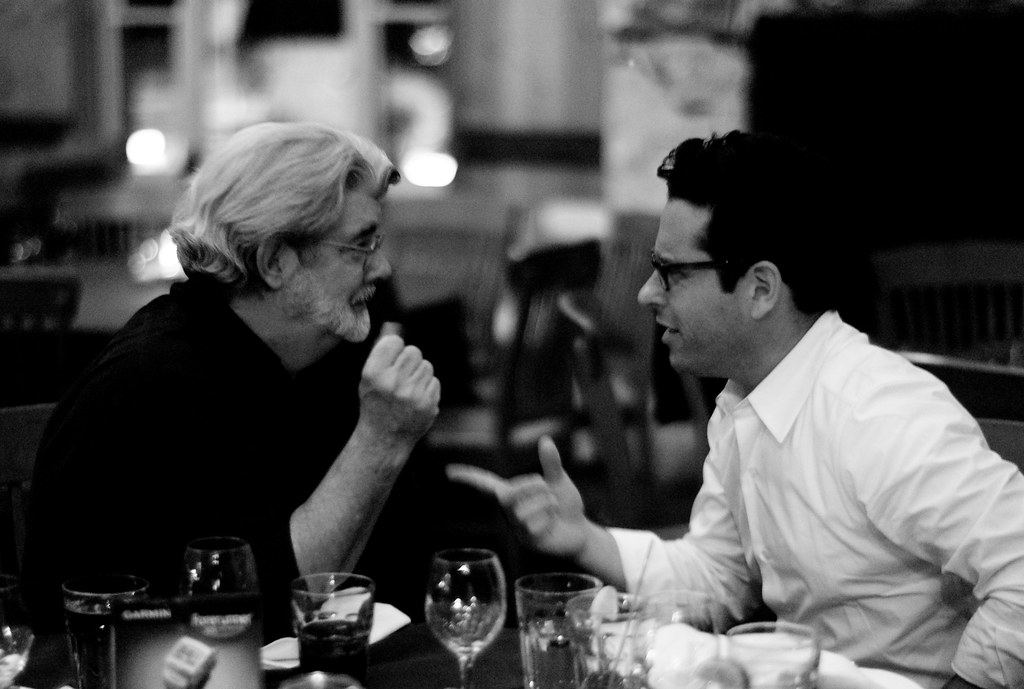
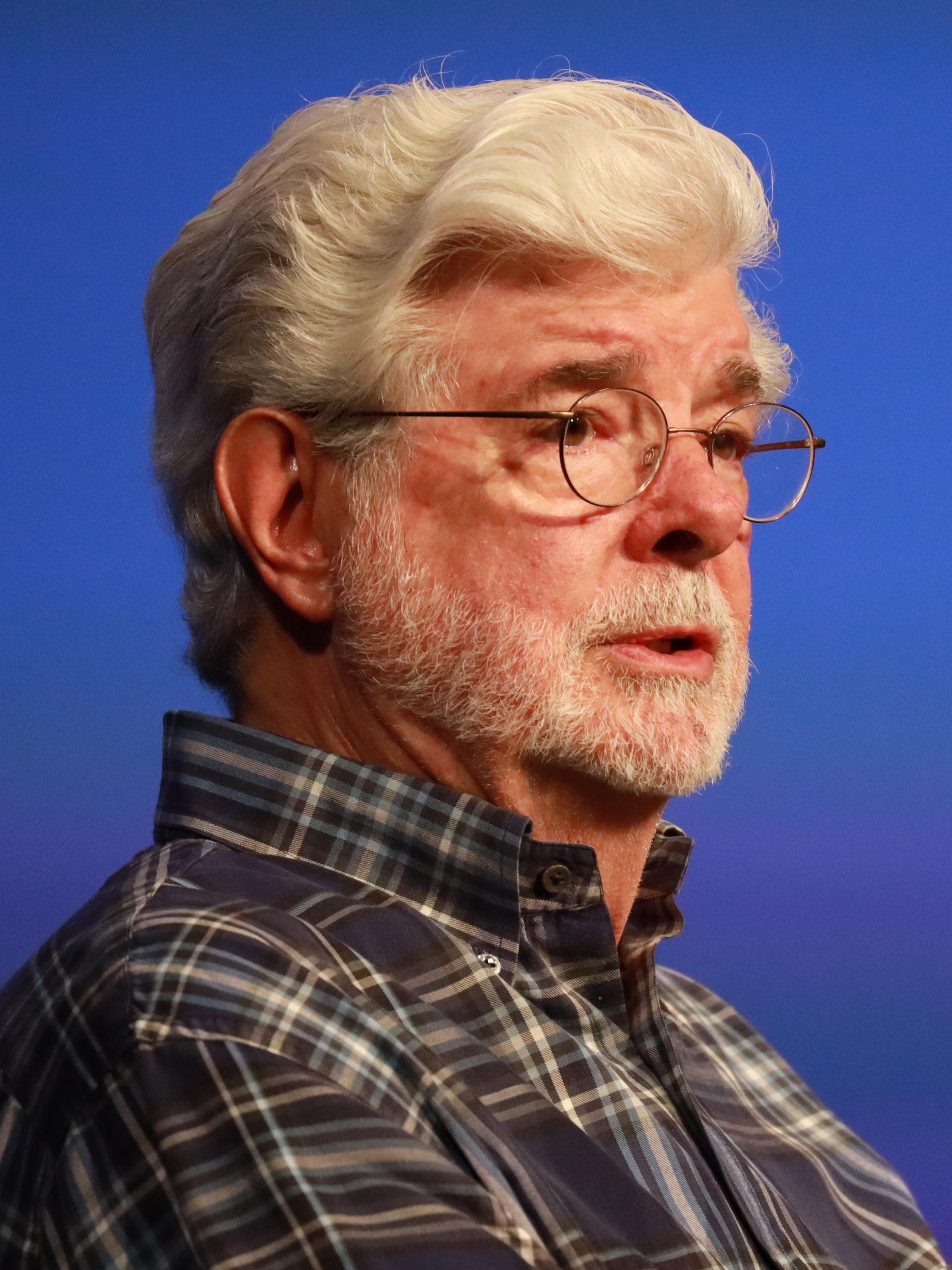
For decades, the name George Lucas was synonymous with Star Wars, a singular vision that reshaped cinematic storytelling and cultural mythology. So when the news broke in October 2012 that Lucasfilm, the empire he built, was being sold to The Walt Disney Company for an astounding $4.05 billion, the entertainment world collectively gasped. Many immediately gravitated towards the simplest explanation: money. After all, who could turn down such a colossal sum? Yet, to distill this monumental decision down to a single, easily digestible reason would be a disservice to the complex tapestry of personal ambition, creative exhaustion, and familial longing that truly underscored Lucas’s choice.
This wasn’t merely a transaction; it was a deeply emotional and strategic divestment by a creator who had spent over 40 years meticulously crafting a galaxy far, far away. At 68 years old, facing the prospect of another decade-long, high-stress commitment to shepherd a new trilogy, and with a young family on the horizon, Lucas found himself at a crossroads. The “one thing” that led him to sell was, in fact, an intricate constellation of factors, each profoundly impacting his desire to pass the torch and reclaim his own life.
In this analytical deep dive, we’ll peel back the layers of this landmark deal, moving beyond the surface-level financial headlines to explore the nuanced motivations that drove George Lucas to let go of the saga he brought into existence. We’ll examine the full breadth of what Disney acquired, the precise circumstances under which Lucas initiated the sale, and, most importantly, the intensely personal reasons—from prioritizing family to seeking refuge from relentless criticism and embracing a philanthropic legacy—that truly shaped this defining moment in Hollywood history.

1. The Astronomical Price Tag: $4.05 Billion
Let’s start with the elephant in the room, the figure that captured headlines and fueled initial speculation: a staggering $4.05 billion. This wasn’t just a sale; it was a seismic event in the entertainment industry, a transaction so massive it instantly transformed the media landscape. The sheer scale of the number spoke volumes about the immense value Lucas had built, cementing Star Wars as one of the most powerful and enduring intellectual properties on the planet.
However, it’s crucial to understand that this sum wasn’t simply a check handed over. The payment structure itself was a sophisticated blend of assets. Disney acquired Lucasfilm Ltd. for approximately $2.21 billion in cash, providing a substantial immediate payout. This cash component was a significant part of the deal, offering Lucas immediate financial liquidity and affirming the company’s robust value.
The remaining portion of the transaction, valued at approximately $1.84 billion at the time of the deal’s closing, came in the form of approximately 40 million shares of Disney stock. This meant that George Lucas, the sole owner of Lucasfilm, didn’t just walk away with a pile of money; he became one of the largest individual shareholders in The Walt Disney Company. This strategic inclusion of stock aligned Lucas’s interests with Disney’s future success, turning him into a vested partner in the ongoing fortunes of the House of Mouse and its newly acquired assets.

2. The Full Scope of the Acquisition: Beyond Just Star Wars
While Star Wars was undeniably the crown jewel, the acquisition by Disney was far more comprehensive than simply buying a film franchise. When Disney purchased Lucasfilm Ltd., they didn’t just acquire the rights to a beloved space opera; they absorbed an entire ecosystem of creativity, technology, and intellectual property that Lucas had painstakingly developed over decades. This was a complete absorption of a media powerhouse, not a mere licensing deal.
The deal granted Disney full rights to the entire Star Wars franchise, a universe ripe with storytelling potential across multiple mediums. But beyond lightsabers and the Force, Disney also gained control of the iconic Indiana Jones franchise, another globally recognized adventure property with significant merchandising and cinematic potential. Furthermore, other smaller Lucasfilm properties were included, showcasing the depth of intellectual property Lucasfilm commanded.
The acquisition also encompassed Lucasfilm’s formidable production companies. This included Lucasfilm Ltd. itself, the primary film production entity responsible for bringing Lucas’s visions to the screen. It also brought LucasArts, the company’s video game division, under Disney’s banner, alongside Lucasfilm Animation, which had been developing animated series and features. These companies represented established infrastructure and creative talent that could be immediately integrated into Disney’s vast operations.
Perhaps most strategically, Disney acquired two of the most revered names in the post-production world: Industrial Light & Magic (ILM) and Skywalker Sound. ILM, the world-renowned visual effects house, has been at the forefront of cinematic innovation for over 40 years, setting industry standards for visual spectacle. Similarly, Skywalker Sound is an industry-leading sound design studio, responsible for some of film’s most memorable auditory landscapes. These technological and artistic powerhouses provided Disney with unparalleled in-house capabilities, elevating their own production potential.
Finally, the acquisition included Lucas Licensing, the division dedicated to managing all product licensing for Lucasfilm’s properties. This was a critical component, as Star Wars merchandise alone represents a colossal revenue stream, extending the brand’s reach far beyond the silver screen into toys, apparel, and countless other consumer products. Disney’s proven expertise in merchandising meant they were ideally positioned to maximize this aspect of the Lucasfilm empire.
3. George Lucas Initiating the Sale: A Premeditated Handover
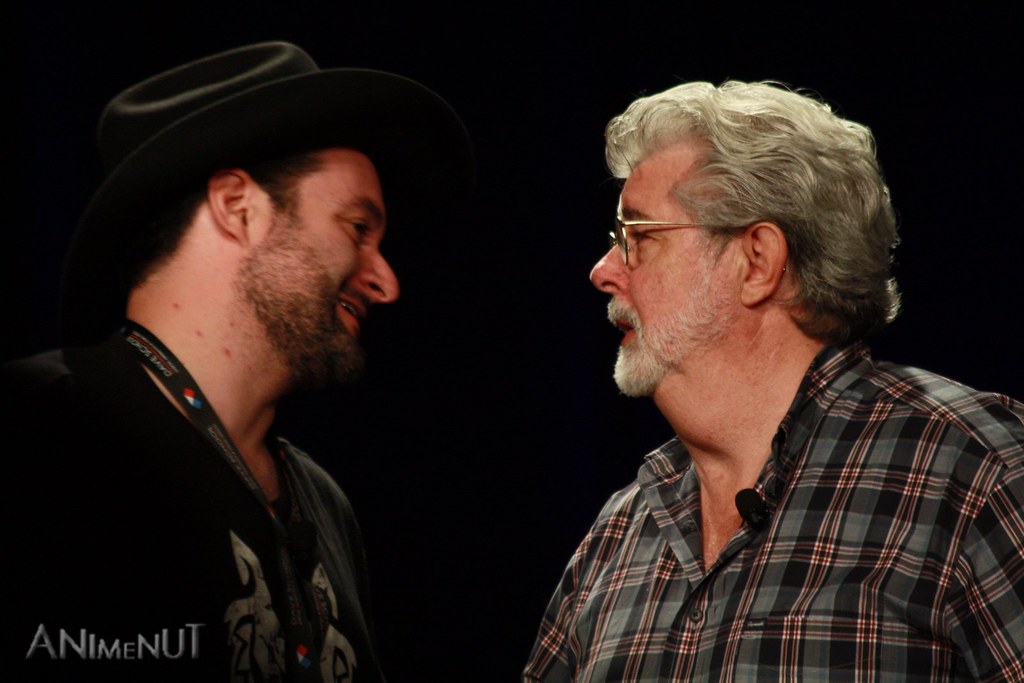
Contrary to any speculation that Disney might have aggressively pursued the acquisition, the reality is that George Lucas himself initiated the process. This was not a reactive decision but the culmination of years of deep contemplation about his retirement and, critically, the future legacy of Star Wars. Lucas wasn’t caught off guard; he was deliberately planning his exit and ensuring his creation would be in capable hands.
His foresight was evident as early as 2011 when he brought Kathleen Kennedy aboard Lucasfilm as co-chair. This move wasn’t just about bringing in new talent; it was a deliberate act of grooming a successor, preparing Kennedy to eventually take the reins and guide the company forward without his daily involvement. It signals a long-term strategic vision, indicating that the idea of stepping back had been percolating for some time, well before concrete negotiations began.
By early 2012, Lucas had decided. He approached Disney’s then-CEO, Bob Iger, to begin a serious discussion about a potential sale. His choice of Disney was far from arbitrary; he believed it was the right “home” for Star Wars. Lucas publicly cited Disney’s impressive track record of successfully managing and revitalizing other major brands, such as Pixar and Marvel, while crucially respecting their creative cores. This demonstrated an analytical assessment on Lucas’s part, choosing a partner he felt would honor and expand his universe responsibly.
Lucas didn’t just want to sell; he wanted to ensure the continued vitality of Star Wars. He wanted to see his creation passed on to a new generation of filmmakers and guided into the future. Iger, astute to the immense potential of the Star Wars universe, immediately recognized the opportunity. This led to discreet, secret negotiations that ultimately resulted in the landmark announcement that reshaped the entertainment industry and set the course for Star Wars’ future.

4. The Deeply Personal Motivation: Family Over Franchise
While the financial aspect of the sale was undeniably massive, George Lucas’s primary motivations were not monetary. At the heart of his decision was a deeply emotional and personal desire to prioritize his family above the relentless demands of blockbuster filmmaking. This wasn’t a business choice driven by profit maximization; it was a life choice driven by love and a yearning for a different kind of fulfillment.
As Lucas himself articulated, “I was 69. So the question was, ‘Am I going to keep doing this for the rest of my life? Do I want to go through this again?’ Finally, I decided I’d rather raise my daughter and enjoy life for a while.” This candid reflection reveals a man confronting his age, his remaining time, and the sacrifices he had made. The prospect of embarking on another decade-long, all-consuming commitment to a new Star Wars trilogy was incompatible with the future he envisioned for himself.
Lucas and his then-fiancée, Mellody Hobson, were planning to start a family. His daughter was born via surrogate in 2013, making Lucas an expectant father at an age when many are winding down their careers. The demanding, often grueling, schedule of a Star Wars director – requiring intense involvement in every stage from scriptwriting to post-production and marketing – was simply not conducive to being a present and engaged father. He recognized that to truly embrace fatherhood, he needed to step away from the professional obligations that had defined much of his adult life.
This decision underscores a profound shift in priorities. After spending four decades building one of the most successful film franchises in history, Lucas chose to relinquish control to gain something invaluable: time with his family. It was a trade-off of professional legacy for personal joy, a testament to the fact that for George Lucas, some things were more important than continuing to helm the galaxy he created.
Read more about: 14 Cinematic Clashes: Where On-Screen Tension Was Palpable and Stakes Were Sky-High
5. Creative Burnout and Fan Criticism: The Toll of the Prequels
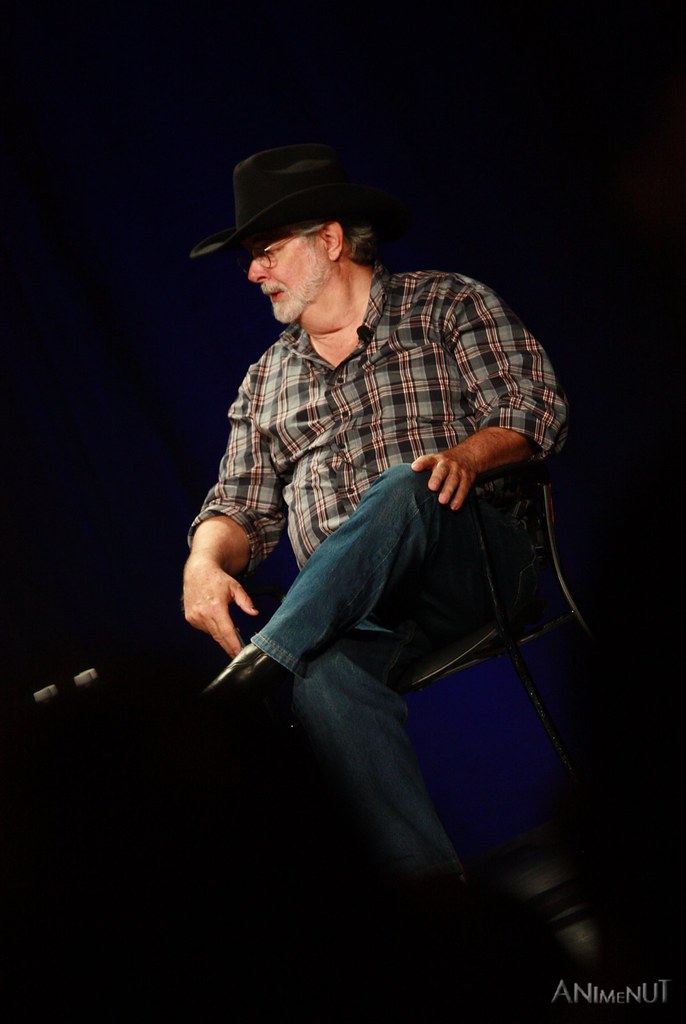
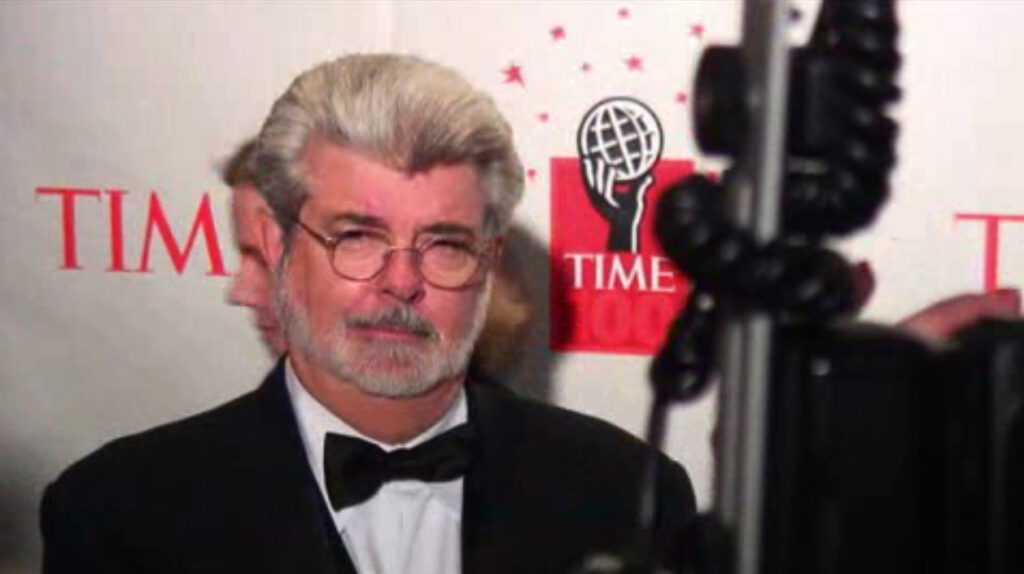
Another significant, albeit less discussed, factor contributing to Lucas’s decision was the sheer creative exhaustion and emotional toll inflicted by the intense scrutiny and often harsh criticism he faced, particularly following the prequel trilogy. He had spent his life creating Star Wars, a 40-year odyssey that demanded everything from him, and the constant pressure had become immense.
Lucas often described the process of making a Star Wars film as an “all-consuming, decade-long commitment.” Each trilogy was a Herculean effort, requiring meticulous world-building, technological innovation, and navigating immense commercial expectations. After completing the prequel trilogy in 2005, he was 68 in 2012, facing the daunting prospect of another 10 years of this high-stress work if he were to undertake a sequel trilogy himself. The creative well, if not dry, was certainly feeling the strain.
Moreover, the fan reaction to the prequel trilogy had been intensely polarizing, and often, outright critical. While Lucas publicly defended his creative choices, interviews in the years following the sale revealed just how deeply the backlash affected him. He described the constant criticism as painful and frustrating, a feeling that no matter what he did, a vocal segment of the fanbase would be unhappy or demand something different. This relentless scrutiny created a suffocating environment, making the creative process less enjoyable and more of a burden.
Selling the franchise, in a way, became an act of liberation. It freed him from this constant scrutiny and the immense pressure to please an ever-demanding fanbase. It allowed him to hand the reins to a new team, hoping they could create something for the fans without the “baggage” he carried as the original creator. This act of stepping aside was, in part, a plea for the franchise to breathe and evolve without his every move being compared, analyzed, and often, criticized, enabling him to escape the creative crucible.
6. A Desire for “Garage Filmmaking”: Returning to Experimental Roots
Before the monolithic success of Star Wars, George Lucas was an experimental filmmaker, a visionary who pushed cinematic boundaries with projects like ‘THX 1138’ and ‘American Graffiti’. The Star Wars saga, while groundbreaking, eventually consumed this aspect of his artistic identity. A key motivation behind selling Lucasfilm was his profound desire to return to this earlier, more unencumbered form of filmmaking – what he affectionately referred to as “garage filmmaking.”
He expressed a strong yearning to shed the immense weight of commercial expectations and the pressures of managing a multi-billion-dollar franchise. Blockbuster filmmaking, by its very nature, involves massive budgets, extensive crew, and the need to appeal to the broadest possible audience to recoup investment. This environment is diametrically opposed to the freedom and intimacy of independent or experimental cinema, where artistic vision often takes precedence over box office receipts.
Lucas wanted to make smaller, more personal films, projects that might not be commercially viable on a large scale but would allow him to explore themes and techniques without the constraints of a major studio system. This desire wasn’t about quitting film entirely but rather about re-engaging with the craft on his own terms, rediscovering the joy of creation free from the global demands of Star Wars. It was a testament to his artistic spirit, seeking to rekindle the fire of his early career.
For a filmmaker whose entire adult life had been defined by a single, colossal franchise, this desire to retreat to a more artisanal approach was a powerful pull. It represented reclaiming creative autonomy, a chance to simply make movies for the sake of making them, rather than for the sake of maintaining an empire. Selling Star Wars was the necessary step to open this new chapter, allowing him to be an artist first, and a mogul second.
7. The Philanthropic Legacy: Donating the Billions to Education
Perhaps the most compelling evidence that George Lucas’s motivations were not primarily financial lies in what he did with the vast majority of the $4.05 billion he received from the sale. While such a fortune could easily fund a life of unparalleled luxury, Lucas chose a different path, one that cemented his legacy not just as a filmmaker, but as a dedicated philanthropist.
Shortly after the sale was announced, Lucas made it clear that he intended to donate the majority of the proceeds to philanthropy, with a primary and unwavering focus on education. This wasn’t a vague promise; it was a firm commitment to channeling his acquired wealth into a cause he passionately believed in. He reinforced his long-held conviction that education is the fundamental key to human survival and progress, seeing it as the most impactful way to invest in the future.
To facilitate this ambitious philanthropic endeavor, Lucas established the Lucas Goundation for Education. This foundation became the vehicle through which his monumental gift would be distributed, supporting various educational initiatives and institutions. This act solidified his legacy in a profound way, demonstrating that the Star Wars sale was less about personal enrichment and more about creating a lasting positive impact on society.
By directing his wealth towards education, Lucas showcased a vision that extended far beyond the box office. He transformed a personal financial windfall into a societal investment, positioning himself as a major force in educational philanthropy. This move underscored the true depth of his motivations, proving that for George Lucas, the sale of his empire was ultimately about empowering future generations and leaving a mark that would transcend the silver screen, reaching into classrooms and communities worldwide.
The sale of Lucasfilm marked a pivotal moment, not just for George Lucas personally, but for the entire Star Wars universe. As the architect of a sprawling galaxy, Lucas had deeply considered its future, meticulously crafting narrative ideas for what would become the sequel trilogy. However, the path Disney chose diverged sharply from his original blueprint, leading to a complex aftermath of creative choices, emotional responses, and an undeniable shift in the franchise’s trajectory.
8. George Lucas’s Original Vision for the Sequel Trilogy: The Whills and New Mythology
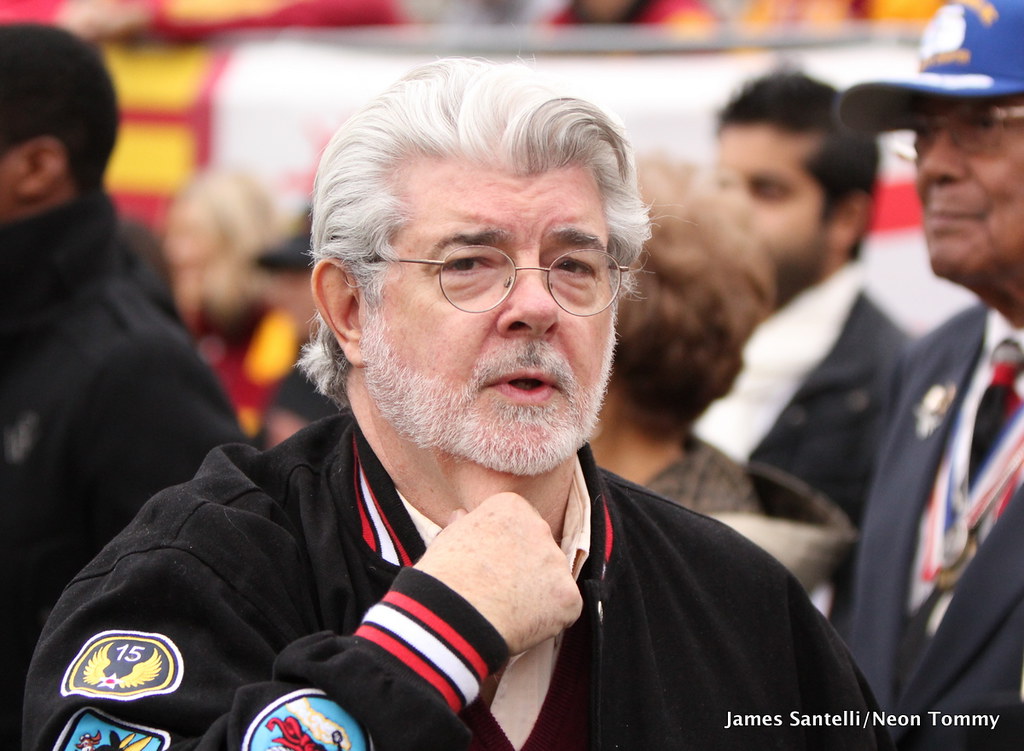
When George Lucas handed over the keys to his kingdom, he didn’t just pass on a brand; he also provided Disney with his detailed story treatments and outlines for a sequel trilogy. This wasn’t a blank slate; it was a deeply considered narrative framework that promised to push the boundaries of Star Wars lore in philosophical and metaphysical ways, reflective of Lucas’s lifelong exploration of the Force’s deeper meanings.
His vision was reportedly rooted in the “microbiotic world” of the Whills, an ancient, microscopic race that lives within the Force itself and communicates with the midi-chlorians. This concept aimed to delve into the very essence and true nature of the Force, moving beyond the traditional good-versus-evil narrative to explore moral and philosophical ambiguities that had always intrigued Lucas. It represented a desire to expand the universe’s foundational mythology, offering audiences a new lens through which to understand the galaxy.
In Lucas’s treatment, the narrative would have featured a young female protagonist named Kira, a character who shared conceptual similarities with Rey, the hero Disney eventually introduced. This Kira would have embarked on her own journey of discovery and destiny. Crucially, Lucas also envisioned a significant role for Luke Skywalker, who would have been actively engaged in rebuilding the Jedi Order, serving as a mentor and a central figure in the evolving galactic conflict.
Adding another layer of intrigue, Darth Maul was reportedly slated to return as the primary villain in Lucas’s proposed sequels. Having survived his apparent demise in *The Phantom Menace*, Maul would have leveraged his cunning and dark side power to build a formidable criminal empire. This would have presented a unique antagonist, one whose past connection to the Skywalker saga could have offered a rich, complex threat distinct from the traditional Sith Lord.
9. The Divergence: Disney’s “Retro Movie” Approach
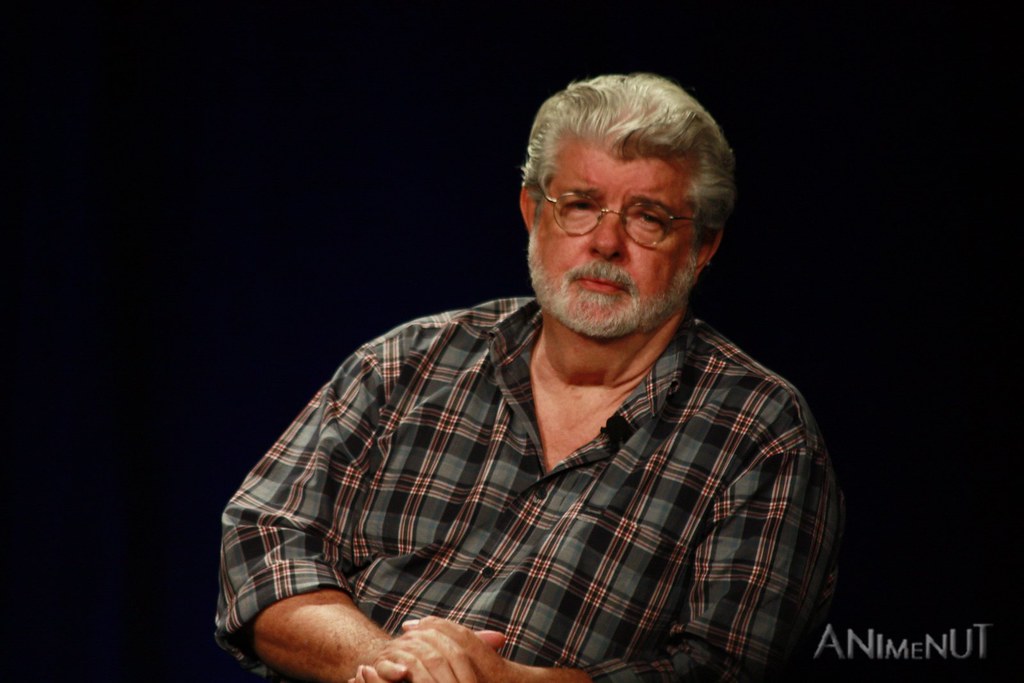
Despite Lucas providing his comprehensive story treatments, Disney and the new creative leadership at Lucasfilm, helmed by Kathleen Kennedy and later director J.J. Abrams, ultimately decided to steer the sequel trilogy in a different direction. This decision marked a significant departure from Lucas’s outlined vision, prioritizing a different strategy for reigniting the franchise for a new generation.
The new team, in particular with *The Force Awakens*, aimed to create a film that felt tonally and structurally similar to the original trilogy. Their goal was to re-engage a broad audience by evoking a sense of nostalgia, providing familiar character archetypes, and delivering the kind of fast-paced, character-driven action that defined the classic films. This was a deliberate choice to ground the new stories in recognizable elements of the Star Wars universe, rather than venturing into Lucas’s more abstract philosophical territories.
In essence, Lucas’s core story ideas, including the deep dive into the Whills and a returning Darth Maul, were effectively set aside. While elements like a young female protagonist and an older, disillusioned Luke Skywalker eventually materialized, their narrative arcs and surrounding mythology diverged fundamentally from Lucas’s original treatments. Disney’s approach prioritized a more accessible, emotionally resonant narrative that leaned heavily on the established legacy of the original saga.
This shift meant that while the sequels would continue the Skywalker saga, they would do so by revisiting familiar themes and conflicts, rather than introducing entirely new metaphysical frameworks. The focus became less about expanding the very fabric of the Force through the Whills, and more about exploring generational conflict, the continuing struggle between Light and Dark, and the search for identity within a universe still grappling with the echoes of its past heroes and villains. It was, in Lucas’s own words, a “retro movie” – a conscious decision to look back rather than solely forward.
10. Lucas’s Emotional Response to the Creative Handover: “Breakup” and “White Slavers”
The handover of Star Wars was undeniably a “very, very painful” experience for George Lucas, despite his firm conviction that it was the “right thing to do.” His relationship with the franchise was deeply personal, having invested 40 years of his life into its creation. The emotional complexity of letting go, coupled with the subsequent creative decisions, led to a mixed bag of feelings for the legendary filmmaker.
In a candid 2015 interview, Lucas famously expressed his disappointment, likening the sale to a “breakup.” He went further, referring to Disney as “white slavers” who had bought his “kids,” a highly charged comment for which he quickly and publicly apologized. This incendiary remark, though regretted, powerfully conveyed the profound sense of loss and proprietary attachment he felt toward his creation, as if his artistic offspring had been taken from him.
His frustration largely stemmed from seeing his carefully developed story ideas for the sequel trilogy being set aside. Lucas clarified that he felt Disney “wanted to make a retro movie” and that he had personally “moved past that.” This suggests a creative dissonance: Lucas was eager to explore new frontiers within the Star Wars mythology, while Disney, perhaps more cautiously, aimed to recapture the magic of the original trilogy. It was a clash of visions, where the original creator’s blueprint was ultimately disregarded.
Despite these pangs of creative disappointment and the understandable emotional toll, Lucas has consistently maintained that he does not regret the decision to sell Lucasfilm itself. He understands that when you sell a property, the new owner inherently gains the right to pursue their own vision for it. For Lucas, the personal freedom and family time he gained, along with the philanthropic opportunities, ultimately outweighed the heartbreak of seeing his specific sequel ideas unrealized.
11. The Micromanagement Factor: Why Disney Needed Distance
One cannot discuss the creative handover without acknowledging George Lucas’s renowned micromanaging nature. For decades, he had maintained an unparalleled level of control over every facet of the Star Wars universe, a factor that both defined its singular vision and, arguably, contributed to his eventual burnout. This deep-seated involvement naturally presented inherent challenges when considering a transition of power.
Lucas himself openly admitted his tendency to be deeply hands-on. In an interview, he explained that having someone else run the studio while he retained ownership simply “wasn’t the same as retiring” for him. His very presence, his history, and his inherent inclination to be involved would have made true creative independence for a new team incredibly difficult, if not impossible. He knew that if he were still technically “in charge,” he would inevitably “get involved with future projects.”
This self-awareness hints at why Disney likely made the strategic decision not to deeply involve Lucas in the day-to-day creative process for the new trilogy. While he had provided his outlines, stepping back from the actual execution allowed the new team to establish its own creative voice and direction without the immense shadow of the creator looming over every decision. It was a pragmatic choice, perhaps difficult for Lucas, but necessary for Disney to assert its new stewardship.
The quote, “I’ve spent my life creating ‘Star Wars’ — 40 years — and giving it up was very, very painful,” speaks volumes. It highlights the profound personal attachment that made relinquishing creative control a complex and emotionally fraught process. While Lucas desired input, Disney’s need to chart its own course for the future of the franchise meant a certain degree of distance was essential to allow for a fresh creative perspective to take hold.
12. Business Triumphs Under Disney: A New Era of Expansion
Regardless of creative debates, from a purely business and cultural relevancy standpoint, the sale of Star Wars to Disney has been an overwhelming success. Disney’s immense financial power, marketing prowess, and established infrastructure have injected unprecedented new life and resources into the franchise, ensuring its survival and growth for decades to come.
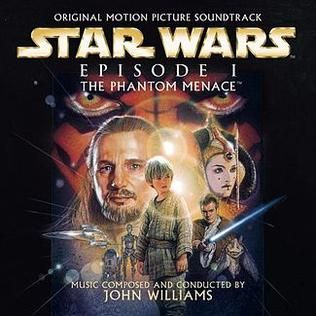
The most visible triumph has been the rapid expansion of the cinematic universe. Since the acquisition, Disney has released five feature films: a complete sequel trilogy (*The Force Awakens*, *The Last Jedi*, *The Rise of Skywalker*) and two standalone “Story” films (*Rogue One* and *Solo: A Star Wars Story*). This consistent output kept Star Wars firmly in the global spotlight, attracting new fans while energizing existing ones.
Beyond the big screen, Disney+ has become a crucial new frontier for Star Wars storytelling. Critically acclaimed and immensely popular live-action series like *The Mandalorian*, *Andor*, and *Obi-Wan Kenobi* have captivated audiences, exploring new corners of the galaxy and deepening existing characters. These shows have been instrumental in driving subscriptions to the streaming service, showcasing the brand’s incredible drawing power across multiple formats.
The expansion has also permeated every other facet of media. A constant stream of new books, comics, video games, and animated series ensures that Star Wars remains a pervasive presence in the cultural conversation. Disney’s extensive licensing and merchandising expertise has further maximized these revenue streams, extending the brand’s reach far beyond cinematic narratives into countless consumer products and experiences.
Perhaps the most ambitious manifestation of Disney’s investment is the creation of “Star Wars: Galaxy’s Edge” at its theme parks. These immersive lands offer fans an unparalleled opportunity to step directly into the Star Wars universe, complete with iconic vehicles, characters, and themed attractions. This kind of large-scale, experiential entertainment would have been virtually impossible for Lucasfilm to build alone, demonstrating the unique synergy Disney brought to the table.
Read more about: From Scarcity to Stardom: 12 Inspiring Journeys of Resilience and Remarkable Success
13. Creative Debates and Fan Division: The Aftermath of Disney’s Star Wars
While the business success of Star Wars under Disney is undeniable, the creative output has undeniably become a subject of intense debate among fans. This is the “great debate,” with opinions often sharply divided on the quality, coherence, and fidelity of the new stories to the established lore.
The sequel trilogy, in particular, received a mixed response. Critics and fans alike pointed to a perceived lack of a cohesive plan across *The Force Awakens*, *The Last Jedi*, and *The Rise of Skywalker*. The shifts in directorial vision between episodes, and the seemingly reactive storytelling, led to a sense of narrative inconsistency that alienated some long-time followers, even as others championed individual films for their bold choices.
However, it’s crucial to acknowledge that not all creative endeavors under Disney have faced such scrutiny. Many of the live-action series on Disney+, such as *The Mandalorian* and *Andor*, have been lauded for their strong storytelling, character development, and ability to expand the universe in fresh, compelling ways. These projects have often succeeded by exploring different eras and characters, thereby sidestepping some of the intense expectations tied to the core Skywalker saga.
Ultimately, the sale undeniably injected new life and immense resources into the franchise. It ensured Star Wars would not stagnate but would continue to evolve and adapt for future generations. While creative debates will likely persist for as long as the Force is with us, Disney’s stewardship has secured the franchise’s survival and growth, pushing its boundaries in ways George Lucas, by his own admission, was no longer able or willing to do.
George Lucas sold Star Wars to Disney for deeply personal and professional reasons, far removed from mere financial gain. It was a conscious decision to reclaim his life, prioritize family, and pursue his passion for experimental filmmaking, all while ensuring the galaxy he created would continue to thrive under new guardianship. Despite the understandable pangs of seeing his own creative blueprints take a different course, the sale fundamentally achieved his primary goals. Star Wars, under Disney, has exploded into an even vaster cultural phenomenon, securing its place for decades to come, while its visionary creator has found freedom and dedicated his fortune to shaping a different kind of future: one focused on education. The Force, it seems, truly found a new home, and in doing so, allowed its original master to find his own peace.