In the vibrant tapestry of professional sports, some franchises are born from decades of rich history, while others arrive as fresh faces, eager to carve their own legacy. The Houston Texans, a comparatively young but fiercely determined contender in the National Football League, certainly fall into the latter category. Their journey, marked by both growing pains and moments of exhilarating triumph, is a story rich with intriguing details that often fly under the radar of casual fans. It’s a tale of resilience, community pride, and the relentless pursuit of gridiron glory.
Indeed, the Texans are more than just a football team; they are a symbol of Houston’s spirit, a testament to the city’s unwavering passion for the game. From their very inception, born out of a desire to reclaim NFL prominence for the city, to their current trajectory under exciting new leadership, their story is packed with the kind of quirky facts and pivotal moments that make sports so endlessly fascinating. Forget what you think you know, because we’re about to delve into some truly memorable Texans tidbits.
So, prepare to embark on a thrilling exploration of this dynamic franchise. We’ll unearth the captivating history of how the Texans came to be, dissect the thoughtful choices behind their iconic name and imagery, trace their on-field evolution through various coaching tenures, and examine their quest for championship gold. Get ready to discover the heart and soul of the Houston Texans, one fascinating detail at a time!
1. The Genesis Story: From Oilers to Texans
The story of the Houston Texans begins not with their birth, but with a significant void left in the heart of a passionate football city. Before the Texans, Houston was home to the Oilers, an NFL franchise that had been a part of the city’s identity for decades. However, in 1996, the Oilers controversially moved to Nashville, eventually becoming the Tennessee Titans in 1999, leaving Houston without a professional football team. This departure created a deep longing among fans, a yearning for the roar of Sunday afternoons to return.
Into this void stepped Houston entrepreneur Bob McNair. Initially, McNair had a failed bid to bring a National Hockey League (NHL) expansion team to the city in 1997. However, with the NFL contemplating adding another expansion franchise to reach 32 teams – and Houston being a favorite alongside Toronto and Los Angeles – McNair shifted his focus to football. He founded Houston NFL Holdings with partner Steve Patterson, and together with the Houston Livestock Show and Rodeo, they championed a bid for a new domed stadium. Their efforts paid off handsomely on October 6, 1999, when the NFL awarded the 32nd team to Houston, at a staggering cost of $700 million.
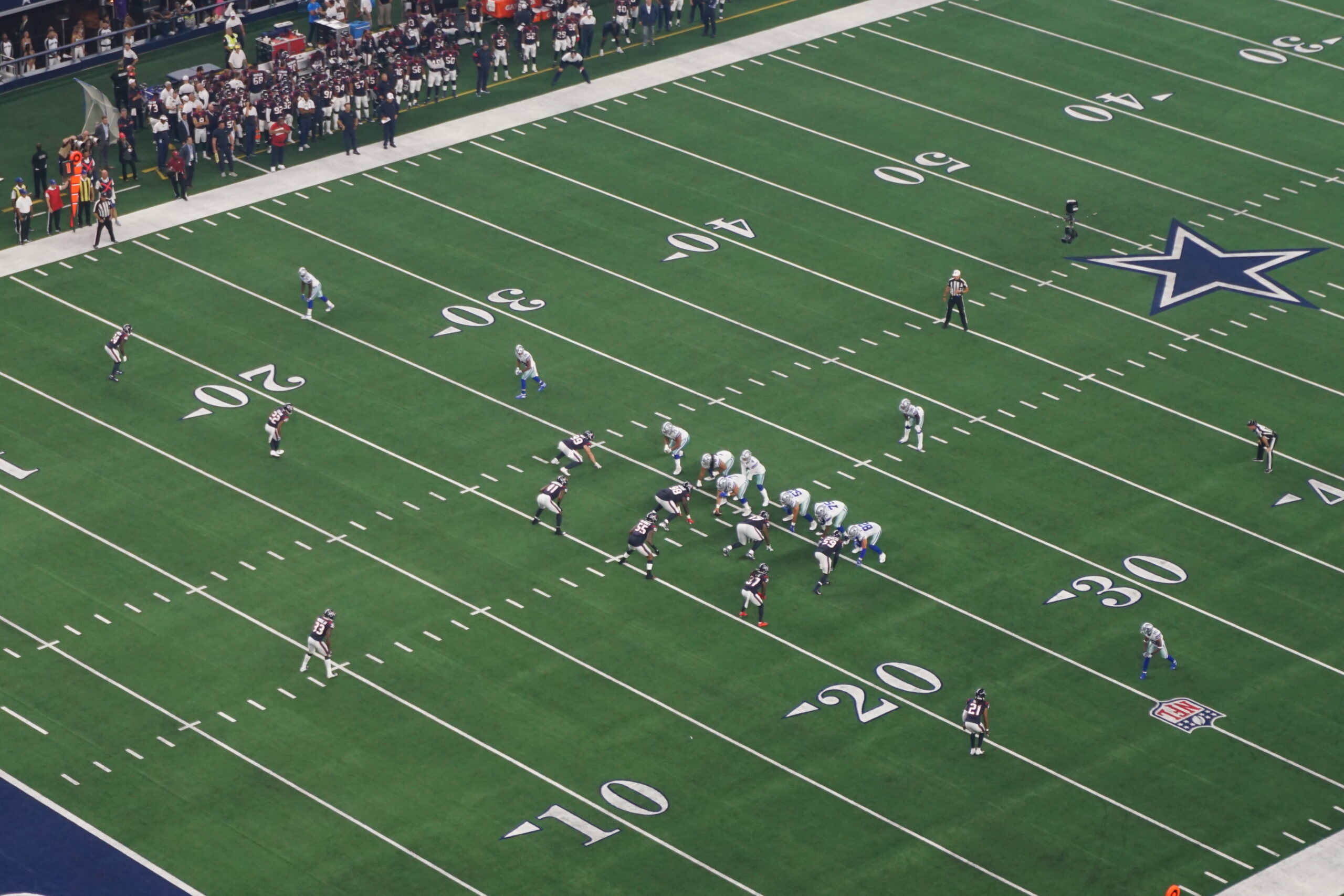
The Houston Texans officially joined the NFL in the 2002 season, making them the youngest franchise currently competing in the league. Their debut was nothing short of historic. On September 8, 2002, playing their opening game against the Dallas Cowboys, the Texans made an immediate statement by winning. This victory marked them as the first expansion team to win its opening game since the Minnesota Vikings accomplished the feat way back in 1961, immediately endearing them to a city that had waited patiently for its NFL return.

2. Crafting an Identity: Name, Logo, and Iconic Colors
Naming a new professional sports franchise is no small task, especially when it aims to capture the essence of a vibrant city and state. For the Houston Texans, the process was a meticulous and extensive endeavor. The team leadership, in conjunction with Houston NFL 2002 and NFL Properties, conducted thorough research, which included an online survey that garnered more than 65,000 responses in just one week. This broad community input eventually helped narrow down the choices to five compelling names: Apollos, Bobcats, Stallions, Texans, and Wildcatters.
Ultimately, on September 6, 2000, amidst a downtown rally attended by thousands, the NFL’s 32nd franchise was officially christened the Houston Texans. Owner Bob McNair articulated the profound reasoning behind the chosen name and logo, stating they were selected to “embody the pride, strength, independence and achievement that make the people of Houston and our area special.” Interestingly, McNair even sought and received permission from Lamar Hunt, owner of the Kansas City Chiefs (who were once the Dallas Texans in the AFL), to use the Texans name, adding a respectful nod to football history. It’s also a subtle homage to the naming style of the NHL’s Montreal Canadiens, who likewise named their team after their demonym.
Alongside the name, McNair unveiled the team’s distinctive logo: an abstract depiction of a bull’s head. This emblem is ingeniously designed to simultaneously resemble the flag and the geographical outline of the state of Texas. The bull’s eye, a lone star, features five points, each symbolizing a core value: pride, courage, strength, tradition, and independence. The team’s signature colors were also introduced as “Deep Steel Blue,” “Battle Red,” and “Liberty White.” The bull itself, a powerful and iconic image, further signifies Texas’ historical cattle ranching economy, which played a crucial role in the state’s early 19th-century settlement.
3. NRG Stadium: The Texans’ Home Field Advantage
Every great football team needs a place to call home, a coliseum where legends are forged and dreams take flight. For the Houston Texans, that hallowed ground is NRG Stadium, which has been their formidable fortress since their inaugural season in 2002. Initially known as Reliant Stadium, this state-of-the-art venue quickly became synonymous with the Texans’ identity, providing a grand stage for countless Sunday afternoon battles and establishing a true home field advantage that resonates throughout the league.
The stadium isn’t just a place where professional football is played; it’s a living, breathing entity, especially in sections like the ‘Bull Pen.’ Located behind the north end zone, the Bull Pen is the spiritual heart of the Texans’ fan base. It’s here that some of the most avid and dedicated supporters gather, transforming games into vibrant spectacles of noise and color. These regular members have not only helped cultivate many of the team’s fan traditions, but they are also the architects of unique songs and chants that fuel the energy on game day.
Beyond its primary role as a football stadium, NRG Stadium also plays a significant role in the broader Houston community. Its very existence was a key component in Bob McNair’s successful bid to bring the NFL back to Houston, often tied to the city’s other major events like the Houston Livestock Show and Rodeo. This multi-purpose functionality underscores the stadium’s importance, not just to the Texans, but as a central hub for entertainment and communal gathering in the city, ensuring it remains a landmark brimming with local pride and cherished memories.

4. The Capers and Kubiak Years: Laying the Groundwork
The Texans’ early years were, predictably, a mix of ambitious aspirations and the harsh realities of being an expansion team. Under their first head coach, Dom Capers, who helmed the team from 2002 to 2005, the Texans navigated the tricky waters of building a franchise from scratch. Their debut season saw a 4–12 record, followed by a slight improvement to 5–11 in 2003. By 2004, the team showed further progress, finishing with a 7–9 record, indicating a slow but steady climb. However, the 2005 season proved to be a significant setback, as the Texans stumbled to a dismal 2–14 record, the worst in the league, which ultimately led to Capers’ firing and positioned them with the coveted top pick in the 2006 NFL Draft.
Hope arrived in 2006 with the hiring of native Houstonian Gary Kubiak as head coach. Kubiak’s tenure, which lasted until 2013, marked a turning point for the franchise, as he began to steer the team towards consistent improvement. Under his leadership, the Texans achieved a respectable .500 season (8–8) in both 2007 and 2008, a clear sign that the team was shedding its expansion-era struggles and becoming a more competitive force in the league. The foundation was being laid, brick by painstaking brick, for future success.
The progress continued, with the Texans narrowly missing a playoff berth in 2009 with a 9–7 record. The 2010 season saw a promising 4–2 start, but a second-half collapse resulted in a 6–10 finish. However, destiny intervened in the 2011 NFL Draft when the Texans shrewdly acquired Wisconsin star defensive end J.J. Watt 11th overall – a move that would forever alter the team’s fortunes. That same year, former Cowboys head coach Wade Phillips was brought in as defensive coordinator, and the immediate improvement on defense propelled the Texans to a 10–6 record, securing their first-ever AFC South title. This historic season culminated in their first playoff berth and a resounding 31–10 victory over the Cincinnati Bengals in the Wild Card Round, before their journey was halted by the Baltimore Ravens in the Divisional Round.
The 2012 season saw the Texans emerge as a formidable contender in the AFC South, starting an impressive 5–0 and maintaining an 11–1 record by Week 14. Despite losing three of their last four games, they clinched their second AFC South title with a 12–4 finish, defeating their rival Indianapolis Colts in that stretch. They once again dispatched the Bengals in the wild-card round, only to fall to the New England Patriots in the Divisional Round, showcasing their growing but still developing playoff mettle. The team also drafted Clemson wide receiver DeAndre Hopkins 27th overall in the 2013 NFL draft, further bolstering their roster.
However, the 2013 season proved to be a challenging one. After a promising 2–0 start, the Texans suffered an epic tailspin, losing every game thereafter. This unprecedented losing streak led to Kubiak’s firing after being swept by the Jacksonville Jaguars, who themselves had started 0–8. Wade Phillips stepped in as interim head coach, but the team’s poor performance persisted, resulting in a 2–14 finish, tying their worst record in franchise history from 2005, and cementing a painful 14-game losing streak.

5. Championship Quest: AFC South Dominance, Playoff Hurdles
Despite their relatively short history, the Houston Texans have established themselves as a force within their division, particularly in the AFC South. The team boasts an impressive tally of eight AFC South division championships, clinched in 2011, 2012, 2015, 2016, 2018, 2019, 2023, and 2024. This consistent performance underscores their ability to compete at a high level and regularly claim divisional bragging rights, often setting the stage for exciting playoff runs that ignite the city’s fervent fan base.
However, for all their divisional success, the Texans have encountered some unique and persistent hurdles in the postseason. A curious statistic highlights their struggle: they are the “only franchise to have never won a road playoff game along with the only one to have never appeared in a conference championship game.” This particular distinction speaks to the challenges they’ve faced when venturing outside the familiar confines of NRG Stadium during the playoffs, and the difficulty of reaching the penultimate stage of the NFL season. It’s a goal that looms large for the franchise and its dedicated supporters.
Adding to their unique playoff narrative, the Texans are also recognized as “one of four franchises to have never appeared in a Super Bowl.” This places them in an exclusive group alongside the Cleveland Browns, Detroit Lions, and their AFC South rival, the Jacksonville Jaguars. While their consistent presence in the playoffs demonstrates a strong, competitive spirit, this particular statistic serves as a stark reminder of the ultimate prize that has thus far eluded the Houston Texans, fueling the team’s and fans’ enduring hunger for that elusive championship glory.
6. The Bill O’Brien Era: Peaks, Valleys, and Controversies
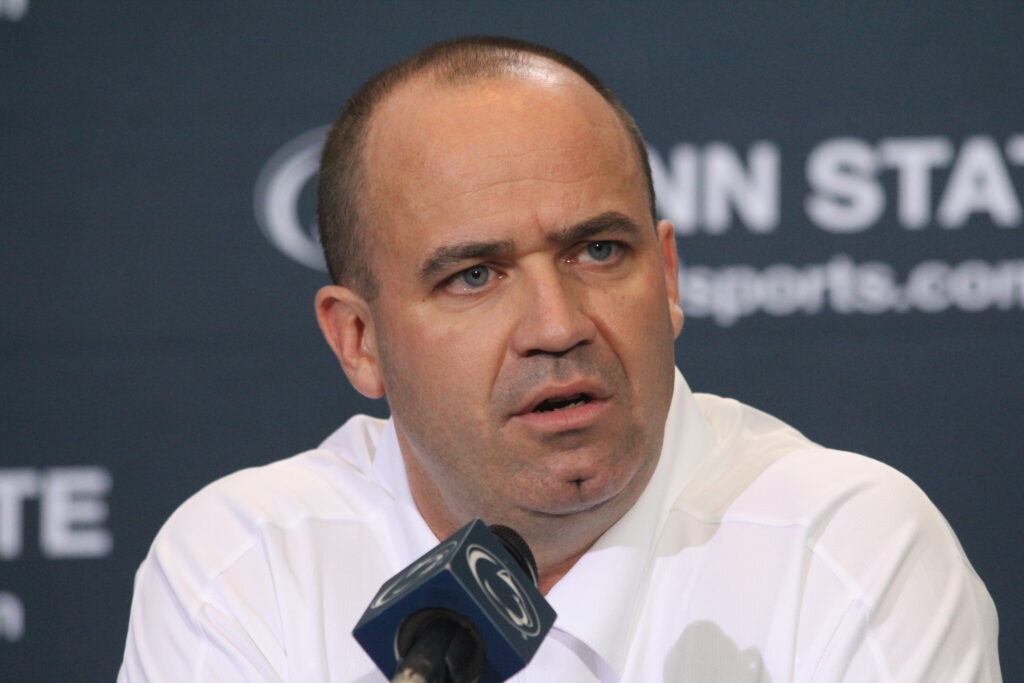
The Texans entered the 2014 season reeling from a franchise-worst 14-game losing streak, a nadir that desperately needed a change in direction. That change arrived in the form of former Penn State head coach Bill O’Brien, who became the team’s third head coach. He immediately made an impact, guiding the Texans to a victory over the Redskins in the season opener, thereby snapping the ignominious losing streak. The team finished his inaugural season with a respectable 9–7 record, narrowly missing a playoff berth and signaling a return to competitiveness.
The 2015 season offered a unique glimpse into the team’s inner workings, as they were famously featured on the HBO show “Hard Knocks.” Despite a challenging 2–5 start, the team rallied, navigating a period of controversy surrounding quarterback Ryan Mallett, who was released amidst his benching in favor of Brian Hoyer. The Texans ultimately turned their season around, finishing 9–7 and securing their third AFC South title. However, their championship hopes were brutally extinguished in the Wild Card round, where they suffered a 30–0 shutout loss to the Kansas City Chiefs.
In a move that generated significant buzz, the Texans signed former Denver Broncos quarterback Brock Osweiler to a hefty 4-year, $72 million deal on March 9, 2016. Despite the lucrative contract, Osweiler struggled significantly, eventually being benched in Week 15 against the Jaguars in favor of backup Tom Savage. Savage then led a comeback effort and was named the starter. The Texans still clinched their fourth AFC South division title. With Savage sidelined by a concussion, Osweiler returned to start in the Wild Card game, leading the team to a 27–14 victory over the Oakland Raiders. However, their playoff journey ended in the Divisional Playoffs against the New England Patriots, where Osweiler threw three second-half interceptions, contributing to a 34–16 loss.
The 2017 NFL Draft brought a wave of excitement as the Texans traded up to select Clemson star quarterback Deshaun Watson 12th overall. Watson immediately delivered, starting six games in his rookie year and posting a 3–3 record. He had what was “arguably the greatest and most decorated rookie season by a quarterback in NFL history,” quickly establishing himself as the Texans’ franchise quarterback. Tragically, his meteoric rise was cut short after a Week 8 loss to the Seattle Seahawks when Watson tore his ACL in practice, ruling him out for the remainder of the season. This injury, combined with a series of other unexpected setbacks, including an injury to J.J. Watt and controversy surrounding the team’s suspected violation of the league’s concussion protocol after Tom Savage suffered a seizure, contributed to a dismal 4–12 finish, O’Brien’s first losing season as head coach.
In 2018, the Texans defied expectations after an 0–3 start, winning nine consecutive games – an unprecedented streak for a team that began the season 0–3. This remarkable turnaround, which included a five-touchdown performance from Deshaun Watson against the Miami Dolphins, propelled them to an 11–5 record and another AFC South division championship. However, their playoff campaign concluded with a 21–7 loss to their division rival Indianapolis Colts in the first round. The 2019 season saw the Texans again win the AFC South with a 10–6 record, defeat the Buffalo Bills in a thrilling AFC wild-card overtime game, before suffering a crushing 51–31 loss to the eventual Super Bowl champion Kansas City Chiefs in the divisional round, famously squandering a 24–0 lead. The Bill O’Brien era, which saw both significant successes and frustrating near-misses, ended controversially on March 22, 2020, with the puzzling trade of All-Pro wide receiver DeAndre Hopkins to the Arizona Cardinals, a move that drew widespread criticism from fans and sports analysts alike. The team started the 2020 NFL season 0–4, leading to O’Brien’s firing after a disappointing loss to the Minnesota Vikings in Week 4.

7. The Rebuilding Phase: Navigating Transition
Following Bill O’Brien’s departure, the Texans found themselves in a challenging transitional period, marked by significant coaching changes and roster adjustments. Romeo Crennel, a seasoned NFL coach with previous head coaching experience with the Cleveland Browns and Kansas City Chiefs, was appointed interim head coach for the remainder of the 2020 season. While Crennel managed to guide the team to more than half of his first seven games, the Texans ultimately concluded the season on a five-game losing streak, finishing with a 4–12 record and missing the playoffs, signaling a clear need for a new direction.
On January 27, 2021, the Texans hired David Culley as their new head coach. Culley, who previously served as the Baltimore Ravens’ assistant head coach, wide receivers coach, and passing game coordinator, was tasked with revitalizing the struggling franchise. However, his tenure was short-lived. Just over a month after his hiring, on February 12, 2021, the team released All-Pro defensive end J.J. Watt, a beloved franchise icon. It was confirmed that Watt personally requested his release from owner Cal McNair, marking the end of an era for one of the team’s most impactful players and a symbol of their past successes.
After posting a 4–13 record in his single season, David Culley was fired on January 13, 2022. The team then promoted defensive coordinator Lovie Smith to the role of head coach on February 7, 2022, becoming the franchise’s fifth full-time head coach. This period was further complicated by the contentious situation surrounding starting quarterback Deshaun Watson, who faced ual misconduct lawsuits. On March 20, 2022, Watson was traded to the Cleveland Browns, along with a 2024 fifth-round pick, in exchange for three first-round picks, a third-round pick, and a fourth-round pick, signaling a complete reset. The Texans opened their 2022 season with a tie game against the Indianapolis Colts, the franchise’s first tie in their 20-year existence. Despite these significant moves, the team continued to struggle, finishing the season with a 3–13–1 record. On January 9, 2023, the Texans announced another change, firing Lovie Smith after just one season, highlighting the immense challenges faced during this turbulent rebuilding phase and the organization’s relentless search for stability and sustained success.” , “_words_section1”: “1965
Following a challenging rebuilding phase, the Houston Texans began writing a thrilling new chapter, filled with youthful exuberance and undeniable promise. The search for stability and sustained success led to some pivotal decisions that dramatically reshaped the franchise’s trajectory and reignited the passion of their devoted fanbase. This fresh era brought with it a renewed sense of purpose and a clear vision for the future, proving that even the youngest teams can quickly forge a compelling legacy.
8. Modern Resurgence: The Ryans and Stroud Era (2023–Present)
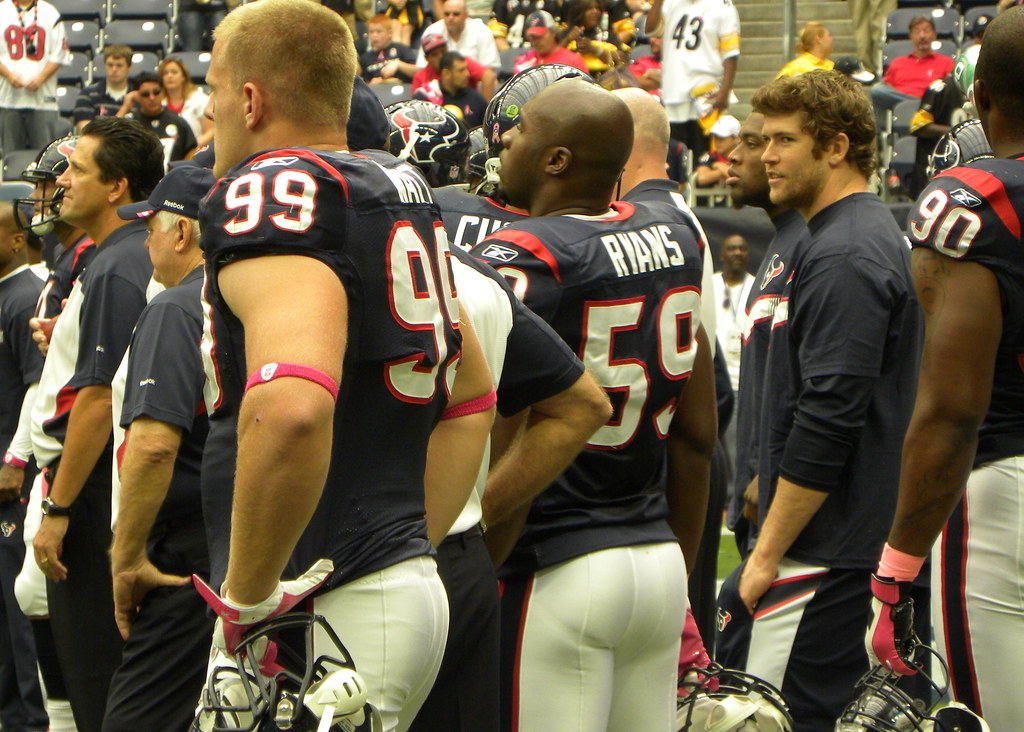
The Texans’ narrative took a significant turn on January 31, 2023, with the hiring of former player and respected 49ers defensive coordinator DeMeco Ryans as their new head coach. This move, bringing a beloved former Texan back to the helm, injected immediate hope and a sense of shared history into the franchise. Ryans, the sixth head coach in Texans history, was tasked with guiding a team eager to shed its rebuilding label and return to competitive glory.
The 2023 NFL Draft proved to be a watershed moment for the franchise. The Texans shrewdly selected Ohio State quarterback C.J. Stroud and then made an aggressive move, trading up to secure the third overall pick to draft defensive end Will Anderson Jr. from Alabama. This bold strategy of investing in two cornerstone rookie talents paid off almost immediately, setting the stage for one of the most remarkable seasons in recent NFL memory.
Under the dynamic leadership of Ryans and Stroud, the Texans experienced an incredible turnaround, defying preseason expectations to clinch the AFC South title for the first time since 2019 with an impressive 10–7 record. This achievement was historic, marking the first time an NFL team had won its division under both a rookie head coach and a rookie starting quarterback. Their playoff journey saw them decisively defeat the Cleveland Browns 45–14 in the Wild Card Round, a performance that further electrified the city. Though their season ended in the Divisional Round with a 34–10 loss to the Baltimore Ravens, the message was clear: the Texans were back.
The individual accolades that followed further cemented this era’s significance. C.J. Stroud was deservedly named NFL Offensive Rookie of the Year, showcasing a maturity and talent beyond his years. Will Anderson Jr. also earned national recognition, taking home the NFL Defensive Rookie of the Year Award, highlighting the brilliance of Houston’s draft strategy. DeMeco Ryans, for his part, tied in total votes for NFL Coach of the Year, only narrowly missing the award on a tiebreaker, a testament to his immediate impact. The momentum continued into the 2024 season, as the Texans repeated as AFC South champions with another 10–7 record, defeating the Los Angeles Chargers in the Wild Card round before falling to the Chiefs in the divisional round.

9. Ownership Dynamics: The McNair Family Legacy
Behind every successful sports franchise, there’s a vision, and for the Houston Texans, that vision belonged to Bob McNair. He owned the team from its inception in 1999 until his passing in 2018. McNair’s dedication was instrumental in bringing NFL football back to Houston, laying the groundwork for a franchise that would quickly embed itself into the city’s cultural fabric. His leadership set the tone for the team’s values and its commitment to the community.
Following Bob McNair’s death, the majority ownership of the team transferred to his wife, Janice McNair, who continued to uphold the family’s legacy and commitment to the Texans. During this period, their son, Cal McNair, stepped into a crucial role as the operating head of the franchise. This transition ensured continuity in leadership and a steady hand during a significant period of change for the team.
The McNair family’s involvement has continued to evolve, with Cal McNair eventually becoming the principal owner in 2024, as his mother formally transferred ownership to him. This marks a new generation taking the reins, building upon the foundation laid by his parents. The franchise’s financial standing remains robust; according to an August 2022 Forbes article, the Houston Texans are valued at $4.7 billion, making them the eleventh richest team in the NFL, a testament to their enduring appeal and the McNair family’s stewardship. Interestingly, with the Texas Rangers’ 2023 World Series victory, the Texans became the only ‘big four’ professional sports franchise currently based in Texas without a championship, a statistic that surely fuels their hunger for ultimate glory.

10. Intense Rivalries: Forging Bonds in the AFC South and Beyond
As the youngest expansion team in the NFL, having only competed for 23 seasons since 2002, the Houston Texans haven’t had the lengthy history to organically cultivate the deep-seated, classic rivalries that often define older franchises. Their journey has been about carving out a new identity rather than inheriting generations-old animosities. However, despite their relative youth, the Texans have certainly developed some heated matchups, particularly within their own division.
Within the AFC South, the Tennessee Titans often stand out as the Texans’ most emotionally charged rival. This rivalry runs deeper than mere divisional competition; it’s steeped in history, as the Titans were once the Houston Oilers before their controversial relocation. Many Houston fans believe that the Oilers’ legacy, name, and colors – even used by Houston Police cars in the past and alluding to the city’s oil and gas industry – rightfully belong to Houston. This sentiment was palpable when Tennessee unveiled Oilers throwback uniforms in 2023, worn occasionally even as of 2025, adding another layer to the competitive dynamic. As of the 2023 season, the Titans hold a slight edge in the all-time series, leading 23–21.
The Indianapolis Colts also present a significant AFC South challenge. The Texans didn’t manage to defeat the Colts until the 2006 season, highlighting the early dominance of Indianapolis. However, times have changed, with the Texans achieving their first sweep of the Colts in the 2016 NFL season, a significant milestone. The rivalry has even extended into the postseason, with the two teams clashing in the 2018 AFC Wild Card Playoffs, where the Colts emerged victorious 21–7. It’s always a fierce battle when these two meet, often with significant divisional implications.
Then there are the Jacksonville Jaguars, another relatively newer NFL franchise, having begun play in 1995 to the Texans’ 2002 debut. Both teams were placed in the newly created AFC South, ensuring they’d be division rivals from the outset. This particular matchup holds a unique distinction: the Jaguars are the only division rival against whom the Texans hold a winning record, leading the all-time series 29–15. While perhaps not as historically charged as the Titans rivalry, these games are always crucial for divisional standings and bragging rights.
Beyond their division, the Texans have also forged memorable conference rivalries. The Cincinnati Bengals, for instance, were frequent playoff opponents in the 2010s, with Houston emerging victorious in both the 2011 and 2012 Wild Card Rounds. These teams also squared off in several prime-time matchups between 2015 and 2017, including a notable game where the Texans delivered the Bengals their first loss after an impressive 8–0 start, adding another memorable chapter to their burgeoning history.
Finally, a unique intrastate and interconference rivalry exists with the Dallas Cowboys, battled out annually for the coveted Governor’s Cup. This tradition, predating the Texans’ existence and dating back to the Oilers’ time in Houston, is all about bragging rights across the state. These contests, whether in preseason or the regular season, always draw immense local interest. A poignant moment in this rivalry occurred in 2017 when Hurricane Harvey caused their Week 4 preseason game to be moved, and ultimately canceled, out of concern for the safety of fans and the well-being of players’ families and communities. As of the 2024 season, the Cowboys currently lead the all-time series 4–3, ensuring every future encounter is keenly anticipated.
11. Iconic Uniforms: A Canvas of History and Innovation
The visual identity of a sports team is just as crucial as its on-field performance, and the Houston Texans have meticulously crafted a distinctive and evolving uniform history. When owner Bob McNair first unveiled the team’s identity, he presented a powerful emblem: an abstract bull’s head logo, ingeniously designed to resemble both the flag and geographical outline of Texas. The lone star eye, with its five points, proudly represents core values: pride, courage, strength, tradition, and independence. This iconic logo was paired with a striking color palette of “Deep Steel Blue,” “Battle Red,” and “Liberty White,” a combination that instantly became synonymous with Houston football.
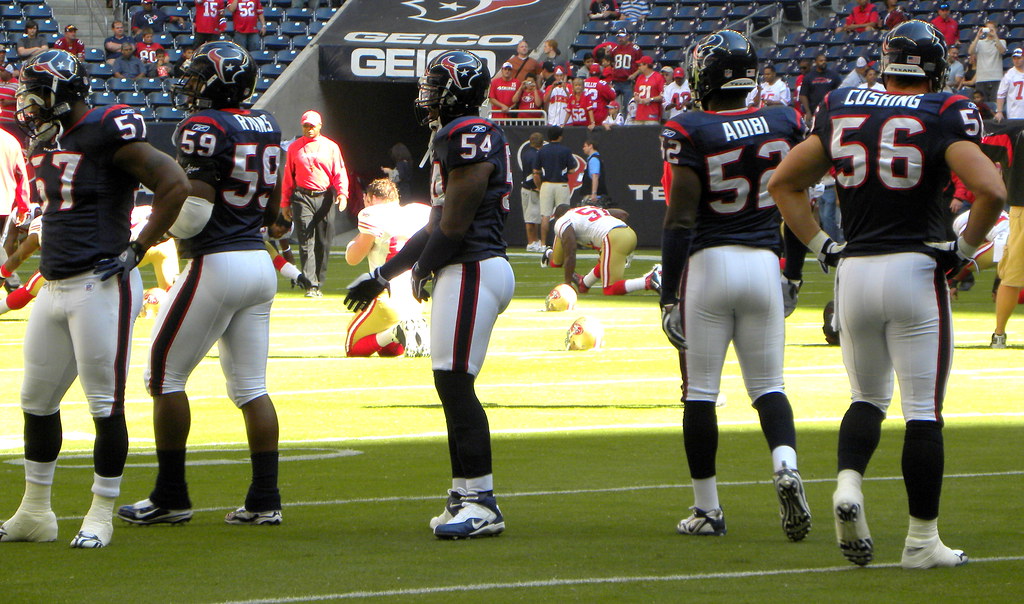
Initially, the team’s helmet was white when the name and logo were introduced, but it was later changed to the more familiar dark blue, providing a strong foundation for their uniform sets. Over the years, the Texans have showcased a range of combinations, typically wearing white pants with their blue jerseys for road games and blue pants with their white jerseys. This flexibility allowed for varied looks while maintaining a consistent and recognizable brand.
The Texans have also embraced alternate uniforms to add flair and excite fans. Since 2003, an alternative red jersey with blue trim has been a staple, usually worn for one home game each year, often against a division rival. In 2007, red pants made their debut, creating a vibrant all-red look when paired with the red jerseys. This all-red ensemble was worn until 2010 but made a triumphant return in 2023. Additionally, a notable adjustment occurred in October 2008 when blue socks were paired with blue pants and white jerseys, eventually becoming the team’s primary road uniform combination, offering a sleeker, coordinated aesthetic.
Innovation continued with the 2016 season seeing a new combination of red jersey with blue pants and red socks against the Jacksonville Jaguars. In 2017, the Texans unveiled a striking Color Rush uniform, an all-blue ensemble with minimal white elements, designed for prime-time games. Recent years have brought further updates, with all-white socks appearing on select home and road games since 2021, and a red alternate helmet introduced in 2022. This red alternate helmet notably made an appearance with the Color Rush uniform in a 21–16 victory against the Arizona Cardinals in 2023, showcasing a bold new visual.
The commitment to a fresh visual identity culminated in April 2024 with the unveiling of redesigned uniforms. The primary dark blue helmets remained, but the home blue uniforms were updated with the Texans primary crest on the sleeve and new collar stripes. The road white uniform now features distinctive blue and red horn stripes on the sleeves, with blue numbers trimmed in red. This white uniform design also serves as the basis for a new red alternate uniform, which is paired with a striking red helmet featuring blue horn stripes. Furthermore, a second alternate uniform boasts a navy blue base with “H-Town blue” accents and red numbers with “H-Town blue” trim, paired with a navy blue alternate helmet adorned with an “H-Star” decal in “H-Town blue” with red trim. This exciting array of new looks, including the unprecedented second alternate helmet allowed by the NFL for teams with new uniforms, marks a vibrant new chapter in the Texans’ visual history.
12. Vibrant Fan Culture: The Heartbeat of H-Town
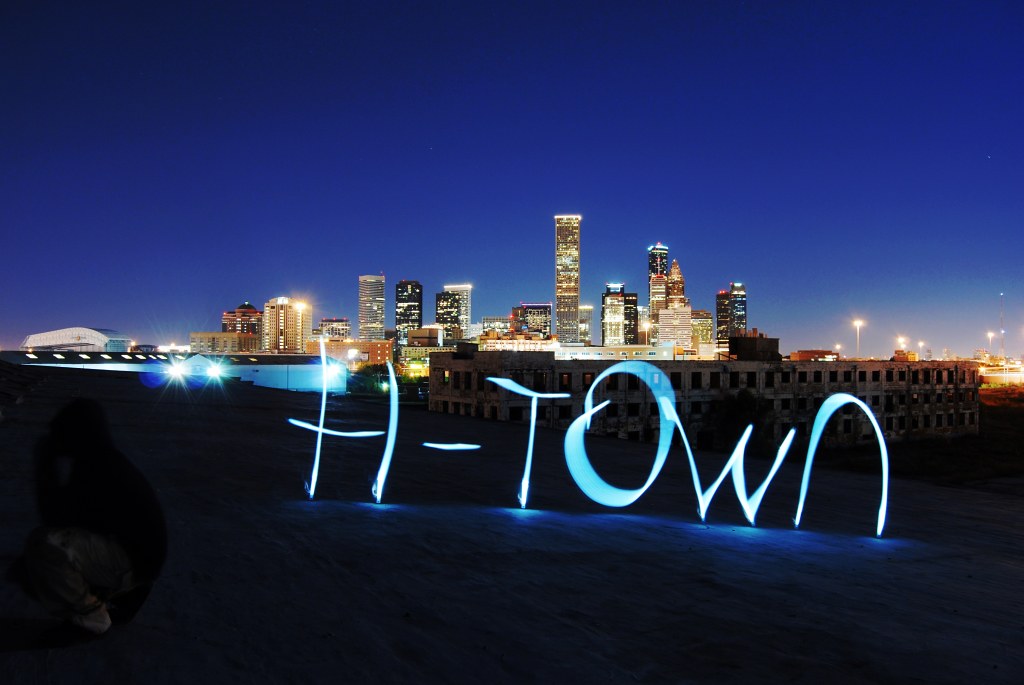
The Houston Texans aren’t just a football team; they’re a rallying point for a city, fostering a vibrant and passionate fan culture that’s second to none. Many former Houston Oilers fans, having endured the departure of their beloved team, found a new home for their gridiron passion with the Texans, ensuring a deep-seated tradition of football allegiance in the city. This loyalty extends to celebrity fans as well, with personalities like Ryan Trahan, George Foreman, Paul Wall, Rico Rodriguez, and Raini Rodriguez all proudly donning the Deep Steel Blue, Battle Red, and Liberty White.
One of the most recognizable elements of Texans fan culture is the team’s adoption of the moniker “Bulls on Parade,” a nod to the iconic Rage Against the Machine song, which is regularly featured in the team’s pregame introduction. This powerful anthem perfectly encapsulates the aggressive, determined spirit of the team and its supporters, igniting the stadium before every kickoff. It’s a roar that signifies battle, a collective surge of energy from the stands.
Game days at NRG Stadium are a spectacle of color and sound, driven by established traditions. “Battle Red Day” sees the team wear their striking red alternate jerseys, often paired with red pants, while fans are enthusiastically encouraged to flood the stadium in matching red. Conversely, “Liberty White-Out” days invite fans to wear white, creating a sea of unity as the team sports their road white jerseys and white pants. These themed games create a visually stunning backdrop for the on-field action and foster a strong sense of community among supporters.
The spiritual heart of Texans fandom lies in the “Bull Pen,” the sections situated behind the north end zone of NRG Stadium. This is where the most avid and dedicated supporters gather, transforming games into an electric experience. Regular members of the Bull Pen have been instrumental in creating and implementing many of the team’s unique fan traditions, songs, and chants. Imagine holding up giant Texans jerseys as visiting players are announced, or the defiant act of turning backs on the opposing team after they score—these are moments born from the Bull Pen’s creative energy.
Beyond the stands, the fan experience extends to elaborate tailgating in the purple lot, renowned for its abundant barbecue from fans and vendors alike. The “Blue Crew” tailgate in the NW corner of the Platinum Lot is another popular gathering spot, culminating in the cherished “Bull Pen Toast” approximately 90 minutes before kickoff at every game, a ritual of camaraderie and anticipation. The 45-member “Bull Pen Pep Band” further amplifies the game day atmosphere, performing at all home games and providing a live soundtrack to the excitement. Even the pre-kickoff tradition, featuring a short clip of a raging bull thrashing the opponent set to AC/DC’s “Thunderstruck,” and the player introductions where the announcer calls out a player’s first name and the crowd roars their last name, are integral to the vibrant, immersive experience of being a Texans fan. And, of course, the team’s official mascot, Toro, an anthropomorphic blue bull, and the Houston Texans Cheerleaders, further energize the crowd, making every game a memorable celebration of H-Town pride.

13. Community Impact and Philanthropy: More Than Just Football
Beyond the thrilling contests on the gridiron, the Houston Texans are deeply committed to making a tangible, positive impact on their community, proving that their influence extends far beyond mere touchdowns and victories. At the heart of their outreach efforts is the Houston Texans Foundation, which tirelessly collaborates with various community partners to address pressing needs and uplift the lives of those in and around Houston. This commitment underscores the franchise’s belief in being a responsible and integral part of the city’s social fabric.
The Foundation actively supports various initiatives, including the character education program, “Heart of a Champion,” which aims to instill valuable life lessons and positive attributes in young people. This kind of grassroots engagement is vital for nurturing the next generation and building stronger communities from within. Through programs like these, the Texans demonstrate their dedication to developing well-rounded individuals, not just future athletes.
The scale of the Texans’ philanthropic efforts is truly impressive. In 2017 alone, the 15th annual Houston Texans Charity Golf Classic successfully raised over $380,000 for the Foundation, showcasing the collective generosity of players, staff, and supporters. Since its inception in 2002, the Houston Texans Foundation has garnered more than $27.2 million, a staggering sum that has fueled countless community projects and provided much-needed support to a myriad of local causes. These funds are vital for sustaining long-term programs that benefit underprivileged youth, support educational initiatives, and improve health and wellness across the region.
Perhaps one of the most iconic examples of the Texans’ profound community impact came in the wake of Hurricane Harvey in 2017. Former Texans defensive end J.J. Watt spearheaded an extraordinary relief effort, single-handedly raising an astonishing $41.6 million to aid those devastated by the storm. Watt’s monumental act of philanthropy captured national attention and earned him the prestigious Walter Payton NFL Man of the Year Award that season, solidifying his legacy not just as a dominant force on the field, but as a compassionate and selfless leader off it. His actions truly epitomized the spirit of Houston and the Texans’ unwavering commitment to their home.
Read more about: Beyond the Hammer: An Insider’s Look at Chris Hemsworth’s Journey to Global Stardom

14. Legends and Legacies: The Ring of Honor and Hall of Fame
Despite being a comparatively young franchise, the Houston Texans have already begun to immortalize their most impactful figures, carving out a rich history of individual excellence. The team’s Ring of Honor serves as a hallowed space to celebrate those who have left an indelible mark on the organization and its passionate fan base. These are the names that resonate through the stadium, echoing the cheers of countless Sundays past.
On November 19, 2017, wide receiver Andre Johnson became the first-ever inductee into the Texans Ring of Honor. His remarkable career from 2003 to 2014, marked by incredible catches and unwavering dedication, made him an undisputed legend and a fitting choice to inaugurate this prestigious group. The second inductee, on October 6, 2019, was none other than the team’s founder and owner, Bob McNair, posthumously honored for his vision and commitment in bringing NFL football back to Houston. His legacy, quite literally, built the team.
The third and most recent inductee, celebrated on October 1, 2023, was defensive end J.J. Watt. Watt’s tenure from 2011 to 2020 was nothing short of legendary, defined by unparalleled dominance, multiple Defensive Player of the Year awards, and an extraordinary connection with the city, culminating in his heroic Hurricane Harvey relief efforts. These three individuals represent the very essence of what it means to be a Houston Texan, embodying the pride, strength, and independence the team stands for.
When it comes to the ultimate honor in professional football – induction into the Pro Football Hall of Fame – the Texans’ youth as a franchise naturally means a shorter list of inductees primarily associated with the team. The Hall of Fame typically requires a player to have completed their career for five years, and often values longevity and multiple team affiliations. So far, only two members of the Pro Football Hall of Fame have spent any portion of their careers with the Texans. Safety Ed Reed, a legend primarily known for his time with the Baltimore Ravens, had a brief tenure with the Texans in 2013 before his 2019 induction. However, in 2024, Andre Johnson made history once more, becoming the first player to be inducted into the Hall of Fame *primarily* for his illustrious career with the Houston Texans, a monumental achievement that firmly plants the franchise’s flag among the NFL’s elite.
Read more about: When the Music Fell Silent: Remembering 14 Icons Lost in Tragic Plane Crashes
As we look back at the journey of the Houston Texans, it’s clear this is a franchise that embodies resilience, community, and the relentless pursuit of greatness. From their humble beginnings as an expansion team filling a city’s void, to their current era of exciting young talent and renewed optimism, the Texans have woven a vibrant tapestry of triumphs, challenges, and indelible moments. They stand as a testament to the power of sport to unite, inspire, and reflect the very soul of a dynamic city. The future gleams brightly in H-Town, with every game promising another thrilling chapter in a story that’s still very much being written. Get ready, football fans, because the Houston Texans are just getting started!