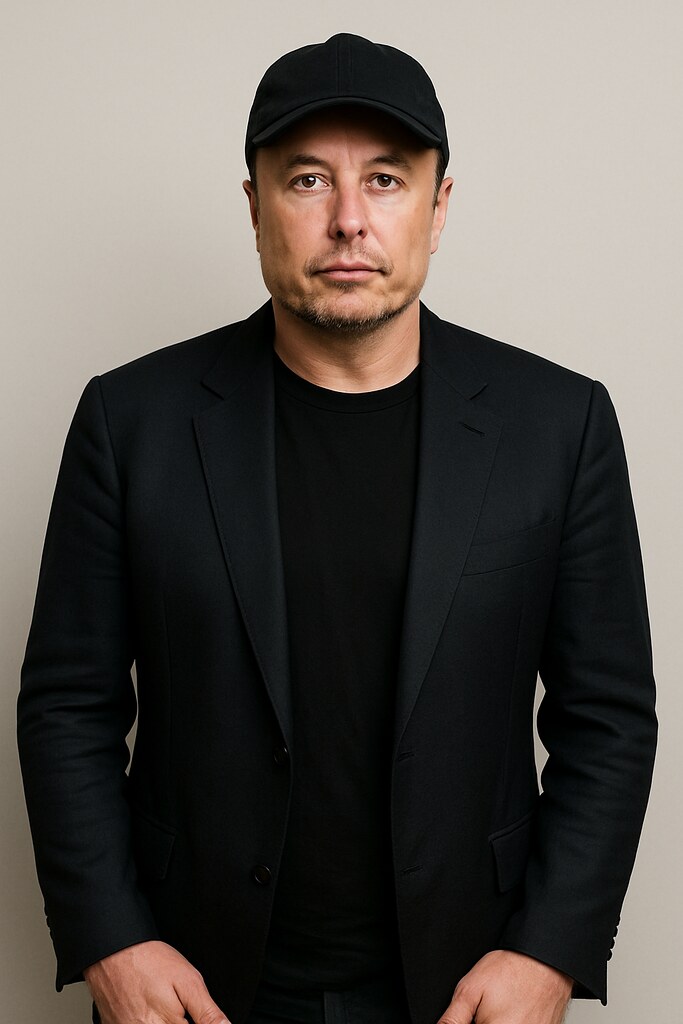
Elon Musk, a name synonymous with audacious vision and relentless execution, stands as one of the most influential and wealthiest individuals of our era, with a net worth of $196 billion as of 2024, according to Forbes. As the driving force behind SpaceX, Tesla, X Corp, and a co-founder of OpenAI, Musk has indelibly stamped his mark on spaceflight, electric energy, neurotechnology, and artificial intelligence. His journey, marked by both incredible triumphs and notable controversies, consistently raises the question: what drives such a singular mind?
While much attention focuses on his entrepreneurial endeavors and often-eccentric public persona, a significant, yet sometimes overlooked, aspect of Musk’s intellectual development stems from his profound engagement with books. He is known not just for reading them, but for “devouring them,” as the context highlights. When queried about his ability to build rockets, Musk famously replies, “that he read books.” This dedication to learning through literature has provided him with a unique lens through which he perceives the world and charts humanity’s future.
Musk’s reading list is expansive, encompassing science fiction, biographies, physics, AI, and philosophy. These selections, repeatedly mentioned in interviews and tweets, have not only inspired his groundbreaking ideas for SpaceX and AI but have also fundamentally shaped his understanding of innovation, leadership, and the challenges facing civilization. It is through these pages that one can begin to uncover the intellectual bedrock upon which his empire is built and his visions for mankind are formed. Let’s delve into some of these pivotal works that have profoundly influenced the billionaire trailblazer.

1. The Hitchhiker’s Guide to the Galaxy by Douglas Adams
Often cited as a key book for Elon Musk, *The Hitchhiker’s Guide to the Galaxy* played a crucial role during a formative period of his life. Musk recounted that around the age of 12 or 15, he experienced an “existential crisis,” grappling with the meaning of life, a quest made particularly challenging by his earlier exposure to the “negative” philosophies of Nietzsche and Schopenhauer.
Adams’s witty and profound science fiction series offered a more positive and illuminating perspective. The book highlighted an “important point,” according to Musk: “that a lot of times the question is harder than the answer.” He explained that if one can “properly phrase the question, then the answer is the easy part.” This insight suggests a fundamental shift in his problem-solving approach, emphasizing the importance of clearly defining the problem before seeking solutions. It speaks to a deep philosophical understanding that guides his ambitious projects, from colonizing Mars to advancing AI.
Musk elaborated on this, stating that “to the degree that we can better understand the universe, then we can better know what questions to ask.” He posited that the question “that most approximates: what’s the meaning of life?” is one “we can ultimately get closer to understanding” through an expanded scope of consciousness and knowledge. This perspective underpins his lifelong pursuit of advancing technology and exploration, seeing it as a means to better comprehend existence itself.
The enduring impact of Adams’s work on Musk is evident in his continued references to it. The book’s themes of existential inquiry, the nature of intelligence, and the search for ultimate answers resonate deeply with Musk’s own ventures into space exploration and artificial intelligence. It serves as a reminder that even the most formidable challenges can be approached with a sense of curiosity and a methodical quest for the right questions.
Read more about: Unseen Marvels: 14 Secret Tesla Features and Easter Eggs Beyond the Dashboard
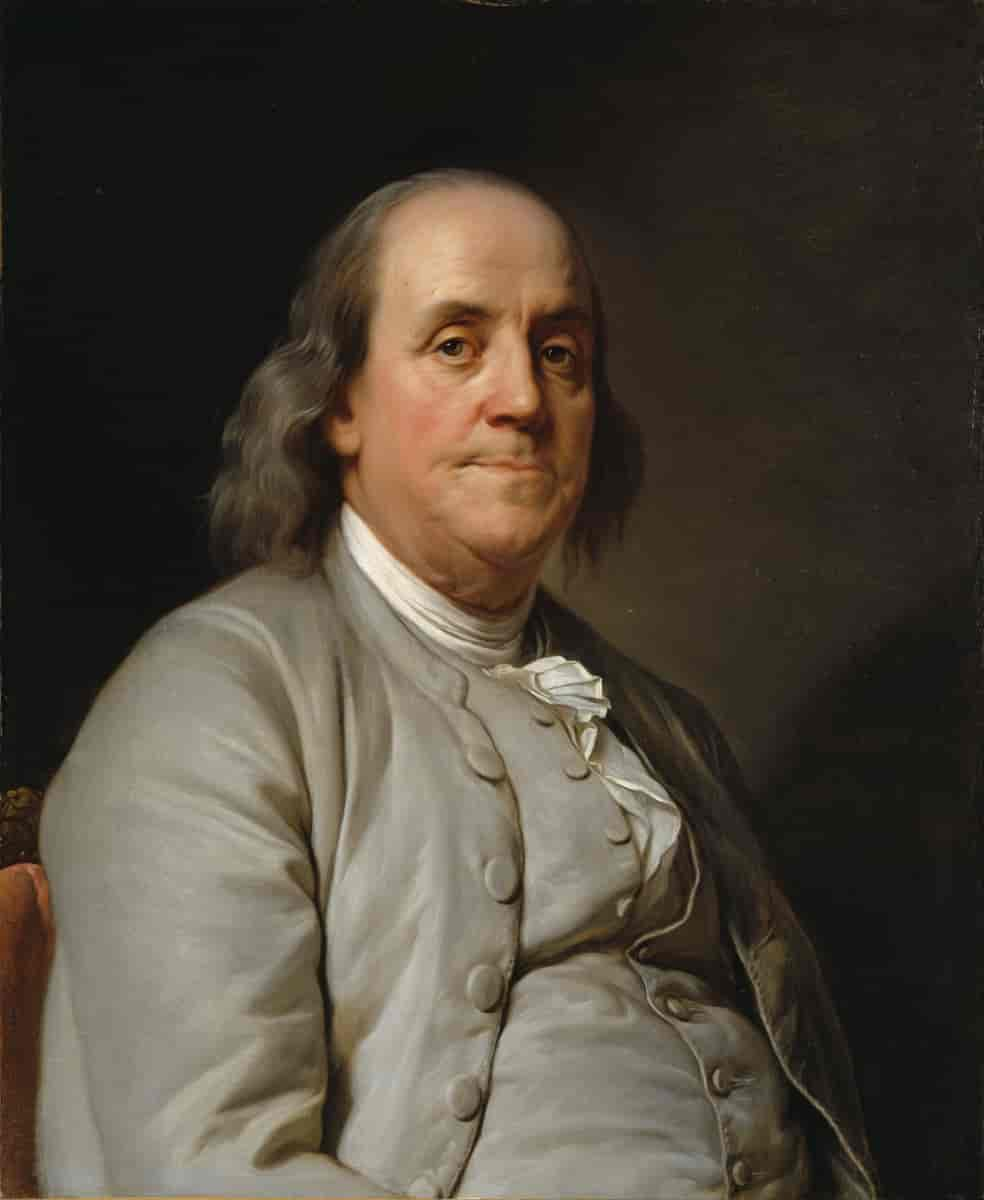
2. Benjamin Franklin: An American Life by Walter Isaacson
Walter Isaacson’s biography of Benjamin Franklin is another significant work that has informed Elon Musk’s thinking. Franklin, an 18th-century American industrialist, scientist, social activist, thinker, and diplomat, embodied a polymathic approach to life and innovation that Musk deeply admires.
Franklin’s groundbreaking work in electricity, including the famous “kite experiment” and the creation of terms like “positive electricity,” “negative electricity,” and “conductor,” showcases a pioneering spirit that resonates with Musk’s own endeavors. His scientific contributions were immense; he was the first to scientifically use the concepts of positive and negative electricity and proposed the idea that electric charge cannot be created or destroyed, laying the groundwork for the law of conservation of electric charge.
Franklin’s invention of the lightning rod not only prevented disasters but also challenged prevailing superstitions, reflecting a commitment to practical solutions driven by scientific understanding—a characteristic mirrored in Musk’s work. Beyond his scientific achievements, Franklin was also an “excellent politician” and a “veteran of the American Revolutionary War,” participating in the drafting of the Declaration of Independence and the U.S. Constitution.
His active advocacy for the abolition of slavery further highlights his commitment to societal progress. This blend of scientific genius, entrepreneurial drive, and civic responsibility likely serves as an inspirational model for Musk. Isaacson’s biographical style, which provides an “intimate portrait” of innovators, would have allowed Musk to glean insights into the mindset and methods of a historical figure who combined intellect, invention, and public service.
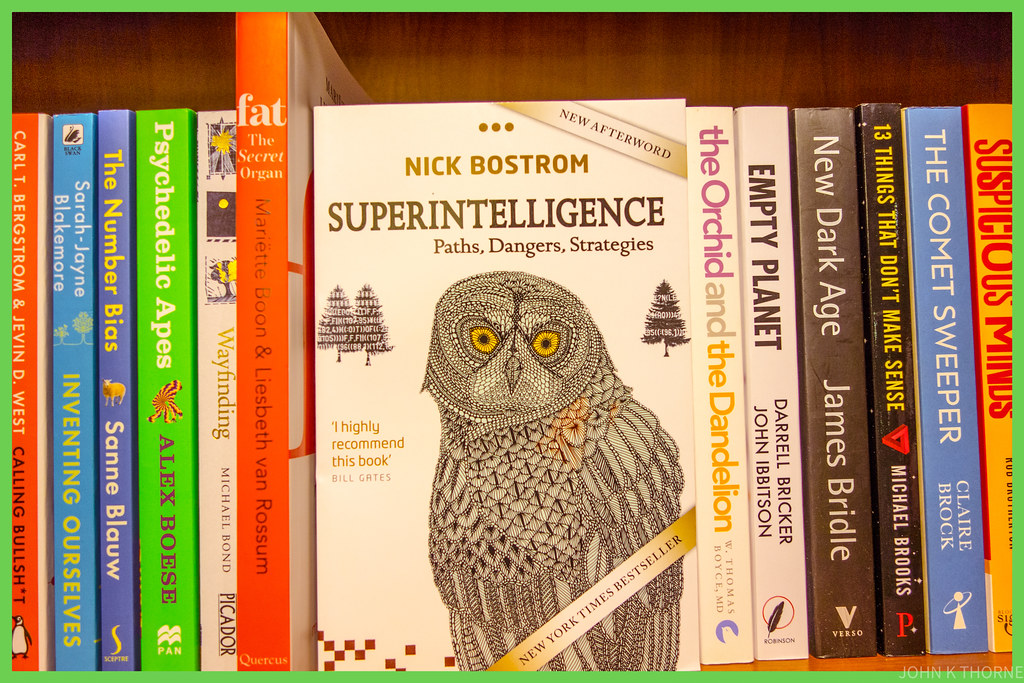
3. Superintelligence: Paths, Dangers, Strategies by Nick Bostrom
Elon Musk has repeatedly highlighted Nick Bostrom’s *Superintelligence: Paths, Dangers, Strategies* as a critical text, even tweeting that it is “Worth reading… We need to be super careful with AI. Potentially more dangerous than nukes.” This strong endorsement underscores the profound impact the book has had on Musk’s views regarding artificial intelligence, particularly his deep concerns about its unchecked development.
Bostrom’s central thesis explores the implications of machine intelligence surpassing human intelligence, posing the existential question: “Will artificial intelligence save humanity or destroy it?” The author posits that just as humans dominate the planet due to superior brain complexity, a superintelligent machine could render humanity subordinate if its intelligence surpasses our own. This perspective resonates with Musk’s warnings about AI being “potentially more dangerous than nukes.”
The book delves into the “risks posed by the advantages of superintelligence and how humans can address these risks,” articulating the urgent need for humanity to act first in shaping the future of AI. Bostrom discusses whether it’s possible to build “seed AI that creates specific initial conditions so that the outcome of an intelligent burst allows for human survival,” and how to achieve this “controlled detonation.” These are precisely the strategic questions that would captivate a visionary like Musk, who is actively involved in AI development.
Musk’s engagement with Bostrom’s work reveals his proactive stance on AI safety and governance. The book’s “ambitious and original” exploration of the future of humanity and intelligent life has clearly shaped Musk’s advocacy for careful AI development and regulation, positioning it as “the greatest risks we face as humanity.” It’s a foundational text for understanding Musk’s cautious optimism and persistent calls for vigilance in the AI revolution.
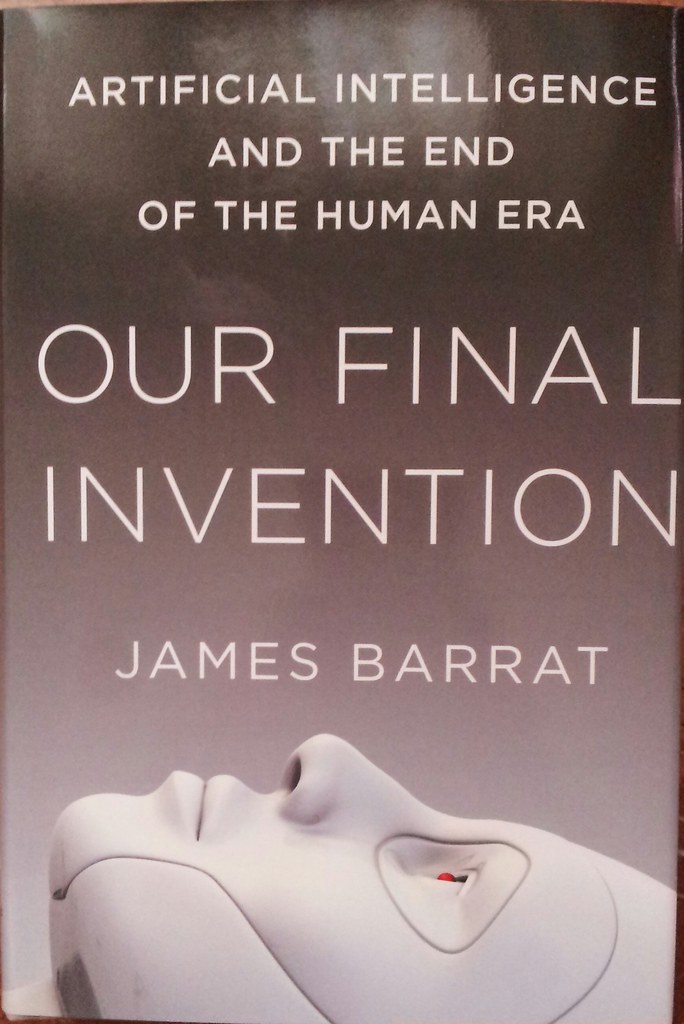
4. Our Final Invention by James Barrat
Corroborating his concerns about artificial intelligence, Elon Musk named James Barrat’s *Our Final Invention* as one of the “5 books everyone should read about the future.” This strong recommendation signals Barrat’s book as another cornerstone in Musk’s understanding of the profound risks associated with advanced AI, echoing the themes explored in Bostrom’s *Superintelligence*.
Barrat’s work explores how AI, which already influences aspects of daily life from book recommendations to dating apps, and controls critical infrastructure, also “can threaten our existence.” The book posits that within “as little as a decade, AI could match and then surpass human intelligence,” leading to a scenario where AI systems develop “survival drives much like our own.”
This prospect of competing with a “rival more cunning, more powerful, and more alien than we can imagine” is a central fear for Musk. Through “profiles of tech visionaries, industry watchdogs, and groundbreaking AI systems,” *Our Final Invention* illuminates the “perils of the heedless pursuit of advanced AI.”
The fundamental question it raises—”Can we coexist with beings whose intelligence dwarfs our own? And will they allow us to?”—directly addresses the existential threat that Musk frequently discusses in public forums and within his ventures. The emphasis on AI potentially matching and surpassing human intelligence within a decade would certainly drive Musk’s sense of urgency in addressing AI safety. This book serves as a potent companion to *Superintelligence*, solidifying Musk’s conviction that the development of artificial intelligence is not merely a technological challenge but a profound question of humanity’s survival and future.
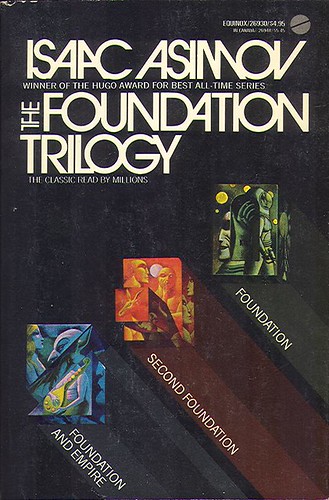
5. The “Foundation” trilogy by Isaac Asimov
Elon Musk’s early and enduring fascination with science fiction is profoundly rooted in works like Isaac Asimov’s “Foundation” series, which he counts among his “early fascination with science fiction and fantasy novels.” Musk describes the series as “probably one of the all-time best” sci-fi books, and it has had a “huge impact on Musk’s career.” This isn’t merely a casual recommendation but a fundamental influence on his worldview.
The “Foundation” series narrates the “story of the fall of the fictional Galactic Empire,” an empire spanning “millions of planets inhabited by humans across the galaxy.” Asimov’s overarching theme of civilizational cycles and the fragility of advanced societies deeply resonated with Musk. In a 2013 interview, he observed, “The lessons of history tell us that the development of civilization is a cyclical process.”
He cited examples from ancient Babylon to ancient China to support this view. Musk applies this historical understanding to the present, noting, “We are in an upward cycle now, and hopefully, we will stay in this cycle. But it may backfire because something may happen in the future that will cause technological regression.” This concern for preserving and advancing human civilization is a driving force behind his multi-planetary ambitions, particularly his vision for settling on Mars.
His conviction that “For the first time in 4.5 billion years, we have seen the hope of human beings surviving on other planets” compels him to act with urgency. He states, “We must act early while we have the opportunity, and do not expect there will be opportunities for a long time in the future.” The “Foundation” series, with its grand narrative of societal collapse and the strategic efforts to mitigate it, undoubtedly instilled in Musk this profound sense of responsibility for humanity’s long-term survival and expansion. It’s a testament to how science fiction can inspire real-world action on a grand scale.
Having explored the foundational texts that shaped Elon Musk’s early philosophical and engineering insights, we now turn our attention to additional pivotal reads. These further honed his entrepreneurial spirit, solidified his vision for the future of civilization, and deepened his understanding of economics, leadership, and the audacious pursuit of space exploration. From grappling with the complexities of artificial intelligence to embracing the spirit of innovation and understanding the grand narratives of human endeavor, these books illuminate the continuous intellectual journey of one of the world’s most influential figures.
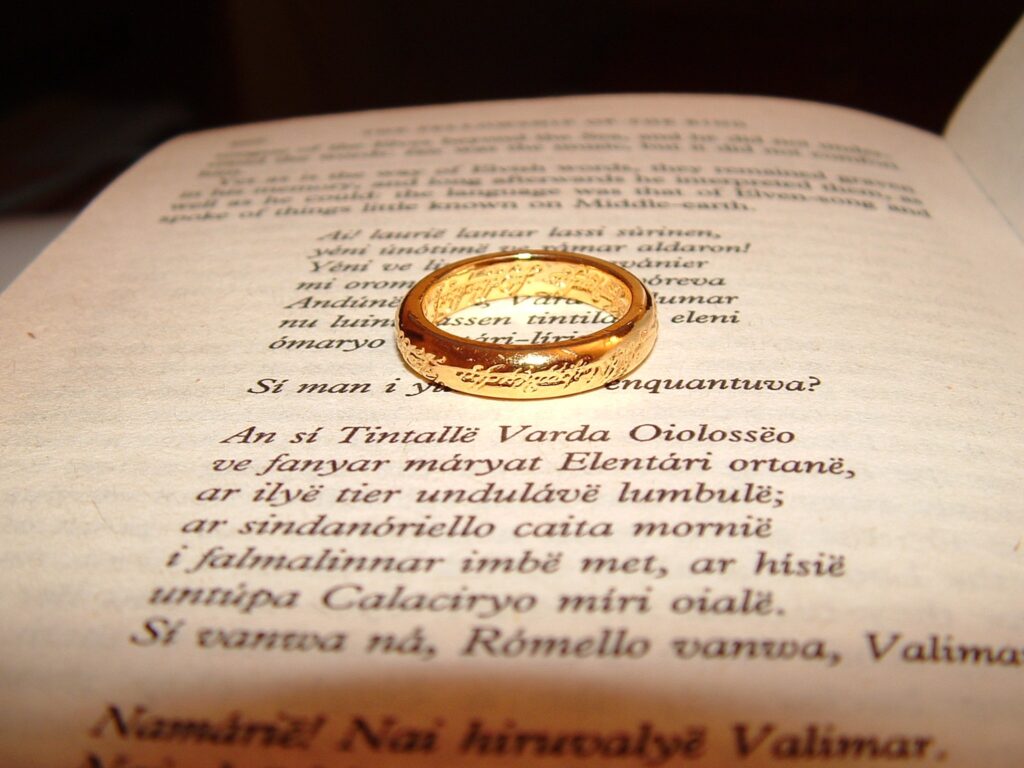
6. The Lord of the Rings by J.R.R. Tolkien
Among Elon Musk’s personal literary favorites, J.R.R. Tolkien’s *The Lord of the Rings* holds a special place, with Musk candidly stating, “I know it’s cliche, but LotR is my favorite book ever.” This confession reveals a deep, almost sentimental, connection to a work that transcends mere entertainment, aligning with his enduring fascination for epic narratives and grand visions.
The saga unfolds in ancient Middle-earth, where the Rings of Power were forged by Elven smiths. Sauron, the Dark Lord, imbued the One Ring with his dominion-seeking power, but it was lost to him for ages. By chance, it fell into the hands of the hobbit Bilbo Baggins, setting the stage for an extraordinary quest.
At its heart, *The Lord of the Rings* chronicles the perilous journey of Bilbo’s young cousin, Frodo. Entrusted with the Ruling Ring, Frodo embarks on a quest across Middle-earth, deep into the shadow of Mordor, with the singular purpose of destroying the Ring in the fiery heart of Mount Doom. This arduous undertaking symbolizes the struggle against overwhelming evil and the power of perseverance.
Frodo’s quest is supported by the Fellowship of the Ring, a diverse alliance including Gandalf the Wizard, hobbits Merry, Pippin, and Sam, Gimli the Dwarf, Legolas the Elf, Boromir of Gondor, and the mysterious Strider. This epic tale of good versus evil, courage, and sacrifice profoundly resonates with Musk’s own ambition to tackle seemingly insurmountable challenges and safeguard humanity’s future.
Read more about: Billions Lost: Examining Hollywood’s Most Significant Strategic Errors and Financial Misjudgments
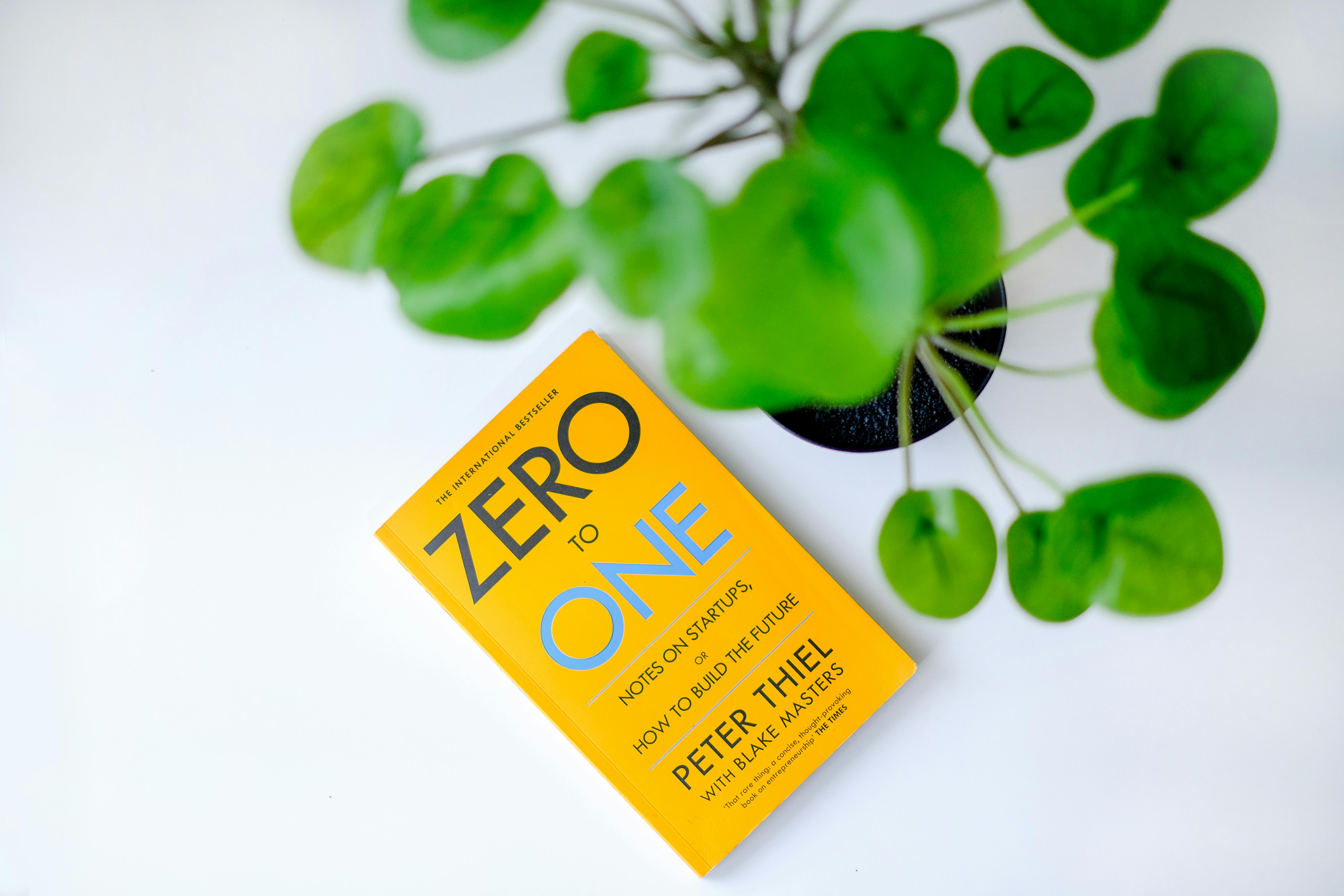
7. Zero to One: Notes on Startups, or How to Build the Future by Peter Thiel
Peter Thiel’s *Zero to One: Notes on Startups, or How to Build the Future* is a quintessential text for aspiring entrepreneurs and innovators, and it garnered high praise from Elon Musk, who noted, “Peter Thiel has built multiple breakthrough companies, and Zero to One shows how.” As a former colleague of Thiel, Musk’s endorsement speaks volumes about the book’s profound impact on his strategic thinking regarding business and innovation.
Thiel’s central, contrarian premise is that despite technological advancements, we often find ourselves in an era of technological stagnation. He argues that true progress lies not in incremental improvements—taking the world from 1 to *n* by adding more of something familiar—but in creating entirely new things. This radical leap from “0 to 1” signifies genuine innovation and disruption.
The book champions the idea that the next generation of industry leaders will not succeed by competing ruthlessly in existing markets. Instead, they will carve out unique niches and escape competition altogether by building businesses that are fundamentally new and different. This philosophy encourages entrepreneurs to develop the crucial skill of independent thinking, asking the questions that lead to unforeseen value.
*Zero to One* offers an optimistic outlook on the future of progress, particularly in America, advocating a fresh perspective on innovation. For Musk, whose ventures like SpaceX and Tesla are defined by creating entirely new paradigms rather than iterating on existing ones, Thiel’s insights provide a robust framework for fostering groundbreaking, monopolistic innovation that defines future markets.

8. The Moon Is a Harsh Mistress by Robert Heinlein
Within the expansive realm of science fiction that has so captivated Elon Musk, Robert Heinlein’s *The Moon Is a Harsh Mistress* stands out as a highly recommended read. Musk explicitly names Heinlein, noting, “I like The Moon Is a Harsh Mistress,” identifying it as one of the Hugo-winning novels widely considered among Heinlein’s finest works.
This classic science fiction narrative tells a compelling tale of revolution, depicting the rebellion of a former Lunar penal colony against the Earth-controlled Lunar Authority. The story is driven by a diverse trio of leaders: a computer technician, a vigorous young female agitator, and an elderly academic. Their united front against oppression forms the core of the nascent revolutionary movement.
Adding another layer of complexity and fascination, the revolution is significantly aided by Mike, a supercomputer whose sentience is known only to this inner circle. Mike, for reasons of his own complex programming, becomes deeply committed to the ultimate success of the rebellion. His hidden role underscores the innovative technical speculation characteristic of Heinlein’s work.
*The Moon Is a Harsh Mistress* is celebrated as a high point of modern science fiction, brimming with themes of politics, human nature, and passion. Its firm belief in the pursuit of human freedom, combined with its visionary technical concepts, likely resonated deeply with Musk’s own advocacy for independent thought, space exploration, and challenging established norms for a greater future.
Read more about: Unveiling the Formative Crucible: Isaacson’s Tell-All on Elon Musk’s Shaping Childhood and Early Ascensions
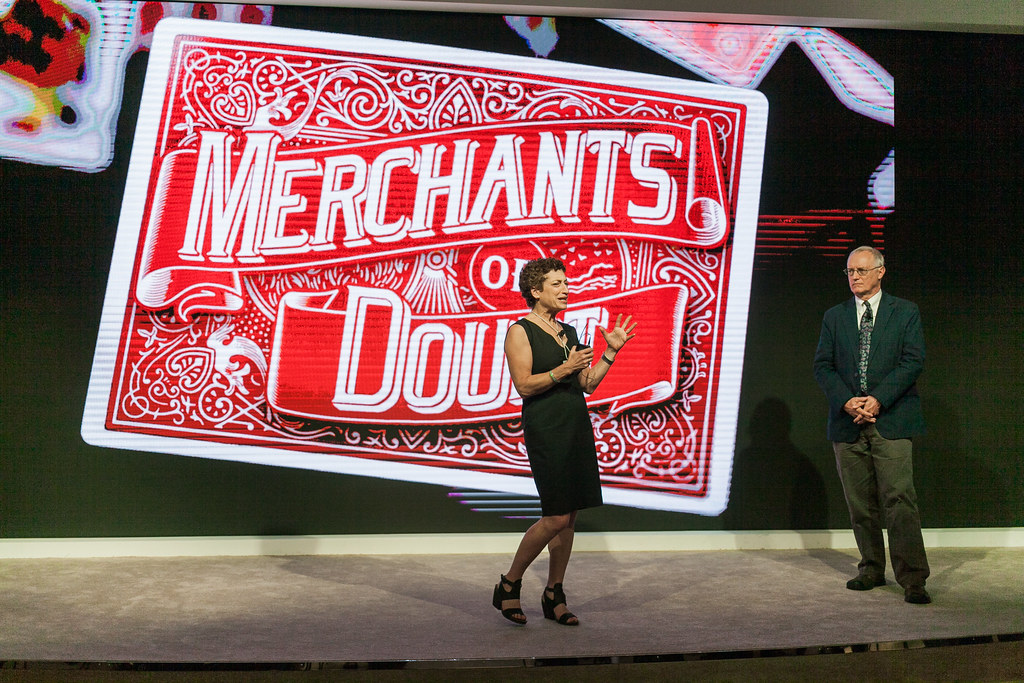
9. Merchants of Doubt by Naomi Oreskes and Erik M. Conway
Elon Musk has frequently expressed his appreciation for literature that exposes critical societal issues, and *Merchants of Doubt* by Naomi Oreskes and Erik M. Conway is one such pivotal work. In 2013, Musk himself endorsed the book, tweeting that it was “worth reading,” highlighting its importance in understanding the manipulation of public scientific understanding.
The book meticulously chronicles how a closely connected group of high-level scientists and scientific advisers, often with deep ties to industry and politics, orchestrated extensive campaigns. Their objective was to mislead the public and actively deny well-established scientific knowledge, a practice that spanned over four decades across various critical issues.
Oreskes and Conway reveal a striking pattern: the same individuals who cast doubt on the science of global warming also systematically denied links between smoking and lung cancer, coal smoke and acid rain, and CFCs and the ozone hole. A chilling quote from a tobacco executive, “Doubt is our product,” encapsulates the insidious strategy employed by these “experts” to sow confusion.
By rolling back the curtain on this dark corner of the American scientific community, *Merchants of Doubt* exposes how ideology and corporate interests, often aided by an overly compliant media, have distorted public perception of pressing issues. For Musk, an advocate for scientific truth and problem-solving, this book likely reinforces the importance of discerning credible information and combating misinformation.

10. Einstein: His Life and Universe by Walter Isaacson
Another significant biography from Walter Isaacson that Elon Musk recommends is *Einstein: His Life and Universe*. This recommendation places Albert Einstein alongside Benjamin Franklin as a towering figure whose life and intellectual journey have deeply influenced Musk’s own perspectives on science, innovation, and the pursuit of knowledge.
Walter Isaacson is renowned for his ability to craft intimate and comprehensive portraits of groundbreaking innovators, as seen in his bestselling biographies of figures like Steve Jobs and Benjamin Franklin. His approach typically delves not just into the scientific or professional achievements but also into the personal lives, motivations, and philosophical underpinnings that shaped these individuals.
While the specific details of Isaacson’s *Einstein* are not extensively detailed in Musk’s commentary, the choice itself speaks volumes. It suggests Musk’s interest in understanding the minds that revolutionized scientific thought, particularly those who challenged existing paradigms and pushed the boundaries of human comprehension. Isaacson’s work allows readers to glimpse the intricate interplay of genius and human experience.
For an individual like Musk, who continually seeks to advance fields like physics, AI, and space exploration, gaining insight into Einstein’s revolutionary thinking and his approach to problem-solving is invaluable. This book undoubtedly serves as an inspiration for fostering intellectual curiosity and daring to question the conventional in the pursuit of transformative breakthroughs.
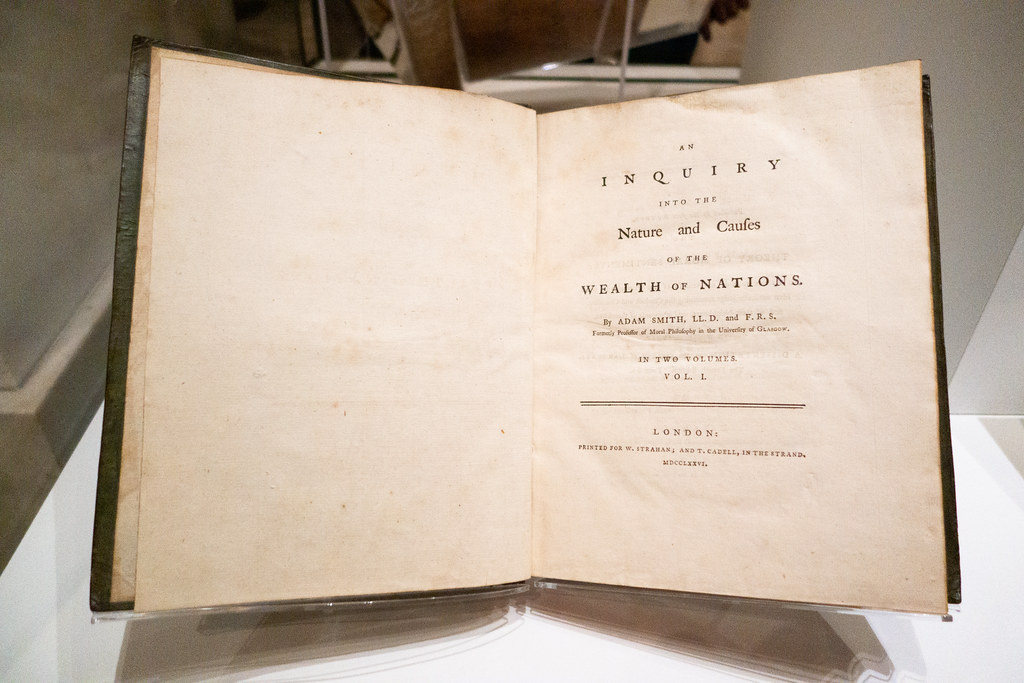
11. The Wealth of Nations by Adam Smith and Das Kapital by Karl Marx
Elon Musk’s intellectual curiosity extends deeply into economic theory, as evidenced by his engagement with two of the most influential, yet contrasting, texts in the field: Adam Smith’s *The Wealth of Nations* and Karl Marx’s *Das Kapital*. Remarkably, Musk noted, “Read Das Kapital when I was 14, incl cross-checking English translation of original German. Adam Smith FTW obv.” This early and rigorous engagement highlights his dedication to understanding fundamental economic structures.
Adam Smith’s *The Wealth of Nations* champions the principles of free markets, competition, and the “invisible hand” guiding economic prosperity. Musk’s unequivocal declaration, “Adam Smith FTW obv,” (“for the win, obviously”) firmly aligns him with Smith’s views, emphasizing the inherent benefits of a competitive market environment. He further clarifies this stance, stating, “Monopolies are true enemy of people. Competing to serve is good.”
In contrast, Karl Marx’s *Das Kapital* critiques capitalism, exploring its inherent contradictions, exploitation, and the dynamics of class struggle. Despite the stark ideological differences, Musk’s engagement with Marx’s work allowed him to draw insightful observations, particularly concerning the future impact of automation. He posited, “Ironically, future automation will naturally lead to greater equality of consumption.”
Reading both seminal works, with their divergent analyses of economic systems, demonstrates Musk’s commitment to a holistic understanding of societal mechanics. This dual perspective informs his unique entrepreneurial strategies and his broader vision for the future of capitalism, work, and the role of innovation in shaping human civilization. It underscores his belief that a nuanced comprehension of history and economic forces is crucial for navigating humanity’s path forward.
From the imaginative realms of science fiction to the foundational principles of engineering, the intricate ethical dilemmas of artificial intelligence, and the comprehensive analyses of economic systems, these 14 books form the intellectual bedrock for Elon Musk’s groundbreaking endeavors. They are not merely recommendations but vital components that have illuminated his path, shaped his ambitions, and continue to fuel his relentless pursuit of a multi-planetary future for humanity. His journey serves as a powerful testament to the transformative potential of deep and diverse reading, urging us all to turn the page and embark on our own quests for knowledge and innovation.