In the contemporary landscape of digital communication, where social media platforms often serve as both amplifiers of connection and conduits of controversy, the trajectory of a public figure’s career can be profoundly shaped by online discourse. Few artists exemplify this dynamic more thoroughly than Taylor Swift, an American singer-songwriter whose unparalleled cultural impact and artistic reinventions have been meticulously documented and often fiercely debated across the internet. Her journey, from country music prodigy to a global phenomenon, has unfolded against a backdrop of evolving digital trends, some empowering, others deeply problematic.
Swift’s sustained relevance and ability to connect with a global fanbase, known as Swifties, have also made her a lightning rod for the darker aspects of online culture. The very platforms that enable her to share her music and connect with millions also harbor pervasive challenges: relentless media scrutiny, the swift and often unforgiving tide of ‘cancel culture,’ complex battles over artistic ownership, and the alarming rise of AI-generated exploitation. These are not merely footnotes in her biography but represent significant societal issues that she has confronted, often publicly, shaping both her artistic output and her public stance on digital ethics.
This in-depth examination delves into several ‘toxic’ social media trends and their real-world consequences that Taylor Swift has navigated and, in many ways, condemned through her experiences and actions. We will explore how her career has served as a crucible for understanding the pressures and pitfalls of modern celebrity in an interconnected world, highlighting her resilience and the broader implications for artists and public figures alike.
1. **Intense Media Scrutiny and Public Image Management**Taylor Swift’s ascent to global superstardom has been inextricably linked with constant media attention, a phenomenon that escalated dramatically as she transitioned from a country music artist to a pop icon. The sheer volume and intensity of this scrutiny, often amplified by social media, became a defining characteristic of her career, particularly following the release of her synth-pop album *1989* in 2014. This period marked a significant recalibration of her artistic identity, drawing unprecedented levels of public interest and, consequently, invasive examination of her personal and professional life.
The “ensuing media scrutiny,” as the context highlights, directly inspired her sixth studio album, *Reputation* (2017). This album emerged as a direct artistic response to the pervasive public narratives and criticisms that shadowed her. It explored themes of fame, drama, and finding love amidst tumultuous affairs, reflecting her personal struggle to navigate a world where her every move was dissected and judged, often in the unforgiving court of public opinion on social media. The album’s maximalist production and experimental urban styles were a sonic embodiment of her defiance and a reassertion of control over her own story.
Beyond her music, Swift has consistently been “a subject of extensive media coverage,” a reality that speaks to her immense cultural impact. This constant spotlight, however, often blurs the lines between genuine interest and intrusive sensationalism. For an artist whose songwriting is often autobiographical, the boundary between private experience and public narrative becomes particularly fragile. The relentless nature of this scrutiny, frequently fueled by speculation and rumor shared widely across digital platforms, underscores a toxic aspect of celebrity culture where personal lives are commodified for public consumption.
Managing a public image under such intense surveillance becomes an art form in itself, and Swift’s career demonstrates the complex strategies required. Her artistic reinventions, her conscious decisions about her music’s direction, and even her periods of hiatus can be seen as tactical responses to this constant glare. The sustained scrutiny, while a testament to her global appeal, also represents a persistent challenge, forcing artists to continually defend their narratives against misinterpretations and unwarranted invasions of privacy, all of which are exacerbated by the instant and viral nature of social media.
This continuous negotiation with media scrutiny has undoubtedly shaped Swift’s perspective on her own artistry and public role. It highlights a recurring ‘toxic’ trend in social media: the insatiable demand for content about public figures, often leading to a disregard for their privacy and well-being. Her journey offers a compelling case study in how a major artist not only endures but actively responds to the relentless pressures of a digitally observed existence.
Read more about: The Bitter Harvest: Will Brad Pitt Finally Settle the Multi-Million Dollar Lawsuit Over His French Vineyard with Angelina Jolie’s Former Company?
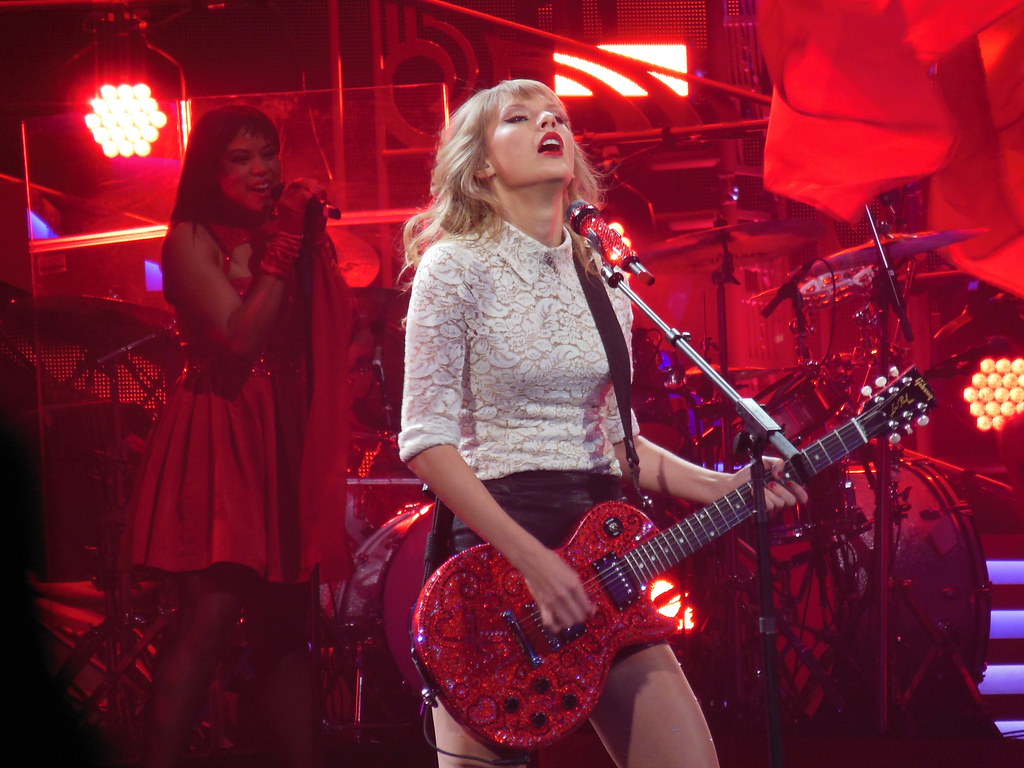
2. **The “Cancel” Culture Phenomenon and “Snake” Denouncement**One of the most vivid and widely publicized instances of a ‘toxic’ social media trend impacting Taylor Swift was the “online ‘cancel’ movement” that engulfed her in 2016. This phenomenon, often characterized by public shaming and widespread calls for boycotts or social ostracization, stemmed directly from the controversy surrounding Kanye West’s single “Famous.” In the song, West included a lyric referencing Swift, “I made that bitch famous,” leading to a public dispute over whether Swift had consented to the lyric.
Swift initially criticized West, stating she never approved the specific lyric. However, the situation escalated dramatically when West’s then-wife, Kim Kardashian, released video clips purporting to show Swift and West discussing the song amicably over the phone. These clips, though later “proven to be purposefully edited,” sparked an immediate and ferocious backlash against Swift across social media. Her critics, fueled by the narrative presented in the edited videos, swiftly denounced her “as a fake and calculating ‘snake’.”
The imagery of the snake became a viral symbol of condemnation, spread rapidly through memes, hashtags, and countless online comments. This episode represents a quintessential example of ‘cancel culture’ in action: a public figure, embroiled in a perceived transgression, is subjected to widespread digital condemnation, leading to a significant negative impact on their public image and, often, their mental well-being. The speed and intensity with which this narrative took hold demonstrate the formidable power of social media to shape public opinion, even based on incomplete or manipulated information.
Swift’s response to this “online ‘cancel’ movement” was ultimately channeled into her music, with *Reputation* serving as a powerful artistic retort. The album title itself, along with its themes, directly confronted the public’s perception and the character assassination she endured. This period underscores the fragility of public image in the digital age and the ease with which a narrative can be hijacked and weaponized online, leading to a collective judgment that often lacks nuance or full understanding of the facts.
The “snake” incident highlights a deeply problematic aspect of social media: its capacity to facilitate rapid, collective condemnation based on incomplete information, often amplified by a desire for viral content. Swift’s experience stands as a testament to the emotional and professional toll such online campaigns can take, and her eventual re-appropriation of the “snake” motif as a symbol of resilience is a powerful, if painful, example of navigating and ultimately transcending online toxicity.
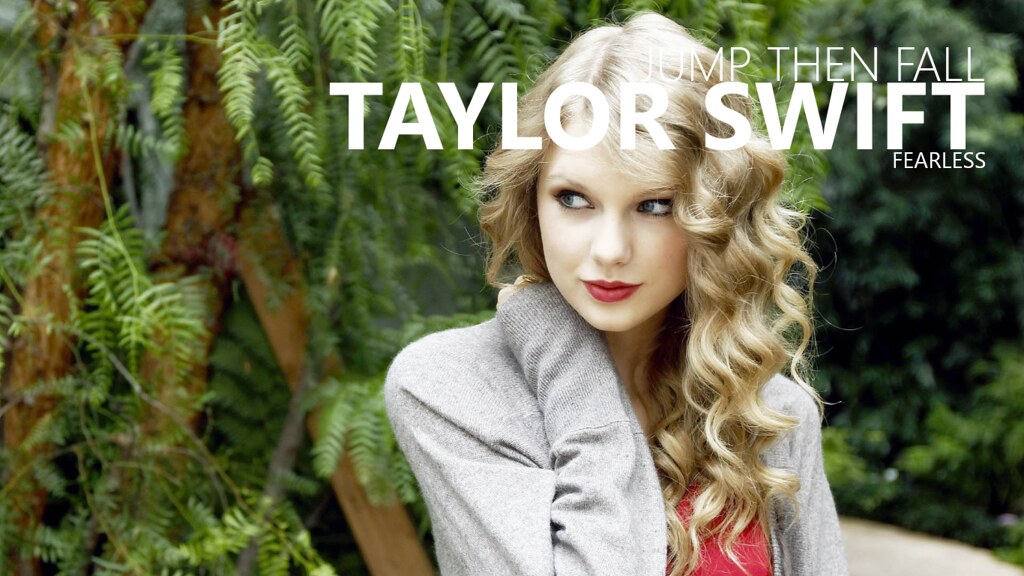
3. **The Battle for Master Recordings and Artistic Ownership**Taylor Swift’s highly publicized dispute over the ownership of her master recordings represents a significant battle against a systemic issue within the music industry, one that was amplified and passionately discussed across social media platforms. In 2019, Swift became “embroiled in a public dispute with the talent manager Scooter Braun after he purchased Big Machine Records, including the masters of her albums under the label.” This acquisition meant that the original recordings of her first six studio albums, from *Taylor Swift* to *Reputation*, were no longer under her control.
Swift characterized this situation as a profound betrayal and an infringement on her artistic legacy. The context states that Big Machine would only allow her to acquire her masters if “she exchanged one new album for each older one under a new contract, which she refused to sign.” This rejection underscored her belief that artists should have agency over their creative work, a stance that resonated deeply with her fanbase and a broader community of musicians. Her decision to publicly address the issue, rather than accept terms she found unfavorable, turned a corporate acquisition into a global conversation about artists’ rights.
Her strategic response to this challenge became one of the most remarkable and impactful moves in modern music history: she began “re-recording her back catalog” in November 2020. This initiative, referred to as ‘Taylor’s Version,’ was designed to “enable her to control the licensing of her songs for commercial use,” effectively devaluing the original masters owned by Braun and later Shamrock Holdings. The re-recorded albums, such as *Fearless (Taylor’s Version)* and *Red (Taylor’s Version)*, not only topped the Billboard 200 but also achieved new historical milestones, demonstrating the immense power of artist advocacy supported by a dedicated fanbase.
The conversation surrounding her master recordings spread virally on social media, with fans passionately supporting her #Rescordings campaign. This online movement demonstrated the power of collective fan action in challenging established industry practices. Swift’s fight, which culminated in May 2025 when she “finalized the purchase of the masters to her first six original studio albums from Shamrock Holdings,” became a high-profile case exemplifying an artist’s struggle for control in an industry where creative output can often be treated as mere intellectual property.
This episode highlights a ‘toxic’ undercurrent in the business of music: the historical imbalance of power between artists and labels/investors regarding ownership. Swift’s persistent and ultimately successful campaign, driven by public awareness and social media mobilization, served as a powerful condemnation of practices that strip creators of their legacy. It underscored her commitment to artistic integrity and autonomy, inspiring ongoing discussions about fair compensation and ownership rights for creators in the digital age.
Read more about: From Child Star to Industry Powerhouse: JoJo’s Unstoppable Evolution in Music and Beyond

4. **The Pervasiveness of AI-Generated Exploitation**The advent of artificial intelligence has introduced new and deeply concerning forms of ‘toxic’ social media trends, one of which directly impacted Taylor Swift in a particularly egregious manner. In January 2024, “AI-generated pornographic images portraying Swift were posted to Twitter and spread to other social media platforms,” triggering immediate and widespread outrage. This incident brought to the forefront the alarming potential of AI technology to facilitate non-consensual exploitation and harassment, particularly targeting public figures.
The rapid dissemination of these fabricated images across various social media platforms underscored the ease with which harmful content can proliferate in the digital ecosystem. This not only constituted a severe invasion of privacy but also highlighted the lack of effective safeguards to prevent such malicious uses of AI. The swift spread of these images prompted “criticism and demands for legal reform,” signaling a collective societal outcry against the weaponization of technology for harmful purposes.
For an artist like Swift, whose career is built on authenticity and a deep connection with her audience, such a violation is not merely a public relations crisis but a profound personal and professional affront. The incident forced a stark reckoning with the ethical implications of AI development and its immediate impact on individual safety and dignity. It demonstrated that even the most globally recognized figures are vulnerable to new forms of digital abuse that can be produced and distributed with unprecedented ease.
The public outcry following this incident served as a crucial condemnation of AI-generated exploitation, pushing for greater accountability from social media platforms and urging legislative bodies to enact stronger protections. This event illuminated the urgent need for robust legal frameworks and technological solutions to combat the creation and spread of deepfake pornography and other forms of AI-powered abuse. It highlighted a significant and evolving ‘toxic’ trend that targets individuals, regardless of their public standing.
Taylor Swift’s experience with AI-generated pornographic images represents a stark warning about the darker side of technological advancement. It underscored the vulnerability of individuals to malicious AI applications and the imperative for collective action to address these emerging threats. Her implicit condemnation through the public response and calls for reform contributed to a broader societal demand for ethical AI development and a safer online environment, particularly for women and public figures who are disproportionately targeted by such exploitative content.
While Swift has consistently demonstrated her resilience in the face of individual online attacks and industry challenges, the unprecedented phenomenon of ‘Swiftmania’ has inadvertently illuminated a more complex array of systemic societal and safety challenges. These issues extend beyond digital harassment to encompass real-world logistical failures, economic monopolies, and even geopolitical implications, all converging around the colossal scale of her public engagements. The immense draw of her presence, particularly during her record-breaking Eras Tour, has brought to light deeply entrenched problems that affect not just her fanbase but broader public infrastructure and international relations, revealing further ‘toxic’ trends that demand critical examination.
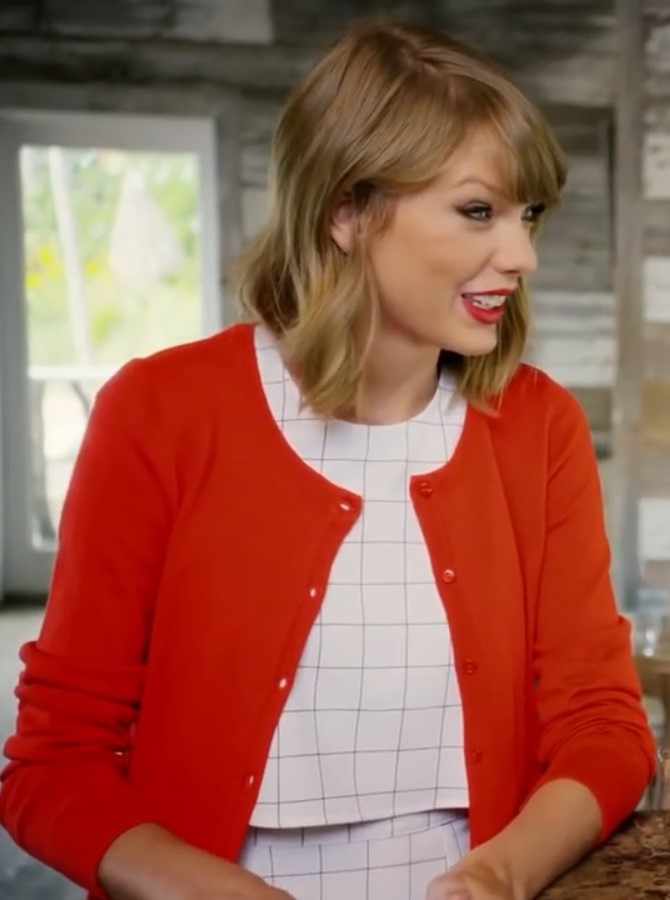
5. **Ticketmaster’s Monopoly and Political Scrutiny**The immense demand generated by Taylor Swift’s Eras Tour inadvertently thrust the long-standing issue of ticketing monopolies into a national spotlight, prompting significant public and political discourse. The sheer volume of fans attempting to secure tickets exposed critical flaws and perceived injustices within the dominant ticketing system, highlighting how a single artist’s popularity could overwhelm existing infrastructures and consumer protections. This scenario underscored the profound impact that a major cultural event can have on economic regulations and antitrust considerations.
During the initial sale of Eras Tour tickets, numerous “controversies surrounding Ticketmaster’s monopoly” emerged, creating widespread frustration and anger among fans. Reports detailed extensive technical issues, exorbitant dynamic pricing, and a perceived lack of transparency in the ticket distribution process. These problems were so pervasive and disruptive that they attracted “political scrutiny in the US,” elevating the discussion from mere consumer grievance to a matter of governmental oversight and potential antitrust violations.
The challenges faced by millions of Swifties attempting to purchase tickets served as a potent illustration of how concentrated market power in the entertainment industry can disadvantage consumers. The incident prompted renewed calls for regulatory action and legislative reforms aimed at fostering greater competition and fairness in the ticketing market. It illuminated the broader implications of allowing a single entity to control such a significant portion of the live event ecosystem, impacting not only artists and venues but also the economic well-being of their fanbases.
Swift’s implicit condemnation of these systemic issues, through the public exposure of the problems her tour generated, contributed significantly to a nationwide conversation about corporate accountability. Her experience with the ticketing debacle served as a high-profile case study, galvanizing both the public and policymakers to re-evaluate the regulatory landscape governing essential entertainment services. This confluence of artistic influence and public demand created an unexpected, yet powerful, platform for addressing a long-standing ‘toxic’ economic trend.
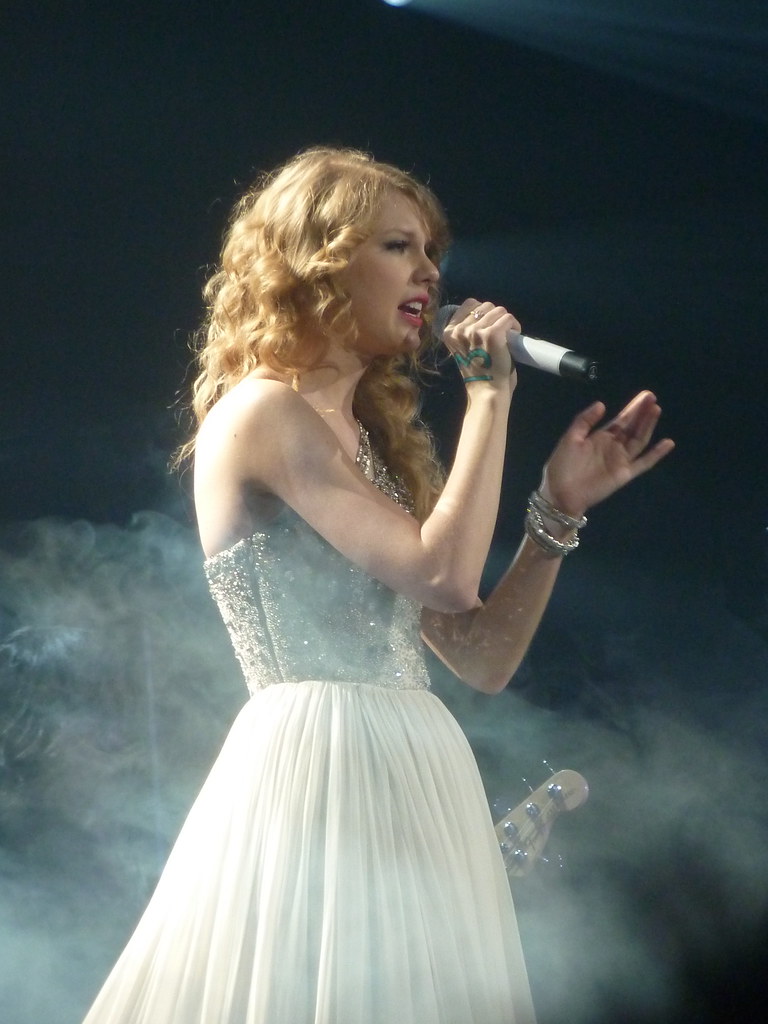
6. **Venue Mismanagement and Tragic Fan Incidents**The immense scale of global tours, while a testament to an artist’s reach, regrettably brings into sharp focus the critical importance of robust safety measures and competent event management. Taylor Swift’s recent public engagements have been marred by tragic incidents, underscoring the severe consequences when these protocols falter or when unforeseen dangers emerge, raising profound questions about fan safety at large-scale gatherings. These events represent a deeply concerning ‘toxic’ trend where the excitement of live music can tragically intersect with preventable harm.
One harrowing incident occurred in Brazil during the Eras Tour, where “venue mismanagement that led to a death” cast a somber shadow over the otherwise joyous occasion. This tragedy highlighted critical failings in addressing extreme weather conditions and ensuring adequate hydration and ventilation for attendees. The human cost of such oversights served as a stark reminder of the immense responsibility borne by event organizers to prioritize the well-being of every individual within their care, particularly when dealing with massive crowds.
Beyond the concert venues, the impact of ‘Swiftmania’ also extended to peripheral events with devastating consequences. In July 2024, “three children were killed in a stabbing attack at a Swift-themed workshop in Southport, England,” an incident that led to “civil unrest in the UK.” This horrific event illustrated the unpredictable nature of threats, demonstrating that even community-organized gatherings inspired by an artist can become targets of violence, leaving communities grappling with profound shock and sorrow.
These collective incidents underscore an urgent societal demand for enhanced security measures, meticulous logistical planning, and stringent emergency response protocols for all public events, whether directly managed by tour organizers or inspired by an artist’s cultural influence. The heightened risks associated with large public gatherings in an increasingly complex world necessitate a proactive and comprehensive approach to safety, ensuring that the celebration of art does not come at an unbearable cost.
7. **Geopolitical Tensions Over Exclusivity Deals**Taylor Swift’s Eras Tour, a global economic powerhouse, has unexpectedly unveiled a unique ‘toxic’ trend where the pursuit of cultural tourism can ignite international diplomatic friction. The unprecedented demand for her performances has transformed concert scheduling into a matter of geopolitical significance, particularly when host nations secure exclusive rights. This phenomenon reveals the unforeseen complexities that arise when massive cultural events intersect with national economic interests and regional rivalries.
A prime example of this dynamic emerged with “Singapore’s exclusivity deal that led to political tension in Southeast Asia.” The context highlights how Singapore secured an agreement making it the sole Southeast Asian stop for the Eras Tour. While beneficial for Singapore’s economy, this arrangement sparked public discontent and official protests from neighboring countries, which felt economically disadvantaged by being excluded from hosting such a lucrative event.
Such exclusive arrangements, while common in international business, take on a different resonance when applied to a cultural phenomenon of Swift’s magnitude. They underscore how countries are increasingly vying for the economic benefits of major global events, seeing them as opportunities to boost tourism, generate revenue, and enhance their international profile. The resulting tensions reveal a ‘toxic’ undercurrent of competitive nationalism, where cultural diplomacy can be overshadowed by economic protectionism and regional animosity.
Taylor Swift, through no direct action of her own, became an unwitting catalyst in this diplomatic friction, her tour illustrating the power of a single artist to shape economic and political landscapes. This situation serves as a stark reminder of the broader societal implications of globalized entertainment and the need for greater transparency and equitable consideration in how such highly sought-after events are distributed. The incident provided a rare glimpse into the unexpected geopolitical weight carried by modern musical tours.
8. **Direct Threats of Violence and Concert Cancellations**Perhaps the most alarming and direct manifestation of ‘toxic’ trends surrounding Taylor Swift’s global presence is the emergence of credible threats of violence, which have led to the devastating necessity of concert cancellations. In an increasingly complex and interconnected world, the security of massive public gatherings remains a paramount concern, and the vulnerability of even the most globally recognized figures to malicious intent has been starkly revealed. These incidents represent a profound challenge to the very essence of shared cultural experiences.
One particularly grave instance involved the cancellation of Swift’s Vienna concerts. The context states that these performances were called off “following the arrest of suspects who planned a terrorist attack.” This preemptive action underscored the severity of the threat, demonstrating that law enforcement and event organizers must remain hyper-vigilant against those who seek to exploit large crowds for nefarious purposes. The mere existence of such plots casts a chilling shadow over the joy and anticipation that define live events.
The profound impact of such direct threats extends far beyond logistical disruptions; it fundamentally erodes the sense of safety and community that concerts are meant to foster. For artists, the need to prioritize fan security above all else can lead to difficult decisions that profoundly affect their work and their relationship with their audience. For attendees, the knowledge that such dangers exist can transform a moment of shared celebration into an experience fraught with underlying apprehension, highlighting a deeply troubling ‘toxic’ manifestation of public life.
These incidents serve as an urgent call for robust intelligence gathering, stringent security protocols, and international cooperation to safeguard public events from those who wish to inflict harm. Taylor Swift’s experiences, sadly, underscore the continuous struggle against violence and extremism in public spaces, forcing a global reckoning with the responsibilities of platforms, governments, and society to protect individuals from these most egregious and ‘toxic’ forms of malice.
Taylor Swift’s unparalleled journey through the modern entertainment landscape offers a compelling, albeit often disturbing, mirror to the evolving ‘toxic’ trends that permeate our digital and physical worlds. From intense media scrutiny and the unforgiving tides of ‘cancel culture’ to the profound battle for artistic ownership and the alarming specter of AI-generated exploitation, her career has illuminated the multifaceted pressures faced by public figures. Furthermore, the global scale of ‘Swiftmania’ has exposed systemic issues such as ticketing monopolies, critical gaps in fan safety, and even the potential for geopolitical friction, alongside the most chilling reality of direct threats of violence. Her experiences, rather than isolated incidents, stand as a powerful condemnation and a stark warning, urging a collective re-evaluation of ethical responsibilities across technology, industry, and society to foster a safer, more equitable environment for creators and audiences alike.”}
,{“_words_section2”: “1947