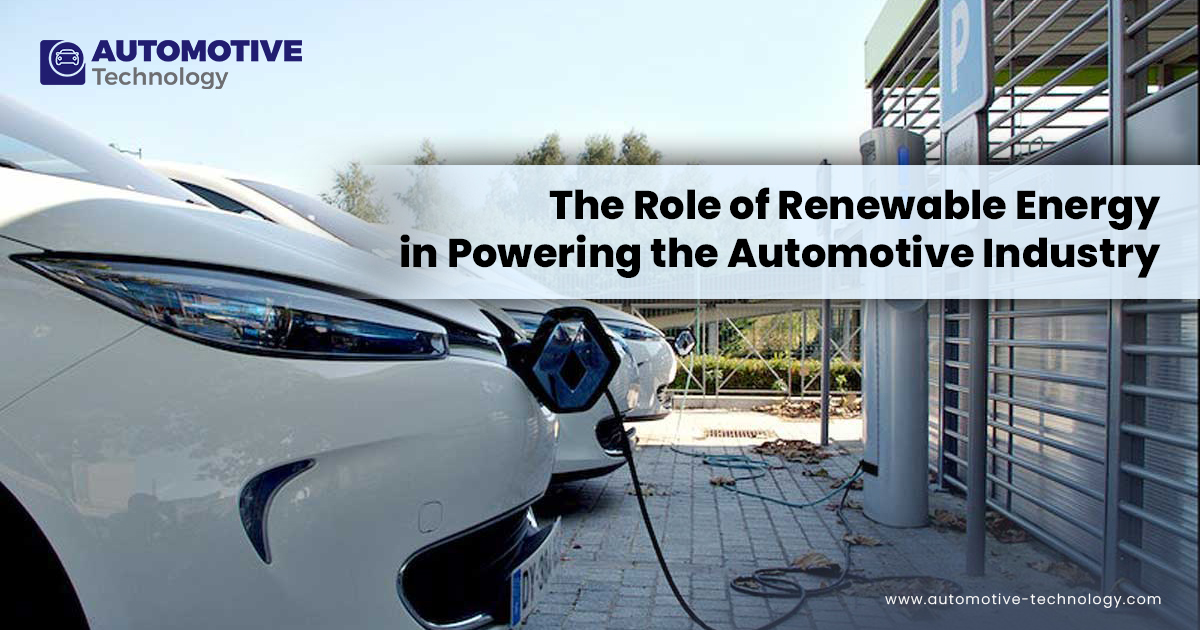
The automotive industry is on the cusp of a profound transformation, driven by an escalating global commitment to environmental sustainability and public health. Across the United States, a powerful movement is gaining momentum, as a growing number of states are setting ambitious targets to phase out traditional internal combustion engines. This bold and visionary push reflects a broader desire to dramatically reduce greenhouse gas emissions, combat persistent urban air pollution, and accelerate the widespread adoption of cleaner, more efficient transportation technologies.
This concerted effort represents a significant pivot in environmental policy and consumer choice, signaling a future where the electric vehicle (EV) and plug-in hybrid (PHEV) are not just alternatives but the new standard. As states champion these progressive regulations, they are not only shaping their own environmental landscapes but also exerting considerable influence on the strategies of automakers, compelling them to innovate and adapt at an unprecedented pace. The collective impact of these initiatives promises a cleaner, more sustainable future for transportation across the U.S., redefining how we drive and what powers our journeys.
In this in-depth look, we delve into the policies and timelines of several key states at the forefront of this movement, examining the specifics of their commitments and the potential ramifications for drivers and the industry alike. From pioneering legislation to health-driven mandates, these states are setting the stage for a new era of mobility, charting a clear course towards a gas-free future.
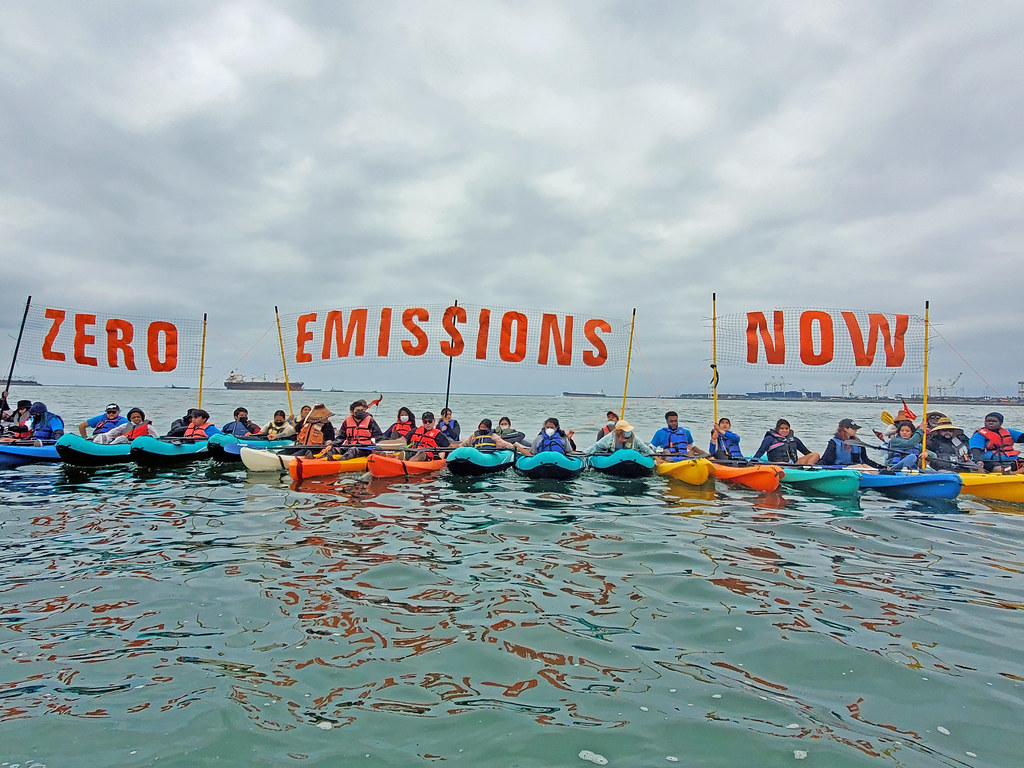
1. **California: Setting the Standard for Zero Emissions**California stands as the undeniable spearhead of this transformative initiative, consistently pushing the boundaries of environmental regulation in the automotive sector. The Golden State has taken a landmark step by announcing a ban on the sale of new gas-powered cars by 2035, a policy meticulously crafted to aggressively cut tailpipe emissions and vigorously promote the adoption of zero-emission vehicles, including electric and plug-in hybrid models, across its vast populace.
This monumental decision, formally endorsed by the California Air Resources Board in August 2022, is not merely a suggestion but a firm mandate. It explicitly dictates that all new cars, SUVs, and pickup trucks sold within the state must produce zero tailpipe emissions by the year 2035. While existing vehicles will remain unaffected by this ruling, its implications for the automotive market are immense: automakers and dealers operating in California will be exclusively limited to offering electric and select plug-in hybrid models to consumers.
Governor Gavin Newsom has been a vocal proponent of this policy, underscoring its critical role in addressing pressing environmental challenges. He emphasized the urgency of this policy in mitigating the devastating impact of wildfires, preventing further environmental degradation, and proactively protecting California’s invaluable coastal regions from the accelerating effects of climate change. His vision highlights the multifaceted benefits extending beyond just cleaner air, touching upon broader ecological preservation.
The framework for this ambitious transition is outlined in the Advanced Clean Cars II rule, which establishes a progressive roadmap for the integration of zero-emission vehicles. This rule mandates a phased approach, requiring zero-emission vehicles to constitute 35% of new cars and light trucks sold by 2026, escalating significantly to 68% by 2030, and ultimately reaching the target of 100% by 2035. This structured progression provides a clear trajectory for manufacturers and consumers to adapt to the evolving market, ensuring a steady shift towards sustainable transportation.

2. **Delaware: Mirroring California’s Green Ambitions**Delaware is swiftly gearing up to embrace a cleaner and more sustainable automotive future by aligning its environmental policies with those of California, demonstrating a clear commitment to national clean air goals. In April 2023, Secretary Shawn Garvin of the Department of Natural Resources and Environmental Control made a pivotal announcement: Delaware will directly mirror California’s stringent regulations pertaining to the ban on gas-powered vehicles. This decision underscores a growing consensus among states regarding the necessity of decisive environmental action.
This strategic move involves a significant update to the state’s existing Low Emission Vehicle program, meticulously ensuring its full alignment with Section 177 of the Clean Air Act. This legislative foundation allows states to adopt California’s more rigorous emission standards, bypassing less stringent federal requirements. By doing so, Delaware is effectively leveraging established legal frameworks to accelerate its transition to a cleaner fleet of vehicles, showcasing a proactive stance on environmental protection.
Delaware’s commitment extends beyond mere compliance; it actively reflects a deep-seated desire to reduce overall pollution levels and significantly advance environmental standards within its borders. The adoption of these regulations is poised to have a tangible impact on air quality and public health, especially in densely populated areas. This forward-thinking approach positions Delaware as a key player in the national movement towards greener transportation options.
Ultimately, this decision by Delaware represents a bold and unequivocal step toward cultivating a greener automotive landscape. By adopting California’s robust framework, the state is not only setting clear expectations for vehicle manufacturers and consumers but also contributing to a broader collective effort to mitigate climate change and foster healthier communities. It’s a testament to the idea that states can drive significant environmental progress through cooperative legislative action.
3. **Maine: Navigating the Path to a Gas-Free Horizon**Maine, known for its pristine natural beauty and commitment to environmental stewardship, is actively charting a course towards a future largely free of gas-powered vehicles. This initiative gained significant traction in May 2023, when a civilian petition effectively spurred the state legislature to seriously consider adopting the Advanced Clean Cars II standards, mirroring the ambitious framework established by California. This democratic push highlights a strong public desire for cleaner transportation options in the state.
The legislative journey, however, has encountered its share of challenges. A planned December rulemaking session, crucial for formalizing these new standards, was unexpectedly thwarted by a severe snowstorm. Despite this temporary setback, the momentum for cleaner air policies quickly reignited, with a subsequent March 2024 hearing successfully reviving the discussion and moving the process forward, demonstrating resilience in the face of unexpected obstacles.
Should Maine ultimately adopt these stringent Advanced Clean Cars II standards, it will set a definitive timeline to implement California’s ban on gas-powered cars by 2028. This potential early adoption, compared to some other states, underscores Maine’s progressive stance and its eagerness to accelerate the transition away from fossil-fuel-dependent transportation. Such a move would significantly impact the state’s vehicle market and consumer choices.
This ambitious legislative undertaking unequivocally reflects Maine’s profound dedication to curbing vehicle emissions and vigorously promoting sustainable transportation solutions across its diverse communities. The potential for a 2028 ban positions Maine as a leader in the New England region, contributing significantly to regional and national efforts to reduce carbon footprints and improve air quality for its residents and visitors alike. It signals a clear vision for a healthier, more environmentally conscious future.
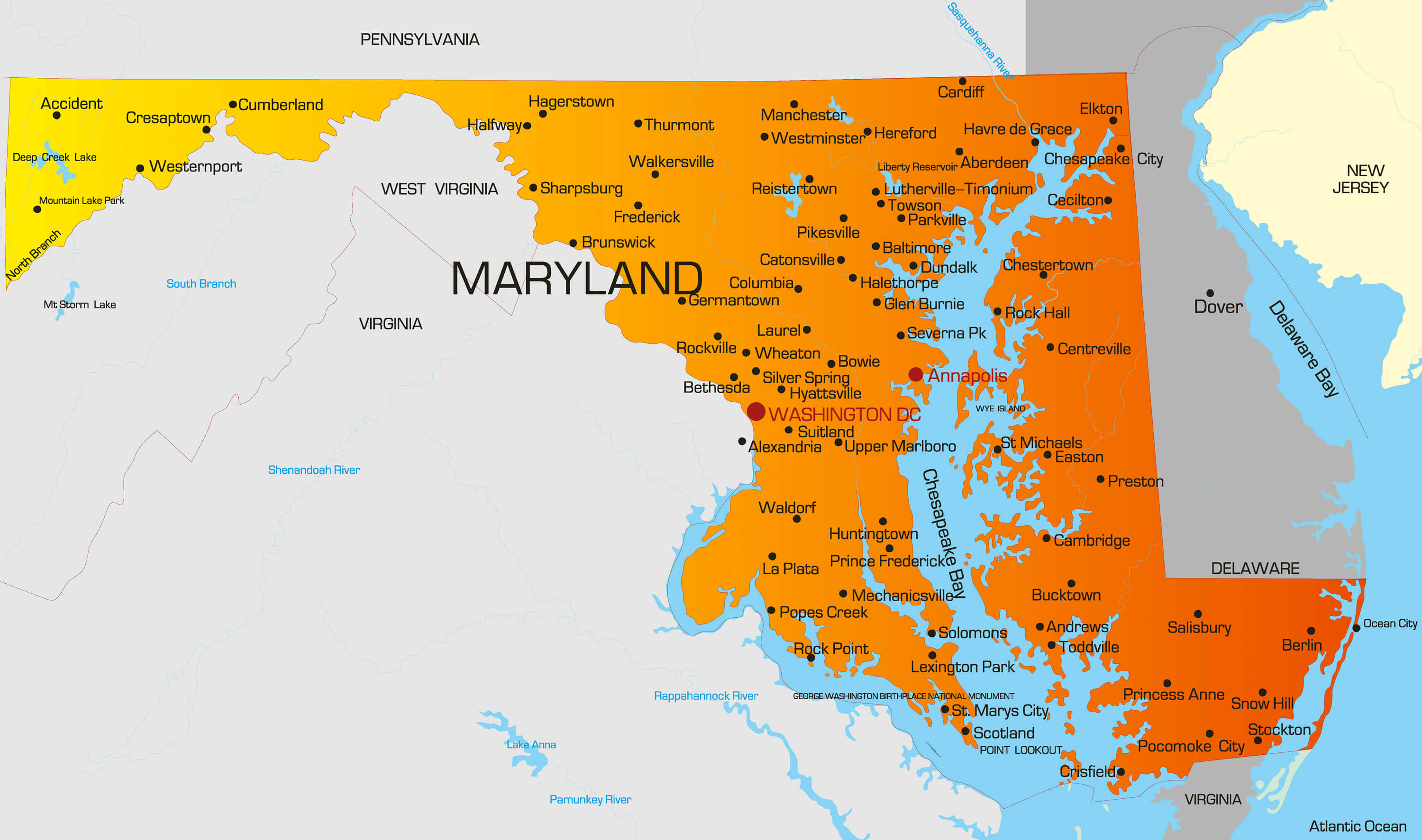
4. **Maryland: Driving Health and Economic Benefits Through Clean Cars**Maryland is strategically positioning itself as a leader in the national movement towards cleaner transportation, emphasizing not only environmental gains but also significant public health and economic advantages. In March 2023, Governor Wes Moore made a decisive declaration, announcing that Maryland would officially join the growing ranks of states committed to banning gas-powered vehicles by the year 2035. This commitment aligns the state with some of the most progressive environmental policies in the nation.
A cornerstone of Governor Moore’s announcement was his strong emphasis on the tangible public health benefits anticipated from this transition. He highlighted compelling projections indicating that adopting the Advanced Clean Cars II regulations could lead to substantial annual savings, estimated at nearly $40 million each year. These savings would primarily stem from a significant reduction in productivity losses, directly linked to respiratory and cardiovascular diseases that are exacerbated by vehicle emissions.
This forward-thinking decision by Maryland’s leadership underscores a dual commitment: to fostering cleaner air for all its residents and to cultivating a healthier population overall. By prioritizing policies that directly impact environmental quality, the state is making a clear investment in the long-term well-being of its communities. The economic argument further strengthens the case, showing a direct return on investment through improved public health outcomes.
Maryland’s embrace of these advanced clean car standards marks a significant and impactful step toward achieving a greener and more prosperous future. The state is demonstrating that environmental policies can be seamlessly integrated with public health initiatives and economic development, creating a holistic approach to sustainable governance. This positions Maryland as a compelling example of how states can drive change that benefits both the planet and its people.
Continuing our journey through the states leading the charge toward a gas-free future, we now turn our attention to Massachusetts, Rhode Island, and New Jersey. These states, through their proactive legislative frameworks and strong environmental commitments, are further solidifying the national momentum toward zero-emission transportation. Their individual approaches, while distinct, collectively reinforce the profound shift underway in the automotive industry and for consumers nationwide. Each step taken by these states is a testament to a shared vision for cleaner air, healthier communities, and a more sustainable planet.
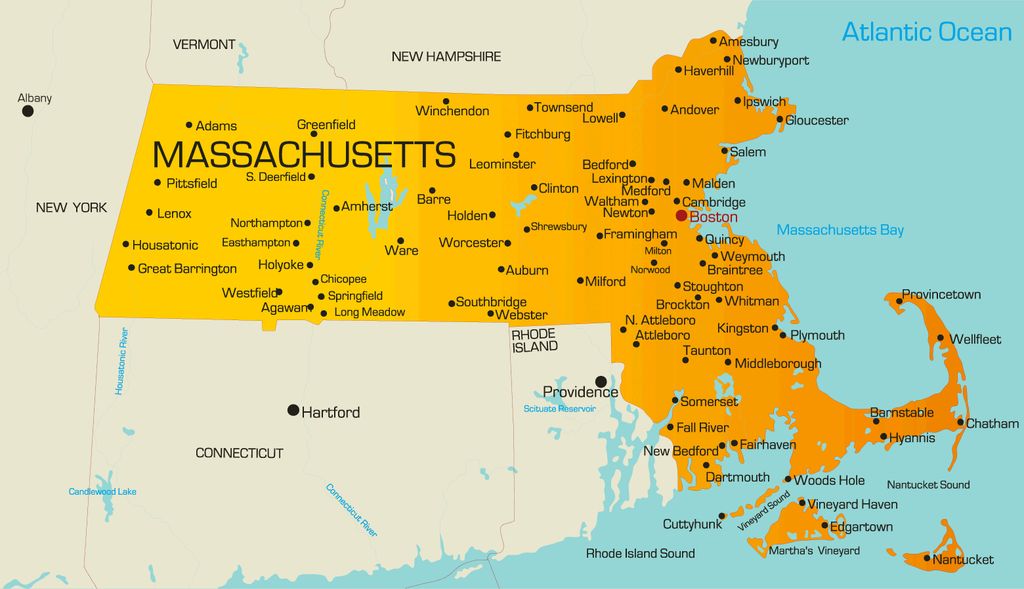
5. **Massachusetts: A Leader in Automatic Alignment**Massachusetts has distinguished itself as an early and decisive adopter in the race toward zero-emission vehicles. The Bay State has not hesitated in its commitment, showcasing a forward-thinking approach to environmental policy by embedding proactive measures into its legislative framework. This swift action reflects a clear understanding of the urgency required to address climate change and reduce vehicle emissions, positioning Massachusetts as a key player in the national clean energy movement.
A cornerstone of Massachusetts’ strategy is its ‘trigger law,’ a legislative mechanism that automatically aligns the state with California’s rigorous emissions policies, including the Advanced Clean Cars II legislation. This sophisticated legal framework means that as California pioneers stricter environmental standards, Massachusetts automatically follows suit. Such an automatic alignment significantly streamlines the regulatory process, ensuring that Massachusetts remains at the forefront of clean vehicle mandates without requiring repeated, individual legislative battles for each new standard.
Since August 2022, when California’s landmark Advanced Clean Cars II rule was formally endorsed, Massachusetts has been firmly on track to phase out the sale of new gas-powered vehicles by 2035. This timeline mirrors California’s ambitious target, signaling a unified regional effort to transform the automotive market. For consumers in Massachusetts, this means a gradual but inevitable shift towards a broader availability and preference for electric vehicles (EVs) and plug-in hybrids (PHEVs) in the coming years, fostering an environment where sustainable transportation becomes the norm rather than the exception.
This proactive and interconnected approach underscores Massachusetts’ profound commitment to reducing greenhouse gas emissions and embracing sustainable transportation solutions. By proactively setting a clear path for a cleaner future, the state is not only safeguarding the health of its residents and preserving its natural landscapes but also contributing significantly to the broader national agenda of climate action. The predictability offered by its trigger law also provides automakers with clear market signals, encouraging investment in EV infrastructure and development within the state.
The implications of Massachusetts’ automatic alignment extend beyond its borders, serving as an influential model for other states considering similar legislative frameworks. It demonstrates how states can efficiently and effectively integrate ambitious environmental goals into their policy structures, thereby accelerating the transition to a cleaner, more efficient, and ultimately, more sustainable transportation system for its citizens and the wider region.
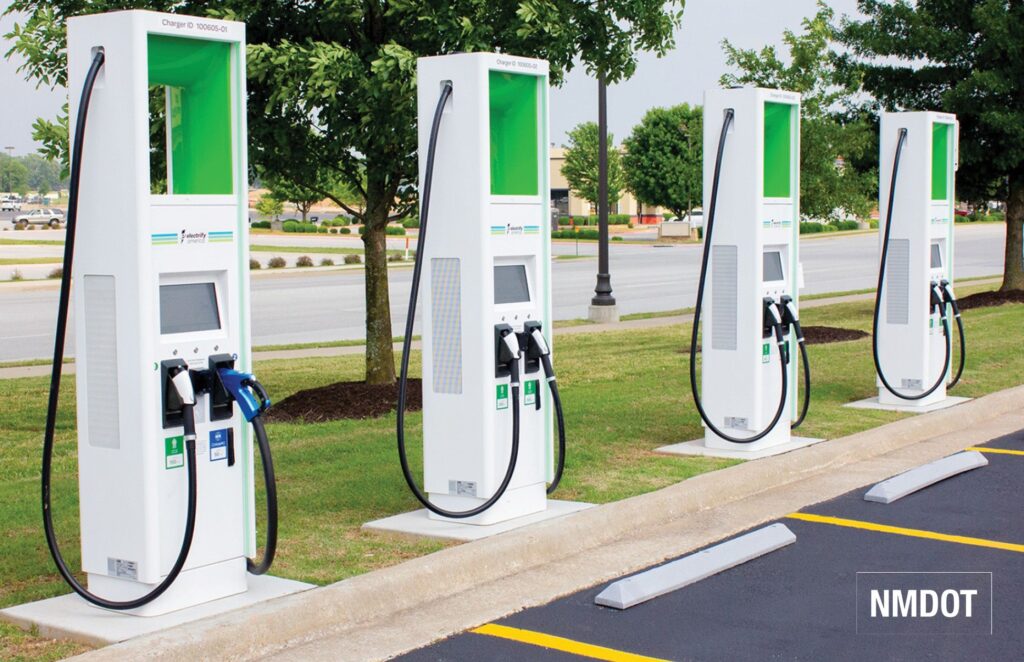
6. **Rhode Island: Championing Environmental Justice and Carbon Reduction**Rhode Island made its pivotal entry into the clean car movement in May 2023, firmly cementing its position among states dedicated to transitioning away from gas-powered vehicles. As the eighth state to proactively leverage Section 177 of the Clean Air Act, Rhode Island has chosen to adopt California’s stringent Advanced Clean Cars II regulations. This strategic decision showcases a comprehensive understanding of the interconnectedness of environmental policy, public health, and social equity, driving a holistic approach to sustainable development within the Ocean State.
Governor Dan McKee, a vocal advocate for these progressive environmental measures, emphasized the critical role of the Advanced Clean Cars II regulations in achieving key state objectives. He highlighted their particular importance in significantly reducing smog, a pervasive air pollutant that disproportionately affects vulnerable communities and contributes to respiratory illnesses. Beyond air quality, Governor McKee also underscored the regulations’ contribution to advancing environmental justice, ensuring that the benefits of cleaner air are equitably distributed across all populations within the state.
Governor McKee articulated the urgency behind Rhode Island’s decision, stating, “The Act on Climate put us on the clock for meeting major carbon reduction mandates, and it’s clear to me that Rhode Island will only meet the mandates by addressing the transportation sector head-on.” This powerful declaration not only highlights the state’s legally binding commitment to aggressive carbon reduction targets but also explicitly identifies the transportation sector as a primary focus for intervention. It acknowledges that effective climate action necessitates a direct and unreserved pivot away from fossil-fuel dependence in how its residents move and commute.
The adoption of these regulations signifies Rhode Island’s unwavering commitment to fostering cleaner air and promoting sustainable practices across its communities. By targeting vehicle emissions, the state is taking direct action against a major source of atmospheric pollution, which in turn promises improved public health outcomes and a higher quality of life for its residents. This commitment extends beyond mere compliance, reflecting a genuine desire to be a leader in environmental stewardship.
Furthermore, Rhode Island’s emphasis on environmental justice within this transition underscores a broader recognition that climate policies must serve all segments of society. By proactively reducing tailpipe emissions, the state aims to alleviate environmental burdens often borne by lower-income neighborhoods and communities of color, ensuring that the shift to cleaner transportation is inclusive and equitable. This comprehensive approach strengthens the state’s resolve and offers a blueprint for other regions grappling with similar challenges in their pursuit of a greener future.

7. **New Jersey: Fast-Tracking a Clean Energy Future**New Jersey is making significant strides in its environmental agenda, demonstrating a robust commitment to an accelerated clean energy transition. In March 2023, Governor Phil Murphy signed a series of executive orders that decisively fast-track the state’s plan for banning the sale of new gas-powered cars by 2035. This bold legislative action positions New Jersey as a frontrunner in the national effort to decarbonize the transportation sector, reflecting a profound dedication to environmental protection and public health.
By utilizing Section 177 of the Clean Air Act, New Jersey became the sixth state to adopt these stringent emission standards, effectively mirroring the progressive regulations initially established by California. This strategic alignment allows New Jersey to implement more aggressive tailpipe emission standards than federal mandates, thereby rapidly accelerating the shift towards zero-emission vehicles within the state. This mechanism provides a powerful tool for states to drive significant environmental policy changes independently.
Governor Murphy proudly heralded this ambitious shift, emphasizing its role in moving the state’s clean energy goals forward with unprecedented speed and determination. The executive orders are designed not only to reduce the state’s carbon footprint but also to stimulate innovation in the automotive sector and foster the development of a robust electric vehicle charging infrastructure. This comprehensive approach is essential for ensuring a smooth and equitable transition for all New Jerseyans.
The commitment to a 2035 ban signals a clear message to both consumers and the automotive industry: New Jersey is unequivocally dedicated to a future where clean transportation is paramount. This policy will progressively increase the availability and market share of electric and plug-in hybrid vehicles, making them more accessible and attractive options for residents. It represents a fundamental recalibration of the state’s transportation ecosystem, aiming for sustainable growth and reduced environmental impact.
New Jersey’s proactive stance also generates substantial public health benefits, primarily through the reduction of vehicle-related air pollutants. Less tailpipe emissions mean cleaner air, which can lead to a decrease in respiratory and cardiovascular diseases across the state. This tangible improvement in public health outcomes reinforces the multifaceted value of such ambitious environmental policies, extending beyond climate change mitigation to directly enhance the well-being of its citizens.
The collective actions of these pioneering states—California, Delaware, Maine, Maryland, Massachusetts, Rhode Island, and New Jersey—underscore a transformative moment in American transportation. Each state’s commitment, whether through groundbreaking legislation, automatic alignment, or health-focused mandates, contributes to a powerful, unified movement. This concerted effort is not just about banning gas engines; it’s about engineering a future defined by cleaner air, enhanced public health, and a resilient, sustainable economy. As these policies take root and the transition accelerates, the landscape of mobility in the U.S. is poised for an unprecedented and exciting evolution, paving the way for a healthier planet and a more sustainable way of life for generations to come.