The pursuit of peak physical performance and a formidable physique often leads us down well-trodden paths in the gym. We dedicate ourselves to routines, sometimes clinging to exercises that have achieved legendary status, fueled by social media hype or the sheer grit they demand. But what if some of these cherished lifts are actually holding you back, or worse, putting your body at unnecessary risk? It’s a heated topic, to be sure, as one person’s “overrated” exercise could be another’s cornerstone. However, the true measure of an exercise isn’t its popularity or how much it makes you suffer, but its effectiveness, safety, and how well it aligns with your long-term fitness goals.
In the fitness world, hype travels faster than results. Many lifts blow up online because they look complicated, explosive, or extreme, catching attention without necessarily delivering superior muscle-building stimulus compared to simpler, proven alternatives. Copying elite athletes like Olympic lifters, pro bodybuilders, or CrossFit competitors without understanding the context of their training, mobility, and experience can also be a recipe for disaster. When lifts are chosen for “flex appeal” rather than genuine function, you’re often wasting valuable workout time on movements that don’t truly help you get stronger, build muscle, or enhance power and movement. This article, guided by insights from experienced coaches and physical therapists, aims to cut through the noise and identify 12 such lifts.
We encourage you to keep an open mind as we delve into these movements. “Overrated” doesn’t mean you should *never* do them, but rather to critically consider their importance and potential drawbacks in your routine. Our goal is to empower you to lift injury-free for years, making smart choices that protect your joints, maximize muscle growth, and deliver tangible results. We’ll explore why these lifts often fall short, the risks they pose, and crucially, provide evidence-backed alternatives that will keep you on track without compromising your body. Let’s redefine what truly counts as an effective workout.

1. **Barbell Good Morning**The barbell good morning is a classic hip hinge movement designed to train the entire posterior chain—your lower back, hips, and hamstrings. While the concept of strengthening these crucial muscle groups is sound, its execution often comes with significant caveats. According to Gareth Sapstead (MSc CSCS), a renowned physique training specialist, this exercise is essentially “a lower back tweak waiting to happen.” This isn’t a hyperbolic statement, but a stark warning about the biomechanical realities of the movement, especially for the average gym-goer.
Sapstead highlights that most individuals are simply “not built, coached, or braced well enough to pull them off safely — especially under load.” The core issue lies in the leverage involved: you’re positioning “a long lever arm (the torso) out in front of the lower back, causing a huge increase in shear forces on your lumbar spine.” These shear forces, described by Sapstead as the “sliding, grinding kind of force your discs hate,” can lead to significant discomfort, pain, and even injury over time. Without the bracing mechanics of a world-class powerlifter and years of experience under the bar, the risk-to-reward ratio for this exercise becomes highly questionable for many.
The implications are clear: unless you possess exceptional core stability, precise technique, and a robust, resilient lower back, the barbell good morning might be doing more harm than good. Its potential for lower back strain far outweighs its benefits for most lifters seeking to build a strong posterior chain. The emphasis should always be on effective training that minimizes injury risk, and in this regard, the good morning often falls short of that crucial balance. Smart alternatives exist that can target the same muscle groups with far greater safety margins, ensuring you can continue training effectively for the long haul.
For those looking to train the posterior chain safely and effectively, Sapstead recommends RDLs (Romanian Deadlifts) and Reverse Hyperextensions. Both exercises effectively target the hamstrings, glutes, and lower back, but crucially, they allow for better control of the load and are significantly more forgiving on the lumbar spine. These alternatives provide a robust stimulus for muscle growth and strength development without subjecting your spine to undue shear forces, making them superior choices for most individuals looking to build a powerful and resilient posterior chain.
Read more about: Hollywood Muscle: 15 Strongest Stars on the Big Screen
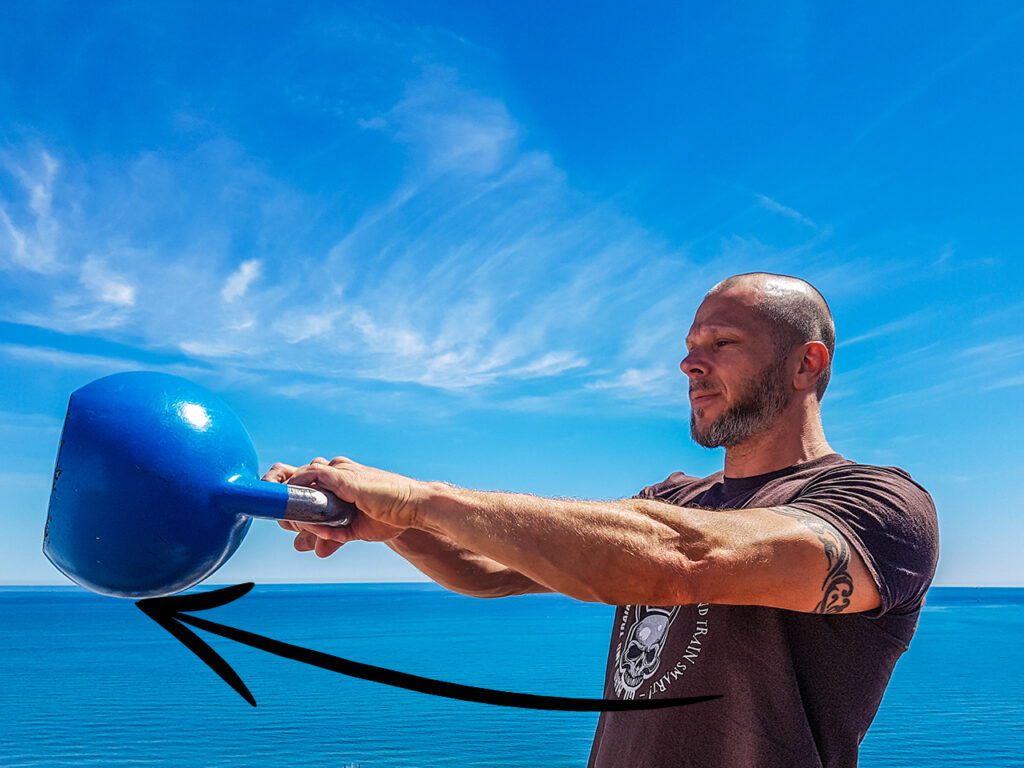
2. **American Kettlebell Swing**The American kettlebell swing stands out from its Russian counterpart by taking the kettlebell overhead, creating a more extended range of motion that often “looks badass.” However, this visual appeal can be deceptive, masking trade-offs that many lifters fail to consider. While pushing the kettlebell overhead might seem like a natural progression or a way to increase workout intensity, it often introduces biomechanical challenges that compromise both safety and effectiveness, particularly for those who lack specific physical prerequisites.
Dr. Bo Babenko, DPT, emphasizes that the overhead finish of the American swing demands excellent shoulder mobility and a decent level of skill. Without these, “forcing the bell overhead can compromise your shoulders and lower back.” He frequently observes that “most folks lack the skill and shoulder mobility to do these,” leading to a common pattern of “lower back and shoulder issues from poor technique.” The aggressive overhead movement, if executed without proper control and joint stability, places unnecessary strain on vulnerable structures, turning a powerful exercise into a potential injury hazard.
Furthermore, the extended range of motion doesn’t necessarily translate to superior results in terms of the swing’s primary objectives. A key point of the kettlebell swing is to build power from the hips, maximizing glute and hamstring engagement. The extra time and effort spent controlling the bell overhead and bringing it back down doesn’t inherently increase this power output or muscle recruitment in the prime movers. Instead, it diverts focus and energy to shoulder stability and control, potentially diluting the hip hinge stimulus that makes the swing so effective in the first place.
For most lifters, the obvious and superior alternative is the Russian kettlebell swing, which stops at chest height. This variation maximizes hip hinge power, allowing you to focus purely on the explosive drive from your glutes and hamstrings without the added risk to your shoulders and lower back. If an overhead movement is desired, a kettlebell snatch offers a smoother, more controlled path to overhead, further emphasizing the principle to “build power from the hips, not the hype,” ensuring both effectiveness and joint integrity in your training regimen.
Read more about: The Real Scarlett Johansson: Your Ultimate Glimpse Into Her Unpolished Daily Snaps & Superstar Life

3. **Burpees**Burpees are a ubiquitous fixture in fat loss, conditioning, and “hardcore” workouts, often celebrated for their ability to make you breathe hard, muscles burn, and leave you in a state of suffering. The intense physiological response they elicit leads many to believe that they must be highly effective. Yet, a deeper look into their mechanics and actual benefits reveals a different story, one where perceived exertion often outweighs tangible, safe results.
According to Gareth Sapstead, burpees are a prime example of an exercise that delivers “very little in return for what they take from your body.” He describes them as “a stitched-together mess of a half-hearted push-up, a floppy, uncontrolled plank, and a rushed squat jump with bad landing mechanics.” This assessment points to the critical flaw in most burpee execution: a hurried approach that compromises form across multiple movements, leading to a general state of fatigue for fatigue’s sake, rather than targeted muscle engagement or efficient conditioning.
Beyond their inefficiency, Sapstead emphatically states that burpees can, at times, be downright dangerous. He warns against the common practice of compressing the spine by flopping down, slamming the knees on landings, and putting undue stress on the shoulders from unstable, fatigued push-ups. These repetitive, uncontrolled impacts and positions place significant strain on joints and connective tissues, increasing the risk of acute injury and chronic pain. The desire to push through reps often overrides careful technique, turning burpees into a high-risk, low-reward endeavor for many.
Instead of enduring the punitive nature and potential hazards of burpees, there are safer and more effective alternative routines that build work capacity and muscle. Sapstead suggests barbell complexes or kettlebell circuits, which involve training foundational movements like squats, hinges, presses, and rows with resistance. These structured circuits build muscle and improve conditioning through controlled, purposeful movements. Alternatively, sled pushes or loaded carries are excellent for building work capacity without the technical breakdown or joint impact of burpees, challenging the legs, lungs, and mental toughness in a much safer manner.
Read more about: Unlock Big Results: Can 10 Powerful Micro-Workouts Truly Replace Your 30-Minute Daily Walk?
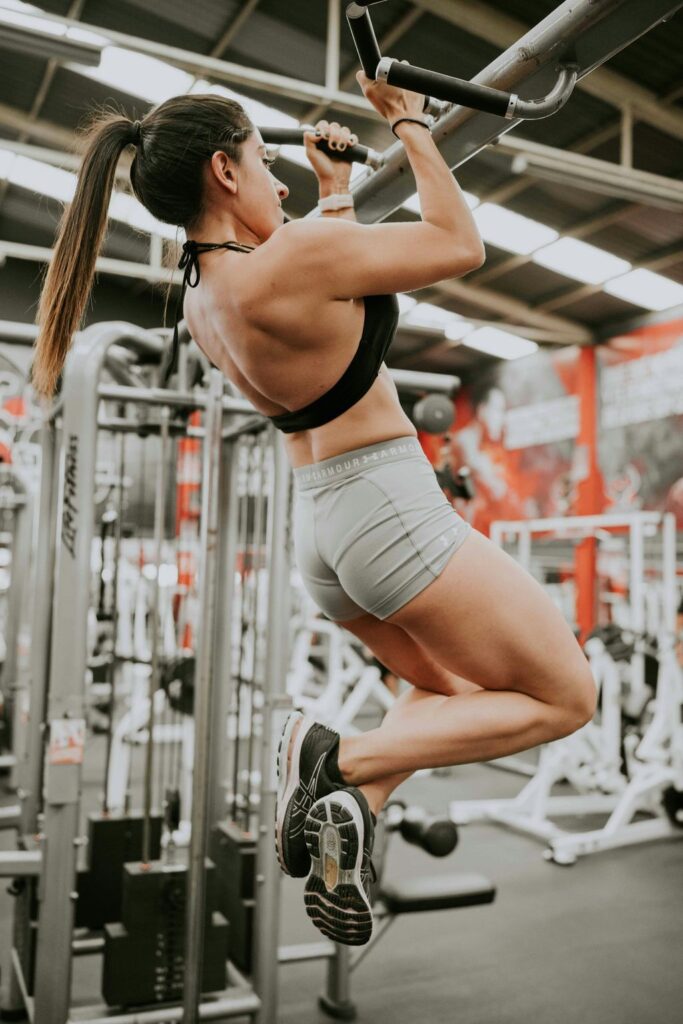
4. **Kipping Pull-up**The kipping pull-up is frequently promoted as a method to achieve more reps and enhance conditioning, particularly within certain fitness methodologies. While it indeed allows for a higher volume of repetitions, its utility for building foundational strength and muscle mass, the core objectives for many gym-goers, is often misunderstood and overstated. The aggressive swinging motion that defines the kip fundamentally changes the nature of the pull-up, shifting the focus away from pure muscular contraction.
The central issue isn’t that kipping is inherently “bad,” but rather that it’s often performed by individuals who haven’t first mastered strict pull-ups. Without a solid foundation of shoulder stability, scapular control, and fundamental pulling strength, the momentum-driven kipping motion can place “unnecessary stress on the shoulders and elbows,” as explained by Lee Boyce, an 18-year certified strength and conditioning coach. This means that the joints are bearing the brunt of the movement, rather than the intended target muscles, creating a significant risk profile.
Boyce minces no words regarding the potential for injury, stating, “If you want your shoulders to give you the middle finger, then use kipping pull-ups.” He clarifies that while the ability to use drastic momentum to get the chin over the bar more times than with strict sets might seem appealing, it is “outweighed by the disadvantages of the body’s weight cranking on the shoulder and elbow joint.” The violent, uncontrolled nature of the kip, especially under fatigue, can lead to impingement, rotator cuff issues, and elbow tendonitis, making it a high-risk exercise for those prioritizing joint longevity and genuine strength gains.
When the goal is to genuinely improve pulling strength and build muscle in the lats and biceps, Boyce strongly recommends returning to the fundamentals: the good old-fashioned pull-up and chin-ups. These exercises, performed with a focus on full ranges of motion and strict control, directly challenge the muscles responsible for pulling the body upward. For a shoulder-friendly alternative that still builds pulling strength and scapular control, the TRX Inverted Row is an excellent option. These alternatives ensure that your efforts directly contribute to strength and muscle development, without the undue joint stress associated with kipping.
Read more about: Unlocking Peak Performance: A Comprehensive Guide to the Best Value Cable Machines for Your Home Gym

5. **Barbell Upright Row**Many exercises incorporate vertical pulling movements, notably Olympic lifts and their variations like the high pull or clean. However, the barbell upright row, a common gym staple for targeting the shoulders and traps, frequently faces criticism due to its inherent mechanical flaws that can be unfriendly to your joints. While it aims to hit the deltoids, its execution often forces the shoulder into vulnerable positions, making its risk-to-reward ratio highly unfavorable for many lifters.
Dr. Mike T Nelson points out the primary biomechanical problem: upright rows “force the shoulder into internal rotation with abduction,” a combination that “can jam the subacromial space and irritate the rotator cuff — especially when people pull too high or use a narrow grip.” This jamming effect creates friction and compression within the shoulder joint, increasing the likelihood of inflammation, pain, and long-term damage to the delicate rotator cuff tendons. The position itself, particularly under load, is intrinsically stressful for shoulder health.
While some may argue that other exercises, like the barbell bench press, also place the shoulder in a vulnerable position, Nelson emphasizes that the upright row’s context is different. He states that “the risk-to-benefit ratio is poor since you’re limited by how much weight you can handle in that compromised position, so the actual muscle stimulus isn’t that great.” This means that not only is the exercise potentially harmful, but it’s also inefficient for building significant muscle or strength, as you can’t effectively load the target muscles without significantly increasing joint risk.
For those seeking to train the vertical pull movement or target the deltoids without aggravating the shoulder, Nelson suggests superior alternatives. Dumbbell lateral raises effectively target the same muscle groups, particularly the middle deltoid, but allow for a more natural and less impingement-prone range of motion. If a vertical pulling movement is still desired, a cable upright row with a wider grip can be a better choice, as it provides more flexibility in hand placement and angle, reducing the stress on the subacromial space and protecting the rotator cuff.
Read more about: Pushing the Limits: The 7-Day Gym Split Designed to Shatter Plateaus and Redefine Your Physique
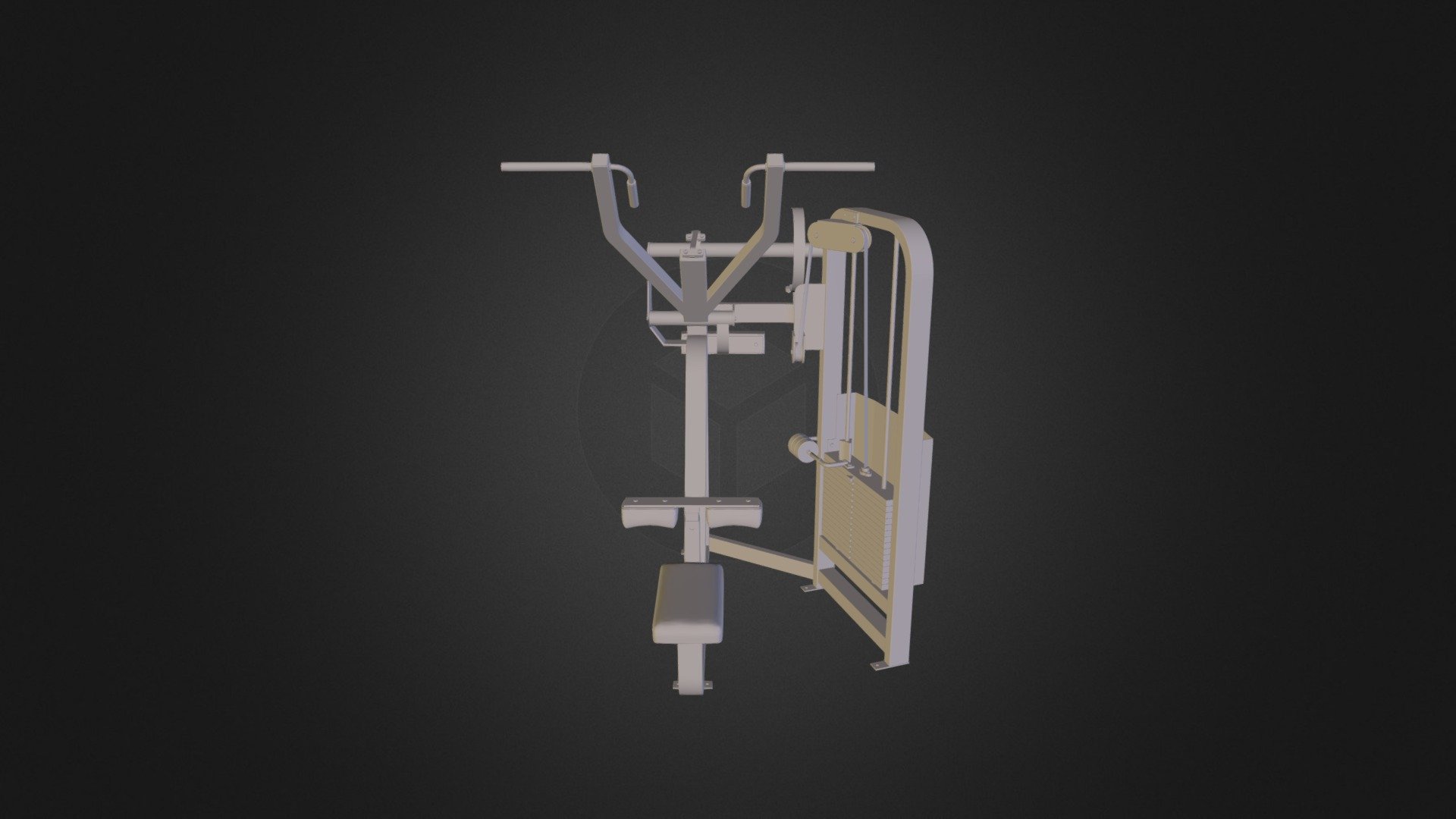
6. **Behind-The-Back Lat Pulldown**The behind-the-neck lat pulldown has long been an exercise shrouded in the mystique of “better lat isolation,” with the belief that pulling from behind the head creates a unique and superior angle of tension. This notion has perpetuated its inclusion in many workout routines despite growing evidence to the contrary. While it might feel different, scientific research, particularly EMG studies, suggests that its perceived benefits are largely unfounded, and its risks are considerably higher than standard variations.
One of the most significant concerns with the behind-the-neck pulldown is the stress it places on the shoulders. Pulling the bar behind your head forces the shoulders into an extreme position of “external rotation and abduction under load.” This unnatural and compromised position significantly “can increase the risk of rotator cuff irritation and shoulder impingement.” The sheer mechanical disadvantage and the strain placed on the joint structures make it a high-risk movement, particularly for individuals with limited shoulder mobility or pre-existing shoulder issues.
Contrary to the belief of enhanced isolation, EMG studies have consistently shown that standard front pulldowns activate the lats just as well, “and often more so than behind-the-neck variations, without the added joint stress.” This directly challenges the rationale behind choosing the behind-the-neck version, indicating that lifters are subjecting their shoulders to greater risk for no discernible benefit in lat activation. Furthermore, many lifters compensate by pushing their neck forward, which can cause “unnecessary strain on the cervical spine,” adding another layer of risk to an already problematic exercise.
Given the lack of clear benefit and the heightened risk of shoulder and cervical spine strain, the conclusion is straightforward: unless you possess excellent shoulder mobility and a very specific reason to perform this movement, there’s no compelling argument for pulling behind your head. You are significantly better off sticking with safer and equally effective alternatives such as the neutral-grip lat pulldown or the regular front variation. These exercises keep the shoulders in a more stable and less vulnerable position while still maximizing your lats, ensuring both effective muscle development and long-term joint health.” , “_words_section1”: “1945

7. **Smith Machine Squat**The Smith machine squat, a common fixture in many gyms, often attracts lifters with the promise of stability and the ability to handle more weight. Its biggest draw, however, is also its most significant drawback: the fixed vertical bar path. This rigid guidance system, while seemingly helpful, forces your joints to move in ways they don’t naturally, often leading to discomfort or strain in the knees or lower back.
While you might indeed lift heavier on a Smith machine, it’s crucial to understand that this doesn’t automatically equate to better squat training. The increased load is largely a result of the machine reducing the stability demands placed on your body. When those demands are lower, your muscles aren’t working as hard to stabilize the movement. A study highlighted this, finding “43% higher average muscle activation in key lower-body muscles during the free-weight back squat versus the Smith machine version,” underscoring its comparative inefficiency for genuine strength development.
The Smith machine squat certainly has its place. It can be a valuable tool for beginners learning the squat pattern, individuals in a rehabilitation phase needing controlled movement, or as a high-volume workout finisher when fatigue is a factor. However, if your serious goals involve building substantial lower-body strength and fostering natural movement patterns, the versatility and functional benefits of the free-weight squat remain unparalleled.
For those seeking robust quad stimulus without the biomechanical compromises, excellent alternatives abound. Consider incorporating the kettlebell front squat or the goblet squat into your routine. These variations encourage a more upright torso and provide a powerful quad challenge with significantly less stress on the lumbar spine, aligning better with natural movement and long-term joint health.
Read more about: Buzz-Worthy Biceps: 8 Hollywood Actresses Redefining Strength and Toned Arms!
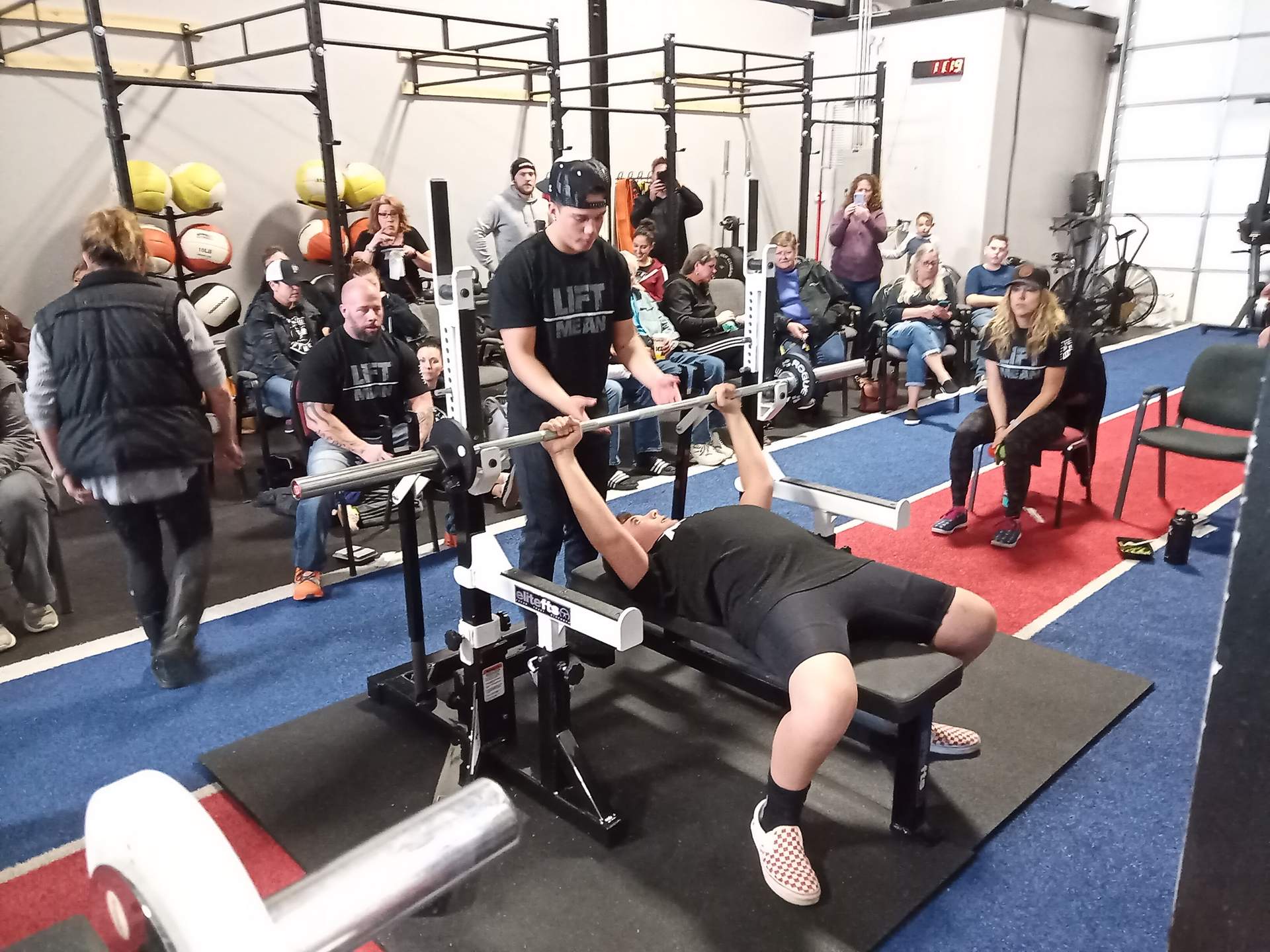
8. **Belt Squats**Belt squats have recently surged in popularity, celebrated by many lifters for their ability to intensely train the quadriceps while significantly reducing stress on the lower back. And indeed, the exercise *can* achieve these things. However, while the belt squat is undeniably a solid exercise in principle, its practical execution in many gym environments, and for many body types, isn’t always as straightforward or beneficial as the hype suggests.
One of the primary hurdles lies in the setup itself, which is far from universal. Not every gym boasts a dedicated belt squat machine, meaning many lifters resort to improvising with a dip belt and plates. This “rigging” process is often awkward, involves numerous moving parts, and can be cumbersome to manage safely and effectively. Furthermore, depending on your individual height and unique body type, the belt itself might uncomfortably dig into your hips or lower back, causing irritating discomfort or chafing that distracts from the intended muscle stimulus.
Beyond the setup discomfort, many makeshift belt squat configurations, or even some dedicated machines, inadvertently limit your squat depth. The weight stack or plates can literally stop you before you achieve a full range of motion. Without the ability to reach a proper, deep squat depth, you’re not fully maximizing the crucial quad recruitment this exercise is designed for. In such scenarios, you might actually be better off opting for simpler, more accessible alternatives that allow for greater freedom of movement and deeper muscular engagement.
If you’re keen on hammering your quads while keeping lumbar stress at bay, several effective alternatives are readily available. Sissy squats, which require virtually no equipment, offer an intense quad isolation. Alternatively, the formidable Bulgarian split squats provide an exceptional unilateral quad focus, are remarkably effective at building strength, and are inherently easier on the lower back than many barbell-loaded movements, making them superb additions to almost any leg day.
Read more about: Beyond Boot Camp: 14 Essential Military Hacks That Could Be Your Lifeline in a Crisis
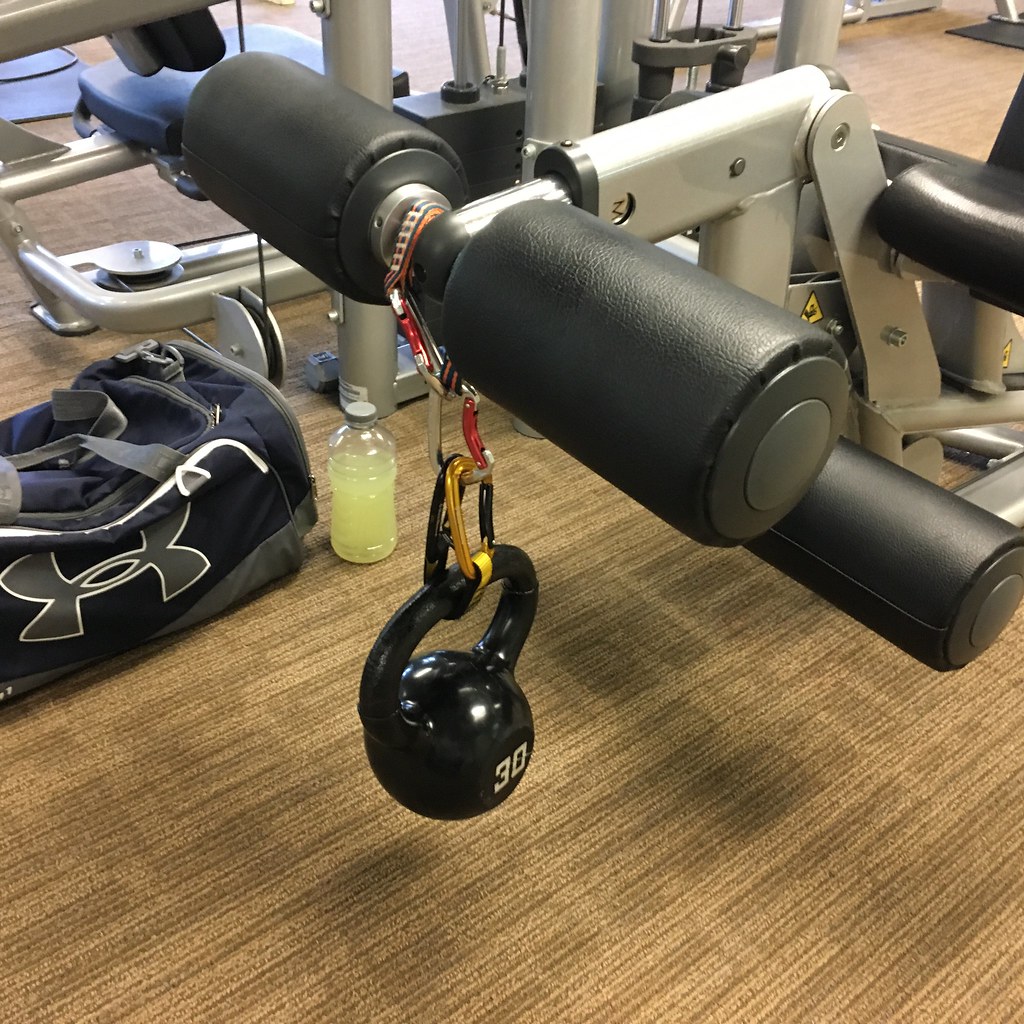
9. **Machine Leg Extensions**Machine leg extensions appear deceptively simple, often leading lifters to believe they are a foolproof method for adding size to the quads, especially given the intense “burn” they deliver. However, a closer examination of their biomechanics and the existing research reveals a high risk-to-reward ratio that many enthusiasts overlook. This exercise, while popular, frequently falls short of its perceived benefits while posing significant joint stress.
The main issue revolves around the immense stress it places directly on the knee joint. Unlike functional, closed-chain movements such as squats, lunges, or step-ups, where your feet are fixed to the ground and the load is distributed, leg extensions are an open-chain exercise. The resistance in a leg extension peaks precisely at full knee extension, a biomechanically vulnerable position for your patellar tendon. Studies have consistently shown that this movement increases anterior shear forces on the knee, which can severely aggravate existing conditions like patellar tendinopathy or general knee pain.
Moreover, while leg extensions undoubtedly isolate the quadriceps, they don’t effectively mimic real-life movement patterns. This functional limitation means that the strength and size gains achieved through this isolation exercise don’t translate as effectively to daily activities, athletic performance, or the complex, multi-joint demands of most sports, compared to compound lifts. You’re building “show” muscle without necessarily developing proportional “go” strength or resilience.
For those committed to building powerful quads, there are superior and safer alternatives. The leg press, for example, is a closed-chain movement that allows you to load your quads intensely while spreading the stress across the entire lower body, offering a robust stimulus with less targeted knee shear. Step-ups are another excellent choice, effectively training the quads with reduced knee shear, and as an added bonus, they simultaneously engage the glutes and hamstrings, providing a more comprehensive and functional lower-body workout.
Read more about: The Hidden Hoard: Hollywood’s Most Valuable Props and the Prop Masters Who Knew Their True Worth
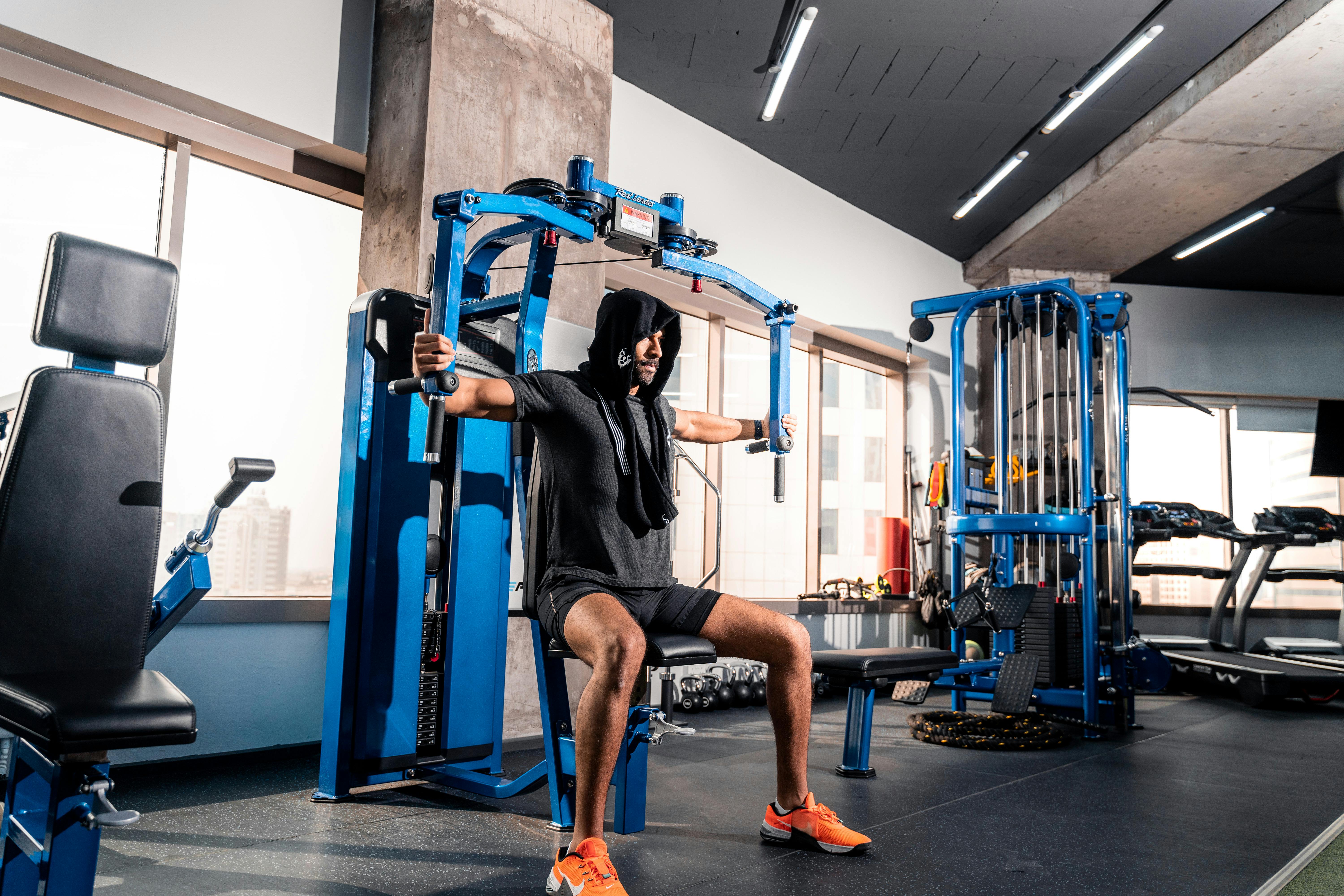
10. **Chest Machine Flyes**Machine flyes are often a go-to exercise for lifters aiming to isolate the pectorals, commonly used as a finishing move after heavier pressing movements like the bench press. While they can undeniably create an intense stretch and deliver a satisfying pump to the chest, the inherent design of the machine – with its fixed path of motion and a locked shoulder position – makes it a less joint-friendly and ultimately less effective option compared to other chest-building exercises.
The biomechanical flaw lies in how machine flyes position your shoulders. They typically force your shoulders into about 90 degrees of abduction while simultaneously limiting the natural movement of your shoulder blades. This combination of positions places the shoulder joint, particularly the front anterior aspect, at an increased and unwarranted risk. Over time, this sustained stress raises the likelihood of anterior shoulder strain or impingement, especially if you happen to lack sufficient thoracic extension or proper scapular control, both of which are common deficiencies.
Adding to the argument against their widespread use, a comprehensive 2017 EMG study, which compared various common chest exercises, found compelling evidence: machine flyes consistently trained the pectoralis major *less* than both dumbbell flyes and the barbell bench press. This was a significant finding, as it means lifters are not only getting less effective muscle stimulus but also simultaneously increasing the stress on their anterior shoulder. It’s a double whammy of inefficiency and increased injury risk.
Instead of relying on machine chest flyes, consider integrating more dynamic and shoulder-friendly alternatives into your routine. Dumbbell flyes offer a far more natural range of motion and allow for greater freedom of shoulder movement, which inherently lowers the risk of impingement and allows for better joint protection. Alternatively, cable flyes are another excellent choice, providing constant tension throughout the movement and allowing you to easily adjust the angle to perfectly accommodate your individual shoulder mobility, ensuring both effective muscle activation and long-term joint health.
Read more about: The Unshakeable Blueprint: Dwayne Johnson’s 12-Step Routine That Keeps His Workout Consistent for 15 Years
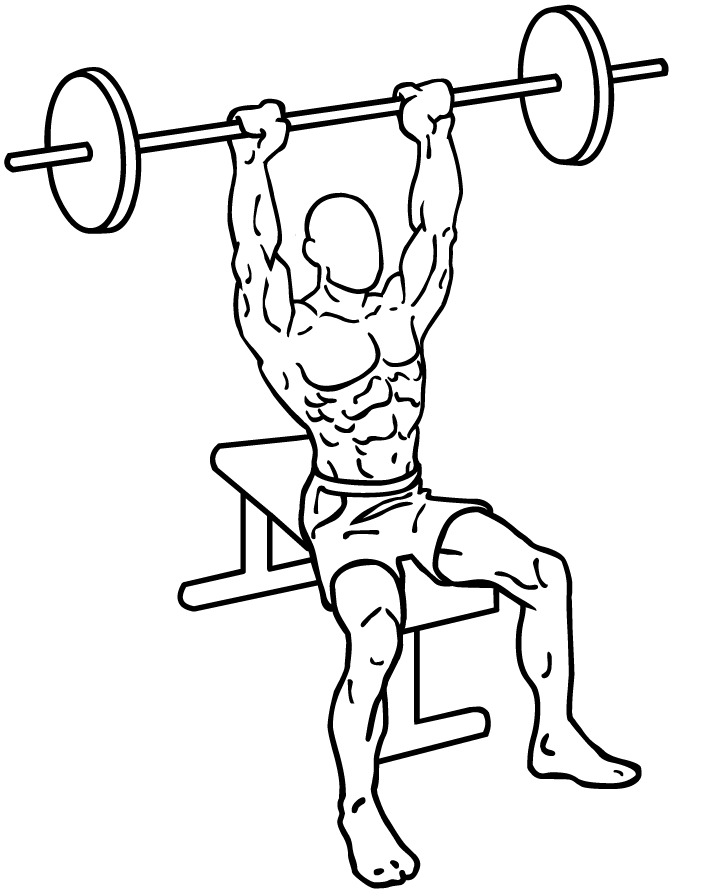
11. **Overhead Press (Shoulder Press or Military Press)**The Overhead Press, known also as the Shoulder Press or Military Press, is an exercise that physical therapist Dr. Jenny Prewitt prefers many people “eliminate from their exercise routine” entirely. Her strong stance comes from direct clinical experience, having witnessed “multiple patients tear their labrum (an anatomical structure that helps stabilize their shoulder) due to Overhead Presses.” She even recounted an incident where a routine weight lifter tore “both his left and right labrum at the same time while doing Overhead Presses.” While the press undeniably strengthens muscles like the anterior and middle deltoids, pecs, triceps, and serratus anterior, its functional benefits often come with a disproportionate risk.
When asked about the purpose of overhead presses, common responses include “to strengthen my shoulders” or “I want big shoulders.” While these are valid goals, Dr. Prewitt emphasizes a crucial takeaway: “Why don’t we choose exercises that achieve your exercise goal (your exercise ‘why’) and prevent you from getting hurt at the same time?” For general shoulder strengthening and aesthetic growth, she asserts that “there are SEVERAL OTHER exercises I would rather you do.” The only population she routinely recommends overhead presses for are those whose jobs specifically require overhead lifting, as it’s essential to prepare the shoulder for those specific demands.
The core reason overhead presses frequently lead to injury is elegantly simple yet brutally effective: the position you finish an Overhead Press in is inherently “a vulnerable position for the shoulder.” When significant weight is added and the action is performed repetitively, it places “significant tension on the biceps as it attaches to the labrum.” This stress can ultimately cause the biceps to “pull the top of the labrum (in whole or in part) off of the top of the socket (of your shoulder joint),” a mechanism graphically termed the “Peel Back Mechanism.” It sounds awful, and its consequences are equally severe.
Dr. Prewitt’s verdict is clear: if you have no “emotional attachment” to overhead presses and aren’t performing them for occupational reasons, you should “get rid of them.” If you decide to continue despite this recommendation, then two modifications are strongly advised: “keep the weight light and/ or take it into a recline bench position.” By reclining the bench 20-30 degrees, you still push the weight toward the ceiling, performing a similar exercise but crucially “REDUCE THE VULNERABLE SHOULDER POSITION.” For those lifting for work, she cautions against excessive weight and reps, recommending practice with loads close to or below actual job requirements to ensure preparedness without unnecessary injury risk.
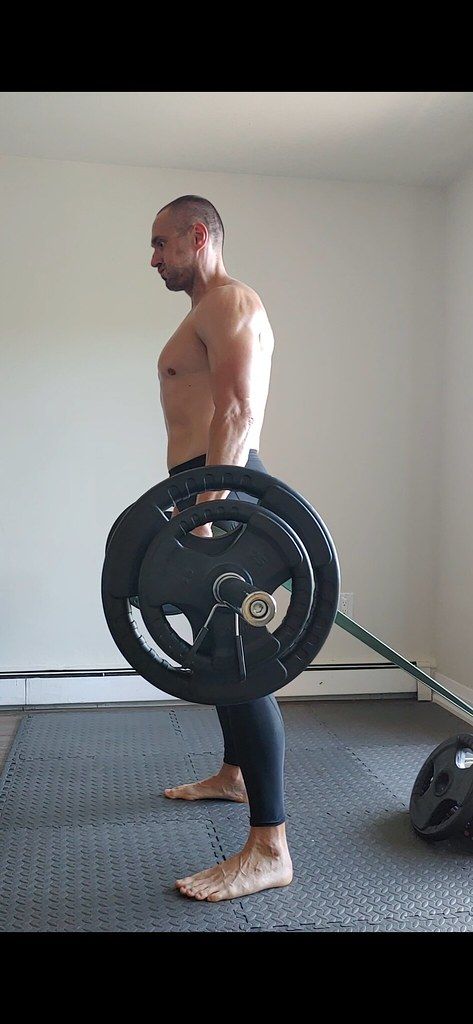
12. **Dead Lifts**The deadlift is perhaps one of the most revered, yet simultaneously feared, exercises in the gym, often evoking a “love-hate relationship” among lifters. Dr. Jenny Prewitt starkly labels deadlifts, alongside overhead presses, as “by far the worst gym offenders” when it comes to workout pain. While many believe they are “for my back” or a “whole body exercise,” Prewitt clarifies their primary function: they “strengthen your glutes (butt cheeks) and eccentrically strengthen your hamstrings.” Understanding this foundational purpose is critical to performing them safely and effectively.
A significant cause of deadlift-related injury stems from people “initiating the exercise using their back muscles” instead of their glutes. Prewitt powerfully illustrates this by comparing our relatively small back extensors to “string cheese at best,” while our glutes are described as “plump, juicy steaks.” The exercise is fundamentally glute-dominant, and improper initiation leads to undue spinal stress. Her actionable advice: “Squeeze your butt cheeks or literally think of ‘thrusting your hips forward’ to perform a safe Dead Lift.”
Beyond muscle activation, breathing technique is paramount. Prewitt reminds us, “When you perform a Dead Lift, YOU MUST blow out while you are exerting.” Holding your breath dramatically increases intra-abdominal pressure, which can lead to “disc irritation and if the load exceeds the body’s tolerance, leads to disc herniation.” Equally critical is managing load; Prewitt, as a physical therapist, believes there’s a “ceiling to how much we should be lifting.” She warns against indefinitely progressing weight, stressing that “for the sake of your orthopedic happiness, there is not a single exercise that you should be trying to progress the weight of indefinitely.”
Form, naturally, is non-negotiable. For deadlifts, the aim is a “neutral spine”—that subtle, natural arch in your lower back. A “rounded low back during a Dead Lift is bad,” but an “excessively arched low back is also not great.” You want to find that “Goldilocks” zone, where your spine remains stable and properly aligned throughout the movement, protecting your discs and maximizing muscle engagement.
So, what’s the verdict? Deadlifts are acceptable if you are “(1) using the right muscles, (2) breathing when you are exerting, (3) you are keeping the weight modest, and (4) you use good form.” However, Prewitt strongly advises against them if you have a “history of disc herniation or radiating numbness/ tingling/ pain into either leg, if I had osteopenia/ osteoporosis, or if I was over the age of 55,” underscoring the importance of individual assessment and prioritizing joint health.
Read more about: Restoration Ruin: 15 Classic Cars That Are Secret Financial Black Holes (And How to Spot One)
The journey to a stronger, healthier you isn’t about blind adherence to popular exercises or chasing fleeting social media trends. It’s about empowering yourself with knowledge, understanding your body’s mechanics, and making intelligent, informed choices that prioritize both performance and longevity. By critically evaluating these “overrated” lifts and embracing their safer, more effective alternatives, you’re not just optimizing your workouts; you’re investing in a lifetime of injury-free movement, sustained gains, and a truly formidable physique that stands the test of time. Let’s lift smarter, not just harder, and build a foundation of strength that serves you for decades to come.