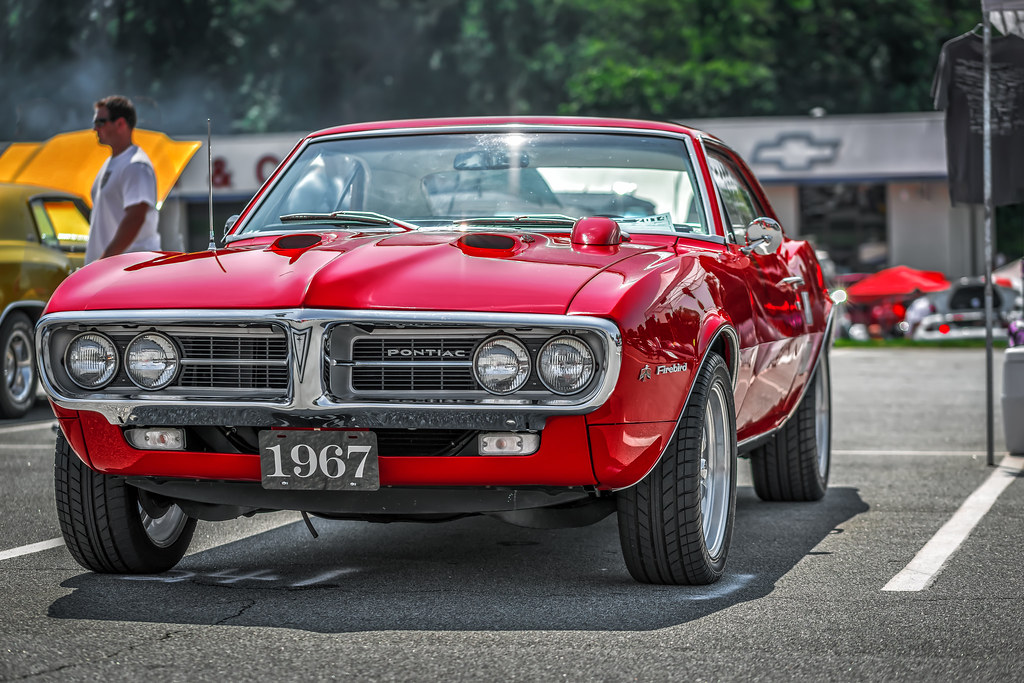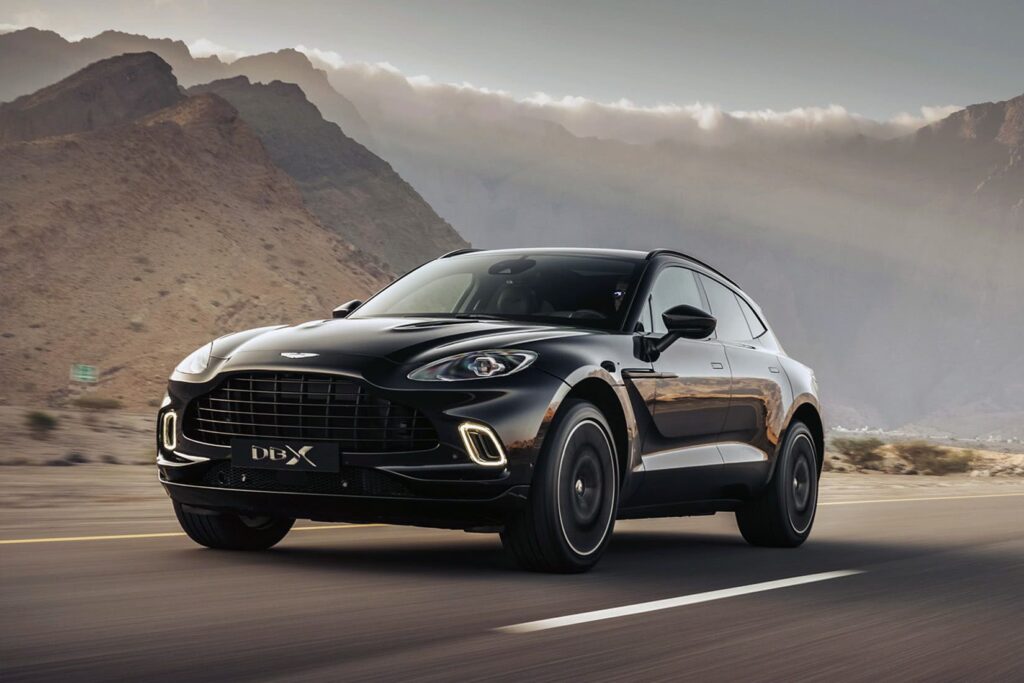
Ah, the siren song of classic cars! There’s something undeniably intoxicating about the gleam of vintage chrome, the rumble of an old engine, and the promise of a bygone era. For many, a classic car isn’t just a vehicle; it’s a piece of history, a work of art, a tangible link to nostalgia. But let’s be honest, not every dream machine lives up to the romanticized image. Sometimes, that cherished classic is less “timeless investment” and more “money pit masquerading as automotive heritage.”
It’s easy to get swept up in the allure, to see only the iconic lines or the film appearances, and overlook the cold, hard realities of ownership. High maintenance costs, persistent performance issues, and reputations that are more inflated than a spare tire can quickly turn a hopeful purchase into a deep, dark financial regret. As Chris Pyle, a seasoned mechanic and automotive expert at JustAnswer, wisely put it: “If you’re wanting to get old vehicles to fix up and sell, then you need to stay away from the ones that very few people are interested in owning.” This isn’t about crushing dreams; it’s about making informed decisions.
So, buckle up, because we’re about to pop the hood on some automotive sacred cows. We’re diving deep into the world of classic cars that, despite their fervent fanbases or pop culture fame, often fall short of expectations, leaving enthusiasts with more headaches than horsepower. Our mission? To uncover the truth behind the hype and help you steer clear of the vintage vehicles that just aren’t worth the money.
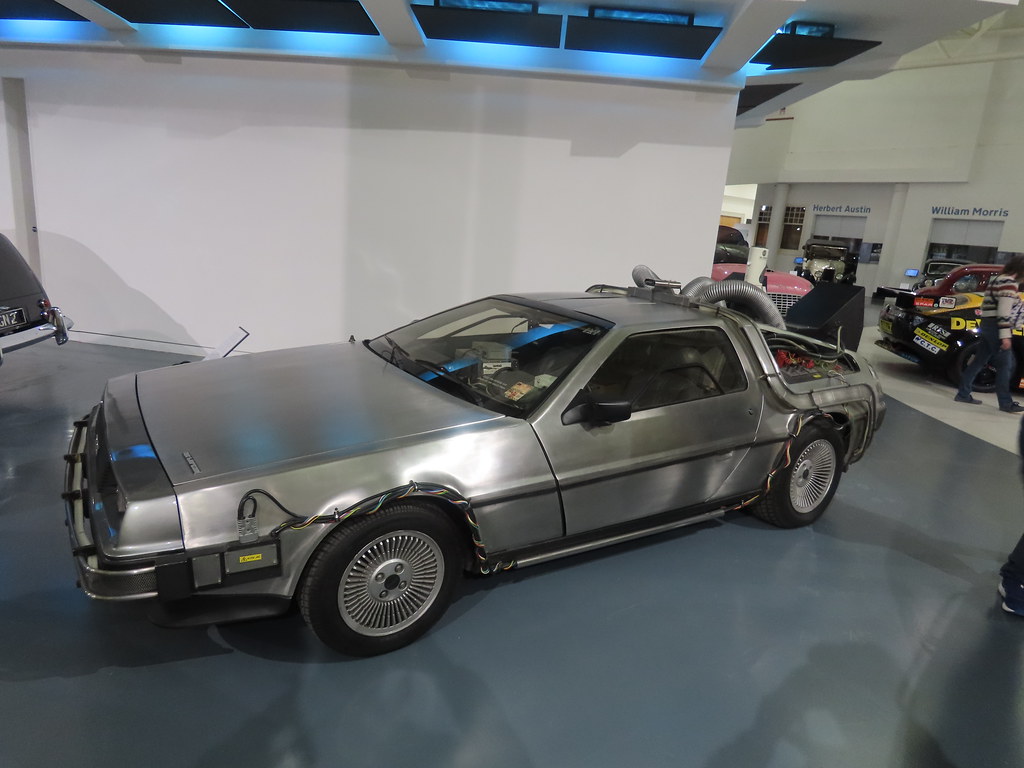
1. **DeLorean DMC-12**Let’s kick things off with a car that’s arguably more famous for its movie roles than its actual road prowess: the DeLorean DMC-12. Thanks to its starring role in the “Back to the Future” films, this vehicle is instantly recognizable, practically synonymous with time travel itself. But step out of the cinematic fantasy, and the DMC-12 quickly falls short of expectations, proving screen presence doesn’t always translate to driving excellence.
Underneath that iconic stainless steel body and those dramatic gull-wing doors, the DeLorean’s performance is, to put it mildly, underwhelming. With a modest 130 horsepower engine, it offered far less thrill than its futuristic design suggested. As the context points out, its “underpowered engine, stainless steel maintenance, and spotty build quality make it more of a display piece than a daily driver.” It’s a car that promised the moon but delivered a rather sedate stroll around the block.
Beyond the lack of grunt, potential owners face a litany of practical challenges. Build quality issues were rampant from the factory, and the scarcity of replacement parts in the decades since production ended further diminishes its appeal. As the context states, it was “plagued with issues” and its “poor build quality and a hefty price tag made it more style than substance.”
The emotional appeal, fueled by pure nostalgia, is undoubtedly strong, attracting significant initial interest. However, potential buyers need to be acutely aware that the “ongoing costs of ownership, which often outweigh its initial purchase price,” are a very real concern. For anyone considering the DMC-12, be prepared for more wrench time than road time; it’s often a regrettable purchase in the classic car world.
Car Model Information: 1981 Delorean DMC-12
Name: DMC DeLorean
Alt: 1983 DeLorean
Caption: 1983 DeLorean
Manufacturer: DeLorean Motor Company
Production: January 21, 1981 – December 1982
ModelYears: 1981–1983
Assembly: Dunmurry
Designer: Giorgetto Giugiaro
Class: Sports car
BodyStyle: coupé
Layout: Rear-engine, rear-wheel-drive layout
Doors: Gull-wing doors
Engine: 2.85 L
Abbr: on
Powerout: 130 hp
Transmission: 5-speed manual ,3-speed automatic
Wheelbase: 2413 mm
Length: 4267 mm
Width: 1988 mm
Height: 1140 mm
Weight: 1233 kg
Sp: us
Categories: 1980s cars, All Wikipedia articles written in American English, Articles with short description, Automobiles with backbone chassis, Automobiles with gull-wing doors
Summary: The DMC DeLorean is a rear-engine, two-seat sports car manufactured and marketed by John DeLorean’s DeLorean Motor Company (DMC) for the American market from 1981 until 1983—ultimately the only car brought to market by the fledgling company. The DeLorean is sometimes referred to by its internal DMC pre-production designation, DMC-12, although this was not used in sales or marketing materials for the production model.
Designed by Giorgetto Giugiaro, the DeLorean is noted for its gull-wing doors and brushed stainless-steel outer body panels, as well as its lack of power and performance. Though its production was short-lived, the DeLorean became widely known after it was featured as the time machine in the Back to the Future films.
With the first production car completed on January 21, 1981, the design incorporated numerous minor revisions to the hood, wheels and interior before production ended in late December 1982, shortly after DMC filed for bankruptcy and after total production reached an estimated 9,000 units.
Despite the car having a reputation for poor build quality and an unsatisfactory driving experience, the DeLorean continues to have a strong following, driven in part by the popularity of Back to the Future. 6,500 DeLoreans were estimated to still be on the road as of 2015.
Get more information about: DMC DeLorean
Buying a high-performing used car >>>
Brand: DeLorean Model: DMC-12
Price: $37,500 Mileage: 0 mi.
Read more about: Beyond Glare: Unpacking the Most Controversial Car Design Features and Their Unforeseen Impacts on the Road and Culture
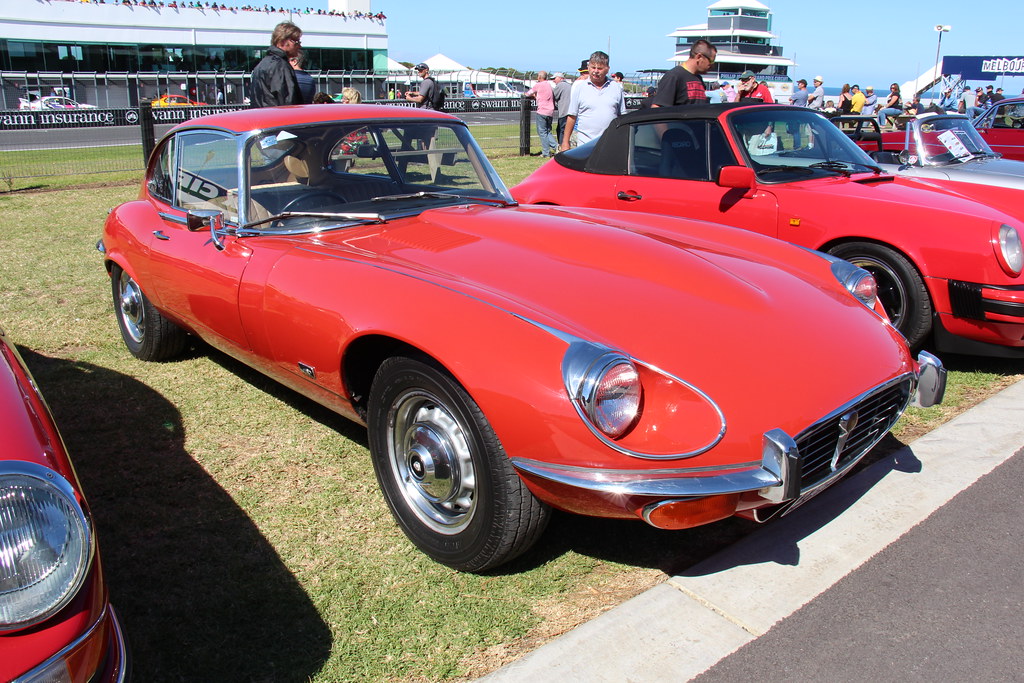
2. **Jaguar E-Type Series III**The Jaguar E-Type is, without question, a motoring legend. Its earlier Series I and II iterations are rightly celebrated for their breathtaking elegance, groundbreaking performance, and undeniable charm. They are the epitome of classic British sports car design. However, when the Series III arrived between 1971 and 1975, it presented a stark departure from what made its predecessors so iconic, often struggling to carve out its own respected niche in the classic car market.
The biggest change, and arguably its biggest downfall, was the introduction of a V12 engine. While a V12 sounds inherently powerful and luxurious on paper, in the Series III, it added significant weight, which fundamentally compromised the car’s legendary handling and balance. As the context explains, the V12 “added weight and compromised handling,” transforming the lithe sports car of earlier generations into a bulkier, heavier machine.
Furthermore, the Series III developed a formidable reputation for unreliability. That powerful V12 engine, while impressive in concept, was a “nightmare to maintain,” and finding “parts are really pricey.” This isn’t just a minor inconvenience; it’s a significant barrier to ownership and enjoyment, especially when juxtaposed with the less complex, more reliable engines of earlier E-Types. Owning a Series III often means a constant battle with mechanical issues and an open wallet for specialist repairs.
Despite being part of the prestigious E-Type lineage, this generation “lacks the finesse and balance that made the original models legendary.” Its fuel consumption was also a considerable downside, making it less practical for any regular use. For collectors eyeing an E-Type, the Series III often fails to justify the premium price tag, delivering a less pure and often more problematic experience than its celebrated forebears. It’s a beautiful car, yes, but one that’s “better admired at a distance than owned.”
Car Model Information: 1970 Jaguar E-Type
Sp: uk
Name: Jaguar E-Type
Caption: 1961 E-Type Series 1 3.8-Litre, the first production model of this open two-seater
Aka: Jaguar XK-E (North America),Jaguar V-12
Manufacturer: Jaguar Cars
Production: 1961–1974
Class: Sports car
Predecessor: Jaguar XK150
Related: Jaguar D-Type,Jaguar XJ13
Successor: Jaguar XJS
Layout: FMR layout
Assembly: Coventry,England
Designer: Malcolm Sayer
Categories: 1970s cars, 2+2 coupés, All Wikipedia articles written in British English, All articles with dead external links, All articles with specifically marked weasel-worded phrases
Summary: The Jaguar E-Type, or the Jaguar XK-E for the North American market, is a British front mid-engined sports car that was manufactured by Jaguar Cars Ltd from 1961 to 1974. Its sleek appearance, advanced technologies, high performance, and competitive pricing established it as an icon. The E-Type’s claimed 150 miles per hour (240 km/h) top speed, sub-7-second 0 to 60 mph (97 km/h) acceleration, largely unitary body construction, front and rear independent suspension with disc brakes, mounted inboard at the rear, and rack-and-pinion steering spurred industry-wide changes.
The E-Type was based on Jaguar’s D-Type racing car, which had won the 24 Hours of Le Mans for three consecutive years beginning in 1955.
The E-Type employed what was, for the early 1960s, a novel design principle, with a front subframe carrying the engine, front suspension and front bodywork bolted directly to the body tub. No ladder frame chassis, as was common at the time, was needed and as such the first cars weighed only 1,315 kg (2,899 lb).
It is rumored that, on its debut on 15 March 1961, Enzo Ferrari called it “the most beautiful car ever made”, but this statement is not fully confirmed. In 2004, Sports Car International magazine placed the E-Type at number one on their list of Top Sports Cars of the 1960s. In March 2008, the Jaguar E-Type ranked first in The Daily Telegraph’s online list of the world’s “100 most beautiful cars” of all time.
Get more information about: Jaguar E-Type
Buying a high-performing used car >>>
Brand: Jaguar Model: E-Type
Price: $68,000 Mileage: 2,402 mi.
Read more about: Strategic Investments: The Classic Cars Skyrocketing in Value That Savvy Collectors Are Watching
3. **Chevrolet Camaro Z28 (mid 1970s)**For many, the Chevrolet Camaro Z28 from the 1960s embodies the raw, untamed spirit of American muscle. It’s an icon, a symbol of brute force and unapologetic power. However, the mid-1970s iterations of the Z28 present a very different picture, one often romanticized without a full appreciation for the compromises forced upon it by external pressures. This era saw the Z28 grappling with realities that stripped it of much of its muscle-car glory.
The primary culprit was the increasingly stringent emission regulations of the 1970s. These rules choked the life out of many high-performance engines, and the Z28 was no exception. Its “power output dropped significantly compared to its 1960s predecessors,” leaving buyers with a car that looked aggressive but felt considerably tamer under the hood. The sheer thrill and raw power that defined earlier Z28s were simply not present in the mid-seventies models.
Adding to the performance woes, the build quality during this period also suffered. Cost-cutting measures became more prevalent, leading to issues that detracted from the overall ownership experience. As the context notes, “the build quality suffered due to cost-cutting measures.” While the aesthetic design of the Camaro Z28 from this era still maintains a certain aggressive charm, the actual driving experience often fails to match its intimidating looks.
For enthusiasts expecting the visceral, tire-shredding power and exhilaration that the Z28 name typically evokes, the mid-1970s models can be a significant disappointment. Furthermore, the complexities and expenses associated with “Maintenance and restoration can also be costly,” making it a less attractive investment for anyone hoping for an authentic, high-octane muscle car experience. It’s a reminder that not all muscle car legends are created equal across their entire production run.
Car Model Information: 2023 Toyota Tacoma SR
Name: Chevrolet Camaro
Manufacturer: Chevrolet
Production: 1966–2002,2009–2023
ModelYears: 1967–2002,2010–2024
Class: Pony car
BodyStyle: coupe,convertible
Platform: GM F platform,GM Zeta platform,GM Alpha platform
Layout: Front-engine, rear-wheel-drive layout
Categories: 1970s cars, 1980s cars, 1990s cars, 2+2 coupés, 2000s cars
Summary: The Chevrolet Camaro is a mid-size American automobile manufactured by Chevrolet, classified as a pony car. It first went on sale on September 29, 1966, for the 1967 model year and was designed to compete with the Ford Mustang. The Camaro shared its platform and major components with the Firebird, produced by General Motors’ Pontiac division that was also introduced for the 1967 model year.
Four distinct generations of the Camaro were developed before production ended in 2002. The nameplate was revived on a concept car that evolved into the fifth-generation Camaro; production started on March 16, 2009.
Production of the sixth generation of the Camaro ended in December 2023, for the 2024 model year.
Get more information about: Chevrolet Camaro
Buying a high-performing used car >>>
Brand: Chevrolet Model: Camaro Z28
Price: $33,199 Mileage: 59,070 mi.
4. **Ferrari Mondial**Just uttering the name “Ferrari” conjures images of blistering speed, exquisite Italian design, and unparalleled automotive pedigree. It’s a brand built on racing heritage and automotive artistry. Yet, even legendary marques have their missteps, and the Ferrari Mondial, produced from 1980 to 1993, is widely considered one of the marque’s less desirable, and indeed, often maligned, models. It wears the Prancing Horse badge, but many argue it struggles to live up to the brand’s lofty legacy.
The Mondial was designed as a more practical, 2+2 seating Ferrari, an attempt to broaden its appeal. However, in achieving this, its “performance and design leave much to be desired” when compared to its stablemates. The car’s proportions were often criticized for being awkward, lacking the flowing, aggressive lines synonymous with other Ferraris. And when it came to the driving experience, the “underwhelming engine performance” ensured it was “less thrilling than other Ferraris,” a cardinal sin for a car bearing that iconic badge.
Perhaps even more damaging to its reputation were the consistent reports of reliability issues and the notoriously “high maintenance costs” that further detracted from its appeal. While a Ferrari is never going to be cheap to run, the Mondial seemed to demand an excessive amount of attention and money without delivering the commensurate driving excitement or prestige. Its reputation for such issues only compounded the disappointment.
Despite its relatively low entry price for a Ferrari, which might initially seem like an attractive gateway to Maranello ownership, the Mondial ultimately “struggles to deliver a driving experience that lives up to the brand’s storied legacy.” As the context notes, “Its 3.0L V8 engine produced modest performance, and its awkward proportions made it less visually appealing than other Ferraris. With slow acceleration and high maintenance costs, the Mondial failed to live up to Ferrari’s racing legacy.” It’s a classic example of how even a legendary badge can’t always compensate for fundamental design and engineering shortcomings.
Car Model Information: 1988 Ferrari Mondial
Name: Ferrari Mondial
Manufacturer: Ferrari
Production: Mondial 8: 1980–1982,703 produced,Mondial qv: 1983–1985,1,145 (coupé) produced,629 (cabriolet) produced,Mondial 3.2: 1986–1988,987 (coupé) produced,810 (cabriolet) produced,Mondial t: 1988–1993,858 (coupé) produced,1,017 (cabriolet) produced
Assembly: Modena
Designer: Pininfarina,Pierangelo Andreani (1976),Leonardo Fioravanti (engineer)
Class: Grand tourer
BodyStyle: coupé
Related: Ferrari 308 GTB,Ferrari 328,Ferrari 348
Predecessor: Ferrari GT4
Categories: 1990s cars, Articles with short description, CS1 French-language sources (fr), CS1 German-language sources (de), Cars discontinued in 1993
Summary: The Ferrari Mondial (Type F108) is a mid-engined, V8, grand tourer manufactured and marketed by Ferrari between 1980 and 1993 – with styling by Pininfarina and bodywork by Carrozzeria Scaglietti.
Offered as either a 2+2 coupé or cabriolet, the Mondial has the slightly higher roofline, greater dimensions and increased weight to accommodate occasional rear seating for children or small adults.
The Mondial replaced the Ferrari 308/208 GT4 coupé and remains the last V8, rear mid-engined, 2+2 Ferrari.
The name Mondial, French for global, reflected its worldwide conformance with 1980 safety and emission standards — as well as the company’s prominent motor racing victories. Ferrari had used the nameplate in the 1950s to celebrate Formula 1 World Championships and again in the 1970s to mark its Formula 1 World Constructors Championships.
Get more information about: Ferrari Mondial
Buying a high-performing used car >>>
Brand: Ferrari Model: Mondial
Price: $57,959 Mileage: 26,096 mi.
Read more about: Inside Vanilla Ice’s Garage: A Deep Dive into the Rapper’s Eclectic and Multi-Million Dollar Automotive Collection

5. **Ford Thunderbird (Fifth Generation)**The Ford Thunderbird, in its early incarnations, was a symbol of American automotive cool, a sleek, sporty personal luxury car that captivated a generation. It had style, presence, and a certain undeniable charm. However, like many vehicles that attempt to evolve with changing market demands, the Thunderbird lost its way in its fifth generation, produced between 1967 and 1971. This era marked a significant departure from its roots, transforming the T-Bird into something far less desirable in the classic car pantheon.
As Ford aimed to compete more directly in the burgeoning luxury car market, the Thunderbird physically grew larger, becoming more cumbersome and losing much of the original sleekness and performance capability that defined its earlier models. The move towards a more opulent, larger vehicle sacrificed the sporty dynamics that had made it so appealing. It was a clear shift in identity, and not necessarily for the better, as the essence of what made a Thunderbird special began to fade.
The criticisms leveled against this iteration are quite specific and impactful for enthusiasts. It was “often criticized for its lackluster handling and poor fuel efficiency,” two factors that seriously detract from the driving experience of any classic. While it certainly offers a comfortable ride, fitting its new luxury mandate, the actual “driving dynamics and build quality don’t justify the premium often associated with classic Thunderbirds.”
Ultimately, this generation of the Thunderbird illustrates a common pitfall in automotive design: attempting to chase a new market segment at the cost of a cherished identity. The fifth-generation simply doesn’t resonate with collectors in the same way its predecessors do. It might bear the hallowed Thunderbird name, but it rarely delivers the kind of performance or panache that makes a classic truly worth the significant investment and ongoing commitment. Buyers should approach with caution, prioritizing genuine driving pleasure over name recognition.
Car Model Information: 1966 Ford Thunderbird Base
Name: Ford Thunderbird
Caption: 1957 Thunderbird
Manufacturer: Ford Motor Company
Production: unbulleted list
ModelYears: unbulleted list
Class: unbulleted list
Layout: Front-engine, rear-wheel drive layout
Categories: 1960s cars, 1970s cars, 1980s cars, 1990s cars, 2000s cars
Summary: The Ford Thunderbird is a personal luxury car manufactured and marketed by Ford Motor Company for model years 1955 to 2005, with a hiatus from 1998 to 2001.
Ultimately gaining a broadly used colloquial nickname, the T-Bird, the model was introduced as a two-seat convertible, subsequently offered variously in a host of body styles including as a four-seat hardtop coupe, four-seat convertible, five-seat convertible and hardtop, four-door pillared hardtop sedan, six-passenger hardtop coupe, and five-passenger pillared coupe, before returning in its final generation, again as a two-seat convertible.
At its inception, Ford targeted the two-seat Thunderbird as an upscale model. The 1958 model year design introduced a rear seat and arguably marked the expansion of a market segment that came to be known as personal luxury cars, positioned to emphasize comfort and convenience over handling and high-speed performance.
Get more information about: Ford Thunderbird
Buying a high-performing used car >>>
Brand: Ford Model: Thunderbird
Price: $44,999 Mileage: 71,017 mi.
Read more about: Unearthing the Automotive Ghosts: 14 Forgotten Two-Seater Sports Cars That Demand Your Attention
6. **AMC Pacer**Now for a car that absolutely screams “1970s quirkiness” – the AMC Pacer. Produced from 1975 to 1979, this vehicle is instantly recognizable for its truly unique design, characterized by a remarkably large glass area and an unusually wide body. It dared to be different, and for that, it deserves a nod. However, while its unconventional looks might turn heads and even evoke a certain ironic affection (think *Wayne’s World*), that distinctive design didn’t actually translate into practical or performance benefits.
The Pacer’s styling, while memorable, was paired with a fundamental flaw: its powertrain. Despite its wide stance, the car was saddled with a “small, underpowered engine” that “struggles to provide adequate performance.” This made for a rather sluggish driving experience, a significant drawback for any vehicle, let alone one that might command a collector’s attention. Add to that its “disappointing fuel economy given its size,” and you have a car that offers neither brisk acceleration nor economical cruising.
Ownership of a Pacer also comes with a unique set of challenges, particularly concerning maintenance and parts availability. As AMC is a defunct brand, sourcing components can be “challenging,” transforming routine repairs into a frustrating scavenger hunt. This scarcity only compounds the issues for anyone considering the Pacer as a serious classic car investment, pushing potential owners towards a more practical choice.
Ultimately, while the Pacer’s “quirky design may appeal to some collectors,” it’s important to understand that it’s “often seen as a novelty rather than a serious investment in the classic car world.” As the context succinctly puts it, it’s “Bulky, slow, and hard to work on, it’s become a punchline rather than a prized collectible.” The Pacer is a fascinating piece of automotive history, a bold experiment in design, but for sheer driving pleasure or investment potential, it often falls flat.
Read more about: Beyond Glare: Unpacking the Most Controversial Car Design Features and Their Unforeseen Impacts on the Road and Culture
7. **Porsche 914**Porsche. Even the name whispers performance, precision, and engineering excellence. It’s a brand revered by enthusiasts for its iconic sports cars. So, when a model like the Porsche 914, produced from 1969 to 1976, enters the conversation, it often brings with it a complicated reputation. A collaborative effort between Porsche and Volkswagen, the 914 was an attempt to offer a more affordable entry point into the Porsche family, but in doing so, it made compromises that leave it feeling less like a true Porsche and more like a half-hearted attempt.
The 914 certainly had its merits, most notably its mid-engine balance, which promised engaging handling characteristics. It also featured a “unique design” that stood out from the crowd. However, the critical flaw for many purists and performance enthusiasts was its “modest power output,” leading to “lackluster performance.” This was a significant departure from the blistering speed and responsiveness expected from a Porsche, leaving many drivers feeling underwhelmed by its acceleration and overall dynamism.
Beyond the performance deficit, the 914 also faced scrutiny regarding its “build quality and interior design,” which “left much to be desired.” While it might have been an “affordable entry point into Porsche ownership,” that affordability often came at the cost of the premium feel and meticulous engineering that defined its more expensive siblings. Owners often found themselves contending with a less refined cabin and a general sense of economy that belied the Porsche badge.
As a result, enthusiasts often discover that achieving the “driving pleasure commonly associated with the Porsche name” requires considerable effort and expense. Many find themselves “investing significantly in modifications and maintenance to improve performance and reliability,” essentially pouring money into a car to make it feel more like what they initially expected from a Porsche. This makes the 914 a classic that, despite its potential, often requires more commitment than its original price tag suggests, making it a questionable investment for those seeking an uncompromised Porsche experience.
Diving deeper into the world of automotive disappointments, we now turn our gaze to seven more classics that, despite their storied names or quirky appeal, frequently prove to be more trouble than they’re worth. Our mission continues: to arm you with the unvarnished truth, separating the true legends from the costly pretenders, and helping you avoid the dreaded classic car heartbreak.
Car Model Information: 1970 Porsche 914 914/6
Name: Porsche 914
Caption: 1970 Porsche 914
Manufacturer: Porsche,Karmann
Aka: VW-Porsche 914
Production: 1969–1976,118,978 produced,914/4: 115,646,914/6: 3,332,914/8: 2
Assembly: Stuttgart,Osnabrück
Predecessor: Porsche 912,Volkswagen Karmann Ghia#Type 34 Karmann Ghia
Successor: Porsche 924
Class: Sports car
BodyStyle: Targa top
Layout: Rear mid-engine, rear-wheel-drive layout
Engine: Volkswagen air-cooled engine#Type 4: 1.7–2.0 litres,Volkswagen air-cooled engine#Type 4: 1.7–2.0 litres,Volkswagen air-cooled engine#Type 4: 1.7–2.0 litres,Porsche flat-six engine
Wheelbase: cvt
Length: cvt
Width: cvt
Height: cvt
Weight: cvt
Related: Porsche 914-6 GT,Porsche Tapiro
Designer: Ferdinand Alexander Porsche
Categories: 1970s cars, 24 Hours of Le Mans race cars, All articles needing additional references, All articles with incomplete citations, All articles with unsourced statements
Summary: The Porsche 914 or VW-Porsche 914 is a mid-engined sports car designed, manufactured and marketed collaboratively by Volkswagen and Porsche from 1969 until 1976. It was available only as a targa-topped two-seat roadster powered by either a flat-4 or flat-six engine.
Get more information about: Porsche 914
Buying a high-performing used car >>>
Brand: Porsche Model: 914
Price: Not Priced Mileage: 52,111 mi.
Read more about: Fake It Till You Make It: 14 Epic Kit Cars That Deliver Supercar Thrills on a Budget

8. **Triumph Stag**Ah, the Triumph Stag. On paper, it sounded like a dream: a luxurious grand tourer from Britain, designed to rival the best Europe had to offer, complete with a distinctive T-bar roof and a handsome silhouette. Produced from 1970 to 1978, its stylish design and comfortable interior promised elegant cruising and a sophisticated driving experience. However, like many ambitious projects, the Stag’s reality was unfortunately far more troubled than its initial allure suggested.
The single biggest albatross around the Stag’s neck was its notorious V8 engine. While a V8 promises power and smoothness, the Stag’s unit was plagued with a litany of “overheating issues” that weren’t just inconvenient, but often catastrophic. This isn’t merely a temperamental engine; it’s a fundamental design flaw that turned many a grand tour into a roadside vigil, leading to a reputation for chronic unreliability that persists to this day.
Beyond the engine, owners found themselves wrestling with a host of other quality control nightmares. “Build quality and electrical problems” were rampant, turning the ownership experience into a constant battle against gremlins lurking beneath the surface. These weren’t isolated incidents, but rather systemic issues that added significantly to the car’s “maintenance headaches,” making it a frustrating and expensive proposition for even the most dedicated enthusiast.
Despite its undeniable visual charm and initial market positioning as a premium offering, the Triumph Stag’s “reliability issues and ongoing repair costs often overshadow its initial allure.” It serves as a stark reminder that sometimes, even the most beautiful classics hide a dark secret of mechanical woe. For those interested, the context warns, “Enthusiasts interested in the Stag should be prepared for the potential pitfalls of ownership that come with this classic British car.” Buyer beware.
Car Model Information: 1972 Triumph Stag
Sp: uk
Caption: 1974 Triumph Stag (with after-market wheels)
Name: Triumph Stag
Production: 1970–1977,25,939 made
Manufacturer: Triumph Motor Company
Class: Sports tourer
Layout: Front-engine, rear-wheel-drive layout
Length: 173 in
Abbr: on
Width: 63.5 in
Weight: 2800 lb
Height: 49.5 in
Wheelbase: 100 in
Related: Triumph TR250,Triumph 2000
Engine: Triumph V8
Designer: Giovanni Michelotti
Categories: 1970s cars, All Wikipedia articles written in British English, All articles with unsourced statements, Articles with short description, Articles with unsourced statements from July 2018
Summary: The Triumph Stag is a 2+2 sports tourer which was sold between 1970 and 1978 by the British Triumph Motor Company, styled by Italian designer Giovanni Michelotti.
Get more information about: Triumph Stag
Buying a high-performing used car >>>
Brand: Triumph Model: Stag
Price: $8,500 Mileage: 63,159 mi.
Read more about: Tom Hanks’ Enduring Legacy: Inside the Global Real Estate Empire and the Unspoken Story of His Pacific Palisades Resilience

9. **Cadillac Eldorado (1970s)**When you picture American luxury in the 1970s, the Cadillac Eldorado often springs to mind. This wasn’t just a car; it was a land yacht, a bold statement of opulence and excess, characterized by its “massive size and plush interiors.” It promised unparalleled comfort and an unapologetically grand presence, a rolling testament to the era’s automotive indulgences. For a certain generation, it still evokes a sense of bygone grandeur and effortless cruising.
However, that very grandeur came at a significant cost, particularly when it came to its driving dynamics. The Eldorado’s “sheer weight and size compromise its performance and fuel efficiency” in ways that are simply unacceptable for modern driving, and frankly, disappointing even for a classic. This wasn’t a car built for spirited driving or nimble maneuvers; its “handling can be cumbersome,” making every corner a deliberate affair rather than an engaging experience.
The driving experience, while undeniably focused on comfort, ultimately lacked the refinement and engagement expected from a truly high-end vehicle. It was a comfortable barge, to be sure, but one that felt disconnected from the road. The context clearly states that “the driving experience is more about comfort than engagement,” which, for many enthusiasts, isn’t enough to justify its place among truly desirable classics.
Furthermore, those “massive size and plush interiors” translate directly into significant expenses when it comes to “Maintenance and restoration.” Parts for such large, complex vehicles are often costly and sometimes difficult to source, turning a dream of 1970s luxury into a financial quagmire. Ultimately, while the 1970s Eldorado offers a “glimpse into 1970s luxury,” it often fails to deliver the “rewarding driving experience” that collectors truly seek.
Car Model Information: 1976 Cadillac Eldorado Convertible
Caption: 1963 Cadillac Eldorado Convertible
Name: Cadillac Eldorado
Manufacturer: Cadillac
Production: 1952–2002
Layout: Front-engine, rear-wheel-drive layout
Aka: Cadillac Fleetwood Eldorado
Class: Personal luxury car
Successor: Cadillac CTS
Categories: 1960s cars, 1970s cars, 1980s cars, 1990s cars, 2000s cars
Summary: The Cadillac Eldorado is a luxury car manufactured and marketed by the Cadillac Motor Car Division of General Motors from 1952 until 2002, over twelve generations.
The Eldorado was at or near the top of the Cadillac product line. The original 1953 Eldorado convertible and the Eldorado Brougham models of 1957–1960 had distinct bodyshells and were the most expensive models offered by Cadillac during those years. The Eldorado was never less than second in price after the Cadillac Series 75 limousine until 1966. Beginning in 1967, the Eldorado retained its premium position in the Cadillac price structure, but was manufactured in high volumes on a unique, two-door personal luxury car platform.
The Eldorado carried the Fleetwood designation from 1965 through 1972, and was seen as a modern revival of the pre-war Cadillac V-12 and Cadillac V-16 roadsters and convertibles.
Get more information about: Cadillac Eldorado
Buying a high-performing used car >>>
Brand: Cadillac Model: Eldorado
Price: $29,499 Mileage: 31,898 mi.

10. **Alfa Romeo Spider (Series 3)**The Alfa Romeo Spider is a name steeped in romantic motoring history, conjuring images of winding coastal roads and quintessential Italian charm. The Series 3, produced from 1983 to 1989, continued this long-running line of stylish roadsters, retaining much of the beloved classic Spider design that had captivated enthusiasts for decades. It still looked the part, a convertible ready for adventure, but beneath the surface, changes were afoot that chipped away at its legendary appeal.
The most significant issues revolved around performance, as the Series 3 was caught in the era of increasingly restrictive emissions regulations. These changes led to “reduced performance and increased weight” compared to its more celebrated predecessors. The spirited, rev-happy engine that defined earlier Spiders felt muted, making the driving experience less exhilarating and somewhat diluted. It was a shadow of its former self, lacking the pure, unadulterated joy of an earlier Alfa.
Adding to the performance woes, ownership of a Series 3 Spider often meant grappling with classic Alfa Romeo quirks, magnified by age. “Reliability issues and parts scarcity can pose challenges for owners,” turning what should be a joyful weekend drive into a frustrating quest for specialist mechanics and elusive components. The promise of Italian passion often dissolved into the reality of practical headaches.
As a result, the “driving experience doesn’t quite match the spirited reputation of earlier models.” While the Series 3 still has its visual appeal, it “might not offer the value or driving excitement that enthusiasts seek in a classic Alfa Romeo.” It’s a testament to how even an iconic design can be undermined when performance is compromised and reliability becomes a constant concern.
Car Model Information: 2023 Toyota Tacoma SR
Name: Alfa Romeo Spider
Caption: Alfa Romeo Spider Series 2 (“Coda Tronca”)
Aka: Alfa Romeo “Duetto”
Manufacturer: Alfa Romeo
Assembly: Grugliasco,Turin
Production: 1966–1993
ModelYears: 1966–1994
Class: Sports car
Layout: Front-engine, rear-wheel-drive layout
BodyStyle: Roadster (automobile)
Related: Alfa Romeo Giulia,Alfa Romeo 105/115 Series Coupés
Designer: Aldo Brovarone
Predecessor: Alfa Romeo Giulietta (750/101)
Successor: Alfa Romeo GTV & Spider
Sp: uk
Categories: 1970s cars, 1980s cars, 1990s cars, Alfa Romeo vehicles, All articles needing additional references
Summary: The Alfa Romeo Spider (105/115 series) is a two-seater, front-engined, rear-drive roadster manufactured and marketed by Alfa Romeo from 1966 to 1994 in four distinct generations, or “series”, each with modifications ranging from modest to extensive.
As successor to the Giulia Spider, the Spider remained in production for almost three decades. The first three series were assembled by Pininfarina in Grugliasco and the fourth series in San Giorgio Canavese. The last Spider of that series was manufactured in April 1993—the last rear-wheel drive Alfa Romeo before the Alfa Romeo 8C Competizione of 2007.
In 2012, FCA Italy and Mazda studied the possibility of jointly developing a new Spider for 2015 based on the Mazda MX-5 platform. Ultimately, FCA and Mazda chose to manufacture a modern interpretation of the Fiat 124 Sport Spider rather than reviving the Alfa Romeo Spider.
Get more information about: Alfa Romeo Spider
Buying a high-performing used car >>>
Brand: Alfa Romeo Model: Spider
Price: $33,199 Mileage: 59,070 mi.
Read more about: Strategic Investments: The Classic Cars Skyrocketing in Value That Savvy Collectors Are Watching
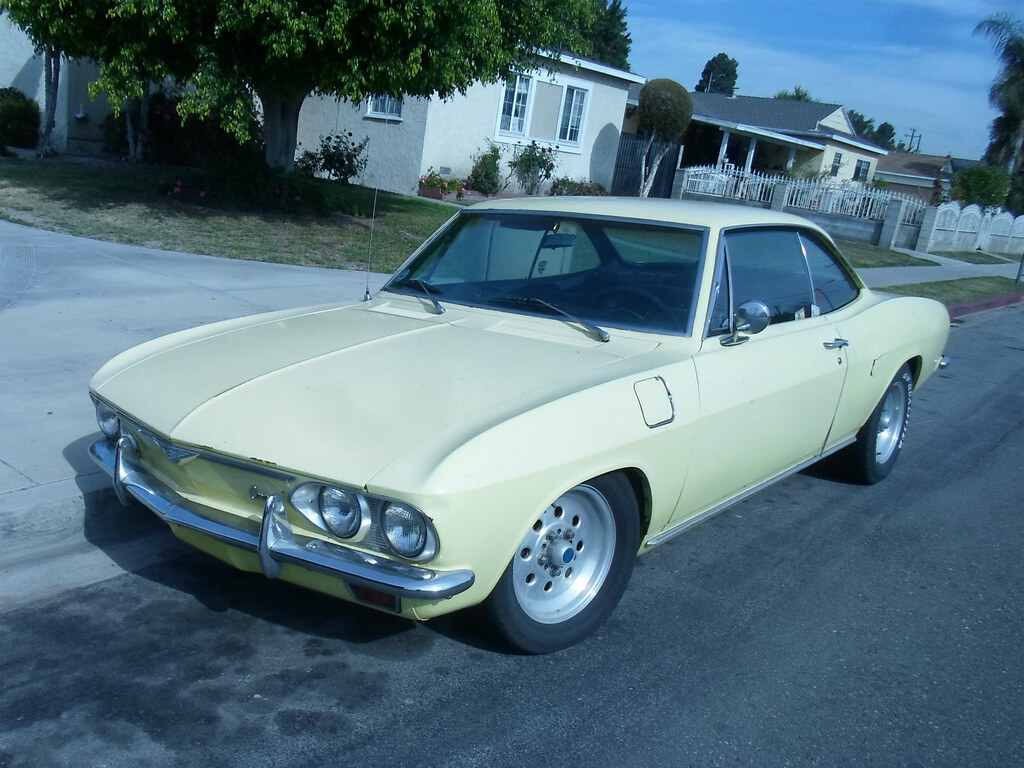
11. **Chevrolet Corvair**The Chevrolet Corvair is a car forever etched into the annals of automotive history, not just for its innovative rear-engine design, but also for the controversy that swirled around it. Initially celebrated for being different, it now finds itself, as mechanic Chris Pyle starkly puts it, “in restoration limbo.” It dared to challenge the conventional wisdom of American car design, but the execution and subsequent scrutiny left a lasting, less-than-flattering legacy.
The primary issue that plagued the Corvair, particularly its early models, was its “handling problems,” famously highlighted in Ralph Nader’s seminal book, *Unsafe at Any Speed*. Its rear-engine design had a tendency to “oversteer, making it dangerous to drive.” While Chevrolet did make improvements in later models, the damage to its reputation was already done, forever associating the Corvair with questions of safety and stability.
Beyond the historical safety concerns, practical ownership of a Corvair today presents its own set of significant hurdles. As Chris Pyle observed, “No one now thinks they are cool like they were back then, plus parts are slim picking.” This scarcity of “replacement components makes this classic more headache than heritage,” turning what should be a straightforward restoration into an expensive and time-consuming scavenger hunt.
Ultimately, despite its unique place in American automotive history as an engineering curiosity, the Corvair is largely a collector’s dead end. It’s a car that, for many, remains “more headache than heritage,” struggling to find a solid footing in the classic market. It’s a compelling piece of history, certainly, but one that is often better studied than owned.
Car Model Information: 1964 Chevrolet Corvair Monza
Caption: 1964 Chevrolet Corvair Monza
Name: Chevrolet Corvair
Manufacturer: Chevrolet
Production: 1960–1969
Platform: GM Z platform
Chassis: Unibody
ModelYears: 1960–1969
Assembly: United States,Kansas City, Missouri,Oakland, California,Van Nuys,St. Louis,Flint, Michigan,Belgium,Canada,Mexico,South Africa,Switzerland,Venezuela
Class: Compact car
Successor: Chevrolet Vega
Layout: Rear-engine, rear-wheel-drive layout
Categories: All Wikipedia articles written in American English, All articles lacking in-text citations, All articles needing additional references, All articles with dead external links, All articles with specifically marked weasel-worded phrases
Summary: The Chevrolet Corvair is a rear-engined, air-cooled compact car manufactured and marketed by Chevrolet over two generations between 1960 and 1969. The Corvair was a response to the increasing popularity of small, fuel-efficient automobiles, particularly the imported Volkswagen Beetle and American-built compacts like the Rambler American and Studebaker Lark.
The first generation (1960–1964) was offered as a four-door sedan, two-door coupe, convertible, and four-door station wagon. A two- and four-door hardtop and a convertible were available second-generation (1965–1969) variants. The Corvair platform was also offered as a subseries known as the Corvair 95 (1961–1965), which consisted of a passenger van, commercial van, and pickup truck variant. Total production was approximately 1.8 million vehicles from 1960 until 1969.
The name “Corvair” was first applied in 1954 to a Corvette-based concept with a hardtop fastback-styled roof, part of the Motorama traveling exhibition. When applied to the production models, the “air” part referenced the engine’s cooling system.
A prominent aspect of the Corvair’s legacy derives from controversy surrounding the handling of early models equipped with rear swing axles, articulated aggressively by Ralph Nader’s Unsafe at Any Speed but tempered by a 1972 Texas A&M University safety commission report for the National Highway Traffic Safety Administration (NHTSA) which found that the 1960–1963 Corvair possessed no greater potential for loss of control in extreme situations than contemporary compacts.
To better counter popular inexpensive subcompact competitors, notably the Beetle and Japanese imports such as the Datsun 510, GM replaced the Corvair with the more conventional Chevrolet Vega in 1970.
Get more information about: Chevrolet Corvair
Buying a high-performing used car >>>
Brand: Chevrolet Model: Corvair
Price: $29,988 Mileage: 74,787 mi.
Read more about: More Bark Than Bite: 14 Classic Cars That Didn’t Quite Live Up to Their Legendary Looks

12. **Ford Mustang II (1974–1978)**Prepare for some automotive truth serum, because not all Mustangs are created equal. The Ford Mustang II, produced from 1974 to 1978, is a painful testament to this fact, often earning the unenviable title of the “worst Mustang ever.” Born during the tumultuous 1970s oil crisis, it was a desperate attempt to adapt, but in doing so, it sacrificed nearly everything that made the original Mustang a legend.
This iteration of the iconic pony car was a stark departure from its powerful predecessors. It “suffered from 1970s design trends and fuel crisis compromises,” resulting in “weak engines and awkward styling.” Gone were the muscular lines and roaring V8s; in their place was a smaller, less visually appealing car saddled with underpowered engines like the 2.3L four-cylinder. The context notes it simply “didn’t deliver the muscle car performance expected from the Mustang name.”
Even automotive experts like Chris Pyle don’t pull any punches when it comes to the Mustang II. As he explained, “They don’t look that great and they are weak. You have to put a bigger motor in it, which kind of takes away the meaning of classic.” Indeed, what is the point of preserving a classic if you fundamentally have to alter its original, flawed identity just to make it palatable for driving? It undermines the very essence of collecting.
For collectors, the Mustang II remains largely on the sidelines. Its compromises in both aesthetics and performance ensure it’s “one of the least loved entries in the Mustang family.” While it represents an interesting, if regrettable, chapter in Ford’s history, the general consensus is that “Collectors often pass it by.” It’s a reminder that even legendary nameplates can have their regrettable, overhyped missteps.
Car Model Information: 2023 Toyota Tacoma SR
Name: Second generation
Caption: Ford Mustang II coupe
Aka: Ford Mustang II , Ford T5 (in Germany)
Class: Pony car,Subcompact car
Production: 1973–1978
ModelYears: 1974–1978
Predecessor: Ford Mustang (first generation)
Successor: Ford Mustang (third generation)
Assembly: Unbulleted list
Layout: Front-engine, rear-wheel-drive layout
BodyStyle: coupé,hatchback
Related: Ford Pinto,Ford Pinto
Manufacturer: Ford Motor Company
Engine: ubl
Transmission: ubl
Wheelbase: cvt
Length: cvt
Width: cvt
Height: cvt
Designer: Buck Mook, Dick Nesbitt
Categories: All articles with dead external links, All articles with unsourced statements, Articles with dead external links from April 2024, Articles with permanently dead external links, Articles with short description
Summary: The second-generation Ford Mustang, marketed as the Ford Mustang II, is a two- or three-door, four-passenger, front-engine/rear-drive pony car manufactured and marketed by Ford from 1973 until 1978. Introduced in September 1973 for the 1974 model year, the Mustang II arrived roughly coincident with the oil embargo of 1973 and subsequent fuel shortages. Developed under Lee Iacocca, it was an “entirely new kind of pony car.” Ford “decided to call it Mustang II, since it was a new type of pony car designed for an era of high gas prices and fuel shortages.”
The Mustang II was 490 lb (222 kg) lighter and almost 19 in (483 mm) shorter than the 1973 Mustang, and derived from the subcompact Pinto platform. While sharing a limited number of driveline components with the Pinto, the Mustang II employed an exclusive subframe, isolating its front suspension and engine mount subframe. The steering used a rack-and-pinion design.
Named Motor Trend’s 1974 Car of the Year and reaching over 1.1 million sales over four years of production, the Mustang II is noted simultaneously for both its marketing prescience and strong sales – while criticized as having abandoned essential aspects of the Mustang heritage and described, in a retrospective after 40 years since its introduction, as embodying the Malaise era.
Get more information about: Ford Mustang (second generation)
Buying a high-performing used car >>>
Brand: Ford Model: Mustang II
Price: $33,199 Mileage: 59,070 mi.
Read more about: Buyer’s Guide: 14 Classic Cars That Are More Pitfall Than Pride, According to Seasoned Automotive Experts

13. **Pontiac Fiero (1984–1988)**In the annals of automotive ambition, the Pontiac Fiero stands out as a bold, yet ultimately flawed, experiment. GM truly tried something audacious with this mid-engine sports car, aiming to deliver exotic looks and engaging dynamics at an accessible price point, particularly when it launched in 1984. The concept was undeniably cool, promising a slice of supercar flair for the everyday driver, but the reality, as it often does, diverged sharply from the dream.
Early models of the Fiero were unfortunately “plagued with poor build quality” and, more notoriously, a “reputation for catching fire” due to “overheating and fire risks due to poor engine compartment design.” This wasn’t just a minor hiccup; it was a serious safety concern that severely damaged the car’s appeal and reputation. It’s hard to enjoy a sporty drive when you’re constantly wondering if your engine is about to spontaneously combust.
Further dampening the Fiero’s prospects was its “underpowered” initial engine. The 2.5L “Iron Duke” engine, producing a mere 92 horsepower, meant that despite its sporty appearance, the Fiero delivered anything but thrilling performance. Pontiac marketed it as a sports car, but as the context indicates, “its early models were underpowered” and the “damage to its reputation was already done.” The disconnect between marketing and actual driving experience was stark.
Despite later improvements in its production run, the Fiero remains a classic example of a “cool concept, but rarely worth the hassle.” Its numerous “reliability issues” and questionable initial build quality mean that for collectors seeking a genuinely rewarding experience, the Fiero often falls short. It’s a fascinating piece of automotive history, a car that promised much but delivered too little, too late.
Car Model Information: 1988 Pontiac Fiero GT
Name: Pontiac Fiero
Caption: 1988 Fiero Formula
Manufacturer: Pontiac (automobile)
Production: August 1983 – August 16, 1988,370,168 produced
ModelYears: 1984 – 1988
Successor: Pontiac Solstice
Assembly: Pontiac, Michigan
Designer: Hulki Aldikacti,George Milidrag
Class: Sports car
BodyStyle: fastback,notchback
Platform: GM P platform
Layout: Rear mid-engine, rear-wheel-drive layout
Engine: {{cvt,151,CID,L,1,disp=flip,Iron Duke engine#LR8,Inline-four engine
Transmission: Turbo-Hydramatic 125,Manual transmission,Getrag 282 transmission,Isuzu
Wheelbase: 2373 mm
Abbr: on
Length: 4072 mm
Width: 1750 mm
Height: 1191 mm
Weight: 1116 to
Categories: All articles with unsourced statements, Articles with short description, Articles with unsourced statements from February 2012, Articles with unsourced statements from July 2024, Articles with unsourced statements from September 2011
Summary: The Pontiac Fiero is a rear mid-engine, light sports car manufactured and marketed by Pontiac for model years 1984 – 1988. Intended as an economical commuter car with modest performance aspirations, it was Pontiac’s first two-seater since their 1926 to 1938 coupes, and the first mass-produced, rear mid-engine car by any American manufacturer.
In addition to using 4- and 6-cylinder engines to help Pontiac meet America’s ‘CAFE’ average fuel economy requirements, the Fiero’s chassis and structure technology used non-load-bearing, composite body-panels, contributing to the car’s light-weight and its unique selling proposition. Pontiac engineers modified the design over its life to enhance its performance and reposition the two-seater closer to the implications of its sporty configuration.
The Fiero 2M4 (two-seat, mid-engine, four-cylinder) placed on Car and Driver magazine’s Ten Best list for 1984, and was the Official Pace Car of the Indianapolis 500 for 1984.
A total of 370,168 Fieros were manufactured over five years’ production, its mild performance, reliability and safety issues becoming points of criticism. The Fiero was discontinued after annual sales fell steadily.
Get more information about: Pontiac Fiero
Buying a high-performing used car >>>
Brand: Pontiac Model: Fiero
Price: $15,500 Mileage: 94,124 mi.
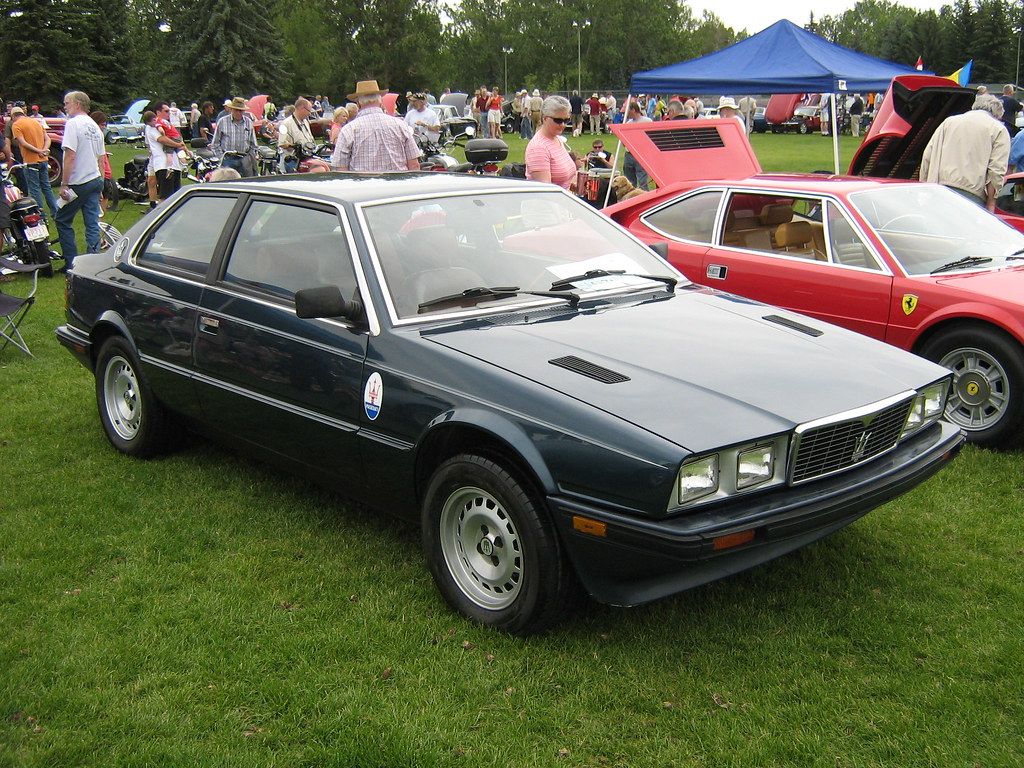
14. **Maserati Biturbo**Just saying the name “Maserati” conjures visions of Italian elegance, powerful engines, and a rich racing heritage. So, when the Maserati Biturbo arrived on the scene in the early 1980s, it carried the immense weight of that legacy. It “had the badge and the boost,” promising a twin-turbocharged thrill ride wrapped in luxurious Italian styling. It was supposed to bring Maserati’s performance to a wider audience, but it instead became a cautionary tale of ambition over execution.
The Biturbo was, to put it mildly, an exercise in automotive fragility. While it was undeniably fast, it was equally “fragile, requiring constant maintenance and prone to expensive failures.” This wasn’t merely the high cost of owning an exotic; it was a consistent, pervasive pattern of mechanical breakdowns that turned ownership into a financial black hole. The turbo-lag was significant, and the entire powertrain often struggled to cope with the demands placed upon it.
Beyond the engine, the Biturbo was riddled with “poor build quality” and “electrical issues,” compounding the ownership misery. These problems were so widespread and debilitating that, as the context notes, “Today, even collectors avoid it.” It became a car that actively “damaged Maserati’s reputation” rather than enhancing it, failing to deliver on the fundamental promise of a prestigious, high-performance vehicle.
Ultimately, the Maserati Biturbo exemplifies how even a legendary brand can produce a truly overhyped, and indeed, regrettable classic. It was a car that “cost more than it delivered” and whose problems were so profound that it struggles to hold any significant value or appeal in the collector market. It’s a stark reminder that sometimes, a prestigious badge is simply not enough to overcome fundamental engineering and reliability shortcomings.
Car Model Information: 1985 Maserati Biturbo Base
Name: Maserati Biturbo
Caption: Maserati Biturbo E
Manufacturer: Maserati
Production: 1981–1994
Assembly: Modena,Rho, Lombardy
Related: Maserati Shamal,Maserati Ghibli#Ghibli (AM336),Maserati Barchetta,Maserati Quattroporte#Quattroporte IV,Maserati Karif
Designer: Pierangelo Andreani (1977),Marcello Gandini,Zagato
Class: Grand tourer
BodyStyle: 2+2 (car body style),coupé,sedan (car),Cabriolet (automobile)
Layout: Front-engine, rear-wheel-drive layout
Engine: twin-turbocharged,2.5 L twin-turbocharged 90° V6,2.8 L twin-turbocharged 90° V6
Transmission: ZF Friedrichshafen,Automatic transmission,ZF Friedrichshafen
Wheelbase: {{convert,2,514,mm,in,1,abbr=on
Length: {{convert,4,150,mm,in,1,abbr=on
Abbr: on (228)
Width: {{convert,1,710,mm,in,1,abbr=on
Height: {{convert,1,310,mm,in,1,abbr=on
Successor: Maserati Ghibli#Ghibli (AM336),Maserati Quattroporte#Quattroporte IV
Sp: uk
Categories: 1990s cars, All articles needing additional references, All articles with unsourced statements, Articles needing additional references from November 2019, Articles needing additional references from October 2010
Summary: The Maserati Biturbo is a family of executive grand tourers produced by Italian automobile manufacturer Maserati between 1981 and 1994. The original Biturbo was a two-door, four-seater notchback coupé (of somewhat smaller dimensions than the BMW 3 Series of the time) featuring, as the name implies, a two-litre V6 engine with two turbochargers and a luxurious interior.
The car was designed by Pierangelo Andreani, Chief of Centro Stile Maserati up to 1981, somewhat influenced by the design of the then recent Quattroporte III (penned by Italdesign Giugiaro).
All Maserati models introduced from the Biturbo’s inception in 1981, until 1997, were based on variants of the original Biturbo architecture, including the later grand tourers like the Shamal and Ghibli II, as well as the 1994 fourth generation Quattroporte, which used an evolved and slightly stretched (to 2.65 m / 104.3 in wheelbase) Biturbo Saloon platform.
The Barchetta, while of a different layout entirely, used an ultimate version of the Biturbo V6 engine.
Get more information about: Maserati Biturbo
Buying a high-performing used car >>>
Brand: Maserati Model: Biturbo
Price: $13,899 Mileage: 18,319 mi.
Read more about: Why We Still Adore Them: A Deep Dive into the Most Gloriously Awkward ’80s Cars That Were So Ugly, They Became Icons
So there you have it, a deeper dive into the classic cars that, despite their allure, often fail to live up to the hype. From legendary names like Ferrari and Porsche to homegrown American icons and ambitious European grand tourers, the automotive world is full of vehicles that promise the moon but deliver little more than a headache and a lighter wallet. Our journey through these overhyped machines isn’t meant to diminish the joy of classic car ownership, but rather to illuminate the path for those looking to invest wisely, or at least, with open eyes. The romance of the open road in a vintage beauty is a powerful draw, but understanding the stark realities behind the chrome and charisma is the key to a truly rewarding experience. Choose wisely, drive passionately, and may your garage be filled with genuine classics, not costly compromises.