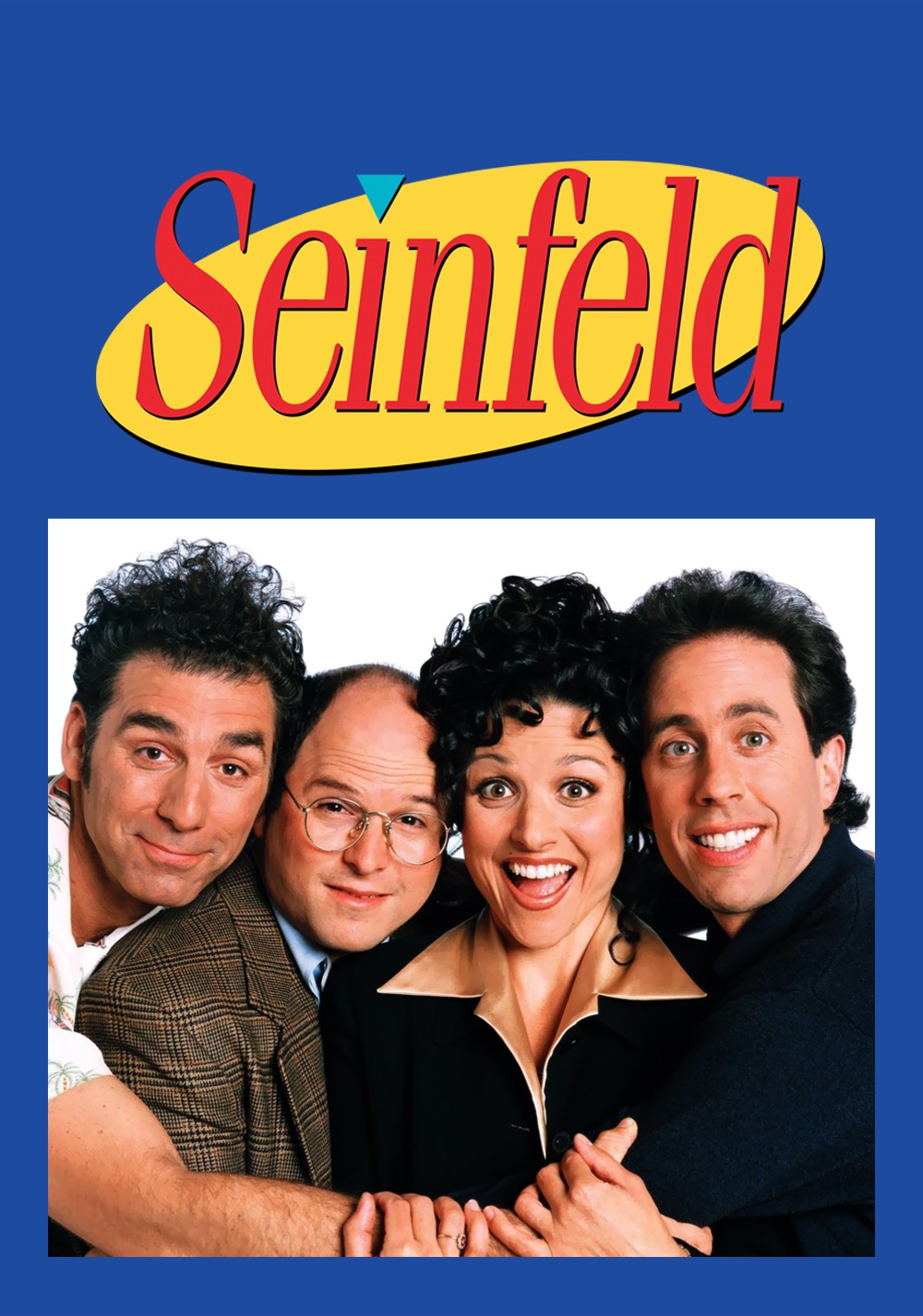
“Seinfeld” was famously hailed as “a show about nothing,” yet it captured the hearts of millions with its uncanny ability to transform the most mundane, frustrating, and downright bizarre aspects of everyday life into comedic gold. Co-creators Larry David and Jerry Seinfeld, alongside their talented team of writers, possessed an extraordinary talent for mining their own real-life annoyances and quirky observations to craft plotlines that remain unparalleled in television history.
From the frustrating intricacies of social etiquette to the perplexing habits of neighbors and strangers, the show’s enduring appeal lies in its relatable scenarios, often exaggerated for comedic effect but always grounded in an undeniable truth. Many of its most unforgettable episodes didn’t spring from pure fiction; instead, they were directly inspired by actual events and interactions experienced by those behind the scenes, offering a fascinating glimpse into the creative process.
Today, we’re pulling back the curtain to reveal the real-life encounters that sparked some of “Seinfeld’s” most iconic and quotable moments. Prepare to discover the surprising origins of characters, situations, and catchphrases that have become cultural touchstones, proving that sometimes, the funniest stories are the ones that actually happened.
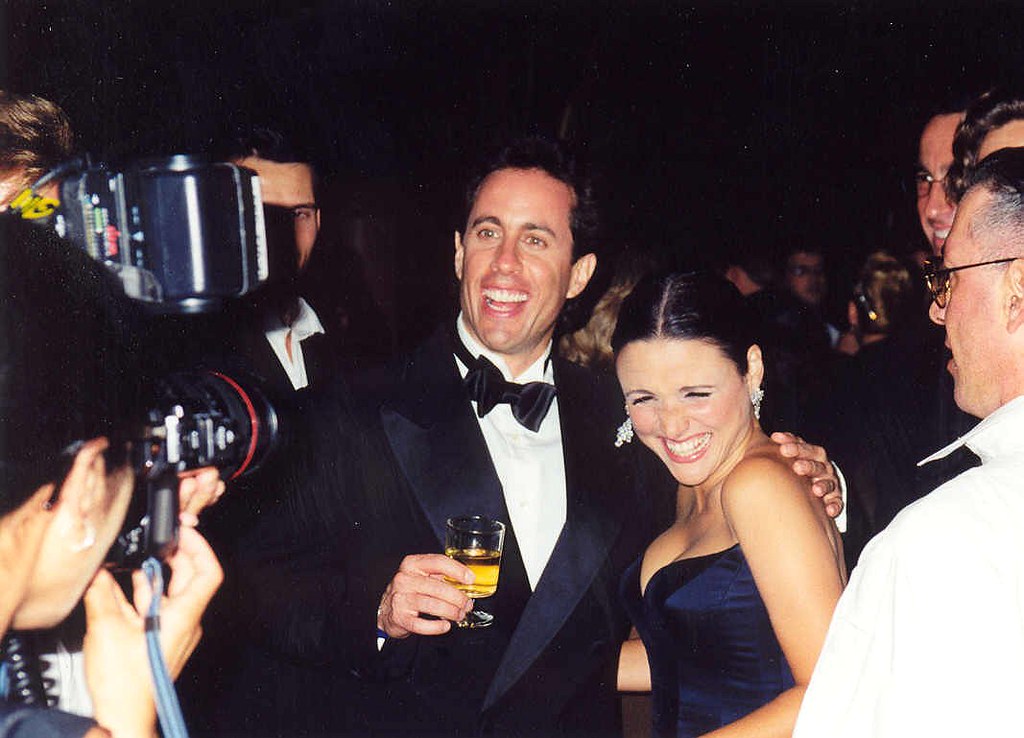
1. **The Legend of the Soup Nazi: A Culinary Dictator’s Real-Life Counterpart**
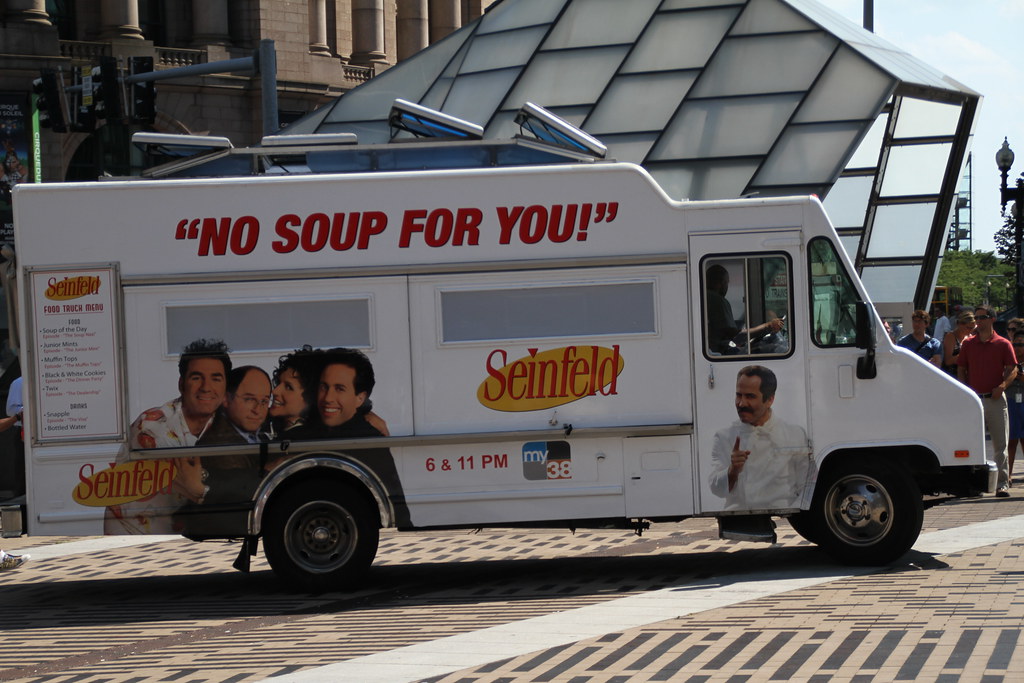
Perhaps no “Seinfeld” character captured the public imagination quite like Yev Kassem, famously known as “The Soup Nazi.” His tyrannical rules and unforgettable catchphrase, “No soup for you!,” became instant cultural phenomena, forever linking delicious soup with a draconian ordering process. As bizarre and exaggerated as the on-screen portrayal seemed, this legendary character was, in fact, inspired by a very real person and a very real soup establishment in New York City.
According to Jennifer Keishin Armstrong’s book “Seinfeldia,” Yev Kassem was based on Soup Kitchen International owner Ali “Al” Yeganeh. Yeganeh was renowned for his delicious soups but equally infamous for his incredibly strict ordering policies and volatile temperament. Customers had to know exactly what they wanted, speak clearly, and follow his unspoken rules, or face his wrath and, more often than not, be denied soup altogether.
Unsurprisingly, Yeganeh was far from pleased with his portrayal in the hit sitcom. He particularly took umbrage with the nickname he was given, “The Soup Nazi.” According to CBS, he dismissed Jerry Seinfeld as “an idiot clown” who had “smeared him on TV,” and Keishin writes that he “[cursed] ‘Seinfeld’ for branding him a Nazi.” So profound was his disdain that he “rejoiced over Seinfeld’s demise” when the show’s ending was announced a couple of seasons later.
Despite his protestations, Yeganeh had already garnered a reputation long before “Seinfeld” propelled him into the national spotlight. Two years prior to the episode, he was even alluded to as “the meanest man in America” in the movie “Sleepless in Seattle.” Armstrong’s book further illustrates his fiery personality, recalling an incident after the “Seinfeld” episode aired when he reportedly threw a headset at a WABC-AM reporter who dared to ask him to repeat his famous catchphrase, proving his on-screen persona was disturbingly accurate. Even Jerry Seinfeld himself was once cursed out by Yeganeh in a real-life encounter, showing the depths of the animosity, or perhaps, simply the man’s notoriously short fuse. The Original SoupMan on 55th Street remains open today, with customers reportedly no longer enduring verbal abuse for their delicious soup.

2. **”You Know, You Kind of Look Like Al Pacino”: A Real-Life Misstep at the Soup Kitchen**
Within the lore of the Soup Nazi, one of the most memorable scenes involves Elaine Benes getting dramatically ejected from the establishment for a series of faux pas, one of which was remarking that the tyrannical owner “looks like Al Pacino.” This particular comedic gem wasn’t a product of pure imagination but a direct recounting of a real-life event witnessed by one of the show’s writers.
Spike Feresten, an episode writer and series producer, was himself a customer of the real Soup Nazi and observed the strict decorum required firsthand. He recalled an incident that directly inspired Elaine’s fateful comment. “This is months in of me going there, being one of his soldiers and knowing what to do,” Feresten explained in an interview. He described a woman ahead of him in line who made the innocuous observation, “You know, you kind of look like Al Pacino.”
The real-life Soup Nazi’s reaction was immediate and explosive. Feresten recounted, “He just screamed at her and said, ‘Get out!’” This vivid memory became a crucial detail in shaping the episode, adding an extra layer of authenticity to the intimidating atmosphere of Yev Kassem’s soup joint. The absurdity of being thrown out for such a minor comment perfectly captured the capricious nature of the character.
Feresten also shared a fascinating detail about the customers’ collective response to such outbursts: “What’s fun is when anybody got yelled at by the real Soup Nazi, everybody in line would turn away from them so they didn’t see it. They could not be connected to this failure.” This “real interesting dynamic” highlighted the intense social pressure and fear that Yeganeh’s patrons experienced, illustrating how a shared experience of delicious soup could foster such a unique, unspoken code of conduct among strangers.

3. **The Chicken Roaster: When Foul Smells Led to “Bad Food” Signs**
“The Chicken Roaster” episode, where Kramer finds himself increasingly bothered by the bright red sign and overpowering smell of a Kenny Rogers Roasters restaurant, is another classic “Seinfeld” storyline with surprising real-life roots. The concept of an obnoxious restaurant impacting a neighbor’s life, leading to drastic measures, came directly from a writer’s own observations in New York City.
Jeff Schaffer, who penned the episode, shared that the inspiration struck him when he walked past a Kenny Rogers Roasters. This particular restaurant was located beneath a law firm, and the lingering aroma of grilled chicken was more than just a culinary suggestion; it was reportedly “venting into this law office.” Schaffer described the law firm’s logical, albeit dramatic, response: “So they did what any rational person would do, just hang a giant sign that said ‘bad food.’”
This absurd yet perfectly understandable reaction—a professional law firm resorting to a homemade, publicly visible protest—was pure “Seinfeld” material. It showcased the creators’ knack for spotting the ridiculousness in everyday urban life. The sheer audacity of a “bad food” sign, rather than a formal complaint, resonated perfectly with the show’s satirical take on human behavior and minor annoyances escalating into major conflicts.
Schaffer also revealed another real-life detail that made it into the episode: the infamous glowing red light. In the show, the red neon sign from the Roasters casts an eerie, incessant glow into Kramer’s apartment, driving him to distraction. This element was inspired by a giant red sign that illuminated Schaffer’s own brother’s New York apartment, proving that even ambient urban annoyances could become fodder for comedic brilliance in the world of “Seinfeld.”

4. **”She Had a Dude”: The Awkward Reality of “The Summer of George”**
George Costanza’s romantic entanglements and social mishaps were a constant source of humor on “Seinfeld,” often reflecting the awkwardness inherent in dating and relationships. One particularly memorable moment from “The Summer of George” episode revolved around George discovering that his date for a prestigious event already lived with another man. This cringeworthy scenario wasn’t just a clever plot device; it was drawn from the real-life experience of one of the show’s own writers.
Jeff Schaffer, along with fellow writer Alec Berg, had written for the Oscars, and Berg had invited a beautiful actress to accompany him to the event. The evening, however, did not unfold as Berg had hoped. Schaffer recounted the post-event debriefing: “We asked Alec the next day how the Oscars were, and he goes, ‘Ah, she had a dude,’ which is a funny way to say it.”
This blunt and slightly bewildered observation perfectly encapsulated the kind of observational humor that defined “Seinfeld.” The initial uncertainty—”At first, he wasn’t sure it was her dude,” as Schaffer clarified—added another layer of comedic realism to the situation. It’s a moment many can relate to: the slow dawning realization of an inconvenient truth in a new romantic interest’s life, presented with the dry wit typical of the show’s writing.
The casual, almost deflated way Berg delivered the news—”she had a dude”—highlighted the often anticlimactic nature of real-life romantic pursuits. It resonated deeply with the show’s philosophy of finding humor in the gap between expectation and reality, making what could have been a dramatic revelation into a moment of pure, relatable comedic gold for George Costanza’s character. This anecdote proves that even the glamour of the Oscars couldn’t escape the quirky, disappointing realities that fueled “Seinfeld.”

5. **The Mystery of the Monochrome Dress: “The Seven” and Perpetual Attire**
Among Jerry Seinfeld’s many peculiar girlfriends throughout the series, one stands out for her sartorial choice in “The Seven”: she wore the same white and black dress repeatedly, sparking Jerry’s intense curiosity and annoyance. This seemingly minor yet deeply perplexing detail, which became the focal point of an entire subplot, was directly inspired by a real-life observation made by one of the “Seinfeld” writers.
Jeff Schaffer, the writer, shared the genesis of this memorable plotline. “That came from me seeing a woman wearing a white and black dress basically like the one that was there,” he told HuffPost. The observation wasn’t a one-off; Schaffer saw the same woman in the identical dress on separate occasions: “I saw her at an event, and then I saw her later that week wearing the dress as a cashier at the market.”
This repeated sighting naturally led to a burning question, a classic “Seinfeldian” internal monologue: “Maybe she just always wears that dress?” The show excelled at turning such trivial, yet nagging, questions into significant narrative arcs. Jerry’s obsession with understanding why his girlfriend consistently wore the same dress perfectly mirrored the real-life curiosity sparked by Schaffer’s encounter.
Just as in the episode, Schaffer revealed that he never actually discovered the true reason behind the woman’s consistent attire. The mystery remained unsolved, which is often the case with the baffling quirks of real people. This unresolved curiosity perfectly translated into the “Seinfeld” universe, highlighting the show’s brilliant ability to take an ordinary, unanswerable question and make it the hilarious cornerstone of a beloved episode, leaving both characters and audience members to ponder the enigma.

6. **The Case of the Missing Raisins: A Suspicion That Almost Cost a Writer His Job**
“Seinfeld” often played with the paranoia and petty suspicions that can arise in everyday interactions, turning minor misunderstandings into comedic masterpieces. One such story, involving a missing box of raisins, wasn’t just a George Costanza-esque absurdity; it was a real-life incident involving Jerry Seinfeld and Larry David themselves, and a future writer for the show.
Andy Robin, who would later become a “Seinfeld” writer, recounted his very first meeting with Larry David and Jerry Seinfeld. While the meeting went well, leaving a positive impression, an underlying, unspoken suspicion lingered in the minds of the show’s creators. They believed Robin had stolen a box of raisins from their office, a detail so trivial yet so perfectly aligned with the show’s brand of observational humor that it’s almost unbelievable it happened in real life.
Robin found the accusation, or rather the silent implication, particularly puzzling. “I didn’t give them any reason to think I was an especially shady guy, so that made it all the more puzzling,” he said. The thought of being suspected of such a petty crime, especially during a crucial first meeting with potential employers, added an extra layer of awkwardness and absurdity to the situation. It’s a classic example of how minor, unsubstantiated suspicions can take root and become significant in the minds of the “Seinfeld” creators.
The good news for Robin was that, despite their initial suspicion, David and Seinfeld still hired him. It wasn’t until he went on staff the following season that the truth finally came out. “They found the raisins, so I was vindicated, and I never knew about this until I went on staff the following season,” Robin revealed. The fact that this suspicion persisted and was only clarified much later underscores the wonderfully idiosyncratic way Larry and Jerry viewed the world, always on the lookout for the peculiar and the potentially problematic, even in the smallest details.
7. **The Andrea Doria: Rumors, Tragedy, and Apartment Battles**
“Seinfeld” had an unparalleled ability to pluck the most obscure and often morbid real-world details, twist them with a touch of the absurd, and fashion them into a comedic masterpiece. Such was the case with ‘The Andrea Doria’ episode, where George Costanza, ever the opportunist, attempts to gain preferential treatment for an apartment by claiming the building prioritizes survivors of the infamous shipwreck, the Andrea Doria.
This wonderfully convoluted plotline didn’t spring from thin air but was, in fact, inspired by a curious rumor that writer Spike Feresten once heard. He recalled someone telling him a bizarre, almost unbelievable tale about the scarcity of Central Park tennis courts. The rumor suggested that access to these coveted courts was being granted with preferential treatment to Holocaust survivors.
Feresten, with his keen ear for the peculiar, took this rumor and applied a classic ‘Seinfeld’ filter to it. He mused about a tragedy that, while undeniably serious, wasn’t quite as universally immediate or sensitive for comedic exploration in this specific context. The sinking of the SS Andrea Doria in 1956, while a significant maritime disaster, provided the perfect historical, yet somewhat distant, backdrop for the show’s brand of humor, especially since most people survived.
The genius lay in transforming a local, sensitive rumor into a broader, more comically palatable premise. By swapping a deeply tragic historical event for one that was still serious but allowed for more comedic distance, the writers could explore the concept of preferential treatment for survivors in a way that was uniquely ‘Seinfeldian’ and led to George’s wonderfully misguided schemes. It perfectly showcased the show’s knack for finding humor in the most unexpected corners of human experience and societal quirks.

8. **The Schmoopie Incident: When Real-Life Baby Talk Drove a Creator Nuts**
Few things grated on George Costanza quite like the overly saccharine, public displays of affection between Jerry and his girlfriend, dubbed ‘Schmoopie.’ The infamous ‘Schmoopie’ incident, where their nauseating baby talk pushed George to his absolute limit, was not merely a brilliant piece of character writing; it was a deeply personal annoyance pulled directly from the lives of the show’s creators.
The genesis of this memorable plot point came from episode writer and series producer Spike Feresten. He had originally pitched the ‘Schmoopie’ idea, inspired by his own girlfriend’s affectionate habits. Feresten humorously recalled how his girlfriend would engage in what he described as ‘really embarrassing public displays of affection,’ including little bursts of ‘baby talk’ in public, though she never actually uttered the word ‘Schmoopie.’ These moments, while endearing to some, were enough to ‘make me crazy,’ he admitted.
The story took an even more delightfully ‘Seinfeldian’ turn when Feresten shared his annoyance with co-creator Larry David. In a moment of confidential camaraderie, David revealed that Feresten’s experience struck a very particular nerve. ‘You know, between you and me,’ David confided, ‘Jerry has been doing a lot of this with his girlfriend, and it’s making me nuts.’
This incredible crossover of real-life irritation, where both a writer and one of the show’s co-creators were experiencing similar romantic frustrations, perfectly encapsulates the show’s observational brilliance. It highlights how the most personal and seemingly trivial annoyances could become universally relatable comedy, especially when filtered through George’s perpetually aggrieved lens, making ‘Schmoopie’ a truly iconic ‘Seinfeld’ moment rooted in authentic human exasperation.

9. **The Street Toughs: A Knife, a Chase, and Comedic Gold**
‘Seinfeld’ never shied away from escalating minor urban annoyances into full-blown comedic conflicts, and the episode featuring Jerry and Kramer confronting ‘street toughs’ over a stolen armoire is a prime example. The image of the duo frantically fleeing after daring to stand up to alleged criminals is a classic, blending everyday fear with utter absurdity. What makes it even more remarkable is its origin in a genuinely terrifying real-life event.
Writer Spike Feresten recounted the harrowing experience that inspired this particular storyline. His confrontation with a ‘street tough’ was far from the comedic caper seen on screen. It happened after a neighborhood teenager, whom Feresten described as ‘a really nice kid,’ pointed out the person who had mugged him. Feeling a sense of responsibility and wanting to help, Feresten decided to intervene.
Mustering his courage, Feresten confronted the alleged mugger, stating, ‘Hey, did you mug this kid? Look, I’m calling the cops.’ This brave, yet perhaps ill-advised, act quickly escalated. The individual responded not with words, but by taking out a knife, immediately turning the confrontation into a desperate chase. Feresten found himself running for his life down the street until he was finally able to lock himself inside a drug store for safety.
Larry David and Jerry Seinfeld, upon hearing Feresten’s incredible story, found it absolutely hilarious, despite its terrifying origins. Their ability to take such a dramatic, high-stakes real-life event and translate it into a comedic escapade for Jerry and Kramer demonstrates their unique genius. It’s a testament to ‘Seinfeld’s’ darker, wittier side, proving that even the most frightening moments could be reshaped into indelible scenes of observational humor, where courage (or lack thereof) meets urban chaos.

10. **The Voice: When a Girlfriend’s Stomach Had a ‘Hellooo’ of Its Own**
Jerry Seinfeld’s penchant for dissecting the oddities of his girlfriends was a constant source of humor, and ‘The Voice’ episode delivered a truly bizarre premise: Jerry’s girlfriend’s stomach literally ‘talked’ to him, emitting a deep ‘Hellooo!’ sound. This seemingly outlandish plot point, which became a running gag and a source of both amusement and frustration, was actually born from an internal, lighthearted joke among the show’s writers.
Jeff Schaffer, one of the ‘Seinfeld’ writers, revealed the whimsical origin of this memorable storyline. He shared that the idea came directly from Spike Feresten, who had a long-standing, playful joke about his own girlfriend’s stomach. According to Schaffer, Feresten ‘would do this joke about how his girlfriend’s stomach would talk in a very sort of ‘Hellooo’ voice,’ a detail that instantly captivated the comedic minds in the writers’ room.
The humor of the situation was compounded by the writers themselves. Schaffer recalled that ‘we were joking about it in the office and doing the voice,’ turning Feresten’s private jest into a shared source of amusement. This collaborative adoption of a quirky personal observation highlights how the ‘Seinfeld’ writing team constantly fed off each other’s experiences and inside jokes to generate fresh, relatable, and sometimes downright weird, comedic material.
However, the story has an amusing real-life postscript. Feresten, in a moment of perhaps questionable judgment, decided to share the office’s running gag with the inspiration herself. He ‘decided to tell his girlfriend that we were all doing a voice for her stomach, and she lost her ,’ Schaffer gleefully recounted. This ultimate reaction, a perfect ‘Seinfeldian’ unraveling, illustrates the fine line between observational humor and personal offense, adding another layer of authenticity to the show’s often awkward and unvarnished portrayal of human interactions.
11. **The Rye: A Loaf’s Journey From Dinner Party to Fishing Pole Heist**
Among the many bizarre social faux pas featured on ‘Seinfeld,’ ‘The Rye’ episode stands out as a classic. It chronicles George Costanza’s desperate attempts to replace a loaf of marble rye bread that his father, Frank, notoriously took back from the Rosses’ dinner party after it wasn’t served. This hilariously petty conflict, culminating in Jerry’s daring bread snatch and a fishing pole caper, was surprisingly rooted in a friend’s everyday anecdote.
Comedian Carol Leifer, a writer for ‘Seinfeld’ during its pivotal fifth through seventh seasons, revealed that the inspiration for this fan-favorite episode came from a high school friend. Leifer often received pitches for ‘Seinfeld’ stories, many of which were not quite up to par. However, her friend’s story about a dinner party incident immediately struck her as pure comedic gold, showcasing Leifer’s discerning eye for ‘Seinfeldian’ material.
Her friend recounted an awkward situation: ‘My husband and I had a couple over for dinner, and they brought a bread, and I forgot to put it out. And I realized, at the end of the evening, that they had taken the bread home with them.’ Leifer recognized the inherent tension and absurdity in such a minor yet deeply resonant social transgression. ‘Oh, my God. That — I cannot wait to pitch that,’ she recalled telling her friend, sensing its immediate comedic potential.
Leifer then had the formidable task of pitching the idea to Larry David and Jerry Seinfeld, notoriously a ‘tough room.’ However, the concept of the marble rye, with its layers of petty grievance, unspoken etiquette, and escalating absurdity, immediately resonated. ‘And when I pitched it, they both loved the idea…and that became the marble rye,’ Leifer proudly stated. This anecdote beautifully illustrates how the show’s most beloved storylines often found their beginnings in the mundane, awkward, and undeniably real experiences of everyday life, transformed into comedic legend.
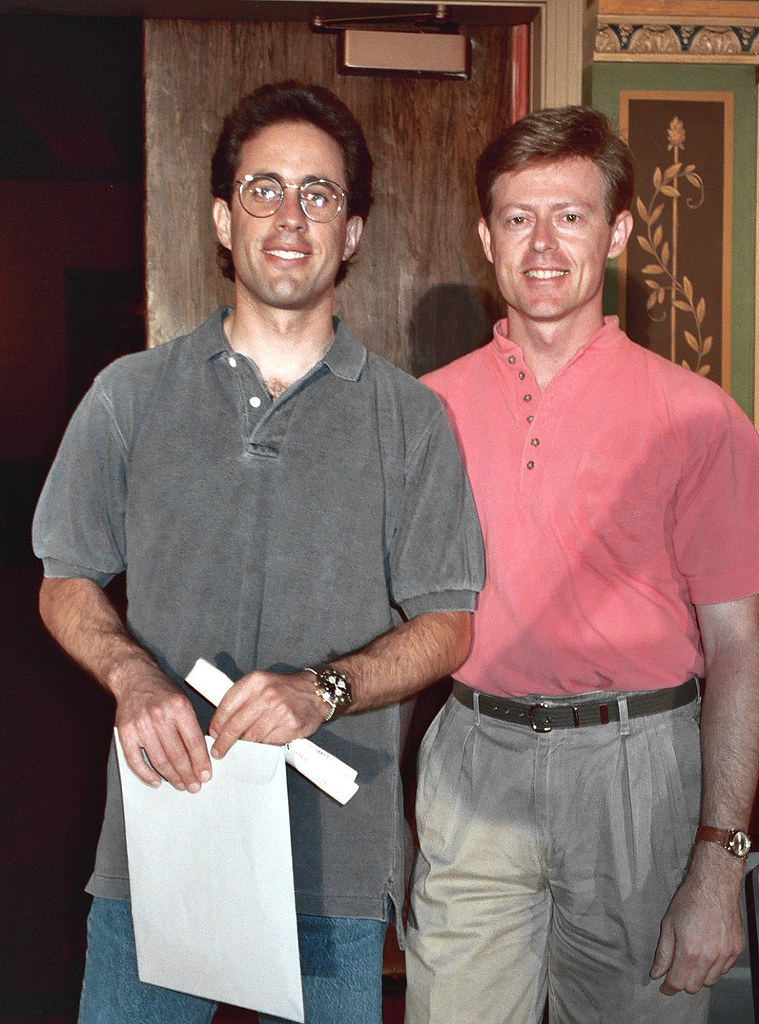
12. **The Real-Life Kramer: From Next Door Neighbor to Pop Culture Icon**
Cosmo Kramer, the eccentric, wild-haired neighbor who burst into Jerry’s apartment with unannounced entrances and improbable schemes, is arguably one of television’s most iconic characters. While actor Michael Richards brought him to life with unparalleled physical comedy, the genesis of Kramer’s unique persona lies firmly in the real world, specifically in the form of Larry David’s actual next-door neighbor.
The character of Cosmo Kramer was directly inspired by Larry David’s real-life neighbor, Kenny Kramer. Kenny Kramer was, by many accounts, as idiosyncratic and larger-than-life as his fictional counterpart, providing a rich wellspring of material for David and Seinfeld. This direct, personal connection between reality and fiction is a hallmark of ‘Seinfeld’s’ creative process, grounding even its most outlandish characters in relatable human quirks.
As ‘Seinfeld’ gained stratospheric popularity, a fascinating phenomenon occurred: the real-life Kenny Kramer found himself intertwined with his fictional persona. The public’s fascination with the origins of the show led many to seek out the ‘real’ Kramer. Capitalizing on this unique blend of celebrity and inspiration, Kenny Kramer famously launched ‘Kramer’s Reality Tour.’
This bus tour takes fans to various New York City locations that inspired the show’s storylines, blending fact with fiction in a truly meta experience. As writer Spike Feresten once explained, ‘There’s a real-life Kramer, and then there’s a TV-version of Kramer. The real-life Kramer does a bus tour, and then the TV Kramer does his version of the real-life version’s bus tour.’ This delightful loop of inspiration – from real person to fictional character and back to a real-world experience – perfectly encapsulates ‘Seinfeld’s’ enduring legacy, constantly blurring the lines between the ‘show about nothing’ and the everything that inspired it.
And there you have it, a deeper dive into the tapestry of everyday oddities, social blunders, and outright bizarre encounters that cemented ‘Seinfeld’s’ place in television history. It wasn’t just a show ‘about nothing’; it was a meticulous, hilarious chronicle of everything that truly makes life both infuriating and endlessly fascinating. Each seemingly minor detail, each petty grievance, each awkward interaction, meticulously observed and brilliantly exaggerated, became the fabric of a comedy that continues to resonate because, at its core, it speaks to the shared, sometimes embarrassing, truth of being human. So, the next time you find yourself caught in a ridiculous situation, remember Jerry, George, Elaine, and Kramer – you might just be living out a future classic.”