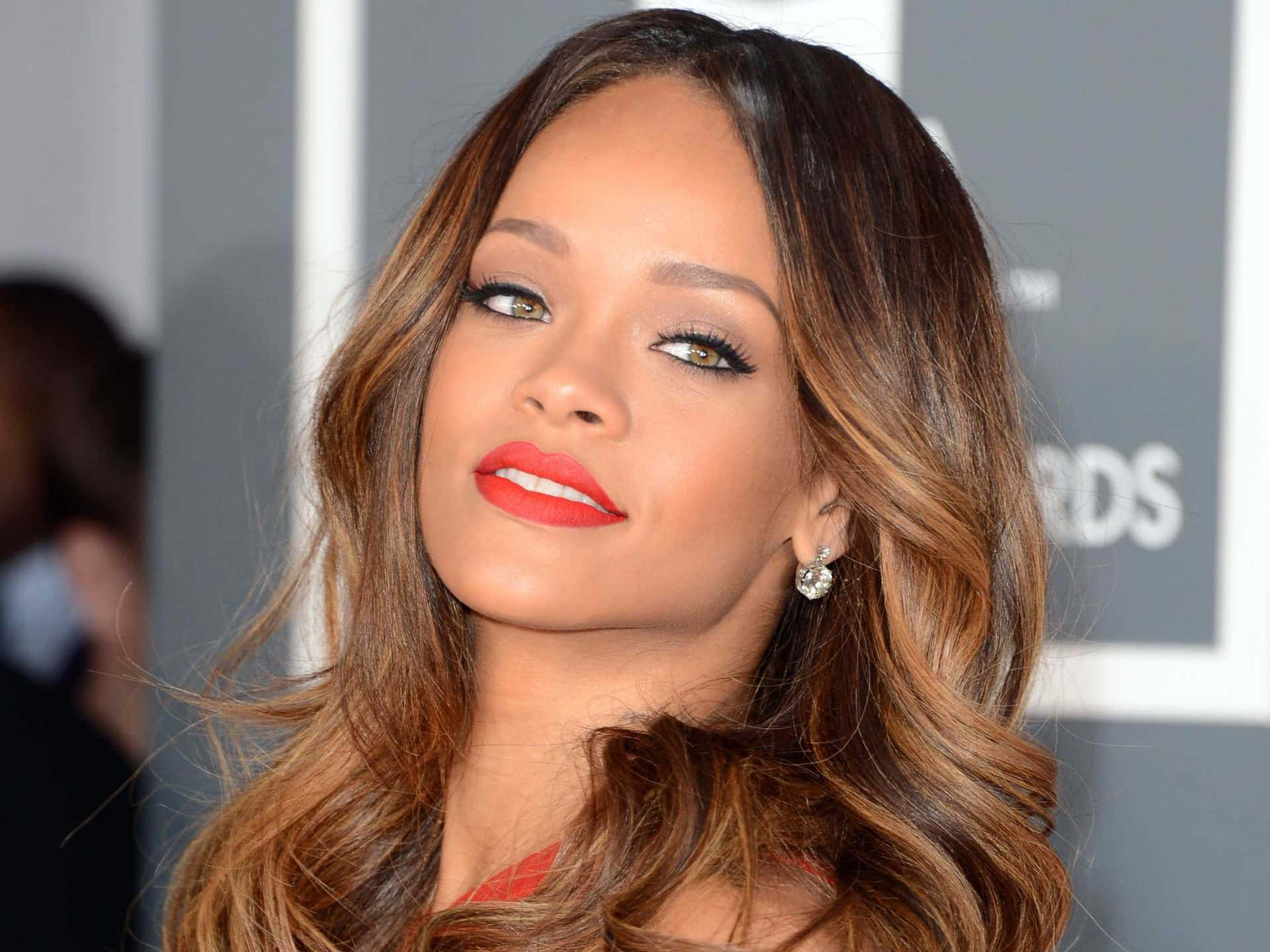
The intersection of entertainment and technology has given rise to one of the most compelling trends in modern finance: celebrities investing in startups. Beyond superficial endorsements, a growing cohort of A-list personalities from Hollywood, sports, and music are not merely lending their names but are actively deploying significant capital, founding venture capital firms, and shaping the future of innovation. This burgeoning phenomenon marks a fundamental shift in how influence is leveraged, transforming stars into formidable players in the global startup ecosystem.
This isn’t simply about famous individuals seeking new avenues for wealth accumulation. Rigorous academic research, such as a study by Esade Business School, has revealed that startups fortunate enough to secure celebrity backing consistently demonstrate higher survival rates, increased web traffic, and robust sales figures compared to their conventionally funded counterparts. With over $4.6 billion invested across more than 350 funding rounds by 75 celebrities since 2007, the financial impact and strategic importance of this trend are undeniable, actively reshaping both venture capital and celebrity influence.
The surge in celebrity startup investments is driven by powerful factors, far exceeding the era when stars merely collected endorsement checks. The allure of truly massive returns plays a significant role, exemplified by Bono’s Elevation Partners turning a $90 million Facebook stake into $1.5 billion. This pursuit of substantial returns aligns with building lasting legacies through sophisticated family offices, as seen with Robert Downey Jr.’s FootPrint Coalition. NBA champion Andre Iguodala noted, “In the past, athletes proved success with cars; now they prove it with startup stakes,” underscoring how investment portfolios have become the ultimate status symbol, providing instant legitimacy, media spotlight, and invaluable network connections for startups.
The evolution from a paid spokesperson to an equity partner signifies a fundamental transformation in celebrity business engagement. Leonardo DiCaprio’s $4 million investment in Mobli, for instance, saw him become an active advisor with a vested stake, offering advantages like exponential growth potential over one-time fees and authentic product belief. Actor-turned-investor Jared Leto, who has backed over 50 startups, even admitted to “pleading with startups to let him invest,” a stark reversal of traditional roles that grants celebrities real influence over a company’s strategic direction through board seats or advisory roles.
While stars have invested across myriad industries, certain sectors like Artificial Intelligence (AI), Sustainability, and Wellness are clear favorites, aligning with personal brands and offering significant growth opportunities where a celebrity’s influence can meaningfully accelerate adoption.
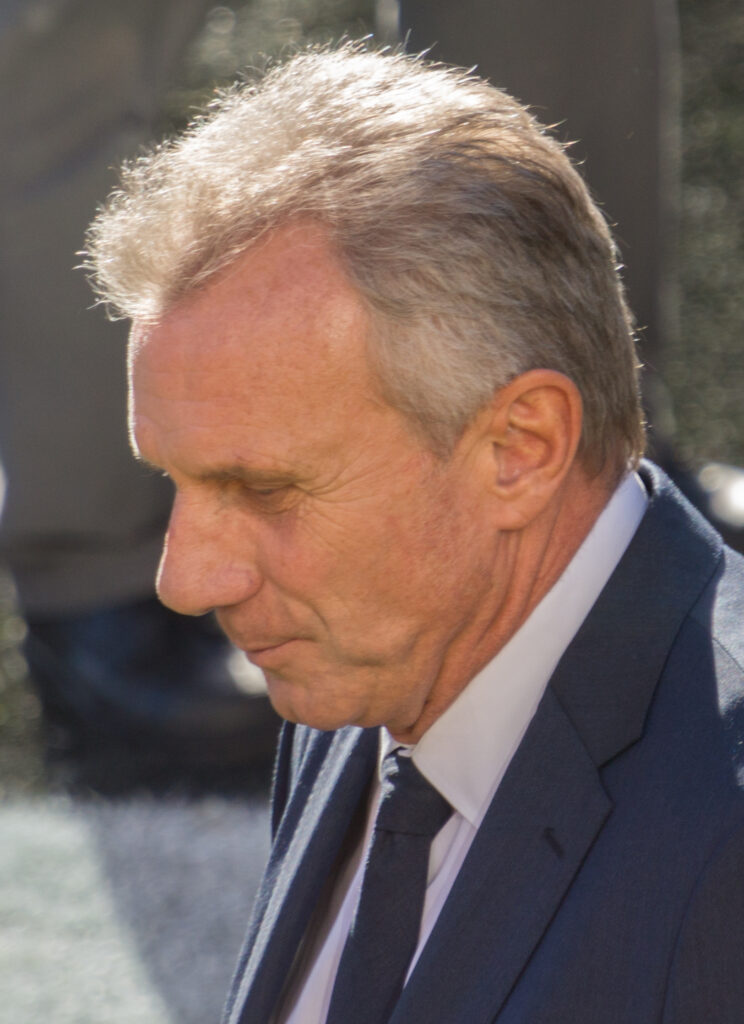
1. **Joe Montana – The Quarterback of Cap Tables**
Joe Montana, the iconic four-time Super Bowl champion for the San Francisco 49ers, has masterfully transitioned from NFL legend to a formidable venture capital powerhouse. Through his investment vehicle, Liquid 2 Ventures, Montana has demonstrated an extraordinary aptitude for finance, executing a jaw-dropping 569 deals since 2020. A testament to his shrewd judgment, ten of these investments have remarkably blossomed into unicorn companies, those rare startups valued at over $1 billion. His philosophy, as he once stated, is “about recognizing patterns and making quick, confident decisions under pressure,” a principle he applies equally to both football and strategic seed-stage investing.
Montana’s investment portfolio is notable not only for its sheer volume but also for its remarkable diversity. Eschewing a narrow focus on sports technology, he has strategically backed everything from sophisticated enterprise software solutions to innovative consumer products, firmly establishing his identity as a serious investor rather than a mere celebrity figurehead. This broad vision is emblematic of a larger trend: among the top 20 celebrity investors, six were professional athletes, a movement so robust that even professional leagues like the NBA (NBA Equity) and NFL (32 Equity) have launched their own investment vehicles.
For athletes with finite playing careers but extensive future business opportunities, Montana’s strategic playbook offers a compelling template for sustained success beyond sports. His journey represents not just a personal reinvention, but a profound cultural shift in how athletes are leveraging their accumulated wealth, expansive networks, and formidable competitive spirit in the dynamic world of business. His ability to identify and nurture high-potential ventures underscores the seamless translation of athletic prowess into financial acumen.
.jpg/640px-Ashton_Kutcher_-_2023_-_P060603-652701_(cropped).jpg)
2. **Ashton Kutcher – Hollywood’s Early-Stage Oracle**
Ashton Kutcher has solidified his reputation as perhaps the most successful celebrity investor, notably through his early, prescient bets. His initial $1 million investment in Skype in 2009 preceded its Microsoft acquisition, and his $2.5 million in Airbnb grew to an estimated $90 million, while a $500,000 stake in Uber ballooned to over $60 million. These successes, initially met with skepticism, demanded serious attention from Hollywood and Silicon Valley alike. Through his firms, A-Grade Investments (founded 2010) and Sound Ventures (launched 2015 with Guy Oseary), he now oversees over 280 investments and manages more than $1 billion in assets.
Kutcher employs a distinctly methodical approach to investing, famously utilizing what he terms the “storytelling test” to evaluate founders: “If you can’t sell me your idea, how are you going to sell your first hire, your second hire…?” His investment interests are broad, yet show a particular focus on consumer technology, fintech, and, more recently, artificial intelligence. Sound Ventures has committed a substantial $243 million to AI startups, positioning Kutcher at the forefront of this transformative technology and highlighting his strategic foresight.
His investment track record is undeniably impressive, placing him second among celebrity VCs with 118 deals since 2020 and backing five unicorn companies during that period, according to CB Insights. Kutcher’s pioneering success has inspired countless other celebrities to follow his lead, making him a true trailblazer in the celebrity VC space. Reflecting on his motivations, Kutcher states, “Personally, I’m at a point where I want to build things that make other people’s lives better,” encapsulating his philosophy that “Happiness is the core” of successful ventures.

3. **Serena Williams – Championing Diverse Founders**
Serena Williams, a global icon on the tennis court, demonstrates equally powerful strategic acumen off it through Serena Ventures, her venture capital firm founded in 2014. What began as a discreet initiative has rapidly evolved into one of the most influential investment portfolios in the celebrity VC world, supporting over 90 companies with her backing and business expertise. Her unwavering commitment to funding founders traditionally underrepresented in venture capital truly sets her apart.
Williams’ dedication to diversity is statistically profound: a remarkable 54% of companies in her portfolio are founded by women, and an impressive 79% are led by entrepreneurs from underrepresented backgrounds. She articulates her mission clearly: “I launched Serena Ventures to give opportunities to founders across an array of categories,” aiming to mentor and elevate burgeoning entrepreneurs. This isn’t merely social good; it’s smart business, as evidenced by the 14 unicorn companies her approach has already produced, proving that backing diverse founders delivers exceptional returns aligned with market opportunities and personal values.
For portfolio companies, Williams brings far more than just capital. Her global brand recognition unlocks unparalleled access and visibility, while her corporate board experience with entities like Poshmark and SurveyMonkey provides crucial governance expertise. Furthermore, her launch of a special purpose acquisition company (SPAC) showcases her sophisticated understanding of financial vehicles for growth. By identifying talent where traditional VCs often overlook, Williams is transforming startup funding, proving that diversity is a powerful strategy for uncovering massive, overlooked potential.

4. **Nas – Hip-Hop’s Deal-Flow Maestro**
When Amazon acquired Ring for $1 billion in 2018, Nasir “Nas” Jones was more than just a bystander; he was an early investor through his venture firm, QueensBridge Venture Partners, reaping significant returns. Since its launch in 2014, QueensBridge has amassed an impressive portfolio of over 130 investments, spanning fintech to healthcare innovations, typically deploying checks between $100,000 and $500,000 to identify promising startups before they reach mainstream recognition. His investment philosophy, he shared, is driven by supporting “entrepreneurs who are making a difference in the world,” focusing on companies that “chase happiness, great relationships, and health.”
Nas’s most celebrated investment win was an early stake in the cryptocurrency exchange Coinbase, which went public in 2021 with an $85 billion valuation, reportedly returning over 100 times his initial investment. This success aligns perfectly with the themes of economic empowerment and ownership he has consistently espoused in his music since the 1990s, bridging artistic narrative with tangible financial strategy. With approximately $140 million under management, QueensBridge has solidified Nas’s reputation as one of hip-hop’s shrewdest business minds.
Beyond personal wealth accumulation, Nas has effectively created a robust blueprint for artists seeking to translate their cultural influence into enduring financial impact through strategic startup investments. For a man who famously rapped, “No idea’s original, there’s nothing new under the sun,” he has ironically found his most distinctive success by presciently identifying and backing genuinely novel ideas before many others, underscoring his remarkable foresight in the venture capital landscape.
Continuing our deep dive into the burgeoning landscape of celebrity venture capital, we turn our attention to additional influential figures who are reshaping the startup ecosystem. These investors, hailing from diverse backgrounds in entertainment, sports, and media, bring not only significant capital but also unparalleled brand recognition, strategic insights, and expansive networks to their portfolio companies, demonstrating a sophisticated evolution in how star power is leveraged for innovation.

5. **Gwyneth Paltrow – Wellness to Web3**
Academy Award-winning actress Gwyneth Paltrow has adeptly transformed her prominent personal brand in the wellness sector into a robust investment portfolio, strategically spanning health, consumer products, and emerging technologies. Her investment approach is meticulously aligned with her personal interests and the conscious consumer movement she has been instrumental in popularizing through her acclaimed lifestyle brand, Goop. This synergy ensures that her investments resonate with an audience already familiar with her ethos.
With at least 24 angel investments as an individual and efforts to raise $75 million for her Kinship Ventures fund, Paltrow demonstrates a serious commitment to the venture space. Her notable investments include Olipop, a prebiotic soda brand offering healthier alternatives; MoonPay, a cryptocurrency payments infrastructure provider; Daily Harvest, a plant-based meal delivery service; and Seed Health, a pioneering microbiome science company. Each selection reflects her focus on solutions that improve daily life.
Paltrow articulates her investment philosophy clearly, stating she is “drawn to founders who are solving real problems and creating products that make people’s lives better.” This hands-on involvement extends to providing marketing guidance and strategic direction for her portfolio companies. Her distinctive characteristic lies in her willingness to bridge seemingly disparate worlds—from nutrition and holistic wellness to cutting-edge Web3 technologies—underscoring her understanding of evolving consumer preferences where health-consciousness and technological innovation increasingly intersect.
Her success serves as a compelling illustration of how celebrities can effectively leverage their personal brands and cultural insights to identify and capitalize on emerging consumer trends well before they achieve mainstream recognition. By tapping into her unique cultural influence, Paltrow not only invests in the future but actively shapes it, proving that authentic brand alignment is a powerful catalyst in the startup landscape.
_(cropped)_(cropped).jpg)
6. **Snoop Dogg – High Returns in High Growth**
Few figures in the realm of celebrity investment have merged their public persona with astute business acumen as seamlessly as Calvin “Snoop Dogg” Broadus. The hip-hop icon has masterfully transitioned from a music legend to a formidable investor through his venture capital firm, Casa Verde Capital. This firm, established in 2015, initially focused on the burgeoning cannabis ecosystem, a sector Snoop Dogg intimately understands and has publicly championed.
Demonstrating a sophisticated understanding of investment diversification, Casa Verde has prudently expanded its portfolio beyond its initial cannabis focus to encompass at least 40 investments across multiple industries. Snoop Dogg himself has noted, “I’ve been at the forefront of new trends and emerging businesses my entire career. Casa Verde is an extension of that vision – identifying and supporting innovative companies that are shaping the future.” This forward-thinking approach underscores his commitment to innovation.
Casa Verde garnered significant attention in 2020 by successfully closing an impressive $94 million Fund II, signaling institutional investor confidence in both Snoop Dogg’s strategic vision and the legitimacy of the cannabis sector. The firm typically deploys checks ranging from $1 million to $10 million, with a particular emphasis on ancillary businesses that support the cannabis industry without directly handling the plant. This shrewd strategy mitigates regulatory complexities while still capitalizing on the sector’s exponential growth.
Beyond cannabis-related ventures, Snoop Dogg’s portfolio notably includes mainstream financial platforms such as Robinhood and Klarna. These investments, while seemingly disparate from his public image, benefit profoundly from his backing, which imparts immediate brand recognition and the unique ability to influence consumer perception. His cultural cachet has proven invaluable for early-stage companies striving to penetrate competitive markets.
Snoop Dogg’s journey from entertainment icon to respected investor perfectly exemplifies how celebrities can effectively translate cultural relevance into tangible business influence, particularly within emerging industries where traditional investors may exhibit hesitation. His strategy of commencing within a niche he knows profoundly before broadening his influence across the wider economic landscape mirrors his illustrious music career, consistently keeping him a step ahead of mainstream trends.
Read more about: 14 Eye-Opening Cases: When Entitled Celebrities Discovered Fame Couldn’t Shield Them From the Law
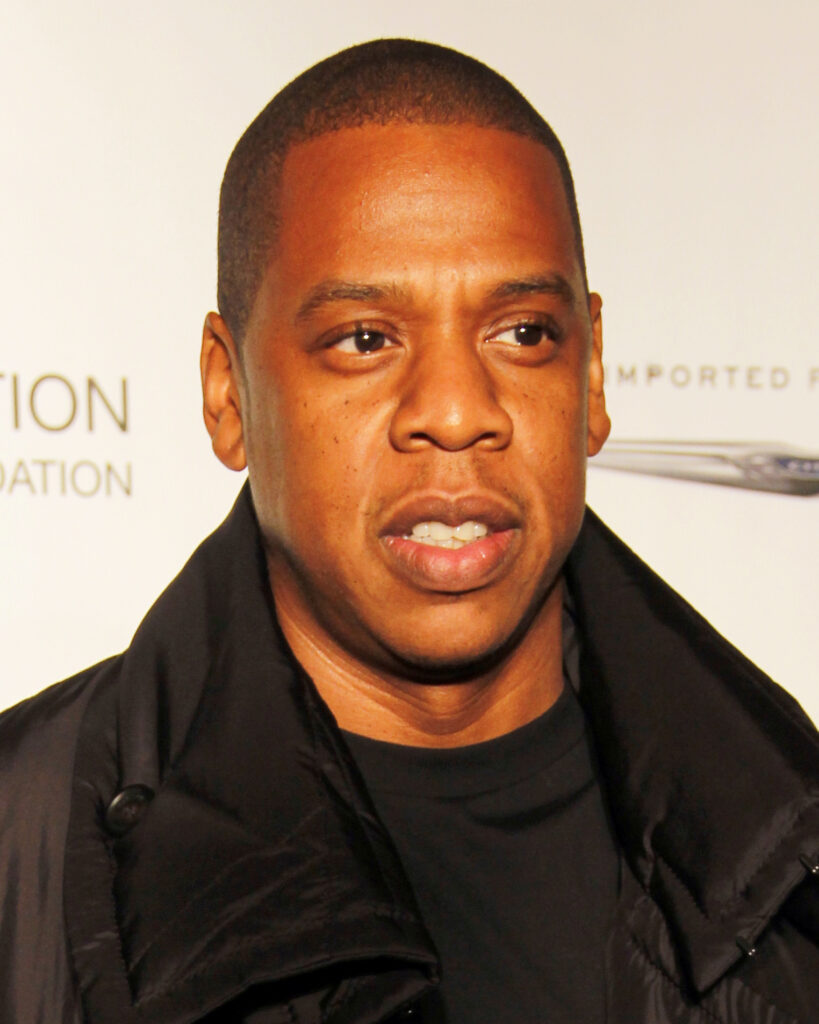
7. **Jay-Z – Building Billion-Dollar Brands Offstage**
Shawn “Jay-Z” Carter’s famous lyric, “I’m not a businessman, I’m a business, man,” transcends mere wordplay; it encapsulates a profound philosophy that has propelled him from a music mogul to a formidable venture capital titan. The Brooklyn-born billionaire has meticulously constructed an expansive investment empire through Marcy Venture Partners, a firm he co-founded in 2018 alongside seasoned music executive Jay Brown and veteran venture capitalist Larry Marcus.
The firm’s name, Marcy Venture Partners, serves as a poignant homage to Jay-Z’s origins in the Marcy Houses public housing complex—a testament to his enduring connection to his roots. Since its inception, the firm has strategically backed at least 40 companies, with a discerning focus on consumer brands that demonstrate an authentic connection with contemporary culture. This strategic approach seamlessly complements Jay-Z’s personal angel investment portfolio, which encompasses stakes in at least 27 diverse companies.
Jay-Z elucidates his investment criteria, stating, “We look for companies that have brand values, have integrity, and are good with people.” This philosophy has underpinned remarkably successful ventures, including Rihanna’s groundbreaking Savage x Fenty lingerie brand. This brand not only disrupted the industry but also championed an inclusive approach to beauty and body positivity, aligning perfectly with evolving cultural values. Other notable investments include an early stake in Uber, which has substantially multiplied in value, the tech-forward life insurance company Ethos, and Revel, an innovative electric mobility platform.
What truly distinguishes Jay-Z among celebrities investing in startups is his unparalleled intuitive understanding of consumer culture. He possesses an innate ability not just to identify trends, but to actively shape them. His investments are consistently directed towards brands that resonate deeply with urban consumers and reflect significant cultural shifts long before they permeate the mainstream consciousness. This cultural foresight, combined with his extensive business network and potent personal brand, has enabled Jay-Z to forge a remarkable second act beyond his musical career.
For founders fortunate enough to secure Jay-Z as an investor, his involvement extends far beyond mere capital. His strategic insights on brand-building, consumer engagement, and cultural marketing are often invaluable, providing a distinct advantage for companies aspiring to cultivate billion-dollar brands with enduring appeal that transcends fleeting trends. His trajectory underscores the powerful synergy between artistic intuition and astute financial strategy.
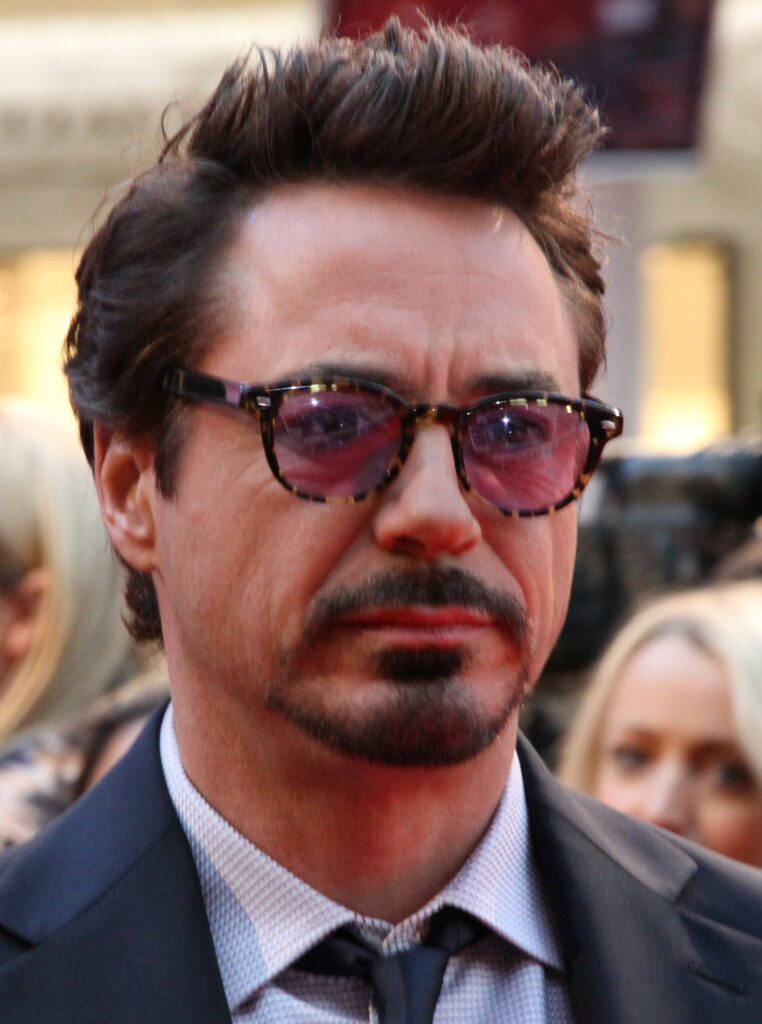
8. **Robert Downey Jr. – Investing for a Greener Planet**
Robert Downey Jr., renowned for his iconic portrayal of Iron Man, has meticulously channeled his considerable off-screen influence and resources into FootPrint Coalition, a pioneering venture fund launched in 2019. This fund is singularly focused on advancing technologies that address pressing environmental challenges, intertwining investment capital with strategic media production to both support and amplify sustainable technological solutions.
Downey Jr. has articulated his fervent belief that “Investment in sustainable technology is the most important frontier.” He approaches this from the perspective of an individual who has been part of storytelling reaching vast audiences, recognizing “that there’s a lot more that needs to be done” to communicate environmental urgency and solutions. FootPrint Coalition’s investment strategy is focused on several critical areas, including climate technology, sustainable food production, conservation and biodiversity, clean energy, and circular economy solutions.
Among its significant investments are Ynsect, an innovative insect farming company dedicated to producing sustainable protein, and Albedo, a firm developing high-resolution satellite imagery crucial for monitoring environmental changes. These investments reflect a commitment to tangible, impactful solutions rather than mere symbolic gestures, aligning with the fund’s overarching mission to foster a healthier planet.
A unique aspect of Downey Jr.’s approach is the seamless integration of storytelling with investment. FootPrint Coalition incorporates a dedicated content production arm responsible for creating media that highlights its portfolio companies and critical environmental issues. This innovative strategy effectively leverages Downey Jr.’s celebrity status to bring much-needed public attention and discourse to nascent sustainability solutions, which might otherwise struggle for visibility in a crowded media landscape.
This synergistic model exemplifies how celebrities investing in startups can transcend the role of mere capital providers, offering instead profound amplification for mission-driven companies. By skillfully combining his Hollywood influence with targeted, impact-oriented investments, Downey Jr. is actively helping to accelerate the adoption and mainstream acceptance of climate technologies, thereby contributing significantly to global environmental remediation efforts.

9. **Priyanka Chopra Jonas – Bridging Bollywood & Bumble**
Global superstar Priyanka Chopra Jonas has strategically positioned herself as an astute investor, meticulously selecting companies that resonate with her cross-cultural influence and deeply held values. Her prominent investment in the dating app Bumble’s strategic expansion into India serves as a prime example of how celebrity investors can critically facilitate international market entry and growth for technology platforms, leveraging their unique cultural insights.
Chopra Jonas has expressed her unwavering conviction: “I’ve always believed in backing companies that have the potential to transform lives.” She emphasizes her distinctive global perspective, noting, “As someone who has lived and worked across multiple countries, I’m particularly interested in businesses that can bridge cultural divides.” This foundational philosophy guides her investment decisions toward ventures with broad, inclusive impact.
Beyond her well-publicized involvement with Bumble, Chopra Jonas has diversified her portfolio with investments in Apartment List, a leading rental marketplace; Perfect Moment, a luxury sportswear brand; Holberton School, an innovative software engineering education program; and Bon Appetit, a food tech company. This range demonstrates her interest in sectors that address fundamental consumer needs and promote personal development.
What truly distinguishes Chopra Jonas’s approach is her invaluable global perspective and her unique capability to guide Western companies in navigating complex market entries, particularly into rapidly expanding regions like India. When she lent her backing to Bumble’s India launch, she provided not only essential capital but also critical cultural insights and robust promotional support, which were instrumental in enabling the platform to effectively adapt to local dating norms and cultural nuances.
Her investment methodology powerfully illustrates how international celebrities can function as vital cultural translators for startups with global expansion ambitions. This specialized cross-border expertise constitutes a distinctive value proposition that traditional venture capitalists often cannot replicate. With at least eight investments to date, Chopra Jonas stands as a testament to how celebrities with multinational appeal can effectively harness their global platforms to bolster companies with international aspirations, fostering both innovation and cultural understanding.
### How Celebrity Capital Boosts Startups
When a startup successfully secures a celebrity investor, the benefits extend far beyond a mere capital injection. It initiates a transformative “halo effect” that profoundly impacts various facets of the business, from immediate media visibility to accelerated customer acquisition. This phenomenon underscores how star power, when strategically deployed, can act as a powerful catalyst for growth and market penetration in a way traditional funding often cannot.
Startups fortunate enough to gain famous backers typically experience a significant surge, enjoying three to five times more media coverage during their critical initial year. This heightened exposure translates into tangible financial advantages, with companies reporting a 20-30% reduction in customer acquisition costs and reaching their subsequent funding rounds approximately 40% faster. Furthermore, their social media engagement often skyrockets, demonstrating the immediate and profound impact of celebrity association.
As one founder aptly articulated after NBA star Kevin Durant invested in their company, “The day after announcing his investment, our website traffic increased 300%, and our conversion rate nearly doubled. That kind of visibility would have cost millions in marketing.” This anecdotal evidence corroborates the quantitative data, highlighting the unparalleled marketing leverage that celebrity capital provides.
#### Benefits Founders Love
The advantages that celebrity investors bring to the table are often unique, setting them apart from what conventional venture capitalists typically offer. It is these distinctive benefits that consistently draw founders towards securing star backing.
**Earned Media.** Perhaps the most immediate and impactful benefit is earned media. When Olivia Wilde invested in a gut-health biotech startup she personally used, the company instantly gained features in prestigious glossy magazines and mainstream publications—channels that would typically overlook early-stage ventures. This organic, high-profile publicity is exceptionally valuable, conserving precious marketing budgets while simultaneously reaching sophisticated and premium audiences.
**Instant Trust Factor.** The instant trust factor generated by celebrity endorsement cannot be overstated. As one founder candidly noted, “Having a trusted public figure back your product is like a shortcut to consumer trust that would otherwise take years to build.” Consumers often exhibit an inherent tendency to trust recommendations from public figures they admire, effectively fast-tracking brand credibility.
**Strategic Introductions.** Beyond publicity, celebrities provide unparalleled strategic introductions that can fundamentally alter a company’s trajectory. Their networks span the highest echelons of entertainment, sports, business, and political spheres. A striking example shared by a founder involved a single introduction from their celebrity investor, which directly led to a partnership valued in the millions of dollars in revenue—a testament to the power of these connections.
**Talent Magnet.** Celebrity backing also transforms a startup into a formidable talent magnet. Engineers, designers, and other professionals who might never have considered an unknown company suddenly show keen interest. The CEO of a fintech startup backed by a well-known musician explained, “We started getting applications from people who would never have considered us before,” demonstrating the magnetic appeal of association with a public figure.
### Risks to Watch Before Signing That Autograph
While the upsides of celebrity investment are compelling, founders must approach these partnerships with a clear understanding of potential risks. These downsides are very real and can manifest unexpectedly, posing significant challenges to a burgeoning enterprise.
**PR Fallout.** The most evident concern is potential PR fallout. A celebrity’s personal controversy can rapidly escalate into a significant problem for the invested company. For instance, when an actor backing a sustainable fashion startup faced public backlash for unrelated comments, the company experienced a temporary 15% decline in sales. This illustrates how a company’s brand becomes intrinsically linked to the celebrity’s personal brand, for better or worse.
**Over-reliance.** Many founders fall into the trap of over-reliance on their star investor’s promotional power. One founder confessed, “We initially used our celebrity backer in all our marketing. When we had to stand on our own product merits, we weren’t prepared.” The celebrity spotlight should function to amplify a company’s value proposition, not to supplant its inherent strengths or market strategy.
**Governance Gaps.** Governance gaps can also emerge. It is important to acknowledge that not all celebrities approach investing with the same rigor as professional venture capitalists. A founder shared that their “celebrity investor missed important board meetings and wasn’t available for crucial decisions,” eventually leading to the company buying out the star’s stake. This underscores the necessity of establishing clear expectations regarding involvement from the outset.
**Misaligned Timelines.** The challenge of misaligned timelines frequently catches founders by surprise. Celebrities often maintain unpredictable schedules that can conflict significantly with startup demands. One frustrated founder recounted, “We had planned our product launch around our celebrity investor’s availability, but a last-minute film opportunity took priority.” This highlights that the show, and indeed the business, must proceed, regardless of a celebrity’s unforeseen commitments.
The fundamental takeaway is that celebrity capital can be profoundly transformative, but only when managed with meticulous thought and strategic foresight. The objective should always be to leverage the star power as an accelerant, while concurrently building a robust business capable of shining independently, ultimately standing on its intrinsic merits.
### Getting on a Star’s Radar: Actionable Tips
For ambitious founders envisioning Ashton Kutcher or Serena Williams on their cap table, attracting celebrity capital requires a strategic and authentic approach. While no single pathway guarantees success, founders who have successfully secured star investors share several common and highly effective strategies.
**Authentic Alignment.** The most successful celebrity-startup partnerships originate from an authentic alignment between the company’s mission and the celebrity’s genuine interests. For instance, Leonardo DiCaprio’s investments in sustainable food startups were not arbitrary; they perfectly mirrored his long-standing environmental activism. Founders should diligently identify celebrities who have demonstrated a real, public passion within their specific industry or problem space.
One founder, who secured investment from Gwyneth Paltrow, noted, “I only got on Gwyneth Paltrow’s radar because our wellness product addressed a problem she’d spoken about personally in interviews. The connection was real, not forced.” This emphasizes that a genuine, pre-existing resonance with the celebrity’s values is paramount.
**Warm Introductions.** In the exclusive world of celebrity investing, warm introductions are absolutely indispensable. Cold emails or unsolicited outreach to celebrities or their management teams very rarely succeed in penetrating the pervasive noise. Founders must meticulously map their existing networks to identify any investors, advisors, or industry contacts who possess established connections to targeted celebrity investors or their professional teams.
An illustrative success story involves a founder who struggled to reach Serena Williams for months. They then discovered one of their early investors had also backed another company within Williams’s portfolio. “That introduction changed everything – we had a term sheet three weeks later,” the founder recounted, underscoring the catalytic power of a credible intermediary.
**Data-Driven Evidence.** When a pitching opportunity arises, founders must arrive fully prepared with data-driven evidence of their traction and potential. Celebrities, and more importantly, their professional teams, receive an overwhelming volume of investment opportunities and conduct rigorous evaluations. Presenting concrete metrics and demonstrated success is critical.
As a founder who secured Jared Leto’s investment explained, “We showed Jared Leto exactly how our previous celebrity partnerships had driven measurable results. We didn’t just talk about our cool product – we demonstrated the ROI of his potential involvement with specific metrics.” This highlights the need for tangible proof points that illustrate the financial viability and impact of a celebrity’s participation.
**Equity-for-Influence SPVs.** For early-stage companies, exploring equity-for-influence Special Purpose Vehicles (SPVs) can be a pragmatic approach. These structured deals enable celebrities to invest comparatively smaller amounts of capital while providing invaluable promotional support. Paris Hilton, for example, has made at least 22 investments through her 11:11 Media, frequently combining modest financial backing with strategic promotion that delivers disproportionately large value.
**Professional Gatekeepers.** It is crucial to recognize that most celebrities involved in startup investing do not personally review every deal. They typically work in conjunction with professional wealth managers or family offices, which serve as the initial gatekeepers. Founders should meticulously research who manages a celebrity’s investments before initiating any outreach, and subsequently tailor their approach accordingly.
“The biggest mistake founders make is thinking they need to immediately reach the celebrity,” a successful entrepreneur advised. “I spent six months building a relationship with the investment director at my target celebrity’s family office before the star ever saw our deck. That preparation made all the difference.” This emphasizes the strategic patience and indirect approach often required to navigate this specialized investment landscape.
### Frequently Asked Questions about Celebrity Startup Funding
The intersection of celebrity influence and venture capital often raises pertinent questions regarding the mechanics and integrity of these high-profile investments. Here, we address some common inquiries.
**Do celebrities actually perform due diligence?**
Behind the often-glamorous headlines surrounding celebrity startup investments lies a more intricate reality concerning the rigor of their evaluation processes. While individual approaches vary significantly among stars, most serious celebrity investors do not simply issue checks based on intuition or fleeting interest. They engage in a structured assessment.
Ashton Kutcher’s Sound Ventures, for example, employs a dedicated team of experienced investment professionals. These experts meticulously scrutinize potential deals with the same analytical rigor found at traditional venture capital firms. They comprehensively analyze financial metrics, critically evaluate founding teams, and assess market opportunities, mirroring the exhaustive due diligence processes of conventional investors.
Serena Williams demonstrates a notably hands-on involvement in her investment process. She has stated, “I look at about 500 companies a year and end up investing in about 20,” illustrating a highly selective decision-making framework. This approximately 4% acceptance rate is comparable to that of many professional venture funds, underscoring a disciplined approach to capital allocation.
Other prominent figures opt to collaborate with seasoned investment partners rather than developing in-house expertise. Justin Timberlake, for instance, has leveraged experienced investment partners for his stakes in companies such as Stipple and Miso Media. This collaborative model allows him to capitalize on their financial acumen while contributing his invaluable brand association and market insights.
**What ticket sizes do celebrity investors usually write?**
Celebrity investment ticket sizes typically conform to patterns influenced by their comfort levels, the maturity of their investment operations, and the stage of the startup. This spectrum of investment amounts reflects a thoughtful deployment of capital tailored to various strategic objectives.
For individual angel investments, most celebrities commence with relatively modest amounts, generally ranging between $25,000 and $250,000. These initial, smaller checks facilitate the construction of a diversified portfolio, mitigating overcommitment to any single venture and allowing for broader market exploration.
Celebrities who have established formal venture firms, such as Nas’s QueensBridge Venture Partners, commonly invest sums between $100,000 and $500,000 in early-stage companies. Conversely, more established and larger celebrity-led funds, like Jay-Z’s Marcy Venture Partners, are capable of writing more substantial checks, frequently participating in funding rounds of $1 million or more, indicating their capacity for later-stage or larger-scale investments.
Some stars have adopted highly sophisticated investment strategies, utilizing Special Purpose Vehicles (SPVs) for targeted investments. While the context for Olivia Wilde’s SPV is not fully elaborated, this mechanism allows for flexible capital deployment tailored to specific deal structures or promotional opportunities.
**Can a startup rely solely on celebrity buzz to scale?**
While celebrity involvement undeniably provides a powerful initial boost, relying *solely* on celebrity buzz for sustained scaling is a strategy fraught with considerable risk. As explored in our discussion on potential pitfalls, an over-reliance on a star investor’s pulling power can create a dangerous vulnerability for a startup.
Companies that excessively integrate their celebrity backer into all marketing efforts may find themselves unprepared when their product must ultimately stand on its own merits. The celebrity spotlight is a formidable amplification tool, designed to enhance a company’s inherent value proposition, not to replace it entirely. A business’s long-term viability and ability to scale are fundamentally dependent on its core product, market fit, operational excellence, and a robust, independent growth strategy, rather than perpetual reliance on external star power.
The evolving landscape of celebrity startup investment represents a significant convergence of cultural influence and financial acumen. From pioneering athletes like Joe Montana to visionary artists such as Jay-Z and purpose-driven actors like Robert Downey Jr., these prominent figures are not merely passive investors; they are active architects of innovation. Their capital, networks, and unique brand leverage offer unprecedented opportunities for startups, driving accelerated growth, enhanced visibility, and vital market credibility. However, this dynamic frontier also demands meticulous consideration of potential risks, from PR vulnerabilities to governance complexities. For founders, navigating this terrain requires strategic alignment, genuine connection, and a robust business model designed to thrive independently of fleeting fame, ensuring that the partnership with star power truly fuels enduring enterprise.