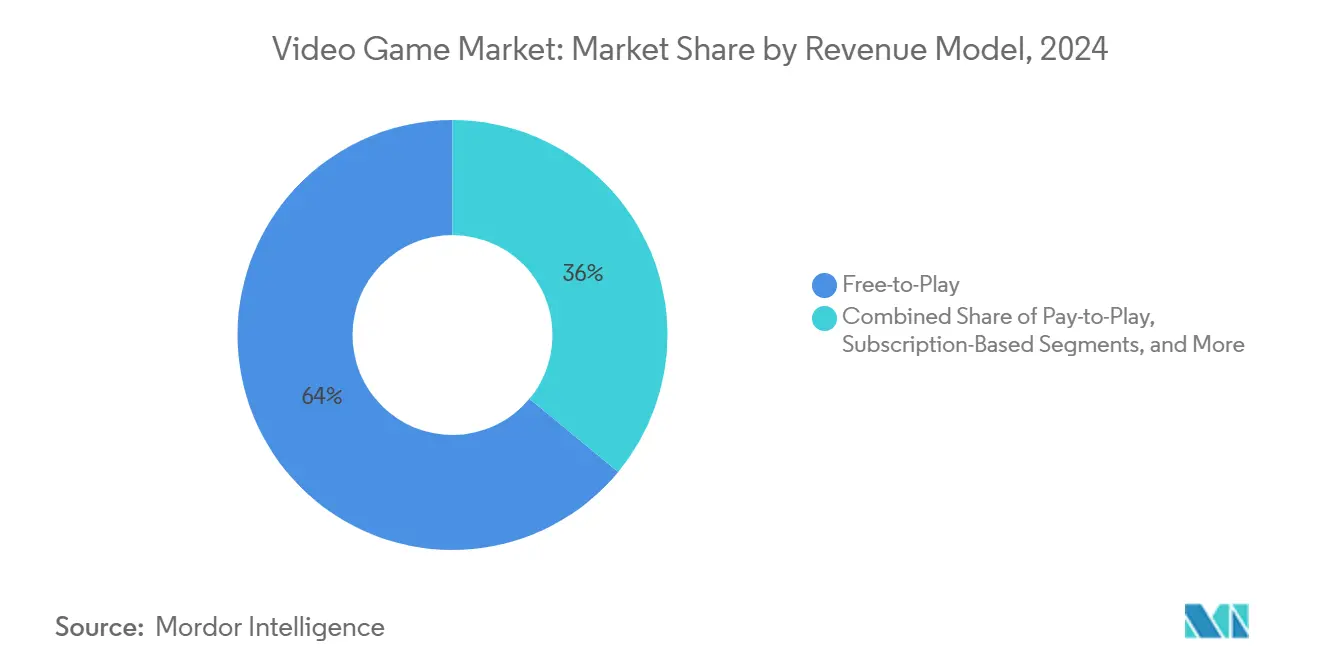

The video game industry, a dominant force in the entertainment sector, has seen an exponential growth over the past few decades, with 2023 revenues exceeding an astounding $120 billion. This meteoric rise has not only brought unprecedented innovation and immersive experiences to players worldwide but has also cultivated an increasingly complex and high-stakes legal landscape. Far from being a realm of just fun and games, the industry is a battleground where intellectual property, character likenesses, and even game mechanics are fiercely protected, leading to monumental lawsuits that have shaped its very foundation.
These legal skirmishes are incredibly diverse, spanning issues that involve developers, their iconic characters, unexpected content controversies, and even merchandise. From beloved mascots like Pac-Man and Donkey Kong to the sprawling open worlds of Grand Theft Auto and the futuristic vistas of Horizon, no corner of the gaming world seems immune to legal challenges. These cases often involve multi-million dollar judgments and settlements, underscoring the immense value placed on creative assets and technological innovations within this dynamic industry.
Among these pivotal legal battles, those centered on iconic character likenesses and defining poses have carved out a unique and particularly compelling niche. When a character becomes globally recognized, its visual identity, movements, and even its characteristic gestures can become the subject of intense scrutiny and, occasionally, contentious lawsuits. These cases not only highlight the value of unique character design but also raise fascinating questions about inspiration, satire, and the boundaries of intellectual property in a digital age. We’re about to dive into some of the most significant legal clashes that have tested these boundaries, starting with those that put character identity squarely in the crosshairs.

1. **Lindsay Lohan vs. Rockstar Games: The Battle Over Lacey Jonas’s Iconic Pose**One of the most widely publicized and intriguing lawsuits to hit the gaming world involved actress Lindsay Lohan taking on Rockstar Games, the acclaimed developer behind the immensely successful Grand Theft Auto franchise. Lohan filed a lawsuit in 2014, alleging that Rockstar had wrongfully used her likeness without consent to create the in-game character Lacey Jonas in Grand Theft Auto V. This case quickly captured headlines, bringing the often-fuzzy lines between artistic inspiration and copyright infringement into sharp focus.
Lohan’s claims extended beyond just the visual similarities of the character. She asserted that Lacey Jonas not only shared her physical appearance but also donned similar clothing and possessed a comparable voice to her own. The core of her argument, and perhaps the most memorable aspect of the lawsuit, revolved around the claim that Rockstar had appropriated her ‘signature peace sign’ pose. This specific gesture, widely recognized as a promotional image for Lacey Jonas and featured prominently on the game’s loading screens, became a central point of contention. Lohan’s legal team contended that a 2007 photo of her had even been used by designers as a reference.
The character of Lacey Jonas in Grand Theft Auto V is a satirical portrayal of a Hollywood celebrity. Players first encounter her hiding from paparazzi, claiming to be ‘really famous’ and the ‘voice of a generation,’ despite her actual status as a has-been hounded by tabloids. This satirical distance proved crucial in the court’s eventual ruling. Judge Eugene Fahey famously stated that the “artistic renderings are indistinct, satirical representations of the style, look and persona of a modern, beach-going young woman… that is not recognisable as plaintiff.”
Ultimately, a panel of five judges rejected Lohan’s application. They concluded that the illustration was not specifically intended to be her, effectively ruling that the depiction was a generic, satirical representation rather than a direct appropriation of her unique likeness. In essence, the court found that the character and the ‘universally used peace sign’ were not distinct enough to be exclusively identifiable as Lindsay Lohan, a significant legal precedent for character design in video games.

2. **Sony vs. Tencent: The Fight for Horizon’s Aloy**In another high-stakes legal battle centered around an iconic character, Sony Interactive Entertainment (SIE) initiated a lawsuit against Chinese tech giant Tencent for alleged copyright and trademark infringement. The dispute specifically concerns Tencent’s forthcoming “Light of Motiram” video game, which Sony claims is a “slavish clone” of its immensely popular Horizon franchise, particularly its main protagonist, Aloy. This case highlights the challenges of protecting intellectual property across international borders and against large, influential corporations.
Sony’s Horizon series, first launched in 2017 with “Horizon Zero Dawn,” has sold tens of millions of copies globally and spawned several sequels and spin-offs. The heart of its appeal lies in its striking protagonist, Aloy, a “fiery red hair, tribal-inspired attire, specific-colored accessories, and distinctive facial markings” that anchor the game’s narrative and emotional core. Sony’s lawsuit specifically alleges that Tencent’s game has copied these protected audiovisual elements, going so far as to adopt a “confusingly similar character mark.”
The lawsuit asserts that Tencent leveraged its “rip-off of the iconic Horizon main character ‘Aloy’ as the centerpiece of its pre-release marketing and promotional strategy.” This deliberate strategy, according to Sony, was designed to cause “numerous game lovers to confuse Light of Motiram as the next game in the Horizon series when encountering Tencent’s promotional game play videos and social media accounts.” Such an act could lead to significant irreparable harm to SIE’s brand and the consuming public’s perception.
Adding another layer of complexity to the case, the lawsuit reveals a prior attempt by Tencent to collaborate with Sony. In March 2024, Tencent executives reportedly approached Sony at a gaming conference with a pitch to develop their own Horizon game in collaboration with SIE. Sony rejected this idea, considering the matter closed. However, when Sony later raised concerns about “Light of Motiram” infringing on its intellectual property, Tencent again sought to license the Horizon IP. Sony “communicated clearly and unequivocally that it would not license the Horizon assets to Tencent, objected to Light of Motiram, and insisted that it be withdrawn,” only for Tencent to signal its intent to “forge ahead.”
Sony is seeking “statutory damages of up to $150,000 for each separate work in the Horizon Franchise infringed” by “Light of Motiram,” in addition to orders that would “preliminarily and permanently” prevent the game from reaching the market. This aggressive stance underscores Sony’s determination to protect its highly valuable intellectual property and its iconic character, Aloy, from what it perceives as blatant infringement.

3. **Grand Theft Auto – Hot Coffee: The $20 Million Modding Scandal**While not directly concerning an iconic character’s pose, the “Hot Coffee” mod lawsuit surrounding Grand Theft Auto: San Andreas stands as one of the most infamous and costly legal battles in video game history, profoundly impacting how games are rated and how developers handle hidden content. This controversy arose from an explicit minigame that Rockstar Games had originally programmed into the game but ultimately scrapped before release. However, the underlying code remained embedded within the game files.
In 2005, following the PC release of GTA: San Andreas, tech enthusiasts quickly uncovered the hidden minigame. They developed a “mod” (modification) that allowed players to unlock and access the “Hot Coffee” scene, where the player’s in-game character would engage in explicit ual activity with his girlfriend, requiring specific button movements to perform. Soon after, methods were discovered to hack the Xbox and PlayStation versions of the game to access this content as well, sparking widespread outrage and moral panic.
The fallout was immediate and severe. The game’s publisher, Take-Two Interactive, faced a barrage of legal challenges. The City of Los Angeles sued the company for failing to disclose the explicit ual content, arguing that the game’s ESRB rating of “M” for Mature was inaccurate and misleading given the presence of the “Hot Coffee” content. The Federal Trade Commission (FTC) also launched its own suit, further escalating the legal pressure.
Beyond these government-led actions, several massive class-action lawsuits were filed by consumers who felt misled by the game’s rating and the hidden content. The immense legal pressure and public backlash ultimately forced Take-Two Interactive to re-rate Grand Theft Auto: San Andreas to an “AO” (Adults Only) rating, a move that drastically limited its distribution and sales potential. All told, the accidental oversight of leaving crude code within the game cost the company well over $20 million in legal fees, settlements, and lost revenue, serving as a stark warning about content management in game development.
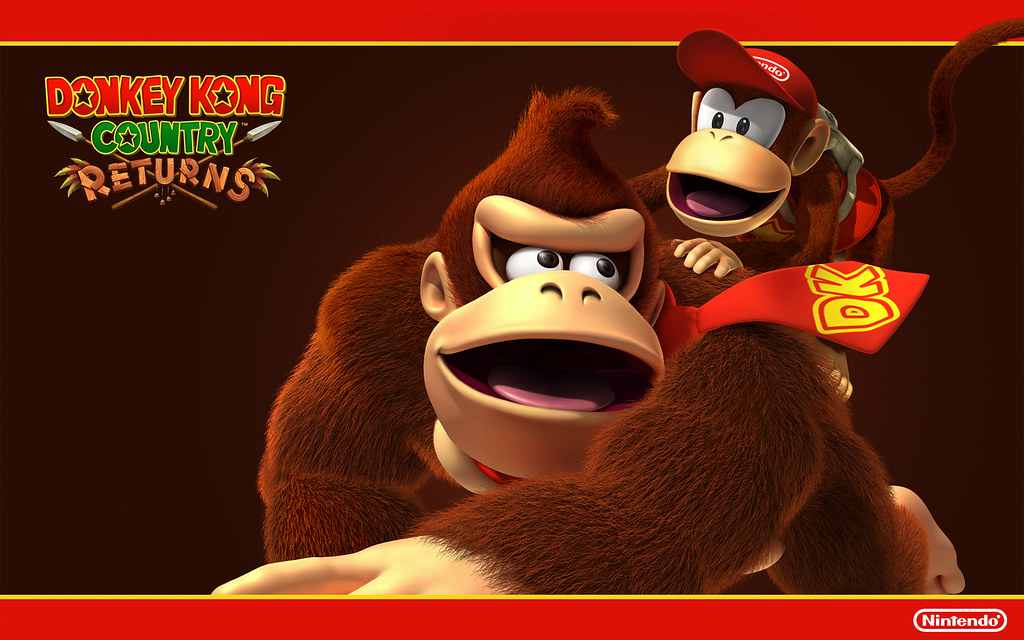
4. **Donkey Kong vs. King Kong: A Landmark IP Battle in Early Gaming**The early days of the video game industry were a Wild West of innovation, but also of legal ambiguity, particularly concerning intellectual property. One of the most significant early lawsuits that helped define copyright boundaries was Universal Studios’ 1982 suit against Nintendo. Universal claimed that Nintendo’s breakout arcade hit, “Donkey Kong,” and its titular ape character, were a direct infringement on their intellectual property rights to the iconic 1933 film “King Kong.”
Universal’s argument was straightforward: the narrative of a large ape kidnapping a woman, who is then rescued by a hero, too closely mirrored the plot of “King Kong,” which they considered their exclusive property. However, Nintendo, still a relatively nascent player in the burgeoning video game market, fought back fiercely. Their defense hinged on a crucial detail of legal history: that the “King Kong” story was, in fact, in the public domain.
Nintendo’s legal team unearthed evidence that Universal itself had previously claimed “King Kong” was in the public domain when they sued rival movie studio RKO – the original producers of the 1933 film – over the film rights. Furthermore, Universal had made a disastrous remake of “King Kong” in 1976, and during that period, they again asserted that the story was in the public domain. This historical inconsistency proved to be a critical weakness in Universal’s case.
A few years after the lawsuit was filed, the United States District Court sided unequivocally with Nintendo, ruling that “King Kong” was indeed in the public domain. Consequently, “Donkey Kong” did not violate any copyright that Universal Studios could legitimately claim. This victory was monumental for Nintendo, not only securing the future of their popular arcade game and its characters but also earning them a significant award of $1.8 million from Universal Studios to cover their legal costs. This case established a vital precedent, clarifying that public domain works could be adapted, even if they bore a resemblance to well-known intellectual property.
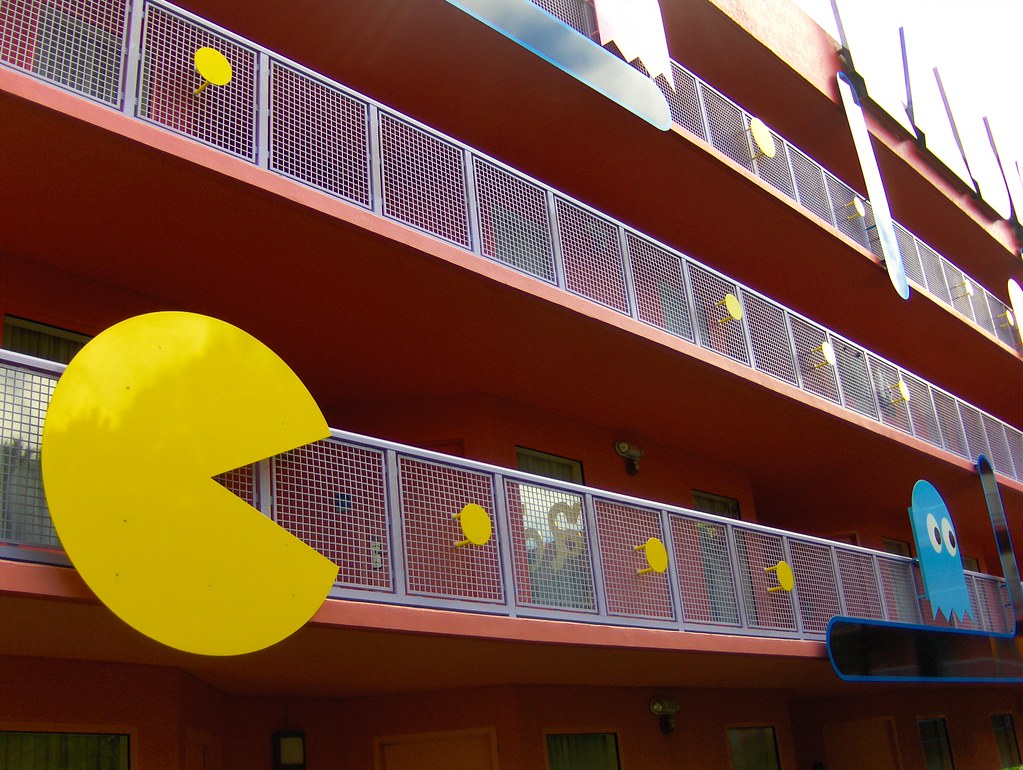
5. **Pac-Man and K.C. Munchkin: Defining “Look and Feel” Copyright**The early 1980s were dominated by the yellow, chomping hero, Pac-Man. As a cultural phenomenon, Pac-Man’s popularity transcended arcade cabinets, prompting Namco and Midway to race to develop a home console port for the Atari 2600. However, the rush to capitalize on this phenomenon led to a landmark legal battle that would profoundly impact copyright law for computer software, specifically defining the concept of “look and feel.”
Just a year before Atari’s anticipated release of Pac-Man for the 2600, Magnavox and Philips Electronics debuted a video game called “K.C. Munchkin” for their Philips Videopac home console. The similarities between “K.C. Munchkin” and Pac-Man were immediately evident and, to many, almost embarrassing. The game featured winding mazes, a protagonist that consumed dots, and ghost-like monsters that pursued the player – all unmistakable hallmarks of Pac-Man.
Atari, possessing the exclusive rights to the home version of Pac-Man, swiftly sued Philips for copyright infringement in 1982. The legal proceedings focused heavily on the visual and gameplay similarities, arguing that Philips had not just taken inspiration but had copied the fundamental “look and feel” of Pac-Man. An appellate court eventually found in favor of Atari, ruling that Philips had indeed copied Pac-Man almost completely.
This ruling was groundbreaking because it was the first time a court recognized how copyright law would apply to the “look and feel” of computer software. Prior to this, copyright typically protected literal code or specific graphical assets, but not necessarily the overall user experience or game design. The “Pac-Man and K.C. Munchkin” case established a crucial precedent, affirming that the distinctive combination of visual elements, character behavior, and gameplay mechanics could be protected under copyright, even if the underlying code was different.
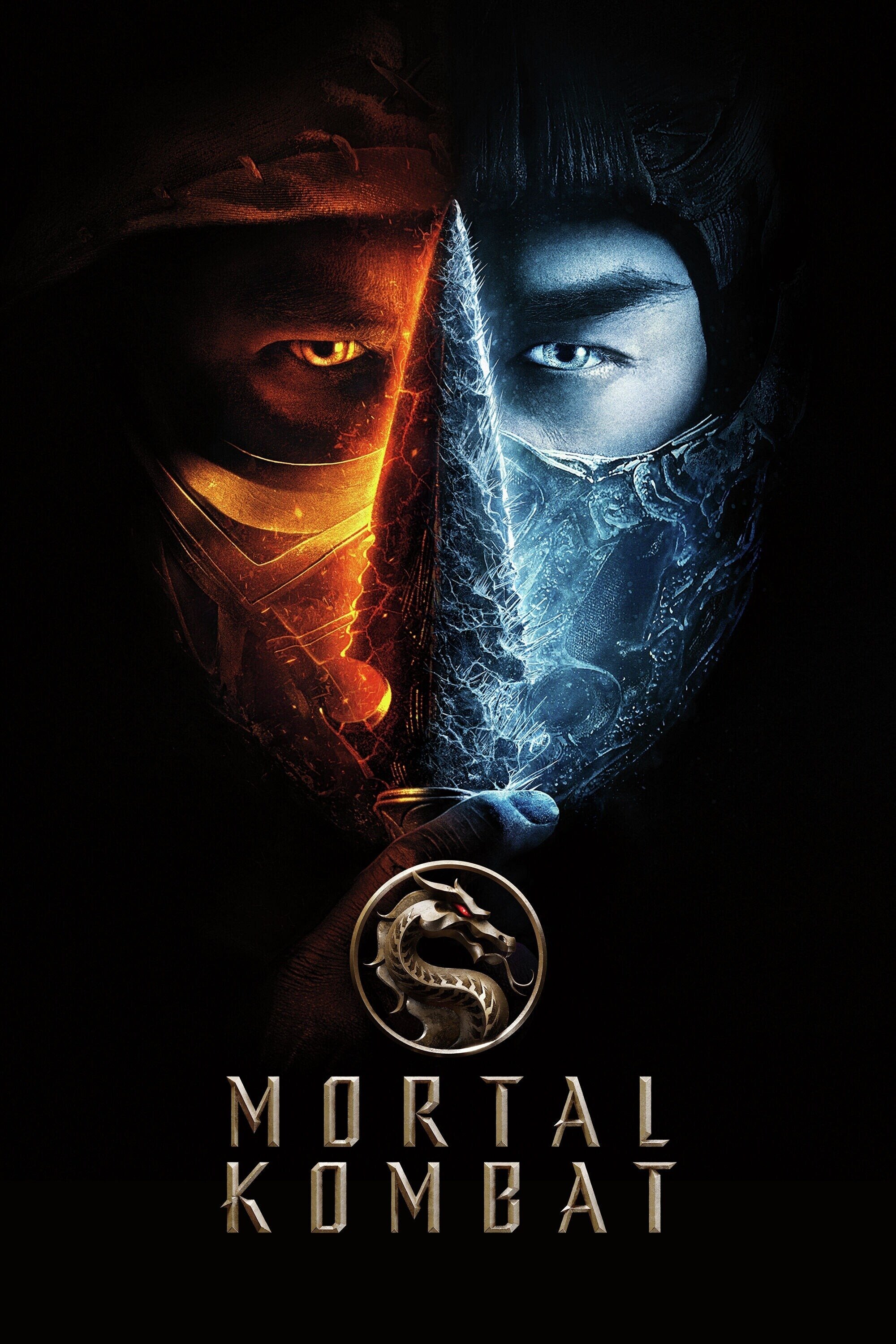
6. **Mortal Kombat – Wilson vs. Midway Games: Violence, Addiction, and Free Speech**The video game industry has often found itself at the center of debates surrounding violence and its potential impact on players, leading to profound legal and ethical challenges. One of the most tragic and notable cases in this vein was the “Mortal Kombat – Wilson vs. Midway Games” lawsuit. This lawsuit stemmed from a gruesome event in 1997, when 13-year-old Noah Wilson died after being stabbed in the chest by his best friend, who was also 13.
Noah’s mother subsequently sued Midway Games, the developer of the popular fighting game “Mortal Kombat.” Her core claim was that her son’s assailant was allegedly addicted to and obsessed with the game, believing himself to be the character Cyrax, a “robotic ninja.” The lawsuit contended that the extreme violence depicted in “Mortal Kombat” had directly influenced the friend’s actions, holding the game developer liable for the tragic outcome. This case reignited a fierce public discussion about the responsibility of game developers for their content.
A lengthy and emotionally charged court case ensued, drawing significant attention to the ongoing debate about the link between violent media and real-world aggression. However, the judge ultimately found that Midway Games was not liable for Noah Wilson’s death. The ruling was grounded in the First Amendment, which protects freedom of speech. The State of Connecticut, the court determined, could not violate Midway Games’ free speech rights to create video games, regardless of their violent content.
While Midway Games was exonerated, this incident had a lasting impact on the industry. It significantly reinforced and gave new momentum to the movement against violent video games, a movement that continues to this day. The case became a touchstone in discussions about game ratings, parental controls, and the broader societal implications of interactive entertainment, emphasizing the legal complexities when creative expression intersects with perceived public safety concerns.
The gaming world’s legal landscape extends far beyond character likeness and hidden content, delving into intricate financial agreements, player conduct, and the very distribution methods of games. As the industry matured, it encountered a new wave of legal challenges that tested the boundaries of contracts, digital rights, and consumer responsibility. These cases underscore the necessity for developers and publishers to navigate a complex web of intellectual property rights, licensing agreements, and evolving consumer expectations, often resulting in significant financial and reputational stakes. We now continue our exploration of pivotal lawsuits, examining those that have shaped how royalties are paid, how addiction is viewed, and how digital content is protected, providing further insight into the gaming industry’s challenging legal terrain.

7. **Guitar Hero – The Romantics Vs. Activision: The Legality of Cover Songs**The popular music rhythm game *Guitar Hero* faced its own legal hurdles when American rock band The Romantics filed a lawsuit against Activision, the game’s publisher. The contention centered on the inclusion of their iconic song “What I Like About You” in the 2007 title, *Guitar Hero Encore: Rocks the 80s*.
The dispute emerged despite The Romantics having provided Activision with written permission to feature a cover version of their song within the game. The band’s central claim was that the rendition used in the video game bore too close a resemblance to their original recording. They argued that it sounded virtually indistinguishable from their definitive version, which they believed went beyond the scope of a typical cover. Activision, in its defense, countered that a faithful cover version, by its very nature, *should* sound like the original, adhering to the spirit of the licensing agreement.
After extensive legal exchanges and arguments from both parties, a federal judge ultimately ruled in favor of Activision. The court’s decision was grounded in the original license agreement that the company had secured from The Romantics. The judge determined that the band had indeed granted permission for their song to be used in *Guitar Hero*, and the cover version, while similar, did not overstep the bounds of that agreement.
Following this initial loss, The Romantics pursued a second legal action, attempting to secure a larger share of royalties from the substantial sales generated by *Guitar Hero*. However, this subsequent lawsuit also proved unsuccessful for the band. The case established an important precedent regarding the interpretation of licensing agreements for cover songs in video games, affirming that as long as proper authorization is obtained, a cover can mimic the original closely without necessarily infringing copyright.

8. **NCAA Basketball 2014 – O’Bannon and Keller Vs. Electronic Arts: Collegiate Athlete Likenesses**
The use of collegiate athletes’ likenesses in video games became a hotly debated topic, culminating in a significant lawsuit filed in 2009. Former NCAA athletes Ed O’Bannon and Sam Keller brought legal action against video game giant Electronic Arts (EA) and the Collegiate Licensing Company. Their claim was straightforward: they were not compensated for the unauthorized use of their likenesses in the popular *NCAA Basketball* and *NCAA Football* video games produced by EA Sports.
This lawsuit generated considerable concern within both EA and the National Collegiate Athletic Association (NCAA). Both organizations feared that a successful outcome for O’Bannon and Keller could trigger a cascade of similar legal actions from countless other college athletes who had been featured in sports video games without direct financial remuneration. The precedent set by such a ruling would have fundamentally altered the financial model of collegiate sports video games.
Despite the high stakes, the case ultimately did not proceed to a full trial. O’Bannon and Keller reached an out-of-court settlement with EA in 2013 for an undisclosed sum of money, signaling a tacit acknowledgment of the validity of their claims. In a related development, EA concurrently announced its decision to cease sales of *NCAA Football 2014*, effectively putting the future of the entire franchise on an indefinite hiatus. This outcome had a profound impact, reshaping the discussion around amateur athlete rights and setting the stage for future changes in how collegiate sports likenesses are managed and compensated.

9. **New Super Mario Bros. – Nintendo vs. Burt: Digital Piracy and Revenue Loss**Digital piracy has long been a pervasive challenge for the entertainment industry, and the video game sector is no exception. A notable case illustrating the severe repercussions of illegal game distribution involved Nintendo and a 24-year-old Australian man named James Burt. This lawsuit underscored the significant financial damage that piracy can inflict on game publishers.
The incident occurred when Burt managed to acquire an early version of *New Super Mario Bros.* for the Nintendo Wii. Rather than simply playing the game, he proceeded to illegally upload the entire game file to the internet. This act of unauthorized distribution took place the week before the game’s official release in November 2009, creating a significant window for widespread piracy.
The consequences were swift and substantial. The illegally uploaded file was downloaded more than 50,000 times within just five days. This massive distribution directly violated the Copyright Act under Australian law, which explicitly prohibits the copying and distribution of video games without proper permission. Nintendo, recognizing the immense revenue loss from these unauthorized downloads, pursued legal action vigorously.
Nintendo and Burt eventually reached an out-of-court settlement. As part of the agreement, Burt was ordered to pay Nintendo a staggering $1.5 million to compensate for the projected loss of revenue from a full week of sales. Additionally, he was required to cover an extra $100,000 to offset Nintendo’s legal bills and court costs. Interestingly, despite the adversarial nature of the lawsuit, Nintendo extended an unexpected gesture of goodwill, presenting Burt with a limited edition *Legend of Zelda: The Wind Waker* statue after the matter was amicably resolved, perhaps as a unique parting message about the value of intellectual property.

10. **Unlicensed Nintendo Games – Nintendo Vs. Tengen: Console Exclusivity and Copyright Circumvention**
The late 1980s and early 1990s marked the zenith of the Nintendo Entertainment System (NES) era, a period during which Nintendo maintained stringent control over its platform. The company imposed strict licensing agreements on third-party developers, limiting them to releasing a maximum of five games per year and requiring these titles to be exclusive to Nintendo for a two-year period. Nintendo justified these measures by asserting they guaranteed high-quality games for consumers, marked by their official “Nintendo Seal of Quality.”
However, not all developers were content with these restrictive terms. In 1987, the Atari Corporation, after splitting into two divisions—Atari Games and Tengen—attempted to negotiate a less restrictive licensing agreement with Nintendo. When Nintendo executives unequivocally refused to renegotiate, Tengen took a drastic and controversial step. They turned to the United States Copyright Office, not to register their own work, but to acquire designs of Nintendo’s proprietary lock-out chip. Their objective was to reverse engineer this chip, thereby enabling them to bypass Nintendo’s authentication system and produce and sell as many unlicensed video games for the NES as they wished, circumventing Nintendo’s control.
Upon discovering Tengen’s actions, Nintendo swiftly launched a massive lawsuit, accusing Tengen of both copyright and patent infringement. This legal battle became a protracted affair, dragging on for several years and highlighting the intense competition and intellectual property disputes inherent in the console market. Nintendo’s primary argument rested on the unauthorized circumvention of their technological protection measures and the violation of their exclusive licensing framework.
Ultimately, the U.S. courts sided with Nintendo, upholding the legality of their technological safeguards and their right to control third-party development on their console. Following this ruling, the two companies reached an out-of-court settlement in 1996, bringing an end to one of the most significant legal clashes in early console gaming history. This case firmly established the principle that console manufacturers had the right to protect their platforms from unauthorized third-party content and reinforced the validity of exclusive licensing agreements.
These pivotal legal battles, ranging from celebrity likeness disputes to concerns over addiction and outright piracy, collectively illuminate the intricate and often volatile legal landscape that defines the video game industry. Each case, whether a high-stakes copyright infringement claim or a battle over royalties, has contributed to a clearer understanding of intellectual property rights, consumer protection, and the responsibilities of developers and publishers. As the industry continues its unprecedented growth, these historical precedents serve as crucial guideposts, shaping how innovation is protected, how content is managed, and how legal challenges are navigated in the ever-evolving world of interactive entertainment. The saga of video game lawsuits is far from over, continually adapting to new technologies and societal shifts, proving that even in a realm of digital fantasy, the rules of the real world—and the courtroom—reign supreme.