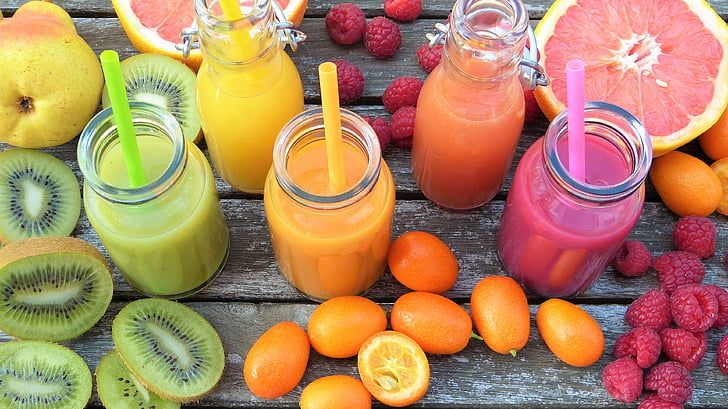
As we navigate the journey of life beyond 55, maintaining cognitive sharpness becomes an increasingly important focus. The intricate dance between our diet and brain health is a field of extensive research, revealing profound connections that underscore the power of thoughtful nutritional choices. It’s not merely about avoiding certain foods, but actively embracing those that can nourish our brains, fortify neural pathways, and support overall mental acuity through the years.
Indeed, the concept of food as medicine has gained significant traction, especially when considering the complex mechanisms that underpin cognitive function. Modern scientific inquiry, as evidenced by pioneering research published in journals like ‘Foods,’ consistently uncovers how specific dietary components, microbial interactions, and even food processing methods can profoundly influence our brain’s resilience against age-related decline. These insights move us beyond general advice into targeted strategies, grounded in the latest understanding of nutritional science.
This article aims to distil key findings and expert perspectives from the cutting edge of food research, offering a comprehensive guide to ten food-related elements that can play a pivotal role in supporting cognitive vitality for individuals over 55. From the vast oceans to the microbial worlds within our fermented foods, we will explore actionable insights that empower you to make informed dietary decisions for a sharper, healthier mind.

1. Marine-Derived Biomolecules: A Deep Dive into Cognitive Support
The ocean, often referred to as the last frontier on Earth, is not only a source of sustenance but also a veritable reservoir of unique and powerful biomolecules with significant potential for human health. Recent research, for instance, highlights the ongoing exploration into “Diving Into Marine Resources: Exploring the Ocean’s Reservoir of Biomolecules,” suggesting that our understanding of these compounds extends far beyond the commonly recognized omega-3 fatty acids. This expansive field seeks to uncover novel compounds that could offer unprecedented benefits, including those vital for brain health.
These marine-derived biomolecules encompass a diverse array of substances, including specialized peptides, complex polysaccharides, and a spectrum of fatty acids that differ from those found in terrestrial sources. Each of these compounds possesses distinct biological activities, ranging from anti-inflammatory properties to neuroprotective effects. Scientists are diligently characterizing these intricate structures, aiming to understand precisely how they interact with our physiological systems at a cellular and molecular level, paving the way for targeted nutritional interventions.
For cognitive function, the implications of these unique biomolecules are particularly compelling. Components derived from marine sources have shown promise in supporting neuronal health, enhancing synaptic plasticity, and even mitigating oxidative stress—a known contributor to age-related cognitive decline. By providing the brain with these essential building blocks and protective agents, a diet rich in diverse marine resources could contribute significantly to maintaining mental acuity and processing speed as we age.
While the direct dietary recommendations for specific novel marine biomolecules are still evolving, the consistent consumption of various marine foods—beyond just the popular fatty fish—is a prudent strategy. This includes exploring a broader spectrum of seafood and marine-based ingredients that could naturally introduce these beneficial compounds into your diet. This approach aligns with the principle of dietary diversity, ensuring a comprehensive intake of the ocean’s remarkable nutritional offerings.

2. Probiotic-Rich Fermented Foods for a Healthy Gut-Brain Axis
Fermented foods, a staple in many traditional diets across the globe, are experiencing a renaissance in modern nutritional science due to their profound impact on human health. The field of “Advancements in Microbial Applications for Sustainable Food Production” underscores the sophisticated ways microorganisms are being utilized not just for food preservation, but for enhancing nutritional profiles and introducing beneficial probiotic cultures. These advancements highlight the crucial role of fermentation in creating foods that actively contribute to our well-being.
At the heart of fermented foods’ benefits lies their ability to foster a robust and diverse gut microbiome. The billions of microorganisms residing in our digestive tract, particularly beneficial bacteria like probiotics, play an indispensable role in nutrient absorption, immune system modulation, and the synthesis of various compounds, including neurotransmitters. A well-balanced gut ecosystem is increasingly recognized as a cornerstone of overall health, extending its influence far beyond digestion.
The connection between the gut and the brain, often referred to as the gut-brain axis, is a bidirectional communication highway that influences everything from mood and stress response to complex cognitive functions. Disruptions in the gut microbiome, known as dysbiosis, can contribute to systemic inflammation and impaired nutrient metabolism, both of which have been linked to an increased risk of cognitive decline. By regularly consuming probiotic-rich fermented foods, we actively support the proliferation of beneficial bacteria, thereby nurturing this vital axis.
Incorporating a variety of fermented foods into your daily regimen is a practical and enjoyable way to bolster your gut health. Options such as yogurt, kefir, sauerkraut, kimchi, and kombucha offer diverse microbial strains and unique nutrient profiles. This dietary strategy not only enhances digestive wellness but, more significantly for those over 55, provides a continuous input of beneficial microorganisms that can help maintain the integrity and function of the gut-brain axis, potentially safeguarding cognitive resilience.

3. Lactobacillus-Enhanced Bioactive Components through Fermentation
Beyond the general benefits of probiotics, specific microbial strains, particularly those from the Lactobacillus genus, demonstrate remarkable capabilities in transforming food components into more potent and bioavailable forms. This precision in microbial application is exemplified in studies such as the one investigating the “Dynamics of Physicochemical Properties, Flavor, and Bioactive Components in Lactobacillus-Fermented Pueraria lobata.” This research illustrates how targeted fermentation can unlock and even amplify the health-promoting properties inherent in plant materials, leading to enhanced benefits.
Lactobacillus species are renowned for their metabolic versatility, capable of breaking down complex carbohydrates, proteins, and other compounds into simpler, more absorbable, and often more active substances. This biotransformation process can significantly improve the nutritional value of foods, making certain beneficial compounds more accessible to the body. For instance, in the Pueraria lobata study, fermentation by Lactobacillus was shown to actively promote “the conversion of isoflavone glycosides to aglycones,” a crucial step in enhancing their biological efficacy.
The resulting Lactobacillus-enhanced bioactive components offer a range of physiological advantages. These transformed compounds often exhibit superior antioxidant, anti-inflammatory, and immune-modulating properties compared to their unfermented precursors. When considering cognitive health, these effects are paramount: reducing systemic inflammation and oxidative stress are key strategies in preventing neuronal damage and supporting long-term brain function, particularly important for aging brains seeking to maintain peak performance.
By focusing on foods specifically fermented with effective Lactobacillus strains, individuals over 55 can strategically optimize their intake of these powerful bioactive compounds. This approach goes beyond simply consuming fermented foods; it emphasizes selecting those where the fermentation process has been scientifically shown to enhance specific nutrient profiles. Such foods can serve as a potent dietary tool for promoting cellular resilience and providing targeted support for neuroprotective mechanisms, contributing to sustained cognitive health.

4. Isoflavone Aglycones: Targeting Lipid Metabolism for Brain Health
The intricate world of plant compounds continually reveals new avenues for health optimization, and isoflavones stand out as particularly promising. Among these, isoflavone aglycones like daidzein and genistein, which are notably enhanced through fermentation as highlighted in the Pueraria lobata study, represent a class of bioactive molecules with significant therapeutic potential. Their ability to regulate critical physiological pathways makes them a compelling area of interest for cognitive health, especially as we age.
What makes these compounds particularly potent is their aglycone form, which is more readily absorbed and utilized by the human body compared to their glycoside counterparts. The research on Lactobacillus-fermented Pueraria lobata explicitly noted that fermentation “specifically enhanced the abundance of low-concentration isoflavone aglycones, including daidzein and genistein.” This enzymatic transformation by beneficial bacteria unlocks their full biological potential, making them more bioavailable for systemic effects, including those relevant to the brain.
These isoflavone aglycones don’t just act in isolation; they are predicted to interact with a network of molecular targets within the body. The Pueraria lobata study, for example, used integrated network pharmacology and computational modeling to predict that “eight key components, including genistein, could stably bind to ten core targets (e.g., AKT1 and MMP9) primarily through hydrogen bonding and hydrophobic interactions, potentially regulating lipid metabolism via the PI3K-AKT, PPAR, and estrogen signaling pathways.” This complex interplay underscores their multifaceted influence.
For brain health, the modulation of lipid metabolism pathways is profoundly significant. Healthy lipid profiles are essential for maintaining neuronal membrane integrity, facilitating efficient neurotransmission, and supporting overall brain structure and function. Dysregulation of lipid metabolism is often implicated in neurodegenerative processes, making compounds like daidzein and genistein, with their hypolipidemic potential, valuable allies in the quest for cognitive longevity. Furthermore, estrogen signaling, also influenced by these compounds, plays a known role in neuroprotection and cognitive maintenance in post-menopausal women.
Therefore, incorporating fermented plant-based foods that are rich in these bioavailable isoflavone aglycones into your diet can be a targeted strategy for supporting brain health. By influencing crucial metabolic pathways and providing neuroprotective benefits, these compounds offer a scientifically supported pathway to help individuals over 55 maintain their cognitive functions and enhance overall neurological resilience.

5. Healthy Lipid-Enriched Dietary Components: Fueling Brain Structure and Function
The brain, an organ primarily composed of fat, demands a consistent supply of healthy lipids to maintain its intricate structure and ensure optimal function. While the article “Lipid-Enriched Cooking Modulates Starch Digestibility and Satiety” focuses on specific aspects of metabolism, it implicitly highlights the broader importance of lipids in our diet. The strategic inclusion of healthy, lipid-enriched components in our daily meals is not merely about managing hunger or digestion; it is fundamental to nurturing our cognitive engine, especially as we advance in age.
Not all fats are created equal, and discerning between beneficial and detrimental lipids is crucial for brain health. Healthy lipid-enriched dietary components typically refer to sources rich in monounsaturated and polyunsaturated fats, including omega-3 fatty acids, even if not explicitly named in the context provided. These fats are integral to the formation of cell membranes, particularly in brain cells, and play vital roles in facilitating communication between neurons, supporting myelin sheaths, and reducing neuroinflammation, which is a key factor in cognitive decline.
Beyond their structural roles, specific lipids contribute to a cascade of biochemical processes that support cognitive function. For instance, adequate intake of certain fatty acids can influence neurotransmitter production, improve blood flow to the brain, and protect against oxidative damage. The concept of “lipid-enriched cooking” can be interpreted as a mindful approach to food preparation that prioritizes these brain-nourishing fats, integrating them into meals in a way that enhances their absorption and utilization, providing consistent fuel and protection for brain cells.
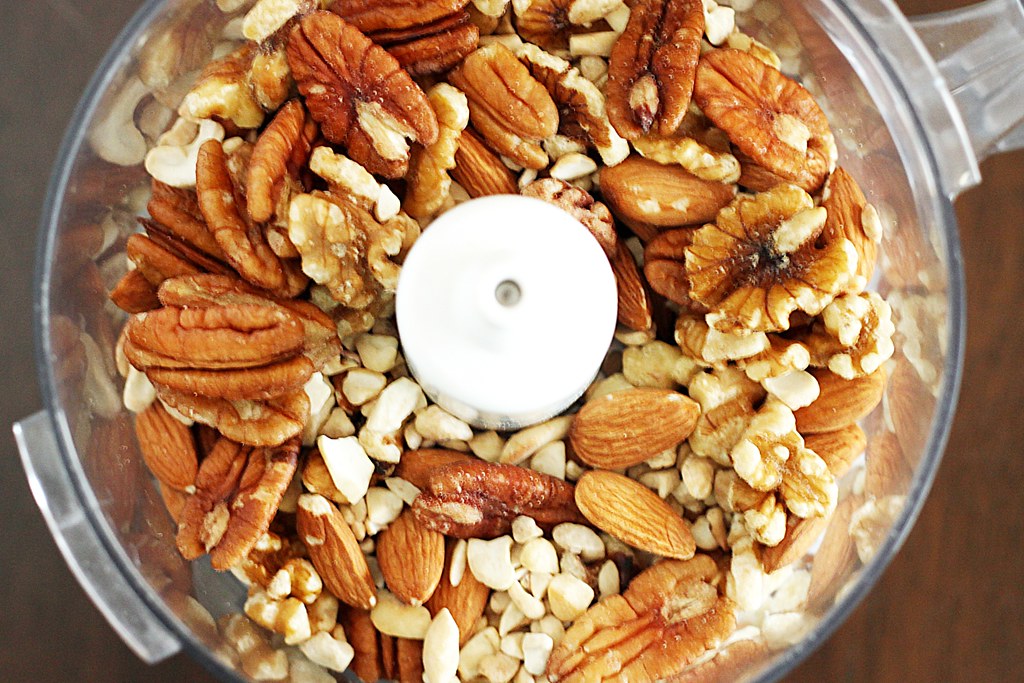
While the mentioned study specifically examined the impact of lipid-enriched cooking on starch digestibility and satiety, the broader implication is that the type and quality of fats consumed have pervasive systemic effects, extending to cognitive health. By incorporating foods like avocados, nuts, seeds, olive oil, and sources of marine-derived fats into cooking and daily diet, individuals over 55 can provide their brains with the essential building blocks needed to maintain structural integrity and functional efficiency. This sustained nutritional support is critical for preserving memory, attention, and overall cognitive performance in the long term.
Prioritizing healthy lipid-enriched dietary components is an actionable step towards safeguarding your cognitive future. It is about making conscious choices to ensure that the fats you consume are actively contributing to the health and vitality of your brain, offering a powerful tool in your strategy for aging well and thinking sharply.
6. High-Protein Fermented Dairy Products for Enhanced Brain Support
As we continue our exploration into dietary strategies for cognitive resilience, the role of high-protein fermented dairy products emerges as a compelling area. Research, such as that detailed in “An Integrated Approach in Assessing the Food-Related Properties of Microparticulated and Fermented Whey,” highlights innovative methods to concentrate whey into a “high-protein soft dairy cream” through thermal-mechanical microparticulation coupled with fermentation. This process not only addresses environmental concerns regarding whey as a byproduct but also creates a nutrient-dense food item with enhanced functional properties.
The value of fermented dairy extends beyond general gut health benefits, offering a powerful combination of probiotics and highly bioavailable protein. The fermentation process itself can improve the digestibility and absorption of nutrients, making the protein components more accessible for bodily functions, including those critical for brain health. High-quality protein provides essential amino acids, which are the building blocks for neurotransmitters and other vital compounds that support cognitive function, memory, and mood regulation.
For individuals over 55, maintaining adequate protein intake is crucial, as sarcopenia (age-related muscle loss) and compromised nutrient absorption can become challenges. High-protein fermented dairy products offer a delicious and effective way to meet these needs, providing a concentrated source of protein that can help preserve muscle mass and support overall metabolic health. The inclusion of beneficial microbial cultures further aids in nurturing a balanced gut microbiome, which, as previously discussed, is intimately linked to brain health via the gut-brain axis.
Incorporating these advanced dairy products, whether as part of a meal or as a snack, can be a strategic move for cognitive longevity. They represent a fusion of sustainability and nutritional science, offering a multifaceted approach to bolstering brain function and overall vitality through high-quality protein and the systemic benefits of fermentation. This innovative approach to dairy underscores how thoughtful food development can directly contribute to healthier aging.

7. Anthocyanin-Rich Foods: A Shield of Antioxidants for the Brain
Our journey into brain-boosting foods naturally leads us to those boasting robust antioxidant capacities, and few compounds shine as brightly as anthocyanins. These vibrant pigments, responsible for the deep reds, purples, and blues in many fruits and vegetables, are potent antioxidants that play a significant role in protecting cells from damage caused by oxidative stress. A fascinating study on the “Influence of Different Low-Temperature Treatments on Chilling Injury and Accumulation of Characteristic Anthocyanins in Pomegranates” reveals the intricate dynamics of these compounds.
The research on pomegranates, for instance, delves into how storage conditions affect the accumulation of characteristic anthocyanins, identifying a total of 103 anthocyanins, with 25 common to both peel and aril. Specifically, it highlights “Cyanidin-3,5-O-diglucoside and pelargonidin-3,5-O-diglucoside” as significant components. These compounds are crucial because oxidative stress and inflammation are major contributors to age-related cognitive decline, and antioxidants like anthocyanins actively neutralize free radicals, thereby protecting neuronal integrity and function.
Beyond their direct antioxidant effects, anthocyanins have been studied for their ability to cross the blood-brain barrier and exert neuroprotective actions. They can enhance cerebral blood flow, promote synaptic plasticity, and even influence signaling pathways involved in memory and learning. The consistent consumption of foods rich in these powerful compounds essentially provides a protective shield for the brain, guarding against the daily onslaught of cellular stressors that can impair cognitive performance over time.
To harness these benefits, integrating a variety of anthocyanin-rich foods into your diet is a straightforward and enjoyable strategy. Berries, cherries, purple grapes, and indeed, pomegranates, are excellent sources. By ensuring a diverse intake of these colorful foods, individuals over 55 can proactively support their brain’s long-term health, leveraging nature’s own defense mechanisms against the progression of cognitive decline.
8. Modulating Lipid Metabolism Pathways through Probiotic–Polycosanol Synergies
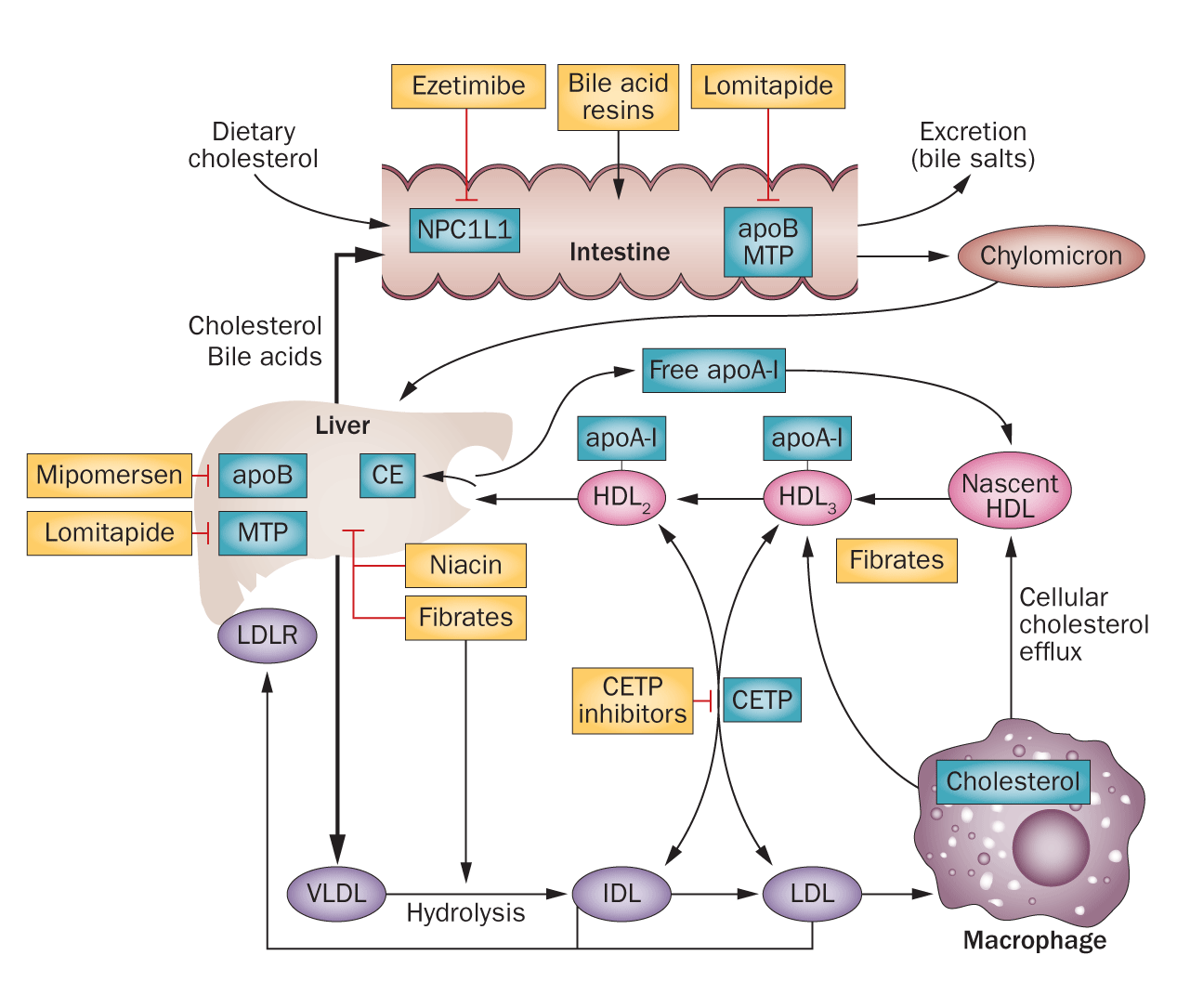
Continuing our exploration of nutritional strategies, we turn to the sophisticated interplay of diet and lipid metabolism pathways, which are profoundly influential for cognitive health. While we previously touched upon isoflavone aglycones’ impact, a distinct avenue for modulation is presented by the emerging field of probiotic-compound mixes. The study involving an “In Vitro Model of Gut–Liver–Adipose Axis to Assess Anti-Obesity Effects of a Probiotic–Polycosanol Mix” provides insights into how specific combinations can influence systemic metabolic health, which in turn has direct implications for the brain.
Dysregulated lipid metabolism, characterized by unhealthy cholesterol levels and fat accumulation, is frequently implicated in the development of neurodegenerative conditions. The gut-liver-adipose axis is a critical communication network that orchestrates how our body processes and stores fats. When this axis functions optimally, it promotes healthy lipid profiles, reduces systemic inflammation, and contributes to metabolic balance—all factors that create a more favorable environment for brain health.
The context suggests that a specific blend, a “probiotic–polycosanol mix,” can have “Anti-Obesity Effects” by influencing this very axis. While the direct mechanism for cognitive benefits isn’t explicitly detailed in the abstract, the foundational principle is clear: by improving the body’s overall lipid management and reducing obesity-related metabolic dysfunction, we indirectly support brain health. Healthier lipid profiles mean better cellular membrane integrity in neurons, more efficient energy production, and reduced accumulation of harmful lipids in the brain.
For those over 55, where metabolic changes are common, considering dietary components that can gently steer lipid metabolism towards a healthier state is invaluable. While this research specifically used an in vitro model and a ‘mix,’ it underscores the potential of targeted nutraceutical combinations and emphasizes the continuous development in understanding complex gut-body interactions. Consulting with a healthcare professional about integrating such specific dietary adjuncts can provide a personalized approach to leveraging these metabolic insights for cognitive resilience.

9. The Art of Food Processing: Minimizing Risks and Maximizing Nutritional Benefits
The way our food is prepared and processed can profoundly influence its nutritional value and, consequently, its impact on cognitive health. This brings us to the importance of carefully managed food processing. An excellent example of this dual nature is the “Maillard Reaction: Mechanisms, Pros, Cons, and Food Applications.” This complex chemical reaction, occurring during cooking or processing, is responsible for the enticing flavors and aromas of many foods, from seared meats to baked goods.
On the one hand, the Maillard reaction contributes to desirable sensory qualities and can even generate certain antioxidant compounds, which are beneficial for brain health. This ‘pro’ aspect highlights how specific processing techniques, when controlled, can enhance the appeal and even the nutritional profile of foods. For example, some Maillard reaction products can have antioxidant activities, contributing to the protective mechanisms against oxidative stress that are so important for neuronal health in an aging brain.
However, the Maillard reaction also has its ‘cons.’ Under certain conditions, especially high temperatures or prolonged cooking, it can lead to the formation of advanced glycation end products (AGEs) and other potentially harmful compounds. These substances are known to contribute to systemic inflammation and oxidative stress, both of which are detrimental to cognitive function and are implicated in various age-related diseases. Therefore, the distinction between beneficial and harmful Maillard products lies in the careful management of processing parameters.
For individuals over 55, being mindful of cooking methods is an actionable step toward safeguarding cognitive health. Opting for gentler cooking techniques like steaming, boiling, or stewing more often, and minimizing over-browning or charring of foods, can help maximize beneficial compounds while reducing the formation of undesirable ones. Understanding the mechanisms of food processing, as illuminated by studies on the Maillard reaction, empowers us to make more informed choices about the foods we consume and how they are prepared, ultimately supporting long-term brain vitality.
10. A Holistic Blueprint: Integrating Nutraceuticals and Nutrient Density for Brain Vitality
As we conclude our deep dive into foods that can help reduce the risk of cognitive decline after 55, it becomes abundantly clear that a holistic approach is paramount. It’s not about relying on a single ‘magic’ food, but rather embracing a comprehensive strategy that prioritizes dietary nutraceuticals and nutrient density across the entire diet. Each food component we’ve discussed—from marine biomolecules to fermented dairy, anthocyanins, isoflavone aglycones, healthy lipids, and even carefully managed food processing—plays a unique yet interconnected role in supporting optimal brain function.
This holistic blueprint emphasizes a synergy where different compounds work together to protect, nourish, and enhance cognitive pathways. Dietary nutraceuticals, which encompass bioactive compounds found in foods with health benefits beyond basic nutrition, are key players. By focusing on a diet rich in these compounds, such as the antioxidants in pomegranates or the unique peptides from marine sources, we provide the brain with a robust arsenal against age-related challenges like oxidative stress and inflammation.
Furthermore, nutrient density ensures that every bite contributes meaningfully to brain health. This means choosing whole, unprocessed, or minimally processed foods that offer a high concentration of vitamins, minerals, and beneficial macronutrients relative to their calorie content. The principles of the gut-brain axis and lipid metabolism modulation underscore that overall systemic health, driven by a nutrient-dense diet, directly translates to brain resilience.
Ultimately, empowering individuals over 55 with actionable, evidence-based dietary strategies is about fostering long-term well-being. By thoughtfully integrating these expert-backed food choices and being mindful of food preparation, we can actively invest in our cognitive future. This sustained nutritional support offers a powerful pathway not just to mitigate decline, but to truly cultivate a sharper, more vibrant mind, allowing us to fully engage with life’s rich experiences for years to come.