Hollywood, with its shimmering premieres and dazzling stars, often presents a façade of effortless magic. We see the polished final product, the culmination of countless hours of creative genius and collaborative effort. Yet, beneath this glamorous veneer lies a complex, often turbulent industry where dreams are made, certainly, but also, quite frequently, shattered. It’s a place teeming with behind-the-camera logistics, artistic visions, and sometimes, the kind of ill-feeling that festers like the drone of tinnitus, leading to controversial scandals between creatives that are about as common as an explosion in a Michael Bay movie.
While the idea of a director getting fired from a film, especially after production has already started, might seem rare, it’s a surprisingly common occurrence. These aren’t just minor disagreements; they’re full-blown clashes of vision, personality, and power that can grind a multi-million-dollar project to a halt. Sometimes a director’s interpretation simply doesn’t align with the studio’s moneymaking formulas, or perhaps they can’t quite navigate the intricate dance of working with notoriously difficult actors and demanding producers. It’s the moment when the ethereal veil of the industry is dropped, and the raw truth of its existence is revealed.
Join us as we pull back the curtain on some of the most dramatic and shocking instances where major directors found themselves unceremoniously booted from their projects mid-production. These stories are a testament to the high stakes and volatile nature of filmmaking, where even the most talented visionaries can get caught in the crosscurrents of creative differences. We’re about to explore the fascinating, often frustrating, tales of directors who got the boot, leaving us to wonder about the “what if” scenarios of cinematic history.
1. Richard Thorpe and the Emerald City’s Unseen Vision
Imagine Dorothy from *The Wizard of Oz* with blonde hair and gaudy “baby-doll” makeup. Sounds absurd, right? Well, if director Richard Thorpe had his way, that’s exactly how the classic 1939 film would have turned out. It’s a vision so far removed from the iconic pigtails and wholesome charm we’ve come to adore that it’s almost impossible to picture.
Producers at MGM were, understandably, not happy with Thorpe’s direction. He simply “wasn’t giving the film the right air of fantasy” they envisioned for their ambitious musical. Beyond the stylistic choices, there was a palpable sense that Thorpe was “rushing the making of the potentially revolutionary movie,” an accusation that would certainly raise eyebrows on any production, let alone one of this scale.
Thankfully, the studio acted quickly. Thorpe was fired just two weeks after shooting began—or nine days into production, depending on the account—and was temporarily replaced with George Cukor. Cukor, in a stroke of genius, immediately “nixed Dorothy’s original look right away,” saving us from a very different, and potentially disastrous, cinematic experience. While Cukor eventually left to film *Gone with the Wind*, producers finally settled with Victor Fleming, who guided the film to its legendary status, leaving Thorpe’s unusual vision as a fascinating, almost mythological, footnote in Hollywood history.
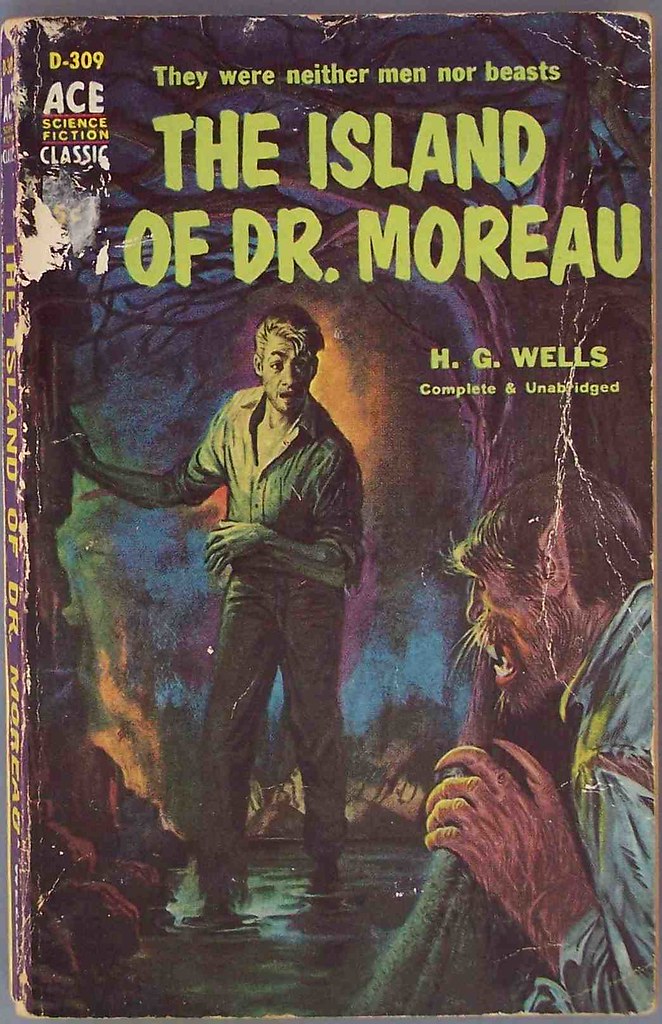
2. Richard Stanley’s Rainforest Rebellion on *The Island of Dr. Moreau*
H.G. Wells’s *The Island of Dr. Moreau* was one of director Richard Stanley’s favorite books growing up, imbuing him with a deep, personal connection to the source material. So, when New Line Cinema hired him to bring it to life – a significant moment as it would be his first major Hollywood production – Stanley definitely arrived with a powerful and distinct vision for the beast creatures and the dark heart of the story.
Unfortunately, that vision quickly clashed with the realities of a demanding studio and an infamously difficult lead actor. Only a week passed before Stanley was banned from the set, a stunningly swift dismissal that highlights the immense pressure and fragile dynamics of big-budget filmmaking. Producers reportedly didn’t like that Stanley “put too much focus on the beast creatures,” a creative choice that clearly diverged from their expectations. Furthermore, Stanley reportedly “couldn’t handle actor Val Kilmer, who was notoriously difficult to work with at the time,” adding a volatile personal element to the professional disagreements. The combination of creative misalignment and on-set personality clashes made the production a “complete nightmare to make” from the outset.
In a move straight out of a bizarre movie script, instead of simply leaving Australia where the film was being shot, Stanley chose a more unconventional path. He defiantly hid in the surrounding rainforest, only to “snuck back on set dressed as an extra,” a desperate and audacious act that speaks volumes about his passion for the project he was so abruptly removed from. His replacement, John Frankenheimer, inherited a set plagued by chaos and “big egos such as Marlon Brando, Val Kilmer and David Thewlis,” solidifying *The Island of Dr. Moreau* as one of cinema’s most notoriously troubled productions.
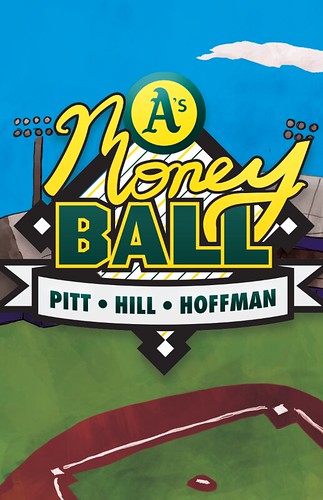
3. Steven Soderbergh’s *Moneyball* Pitch: A Curveball Sony Couldn’t Catch
Steven Soderbergh is known for his innovative and often unconventional approaches to filmmaking, and his vision for 2011’s *Moneyball* was no exception. When he took the helm, he wasn’t just planning to adapt a book about baseball statistics; he wanted to craft a film that would take a “documentary-like approach,” an intriguing concept that would have included “interviews with actual MLB players,” blurring the lines between fiction and reality in a way few Hollywood films dare.
However, this last-minute script rewrite and unique directorial slant didn’t sit well with Sony Pictures Entertainment, particularly co-chairman Amy Pascal, who harbored significant “disagreements” with Soderbergh’s proposed changes. The studio already felt the film’s $60 million budget was a risk, and Soderbergh’s unconventional ideas likely amplified their anxieties about commercial viability. It’s a classic Hollywood conundrum: a visionary director pushing boundaries, met by a studio prioritizing financial returns and conventional storytelling.
The tension reached its peak dramatically. Sony Pictures Entertainment “pulled the plug” on *Moneyball* on the very same day that filming was supposed to begin, a move that must have sent shockwaves through the entire production team. In the aftermath, Pascal and lead actor Brad Pitt did everything they could to bring the film back into production, ultimately succeeding by replacing Soderbergh with director Bennett Miller. While Miller delivered a critically acclaimed and commercially successful film, one can only imagine the unique, documentary-style sports drama Soderbergh might have brought to the screen.
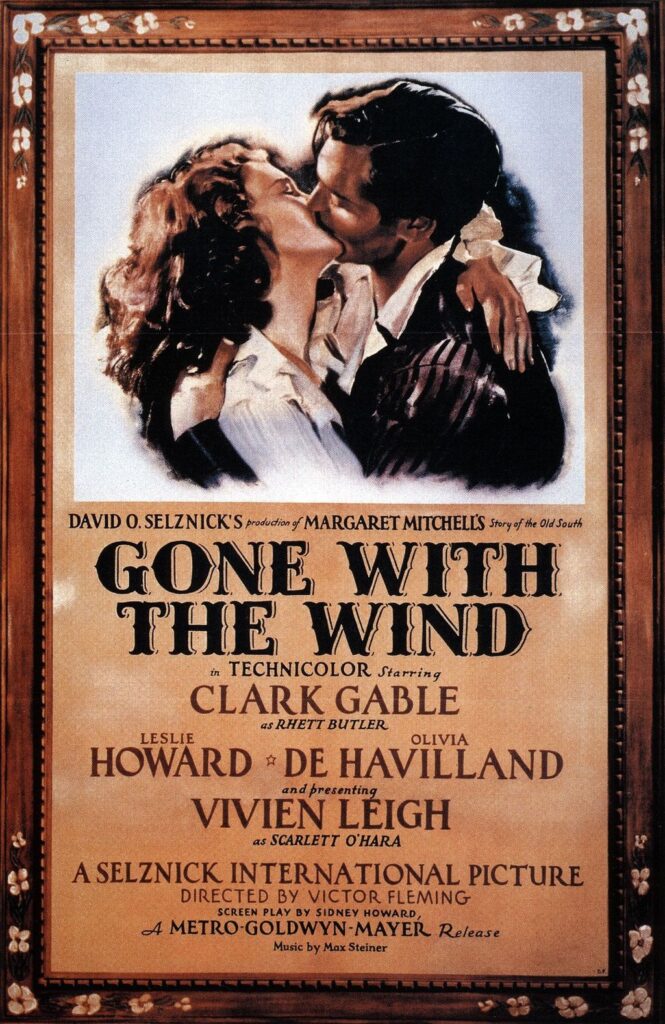
4. George Cukor and the “Threat” of *Gone with the Wind*
*Gone with the Wind*, one of the most epic and enduring films of all time, was famously not without its behind-the-scenes drama, and the initial firing of director George Cukor stands as a prime example. Cukor had invested a significant amount of time, working closely with producer David O. Selznick for two years in pre-production, meticulously shaping the sprawling narrative. Their relationship had once been mentor-mentee, with Cukor looking to Selznick, but by the time *Gone with the Wind* began, Cukor had “grown into his own as a director.”
This burgeoning independence, however, was precisely what Selznick “saw as a threat.” In the cutthroat world of Hollywood, a producer’s desire for control can often override artistic collaboration. Compounding this professional tension was an entirely personal, and deeply problematic, factor: Clark Gable. The leading man suddenly “didn’t like Cukor after he found out the latter was gay and feared the director might reveal outlandish stories from the actor’s past.” It’s a stark reminder that even in the golden age of Hollywood, personal prejudices could, and often did, derail careers and productions.
The confluence of these factors led to Cukor getting “the boot” a mere three weeks after filming had commenced. This abrupt dismissal, fueled by both power struggles and bigotry, left a void that had to be filled quickly. While Cukor’s vision for the film never fully materialized, his initial contributions and the dramatic circumstances of his departure remain a compelling piece of *Gone with the Wind*’s legendary, and often tumultuous, production history.
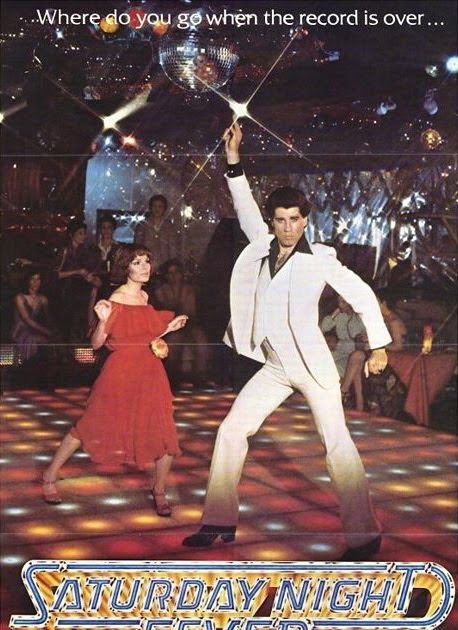
5. John Avildsen’s Disco Dilemma on *Saturday Night Fever*
Fresh off an Academy Award high, having won Best Director and Best Picture for 1976’s *Rocky*, John Avildsen was seemingly poised for another triumph. He was signed on to take the reins of *Saturday Night Fever* the following year, a project that, on paper, seemed like a perfect follow-up for a director celebrated for his gritty, character-driven narratives. You’d think that a director with such recent accolades would have done a fantastic job with the John Travolta disco drama, but Hollywood has a knack for surprising everyone.
However, Avildsen’s vision quickly diverged from that of producer Robert Stigwood, leading to “many script disputes.” Stigwood felt the director was “trying too hard to make Tony Manero like Rocky Balboa,” essentially attempting to graft the character arc of a working-class boxer onto a disco king. Travolta later suggested that Avildsen “wanted Tony to be a ‘nice guy’ like Rocky,” a fundamental misunderstanding of the character’s edgier, more complex appeal. The studio wanted a certain kind of film, and Avildsen was apparently steering it in a direction that contradicted their core understanding of the story and its protagonist.
Remarkably, these creative differences reached a breaking point even before the cameras officially started rolling. Avildsen was fired a shocking “three weeks before filming even began.” This pre-production dismissal highlights how crucial creative alignment is from the very earliest stages. While *Saturday Night Fever* eventually became a cultural phenomenon, Avildsen’s early departure underscores the constant battle between a director’s artistic interpretation and a producer’s commercial expectations, especially when dealing with such distinct and iconic character archetypes.
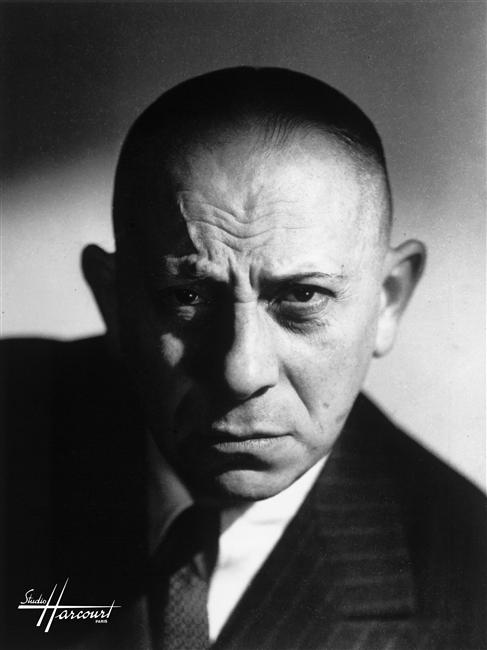
6. Erich Von Stroheim and Gloria Swanson’s *Queen Kelly* Confrontation
Even the Silent Film era had its fair share of behind-the-scenes drama, proving that clashes of ego and creative vision are as old as cinema itself. One particularly notable example is *Queen Kelly*, a lavish production starring the legendary Gloria Swanson, and initially directed by the renowned Erich von Stroheim. This film epitomized the grand, often extravagant, productions of the era, but also revealed the volatile personalities that sometimes drove them.
Production nearly shut down on *Queen Kelly* after Swanson “made a variety of complaints,” primarily over the direction the film was taking. Her concerns were deeply rooted in her perception of the script’s integrity; “apparently, she was paranoid that the script was being misinterpreted and was not pleased with the amount of innuendo that was snuck in.” This was not merely a stylistic quibble but a fundamental disagreement over the tone and moral compass of the narrative, especially given Swanson’s star image at the time.
The film was already proving costly to make, a common issue with Von Stroheim’s notoriously perfectionist and extravagant style. However, it was Swanson’s intense dissatisfaction that proved decisive. She “had Stroheim fired and some ‘distasteful’ scenes cut,” taking extraordinary control for an actress of her time. In an ultimate power move, she eventually “took over directing herself,” illustrating the immense influence a star of her caliber could wield, even to the point of unseating a celebrated director and steering the cinematic ship herself.
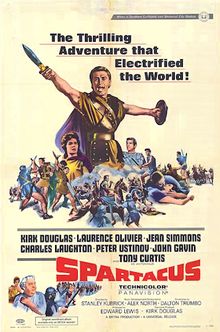
7. Anthony Mann’s Brief Stint on *Spartacus*
After Kirk Douglas was denied the lead role in 1959’s *Ben-Hur*, he decided to take matters into his own hands, channeling his ambition into bringing a similar, equally grand historical film to the big screen: *Spartacus*. As the producer-actor, Douglas initially hired director Anthony Mann, who at the time was “known for Westerns like *The Naked Spur*.” Mann was a respected filmmaker, but the scale of *Spartacus* was monumental, a Roman epic that demanded a colossal vision.
Mann, however, only lasted a week on set before Douglas became profoundly “unsatisfied with his work.” Douglas, reflecting on the experience in his autobiography, mused that Mann “seemed scared of the scope of the picture.” This simple yet powerful observation suggests a director overwhelmed by the sheer size and complexity of the production, perhaps struggling to transition from the more contained settings of Westerns to the sprawling battlefields and political intrigues of Ancient Rome.
The briefness of Mann’s tenure meant he only filmed the opening sequence, but even that short contribution proved significant. His early work “setting the style for the rest of the film” laid a foundational aesthetic that would be carried forward. Following Mann’s abrupt departure, a young Stanley Kubrick was brought in to take over. This change dramatically altered the trajectory of the film and Kubrick’s career, transforming what could have been a competent historical drama into a legendary cinematic masterpiece, shaped by an unexpected early directorial switch.
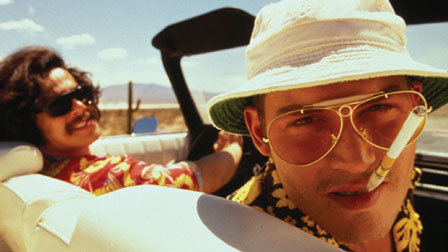
8. Alex Cox and the Fear and Loathing Fiasco
The journey to bring Hunter S. Thompson’s iconic novel *Fear and Loathing in Las Vegas* to the big screen was, unsurprisingly, as wild and unpredictable as the book itself. Director Alex Cox was initially at the helm, having adapted the screenplay. You’d think a creative talent like Cox, with a script already in hand, would be sailing smoothly, but this is Hollywood, and things rarely go to plan, especially when the original author is as larger-than-life as Thompson.
The creative differences here weren’t just about script interpretations; they spiraled into hilariously personal territory. Cox met with Thompson in 1997, and let’s just say the encounter didn’t exactly foster a harmonious working relationship. Thompson, known for his eccentricities, was reportedly “insulted by the fact that Cox refused to watch football (Thompson loves football) and didn’t eat the sausage Thompson made for him (Cox was vegetarian).” It’s hard to imagine a more uniquely cinematic reason for a director to be shown the door.
Beyond the dietary and sporting disagreements, Thompson also “disagreed with parts Cox changed from the book,” a more conventional, but still potent, source of conflict. The cumulative effect of these clashes meant Cox “hardly made it to the director’s chair” before being replaced by the visionary Terry Gilliam. Cox later “sued for a writing credit, claiming Gilliam’s new script was derived from his,” a testament to the lingering bitterness and the complex, often litigious, aftermath of such dramatic departures.

9. Phil Lord and Chris Miller’s Chaotic *Solo* Flight
When Phil Lord and Chris Miller, the dynamic duo behind hits like *The Lego Movie* and *21 Jump Street*, were tapped to direct *Solo: A Star Wars Story*, it seemed like a match made in cinematic heaven. Their reputation for inventive comedy and quick wit promised a fresh take on the beloved scoundrel. Yet, even in a galaxy far, far away, creative differences can lead to an abrupt journey to the airlock.
The directors were already “months into production when its original directors Phil Lord and Chris Miller were fired from the project,” a staggering turn of events for such a high-profile movie. The core issue, according to an anonymous source to Vulture, was that “Efficiency was not their strong suit.” This lack of streamlined production flow reportedly led to frustration on set, with the source revealing, “After the 25th take, the actors are looking at each other like, ‘This is getting weird.'” Their improv-heavy style, while often brilliant, didn’t mesh with the tightly controlled narrative and pace expected of a *Star Wars* film.
This dramatic dismissal led to Lucasfilm producers becoming “unhappy with their improv-heavy comedy approach, and lack of experience when it came to camera set-ups.” They were also “rumoured to have butted heads with writer Lawrence Kasdan, who wanted his script shot word-for-word.” Ultimately, Ron Howard had to “step in and re-shoot all of their scenes in a quarter of the time it took Lord and Miller,” a monumental task that speaks volumes about the extent of the re-direction needed and the immense pressure placed on his shoulders.
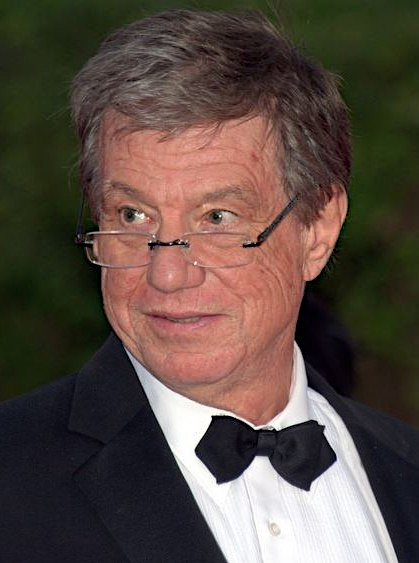
10. John McTiernan and the Audience Test That Failed *The 13th Warrior*.
Imagine pouring your heart and soul into directing an entire film, only to have preview audiences reject it, leading to a complete re-haul by someone else. That’s the unfortunate reality that befell John McTiernan with 1999’s *The 13th Warrior*, a film where he is still credited as the director, despite the significant post-production drama.
Originally titled *Eaters of the Dead* and based on Michael Crichton’s novel of the same name, the initial cut failed to impress. “Disney was disappointed when test audiences didn’t take well to McTiernan’s version,” a devastating blow for any filmmaker. Test screenings are meant to fine-tune a film, but in this case, the reception was so negative that it triggered a much more drastic intervention.
In an unusual move, the studio “enlisted the help of Crichton,” the original author, to salvage the project. Crichton became “so involved in re-cuts that he eventually took over as director himself,” essentially reshooting and re-editing large portions of the film. This scenario underscores the immense power studios wield, even over established directors, when a film’s commercial viability is questioned, and how a negative audience reaction can completely reshape a project’s final form.
Read more about: Ouch! 14 Hollywood Movies That Absolutely Bombed at the Box Office (And the Wild Stories Behind Their Massive Losses)
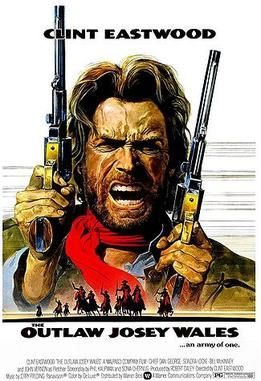
11. Philip Kaufman’s Western Woes on *The Outlaw Josey Wales*
Clint Eastwood’s 1976 Western, *The Outlaw Josey Wales*, is a celebrated classic, but its production was marred by a contentious battle of wills between its original director, Philip Kaufman, and its powerful star, Eastwood himself. The friction began almost immediately after Eastwood purchased the screen rights to Forrest Carter’s novel, *The Rebel Outlaw: Josey Wales*, and brought Kaufman on board.
Kaufman was tasked with directing and polishing the script, but their visions for the adaptation quickly diverged. “Kaufman wanted to stick to the book as closely as possible but didn’t like its fascist undertones,” aiming for a more nuanced approach. Eastwood, conversely, “felt otherwise and wanted more suspense,” indicating a desire for a different thematic emphasis and narrative pacing. This wasn’t just a minor creative disagreement; it was a fundamental clash over the story’s core message and genre identity.
Adding another layer of drama to the professional discord were “rumors also abounded that tensions were high after Kaufman and Eastwood both pursued lead actress Sondra Locke, who ended up with Eastwood.” This personal rivalry undoubtedly exacerbated the on-set atmosphere, making collaboration impossible. Ultimately, Eastwood, wielding his star power as producer and lead, “dismissed Kaufman and directed *The Outlaw Josey Wales* himself,” an act that famously led to the “Eastwood Rule” restricting an actor’s power to fire a director.

12. Martin Brest’s Dark Take on *WarGames*
The 1983 sci-fi thriller *WarGames* became a beloved classic for its intriguing premise and surprisingly lighthearted, yet suspenseful, approach to a grave subject: a young hacker almost starting World War III. However, the film’s initial trajectory under director Martin Brest was far different, leading to his quick replacement.
Brest was at the helm for only “12 days of shooting” before he was fired and “replaced with John Badham.” This remarkably swift change points to a profound disagreement over the film’s fundamental tone and style. According to Badham, Brest “had taken a somewhat dark approach to the story and the way it was shot.” It seems Brest envisioned a more serious, perhaps even grim, exploration of the chilling scenario.
The studio, and eventually Badham, clearly had a different goal: “So it was my job to make it seem like they were having fun, and that it was exciting.” This reflects a strategic decision to position *WarGames* as a thrilling, accessible adventure rather than a somber cautionary tale. Brest’s dismissal highlights how crucial it is for a director’s artistic interpretation to align with the studio’s desired commercial and tonal direction, especially for a film balancing serious themes with blockbuster appeal.
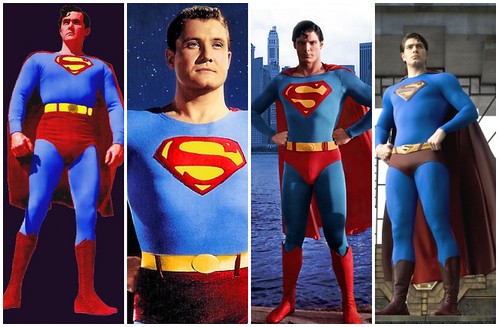
13. Richard Donner’s Superman II Ordeal
Bringing *Superman* to the big screen in 1978 was an ambitious undertaking, with producers Alexander and Ilya Salkind deciding to film both *Superman* and *Superman II* back-to-back to maximize efficiency. Director Richard Donner was the man tasked with this monumental challenge, and he successfully delivered the first film, which became a monumental success. Yet, despite having already completed “75-percent of the sequel,” Donner was astonishingly fired from *Superman II*.
The primary catalyst for Donner’s ousting was the “escalating costs of doing both productions at once,” which forced *Superman II* to be put on hold so the first film could be rushed to theaters. This financial pressure undoubtedly created a tense environment, but “tensions on set” between Donner and the Salkinds also played a significant role. These clashes went beyond mere creative differences, hinting at deeper personality conflicts and control issues.
In a move that stunned Hollywood, the Salkinds “replace[d] Donner with Richard Lester, who redid most of the sequel to earn sole directing credit.” This meant that much of Donner’s original vision for the sequel, which was largely shot, was either reshot or heavily re-edited. Decades later, “Donner’s version of *Superman II* came to light over time, revealing an entirely different version of the film,” a testament to the profound impact a directorial change mid-production can have on the final cinematic product. It serves as a powerful reminder of how studio politics and producer demands can override a director’s completed work, even for a beloved franchise.
**The Unseen Battles of the Silver Screen**
And there you have it, a candid peek behind the velvet curtains of Hollywood, revealing the tumultuous journeys of those who dared to steer the ship, only to find themselves cast overboard. These stories aren’t just fascinating anecdotes; they’re vital lessons in the high-stakes world of filmmaking, where artistic vision, executive oversight, and sheer human temperament collide with explosive results. Each dismissal, whether due to a clash over a character’s hair color or the very soul of a saga, reshapes cinematic history in ways we often only discover years later.
It’s a compelling narrative of passion, power, and the perennial struggle to bring a singular vision to life against a backdrop of myriad competing interests. So next time you settle in for a blockbuster, remember the unseen battles fought and the many directors who, for better or worse, found themselves out of the picture. The show, after all, must go on, but not always with the original captain at the helm.