The allure of Hollywood often masks a world of intense dedication, where actors push the boundaries of their craft, sometimes to the extreme. For many, embodying a character goes far beyond mastering dialogue or mannerisms; it demands a complete physical transformation. This often involves significant weight loss, a process that can be both grueling and, at times, dangerous, yet it frequently leads to some of the most memorable and acclaimed performances in cinematic history.
Achieving such dramatic changes in physique requires an astonishing level of commitment, often guided by a combination of stringent dietary controls, rigorous workout plans, and comprehensive professional oversight. Actors frequently employ strategies such as creating a severe caloric deficit, adhering to high-protein, low-carbohydrate diets, and embracing whole, unprocessed foods. Intermittent fasting has also emerged as a popular method for many to reduce overall calorie intake and influence metabolic health.
Alongside dietary restrictions, intense workout regimens are foundational to these transformations. Cardio exercises like running, cycling, swimming, and High-Intensity Interval Training (HIIT) are essential for burning calories, while strength training helps preserve muscle mass. However, it is crucial to understand that while these methods are employed, the extreme lengths some actors go to are not universally advisable, particularly without the constant supervision of nutritionists and medical professionals who monitor their health, ensuring they do not suffer from nutrient deficiencies or other serious issues.

1. Christian Bale in The Machinist
When delving into the annals of cinematic body transformations, Christian Bale’s commitment to his role as Trevor Reznik in the 2004 psychological thriller *The Machinist* remains unparalleled. Known for his unwavering dedication, Bale embarked on a physical journey that saw him drop over 60 pounds, reaching a shocking 120 pounds on his 6-foot frame. This haunting portrayal of an insomniac factory worker consumed by paranoia and guilt required a visual embodiment of extreme emaciation, a challenge Bale met with astonishing resolve.
Bale’s diet for this role was notoriously spartan, a regimen that pushed the limits of human endurance. He reportedly subsisted on a daily intake consisting of just one can of tuna, a single apple, and black coffee. Coupled with rigorous exercise, this severe caloric restriction forced his body to deplete its stored fat reserves at an alarming rate. Such a drastic and sustained caloric deficit is a primary strategy actors use for rapid weight loss, compelling the body to utilize its own fat for energy.
His chillingly gaunt appearance in *The Machinist* captivated audiences and critics alike, quickly becoming a benchmark for method acting. Bale himself articulated the profound personal challenge, stating, “I had to know if I could do it. I had to find out if I could push my body and still function as an actor.” This commitment not only defined the character but also underscored the intense mental and physical fortitude required to endure such a transformative process.
This kind of extreme measure, while yielding dramatic results on screen, also carries significant health risks, as Christian Bale himself has openly discussed regarding the toll it took on his metabolism. Professional guidance, including the oversight of doctors and nutritionists, is paramount to mitigate these risks, though even with such support, the human body is subjected to immense stress during these periods of intense restriction and deprivation.
Read more about: Beyond the Green Screen: The Fearless Stars Who Insisted on Performing Their Own Most Dangerous Stunts

2. Matthew McConaughey in Dallas Buyers Club
Matthew McConaughey’s Academy Award-winning portrayal of Ron Woodroof in the 2013 film *Dallas Buyers Club* necessitated another deeply impactful physical transformation. To authentically portray an AIDS patient diagnosed in the 1980s, McConaughey underwent a substantial weight loss, shedding approximately 50 pounds from his usual physique. His commitment to the role extended beyond mere physical change, deeply influencing his understanding and embodiment of Woodroof’s struggle.
McConaughey described this period of transformation as profoundly challenging, both physically and mentally. His diet was strictly controlled and incredibly sparse, focusing on foods designed to achieve a consistent weight loss of about 2.5 pounds per week. He detailed his regimen: “I’d eat fish, vegetables, egg whites, a lot of tea.” This approach aligns with the high-protein, low-carbohydrate diet strategy often adopted by actors to preserve muscle mass while rapidly losing fat, ensuring a lean, defined look crucial for character portrayal.
His compelling performance earned him not only the Academy Award for Best Actor but also immense respect for the intensity and depth of his preparation. McConaughey reflected on the driving force behind his arduous journey, stating, “The power of the story kept me going. It wasn’t about suffering; it was about honoring the real man behind the role.” This sentiment highlights the profound motivation that fuels actors through such demanding regimens, elevating their work beyond mere aesthetics.
The careful selection of nutrient-dense, whole foods, such as lean meats and vegetables, as seen in McConaughey’s diet, is critical during periods of rapid weight loss. These foods provide essential vitamins and minerals while helping to maintain satiety. However, even with such careful choices, a substantial caloric deficit over an extended period requires vigilant medical supervision to prevent nutrient deficiencies and ensure the actor’s overall well-being, underscoring the delicate balance between artistic dedication and health.
Read more about: 12 Hollywood Stars Who Completely Lost Themselves (And Their Looks!) For Groundbreaking Roles
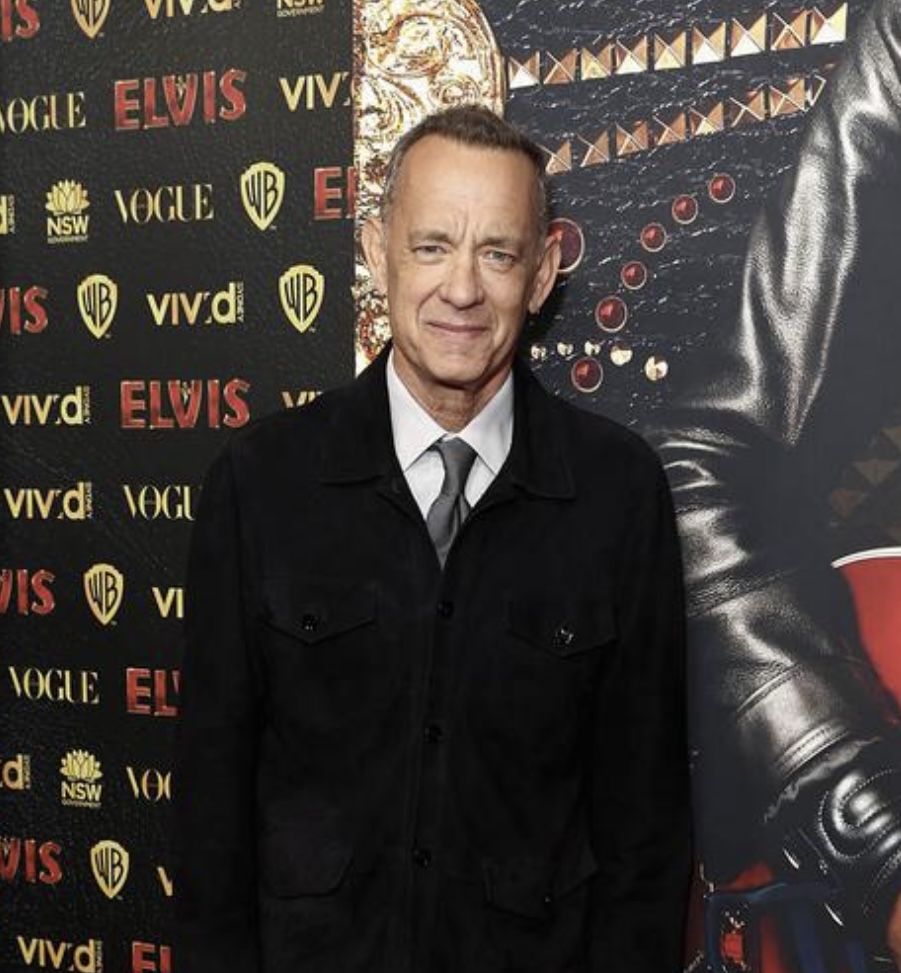
3. Tom Hanks in Philadelphia and Cast Away
Tom Hanks, a titan of American cinema, has demonstrated his incredible versatility and dedication through significant physical transformations in multiple roles. While his role in *Philadelphia* (1993), where he played a lawyer dying of AIDS, saw him lose approximately 26 pounds, it was his performance in *Cast Away* (2000) that demanded an even more profound physical shift, highlighting his willingness to commit fully to his characters.
To convincingly portray Chuck Noland, a man stranded on a remote desert island, Hanks underwent a staggering weight loss of over 50 pounds. The production itself was structured to accommodate this transformation, with filming conducted in two distinct segments. An unprecedented year-long break allowed Hanks the necessary time to not only shed the significant weight but also to grow out his beard and hair, perfectly embodying the effects of prolonged isolation and starvation.
Hanks revealed the challenging nature of this transformation, stating, “It was tough. I didn’t exercise. I just made sure I was eating properly and slowly dropped the weight.” This approach, focusing on disciplined caloric control rather than intense physical exertion, demonstrates another facet of an actor’s weight loss strategy. By creating a consistent, albeit gradual, caloric deficit through diet, Hanks achieved the desired emaciated look over an extended period, which can sometimes be a safer, though still demanding, alternative to crash diets.
His performance in *Cast Away* remains one of his most iconic, a testament to the power of physical commitment in storytelling. The film meticulously captured the physical deterioration of a man fighting for survival, made all the more believable by Hanks’ authentic transformation. While his method for *Cast Away* was described as not involving intense exercise, it still required immense discipline in his dietary choices, underscoring that sustained, careful eating habits are paramount in any significant weight loss journey, whether rapid or prolonged.
Read more about: Behind the Velvet Rope: Iconic Musicians and Pop Divas Who Refused to Share the Stage

4. 50 Cent in All Things Fall Apart
Rapper and actor Curtis “50 Cent” Jackson surprised many with his drastic physical transformation for the 2011 film *All Things Fall Apart*. Taking a dramatic turn from his typically muscular persona, Jackson underwent a startling weight loss to portray a football player battling cancer. His commitment saw him drop from a formidable 214 pounds to a gaunt 160 pounds, a visible testament to his seriousness about his acting career.
This significant transformation was achieved over an intensive nine-week period, a testament to the extreme measures actors sometimes employ for specific roles. Jackson’s regimen included a liquid diet, severely restricting his caloric intake to facilitate rapid fat loss. Complementing this austere diet, he engaged in a demanding daily treadmill routine, spending three hours on the machine each day to accelerate calorie burning and enhance his physical transformation.
Reflecting on the grueling process, Jackson openly admitted, “I was starving.” This raw honesty underscores the immense physical and mental toll such extreme diets and intense exercise regimens inflict. Despite the film not receiving a wide release, 50 Cent’s unwavering dedication garnered considerable attention and respect, showcasing his commitment to pushing beyond his musical identity and proving his depth as an actor.
Such an aggressive approach, combining a highly restrictive liquid diet with prolonged cardiovascular exercise, represents one of the most extreme methods for rapid weight loss. While effective for achieving a specific aesthetic quickly, it carries substantial risks, including potential nutrient deficiencies and metabolic disruption. The context highlights that these methods are often undertaken with the goal of demonstrating profound commitment to a role, even at significant personal cost, emphasizing the critical need for professional medical supervision.
Read more about: What Your High-Mileage Wagon Says About You: The Used Car Dealer’s Secret Thoughts on These 10 Gems!

5. Jared Leto in Dallas Buyers Club
Jared Leto, a musician and actor celebrated for his immersive approach to character, delivered another stunning transformation alongside Matthew McConaughey in *Dallas Buyers Club*. For his role as Rayon, a transgender woman battling AIDS, Leto lost a considerable 30 to 40 pounds, a physical change that profoundly shaped his critically acclaimed performance.
Leto’s commitment to the character extended beyond mere weight loss; he famously stayed in costume and in character even when the cameras were not rolling. This deep immersion helped him physically embody Rayon’s frailty and vulnerability, making the character’s struggle palpable to audiences. The physical transformation became an integral part of his method acting, allowing him to authentically inhabit Rayon’s world and experiences.
He elaborated on the profound impact of this physical change on his craft, explaining, “It changes the way you walk, the way you talk, everything.” This insight highlights how body transformations are not merely cosmetic but can fundamentally alter an actor’s posture, movements, and overall presence, contributing significantly to the authenticity of their portrayal. It underscores that extreme weight loss is often viewed as a tool for deeper character embodiment.
His powerful performance as Rayon earned him the Academy Award for Best Supporting Actor, marking a significant milestone in his acting career. Leto’s transformation, both physical and performative, was widely praised for its sensitivity and depth. While specific diet details are not enumerated, his substantial weight loss in conjunction with complete character immersion reflects the disciplined caloric restriction common among actors seeking to achieve a visibly emaciated state for a role, always emphasizing the underlying professional guidance required for such profound physiological changes.
Section 2: The Physical Toll and Enduring Impact – More Tales of Extreme Weight Loss and Long-Term Health
As we delve deeper into the extraordinary sacrifices actors make for their craft, it becomes increasingly clear that these transformations are not merely about aesthetics. They represent a profound commitment that often comes with significant physical and emotional costs. Beyond the initial shock of a dramatic reveal, these stories highlight the intense pressure within the industry and the lasting health implications of pushing the human body to its limits. We continue our exploration with more powerful examples, each offering a unique perspective on the journey of extreme weight loss for the screen, while always underscoring the vital need for caution and professional oversight in such demanding endeavors.
Read more about: 12 Hollywood Stars Who Completely Lost Themselves (And Their Looks!) For Groundbreaking Roles

6. Natalie Portman in Black Swan.
Natalie Portman’s Academy Award-winning portrayal of Nina Sayers in the 2010 psychological thriller *Black Swan* demanded an astonishing physical and emotional commitment that pushed the boundaries of cinematic dedication. To embody the fragile, yet fiercely ambitious ballerina, Portman underwent a rigorous transformation, losing around 20 pounds from her already slender frame. This visible change was not just for the camera; it was crucial for authentically representing the extreme physical demands and the delicate, almost ethereal appearance characteristic of professional ballet dancers, whose lives are often marked by relentless training and strict dietary control.
Her preparation for the role was nothing short of brutal, involving up to eight hours a day of intensive training. This regimen included dedicated ballet practice, swimming, and cross-training, all designed to sculpt her body into the lean, almost brittle form required for Nina. This intense physical exertion was coupled with a notoriously strict vegetarian diet that featured meticulously controlled portions and a focus on nutrient-dense, whole foods. The overall caloric intake remained highly restricted, strategically creating a significant deficit to achieve and maintain the emaciated look essential for Nina’s character, who becomes increasingly consumed by her art and inner turmoil.
Portman herself openly discussed the immense toll the role took on her, revealing, “It was one of the most physically and emotionally demanding roles I’ve ever done.” The sustained physical deprivation and relentless training left her in a state of profound exhaustion, blurring the lines between her own identity and that of her character. This deep psychological and physical immersion, while undeniably contributing to the raw, visceral quality of her performance, also led to moments of feeling profoundly unwell and mentally taxed. The relentless pursuit of perfection for the role underscored the immense pressure she felt.
This profound immersion, however, contributed significantly to the raw, visceral quality of her performance, earning her critical acclaim and the Oscar for Best Actress. While the artistic payoff was undeniable, Portman’s experience underscores the severe pressures placed on actors, particularly in roles that conflate extreme thinness with artistic integrity and authenticity. Such methods, though effective for on-screen realism, highlight the critical importance of vigilant medical and nutritional oversight to mitigate the numerous risks associated with drastic body changes, especially when an individual starts from an already healthy, lean physique. It also sparks important conversations about the long-term mental and physical health implications of such intense professional demands.
Read more about: 12 Hollywood Stars Who Completely Lost Themselves (And Their Looks!) For Groundbreaking Roles

7. Chris Hemsworth in In The Heart of the Sea
Best known globally for his powerful, muscular build as Thor in the Marvel Cinematic Universe, Chris Hemsworth demonstrated his incredible range and unwavering dedication by undergoing a stark physical reversal for his role in the 2015 maritime epic, *In the Heart of the Sea*. To convincingly portray Owen Chase, a starving sailor stranded at sea, Hemsworth shed a significant amount of weight, deliberately transforming his physique to reflect the harrowing effects of prolonged starvation and desperation. This dramatic change was essential to convey the visual authenticity of men facing imminent death from lack of sustenance.
His transformation was achieved through a notoriously strict diet that, at times, reduced his daily caloric intake to a mere 500 calories. This severe caloric restriction is an extreme measure, designed to force the body into a state of rapid fat and muscle depletion, as the body struggles to find energy from its own reserves. While creating an undeniable visual impact for the role, such a drastic deficit carries substantial health risks, including severe metabolic slowing, critical nutrient deficiencies, muscle wasting beyond what is healthy, and profound fatigue, which can impair both physical and cognitive function. The methods used closely resemble crash diets, an extreme approach described earlier that should only be undertaken with intense medical supervision.
Hemsworth candidly spoke about the arduous experience, admitting, “We kind of went insane. We all felt like we were on the edge of dying.” This powerful statement perfectly captures the immense physical and psychological strain imposed by such an extreme diet and lifestyle. The feeling of being constantly hungry and depleted profoundly impacted his mood, energy levels, and overall well-being, yet it was deemed absolutely essential for authentic character portrayal, pushing him to the brink both mentally and physically. This relentless pursuit of realism demands an almost superhuman resilience from actors.
This experience serves as a stark reminder of the lengths actors are willing to go, even those typically associated with peak physical conditioning. It also highlights the critical need for comprehensive medical supervision during such processes, as the body is put under immense stress. While the visual authenticity undeniably enhanced the film’s gritty realism and contributed to the narrative, the personal cost to actors, including the risk of long-term health consequences and the sheer misery endured, is a significant ethical consideration within the demanding world of Hollywood. It underscores that these are not healthy lifestyle choices but temporary, professionally driven sacrifices.
Read more about: From Sanctuary Founders to Furry Family Members: A-List Stars Championing Animal Rescue

8. Anne Hathaway in Les Misérables
Anne Hathaway’s portrayal of Fantine in the 2012 adaptation of *Les Misérables* was a masterclass in committed acting, demanding an emotionally devastating and physically grueling transformation. To embody Fantine, a factory worker driven to prostitution and dying of tuberculosis in 19th-century France, Hathaway lost a striking 25 pounds. This rapid and substantial weight loss created a gaunt and frail appearance that powerfully conveyed her character’s profound suffering, desperation, and the physical ravages of her tragic circumstances. Every visible bone and hollowed feature added layers of authenticity to her heart-wrenching performance.
Her approach to weight loss was notably extreme, involving a “near-starvation diet” that drastically limited her caloric intake to achieve a visibly emaciated state. This severe restriction, a form of crash dieting, was combined with a dramatic on-camera haircut that further stripped away her character’s former life and dignity. Such a diet, particularly when sustained over a period, places immense stress on the body. It can lead to potential muscle wasting, a severely weakened immune system, and critical nutrient deficiencies, alongside a host of other serious health issues. The physical deprivation became a direct conduit to understanding Fantine’s plight.
Hathaway openly shared the profound personal impact of this transformation, stating, “I was in such a state of deprivation—physical and emotional. When I got home, I couldn’t react to the chaos of the world without being overwhelmed.” This insight reveals the deep psychological toll that often accompanies extreme physical changes. It demonstrates how the intense blurring of lines between character and actor can leave a lasting imprint on an individual’s emotional well-being, making it difficult to readjust to normal life after such an immersive and depleting experience. Her body and mind were pushed to breaking point.
Her raw and heartbreaking performance earned her an Academy Award for Best Supporting Actress, cementing her legacy as an actor of immense depth and dedication. However, her experience also highlights the delicate balance between artistic authenticity and personal health, posing critical questions about the welfare of actors. The industry’s frequent glorification of such extreme methods, while undeniably contributing to iconic performances, necessitates a broader conversation about the robust support systems and ethical boundaries required to protect actors from potentially severe long-term consequences and the inherent dangers of these physically taxing demands.
Read more about: 14 Iconic Film Deaths That Still Haunt Us: Get Ready to Relive the Most Heart-Wrenching Movie Moments!

9. Mila Kunis in Black Swan
Joining her co-star Natalie Portman in *Black Swan*, Mila Kunis also underwent a significant and, by her own admission, “unhealthy” weight loss to fully embody her role as a ballerina. To convincingly portray the disciplined and often physically pushed world of professional ballet, Kunis sought to achieve an extremely slender physique, believing it was essential for her character’s authenticity within the film’s eerie and high-pressure atmosphere. The visual effect of extreme leanness was integral to portraying the vulnerability and intense discipline of a dancer.
Kunis candidly admitted to losing an unhealthy amount of weight for the role, shedding approximately 20 pounds from her already slight frame. Her methods for achieving this drastic reduction included highly questionable choices. She famously revealed on Sirius XM that she resorted to taking up smoking again to suppress her appetite, a highly dangerous and inadvisable method for weight control. This desperate measure underscores the intense psychological and professional pressure actors feel to meet demanding physical requirements, often leading them to resort to methods that can have severe, long-term health repercussions far beyond the scope of a film role.
Reflecting on her harrowing experience, Kunis did not mince words, explicitly stating that she “wouldn’t recommend anyone do what she did for the film,” and emphatically added, “I’m not promoting this.” This direct warning from an actor who experienced the extreme diet firsthand serves as a crucial caveat, highlighting the inherent dangers and the unsustainable nature of such drastic approaches to body transformation. It acts as a responsible public service announcement, differentiating between cinematic spectacle and healthy real-life practices.
Kunis’s transparency is a vital contribution to the ongoing conversation about body image, health, and the extreme expectations placed on actors, particularly women, in Hollywood. While the performances in *Black Swan* were lauded for their realism and intensity, her story brings to light the darker, often hidden, side of artistic dedication, where an actor’s personal health can be severely compromised for a role. It reinforces the critical importance of stringent professional medical and nutritional guidance, not just for achieving a fleeting aesthetic, but for safeguarding an actor’s long-term well-being and promoting responsible, ethical practices within the highly demanding entertainment industry. The consequences of such choices can echo for years.
Conclusion: The High Cost of Hollywood Transformation
The journeys of these actors, from the skeletal frame of Christian Bale in *The Machinist* to Natalie Portman and Mila Kunis’s balletic emaciation in *Black Swan*, illustrate a profound, often astonishing level of dedication that defines much of Hollywood’s most acclaimed work. These transformations undeniably enhance the realism and emotional resonance of their characters, challenging audiences to confront uncomfortable truths and celebrating the transformative power of storytelling. The visual impact is often unforgettable, cementing these performances in cinematic history and underscoring the immersive quality of method acting.
However, beneath the surface of critical acclaim and cinematic spectacle lies a stark, often painful, reality: these extreme diets and intense regimens often come at a significant personal cost, extending far beyond the duration of filming. The context reminds us that Christian Bale has openly discussed the persistent toll his dramatic weight fluctuations took on his metabolism, affecting his health long after his roles concluded. Similarly, Tom Hanks later developed Type 2 diabetes, a condition he partially attributed to the demanding physical shifts required for his iconic performances. These are not isolated incidents but potent, real-world examples of the lasting physiological impact of pushing the body beyond its natural, healthy limits.
The thin line between artistic dedication and physical danger is one that many actors bravely walk, often driven by a singular vision for their character and the pressures of a highly competitive industry. While their commitment is undoubtedly inspiring, it also serves as a critical prompt for the industry to prioritize actor well-being with even greater vigilance. Comprehensive professional supervision, including stringent medical and psychological support, is paramount. Yet, even with such oversight, the human body has its inherent boundaries, and continually pushing them can lead to unforeseen and lasting health challenges.
Read more about: Unplugged and Unstoppable: Decoding How 15 A-List Stars Thrive Without Social Media
As discerning audiences, appreciating these captivating performances means acknowledging the immense, often hidden, sacrifices involved. It’s crucial to understand that these extraordinary physical feats are achieved under unique, highly controlled, and frequently unsustainable circumstances that should never be replicated by individuals without continuous, expert, health-focused medical guidance. The profound and enduring impact of these choices resonates far beyond the silver screen, serving as a powerful reminder of the complex and sometimes perilous link between extreme physical transformation and the demanding art of performance.