
In an era often defined by fleeting headlines and superficial narratives, there exists a profound spiritual practice within Islam that transcends the ordinary: Duʿāʾ. Far from being a mere utterance, Duʿāʾ, meaning ‘invocation, supplication, or request,’ stands as a direct and deeply personal conduit between a believer and God. It is an exploration into the very essence of faith, a conversation held in the most intimate corners of the heart, reflecting a trust in divine wisdom and mercy that few practices can match.
This isn’t about glittering jewels or fleeting celebrity moments, but rather about something immeasurably more precious: the steadfast, unwavering connection that billions seek daily. Duʿāʾ is not bound by specific timings or elaborate rituals, unlike the formal five daily prayers (Salah). Its flexibility allows it to be woven into the fabric of everyday life, an ever-present lifeline for expressing gratitude, seeking guidance, or appealing for assistance, irrespective of time or place.
Through this intimate spiritual dialogue, Muslims affirm their absolute dependence on Allah, acknowledging His omnipotence and unwavering compassion. From the earliest days of Islam to the present, Duʿāʾ has been a cornerstone of individual and communal spirituality, fostering resilience, hope, and an profound sense of connection. Join us as we uncover the multifaceted dimensions of this sacred act, revealing its historical depth, its diverse forms, and its enduring significance in the lives of believers worldwide.

1. **The Core of Connection: Defining Duʿāʾ and its Profound Significance**At its heart, Duʿāʾ is unequivocally defined as “a prayer of invocation, supplication or request, asking help or assistance from God.” It is a direct and unmediated appeal, an open channel to the Divine that forms an integral aspect of Islamic worship and spirituality. This isn’t just a ritualistic utterance; it’s a living, breathing expression of faith, a moment where the believer consciously turns to Allah with their deepest hopes and concerns.
What truly sets Duʿāʾ apart and highlights its profound significance is its inherent flexibility. While the canonical five daily prayers, known as Salah, adhere to “specific timings and rituals,” Duʿāʾ is liberated from such constraints. It is a spiritual practice that “can be made at any time and in any place,” allowing for spontaneous communion and continuous remembrance throughout the day.
This accessibility underscores the democratic nature of Duʿāʾ, making it a universal practice for all Muslims, regardless of station or circumstance. Through Duʿāʾ, a Muslim consciously “affirm[s] their dependence on Allah and their trust in His wisdom and mercy,” solidifying their foundational belief in the singular power and benevolence of God. It is a testament to the direct, personal relationship cherished in Islam, where intermediaries are unnecessary and the Divine is always within reach.
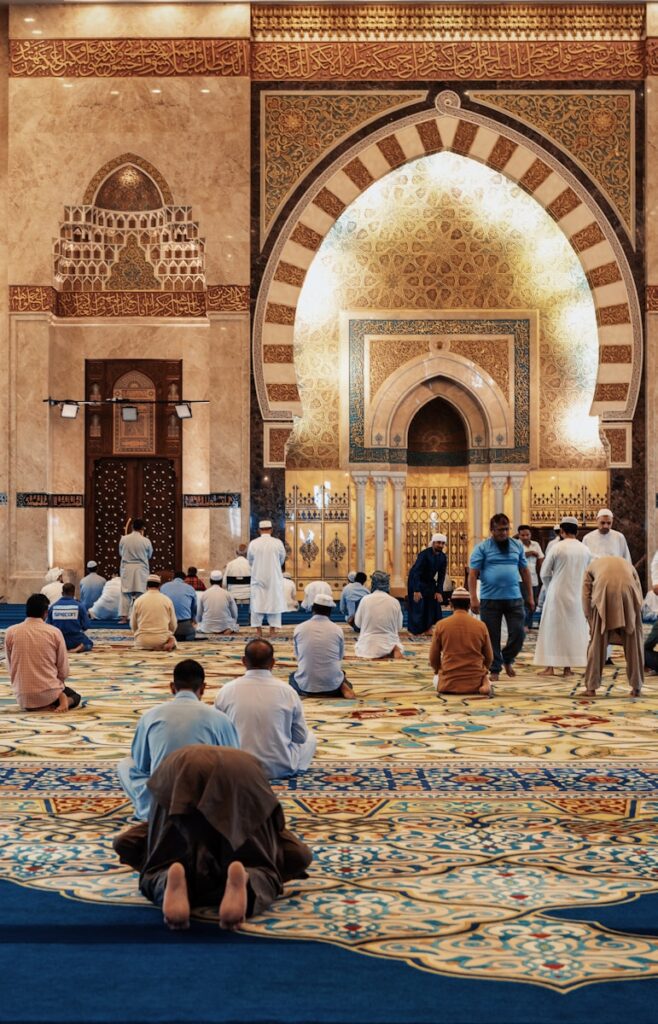
2. **A Pillar of Faith: The Integral Role of Duʿāʾ in Islamic Worship and Spirituality**More than a mere request, “Muslims regard dua as a profound act of worship.” This perspective is deeply rooted in the teachings of the Prophet Muhammad, who is “reported to have said, ‘Dua is itself a worship.’” This statement elevates supplication to one of the highest forms of devotion, emphasizing its intrinsic spiritual value beyond the fulfillment of specific needs.
Given this divine endorsement, it is no surprise that “there is a special emphasis on du’a in Muslim spirituality.” Early Muslims, driven by their deep reverence, “took great care to record the supplications of Muhammad and his family and transmit them to subsequent generations.” This meticulous preservation ensured that the profound wisdom and spiritual depth embedded in these prayers would continue to guide believers for centuries to come.
The diligent efforts of these early communities spurred the emergence of “new genres of literature” dedicated entirely to prophetic supplications. These revered texts, like “al-Nawawi’s Kitab al-Adhkar” and “Shams al-Din al-Jazari’s al-Hisn al-Hasin,” became essential guides for Muslim devotees. They sought to learn precisely “how Muhammad supplicated to God,” aiming to emulate his piety and draw closer to the Divine through his blessed words.
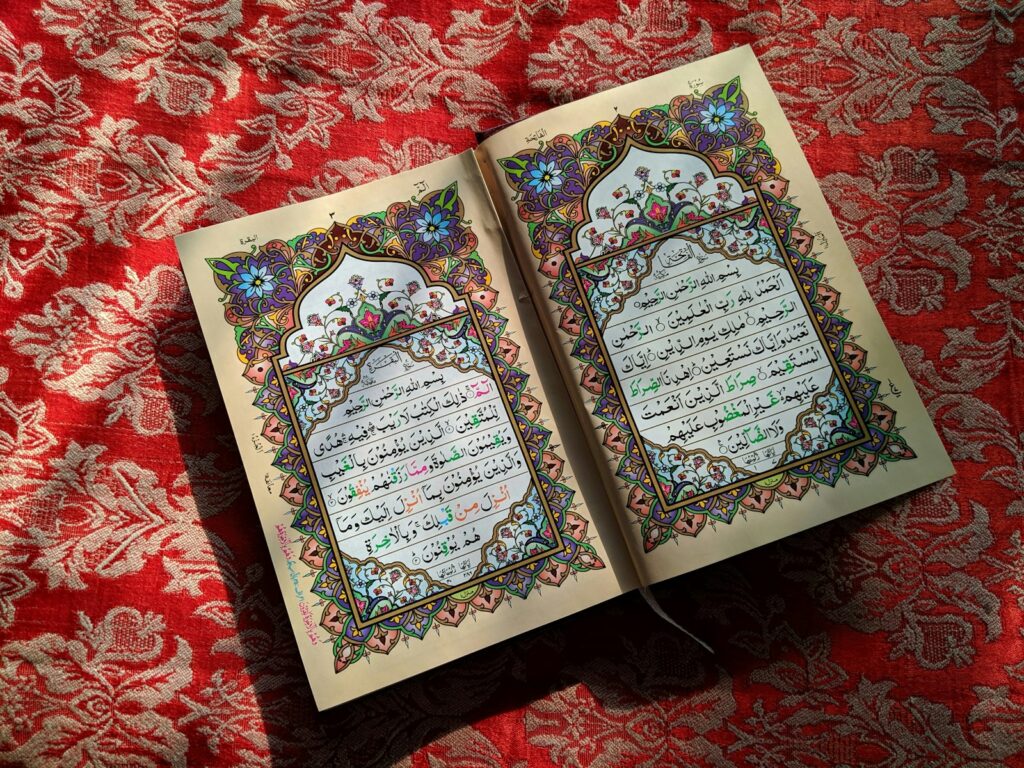
3. **Whispers of the Sanctified: The Special Position of Sufi Masters’ Duʿāʾ**Within the rich tapestry of Islamic spirituality, a unique and revered category of supplications belongs to the Sufi Masters, known as the “mustajaab ad-du’a,” or “prayers answered immediately.” These prayers are distinct not merely by their efficacy, but by the extraordinary spiritual purity and focus of those who utter them. They represent a pinnacle of devotion and an intimate alignment with divine will.
The profound efficacy of these prayers comes with stringent spiritual “requirements.” Central to these is the principle that “the Sufi is never asking God for worldly but only for spiritual requests.” This detachment from material desires, a hallmark of Sufi asceticism, ensures that their supplications are untainted by temporal pursuits, directed solely towards proximity to the Divine and spiritual elevation.
The historical record attests to the potency of these sacred invocations. It is noted that “in times of sickness, danger, or drought, they were answered,” demonstrating their powerful intercessory capacity during periods of profound need. Furthermore, it is believed that “their prayers could also punish those who oppose them,” a rare and profound indication of their spiritual authority and the depth of their connection to God’s justice and mercy.

4. **A Legacy of Lyrical Devotion: The Rich Landscape of Duʿāʾ Literature**The landscape of Duʿāʾ literature extends far beyond the recorded words of the Prophet Muhammad, blossoming into a vibrant tradition of supplications composed by revered scholars and sages throughout Islamic history. “Du’a literature is not restricted to prophetic supplications; many later Muslim scholars and sages composed their own supplications, often in elaborate rhymes that would be recited by their disciples.” This creative outpouring enriched the spiritual practices of countless Muslims, offering diverse pathways for connection with the Divine.
Among the most widely embraced of these post-prophetic collections are works such as “Muhammad al-Jazuli’s Dala’il al-Khayrat,” a compendium of prayers upon the Prophet that “at its peak spread throughout the Muslim world.” Similarly, “Abul Hasan ash-Shadhili’s Hizb al-Bahr,” a potent litany often recited for protection and guidance, “also had widespread appeal,” resonating deeply with the masses seeking spiritual fortitude.
The artistry of Duʿāʾ literature reached its pinnacle in the “Munajat,” or “’whispered intimate prayers’ such such as those of Ibn Ata Allah.” These lyrical compositions are characterized by their profound introspection, poetic beauty, and heartfelt communion, offering a deeply personal experience of devotion. Not to be overlooked are the significant contributions from Shia traditions, where “the Al-Sahifa al-Sajjadiyya records du’as attributed to Ali and his grandson, Ali ibn Husayn Zayn al-Abidin,” known as the Psalms of the Household of Muhammad, offering unparalleled eloquence and spiritual insight.

5. **The Dual Expressions of Faith: Unpacking the Types and Categories of Duʿāʾ**Duʿāʾ, in its essence, is a profound and multifaceted expression of faith, fundamentally articulating “submission of faith to God and of one’s neediness.” Muslim thinkers generally categorize this petitionary prayer as a “verbal phenomenon,” though it may, at times, be accompanied by physical postures. The very “content of dua is usually centred on human need and distress,” yet it is ideally, and appropriately, infused with “expressions of gratitude and praise”—a holistic offering of the self to the Divine.
Scholars typically delineate two primary types of Duʿāʾ, each serving a distinct yet complementary function in a believer’s spiritual life. The first is “Du’ā al-mas’alah (دُعَاءُ الْمَسْأَلَة du’ā’u ‘l-mas’alah), or the ‘du’a of asking.’” This category directly involves supplicating for the fulfillment of a specific need or the removal of a particular harm. It is the act of consciously verbalizing a request to God, acknowledging His power to provide and alleviate.
An illustrative example of this asking type is when a person utters, “O God! Grant me good in this world, and good in the next life!” This concise yet comprehensive plea encapsulates both worldly and spiritual aspirations, directly seeking divine favor. The second category, “Du’ā al-‘ibadah (دُعَاءُ الْعِبَادَة du’ā’u ‘l-‘ibādah), or the ‘du’a of worship,’” is broader, encompassing “every single act of worship” a Muslim performs. This perspective highlights that acts like prayer (Salah), giving zakāt, or fasting are themselves forms of supplication, implicitly asking for divine acceptance and reward through obedience.

6. **The Language of Devotion: Duʿāʾ of Worship, Expressing Submission and Gratitude**Among the profound categories of Duʿāʾ, the “Dua of Worship” holds a central and indispensable place. This form of supplication transcends mere asking; it “focuses on seeking Allah’s blessings and expressing gratitude for His bounties.” It is a believer’s heartfelt acknowledgment of divine generosity and omnipotence, encompassing prayers that explicitly articulate devotion, seek forgiveness, guidance, and mercy, embodying a profound “devotion and submission to Allah.”
A powerful articulation of this complete submission is found in “Surah Al-An’am (6:162-163).” The verse proclaims: “’Qul inna salati wa nusuki wa mahyaya wa mamati lillahi Rabbil-‘Alamin. La sharika lahu; wa bi-dhalika umirtu wa ana awwalul-muslimin.’ Translation: ‘Say, ‘Indeed, my prayer, my rites of sacrifice, my living, and my dying are for Allah, Lord of the worlds. He has no partner. And this I have been commanded, and I am the first [among you] of the Muslims.’’” This comprehensive statement perfectly encapsulates the purpose of Duʿāʾ of Worship: total surrender and dedication of one’s entire existence to Allah.
Another poignant example of Duʿāʾ for steadfastness and holistic blessing is found in “Surah Al-Baqarah (2:201).” Here, believers supplicate: “’Rabbana atina fid-dunya hasanatan wa fil-akhirati hasanatan waqina ‘adhaban-nar.’ Translation: ‘Our Lord, give us in this world [that which is] good and in the Hereafter [that which is] good and protect us from the punishment of the Fire.’’” The purpose of this specific Duʿāʾ is to seek “both worldly and spiritual success,” beautifully reflecting “the balance in devotion” that characterizes Islamic spirituality—a quest for well-being in this life and salvation in the next.
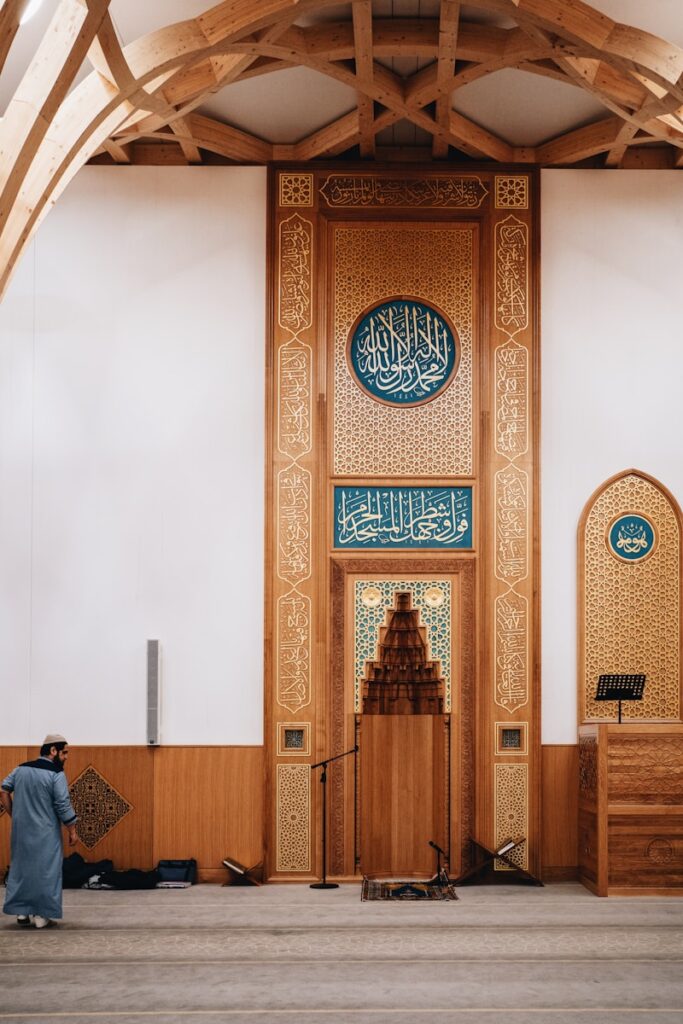
7. **Appealing for Sustenance: Duʿāʾ of Need, Seeking Divine Support in Challenges**Life invariably presents its share of trials and tribulations, and it is precisely “when Muslims face challenges or are in need of support, they resort to this type of Dua.” The Duʿāʾ of Need is a direct, earnest appeal to Allah for assistance in navigating the complexities of existence, a testament to the belief that ultimate sustenance and aid originate from the Divine.
This category of supplication is remarkably broad, encompassing a wide spectrum of human requirements. “It involves supplications for essential needs such as food, shelter, and employment,” the very foundations of human security and well-being. Beyond these tangible necessities, it also extends to “prayers for success, protection, and provision,” recognizing Allah as the ultimate source of every blessing and safeguard.
A foundational illustration of this type of Duʿāʾ, embedded in every Muslim’s daily life, is found in “Surah Al-Fatihah (1:5).” The verse declares: “’Iyyaka na’budu wa iyyaka nasta’in.’ Translation: ‘It is You we worship, and You we ask for help.’’” The purpose here is unequivocal: it “acknowledges Allah as the sole source of assistance in fulfilling needs.” This powerful declaration not only seeks help but also reaffirms the absolute dependency and worship of Allah alone, cementing the spiritual cornerstone of seeking assistance from no other than the Creator.
It is through these heartfelt invocations that believers find solace, resilience, and an unwavering conviction that no burden is too heavy when shared with the Almighty. The Duʿāʾ of Need transforms moments of vulnerability into acts of profound faith, solidifying the believer’s trust in divine providence.” , “_words_section1”: “1997
Navigating the spiritual landscape of Duʿāʾ, we have seen its inherent power as a conduit to the Divine, a personal conversation imbued with profound meaning. Yet, the efficacy of this sacred appeal is not left to chance; a deeper understanding reveals specific prerequisites and etiquettes that elevate supplication from a mere utterance to a powerful, accepted communion with Allah. It is in these nuanced details that the profound wisdom of Islamic spirituality truly shines, guiding the believer towards a more complete and accepted form of devotion.
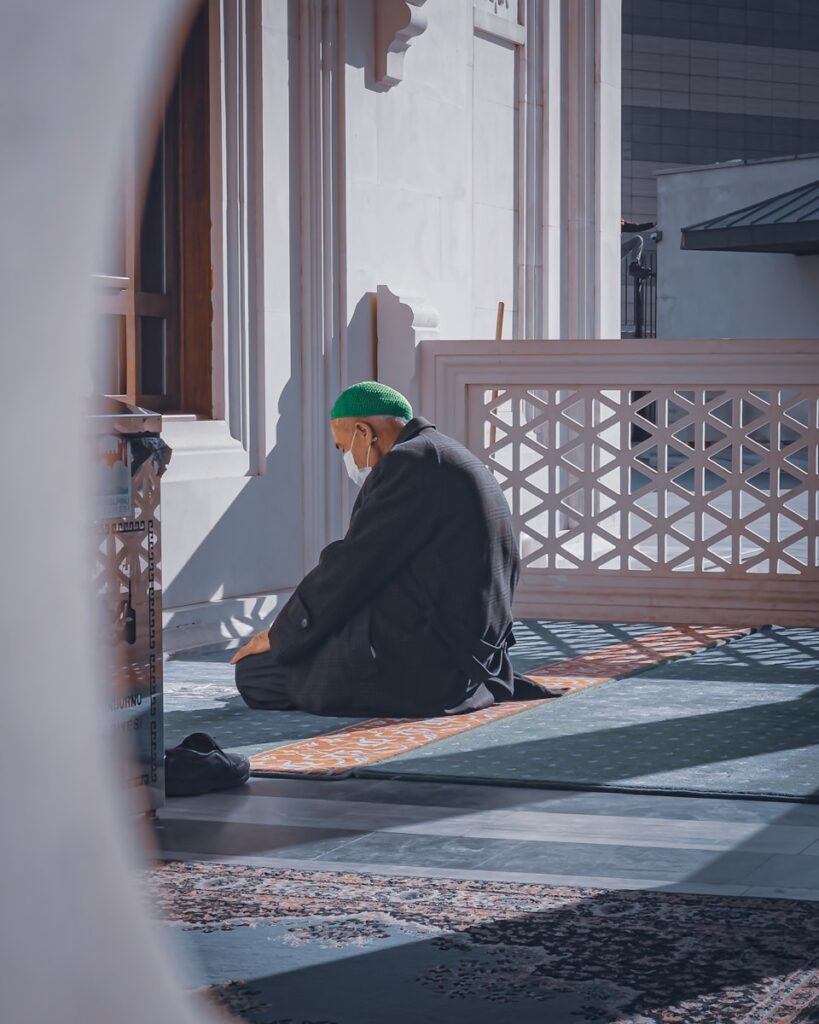
8. **Sincerity and Pure Intentions: The Foundation of Accepted Duʿāʾ**At the very core of any accepted Duʿāʾ lies an unshakeable sincerity, a profound purity of intention that transcends mere words. In Islam, it is firmly established that “it is necessary to be pure in order to remember God.” This purity is not merely physical, but an encompassing spiritual state where the heart and mind are solely directed towards Allah, free from worldly distractions or ulterior motives. It’s a powerful testament to the idea that the internal state of the supplicant holds paramount importance.
This bedrock principle dictates that every Muslim “prays to God alone,” affirming the absolute monotheism (Tawhid) central to Islamic belief. The Duʿāʾ must be an exclusive appeal to the Creator, acknowledging His unique power and authority, devoid of any partners or intermediaries. This singular focus ensures that the intention behind the prayer is wholly for Allah, an act of unadulterated devotion that seeks His pleasure above all else.
Furthermore, it is “imperative that a person making du’a has the best of intentions for whatever he or she is asking.” This means that when a believer supplicates for something, their underlying purpose must be virtuous and selfless. Should one ask for an increase in wealth, for instance, the sincere intention must be to “spend more of that wealth on the poor and on their relatives than on themselves.” This perspective transforms a seemingly personal request into an act of communal beneficence, aligning individual desires with greater moral and social good.

9. **Patience and Perseverance: Sustaining Hope in Supplication**In the spiritual journey of Duʿāʾ, patience (sabr) and perseverance are not merely virtues but essential prerequisites for divine acceptance. The path of supplication is often one of enduring hope, and believers are cautioned against a particular form of “hastiness that is forbidden in Islam”—the act of abandoning Duʿāʾ with the disheartening thought that “God will not respond to it.” Such a mindset fundamentally misunderstands the nature of divine timing and wisdom.
Muslims are explicitly “instructed not to give up du’a because they do not see a response immediately.” This unwavering commitment reflects a deep trust in Allah’s boundless knowledge and His perfect plan, which may unfold in ways or at times that are beyond human comprehension. The response to a Duʿāʾ can manifest in various forms: the immediate fulfillment of the request, the deferral of the request to a more opportune time, the prevention of an impending harm, or the granting of a greater, unseen reward in the Hereafter.
Therefore, true patience in Duʿāʾ is an act of profound submission, a continuous acknowledgment of Allah’s sovereignty and mercy. It encourages believers to maintain their connection with the Divine, reiterating their needs and desires with steadfastness, knowing that every sincere appeal is heard and recorded, and will be answered in a manner most beneficial to the supplicant, even if the answer is not immediately apparent in this worldly life. This persistent hope, rather than immediate gratification, is the hallmark of a mature faith.
10. **Purity of Heart and Sustenance: Essential Conditions for Divine Acceptance**Beyond sincere intentions, the very nature of what is sought in Duʿāʾ, and indeed the source of one’s livelihood, profoundly impacts its acceptance. In Islam, for a Duʿāʾ to be accepted, “it must be for something pure.” This stipulation extends to ensuring that the requests themselves are wholesome, ethical, and aligned with divine teachings, free from any element of injustice, harm, or illicit gain. It speaks to a holistic approach where the purity of the means is as important as the purity of the ends.
This emphasis on purity is inextricably linked to the concept of lawful sustenance, known as *halal* provision. The teachings of the Prophet Muhammad vividly underscore this connection. It is reported that he said, “‘O People! God is al-Tayyib (pure), and He only accepts that which is pure!’” He further emphasized this by stating, “‘O Messengers! Eat from the pure foods, and do right,’” and to believers, “‘O you who believe! Eat from the pure and good foods we have given you.’” This divine directive highlights the profound spiritual significance of consuming only what is lawfully and righteously acquired.
The grave implications of neglecting this precept are starkly illustrated in a powerful anecdote narrated by the Prophet. He spoke of “a traveller on a long journey, who is dishevelled and dusty, and he stretches forth his hands to the sky, saying, ‘O my Lord! O my Lord!’, While his food is unlawful, his drink is unlawful, his clothing is unlawful, and he is nourished unlawfully; how can he be answered?” This poignant example serves as a potent reminder that one’s entire lifestyle, especially the source of one’s sustenance, must be pure and lawful for Duʿāʾ to truly penetrate the divine veil and receive acceptance.

11. **The Attentive Heart: Engaging with God in True Consciousness**The journey of Duʿāʾ culminates not just in utterance, but in an profound state of inner presence and consciousness. Muslims are explicitly “instructed to make du’a with an attentive heart.” This guidance underscores the spiritual depth required, where the supplicant is not merely reciting words but actively engaging their entire being in a heartfelt conversation with their Creator. It is a moment of profound mindfulness, where every word resonates with genuine intention and awareness.
To pray with an attentive heart means to be “aware of what they are saying,” understanding the gravity and meaning of each phrase, and allowing these words to emanate from a place of genuine conviction. This conscious engagement transforms Duʿāʾ from a perfunctory act into a living, breathing expression of faith. It cultivates a powerful connection, where the believer’s inner state aligns with their outward petition, creating a harmonious spiritual resonance.
Crucially, this attentive heart must also be imbued with an unwavering belief, where believers “believe in their heart that God will respond.” This certainty is not born of arrogance, but of deep trust in Allah’s omnipotence and mercy. It is this conviction that imbues Duʿāʾ with its true power, transforming it into an act of profound reliance on the Divine. Without this attentive heart and unwavering belief, Duʿāʾ risks becoming an empty ritual, lacking the spiritual vitality that draws it closer to acceptance.
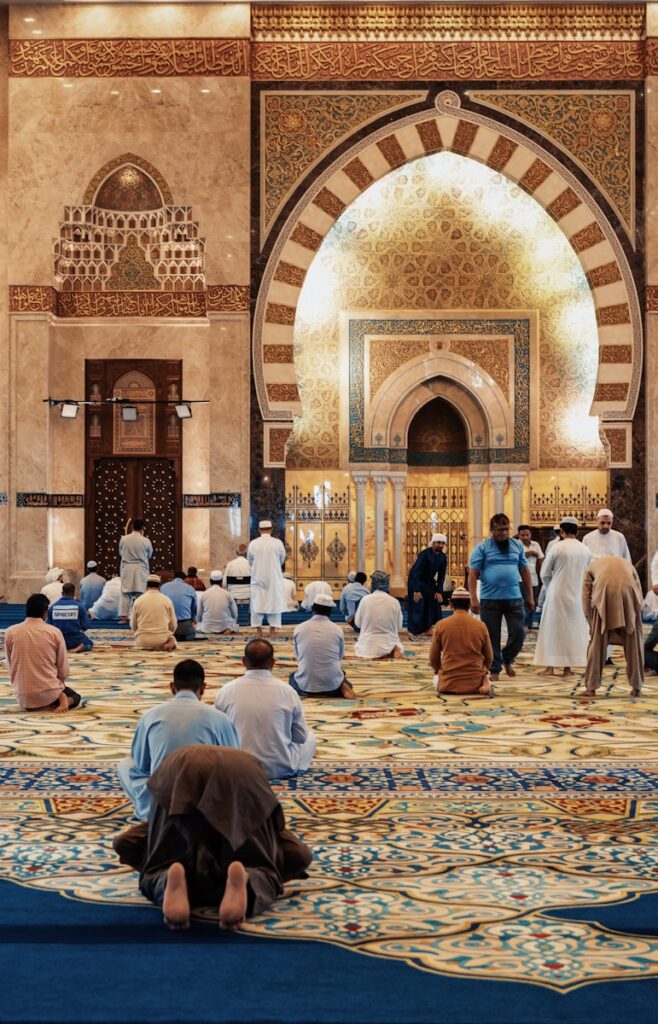
12. **Raising Hands and Facing the Qibla: Postures of Humility and Direction**Beyond the internal prerequisites, Islamic tradition offers a spectrum of optional yet highly encouraged etiquettes that enhance the spiritual resonance of Duʿāʾ, transforming it into a more holistic act of devotion. Among these, the physical act of “raising one’s hands is an encouraged option.” Numerous *hadith* describe how the Prophet Muhammad, peace be upon him, would raise his hands during supplication, sometimes even to or above head-level in moments of extreme distress, signifying intense earnestness and humility.
While the exact height may vary depending on the circumstances, scholars generally agree on two authentic ways of raising hands for Duʿāʾ: either with “the palms of one’s hands should be turned up facing the skies, whilst the back of one’s hands are facing the ground,” or with “the palms facing one’s face.” Both postures are imbued with symbolism, representing an open appeal to the heavens, an acknowledgement of reliance, and a gesture of receptiveness to divine blessings.
Coupled with this, another significant etiquette is to “face the Qibla (direction of prayer), whilst making du’a.” The Qibla, which is the direction of the Kaaba in Mecca, serves as a unifying focal point for Muslims worldwide during formal prayers (Salah) and also offers a sense of spiritual direction during Duʿāʾ. This practice, supported by narrations such as that of Abdullah ibn Zayd who recounted the Prophet facing the Qibla while seeking rain, reinforces the collective identity of the Muslim community and provides a sense of alignment towards the sacred heartland of Islam.

13. **Wiping the Face: Signaling Conclusion and Seeking Blessing**As the sincere supplication concludes, a subtle yet meaningful gesture often follows, signaling the culmination of the Duʿāʾ and inviting a final cascade of blessings. “Once the du’a has been completed, it is most common for the supplicant to wipe their face with their hands.” This act, far from being a mere formality, is understood by many as a symbolic transfer of the blessings and mercy invoked during the Duʿāʾ onto the most honorable part of the body, the face.
This practice finds grounding in prophetic traditions, providing guidance and precedent for believers. Abdullah ibn Abbas narrated that the Prophet said: “Supplicate Allah with the palms of your hands; do not supplicate Him with their backs upwards. When you finish supplication, wipe your faces with them.” This instruction, also echoed in the narration of Yazid ibn Sa’id al-Kindi, where he states, “When the Prophet made supplication (to Allah) he would raise his hands and wipe his face with his hands,” solidifies the gesture’s place within the etiquette of Duʿāʾ.
The act of wiping the face, therefore, serves a dual purpose: it marks a gentle, respectful conclusion to the intimate dialogue with Allah, and it is an expression of hope for the acceptance of the Duʿāʾ and the reception of divine grace. It is a humble closing note to an act of devotion, embodying the believer’s desire to carry the spiritual benefits of their invocation within themselves.
14. **Prophetic Pleas of Penitence and Resilience: Duʿāʾs of Adam and Yunus**Within the magnificent tapestry of the Quran, certain supplications stand out not only for their profound linguistic beauty but also for their historical significance, embedded within the narratives of revered Prophets and illustrating foundational principles of faith. Among these are the poignant pleas of Adam (AS) and Yunus (AS), each offering timeless lessons in repentance, humility, and unwavering trust in divine mercy amidst profound distress. These Duʿāʾs are not just ancient prayers; they are blueprints for human resilience and reconnection with the Divine.
The Duʿāʾ of Adam, recited after his transgression in Paradise, remains a cornerstone of understanding human fallibility and the path to divine forgiveness. As recounted in Surah Al-A’raf (7:23), Adam supplicated: “Rabbana zalamna anfusana wa in lam taghfir lana wa tarhamna lana kunanna minal-khasireen” (Our Lord, we have wronged ourselves, and if You do not forgive us and have mercy upon us, we will surely be among the losers). This plea is a masterclass in humility, a raw admission of wrongdoing that immediately turns to Allah for mercy, establishing a precedent for sincere repentance for all of humanity. It teaches that even after error, the door to divine compassion remains wide open.
Equally compelling is the Duʿāʾ of Yunus (AS), uttered from the seemingly inescapable confines of the whale’s belly. In Surah Al-Anbiya (21:87), he cried out: “La ilaha illa Anta, Subhanaka inni kuntu minaz-zalimin” (There is no deity except You; exalted are You. Indeed, I have been of the wrongdoers). This supplication is a profound articulation of monotheism and self-reproach, an acknowledgment of Allah’s absolute perfection and Yunus’s own fault, rather than blaming external circumstances. It stands as an enduring symbol of how profound distress can be transformed into profound spiritual awakening, illustrating that even in the darkest moments, sincere remembrance of Allah is the ultimate source of deliverance and hope.

15. **The Universal Chorus: The 40 Rabbana Duas and the Plea of Yusuf**Expanding on the rich legacy of prophetic supplications, the Quran offers a treasure trove of Duʿāʾs that resonate with universal human experiences, from collective aspirations to individual quests for divine destiny. Among the most cherished are the “40 Rabbana Duas,” a collection of supplications that typically begin with the phrase “Our Lord” (*Rabbana*). These collective prayers are designed to encapsulate a wide spectrum of human needs—guidance, forgiveness, protection, and blessings—fostering a powerful sense of communal solidarity and shared devotion among believers worldwide.
These “Rabbana” Duʿāʾs are more than mere requests; they are lyrical expressions of deep faith, covering themes such as seeking acceptance for good deeds, imploring protection from evil, and praying for steadfastness on the straight path. Their collective nature promotes a powerful sense of unity, as Muslims from all walks of life echo these profound words, strengthening their bonds with each other and with Allah. The repetition of ‘Rabbana’ creates a rhythmic cadence, inviting a deep, collective introspection and humility before the Divine.
In a different vein, the Duʿāʾ of Prophet Yusuf (AS) towards the culmination of his remarkable life offers a profound insight into a soul dedicated to faith until its very end. He supplicated: “[O] Originator of the heavens and the earth! You are my Guardian in this world and the Hereafter. Allow me to die as one who submits as a Muslim and join me with the righteous.” (Quran, 12:101). This deeply personal plea encapsulates the ultimate aspiration of a believer: to live and die in submission to Allah, and to be united with the righteous in the eternal abode. It is a testament to the enduring power of faith, illustrating how a life tested by trials can culminate in a steadfast desire for a righteous end, reinforcing that every Duʿāʾ is a step towards shaping one’s ultimate destiny.
In essence, Duʿāʾ is far more than a simple prayer; it is a transformative spiritual discipline that shapes character, fosters resilience, and deepens one’s connection with the Divine. From the sincere whisper of a longing heart to the collective chorus of millions, each supplication reinforces dependence, cultivates gratitude, and empowers the believer to navigate life’s challenges with hope and conviction. It is a timeless, living tradition, an intricate weave of faith, intention, and profound communication, revealing the boundless mercy and wisdom of Allah in every heartfelt plea.