There’s a specific kind of chill that runs down your spine when you watch a horror movie and then, moments later, discover it wasn’t just a figment of a screenwriter’s dark imagination. We often like to believe the truly terrifying things live safely within the realm of fiction, confined to the silver screen or the pages of a novel. But, as history relentlessly reminds us, reality sometimes has a knack for skipping the slow build and jumping straight into the nightmare, leaving behind police reports, news headlines, and court documents as unsettling receipts.
Over the years, filmmakers have tapped into this unsettling truth, drawing inspiration from actual crimes, strange disappearances, and human behaviors so twisted they almost defy belief. The very thought that the monsters we see aren’t fantastical creatures, but rather individuals who walked among us – or events that genuinely unfolded – adds an entirely new layer of dread to our viewing experience. It’s a reminder that the most profound horrors often aren’t supernatural, but deeply, terrifyingly human.
So, before we dive into the dark, let’s set the record straight on what we’re looking at here. This isn’t a list of films that merely *claim* to be based on true stories where the ‘evidence’ is as dodgy as a ghost sighting. No, we’re focusing on narratives tethered to something undeniably real: crime scene photos, news clippings, survivor statements, and autopsy reports. That means popular titles like ‘The Conjuring’ or ‘The Exorcist,’ while classics, are off this list because, as the source material points out, “the events they reference—possessions, hauntings, demonic influences—aren’t backed by hard evidence. They’re based on personal testimonies or highly contested reports, which, as compelling as they may be to some, aren’t exactly verifiable.” Instead, we’re exploring films where “the monsters in these films don’t come from beyond the grave. They walk, talk, and sometimes even smile for their mugshots.” We’ll also distinguish between films “based on” a true story, which follow events closely, and those “inspired by” one, which saw something scary and kept running, adapting the essence of a real horror without a one-to-one retelling. Now, let’s enter the dark.
1. **Psycho (1960)**Alfred Hitchcock’s ‘Psycho’ is a landmark in horror cinema, a masterclass in psychological suspense that fundamentally changed the genre. It introduces us to the outwardly shy, peculiar Norman Bates, who runs a remote motel and harbors a truly disturbing secret involving his mother. The film’s iconic shower scene, where protagonist Marion Crane meets her shocking end early in the story, remains one of the most famous and imitated kills in movie history, a testament to Hitchcock’s bold subversion of cinematic expectations.
What many viewers might not realize is that the twisted psychology of Norman Bates was heavily inspired by a real-life figure: Ed Gein, the notorious Wisconsin killer. Gein was infamous for grave robbing and crafting grotesque furniture and household items from human remains. While ‘Psycho’ isn’t a direct retelling of Gein’s crimes, it delves into the same unsettling territory of disturbed individuals and their bizarre, horrific compulsions, creating a villain who is disturbingly likable yet utterly terrifying.
‘Psycho’ brilliantly showcases how horror can be more impactful through psychology than gore. Hitchcock, working from Robert Bloch’s novel, crafted a narrative that explores the depths of a fractured mind, making the horror stem from internal derangement rather than external monsters. For filmmakers and enthusiasts alike, it stands as a timeless case study in how subversion and a deep understanding of human pathology can create something enduringly terrifying, proving that the most unsettling scares often come from within.
Read more about: Your Couch Is Calling: 15 Absolutely EPIC Must-Watch Movies on Netflix Right Now!
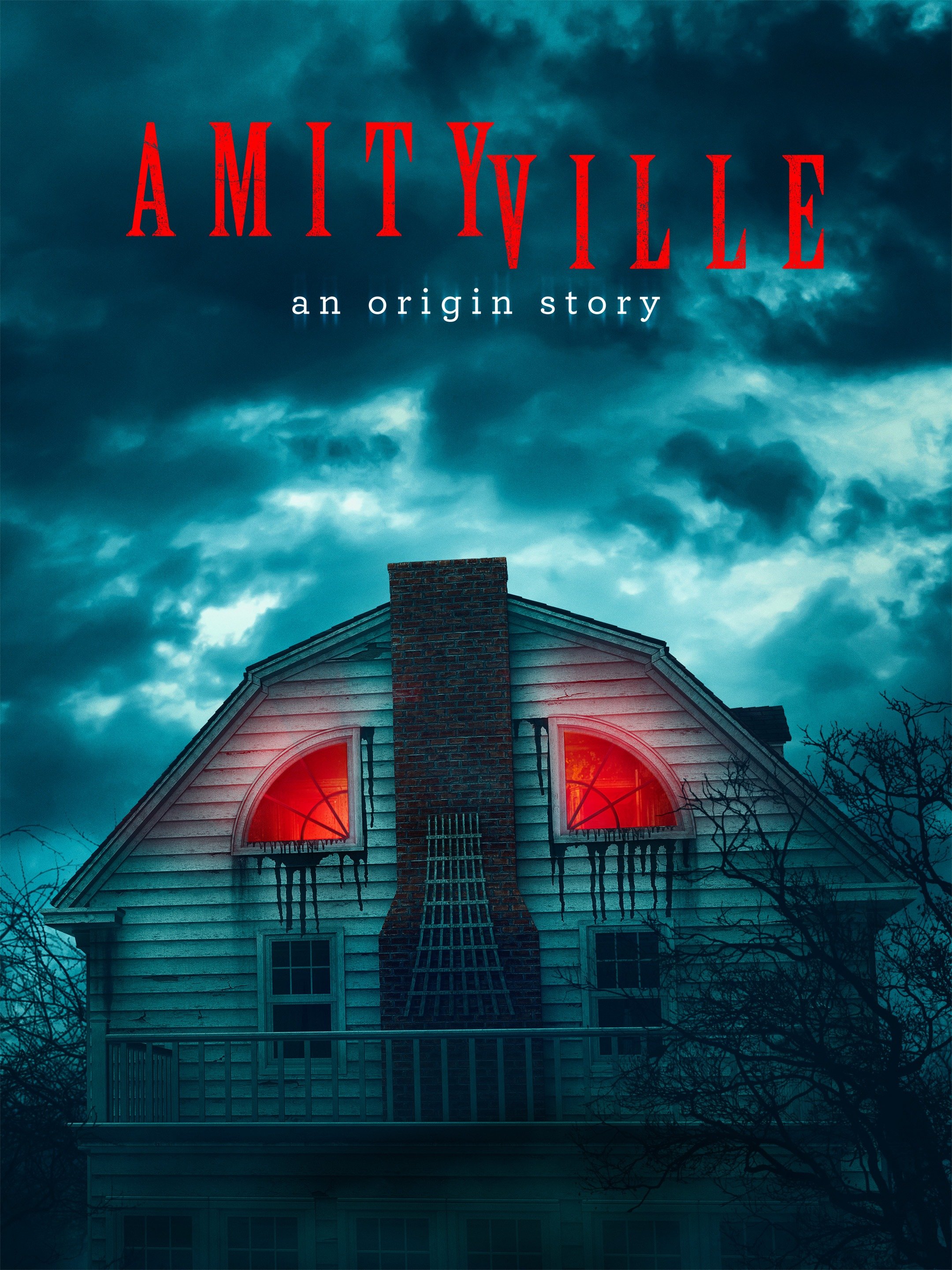
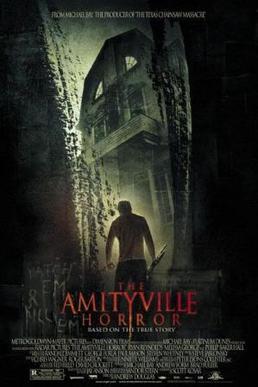
2. **The Amityville Horror (1979)**Few horror films have become as synonymous with the phrase ‘true story’ as Stuart Rosenberg’s ‘The Amityville Horror.’ This 1979 classic plunges audiences into the nightmare of George and Kathy Lutz, who move into a beautiful house in Amityville, Long Island, only to discover it’s far from empty. What follows is a terrifying escalation of strange noises, bleeding walls, and George’s own increasing rage, all pointing to a malevolent presence determined to drive them out.
The film’s immense legacy and box office success are inextricably linked to its chilling legend. A year before the Lutzes moved in, the house had been the site of a brutal mass murder, where Ronald DeFeo Jr. killed his entire family. The Lutz family subsequently claimed they were terrorized by paranormal activity and fled after just 28 days. While skeptics, and later lawsuits, have cast serious doubt on the supernatural elements of their account, the film leans fully into the haunting, turning a real tragedy into a widespread cultural phenomenon.
‘The Amityville Horror’ powerfully demonstrates the effectiveness of a ‘loaded’ location in horror. By grounding its supernatural narrative in the undeniable factual horror of a real murder, the film skillfully builds tension and convinces audiences of the lurking evil. It effectively remade the concept of possessed real estate for the American middle-class, influencing a multitude of subsequent haunted house films, from ‘Poltergeist’ to ‘Paranormal Activity,’ and forever linking the idea of a ‘true haunting’ with its notorious address.
Read more about: When Main Street Becomes Massacre Street: 6 Real-Life American Small-Town Tragedies That Unleashed Cinematic Horrors

3. **The Girl Next Door (2007)**’The Girl Next Door’ is a deeply disturbing indie thriller that doesn’t rely on jump scares or supernatural entities, but rather on the chillingly plausible reality of human cruelty. Set in a seemingly quiet suburb, the film introduces teenage sisters Meg and Susan, who move in with their Aunt Ruth. What begins as a temporary arrangement quickly devolves into a nightmare, as Ruth reveals herself to be a monster, imprisoning Meg in her basement and encouraging the neighborhood children to participate in her horrific abuse.
This film unflinchingly mirrors the real-life torture and murder of Sylvia Likens in 1965. Sylvia, left in the care of Gertrude Baniszewski, was subjected to unspeakable abuse that ultimately led to her death, with adults and children alike witnessing or actively participating in the atrocities. It stands as one of America’s most sickening and heartbreaking crimes, and the film does not shy away from the brutal, uncomfortable truth of what transpired.
‘The Girl Next Door’ is undeniably a brutal watch, making it an essential, albeit difficult, viewing experience for anyone interested in horror rooted in human depravity. It’s not about explicit gore; instead, its power comes from implication, raw realism, and the horrifying truth of collective cruelty lurking behind closed doors in seemingly ordinary neighborhoods. The film serves as a potent commentary on the darkest aspects of human nature and the capacity for evil to exist in the most mundane settings.
Read more about: You’ll Scream, You’ll Laugh: These Are The Horror Comedies You ABSOLUTELY Need To Watch Right Now

4. **Open Water (2003)**Imagine the worst possible scenario during a relaxing vacation: you’re scuba diving, enjoying the serene underwater world, and then you surface to find your boat has vanished, leaving you stranded in the vast, unforgiving ocean. This nightmarish scenario became a horrifying reality for Americans Tom and Eileen Lonergan in 1998, a real-life disappearance that inspired the harrowing survival horror film ‘Open Water.’
Filmmaker Chris Kentis stripped away all sensationalism to craft a minimalist and incredibly effective thriller. The movie follows Daniel and Susan, a couple accidentally abandoned by their tour group in the middle of the Great Barrier Reef. What unfolds is a terrifying ordeal of exhaustion, the looming threat of sharks, and the creeping, quiet realization that no one is coming back for them. The film’s strength lies in its raw tension, eschewing dramatic music and explicit gore for the sheer dread of isolation and slow panic.
Kentis’s approach, which included shooting in the actual ocean with real sharks, lends the incident a severely anxious realism that keeps your stomach tied in knots for the entire 80-minute runtime. ‘Open Water’ is a masterclass in doing more with less, proving that mood and pacing can do all the heavy lifting in horror. For aspiring filmmakers, it’s a stark reminder that the most profound scares often stem from simple, plausible fears amplified by realistic execution and the sheer power of the unknown.
Read more about: Beyond the Dutton Ranch: Uncovering Where You’ve Seen Your Favorite Yellowstone Stars Before
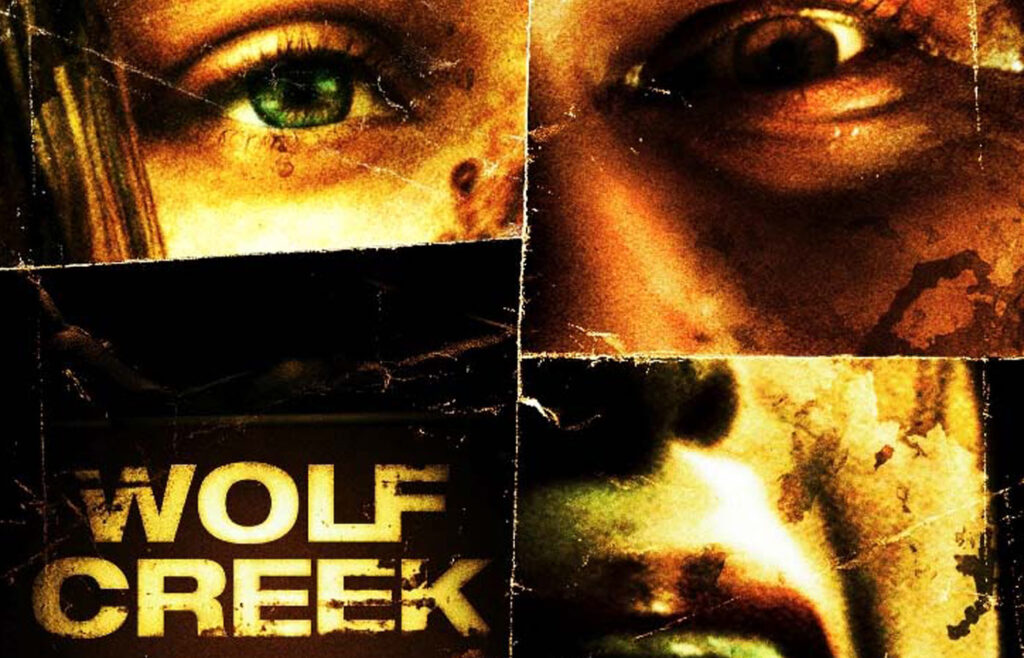
5. **Wolf Creek (2005)**For anyone planning a road trip through the Australian outback, ‘Wolf Creek’ might just make you reconsider your itinerary. This brutal and relentless slasher film introduces three backpackers — Liz, Kristy, and Ben — whose carefree adventure takes a horrific turn when they encounter Mick Taylor, a seemingly helpful local who quickly reveals himself to be a sadistic predator. It’s the kind of remote, isolated terror that gets under your skin, tapping into primal fears of being lost and vulnerable.
Director Greg McLean drew heavily from real-life serial killers who preyed on travelers in Australia. The character of Mick Taylor and the film’s terrifying premise are inspired by the infamous Ivan Milat, who murdered hitchhikers in the 1990s, and elements of Bradley Murdoch’s attack on a British tourist. While ‘Wolf Creek’ doesn’t recreate specific events, it powerfully echoes the paranoia and visceral violence associated with being stranded in the middle of nowhere with a truly monstrous individual.
What makes ‘Wolf Creek’ so effective is its commitment to plausible, human-centric horror. The film leverages the deep-rooted fear of the unknown, particularly when one is far from civilization and at the mercy of another person. It teaches filmmakers that sometimes, the scariest threats aren’t supernatural entities but rather the all-too-real human predators who can turn a dream trip into a living nightmare. A simple premise, executed with unflinching realism, can be far more terrifying than any fantastical monster.
Read more about: From Rhodes Scholar to Rebel Star: Tracing Kris Kristofferson’s Unconventional Path to Hollywood Stardom
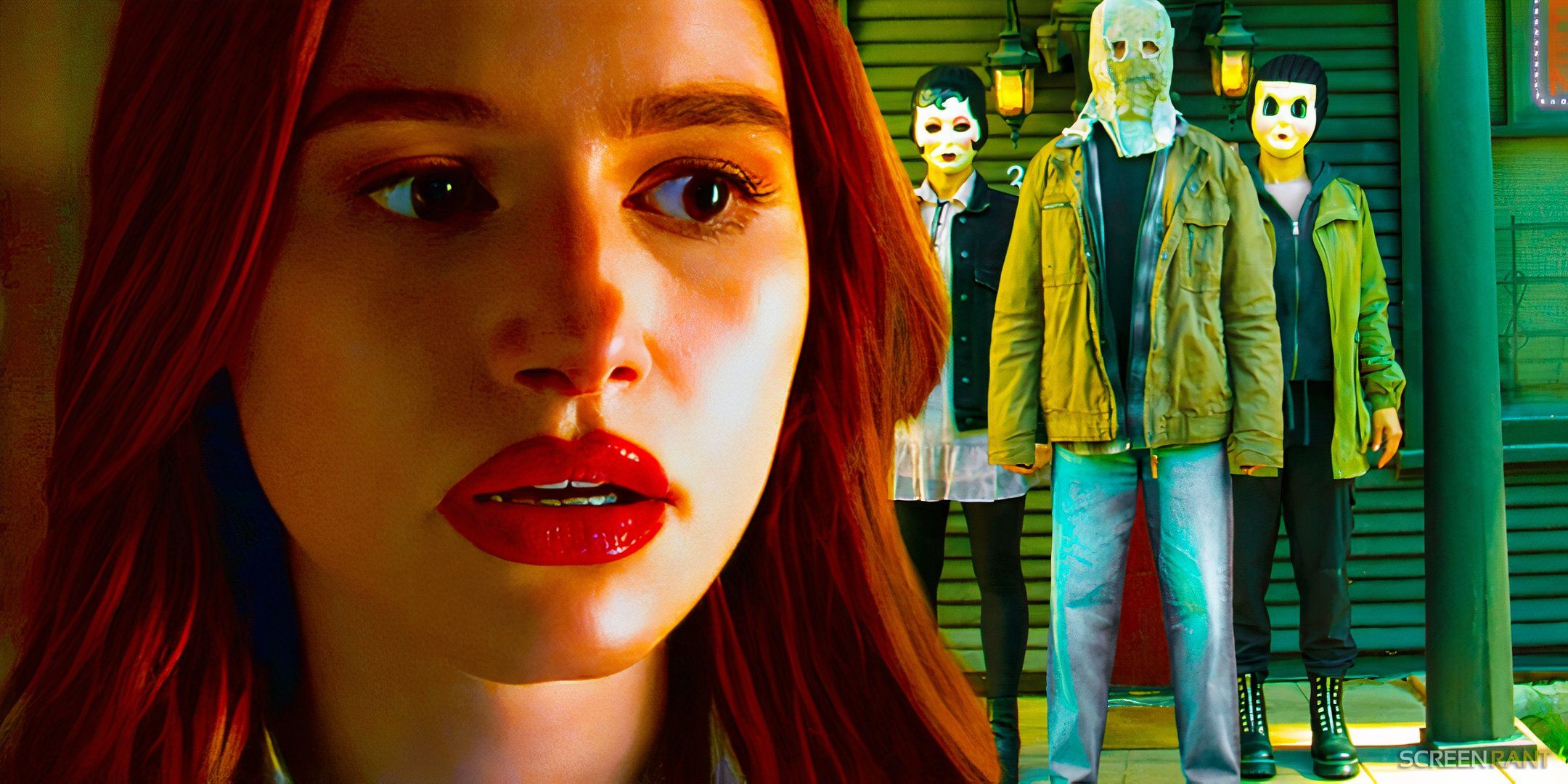
6. **The Strangers (2008)**’The Strangers’ is a masterclass in home invasion horror, delivering a relentless sense of dread built on the chilling premise of random violence. The film follows Kristen and James, a couple spending a quiet night at a remote vacation home, only for their evening to be violently interrupted by masked intruders who begin tormenting them without any apparent motive. It’s a terrifying scenario made all the more potent by its sheer senselessness.
Director Bryan Bertino has cited a range of real-life home invasion cases as inspiration, including the infamous Manson Family murders and the unsolved Keddie Cabin murders. The film’s most iconic and disturbing line, uttered by one of the masked assailants – “Because you were home” – perfectly encapsulates the arbitrary and terrifying nature of such violence. There are no grand motives, no personal vendettas, just pure, unadulterated terror inflicted for no reason at all.
What truly elevates ‘The Strangers’ is its brilliant use of a slow burn. The camera lingers, the tension builds gradually, and the intruders don’t rush their victims; they wait, observing, playing with their prey. This patience is a crucial lesson for horror directors, demonstrating that silence and anticipation can do far more damage to an audience’s psyche than any cheap jump scare. The unseen, the implied, and the chilling lack of motive make this film an enduringly terrifying exploration of real-world fear.
Read more about: Chrono-Logic: The Maverick Directors Who Shot Their Masterpieces in Unconventional Order
7. **Borderland (2007)**Taking us into truly dark and disturbing territory, ‘Borderland’ is an indie horror flick that dramatizes the horrifying events surrounding a real-life cult. The story follows three American college students who cross into Mexico for a party weekend, only to find themselves ensnared in the grip of a brutal ‘narcosatanist’ cult involved in ritual killings and drug trafficking. It’s a visceral, unsettling journey into a world where faith and depravity intertwine.
This film is squarely based on the real-life cult led by Adolfo Constanzo in 1989. Constanzo, a drug dealer who practiced Palo Mayombe, orchestrated human sacrifices as a means of assisting his associated cartel. The group became notorious after they kidnapped and murdered Mark Kilroy, a University of Texas medical student, triggering a massive international investigation. While the film embellishes some details for cinematic effect, a lot of its core horror is disturbingly factual, making it an incredibly chilling experience.
‘Borderland’ doesn’t flinch from the gritty, violent reality of its source material. It’s a film that’s grounded in a horrifying truth: that sometimes the scariest villains aren’t supernatural or mythical, but organized, ritualistic, and very, very real. For genre filmmakers, it serves as a stark reminder that the deepest and most unsettling fears can often be found in the darkest corners of human society, where belief systems are twisted into tools of unspeakable horror.
8. **The Serpent and the Rainbow (1988)**Directed by the legendary Wes Craven, “The Serpent and the Rainbow” takes us on a fascinating, albeit terrifying, journey into the heart of Haitian voodoo. The story follows anthropologist Dennis Alan as he investigates a mysterious drug rumored to create zombies. What he uncovers isn’t just about the undead, but a complex tapestry of voodoo rituals, secret societies, and the chilling reality of state-sanctioned terror. It’s a departure from Craven’s usual slasher fare, yet it remains profoundly unsettling.
This cinematic exploration of zombification isn’t a mere supernatural fantasy dreamt up in Hollywood. It’s loosely based on Wade Davis’s compelling nonfiction book of the same name, which delved deep into Haitian zombie lore through the lens of ethnobotany. Davis’s real research explored how specific toxins and cultural beliefs could induce a catatonic state, making individuals appear dead and then “reanimated” with no memory or will of their own. Craven masterfully uses this foundation, adding his signature supernatural flourishes.
The film brilliantly illustrates how cultural fear, potent drugs, and deep-seated myths can combine to create an experience eerily similar to what we imagine the undead to be. Craven didn’t treat voodoo as a cheap gimmick; instead, he built a rich, immersive world around its practices and dark power. This approach, blending rigorous scientific inquiry with chilling folklore, offers a powerful lesson to filmmakers: respecting and deeply understanding your source material, even when adapting it for horror, can lead to something far more impactful and thought-provoking than simple jump scares. It’s about building a narrative that resonates on multiple, unsettling levels.
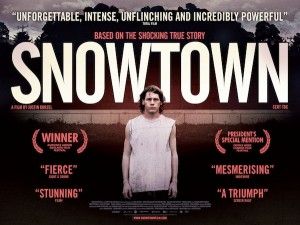
9. **Snowtown (2011)**If you’re ever looking for a film that dares you to stare directly into the abyss of the human psyche, then Justin Kurzel’s “Snowtown” is a chilling, unblinking portrait you won’t soon forget. Set in a bleak Australian suburb, this intense film drags audiences into the grim reality of teenager Jamie as he slowly but surely gets ensnared in the violent world of John Bunting. Bunting, a manipulative figure, leads a group in torturing and murdering individuals they deem “deviants,” painting a picture of calculated, horrifying depravity.
This isn’t a story that just *leans* on real events; it’s a near-documentary-style retelling of Australia’s infamous “Snowtown Murders,” also grimly known as the “Bodies in Barrels” case. Over several years, John Bunting and his accomplices were responsible for the murders of at least 11 people, and the film does not shy away from the horrific details of these atrocities. It’s an incredibly accurate, and consequently incredibly hard-to-watch, depiction of a truly dark chapter in criminal history, making it a benchmark for true crime horror.
What truly makes “Snowtown” such a potent and disturbing experience is its commitment to raw realism and an overwhelming sense of mood. The performances are incredibly visceral, and the camera work is unblinking, almost forcing you to become an uncomfortable witness to the unfolding horror. There’s no glamorous violence, no heroic escape; just a suffocating sense of claustrophobia and moral decay. For aspiring filmmakers, it’s a stark reminder that the most profound and lasting scares often come from presenting human evil with unflinching honesty, proving that when horror feels *too* real, it becomes unforgettable.
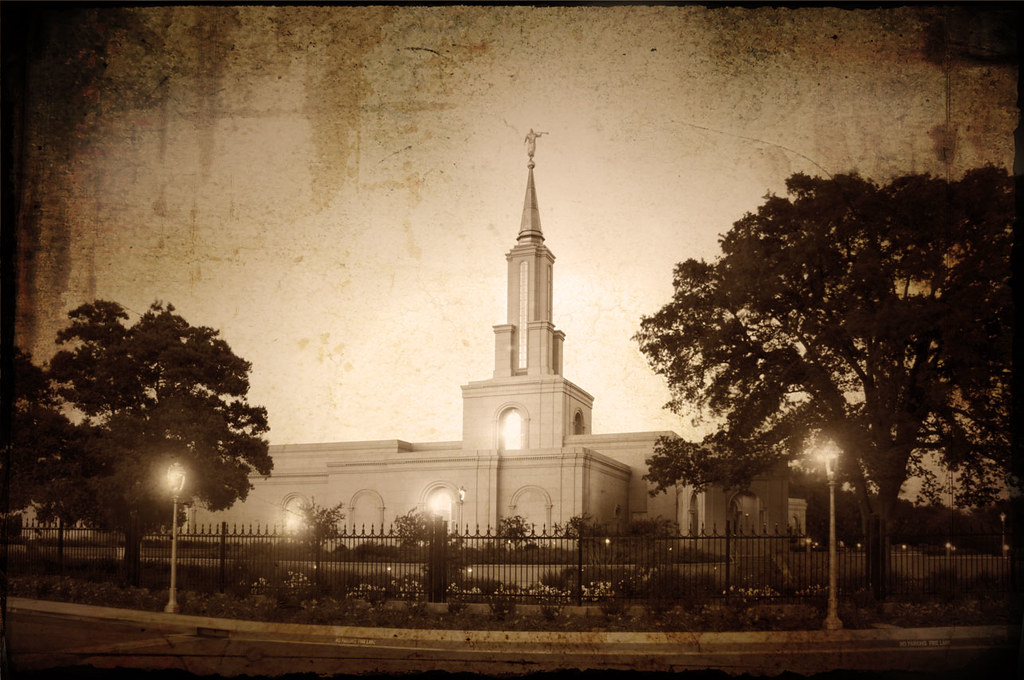
10. **The Sacrament (2013)**Ti West, known for his masterful slow-burn horror, delivered a profoundly unsettling experience with “The Sacrament,” a film that taps directly into one of the most tragic and horrifying real-world events in modern history. The movie plunges us into the story of a VICE-style documentary crew, whose investigation into a remote religious commune quickly takes a dark turn. As they try to interview its charismatic but enigmatic leader, “Father,” it becomes chillingly clear that the residents are not there by free will, and escape might not be an option.
This film is a direct, chilling riff on the Jonestown Massacre of 1978, an event etched into history as one of the largest mass murder-suicides orchestrated by a cult leader, Jim Jones, with over 900 lives lost. West reimagines this historical horror through a found-footage lens, a format that grants the story a terrifying sense of immediacy and authenticity. By mimicking real VICE footage so effectively, the film makes you feel like you are right there, witnessing the unfolding nightmare, desperate for a way out that never comes.
“The Sacrament” masterfully maintains a grounded and believable tone throughout, despite the escalating horrors. The fake documentary format isn’t just a stylistic choice; it’s a crucial storytelling device that amplifies the realism, making the cult’s insidious grip and the final, horrifying outcome feel tragically inevitable. For horror creators looking to adapt real-world tragedies, Ti West’s approach is a compelling case study. It demonstrates how smart, modern framing devices can breathe new, terrifying life into historical events, making them resonate deeply with a contemporary audience by blurring the lines between news report and narrative.
Read more about: Dive In! 12 Beach-Ready TV Shows You Absolutely MUST Binge This Summer

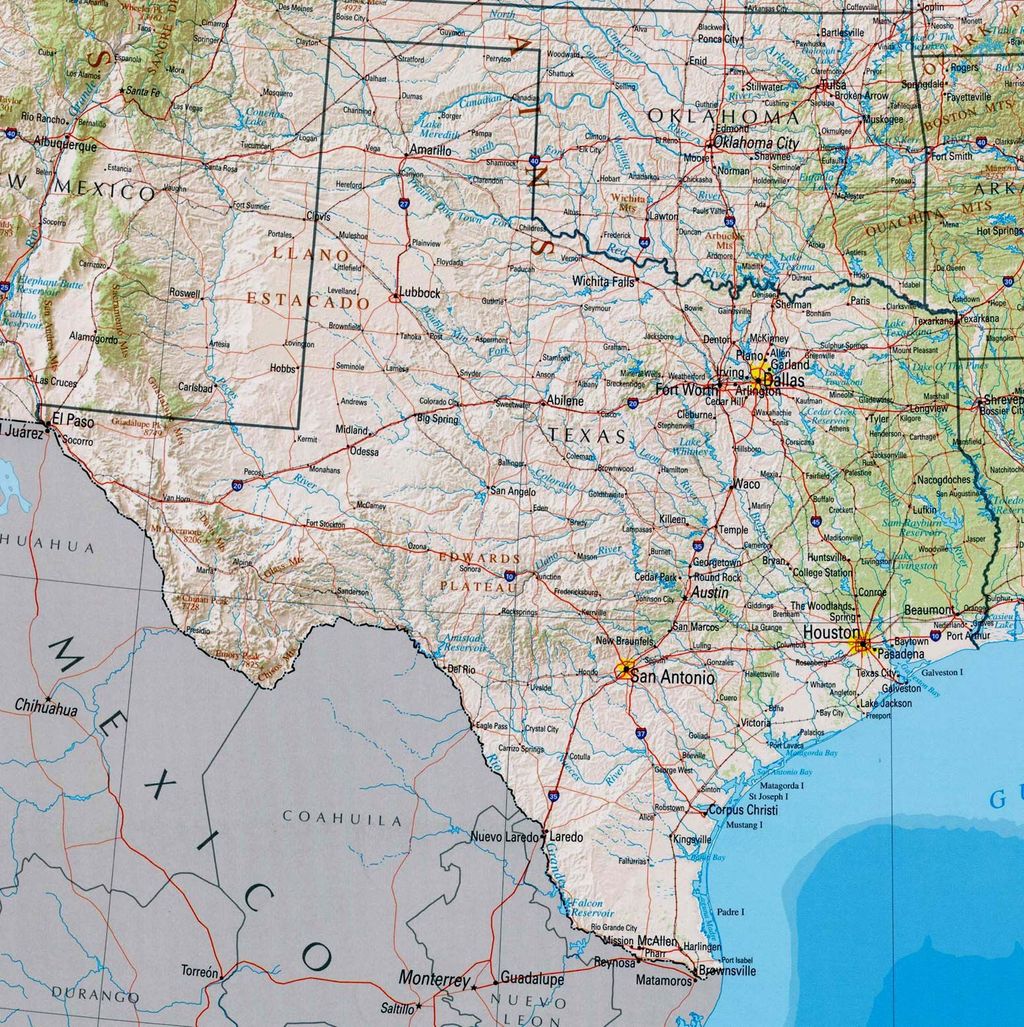
11. **The Town That Dreaded Sundown (1976)**Long before the likes of the Zodiac and Son of Sam terrorized major cities, the unassuming town of Texarkana, nestled on the Texas-Arkansas border, was gripped by a string of brutal and unsolved murders. This harrowing chapter in American crime history became the basis for Charles B. Pierce’s 1976 film, “The Town That Dreaded Sundown.” The movie depicts the terror inflicted by a masked killer who stalked and murdered couples at night, leaving the community paralyzed with fear and the perpetrator’s identity a persistent mystery.
The film hews remarkably close to the facts of the true “Phantom Killer” case of 1946. Eight people were attacked, five fatally, and the killer was never brought to justice. This lack of resolution allowed the film, made by ad-man turned filmmaker Pierce, to exploit the chilling idea that ‘he still lurks the streets,’ as its iconic poster grimly warned. While often considered a low-budget slasher, its blending of documentary-style narration with dramatic reenactments gives it a strange, unsettling tone that sets it apart from many genre contemporaries.
What makes “The Town That Dreaded Sundown” enduringly fascinating, especially for its time, is its pioneering approach to mixing true crime with dramatic flair. It’s an early example of how horror can walk a thin line between a news report and a terrifying fiction. By presenting actual police procedures and known facts alongside fictionalized speculation (like the infamous trombone bayonet scene), the film creates a heightened sense of dread. It serves as a powerful reminder that sometimes, the most unsettling horror doesn’t need supernatural elements; it just needs the real-world fear of an unknown, unpunished killer whose shadow still looms.
Read more about: When Main Street Becomes Massacre Street: 6 Real-Life American Small-Town Tragedies That Unleashed Cinematic Horrors
12. **Fire in the Sky (1993)**When we talk about horror rooted in real events, alien abduction might seem like a stretch, but hear us out. “Fire in the Sky” delivers a uniquely frightening experience, drawing from the highly controversial, yet well-documented, disappearance of former logger Travis Walton. The film takes us to Arizona in 1975, where Walton and his fellow loggers witness a strange light in the sky. What follows is a terrifying account of Walton going missing for five days, only to reappear traumatized and with a story that would baffle investigators and ignite decades of debate.
The real Travis Walton has never wavered from his insistence that he was abducted by extraterrestrials, subjected to a violent examination, and then returned to Earth. While the alien abduction elements are, by their very nature, impossible to definitively prove, the *disappearance* of Walton and the subsequent fallout—including polygraph tests, media frenzies, and legal battles—are well-documented facts. The film uses this grounded reality to its advantage, building a foundation of credibility before launching into its utterly surreal and horrifying abduction sequence.
And what an abduction sequence it is! “Fire in the Sky” is renowned for its depiction of Walton’s time inside the alien spacecraft, which remains pure nightmare fuel for many viewers. It’s a frighteningly tactile experience; you see his captors in terrifying close-up, feel the unsettling textures, and are exposed to bizarre, unsettling medical procedures. The film’s brilliant structure—grounding the initial mystery in believable human drama before unleashing the truly unbelievable—offers a masterclass for genre filmmakers. It proves that by establishing a strong, relatable reality first, you can then push the boundaries of what’s believable, making the fantastical elements all the more impactful and terrifying.
Read more about: The 1965 Emmy Paradox: Why Did Comedy’s Icons Share a Single Category, and What It Reveals About the Awards’ Shifting Legacy?
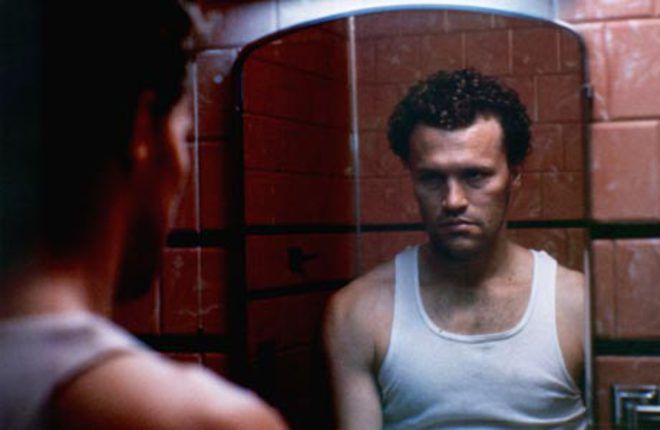
13. **Henry: Portrait of a Serial Killer (1986)**If you’re after a horror film that’s less about jump scares and more about the cold, bleak reality of human depravity, then John McNaughton’s “Henry: Portrait of a Serial Killer” is a harrowing, essential watch. Michael Rooker’s chilling portrayal of Henry, a man who drifts through life committing casual, brutal murders with his unstable roommate Otis, is utterly devoid of glamour or empathy. The film presents violence not as spectacle, but as a methodical, detached act, making it one of the most disturbing and unforgettable examinations of a killer’s mind.
This film draws its dark inspiration from the real-life confessions of Henry Lee Lucas and Ottis Toole, two drifters whose claims of countless murders horrified America. While many of their specific confessions were later debunked or wildly exaggerated, the film doesn’t attempt to recreate individual murders. Instead, it powerfully captures the unsettling randomness, the psychological void, and the chilling lack of remorse that defined their reported reign of terror. It delves into the *essence* of their depravity, rather than a factual recreation of every crime.
What truly makes “Henry: Portrait of a Serial Killer” so haunting and effective is its relentless, unsparing tone. There’s no dramatic soundtrack to cue your emotions, no stylized violence to make it palatable. It’s cold, distant, and brutally matter-of-fact, almost like a clinical observation of evil. This approach serves as a grim, powerful reminder for filmmakers that some stories *should* feel uncomfortable. Not every killer deserves cinematic flair or a grand narrative; sometimes, the most profound horror comes from simply presenting the unadorned, quiet terror of a human monster in their natural, horrifying element. It’s a film that stays with you, long after the credits roll, because of its stark, disturbing honesty.
There’s something truly different about watching a horror movie when you know, in the back of your mind, that the monsters weren’t just made up for the screen. These films don’t just scare you in the moment; they burrow deep, lingering because they’re tethered to something that genuinely happened. Whether they borrowed a premise or painfully recreated events, directors and writers walked a tightrope, borrowing from real-life tragedy to create cinematic terror. The best of them handle that weight with immense care, while others use the grim facts as a launchpad for even bolder genre explorations.
So, the next time you’re curled up watching a chilling flick, take a moment to consider where that scream-inducing plot truly came from. Because, as this list proves, the line between reality and horror is often thin, slippery, and disturbingly easy to cross. Which of these true horror stories left you sleeping with the lights on? Let us know!
Oh, and just a friendly reminder to double-check those locks tonight. You know, just in case.