
Ever wondered what truly goes on behind the dazzling facade of Hollywood filmmaking? Beyond the red carpets, the blockbuster premieres, and the glowing reviews, there’s a whole world of unwritten rules, quirky demands, and sometimes downright bizarre behaviors that shape the movies we love. It’s a fascinating backstage drama where star power often collides with production realities, leading to some truly unforgettable stories.
At times, these extraordinary demands come directly from the actors themselves, seeking to protect their artistic integrity, their meticulously crafted image, or simply their sanity in an intensely high-pressure environment. We’ve seen legendary method actors disappear so deeply into a role they seemingly forget their own name, or powerful stars literally write their own ‘no-death’ clauses into contracts to secure their longevity in sequels. The lengths to which some go for their craft, or simply for their comfort, can be utterly astounding.
So, buckle up, because we’re about to pull back the curtain and dive into some of the wildest rules that have governed sets and careers throughout cinematic history. Get ready to explore the eccentricities and non-negotiables that actors have brought to the table, showcasing just how much goes into bringing those cinematic dreams to life!
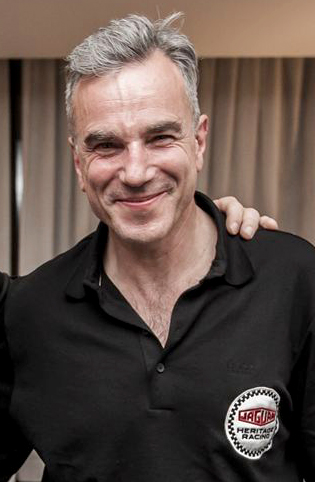
1. **Daniel Day-Lewis’s Method Immersion: The Lincoln Rulebook**When we talk about actors taking their craft to an almost mythical level, Daniel Day-Lewis often tops the list. This decorated performer is famous for his method acting and being incredibly selective about the roles he plays, diving headfirst into characters with an intensity that can sometimes blur the lines between actor and role. For his iconic portrayal of the 16th president in Steven Spielberg’s 2012 biopic *Lincoln*, Day-Lewis took his immersive approach to an entirely new level.
His preparation for the role was nothing short of monumental. Day-Lewis spent about a year studying the president’s own writings, along with countless other historical sources, including photographs. He looked at them “the way you sometimes look at your own reflection in the mirror and wonder who that person is looking back at you,” a quote that perfectly encapsulates the depth of his transformation and his complete conviction that he was indeed Abraham Lincoln.
This commitment meant that Day-Lewis essentially became Lincoln on set. Naturally, President Abraham Lincoln wouldn’t condescend to be addressed by any name other than his own. In a remarkable show of dedication to his star’s process, Spielberg, along with the entire cast, referred to Day-Lewis by his character’s name throughout the entirety of filming. This wasn’t just a courtesy; it was a firm rule on set, ensuring the integrity of Day-Lewis’s method acting remained unbroken.
But the rule didn’t stop there. Day-Lewis’s immersion meant that other actors had to adjust their performances, too. The actor playing Ulysses S. Grant, Jared Harris, was asked by Spielberg not to speak in his natural British accent. This direct request was made to avoid throwing off Day-Lewis’s meticulously honed rhythm and American cadence. So, while Day-Lewis was deep in character, he required the same profound dedication from his co-stars, ensuring the entire set operated within the historical bubble he had so carefully constructed.
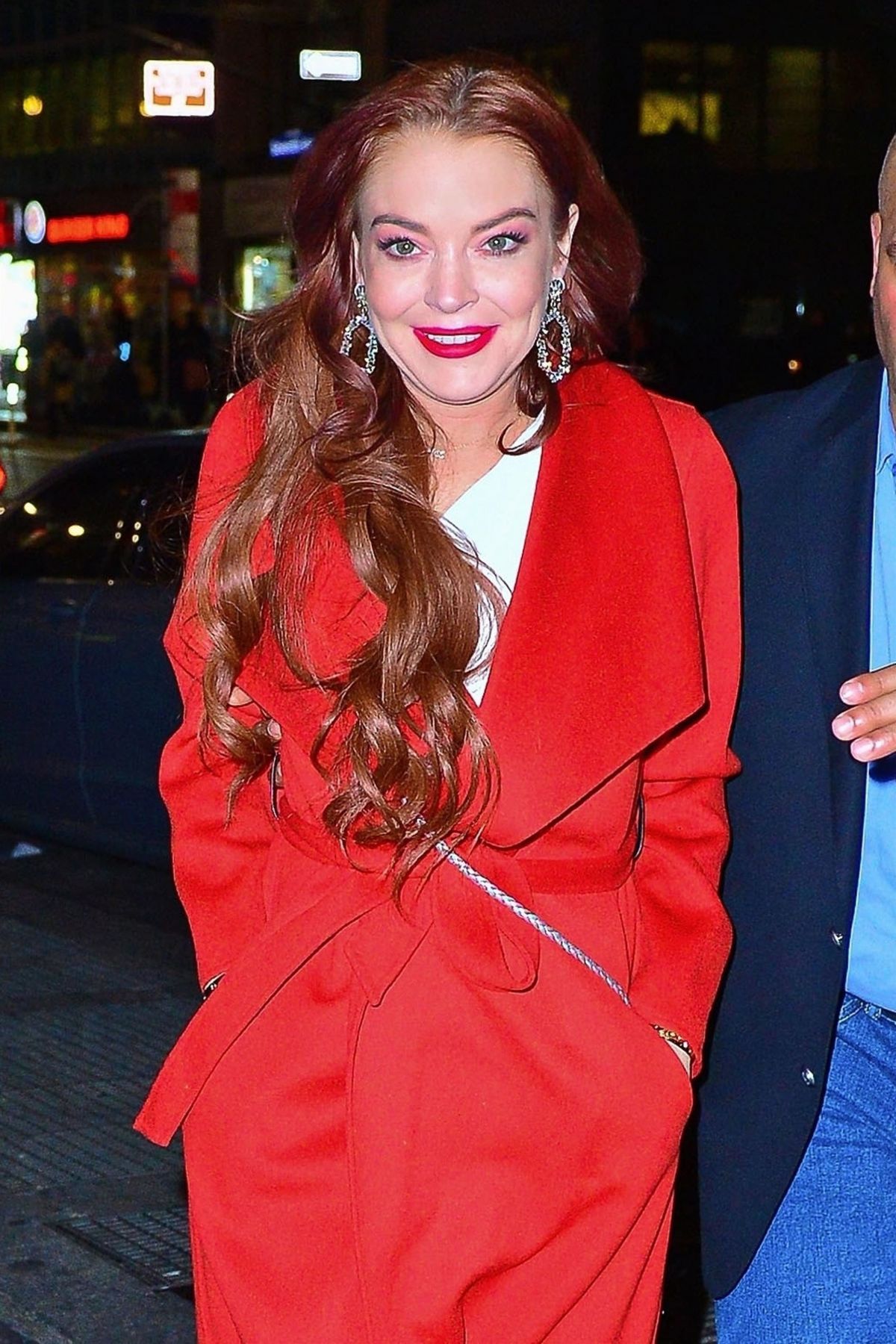
2. **Lindsay Lohan’s Unconventional Request: Stripping Down for Comfort**Movie sets, especially for erotic thrillers, can be incredibly vulnerable places for actors. Lindsay Lohan certainly found herself in such a situation during the filming of Paul Schrader’s 2013 film *The Canyons*, where she starred opposite adult film actor James Deen. Lohan was initially uncomfortable with the expectation of shooting a semi- love scene and, understandably, refused to go topless for the camera.
We’ve all heard the age-old stage fright advice: imagine everyone in their underwear to level the playing field. Lohan, however, took that advice one massive step further. To ensure everyone felt equally vulnerable and to make herself comfortable enough to proceed, she actually asked all 10 members of the crew to strip down first.
As actor rules and requests go, this one might sound absolutely wild, but it highlights the extreme measures sometimes necessary to navigate intensely personal scenes. It leveled the playing field, making the compromised audience of the crew unable to judge and allowing Lohan to feel empowered enough to deliver the scene. Sometimes, a little unwrapping is required to get to the final wrap of production.
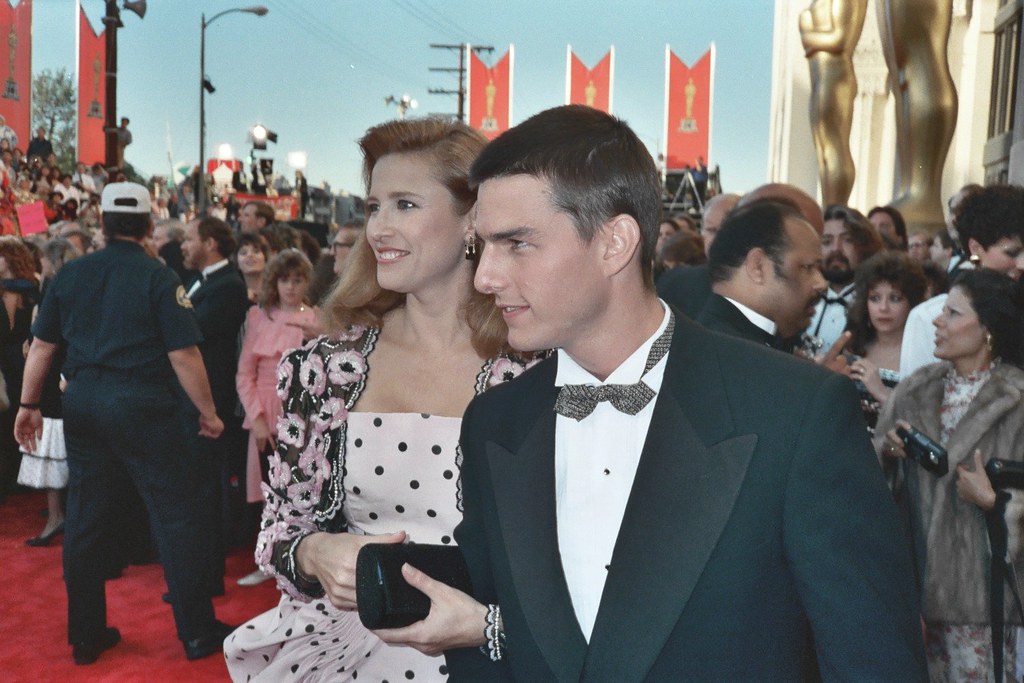
3. **Tom Cruise’s Exclusive Running Clause: No Co-Star Left Behind (Unless Running)**Tom Cruise is legendary for performing his own stunts, from dizzying skydives to complex underwater sequences. Even the seemingly simple act of running, however, takes on an almost mythic intensity when Cruise is involved. He approaches it with the same rigorous dedication he applies to his most dangerous feats, making it a “stunt” uniquely his own.
For sprinting scenes, Cruise reportedly keeps dozens of thongs ready on set, valuing the comfort and flexibility they offer for maximum performance. But beyond his personal attire choices, Cruise has a hard-and-fast rule that truly sets him apart: no one is allowed to run alongside him. It’s a distinctive demand that underscores his unique approach to action sequences and his singular focus when in motion.
This strict policy has made headlines, with his *The Mummy* co-star Annabelle Wallis claiming that she is the only person for whom he has ever made an exception. Wallis meticulously timed her treadmill workouts, ensuring Cruise would walk in and witness her running prowess, which eventually led to her inclusion in running scenes in the 2017 film. Viewers have pointed out instances where he has run alongside other actors in some films, such as *Jack Reacher: Never Go Back*, but for the vast majority of his projects, he adheres to this personal edict, and other actors are bound to comply.
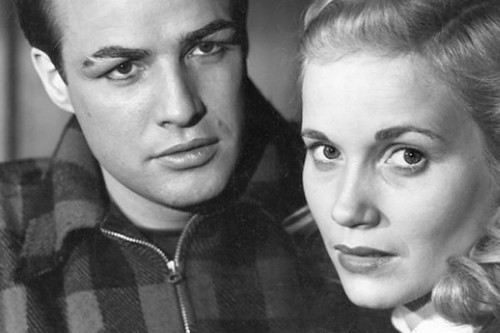
4. **Marlon Brando’s On-Set Rebellion: Improvisation and Unpredictability**Marlon Brando, a name synonymous with acting genius, also garnered a reputation for being exceptionally challenging on set. His work on 1996’s *The Island of Dr. Moreau*, an adaptation of the H. G. Wells novel, became an infamous example of a star completely taking over a production. Screenwriter Ron Hutchinson recounts how Brando, much like the film’s scientific monster, effectively hijacked the entire film.
One of his primary mandates was a flat-out refusal to learn any of the lines written for him, instead demanding the right to improvise. This is no small request, as one actor’s improvisation necessitates drastic changes to the parts of everyone else in his scenes, throwing carefully planned dialogue and pacing into disarray. Brando’s creative liberties meant constant adjustments for his co-stars and the crew, creating a chaotic atmosphere.
Brando’s commandeering didn’t stop with the script. He became enamored with actor Nelson de la Rosa, who was just under 28 inches tall, and insisted that he appear alongside him in the film, further complicating the narrative and production. Coupled with his strange wardrobe demands and frequent refusal to leave his trailer, his bizarre directives had a profoundly disruptive effect on the film’s cohesion and morale.
This on-set toxicity eventually resulted in other extreme rules, even if they weren’t laid down by Brando himself. Tensions rose to the point that one actor, unnamed by Hutchinson, was prohibited from handling a gun on set – even a prop gun that fired blanks. Brando’s unpredictable presence and personal demands cast a long shadow, transforming the production into a deeply challenging experience for everyone involved.

5. **Queen Latifah’s Immortal Clause: No Dying Allowed**If you could write your own contract in Hollywood, many would likely take a page from Queen Latifah’s rulebook. The celebrated actress, who is also a brilliant singer, rapper, songwriter, and producer, has shrewdly incorporated a contract clause that absolutely forbids her characters from being killed off. It’s less a request and more an unbreakable law in her cinematic universe.
This ingenious clause originated after her role in the 1996 heist film *Set It Off*. Queen Latifah realized she was enduring “far-too-epic film deaths” and, as she admitted, she “died really good” in that movie. This realization sparked a brilliant bit of foresight: if she kept dying so effectively, productions might just keep killing her off, which would, of course, prevent her from appearing in any potential sequels.
Her solution was elegant and effective. Now, Queen Latifah reigns supreme on set, with every storyline constrained by the unwavering fact that, no matter how much dramatic value it might add, her character must always survive. This rule has a significant impact on the flexibility of overall plots and the individual storylines of other characters, as writers and directors must navigate a universe where her character is essentially untouchable by death.
For the multi-talented artist, however, the benefits clearly outweigh any creative limitations. This unique contractual demand ensures her longevity in franchises and speaks volumes about the power a star can wield when they understand their own value and potential future earnings. Long live the Queen, indeed!
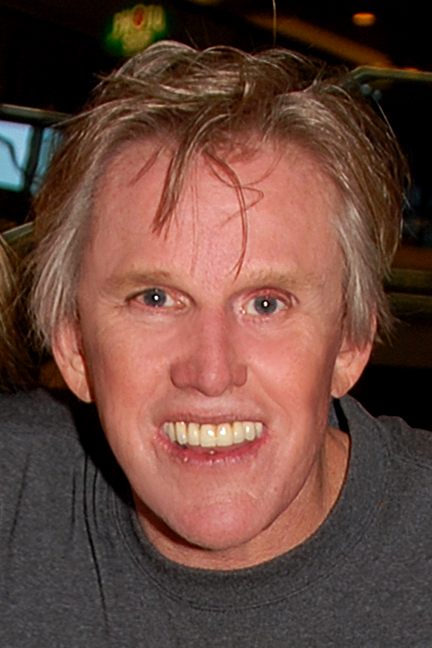
6. **Gary Busey’s Heavenly Insight: The No-Mirrors Mandate**Sometimes, an actor’s demand comes with a story so bizarre it feels like it’s descended from the great beyond itself. Gary Busey certainly brought a divine directive to the set of the 2003 Christian comedy film *Quigley*. After a 1994 motorcycle accident, Busey had a near-death experience, passing away on the operating table during neurosurgery. He later told Larry King that he had an out-of-body experience and “got some messages.”
While the full content of these celestial communiqués remains a mystery, one message Busey was eager to share concerned the aesthetics of the afterlife: there are no mirrors in heaven. The production design team for *Quigley*, a film about a billionaire who dies and returns as a Pomeranian, had apparently included mirrors as a nice touch for the celestial set. However, Busey insisted that he couldn’t play a scene until these perceived inaccuracies were resolved.
This demand led to a significant on-set delay, with production effectively halted until the mirrors were removed or covered, bringing the set design in line with Busey’s unique spiritual insights. The actor was adamant, believing his firsthand experience of the afterlife superseded any earthly set designer’s vision.
In a twist that could only happen in Hollywood, co-star Curtis Armstrong revealed that another actor on set, who also boasted his own near-death experience, came to blows with Busey over what heaven actually looks like. This incredible clash of celestial visions highlights the often-surreal and intensely personal demands that can shape a film’s production, sometimes with explosive results.
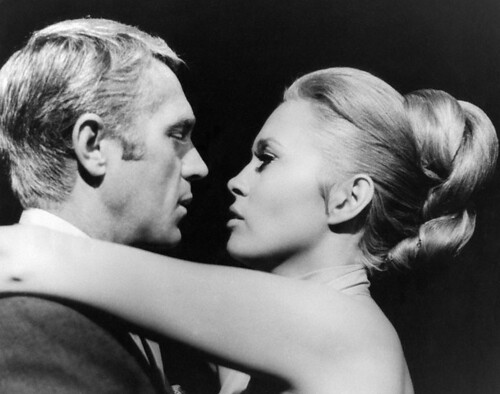
7. **Steve McQueen’s Line-for-Line Battle: The Equal Screen Time Fight**Hollywood has always been a hotbed of rivalries, and while salary debates often grab headlines, the true competition can sometimes manifest in subtler, yet equally impactful, ways. The 2014 documentary *I Am Steve McQueen* reveals that for the iconic actor, his unspoken competition was with Paul Newman, a rivalry that began privately in his own mind after their small roles together in the 1956 film *Somebody Up There Likes Me*.
McQueen vowed he wouldn’t suffer the same fate of playing a minor role again, especially not alongside Newman. This simmering ambition erupted during the production of 1974’s *The Towering Inferno*. McQueen, now a bonafide star, famously demanded that he and Newman have the exact same number of lines in the movie. This wasn’t a suggestion; it was a non-negotiable term for his participation.
According to Richard Sydenham’s autobiography *Steve McQueen: The Cooler King*, this demand meant coming up with 12 additional lines for McQueen outside of the original script, a significant rewrite to satisfy his ego and perceived parity. This extraordinary condition highlights the sheer power a star could wield, bending entire screenplays to their will.
His demands extended even to wardrobe. McQueen reportedly requested a change to his fireman’s helmet so that it wouldn’t cast his eyes in shadow, ensuring his piercing gaze was always visible. When the wardrobe department informed him that changing his helmet would necessitate changing everyone else’s, McQueen, as the actor with tied-for-most lines in the movie, simply had the power to make everyone comply. It was a clear demonstration of how a leading man could dictate the smallest details, forcing an entire production to follow his vision.
Phew, after that wild ride through the audacious demands of Hollywood’s biggest stars, you might think you’ve heard it all! But hold onto your hats, because it gets even wilder. While some actors were busy crafting their personal rulebooks for the set, the industry itself was enforcing its own set of guidelines – ones that frequently bordered on the truly archaic and, dare we say, more than a little bit exploitative. We’re talking about a fascinating (and sometimes frustrating!) era when studios held immense power, dictating everything from an actor’s love life to their very name, and even what they could wear or where they could sleep on screen.
It’s easy to look back now and wonder how anyone put up with it, but in the Golden Age of cinema, studios were the gatekeepers to fame and fortune. They had the money, the clout, and the contracts to both make stars and, if crossed, completely break them. These rules weren’t just about maintaining artistic integrity; they were about controlling public image, maximizing profits, and upholding a very specific moral worldview. So, get ready to step back in time and uncover some of the most unbelievable mandates that shaped Hollywood’s golden age, and continue to influence parts of the industry even today!

**8. No Sharing Beds Onscreen: The Twin Bed Mandate**
Imagine a world where even married couples couldn’t share a bed on screen! Sounds wild, right? For decades in Hollywood, that was the strict reality, thanks to the notorious Hays Code. This self-censorship system, implemented by Hollywood studios in the 1930s to appease conservative activists and avoid external regulation, had some truly eyebrow-raising rules, and one of the most iconic was the twin bed mandate.
The Hays Code was all about limiting “lustful” depictions and venerating social institutions like marriage, but with a twist. Even within the sanctity of on-screen matrimony, any hint of intimacy had to be meticulously scrubbed away. Instead of seeing cozy double beds, actors portraying married couples were almost always shown sleeping in separate twin beds. It was a visual shorthand for “married, but absolutely no hanky-panky here, folks!”
This peculiar tradition wasn’t just a quirky design choice; it was a deeply ingrained rule that lasted for years. Filmmakers were compelled to uphold this standard, transforming bedrooms into twin-bedded sanctuaries of platonic marital bliss. It’s a prime example of how even mundane set details were subject to strict moral policing, all to present an image of wholesome, less domesticity to the viewing public.
It wasn’t until the Hays Code began to be phased out in the 1960s, as society embraced more liberal filmmaking and audiences became more accustomed to realistic portrayals, that on-screen couples finally got to snuggle up in a double bed. It seems even Hollywood eventually realized that married people, gasp, often sleep in the same bed! What a concept!

**9. No ‘Lustful’ Scenes: Kisses on a Timer**
Speaking of the Hays Code, its impact on on-screen romance was truly something else! While moviegoers have always been captivated by a good love story, for nearly three decades, the code put a serious damper on passion, preventing any portrayal of “lustful” behavior. This meant that even love scenes that would look hilariously tame by today’s Netflix standards were made even more wooden and awkward by studio censors. Talk about a buzzkill!
Embraces between love interests were heavily regulated to ensure minimal movement and absolutely no suggestive body language. Actors were instructed to hold each other in neutral ways, often by the arms or strictly above the midriff. And when it came to the eagerly anticipated kiss? Forget about a passionate smooch! Once lips locked, that kiss “could not be excessive and lustful,” otherwise, it was a direct violation. Some studios even imposed strict time limits, declaring that on-screen kisses couldn’t last more than a few seconds.
Can you imagine trying to convey deep emotion and sizzling chemistry under those rules? It’s truly astounding what directors and actors had to come up with. Alfred Hitchcock, ever the genius, found a sly workaround in his 1946 classic *Notorious*. He had Cary Grant and Ingrid Bergman engage in multiple small kisses as they held each other, cleverly extending the overall duration of their intimacy without breaking the “no long kisses” rule. A masterclass in cinematic rebellion!
But the code’s reach didn’t stop at kisses. It also stipulated that actors should not be shown lying horizontally together in love scenes, fearing the effect would be too ual. This led to the infamous “feet on the floor” rule. If one actor was lying down, the other—usually the man—had to keep their feet firmly planted on the floor. Why? So they could technically tell the censors they were “standing.” It’s wild to think these were the hoops filmmakers had to jump through!

**10. Actors Couldn’t Turn Down Parts: Studio Dictatorship**
Today, actors have agencies, managers, and a whole team to help them pick and choose roles that align with their brand and career goals. But back in the Golden Age of cinema, it was a completely different ballgame! Studios were all-powerful, and once you signed on, you were essentially their property. One of the most restrictive rules? Actors typically couldn’t turn down parts that were offered to them, whether they liked the script, the director, or even the character. Yikes!
These all-encompassing studio contracts were a double-edged sword. While they provided stability and guaranteed work, they also came with exclusivity clauses that prevented actors from working with other studios. Although, studios would occasionally “loan out” talent, much like a sports team might loan a player. But the ultimate control remained with the studio, and their word was law when it came to your career trajectory.
Take the legendary Bette Davis, for instance. Known for her strong will and incredible talent, she caused a massive scandal when she dared to turn down roles handed to her by Warner Bros. The studio actually took her to court over it! It sounds unbelievable now, but that’s how much power they wielded. And sometimes, this power was used for truly nefarious purposes. The once-lauded actor John Gilbert, after a falling out with his studio, was reportedly fed a string of terrible roles that completely tarnished his reputation and tanked his career. It was a chilling reminder that crossing the studio could mean the end of your Hollywood dreams.
It’s a stark contrast to today’s landscape where actors often have more creative control. The idea of being forced into roles you despise, with your career on the line if you refused, highlights a bygone era where artistic freedom was often sacrificed at the altar of studio might. Thank goodness for progress, right?

**11. Studios Arranged Actors’ Love Lives: Public Image Over Personal Feelings**
You know how celebrities have entire PR teams dedicated to managing their image? Well, back in the day, studios took “image management” to a whole new, intensely personal, and frankly, invasive level! They didn’t just advise; they *dictated* actors’ love lives, arranging relationships and even sham marriages for the sake of maintaining a marketable public persona. It’s a level of manipulation that would undoubtedly spark a major scandal if it happened today!
Consider the “relationship” between Mickey Rooney and Judy Garland. They starred in several films together and were heavily marketed by MGM Studios as an item in real life. Super cute, right? Except, it was all a facade. While Rooney was quite the ladies’ man, Garland was reportedly one of the few co-stars he had no romantic interest in whatsoever, a fact that was heartbreaking to Garland, who was genuinely in love with him. Talk about cruel!
The studio’s control went even further. When Rooney informed MGM head Louis B. Mayer that he planned to marry Ava Gardner, Mayer was absolutely furious and commanded him to call off the wedding! “This is my life,” Rooney retorted, to which Mayer chillingly replied: “It’s not your life. Not as long as you’re working for me.” While Rooney ultimately went ahead with his marriage, it perfectly illustrates the iron grip studios held over their stars’ personal decisions.
Perhaps the most heartbreaking example is Rock Hudson. His homouality was a closely guarded secret, meticulously masked from his adoring fans by his agent and Universal Studios. In 1955, at the studio’s behest, he entered into a sham marriage with actress Phyllis Gates. It was a calculated move to protect his leading man image and career, forcing him to live a lie. They divorced three years later, a poignant testament to the personal cost of these arranged lives. It’s a stark reminder that beneath the glamour, Hollywood could be a deeply isolating and controlling place.

**12. Exploitative Hollywood Contract Clauses: Morals and Measurements**
If you think modern celebrity contracts are intense, you haven’t seen anything yet! Beyond dictating roles and relationships, early Hollywood studio contracts were packed with truly exploitative clauses that gave studios frightening control over actors’ public behavior, health, and even their physical appearance. It was a world where a misplaced public word or an unexpected illness could literally end your career without compensation.
One of the most infamous was the “morals clause.” As discussed in Eve Golden’s *Platinum Girl: The Life and Legends of Jean Harlow*, contracts for “featured players” like Harlow stipulated that their agreement would be void if the actor ever did anything in public that could “degrade her in society or bring her into public hatred, contempt, scorn, or ridicule.” Essentially, act like a perfect angel, or lose everything. While a public gaffe can still damage a star’s career today, these clauses were incredibly broad and could be interpreted in the most draconian ways.
But it got even more shockingly personal. In Harlow’s case, her contract went a step further, stating she would be let go *without compensation* if any physical changes to her body, including illness or facial injuries, might damage her “bombshell appeal” for more than two weeks. Yes, you read that right. Your health or an unfortunate accident could cost you your livelihood, simply because it might temporarily affect your marketability.
These clauses highlight a disturbing reality: actors were often viewed less as artists and more as valuable assets, whose primary purpose was to maintain a marketable image at all costs. The idea that a studio could dismiss you for getting sick or injured, especially without pay, is a grim reminder of the unchecked power dynamics that once ruled Tinseltown. It truly makes you appreciate how far worker protections have come!

**13. Studios Chose Actresses’ Stage Names: Identity for Image**
Ever wonder why so many famous actors use stage names? Sometimes it’s practical, like avoiding confusion with another actor. Other times, it’s about crafting a personal brand, choosing a name that feels more glamorous or memorable. But in early Hollywood, for many budding stars, the choice wasn’t theirs at all – the studios often picked their names for them, sometimes with bizarre consequences!
Think of some of the most iconic names in cinema: Marilyn Monroe was born Norma Jeane Mortenson. Rita Hayworth was Margarita Carmen Cansino. And the unforgettable Judy Garland? She started life as Frances Ethel Gumm. These weren’t personal choices; they were often strategic decisions made by studio executives who believed a new name could better fit the image they wanted to project for their latest starlet.
But perhaps the most striking example is Joan Crawford. Her birth name was Lucille LeSueur (later Billie Cassin by her stepfather). When she landed a movie contract with MGM’s formidable Louis B. Mayer, the studio decided her name wasn’t quite “star material.” So, what did they do? They held a *public contest*, offering a $1,000 prize for a new name! “Joan Crawford” was the winning entry, much to the actress’s own horror. She reportedly hated the name but found herself stuck with it for life, a permanent reminder of the studio’s absolute control over her very identity.
It’s a fascinating look at how deeply studios invested in, and controlled, every aspect of a star’s persona, right down to the name they answered to. For them, it was about branding and marketability, but for the actors, it often meant a significant loss of personal identity. Imagine hating your own famous name, but having no choice but to embrace it for your career!

**14. Wardrobe Restrictions: The Pants Protest**
Beyond controlling their names, love lives, and even sleeping arrangements, studios also had a tight grip on what their stars wore – both on and off-screen! In the early years of Hollywood, there were strict expectations about gender presentation. Men were meant to be manly and gentlemanly, while women were expected to be feminine, graceful, and, let’s be honest, often passive. This rigid gender binary even extended to the wardrobe department.
It might seem quaint now, but studio costume departments frequently prevented actresses from wearing pants, believing that skirts and dresses were the only “appropriate” attire for women. Can you imagine being told you couldn’t wear pants just because you were a woman working in Hollywood? Talk about a fashion police! It was all part of maintaining a specific public image of femininity that aligned with conservative societal norms of the time.
However, not all stars took these rules lying down. One legendary actress who famously rebelled against her studio bosses was Katharine Hepburn. Known for her independent spirit and willingness to challenge the status quo, her on-set antics are well-documented and provide a hilarious example of defiance.
In one particularly famous incident, the costume department at her studio went too far: they actually confiscated her slacks! But Hepburn wasn’t about to be dictated to. In a bold and utterly brilliant protest, she walked around the studio in just her underwear from the waist down until her beloved garment was returned to her. That’s right, she literally stripped down to get her pants back! It was a powerful (and undeniably effective) statement against archaic restrictions, proving that some stars wouldn’t let anyone dictate their style, even if it meant causing a sensation!
And there you have it, folks! From the wildly specific demands of a method actor inhabiting a role with uncanny intensity, to the incredibly invasive and often bizarre rules enforced by the all-powerful studios of yesteryear, Hollywood has always been a place where contracts and expectations stretch far beyond the traditional. It’s a world where artistic vision can lead to unique requests, and where the machinery of fame once sought to control every facet of a star’s public and private existence. These stories aren’t just entertaining anecdotes; they’re fascinating glimpses into the intricate dance between individual creativity and institutional power, revealing the extraordinary lengths people have gone to, both for their craft and for their place in the glittering pantheon of cinema. So, the next time you settle in for a movie night, remember the unseen rulebooks that helped bring that magic to life – because truly, the show behind the show is often just as captivating!