
For five decades, ‘Saturday Night Live’ has stood as the undisputed proving ground for comedic genius, a chaotic yet captivating stage where stars are born and legends are cemented. Airing since 1975, this Emmy-winning sketch comedy powerhouse, under the visionary guidance of producer Lorne Michaels, has launched the careers of an astounding array of comedic talents. Names like Kristen Wiig, Tina Fey, Jimmy Fallon, Will Ferrell, Adam Sandler, Chris Rock, Eddie Murphy, Bill Murray, and Chevy Chase are synonymous with SNL’s indelible mark on pop culture, their tenures as repertory players shaping the very landscape of laughter for generations.
Yet, for every star who shines bright in the Studio 8H spotlight, there are countless others who, despite possessing undeniable talent, found themselves on a different trajectory. The world of comedy, much like any high-stakes arena, is riddled with near-misses, unspoken rivalries, and professional detours that, in hindsight, often prove to be pivotal. These aren’t just stories of rejection; they’re narratives of resilience, of paths forged anew, and of the unique, sometimes contentious, forces that guide an artist’s journey. It’s a testament to the idea that sometimes, the biggest breaks come from the doors that *don’t* open, or the relationships that *do* clash.
Today, we’re pulling back the curtain on some of these ‘unseen feuds’ – not necessarily open warfare, but the subtle professional boundaries, the lingering resentments, and the crucial turning points that define an A-list comedian’s relationship with the stage, whether it’s the one they coveted, the one they shared uneasily, or the one they were forced to leave behind. We’ll explore 12 such instances, beginning with those who famously auditioned for SNL but never made the cast, only to soar to household name status anyway, and the earliest, most iconic rivalries that simmered beneath the surface of SNL’s nascent success. These are the untold stories of ambition, adversity, and the enduring power of comedic talent.
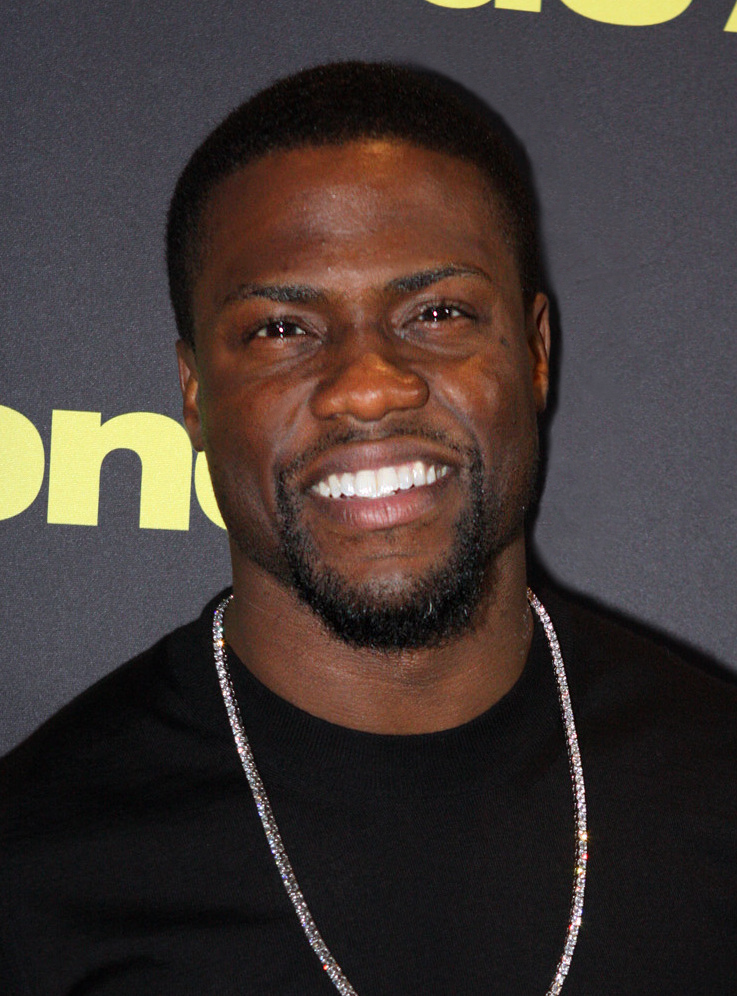
1. **Kevin Hart: The SNL Audition That Wasn’t**Kevin Hart, now a titan of film and stand-up with blockbusters like *Ride Along*, *Get Hard*, the *Jumanji* series, and *Borderlands* under his belt, once stood where countless aspiring comedians have stood: in front of Lorne Michaels, auditioning for ‘Saturday Night Live’. It’s almost hard to imagine the diminutive dynamo not landing a spot, given his boundless energy and universal appeal. But Hart himself has openly recounted the experience, shedding light on a moment that could have dramatically altered his career path, yet ultimately didn’t diminish his meteoric rise.
Hart revealed the details of his fateful audition to Conan O’Brien, admitting, “I did an impression of Avery Johnson,” a former San Antonio Spurs player-turned-NBA coach-turned-sports analyst. He candidly acknowledged the flaw in his strategy, stating, “I did an impression of a person nobody knew.” With characteristic self-deprecating humor, Hart added, “If you had seen this tape, you would understand why I didn’t get it.” This admission speaks volumes about the specific, often peculiar, demands of an SNL audition – a need for instantly recognizable characters or an undeniable, unique comedic voice that cuts through the noise.
Despite the initial rejection, the relationship between Hart and SNL was far from over. He went on to host the show three times, showcasing his undeniable hosting prowess. On his very first hosting gig in 2013, he famously used his monologue to revisit his audition story. With a perfect blend of humor and faux-indignation, he quipped, “They passed on me, which I’m fine about now.” He then sarcastically added, “It’s so long ago, I’m over it…you’re talking about something that happened 67 months ago, 22 days, like 6 hours ago.” This moment perfectly encapsulated the lingering, yet ultimately triumphant, feeling of a comedian who found his own massive success, despite an early ‘no’ from the industry’s biggest gatekeeper.
Read more about: From Almost-Cast to All-Stars: Unpacking the Wild World of Iconic Comedians Beyond SNL and Its Fiercest Backstage Feuds

2. **Lisa Kudrow: The Phoebe Buffay Who Couldn’t Go “Too Far” for SNL**Before she charmed millions as the quirky, guitar-strumming Phoebe Buffay on *Friends*, Lisa Kudrow was a rising star in the improv comedy troupe The Groundlings. Her comedic talent was undeniably strong enough for network television, as proven by her iconic role. However, when Lorne Michaels came to see her, Julia Sweeney, and Kathy Griffin perform, Kudrow found herself in a unique predicament that ultimately led to her not being selected for ‘Saturday Night Live’s cast.
Kudrow recounted in a Television Academy interview that Michaels “pulled Julia, not me,” referring to Julia Sweeney’s successful tenure on the cast from 1990 to 1994. Her own assessment of why she didn’t make the cut offers a fascinating insight into the specific brand of comedy SNL often seeks. She explained, “I didn’t know how to go too far outside of myself,” referring to the characters she typically played at the time. This suggests that while her comedic persona was well-developed and endearing, it might not have possessed the broad, transformative range often required for SNL’s diverse sketch demands, or the willingness to push boundaries in a way that Michaels’ team was looking for.
Similar to Kevin Hart, Kudrow did eventually appear on the show, hosting in 1996 during the peak of her *Friends* fame. However, even this experience proved to be a whirlwind. She candidly admitted, “I don’t think I was a great host either.” She described the experience with vivid imagery: “It felt like you’re on this train and it’s going too fast toward a brick wall and that’s what it is…it’s going to smash, but you just do the best you can.” This speaks to the immense pressure and the unique, high-octane environment of a live SNL broadcast, reinforcing that the show might not have been the right fit for her particular comedic style, despite her undeniable talent and eventual widespread success. It highlights that sometimes, an unspoken creative misalignment is just as significant as a direct feud.
Read more about: From Almost-Cast to All-Stars: Unpacking the Wild World of Iconic Comedians Beyond SNL and Its Fiercest Backstage Feuds
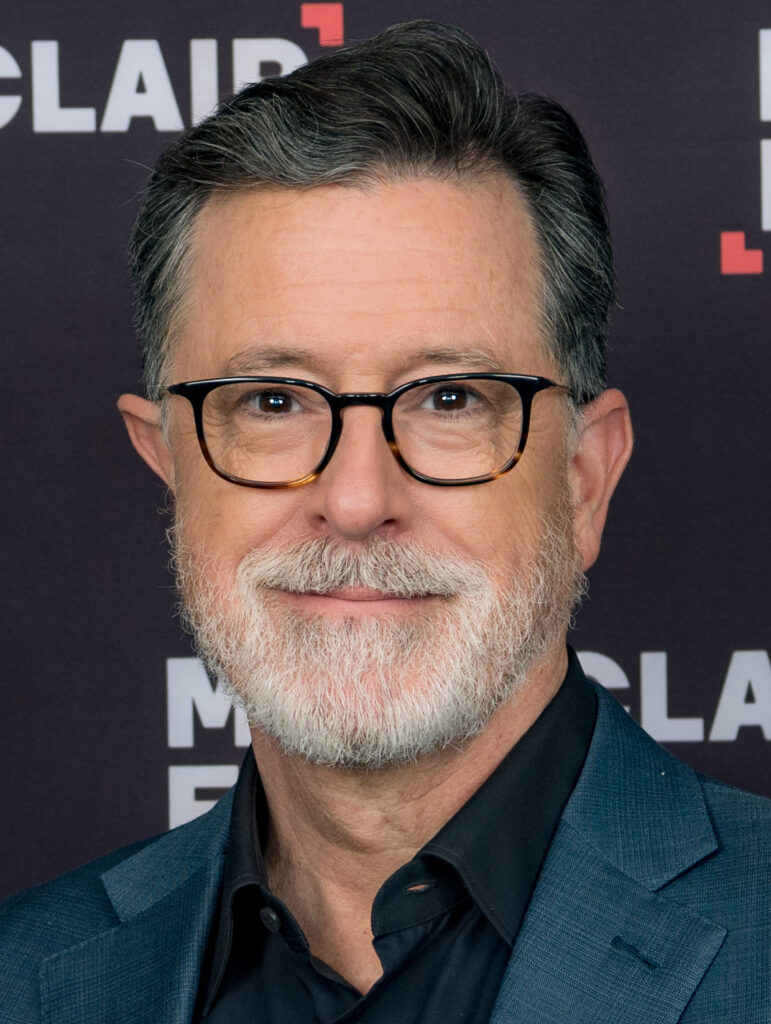
3. **Stephen Colbert: The Forgettable SNL Audition (to Tracy Morgan, at least)**Stephen Colbert, the sharp-witted host of *The Late Show*, has built a formidable career defined by intelligent humor and incisive commentary. But before his late-night reign, Colbert, like many aspiring comedians, tried his hand at ‘Saturday Night Live’. By the time he auditioned, he was no stranger to rejection, having famously lost out on the role of Screech in *Saved By The Bell*. However, his SNL audition brought a particularly humorous, if slightly frustrating, brand of forgettability that would resurface years later in a delightful exchange with a fellow comedian.
What made Colbert’s SNL audition particularly memorable in retrospect wasn’t the rejection itself, but the fact that he was completely forgettable to one of his fellow auditioners: Tracy Morgan. When Morgan appeared on Colbert’s talk show in 2017, Colbert eagerly noted that he remembered Morgan’s SNL audition. A surprised Morgan asked how, to which Colbert had to inform him: “I was there! You and I were both there in the final callback going to network in 1996.” Morgan, who ultimately landed a spot on the cast from 1996 to 2003, had no recollection of Colbert being there at all.
This interaction, while lighthearted, subtly underscores the intense competition and the sheer volume of talent vying for a spot on SNL. It also paints a picture of how, in the heat of such a high-stakes moment, even future A-listers can fade into the background. Colbert, with his usual humorous spin, joked that he and Morgan were simply “too alike” to both get hired, a classic comedic deflection that minimizes the sting of being overlooked. His success story, therefore, becomes a testament to finding the right platform, even if that means a different path than the iconic variety show, ultimately leading him to a different, yet equally celebrated, stage.
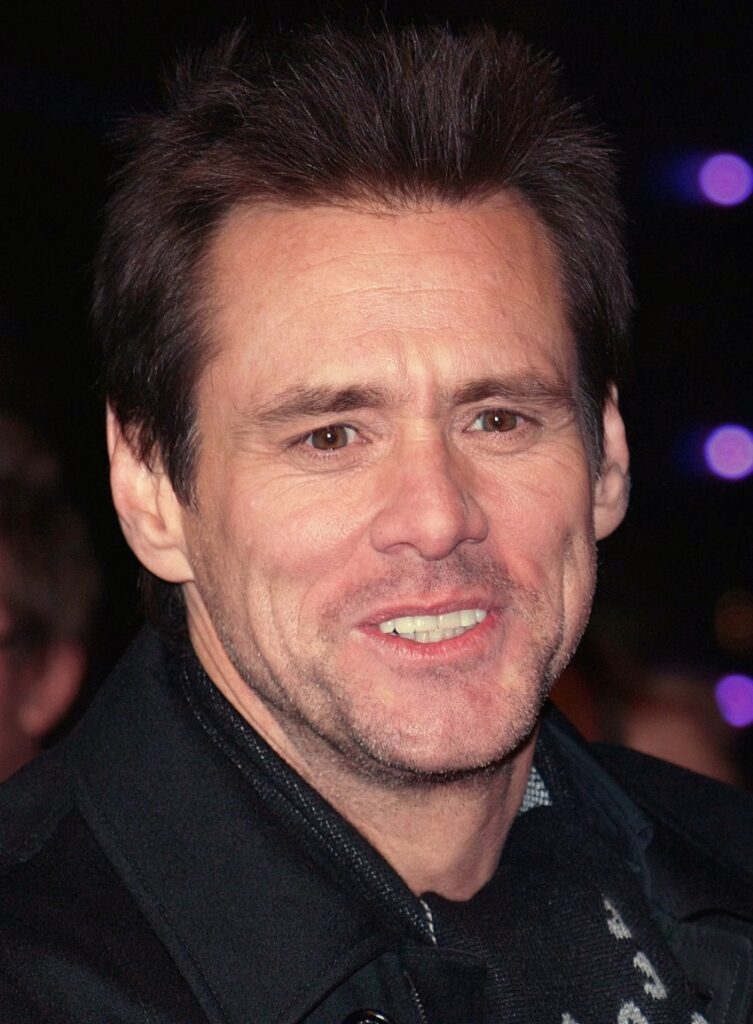
4. **Jim Carrey: The Legend Lorne Michaels Never Saw Audition**Jim Carrey, a name synonymous with rubber-faced antics, unparalleled physical comedy, and deep dramatic roles, has topped box offices in classics like *Ace Ventura: Pet Detective*, *Liar Liar*, and *Eternal Sunshine of the Spot Mind*. His career trajectory is one of immense success, making it almost inconceivable that he never made the cut for ‘Saturday Night Live’. What’s even more remarkable is the specific reason behind his SNL rejection: Lorne Michaels, the show’s creator, never even saw his audition.
Michaels himself reflected on this near-miss, telling *Vanity Fair*, “I wasn’t at the Jim Carrey audition, but somebody who was there said, ‘I don’t think Lorne would like it.’” He continued with a philosophical shrug, acknowledging the subjective nature of such decisions: “They were probably wrong, but it doesn’t matter. Or maybe they were right—who knows? No one gets it all right.” This anecdote is particularly telling, as it highlights that the path to SNL can sometimes be less about raw talent and more about the specific tastes or expectations of those making the initial decisions, or simply being seen by the right person at the right time.
Carrey’s rejection from SNL proved to be a mere detour, not a dead end. He went on to achieve massive breakthroughs in another sketch comedy show, *In Living Color*, where his unique brand of physical humor and character work truly found its stride and propelled him to superstardom. He eventually hosted SNL three times (1996, 2011, and 2014) and even made regular cameo appearances in 2020 as then-Democratic nominee President Joe Biden, a full-circle moment proving his comedic versatility and enduring relevance. His journey underscores that an ‘unseen feud’ with SNL’s casting process ultimately liberated him to forge his own legendary career, unshackled by the show’s specific constraints.

5. **Donald Glover: Still “Pissed” About Two SNL Rejections**Donald Glover, often hailed as “red hot” and “arguably the most prolific creator of his generation” by *The Hollywood Reporter*, has effortlessly traversed the worlds of television, film, and music. From creating the acclaimed TV comedy *Atlanta* to starring in *Community* and *Mr. and Mrs. Smith*, and achieving musical success as Childish Gambino, his artistic reach is vast. Yet, even this multi-hyphenate talent once yearned for a spot on ‘Saturday Night Live’, a desire that went unfulfilled not once, but twice, leaving a humorous, yet undeniable, sting.
Glover aired out his lingering grievances with characteristic wit when he finally graced the SNL stage – not as a cast member, but as a host and musical guest (as Childish Gambino) in 2018. In his opening monologue, he declared, “It’s truly an honor to be hosting SNL instead of auditioning for it, which I did—twice.” He quickly clarified, “That’s not a joke, I’m just still pissed.” This public acknowledgment of his rejection, tinged with genuine comedic frustration, resonates with many who have faced similar professional setbacks, even if their subsequent success isn’t on the same stratospheric level as Glover’s.
The monologue continued with Glover jokingly proving his multi-talented nature, asking other cast members about their auditions and spontaneously singing, “I really can do anything.” This performance was a playful yet powerful demonstration of the boundless talent SNL missed out on, a testament to the fact that even without the SNL stamp, exceptional artists find their way. Glover’s story perfectly illustrates how the professional “feud” of rejection, even when overcome, can become a memorable part of an artist’s narrative, fueling their drive and providing rich material for their eventual triumphant return to the very stage that once said “no.”
Read more about: From Almost-Cast to All-Stars: Unpacking the Wild World of Iconic Comedians Beyond SNL and Its Fiercest Backstage Feuds
6. **John Belushi vs. Chevy Chase: The Inaugural Season’s Bitter Rivalry**When ‘Saturday Night Live’ first burst onto television screens in 1975, it introduced a fresh, rebellious energy and a cast of comedic trailblazers who would become known as the Not Ready for Prime Time Players. Among them were John Belushi and Chevy Chase, two formidable talents who had actually known each other from their time performing in National Lampoon’s off-Broadway Woodstock spoof “Lemmings.” However, their shared history did little to foster camaraderie; instead, it laid the groundwork for one of SNL’s earliest and most bitter rivalries.
Authors Doug Hill and Jeff Weingrad chronicled their dynamic in “Saturday Night: A Backstage History of Saturday Night Live,” noting that even during their “Lemmings” days, the two clashed. Chase, known for his escalating arrogance, would jokingly claim that he was responsible for making Belushi “palatable to television viewers” by teaching him how to use a fork and shaving his back hair. These seemingly playful jabs foreshadowed a deeper professional animosity that would only intensify once SNL began, rooted in competition for screen time and material.
The rivalry between Chase and Belushi escalated significantly during SNL’s inaugural season when Chase quickly became the show’s breakout star. This rapid ascent to fame, coupled with Chase’s growing arrogance, infuriated Belushi. Belushi felt that Chase was unfairly receiving all the best material and the lion’s share of screen time, leading him to famously lament, “I go where I’m kicked. They throw me bones dogs wouldn’t chew on” (via Grantland). This raw frustration highlights the cutthroat nature of early SNL and the personal toll that such intense, unequal competition can take on creative individuals. Belushi’s ultimate triumph after Chase’s exit, becoming a movie star himself before his tragic death, stands as a testament to his own undeniable talent, despite the challenging environment created by their deeply personal and professional “unseen feud.”
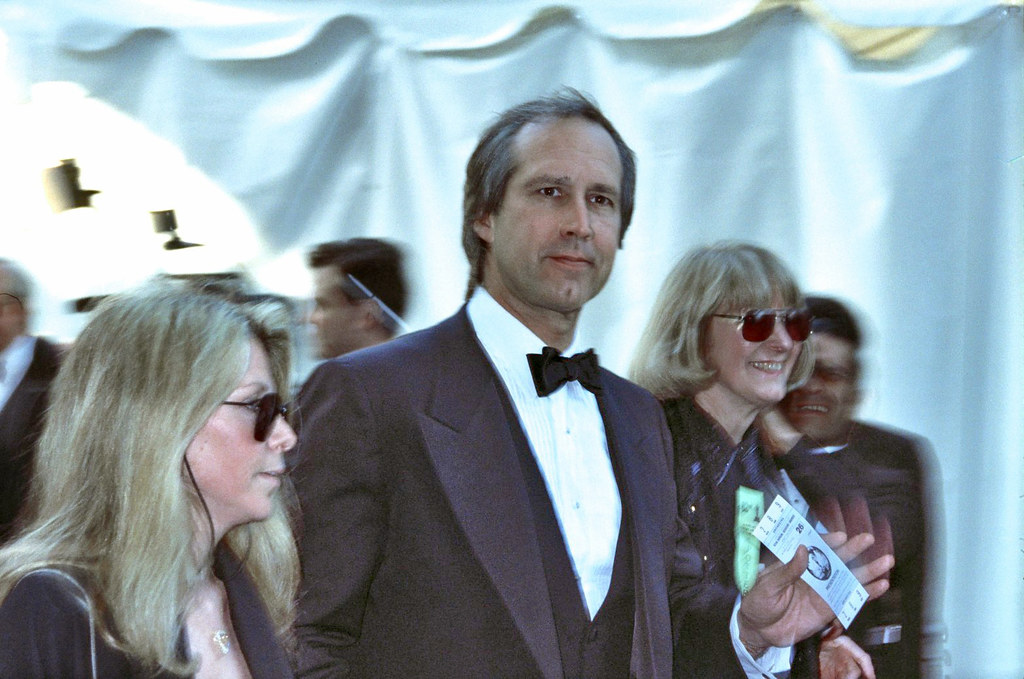
7. **Chevy Chase vs. Bill Murray: The Infamous Backstage Brawl**Following his departure from ‘Saturday Night Live’ partway through the second season, Chevy Chase quickly parlayed his newfound fame into a burgeoning movie career. However, his decision to leave and his subsequent return to host the show frequently stoked resentment among his former co-stars, particularly Bill Murray, who had been brought in as Chase’s replacement. Murray was, by his own admission, predisposed to dislike Chase, and Chase’s characteristic arrogance did little to bridge that gap, instead exacerbating the simmering tensions.
Their animosity reached a boiling point during a sketch rehearsal when they were slated to appear together. Murray, never one to shy from a sharp retort, made a crude joke referencing Chase’s troubled marriage. Chase, equally quick with a barb, retaliated by commenting on Murray’s pockmarked face, joking that astronaut Neil Armstrong had landed upon it. This verbal sparring was a clear indication of the deep-seated personal antipathy that had developed between the two comedic titans, far beyond mere professional rivalry, hinting at a more profound refusal to grant each other respect.
Just five minutes before the live show was set to begin, the conflict erupted into a physical altercation in John Belushi’s dressing room. Chase reportedly told Murray, “Let’s go, sucker,” to which Murray responded, “This is my show now,” before throwing punches. Belushi and Murray’s brother, Brian Doyle-Murray, had to intervene to break up the fight. Murray later downplayed the incident as “a Hollywood fight, a ‘Don’t touch my face!’ kind of thing,” suggesting they subsequently buried the hatchet. However, the intensity of this backstage brawl remains a legendary testament to the fierce competition and volatile personalities that often defined the early days of ‘Saturday Night Live’, leaving an unforgettable mark on its history of ‘unseen feuds.’
Diving deeper into the intricate world of comedic rivalries and career-defining detours, this section continues our journey through the unseen forces that shape A-list talent. We’re not just talking about missed auditions; we’re exploring the unexpected twists, internal clashes, and high-stakes showdowns that have left an indelible mark on the careers of some of the funniest people on the planet. Get ready to uncover more stories of ambition, friction, and the unique paths forged outside (or sometimes, despite) the legendary halls of Studio 8H. It’s clear that in the comedy world, the greatest successes often arise from the most unexpected of circumstances.
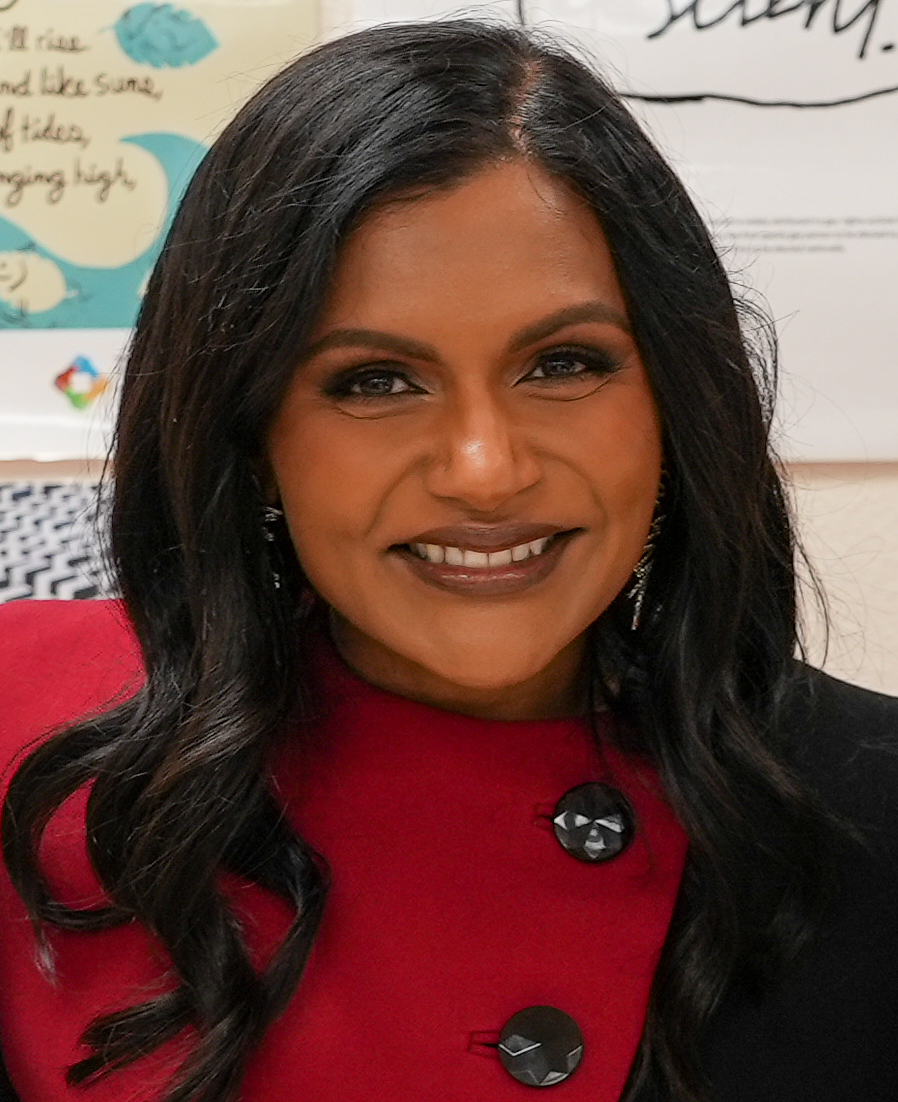
8. **Mindy Kaling: The ‘Childhood Dream’ That Led to a Writing Gig**Mindy Kaling, a wordsmith extraordinaire with a Dartmouth degree in playwriting, carved out her initial niche both in front of and behind the camera on *The Office*. It’s hard to imagine her career taking a different path, yet halfway through the sitcom’s second season, she received a tantalizing invitation to audition for ‘Saturday Night Live’—a show she candidly described as her “childhood dream.”
Being under contract with *The Office*, Kaling made a pivotal deal with showrunner Greg Daniels: he would release her from her contract if she was cast. While Lorne Michaels ultimately didn’t offer her a performing role, she heard that he “wanted to offer me a job as a writer there.” There was even “some hint at that point that if I stayed on long enough, like Jason Sudeikis, that I could maybe graduate to be a performer.”
This near-miss proved to be a significant professional divergence. Since she wasn’t cast as a performer, Kaling remained on *The Office* for an impressive eight seasons, not only acting but also serving as an executive producer and director. Her exceptional work earned her six Primetime Emmy nominations, solidifying her status as a multifaceted comedic powerhouse who found her unique spotlight, even if it wasn’t the one she initially dreamed of at 30 Rockefeller Plaza.
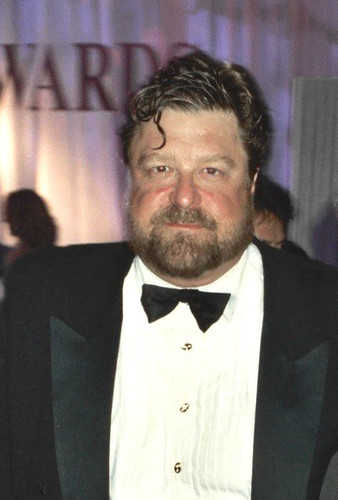
9. **John Goodman: The Ultimate Payback Host**When it comes to proving SNL wrong, few have done it with as much style and frequency as John Goodman. His story isn’t just one of rejection, but of triumphant return, hosting the show an astounding 13 times. Goodman’s ambition to join the cast began early; he recounted “stalking NBC when I first moved up here in 1975,” hoping to catch a glimpse of the original cast members.
His true audition came in 1980, during a pivotal moment when the entire cast was being replaced. Goodman, a self-proclaimed “big fan of the National Lampoon and the Radio Hour and Michael O’Donoghue,” saw it as a golden opportunity to join the show he “always loved.” Despite his passion and evident talent, the call to be a repertory player never came.
However, Goodman’s career trajectory soared independently, leading to his remarkable achievement of becoming one of SNL’s most frequent and beloved hosts. His repeated returns to the Studio 8H stage were, in a way, the ultimate “payback,” demonstrating his undeniable comedic prowess and versatility, even if it wasn’t in the capacity he initially sought.
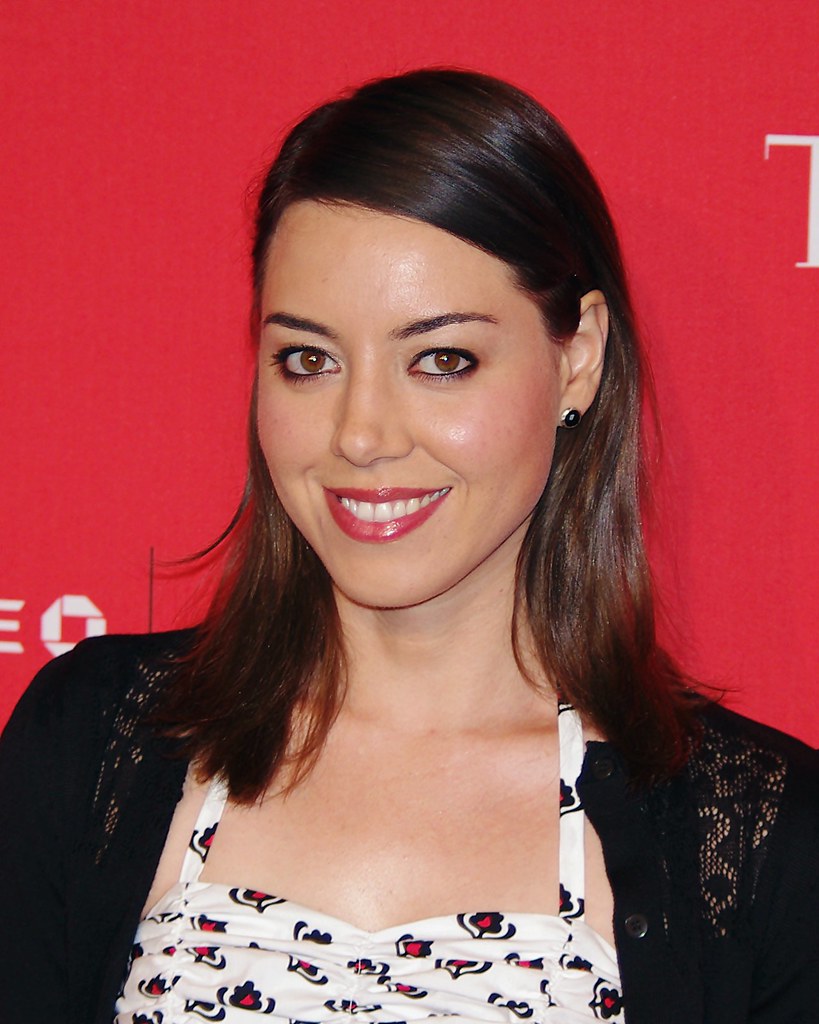
10. **Aubrey Plaza: From SNL Intern to Indie Darling**Aubrey Plaza’s journey to comedic stardom is a testament to perseverance and a deep-seated love for ‘Saturday Night Live.’ From a young age, inspired by her mother, Plaza was “obsessed” with the show and had a singular goal: “I wanted to be on that show for as long as I could remember.” She meticulously researched the paths of successful cast members, formulating her own action plan.
Her dedication led her to improv school in Philadelphia, followed by a stint with the renowned Upright Citizens Brigade, where she even performed alongside future SNL writer John Mulaney. Taking her commitment a step further, she interned on the show in 2005. Three years later, her dream culminated in an audition for the main cast, but unfortunately, it didn’t result in an offer.
Yet, this initial rejection proved to be a catalytic moment. It opened doors for her to showcase her unique comedic chops in projects like the 2009 movie *Funny People* and, most famously, the beloved series *Parks and Recreation*. Today, with recent roles in *My Old Ass* and the Marvel Cinematic Universe TV series *Agatha All Along*, Plaza stands as a prime example of an artist who, despite an early SNL snub, forged an incredibly successful and distinct career path.
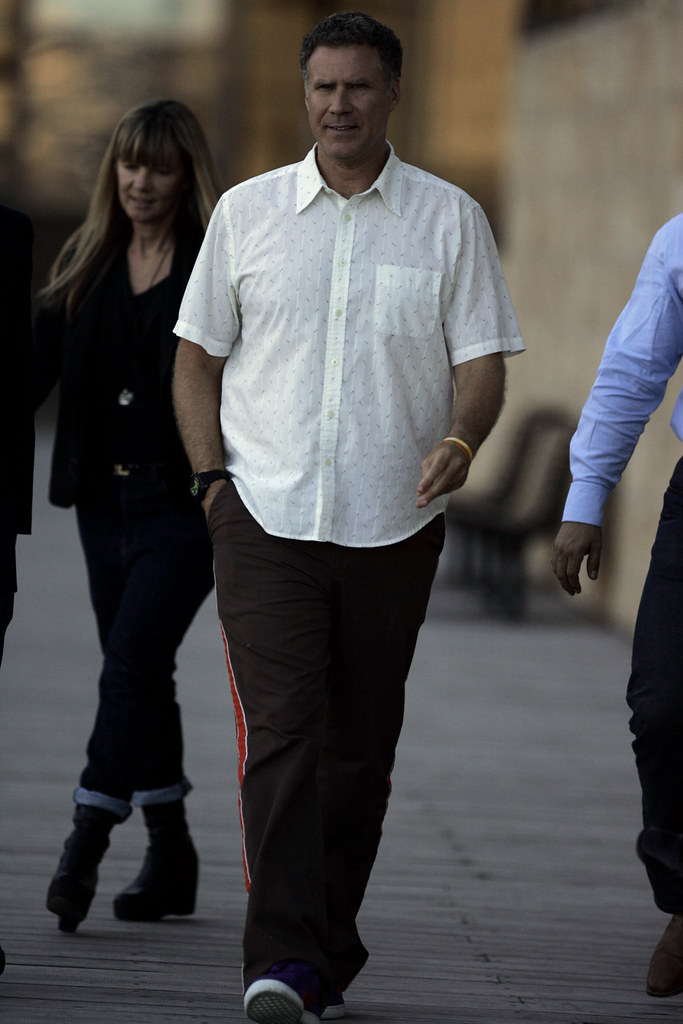
11. **Will Ferrell vs. Chris Kattan: A Friendship Fractured by a Film Set**The comedic duo of Will Ferrell and Chris Kattan brought us some truly iconic ‘Saturday Night Live’ characters, including the synchronized dancing Butabi brothers from “A Night at the Roxbury.” Yet, beneath their on-screen chemistry, a deeply personal “unseen feud” brewed, ultimately fracturing their friendship and highlighting the pressures of transitioning from sketch comedy to the big screen.
In his memoir, *Baby, Don’t Hurt Me*, Kattan made startling claims about the production of *A Night at the Roxbury*. He alleged that Lorne Michaels, who was producing the film, encouraged him to “hook up” with director Amy Heckerling, fearing she was considering leaving the project. Whether or not this occurred, the alleged incident created a profound rift between Kattan and Ferrell.
Kattan recounted attempting to contact Ferrell numerous times after the film’s production, only to be met with silence. When they finally returned for the 23rd season of ‘SNL,’ Ferrell allegedly confronted him, stating, “So, I got all your messages, but I didn’t call you back because I didn’t want to talk to you. I don’t want to be your friend anymore.” Heckerling herself has vehemently dismissed Kattan’s claims, calling him “a nut” and his narrative “dumb s***,” adding a layer of mystery and conflict to this intense, yet largely private, professional divergence that left a lasting impact on their relationship.
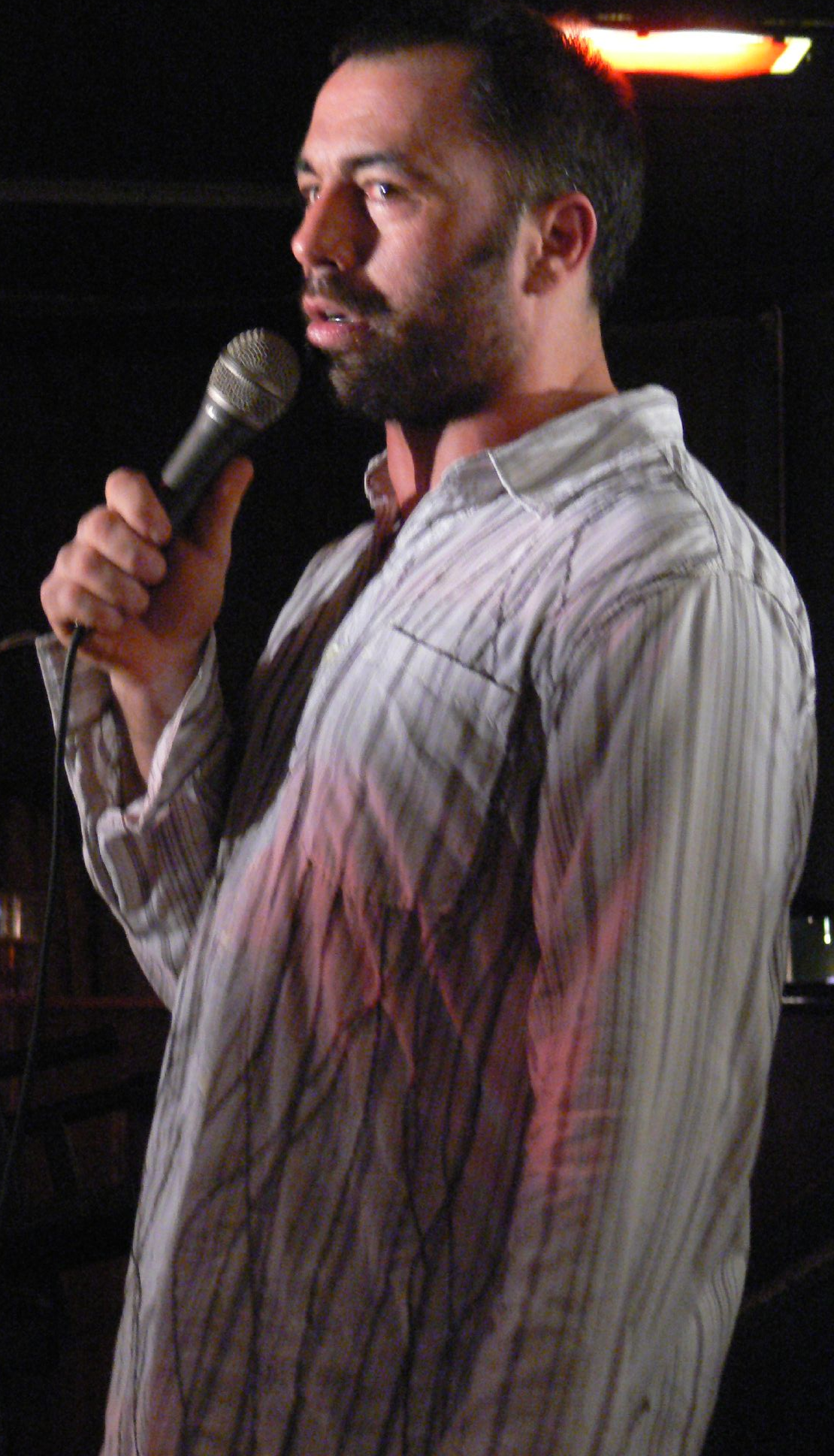
12. **Joe Rogan vs. Carlos Mencia: The Joke Theft That Altered Careers**Not all unseen feuds happen within the confines of ‘Saturday Night Live’s hallowed halls. Some ignite fiercely in the wider comedic landscape, altering careers and shifting perceptions. Such was the case with Joe Rogan and Carlos Mencia, a high-profile external conflict that, two decades ago, nearly blacklisted Rogan but ultimately tarnished Mencia’s career in an unforgettable way.
At the time, Carlos Mencia was a titan on the West Coast comedy scene, headlining the legendary Comedy Store and boasting his own hit Comedy Central show, *Mind of Mencia*. However, rumors of joke stealing plagued him. Joe Rogan, then a burgeoning comedian and TV host, was the first to publicly confront Mencia on stage, during a live performance, accusing him of pilfering material from emerging comic Ari Shaffir and even re-telling a well-known Bill Cosby joke.
The dramatic, 10-minute shouting match was recorded and quickly went viral. Shaffir joined them on stage, confirming he had indeed opened for Mencia, corroborating Rogan’s claims. Days later, Rogan solidified his accusations by releasing a video titled ‘Carlos Mensteala,’ which presented compelling evidence of Mencia telling jokes “almost identical to those which had already been told.”
This incident had immediate, far-reaching consequences. Despite fellow comedians siding with Rogan, his shared agent with Mencia demanded an apology. Rogan refused and was promptly let go. He was then banned from the Comedy Store for over seven years for recording the confrontation without permission. While Rogan’s career initially faced significant obstacles, his popularity ultimately soared with the launch of his immensely successful podcast, ‘The Joe Rogan Experience,’ and his role as a UFC commentator. Mencia’s public image, conversely, was severely tarnished, leading to the cancellation of his Comedy Central show and a drastic decrease in bookings, cementing this as a pivotal and career-altering external feud.
From the intense pressures of audition rooms to the simmering resentments backstage, the world of A-list comedy is clearly far from straightforward. These unseen feuds, professional divergences, and personal clashes demonstrate that while talent is paramount, the journey to the top is often paved with unexpected turns, fierce competition, and the enduring human element of ego and ambition. Each story is a reminder that even the biggest stars navigate complex relationships and pivotal moments, ultimately shaping the unique comedic landscape we know and love today.