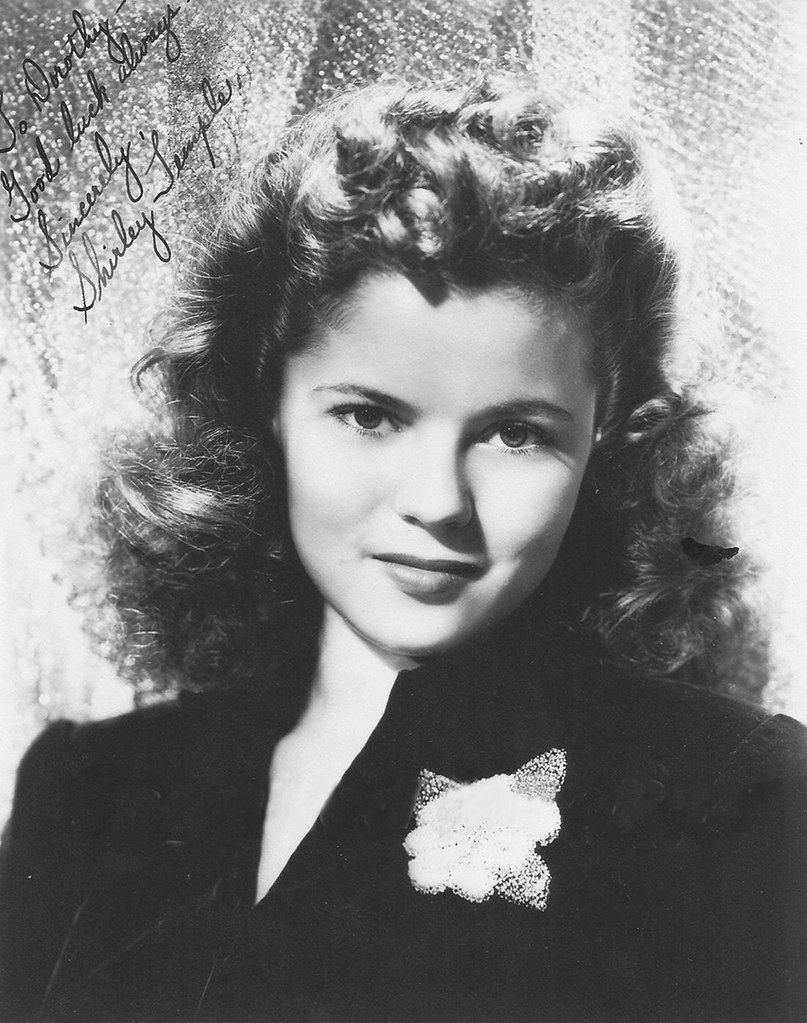
Fame at a young age might seem like an absolute dream come true for so many, a glittering world of adoration, bright lights, and endless possibilities. But for a surprising number of child stars, this dream became their worst nightmare, transforming their innocent childhoods into a complex web of abuse, exploitation, and trauma that would unfortunately shape their entire lives.
It’s a sobering thought, isn’t it? These young performers, thrust into the adult worlds of the entertainment industry, often sacrificed a normal upbringing, paying a price that no amount of money or fame could ever truly justify. Their stories serve as stark reminders that behind every dazzling smile on screen, there can be deeply tragic circumstances that forever alter a person’s path.
The entertainment industry has historically grappled with the monumental task of safeguarding its youngest talents. We’re about to delve into the lives of some of these stars, whose early fame came with burdens far too heavy for young shoulders. Their journeys underscore what can go terribly wrong when children are exposed to such intense pressures without adequate protection and support.
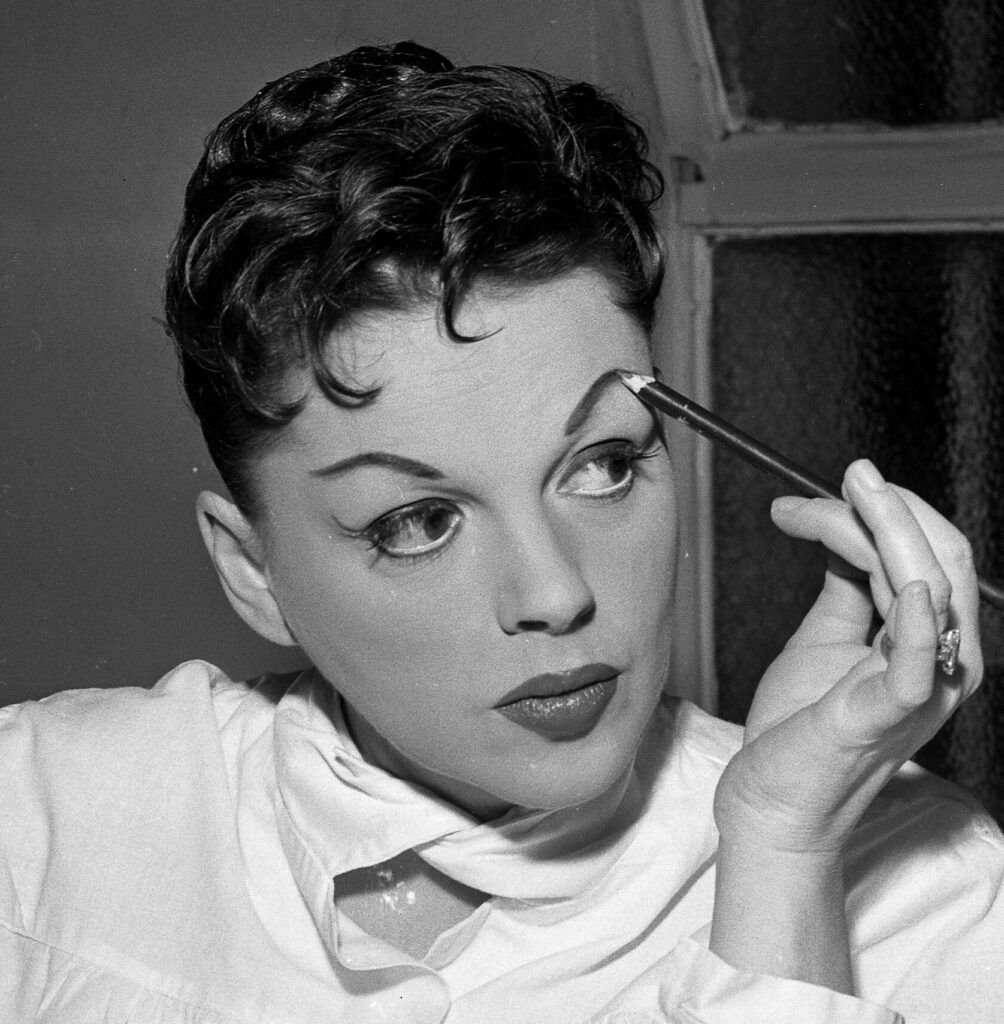
1. **Judy Garland: The Enduring Icon Shadowed by Hollywood’s Harsh Reality**
Famed for her unforgettable role as Dorothy in ‘The Wizard of Oz,’ Judy Garland was a true Hollywood legend. Her immense talent captured hearts, and she quickly became one of MGM studio’s most prized assets. However, behind the magic of her on-screen performances, a much darker reality was unfolding, as she was subject to constant criticisms about her weight from a very young age.
The studio executives, unfortunately, treated her less like a person and more like property, exerting an alarming level of control over nearly every aspect of her life. This pervasive control extended to her physical well-being, as they regularly gave her amphetamines to keep her thin and energetic for her demanding performance schedule. When it was time to rest, sedatives were provided to help her sleep.
This devastating cycle of drug dependency began early in her life and, heartbreakingly, would plague her for the remainder of her years. Despite her unparalleled success and the joy she brought to millions, Garland’s personal struggles with addiction and exploitation fueled by the ruthless studio system paint a poignant picture of the severe cost of childhood stardom.
Read more about: Behind the Silver Screen’s Facade: Unmasking the Heartbreaking Exploitation of Actresses in Old Hollywood’s Studio System

2. **Macaulay Culkin: Reclaiming a Childhood from a Controlling Shadow**
For many, Macaulay Culkin is synonymous with the mischievous yet endearing Kevin McCallister from the ‘Home Alone’ films, a role that cemented his status as one of the most beloved child actors of his generation. Yet, for Culkin, his early years in the spotlight were overshadowed by the intense pressures of living with a deeply controlling guardian, his father, Kit.
Culkin openly revealed how his father relentlessly worked him during his peak as a child actor, pushing him through constant projects without much regard for his personal well-being. He described his father’s motivations as being driven by greed rather than genuine love or concern for his son’s happiness or health, a common and heartbreaking theme in the stories of exploited child stars.
Eventually, in a significant and publicly known move, Culkin had to legally separate himself from his parents. This drastic step was necessary to protect his substantial earnings and, crucially, to gain some semblance of control over his own life, a right that many children take for granted but one that he had to fight fiercely to secure.
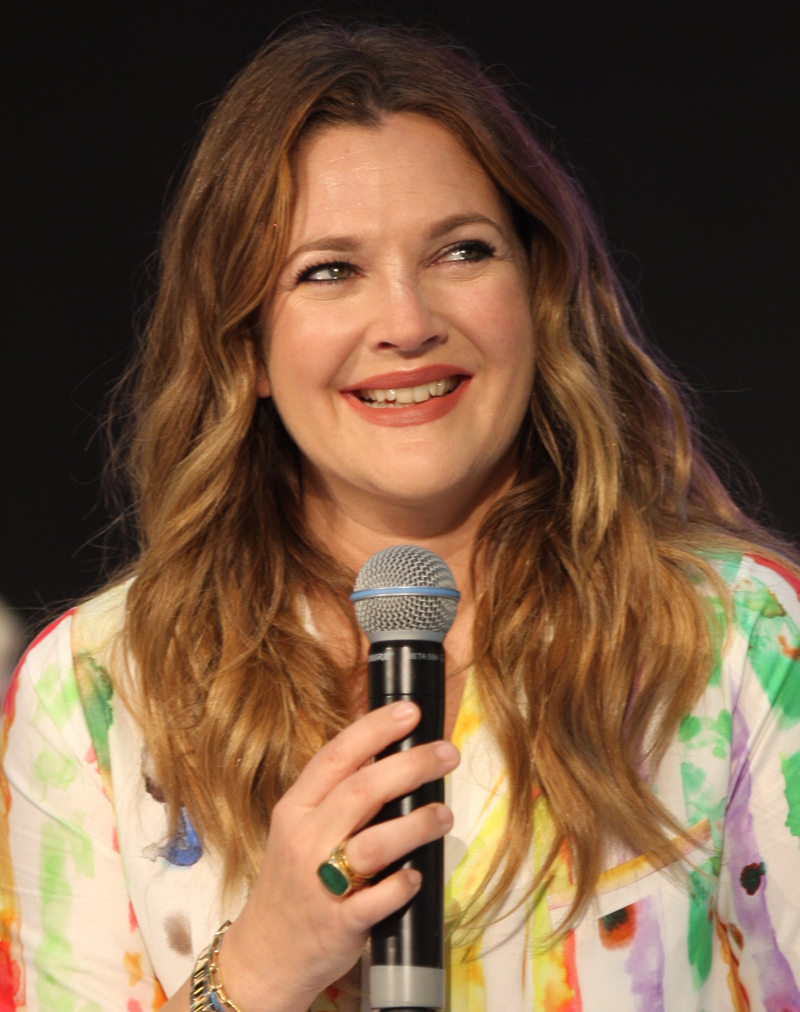
3. **Drew Barrymore: From E.T. Darling to a Battle for Sobriety**
Drew Barrymore, hailing from an illustrious acting family, found early acclaim with her heartwarming role in ‘E.T. the Extra-Terrestrial.’ Her charming performance instantly catapulted her into the public eye, setting the stage for what seemed like a fairy-tale career. However, her childhood was also marked by profound difficulties, including the abandonment by her father, John Drew Barrymore, at a young age.
Living constantly under the harsh glare of public scrutiny, Barrymore tragically struggled with substance use from an alarmingly young age. She reportedly began drinking alcohol by the age of 9, and by 12, she was already using harder substances, a harrowing descent for someone so young and famous.
Her struggles became so severe that she eventually required multiple stints in rehabilitation centers. It was through these difficult and courageous efforts that she was eventually able to regain control over her life, emerging as a testament to resilience despite an incredibly tumultuous start in the harsh spotlight of Hollywood.

4. **Jennette McCurdy: Exposing the Trauma Behind a Nickelodeon Smile**
Jennette McCurdy, a familiar face from her time as a Nickelodeon star, endured a truly tragic and difficult career situation, largely orchestrated by her mother. Her mother, driven by her own unfulfilled dreams of fame and stardom, initially pushed Jennette into the acting profession, transforming her daughter’s life into a vehicle for her own aspirations.
McCurdy bravely shared with People in 2021 the profound impact this had on her, revealing that she developed disordered eating issues because of her mother’s relentless obsession with weight. The young actress’s life was under constant surveillance, to the extreme that she wasn’t even allowed to bathe without her mother present, showcasing an appalling level of control and intrusion.
Her powerful memoir, ‘I’m Glad My Mom Died,’ candidly exposed the full extent of the psychological abuse she endured throughout her childhood and adolescence. Her story is a piercing indictment of the hidden suffering that can occur behind the scenes for child stars, even those who appear to be thriving on popular television shows.
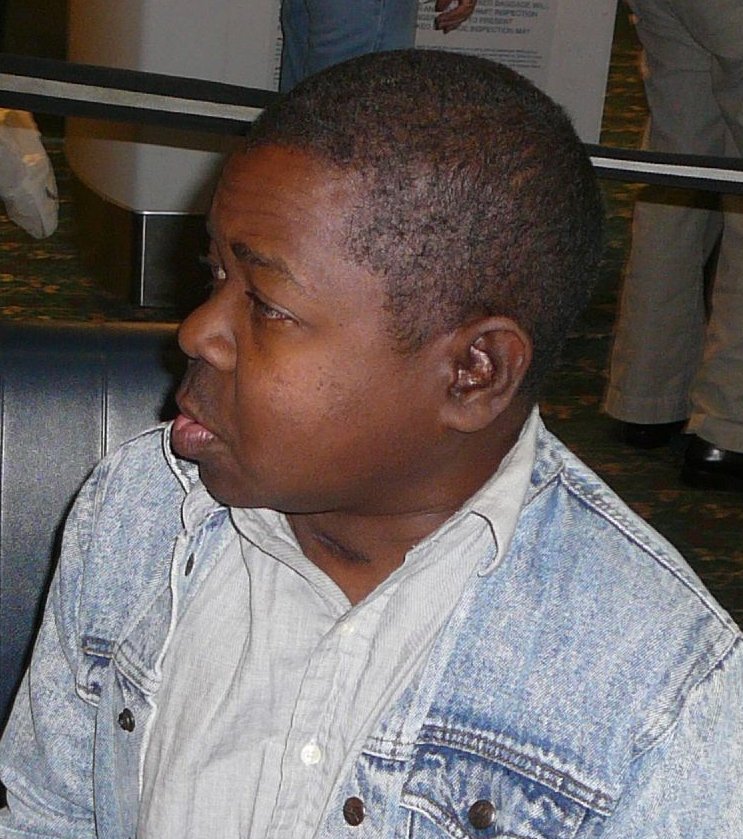
5. **Gary Coleman: The Price of Fame and a Stolen Future**
Gary Coleman became an undeniable breakout star on the hit TV sitcom ‘Diff’rent Strokes,’ charming audiences with his cute, diminutive stature and a feisty personality. His catchphrase, “What’chu talkin’ ’bout, Willis?” became an instant pop culture phenomenon, securing his place in television history and making him a beloved figure across America.
Despite his massive success and widespread appeal, Coleman’s personal life was marred by profound betrayal. His parents and management team systematically stole his earnings, leaving him nearly broke despite his considerable wealth. This exploitation forced him into years of arduous legal battles, desperately trying to recover the money that was rightfully his.
Compounding his financial struggles were significant health problems, including kidney disease, which made his situation even more desperate as he grappled with financial instability well into adulthood. Tragically, Coleman passed away at just 42 after a fatal head injury, leaving behind a complex legacy of success, exploitation, and personal hardship.
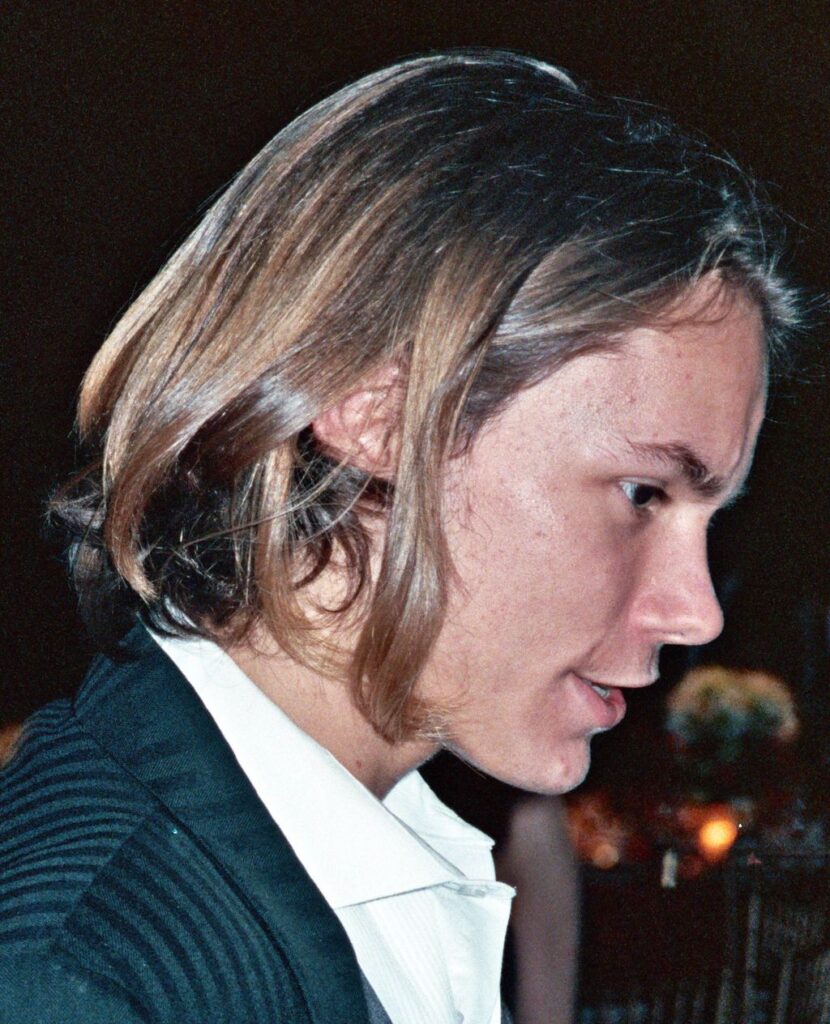
6. **River Phoenix: A Rising Star’s Tragic Fall**
River Phoenix was widely heralded as a generational talent, someone who was expected to become one of the greatest actors of his time. His compelling performances earned him a Best Supporting Actor nomination at the Academy Awards when he was just 18, cementing his reputation as a prodigy in the acting world and captivating audiences in acclaimed films like ‘Stand By Me.’
While Phoenix publicly projected an image of clean living and advocated for environmental and animal rights causes, he privately struggled with a harrowing drug addiction. This hidden battle ultimately led to his tragic and untimely death at just 23 years old, after he took drugs at the infamous Hollywood club, the Viper Room.
His passing sent shockwaves through the world, robbing Hollywood of one of its most promising young talents and leaving behind a legacy of immense talent coupled with an equally immense sense of loss. His story is a powerful reminder of the hidden demons that can plague even the brightest of stars.

7. **Corey Feldman: A Voice Against Systemic Abuse**
Corey Feldman, a prolific child actor known for roles in iconic films such as ‘The Goonies’ and ‘Stand By Me,’ suffered horrific abuse when he was a minor. These traumatic experiences profoundly influenced his later struggles with drug addiction, highlighting the devastating long-term effects of childhood exploitation. He has bravely stated that the abuse of child actors is not an isolated incident but a widespread problem within Hollywood.
Feldman was, by his own account, exploited by multiple adults in the industry who callously took advantage of his youth and extreme vulnerability. This systemic failure to protect young performers became the central focus of his life’s work as he matured, dedicating himself to exposing these injustices.
He has since spent decades speaking out passionately about the systemic abuse of children in Hollywood, often facing intense backlash and criticism for his tireless efforts to reveal the truth. Feldman’s unwavering commitment to advocating for change has made him a crucial, if controversial, voice in the ongoing conversation about child protection in the entertainment industry.
Read more about: The Enduring Shadow: Why Child Stars Are Recounting Exploitation and Seeking Justice in Hollywood
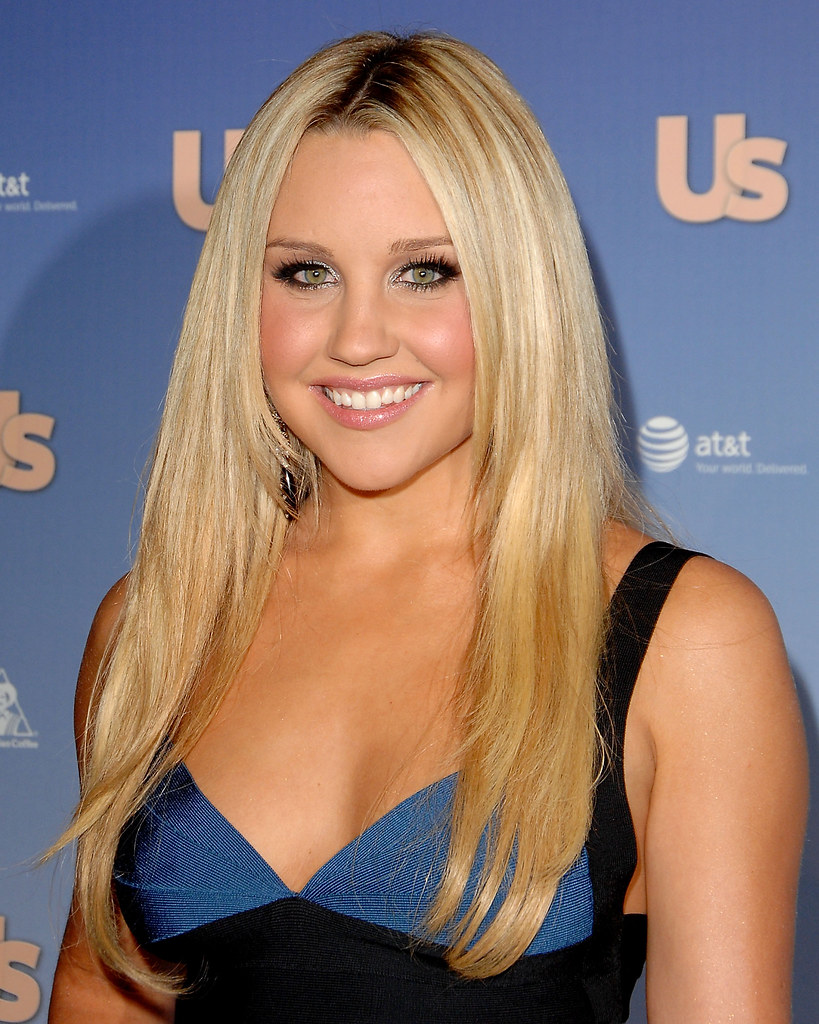
8. **Amanda Bynes: From Nickelodeon Darling to Public Struggles**
Amanda Bynes captivated audiences with her charming humor and standout roles, quickly becoming a beloved Nickelodeon star. She seemed to have it all, lighting up screens in shows like ‘All That’ and ‘The Amanda Show,’ before making a successful leap to hit films such as ‘She’s The Man.’ For years, she was the epitome of a bright, comedic talent destined for long-term success in Hollywood.
However, behind the laughter and bright lights, Bynes was facing serious personal challenges that, tragically, began to unfold very publicly. After taking a hiatus from acting in 2010, her struggles with addiction and mental health issues became increasingly apparent, leading to several heartbreaking public breakdowns that shocked fans and the media alike.
In 2013, her personal turmoil culminated in her being placed under a conservatorship, a situation eerily similar to that of Britney Spears. Her mother assumed control over her finances and major life decisions, a desperate attempt to help Amanda find stability amidst her very public battles. This period was a stark reminder of how quickly the seemingly charmed life of a child star can spiral into tragedy.
Amanda’s fall from a cherished Nickelodeon darling to a constant tabloid target underscored a painful truth: the immense pressure and lack of support can derail even the most promising careers, leaving young stars vulnerable to public scrutiny while battling private demons. Her journey highlighted the devastating impact of mental health struggles compounded by the glare of celebrity.
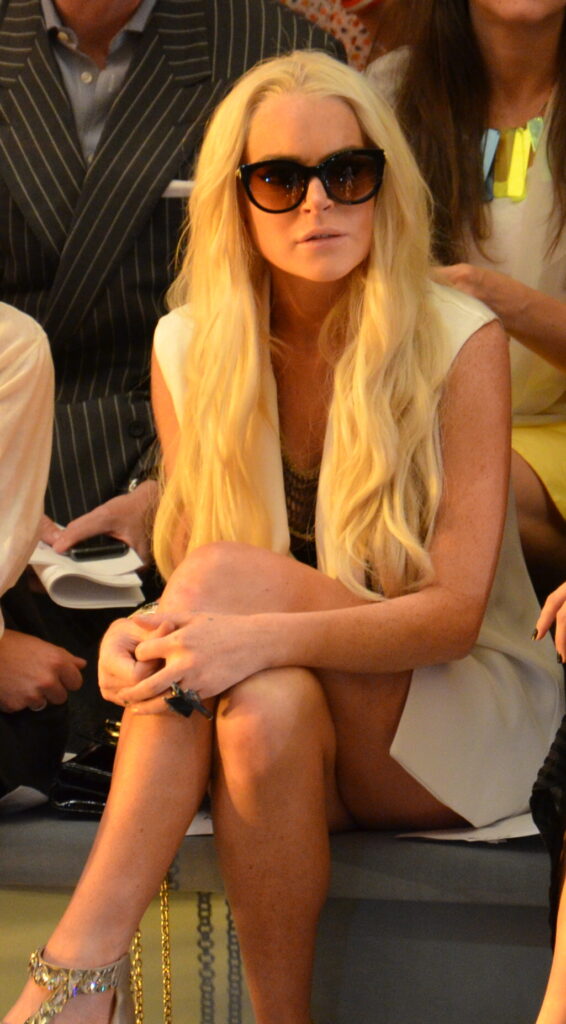
9. **Lindsay Lohan: Navigating Fame’s Darker Side**
Lindsay Lohan burst onto the scene with undeniable charisma, enchanting audiences in beloved films like ‘The Parent Trap’ and ‘Mean Girls.’ Her early career was a whirlwind of success, establishing her as one of Hollywood’s most exciting young talents. Yet, the glitter of early fame soon gave way to a darker, more tumultuous reality.
Since 2007, Lohan’s life has been a relentless saga of substance addiction, intense family drama, escalating legal issues, and even periods of jail time. Each new struggle, unfortunately, attracted widespread and often merciless media attention, turning her personal battles into public spectacle. It was a vicious cycle that made her road to recovery incredibly challenging.
Her parents’ volatile relationship, which eventually ended in a public divorce, created an unstable home environment. This already shaky foundation was only made worse by the sudden, overwhelming pressures of extreme fame. For a young star already navigating a difficult personal life, the constant demands and expectations of Hollywood proved to be an almost unbearable burden.
The incessant media scrutiny during her formative teenage years meant that every stumble, every relapse, and every legal issue was sensationalized, transforming her private pain into public entertainment. This relentless spotlight made it nearly impossible for her to find the quiet space and support necessary for true recovery, trapping her in a cycle that many child stars unfortunately experience.

10. **Britney Spears: Pop Princess, Public Battles, and the Fight for Freedom**
Britney Spears, a true pop icon, soared to global fame in the late ’90s, redefining pop music with hits like ‘…Baby One More Time.’ Her meteoric rise made her a household name, a symbol of youthful energy and talent. But beneath the surface of sold-out tours and chart-topping singles, a much more complicated and painful story was unfolding.
In early 2008, Spears was placed on an involuntary psychiatric hold due to alleged mental health concerns. What began as a temporary conservatorship, intended to last only a few days, was shockingly extended to months, and eventually made permanent, despite her clear objections. This legal arrangement stripped her of personal and financial autonomy, handing control to her father and a team of others.
For 13 long years, her family exerted control over nearly every aspect of her life. This dramatic and unprecedented situation became a powerful symbol of how the entertainment industry can, in its pursuit of profit and control, exploit even its biggest and most successful stars. It raised urgent questions about mental health, autonomy, and the ethical responsibilities owed to performers.
What truly resonated with the public was the conservatorship battle, which meticulously peeled back the layers of her life, revealing years of deep-seated financial and personal manipulation. Her eventual emancipation ignited a global conversation, sparking critical discussions about celebrity rights, mental health advocacy, and the fundamental right of every individual to control their own life and destiny, no matter how famous they are.
Read more about: Idols Unmasked: 13 Hidden Realities – From Celebrity Struggles to Our Modern-Day Fixations
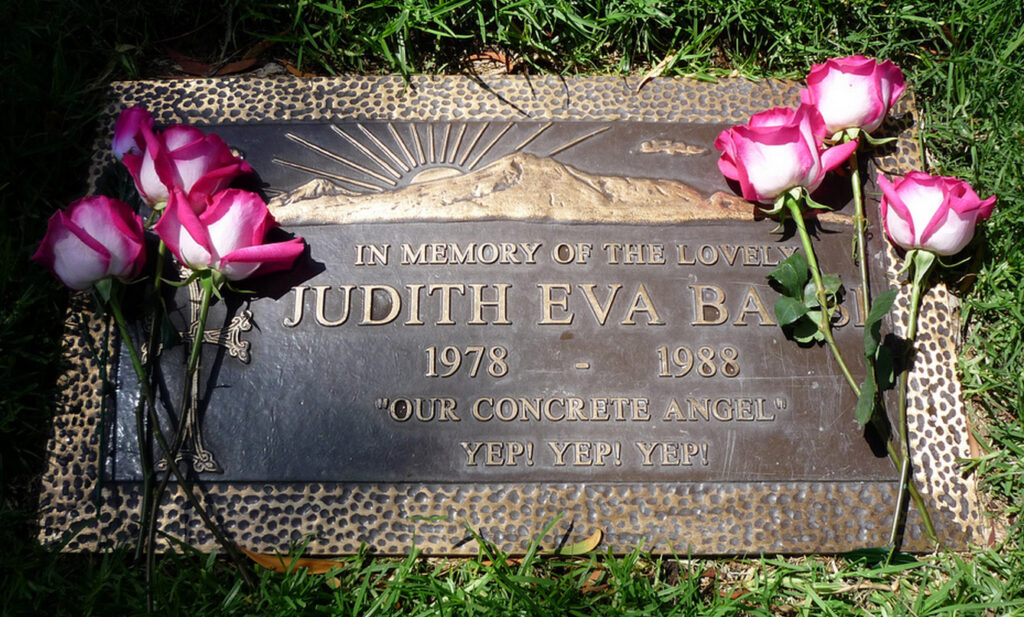
11. **Judith Barsi: A Promising Career Cut Short by Ultimate Tragedy**
Judith Barsi was a vibrant and talented child actress, best known for her memorable voice roles in beloved animated films like ‘The Land Before Time’ and ‘All Dogs Go to Heaven.’ Her undeniable success and natural talent promised a bright future, charming audiences with her expressive voice and sweet demeanor. However, as her star rose, so did the terrifying tensions within her home.
Behind the scenes, Barsi’s father, who struggled with alcoholism, subjected both Judith and her mother to escalating physical abuse and relentless threats. This horrific home environment was a stark contrast to the joyful innocence she portrayed on screen, creating an unbearable duality in her young life. The abuse grew progressively worse, casting a dark shadow over her childhood.
Tragically, in the summer of 1988, Hollywood was rocked by devastating news. All three bodies – Judith, her mother, and her father – were discovered in their apartment, the result of a double murder-related incident. Judith Barsi was just 10 years old when her life was violently cut short, making her story one of the most profoundly tragic tales in Hollywood’s history.
Her promising career as a voice actress, which had just begun to flourish, was abruptly and cruelly ended by this ultimate family tragedy. Judith Barsi’s story serves as a heartbreaking reminder of the hidden dangers and domestic horrors that can lurk behind closed doors, even for those who bring so much joy to the public eye, highlighting the desperate need for children to be protected.

12. **Brad Renfro: A Brilliant Talent Lost Too Soon**
Brad Renfro burst onto the acting scene as a star at the tender age of 12, captivating critics and audiences with his standout role in ‘The Client.’ His raw talent and compelling screen presence quickly marked him as a young actor with immense potential. Yet, his early life was already riddled with challenges; his parents divorced by age 5, and he was subsequently raised by his grandmother.
Despite his burgeoning career, Renfro’s personal struggles manifested early. Just two years after his debut, at only 14, he was charged with substance possession and barely managed to escape jail time. This early brush with the law foreshadowed a darker path, illustrating how quickly young lives can veer off track under the immense pressures of fame and personal instability.
Throughout his short life, Renfro continued to impress in films like ‘Tom and Huck’ and ‘Apt Pupil,’ showing incredible range and depth as his child stardom began transitioning into a truly interesting and offbeat adult acting career. He was on the cusp of a significant second act, admired for his compelling and often complex performances.
However, his personal demons proved too powerful to overcome. Brad Renfro tragically passed away on January 15, 2008, at just 25 years old, due to a heroin overdose. His story is a poignant testament to how early legal troubles and substance struggles can spiral completely out of control, robbing Hollywood of a brilliant talent far too soon and leaving behind a legacy of what could have been.
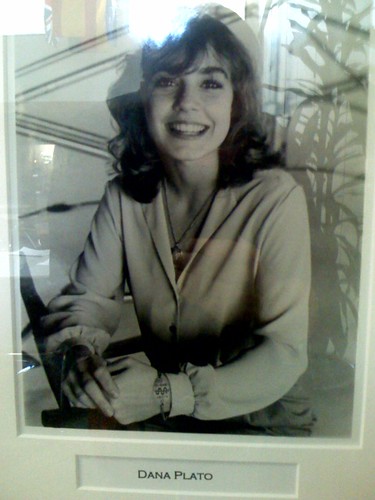
13. **Dana Plato: From ‘Diff’rent Strokes’ Star to Tragic Downfall**
Dana Plato captured the hearts of millions as Kimberly Drummond on the hit TV sitcom ‘Diff’rent Strokes,’ a role she held from 1978 to 1986. She was a familiar and beloved face in households across America, seemingly living the dream of a successful child star. However, as the series concluded, Dana found herself grappling with the notorious difficulty of transitioning from child actor to adult performer.
Post-‘Diff’rent Strokes,’ steady acting work proved elusive, leading to significant career struggles. Compounding her professional difficulties were deeply personal battles, as she tragically began to abuse hard drugs from a very young age, including cannabis and other substances. Her struggles escalated to the point where, at only 14 years old, she was admitted to the hospital after suffering an overdose, a shocking revelation for fans.
Her inability to secure consistent adult acting roles, combined with her escalating substance abuse issues, initiated a heartbreaking downward spiral. This period was marked by legal troubles and financial hardship, a stark contrast to the glamorous life she had once portrayed on television.
Dana Plato’s story is a profound and somber illustration of the severe challenges many child stars face when their early fame fades. Her life, marked by personal struggles and a desperate fight against addiction, ended tragically at a young age, leaving behind a legacy that serves as a powerful warning about the hidden costs of early stardom.
14. **Shirley Temple: The Child Star Whose Innocence Was Exploited**
Shirley Temple stands as perhaps the nation’s first true child star, a beacon of innocence and joy during the grim years of the Great Depression. With her famous plucky attitude, adorable dancing, and iconic mop of curly red hair, she was known far and wide at the dawn of the film industry, charming millions and becoming a symbol of hope. It seemed like an idyllic childhood, but her origin story in Hollywood was undoubtedly marred by some rather seedy practices.
Before she became a bona fide Hollywood phenomenon, Shirley Temple appeared in a series of shocking films known as ‘Baby Burlesks.’ These pre-code era films featured a cast comprised entirely of toddlers who were required to perform in skimpy clothing and mimic overtly adult scenarios, often parodies of much more mature films and current events. While the concept might sound innocuous, the reality was deeply concerning.
In one particularly troubling film, ‘War Babies,’ a very young Shirley Temple is seen wearing a loose-fitting top that appeared almost purposely designed to slip and fall down her arms in a suggestive manner. Even more disturbing, Temple was required to channel the mannerisms and demeanor of a prostitute, being referred to as “baby” by a band of sailors (also played by barely-dressed young boys) and even calling herself “expensive.” These ‘Baby Burlesks’ shockingly exploited the innocence of child actors, who were far too young to understand or consent to the highly ualized roles they were forced to play. Temple herself later denounced the films as “a cynical exploitation of our childish innocence” and stated they “occasionally were racist or sexist.”
As Shirley Temple’s career soared, she was also subjected to relentless, harsh rumors. At the height of her fame, whispers circulated that she wasn’t a child at all, but rather a 30-year-old dwarf, a story so pervasive that the Vatican even dispatched a priest to confirm her age. Fans would routinely attempt to pull on her famous curls, hoping to reveal a bald head beneath a wig. Beyond the exploitation and cruel rumors, Temple was also deprived of a normal social life.
Her oldest friend, Marilyn Granas, who served as her stand-in, candidly shared in 2016 what life was like for Temple: “I did feel sorry for Shirley because her childhood was so unnatural. She didn’t get to go to public school. She didn’t have a lot of friends or get to do kid things, like ride bikes. On the set, it was exclusively the two of us. We never played with other kids.” Shirley Temple’s childhood, from start to finish, was defined by her constant exposure in the public eye. Though she bravely managed to live a well-adjusted adult life, even serving as an ambassador, her early experiences set an unfortunate precedent for how future young stars would be viewed and treated, and her origins serve as a stark cautionary tale about the perils of Hollywood stardom at a tender age.
When Childhood Dreams Become Adult Nightmares
These stories paint a disturbing picture of how the entertainment industry has historically treated its youngest performers. The relentless pressure to perform, combined with varying degrees of family exploitation and a shocking lack of proper protection, often created a perfect storm of tragedy for these young lives. It’s a sobering thought that behind the dazzling smiles and captivating performances, profound suffering often unfolded.
While a fortunate few survivors have managed to overcome their experiences and even advocate for better protections, the heartbreaking reality is that far too many others paid the ultimate price for a fame they never truly chose. Their legacies are not just tales of cautionary woe; they are urgent warnings that must guide how we approach and protect the next generation of young performers. We must learn from these past mistakes to ensure that childhood dreams don’t continue to transform into adult nightmares.