

The world of performance, a tapestry woven through millennia of human expression, holds within its threads a rich and complex history. From the ancient Greek amphitheatres to the glittering stages of Broadway and Hollywood, the figure of the actor has stood at the very heart of storytelling, embodying characters, emotions, and narratives that captivate and reflect our shared human experience. Yet, the journey of this profession, and particularly the recognition and roles afforded to those who inhabit it, is far from a simple, linear progression.
Indeed, what it means to be an “actor”—or an “actress,” a term whose own evolution reflects centuries of societal shifts—has been continuously redefined by cultural norms, technological advancements, and the relentless pursuit of artistic truth. This in-depth exploration invites us to peel back the layers of tradition and prejudice, to uncover the hidden dramas and groundbreaking triumphs that have shaped the very fabric of acting, revealing not just how performances have changed, but how the performers themselves have fought for their place in the spotlight, often against formidable odds.
As we embark on this narrative journey, we shall trace the foundational moments and transformative periods that have forged the modern acting profession. We will explore the initial definitions of what it meant to portray a character, the historical barriers that once confined certain roles to specific genders, and the revolutionary shifts that saw women finally step onto the public stage. Furthermore, we will dissect the very language used to describe performers and examine the profound changes in the business of theatre, ultimately arriving at the sophisticated techniques that continue to define the art of embodying another’s life.

1. **Defining the Actor: Role, Interpretation, and Analogous Terms**At its most fundamental, an actor, whether masculine, gender-neutral, or traditionally feminine as an actress, is a person who portrays a character in a production. This portrayal can take place “in the flesh” within the traditional medium of theatre, or extend into modern media formats such as film, radio, and television, transcending physical presence to evoke character through voice and image. The essence of this craft lies in the actor’s interpretation of a role, whether the character is based on a real person or a fictional construct, a process that becomes an “actor’s role,” a term rooted in the historical use of scrolls in early theatres.
This act of interpretation is so integral that it occurs even when an actor is seemingly “playing themselves,” as observed in certain experimental performance art forms. The analogous Greek term, ὑποκριτής (hupokritḗs), literally translates to “one who answers,” highlighting the responsive and interpretative nature of the performer. This historical etymology underscores that from antiquity, acting has been understood as a dynamic engagement with a narrative, a dialogue between performer and story that brings a character to life for an audience.
Thus, the core function of an actor remains consistent across time and medium: to inhabit and give voice to a character. This nuanced portrayal demands not merely recitation of lines but a deep dive into the character’s psyche, motivations, and circumstances. It is this profound interpretative ability that elevates performance from mere mimicry to a compelling art form, allowing audiences to connect with stories on a deeply emotional and intellectual level, regardless of whether the stage is grand or the screen intimate.
Read more about: Tran Trong Duyet: Unpacking the Complex Legacy of John McCain’s Captor at the ‘Hanoi Hilton’ and His Journey Towards Reconciliation

2. **Early Restrictions and the Dawn of Female Performers: Ancient and Medieval Eras**The history of acting is inextricably linked with societal attitudes toward gender, particularly regarding public performance. Formerly, in ancient Greece and the medieval world, and notably in England during the era of William Shakespeare, the stage was an exclusively male domain. Women’s roles in plays were generally enacted by men or boys, reflecting prevailing cultural norms that often deemed public performance by women as controversial or even disgraceful.
While ancient Rome did diverge slightly from this rigid exclusion, allowing female stage performers, the opportunities for them were significantly limited. Only a small minority of these women were granted speaking parts, with most likely relegated to dancing or other non-speaking roles. This stark contrast highlights the diverse, yet often restrictive, approaches to female participation in the performing arts across different ancient civilizations, setting a precedent for centuries of uneven access.
The early Middle Ages further cemented this restrictive view in Western Europe, with traveling acting troupes often eyed with suspicion, their members traditionally of low status. The Church, during the Dark Ages, frequently denounced actors as dangerous, immoral, and pagan. This societal condemnation, coupled with strong traditional beliefs, often meant that actors, and especially any potential female performers, could not receive a Christian burial, underscoring the deep-seated societal prejudices against the profession and women’s involvement in it.
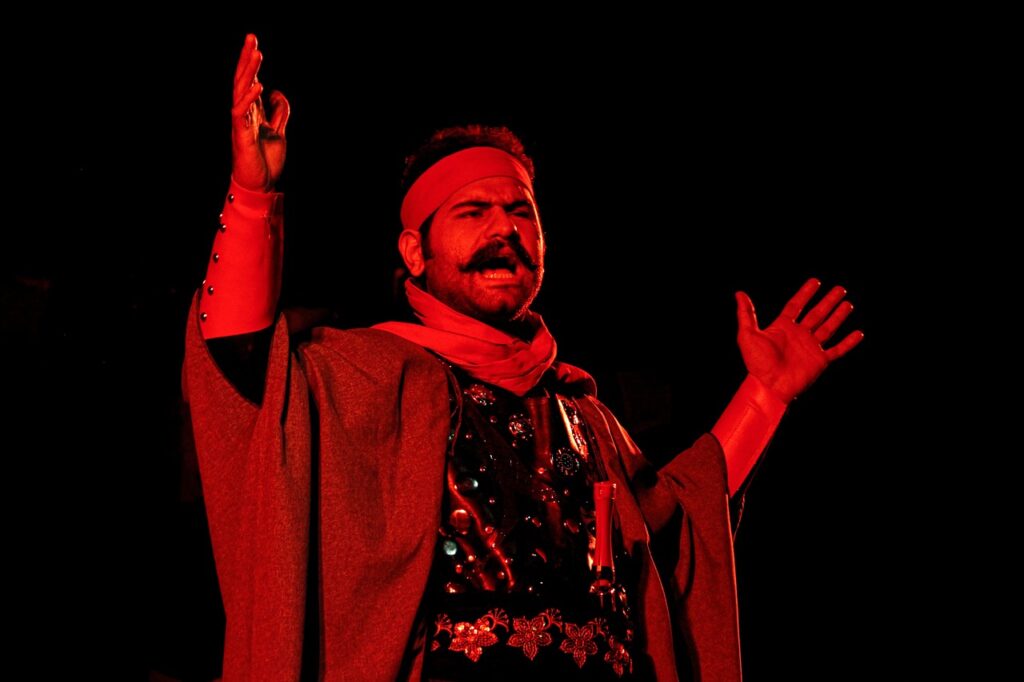
3. **The Pioneering Spirit: Commedia dell’arte and the First Actresses**Amidst a landscape largely dominated by male performers, a revolutionary shift began to take root in Italy during the 16th century with the advent of the Commedia dell’arte. This vibrant and improvisational form of theatre was a trailblazer in its embrace of professional women performers, marking a pivotal moment in the history of acting. The very structure of Commedia dell’arte, which was actor-centred and required minimal scenery, made it a fertile ground for new forms of theatrical expression and participation.
Lucrezia Di Siena stands as a monumental figure in this historical narrative, her name appearing on a contract of actors dated October 10, 1564. She is widely referred to as the first Italian actress known by name, signifying the tangible beginning of professional female acting. Following in her groundbreaking footsteps were Vincenza Armani and Barbara Flaminia, who emerged as the first primadonnas and the first well-documented actresses in Italy and, indeed, in Europe, solidifying women’s place on the professional stage.
The Commedia dell’arte troupes, with their distinct stock characters and loose frameworks for improvisation, not only allowed but also celebrated the contributions of women. These companies typically comprised 13 to 14 members, with most actors compensated through a share of the play’s profits, often proportional to the size of their roles. This equitable approach, particularly for its time, further enabled the flourishing of female talent and set a precedent for women to pursue acting as a legitimate and respected profession.

4. **The Terminology Debate: Actor, Actress, and the Gender-Neutral “Player”**The lexicon surrounding performers has evolved significantly, reflecting ongoing societal shifts and debates regarding gender and professional identity. While the word “actor” has existed for much of the English language’s history, originally meaning “one who does something,” its application to theatre performers didn’t occur until the 16th century. The emergence of the term “actress” followed in 1608, attributed to Middleton, creating a gender-specific distinction.
Throughout the 19th century, the term “actress” carried significant social baggage, with women in acting often viewed negatively, frequently associated with courtesans and promiscuity. Despite these prejudices, it was also during this period that the first female acting “stars” rose to prominence, most notably the legendary Sarah Bernhardt, challenging and ultimately beginning to dismantle these entrenched societal biases. The initial interchangeable use of “actor” or “actress” for female performers after the English Restoration later coalesced into “actress” as the commonly used term for women, influenced by the French “actrice.”
However, the post-war period of the 1950s and ’60s saw a re-adoption of the gender-neutral “actor” within the profession itself, coinciding with a broader societal review of women’s contributions to cultural life. This movement gained further momentum, notably with The Observer and The Guardian’s 2010 style guide, which recommended using “actor” for both es, reserving “actress” primarily for award titles. As Whoopi Goldberg eloquently stated, “An actress can only play a woman. I’m an actor – I can play anything,” encapsulating the professional desire for a term that transcends gender and acknowledges the breadth of a performer’s potential. The term “player” also holds historical significance, common in the silent film era and still in use in theatre group names or for improvisational actors, though generally considered archaic in modern film contexts.
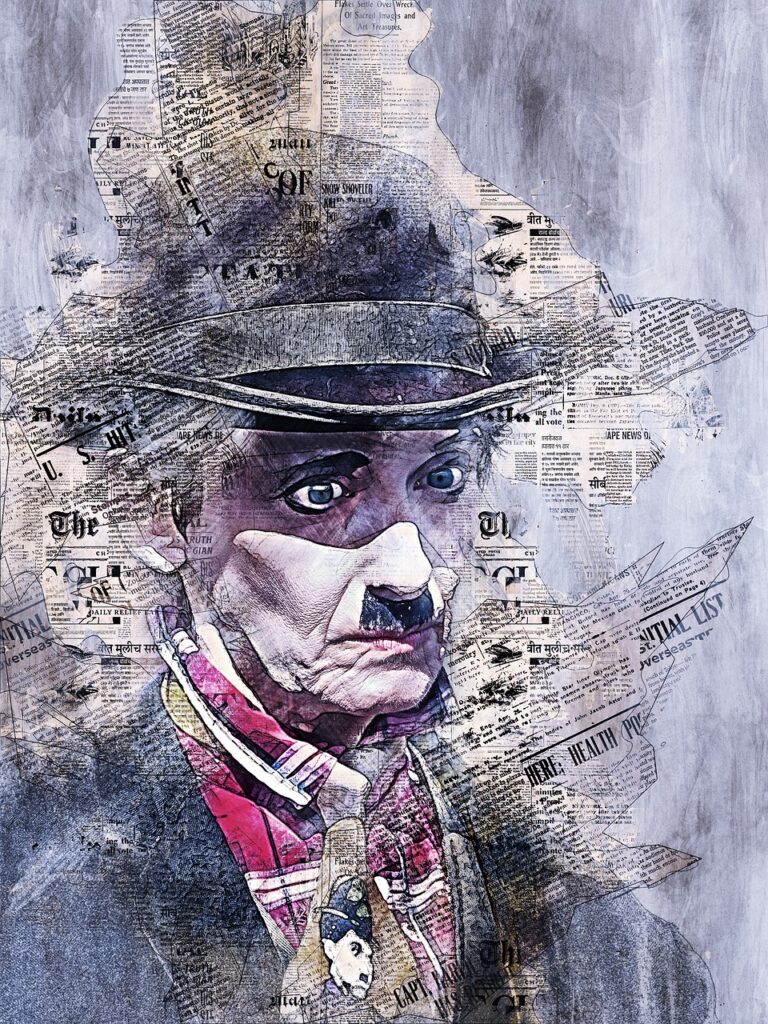
5. **From Stagehands to Stardom: The 19th-Century Actor-Managers**The 19th century marked a profound transformation in the perception and practice of acting, largely reversing its previously negative reputation and elevating it to an honored, popular profession and art form. This significant shift was propelled by the emergence of the actor as a celebrity figure, captivating audiences who eagerly flocked to see their favorite “stars” grace the stage. The public’s fascination with individual performers created a new dynamic in the theatrical landscape.
A crucial development during this era was the rise of the actor-managers. These individuals, often stars themselves, took on a multifaceted role, forming their own companies and exerting comprehensive control over every aspect of a production. They managed the actors, oversaw the staging, and crucially, handled the financing, effectively becoming impresarios of their own theatrical empires. This model allowed for artistic vision to be intertwined with commercial acumen.
When successful, these actor-managers cultivated a loyal and permanent clientele, audiences who consistently returned to witness their productions. They further expanded their reach by embarking on tours across the country, presenting a repertoire of beloved and well-known plays, particularly those by Shakespeare. Figures like Henry Irving (1838–1905), the most successful of the British actor-managers, exemplified this new era. Irving was celebrated for his Shakespearean performances and innovative practices, such as dimming house lights to focus attention on the stage. His company’s extensive tours across Britain, Europe, and the United States demonstrated the immense power of star actors to draw enthusiastic audiences, culminating in his knighthood in 1895, a clear sign of acting’s full acceptance into higher British society.
6. **The Modern Stage Emerges: Corporate Theatres and Star Power in the 20th Century**As the 20th century dawned, the theatrical landscape underwent another seismic shift, largely driven by changing economic realities. The actor-manager model, which had flourished in the previous century, began to be displaced by the complexities and financial demands of large-scale productions. The challenge of finding individuals who possessed both exceptional acting talent and brilliant managerial genius became increasingly apparent, leading to a natural specialization of roles within the industry.
This specialization saw the emergence of dedicated stage managers and, later, theatre directors, each focusing on distinct aspects of production. Financially, operating out of major cities now required significantly larger capital investments, making the sole proprietorship model increasingly unsustainable. The solution arrived in the form of corporate ownership, leading to the rise of chains of theatres, such as those controlled by the Theatrical Syndicate, Edward Laurillard, and most notably, The Shubert Organization.
These large-scale corporate entities began to cater to burgeoning tourist markets in major cities, increasingly favoring long runs of highly popular plays, with musicals often leading the charge. In this new commercial environment, the star system, already established in the 19th century, became even more essential. Big-name stars were crucial for attracting the large audiences required to fill these expansive venues and sustain prolonged engagements, cementing their indispensable role in the economic success of modern theatre productions.
7. **Crafting the Performance: A Look at Influential Acting Techniques**Beyond innate talent, the art of acting is profoundly shaped by rigorous training and specific techniques designed to help performers delve deeper into their roles. Classical acting, for instance, represents a comprehensive philosophy that integrates the expressive capabilities of the body, voice, and imagination with personalized emotional connection, improvisation, external stimuli, and meticulous script analysis. This holistic approach is rooted in the theories and systems developed by revered classical actors and directors, including the influential Konstantin Stanislavski and Michel Saint-Denis.
Stanislavski’s system, often referred to as Stanislavski’s method, revolutionized actor training by encouraging performers to draw upon their own feelings and experiences. The goal was to convey the “truth” of the character, requiring actors to immerse themselves in the character’s mindset. By identifying commonalities between their personal lives and their roles, actors could achieve a more genuine and believable portrayal, moving beyond superficial imitation to profound embodiment. This emphasis on inner life and psychological realism became a cornerstone of modern acting.
Building upon aspects of Stanislavski’s work, method acting, as formulated by Lee Strasberg, represents a distinct range of techniques. Strasberg’s method centers on the idea that actors should utilize their personal experiences to identify intimately with their characters, thereby developing a deep emotional and cognitive understanding of their roles. While distinct, other techniques, such as those of Stella Adler and Sanford Meisner, also draw from Stanislavski’s ideas. The Meisner technique, for example, demands total focus on the other actor, treating them as real and present in the moment, fostering an authenticity that resonates powerfully with the audience by emphasizing that acting finds its expression in human responses to others and to circumstances.

8. **Women’s Renaissance on the European Stage**The journey of women onto the professional stage, a narrative of both restriction and triumph, truly blossomed across Renaissance Europe. It was in Italy, with the dynamic Commedia dell’arte of the 16th century, that women first began to claim their rightful place in the spotlight, signaling a monumental shift after centuries of male-dominated performance. Early records quickly gave way to a new era where female talent was not only accepted but celebrated.
Lucrezia Di Siena stands as a powerful symbol of this era, her name immortalized on an acting contract dated October 10, 1564, and widely recognized as the first Italian actress known by name. Her pioneering spirit paved the way for luminaries like Vincenza Armani and Barbara Flaminia, who rose as Europe’s first primadonnas and well-documented actresses. From the 1560s onward, actresses became an integral part of Italian ensembles, and their international tours spread this revolutionary practice.
Beyond Italy, the winds of change swept across Spain and France during the 16th century. In Germany and the Netherlands, professional women began gracing stages by the mid-17th century, often as wives and daughters within family troupes. This provided a more acceptable context for their public presence, gradually leading to their performance in permanent city theatres and solidifying their place in national theatrical traditions.
England, however, was a notable latecomer to this transformation within Western Europe. While foreign actresses, such as Angelica Martinelli in 1578, made rare appearances, a professional native English actress remained an anomaly until the English Restoration of 1660. King Charles II’s personal enjoyment helped lift the Puritan prohibition, ushering in an era where women finally appeared on the English stage, culminating in figures like Margaret Hughes, often credited as the first professional English actress.
Read more about: The Unseen Stages: How History Shaped the Actor, From Forbidden Roles to Modern Breakthroughs
9. **Pioneering Actresses in Northern and Eastern Europe**The theatrical landscape of Northern and Eastern Europe experienced its own unique evolution regarding women on stage, influenced less by explicit bans and more by the delayed establishment of native professional theatre. These regions often relied heavily on visiting foreign companies, meaning foreign actresses performed locally long before any indigenous actors emerged. This created a distinct trajectory for integrating women into their burgeoning national performance arts.
Sweden provides a fascinating example, where no formal ban against women performing existed. As early as 1653, a Dutch theatre company, featuring women like Ariana Nozeman, performed for Queen Christina’s royal court, marking what are believed to be the first instances of actresses in Sweden. However, it took until the inauguration of the Kungliga svenska skådeplatsen in 1737, Sweden’s first national theatre, for native Swedish actresses like Beata Sabina Straas to become a permanent part of the profession, signifying a crucial step toward indigenous theatrical development.
Russia, too, followed a path of initial foreign influence. While the first Moscow theatre, founded by the Tsar in 1672, employed foreign actresses, it was not until the Imperial Theatres Decree of August 30, 1756, that native Russians were formally recruited and trained for acting careers. This paved the way for the first group of Russian actresses, including trailblazers like Avdotya Mikhailova, who helped lay the foundation for a vibrant national theatre rooted in local talent.
Further south, Poland-Lithuania witnessed its own theatrical awakening with the National Theatre in Warsaw, founded in 1765. Here, women were integral from the outset, with Antonina Prusinowska and Wiktoria Leszczyńska celebrated as the first native Polish female actors. Similarly, in Greece, following independence in 1830, Maria Angeliki Tzivitza debuted in 1840, and by 1842, Ekaterina Panayotou became the first professional Greek actress with formal training, symbolizing a new era for Hellenic stagecraft.

10. **Gender Fluidity on Stage: Cross-Gender Acting Through the Ages**The theatrical tradition of cross-gender acting, where performers embody characters of the opposite , is a rich and enduring thread woven through the history of performance. From Shakespeare’s comedies, instances of overt cross-dressing were common, designed to elicit laughter and challenge societal norms, such as Francis Flute in “A Midsummer Night’s Dream.” This tradition continued into cinematic history with iconic examples like Jack Gilford in “A Funny Thing Happened on the Way to the Forum” or Tony Curtis and Jack Lemmon famously disguising themselves in “Some Like It Hot,” underscoring its timeless comedic appeal and capacity to subvert expectations.
Beyond mere humor, cross-gender acting has frequently delved into more complex layers of identity and perception. Films such as “Victor/Victoria,” where Julie Andrews portrays a woman acting as a man who then pretends to be a woman, or “Shakespeare in Love,” featuring Gwyneth Paltrow’s character in male disguise, illustrate how these roles can intricately obfuscate gender roles. In cinema, while less common, women have also powerfully inhabited male roles, as seen with Linda Hunt’s Academy Award-winning portrayal of Billy Kwan in “The Year of Living Dangerously” or Cate Blanchett’s acclaimed depiction of Jude Quinn. These performances not only showcased extraordinary talent but also challenged conventional casting paradigms, broadening interpretations of gender on screen.
In modern theatre, especially classical works, it is increasingly common for women to play male roles when the character’s gender is not central or when productions aim to broaden representation. This practice is also prevalent in traditional forms such as British pantomime, where the “principal boy” is almost always a woman, and in opera, with numerous “breeches roles” like Hansel or Cherubino typically sung by mezzo-sopranos. Contemporary productions further explore gender fluidity more explicitly, with roles like Edna Turnblad in “Hairspray” often portrayed by men, and actors embodying trans characters such as Lili Elbe in “The Danish Girl.” These diverse applications reflect a growing cultural dialogue around gender identity, underscoring theatre’s enduring role as a space for exploration and reflection.
Read more about: Behind the Curtain: An In-Depth Look at the Actor’s Craft, History, and Industry Realities

11. **The Unique Theatrical Traditions of East Asia**East Asian theatre, with its ancient and profound artistic lineage, offers a particularly rich tapestry of performance traditions where the portrayal of gender on stage has evolved distinctively from Western conventions. These theatrical forms often reflect deep cultural aesthetics and philosophical underpinnings that manifest in unique approaches to character embodiment. The emphasis on stylized movement, elaborate costumes, and symbolic interpretation often allows for a fluid interplay of gender that is central to the art form itself.
In Japan, the iconic Kabuki theatre provides a prime example with its enduring tradition of *onnagata*. This refers to male actors who specialize in playing female roles, a practice central to Kabuki after women were banned from performing on stage during the Edo period. The *onnagata* tradition is not merely about imitation; it is a highly refined art form requiring dedicated training to perfect idealized movements, vocalizations, and emotional expressions, often presenting a more “feminine” ideal than a female actor might portray. This convention continues to be a cornerstone of traditional Kabuki, revered for its artistic depth.
Similarly, Chinese drama, notably Beijing opera, has historically featured men performing all roles, including female characters. This practice highlights a cultural preference for stylized performance over naturalistic gender representation, where the actor’s skill in embodying the character’s essence takes precedence. However, the diverse landscape of Chinese theatre also presents a counterpoint in Shaoxing opera, a prominent regional form where women often play all roles, including male ones. This dynamic showcases the varying approaches to gender within East Asian performing arts, demonstrating a fluidity that challenges simplistic categorizations.
Read more about: The Unseen Stages: How History Shaped the Actor, From Forbidden Roles to Modern Breakthroughs

12. **Breaking Barriers: Women in Middle Eastern Theatre**The emergence of modern theatre in the Middle East during the 19th and early 20th centuries presented unique challenges and triumphs for women in acting, deeply intertwined with prevailing societal norms regarding female public presence. As Western theatrical models, which often necessitated female actors for female roles, began to influence the region, a new frontier opened for women to step onto the stage, often against considerable social resistance. Their journey, therefore, represents a significant cultural shift and a testament to their pioneering spirit.
In the Ottoman Empire during the Tanzimat era, modern theatre was pioneered by an Armenian company in the 1850s, setting the stage for the first female performers. Arousyak Papazian is credited as the first, making her debut in 1857. Significantly, as acting was not considered a respectable profession for Muslim women, these early actresses were predominantly Christian Armenian. The immense societal stigma meant these trailblazing actresses often received higher salaries than their male counterparts, a unique compensation structure reflecting the formidable barriers they overcame.
This dynamic continued until the Armenian theatre monopoly was abolished in 1879, after which Muslim Turkish male actors entered the field. However, no Muslim Turkish female actor performed on stage until Afife Jale in the 1920s, underscoring enduring cultural taboos. A similar narrative unfolded in Egypt, where Yaqub Sanu founded modern theatre in 1870. Facing immense difficulty engaging indigenous Egyptian Muslim women due to societal expectations of veiling and segregation, Sanu was compelled to employ non-Muslim women.
The Dayan sisters, Milia and her sister, alongside Miriam Samat, Warda Milan, Mathilde Nagga, Ibriz Estati, and Almaz Estati, all non-Muslim women, are recognized as the first actresses in the Arab world, bravely defying deeply ingrained cultural norms. It was not until 1915 that Mounira El Mahdeya broke through as the first Muslim actress in Egypt and the wider Arab world, marking a pivotal moment in the history of female representation and artistic freedom in the region.

13. **The Economic Realities of Acting: Compensation Structures**The pursuit of an acting career, while often glamorized, is grounded in a stark economic reality, characterized by a vast spectrum of potential incomes. Historically, even skilled performers faced fluctuating wages; Shakespeare himself, in his early acting career, likely earned around six shillings per week, comparable to a skilled tradesman. This highlights that acting, for many, has always been a profession with inherent financial instability, despite its artistic allure.
In contemporary America, the median hourly wage for actors in 2024 stands at $23.33, a figure that masks significant disparities. A striking reality is the widespread lack of comprehensive benefits; a mere 12.7% of SAG-AFTRA members earn sufficient income to qualify for its health plan, underscoring the precarious financial footing of many working actors. Across the Atlantic, full-time actors in Britain faced a median income of £22,500 in the same year, slightly below the minimum wage, painting a picture where passion often outweighs immediate financial reward for the majority.
Despite these lower median incomes, the upper echelons of the acting world represent a stark contrast, where a select few command exorbitant fees. Film actors such as Aamir Khan and Sandra Bullock have garnered tens of millions of dollars for single film productions, demonstrating the immense financial rewards available to those at the pinnacle of global stardom. This duality of income – the struggle for the many versus the immense wealth of the few – defines the modern acting profession, driven by global blockbusters and celebrity-driven markets.
Child actors, a unique segment of the performing arts, operate under specific compensation regulations. In the United States, union child actors are guaranteed a daily rate of at least $1,204. However, due to their minor status, most income is typically managed by parents or legal guardians. To safeguard a portion of these earnings, states like California enforce the Coogan Act, mandating 15% of a child’s income be placed into a blocked trust account, accessible upon reaching adulthood. Similar protective measures are in place in Illinois, New York, New Mexico, and Louisiana.
Read more about: The Unseen Stages: How History Shaped the Actor, From Forbidden Roles to Modern Breakthroughs
14. **Confronting the Disparity: The Gender Pay Gap in Acting**The issue of compensation within the acting profession is further complicated by a pervasive and well-documented gender pay gap, a systemic disparity affecting women at all levels of the industry. Despite increased calls for equality and representation, the financial rewards for female actors often lag significantly behind their male counterparts, reflecting broader societal biases and entrenched industry practices. This gap extends beyond individual salaries to influence the very types of roles and opportunities available to women, impacting their career trajectories.
A revealing 2015 report from Forbes highlighted this imbalance, noting that a mere 21 out of the 100 top-grossing films of 2014 featured a female lead or co-lead, and only 28.1 percent of characters in those films were female. These statistics paint a clear picture of an industry where women are underrepresented in leading roles, which inevitably correlates with lower overall earnings and reduced opportunities for significant compensation. The scarcity of prominent female roles exacerbates the pay gap, as fewer high-profile parts mean fewer opportunities for women to command top-tier salaries.
Delving deeper into the economic realities, the industry-wide gap in the U.S. demonstrates alarming disparities across racial and ethnic lines as well. On average, “white women earn 78 cents to every dollar a white man makes,” a figure that drops even further for women of color: “Hispanic women earn 56 cents to a white male’s dollar, black women 64 cents and Native American women just 59 cents to that.” These figures not only highlight the gender pay gap but also expose the compounding effect of racial bias within an already unequal system, emphasizing the urgent need for comprehensive equity initiatives across the industry.
A pointed analysis by Forbes in 2013 on U.S. acting salaries revealed the stark reality: “the men on Forbes’ list of top-paid actors for that year made 2+1/2 times as much money as the top-paid actresses.” This translates to Hollywood’s best-compensated actresses earning “just 40 cents for every dollar that the best-compensated men made,” a staggering disparity that underscores the deeply embedded nature of the gender pay gap at the highest echelons of the profession. This persistent imbalance demands continued scrutiny and concerted efforts from industry leaders, unions, and advocates to foster a truly equitable and inclusive environment where talent, regardless of gender, is compensated fairly and proportionally.
As we conclude this expansive journey through acting’s intricate world, from ancient origins to contemporary complexities, it’s clear the stage and screen are more than performance platforms. They are mirrors reflecting profound societal, cultural, and gender shifts. The resilience of women in acting and ongoing battles for equitable compensation illuminate not just the art form, but the enduring quest for recognition and fairness. The spotlight now illuminates a path where every performer, regardless of background, can truly play anything.


