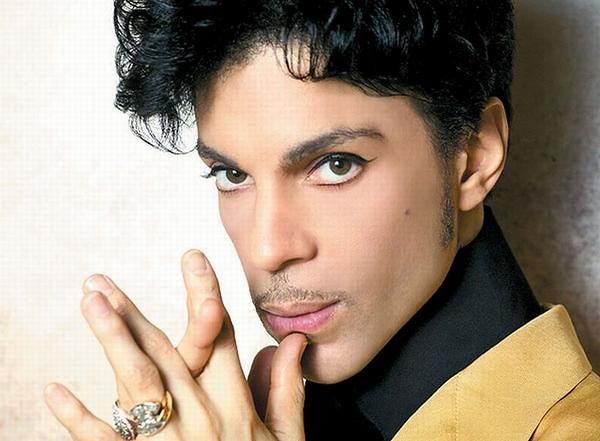
The world collectively mourned on April 21, 2016, with the news of Prince Rogers Nelson’s untimely passing. A singular force in music, known for his extraordinary talent, flamboyant persona, and groundbreaking sound, Prince left behind an indelible mark on pop culture that continues to resonate. Yet, in the wake of his death, a clearer, more intimate picture of the man behind the music began to emerge, revealing layers of his personal life, hidden struggles, and lesser-known passions that have only deepened our appreciation for his multifaceted genius.
Like flickers of light emerging from the shadows, these posthumous revelations have offered fans and the public alike a chance to understand the intricate tapestry of experiences that shaped the artist we adored. From his childhood dreams and familial dynamics to his quiet acts of philanthropy and early personal battles, the narrative of Prince’s life gained new depth and nuance as details previously shrouded in his carefully guarded privacy came to light. These insights remind us that even the most iconic figures hold untold stories, enriching the legend with human complexity.
Join us as we embark on a journey through some of the most compelling discoveries about Prince that have surfaced since his passing. These are the untold chapters, the surprising facts, and the poignant details that allow us to connect with Prince not just as a global superstar, but as a person, offering a rare glimpse into the formative experiences that forged one of the greatest musical talents of his generation.
1. **A Child Advocate for Teachers’ Rights at Age 11**
In a truly remarkable and heartwarming discovery made in 2022, Minneapolis-St. Paul news station WCCO-TV was researching a previous teachers’ strike from April 1970. What they stumbled upon was a captivating interview with a young boy, aged just 11, who spoke with surprising maturity and conviction about the ongoing labor dispute. This boy, it was later confirmed, was none other than Prince Rogers Nelson, offering one of the very few video glimpses into his childhood.
During the interview, the future superstar articulated his views on the strike with an empathetic understanding that belied his years. He stated, “I think they should get a better education too cause, um, and I think they should get some more money cause they work, they be working extra hours for us and all that stuff.” This quote offers a poignant insight into his early sense of social awareness and fairness, showcasing a child already thinking beyond his immediate surroundings.
While he never explicitly identified himself in the clip, meticulous detective work by a Minneapolis historian and fan of Prince, alongside confirmation from a former classmate who was a member of Prince’s first band, verified the boy’s identity. This accidental uncovering of such a rare piece of archival footage provides an extraordinary window into Prince’s early character, revealing a thoughtful and articulate individual even before his musical career began to blossom.
Read more about: Patti Smith: A Life Forged in Art, Poetry, and Enduring Voice
2. **His Lifelong Battle with Epilepsy and a Spiritual Healing**
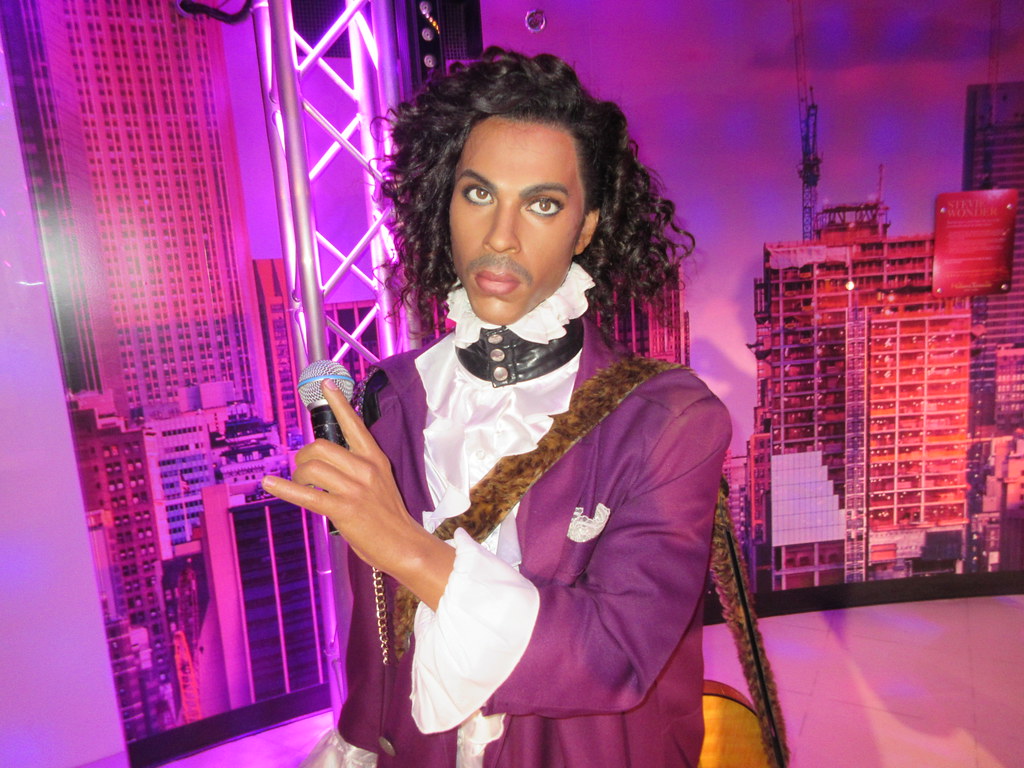
Prince, despite his often larger-than-life stage presence, was a deeply private individual, and many aspects of his personal struggles only came to light after his death. One of the most profound revelations was his lifelong battle with epilepsy, a condition he openly discussed in later years but was not widely known during the height of his fame. He shared that he was “born epileptic” and had experienced seizures during his youth, shedding light on a personal challenge he grappled with from an early age.
His mother recounted a particularly striking moment from his childhood that speaks to his innate spiritual conviction. According to her, Prince one day approached her and declared, “Mom, I’m not going to be sick anymore.” When she inquired why, he responded with profound simplicity, “Because an angel told me so.” This powerful anecdote suggests a deep internal strength and a belief in a higher power that seemingly guided him even through early adversity.
This personal story offers a deeper understanding of Prince’s often-mystical and spiritual leanings, which permeated much of his music and artistic philosophy. Knowing about his childhood seizures and this declared spiritual healing provides a context for his introspective lyrics and his unwavering commitment to his own unique path, showing a resilience that was foundational to his being.
3. **A Hidden Passion and Talent for Ballet, and Philanthropy for Dance**
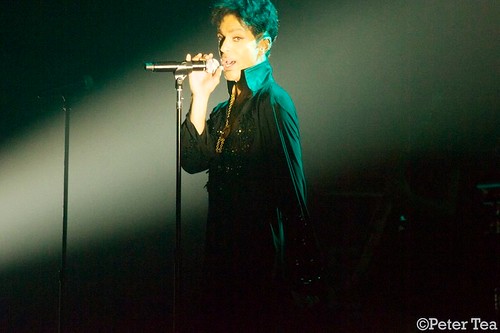
Beyond his undeniable musical prowess, Prince harbored a lesser-known but equally profound passion for dance, particularly classical ballet. The context reveals that he was formally trained in classical ballet at the Minnesota Dance Theatre through the Urban Arts Program of Minneapolis Public Schools. This dedication to dance speaks volumes about his holistic artistic vision and his commitment to mastering various forms of creative expression.
This early training undoubtedly contributed to his famously fluid movements and captivating stage presence, which were integral to his performances. His understanding of choreography and physical artistry was not merely intuitive; it was cultivated through rigorous discipline, adding another layer to the immense talent he displayed on stage.
What’s even more remarkable is that Prince’s connection to the dance world extended into significant philanthropy. In the 1990s, he utilized his considerable wealth and influence to come to the aid of the struggling Joffrey Ballet in Chicago, effectively saving the institution. This act of generosity showcases his deep commitment to the arts beyond his own musical endeavors, highlighting his role as a patron and advocate for artistic expression in all its forms, a detail that truly humanizes his legendary status.
Read more about: The Unsettling Echoes: Unraveling the Disquieting Details Surrounding Prince’s Untimely Passing
4. **The Genesis of His Iconic Name and Childhood Desire to be “Skipper”**
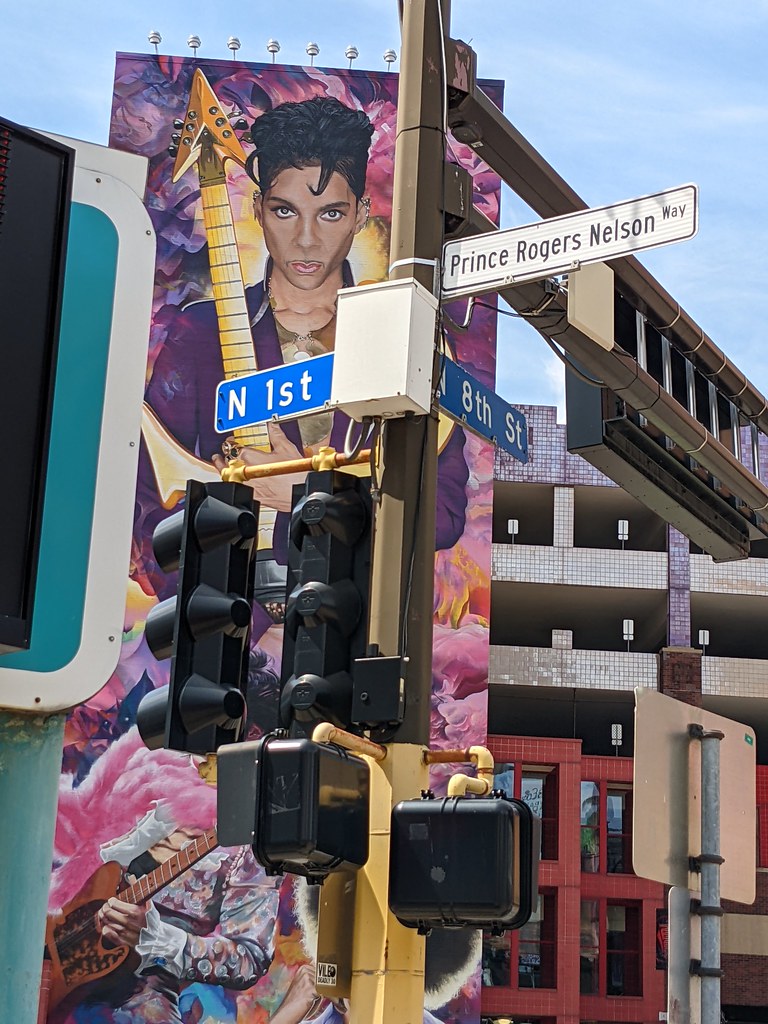
Prince Rogers Nelson’s name is synonymous with musical royalty, a single word that evokes an entire universe of sound and style. However, the story behind his iconic name, and his own childhood feelings about it, adds a fascinating dimension to his personal narrative. He was, in fact, named after his father’s popular stage name, Prince Rogers, which his father used while performing with Prince’s mother in a jazz group called the Prince Rogers Trio.
In 1991, his father, John Lewis Nelson, shared with *A Current Affair* his aspiration for his son’s future, stating that he named him “Prince” because he wanted Prince “to do everything I wanted to do.” This paternal wish undoubtedly placed a significant expectation on the young Prince, a legacy that he would not only fulfill but dramatically surpass, creating his own unparalleled artistic empire.
Yet, for all the grandeur associated with his given name, Prince himself was not particularly fond of it during his childhood. He reportedly wished people would call him “Skipper,” a nickname that apparently “stuck throughout his childhood.” This endearing detail reveals a relatable childhood desire for individuality and a simpler identity, making the global phenomenon he became all the more extraordinary. The irony of a man who would literally change his name to an unpronounceable symbol later in life, having harbored a childhood aversion to his birth name, is a testament to his complex and evolving identity.
Read more about: Purple Reign Forever: Unpacking the Extraordinary Life and Legacy of Prince, Music’s Ultimate Icon

5. **His Early Life of Instability and Formative Friendships**
Prince’s early life, far from the glamorous image he would later project, was marked by considerable instability and emotional challenges. His parents divorced when he was just 10 years old, a pivotal event that initiated a period of upheaval. Following the divorce, his mother remarried Hayward Baker, and they had a son named Omarr. Prince’s relationship with Omarr was reportedly fraught, to the extent that it caused him to frequently switch homes, oscillating between living with his father and residing with his mother and stepfather.
This constant movement and strained family dynamics could have been destabilizing for any child, yet it appears to have inadvertently fostered a crucial friendship. After a brief period of living with his father, who bought him his first guitar – an early catalyst for his musical journey – Prince eventually moved into the basement of the neighboring Anderson family after his father expelled him. This act, though harsh, set the stage for one of his most important early collaborations.
It was within the Anderson household that he befriended Andre Anderson, the family’s son, who would later become known as André Cymone. This friendship blossomed into a significant musical partnership, with Cymone collaborating with Prince in his formative years. This period of instability, therefore, paradoxically provided the environment for the development of his extraordinary musical talents and the forging of vital early connections that would influence his burgeoning career.
Read more about: A Journey Through Genius: Unveiling the Life, Art, and Enduring Legacy of Leonardo da Vinci

6. **The Influence of His Stepfather, Hayward Baker**
While Prince’s relationship with his biological parents, both musicians, laid the genetic and environmental groundwork for his artistic inclinations, his stepfather, Hayward Baker, also played a crucial, albeit different, role in his formative years. Hayward Baker married Prince’s mother after her divorce from John Lewis Nelson, and his presence brought about notable changes in the young Prince’s life.
Prince himself credited Baker with improving the family’s financial situation, providing a degree of stability that had perhaps been lacking. Beyond the practical benefits, Baker also introduced Prince to a pivotal musical experience: he took him to see the legendary James Brown in concert. This exposure to one of the most dynamic and influential performers of all time at a young age must have been nothing short of revelatory for Prince.
The electrifying energy, the unparalleled showmanship, and the groundbreaking funk of James Brown undoubtedly left an indelible impression on Prince, influencing his own distinctive stage presence and musical style. This early inspiration, facilitated by his stepfather, highlights how various individuals contributed to the rich tapestry of influences that shaped Prince into the icon he became. It’s a testament to the idea that sometimes, the most unexpected figures can open doors to lifelong passions.”
As we continue our journey into the life of the enigmatic Prince, we shift our focus from his formative years to the monumental impact of his artistry and his relentless pursuit of creative autonomy. The stories that emerged after his passing have further illuminated his unparalleled musical genius, his fierce battles for artistic freedom, his profound cultural contributions, and the astonishing volume of unreleased work he meticulously crafted, cementing his status not just as a superstar, but as a true visionary.
His legacy is a testament to an artist who not only pushed boundaries but often shattered them, redefining what was possible in music, performance, and the very business of being an artist. These insights offer a deeper appreciation for the man who was, in the words of Billboard magazine, ‘the greatest musical talent of his generation,’ revealing the depth of his commitment to his craft and his unyielding spirit.
Read more about: Prince Rogers Nelson: The Architect of Sound – A Comprehensive Journey Through the Life and Enduring Legacy of a Musical Icon
7. **The Unparalleled Multi-Instrumental Virtuoso and ‘Minneapolis Sound’ Pioneer**
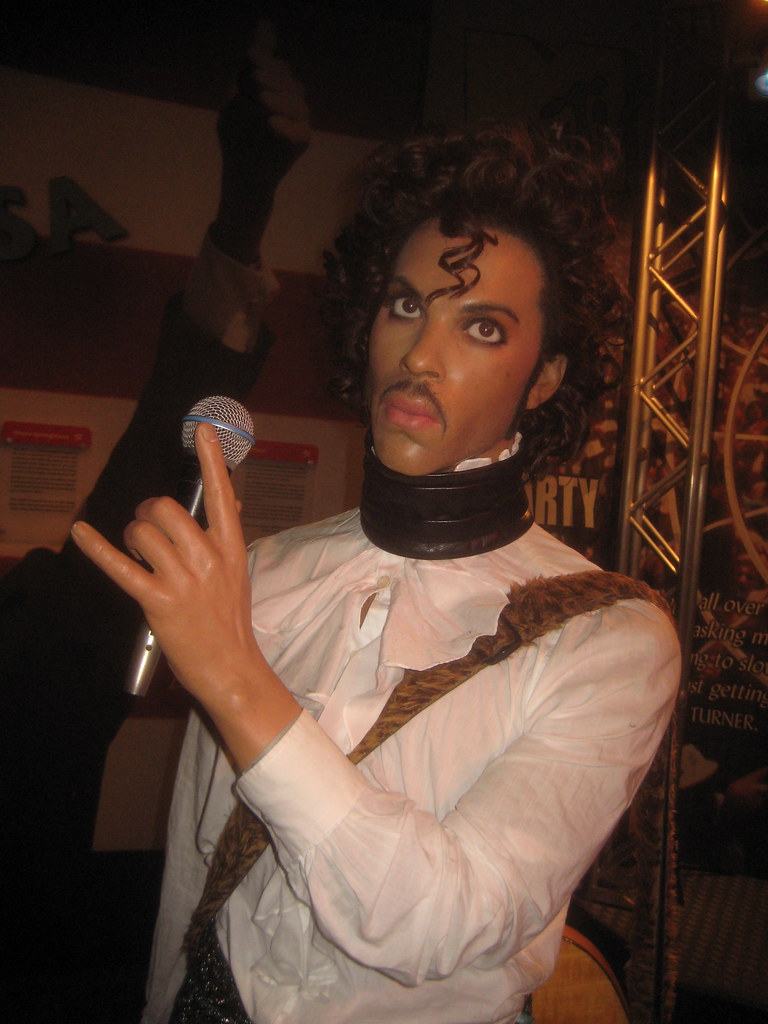
Prince Rogers Nelson was not merely a singer or a songwriter; he was a singular musical force, often preferring to play all or most of the instruments on his recordings. This incredible versatility, encompassing guitar, drums, keyboards, and more, highlighted a level of musical mastery rarely seen in popular music. His records were often a testament to his individual brilliance, crafted with an intricate understanding of every sonic layer.
His unique ability to blend genres was equally groundbreaking. Prince’s music incorporated a wide variety of styles, seamlessly moving between funk, disco, R&B, rock, new wave, soul, synth-pop, pop, jazz, blues, and even hip hop. This eclectic approach not only defied categorization but also created a rich, innovative sound that was distinctly his own, influencing countless artists across the musical spectrum and laying the foundation for what would become known as the ‘Minneapolis sound,’ a distinctive sonic signature that he largely pioneered.
Beyond his instrumental prowess, Prince was also an extraordinary producer. He produced his albums himself, meticulously overseeing every aspect of his recordings. This deep level of creative control, which he fought tirelessly to maintain throughout his career, was fundamental to his artistic vision, allowing him to fully realize his audacious musical ideas without compromise.
Read more about: The Indelible Reign of Prince: A Forbes Retrospective on the Musical Genius, Financial Acumen, and Cultural Impact of an Icon

8. **The ‘Purple Rain’ Phenomenon: Conquering Film, Music, and Culture Simultaneously**
1984 marked a pivotal year in Prince’s career, one that catapulted him into stratospheric global superstardom with the release of the film *Purple Rain* and its accompanying soundtrack. This semi-autobiographical musical not only showcased his acting chops but cemented his status as a cultural icon. The film itself was a resounding success, grossing over $70.3 million worldwide and earning widespread acclaim as one of the greatest musical films ever made.
The *Purple Rain* album, recorded with his backing band The Revolution, became an instant classic, spending an incredible six consecutive months atop the US Billboard 200 chart. It sold over 13 million copies in the US alone, delivering hit singles like ‘When Doves Cry’ and ‘Let’s Go Crazy,’ both of which reached No. 1 on the Billboard Hot 100, and the iconic title track which peaked at No. 2. This monumental achievement earned Prince an Academy Award for Best Original Song Score, a rare feat for a musician.
What made this period truly historic was Prince’s unprecedented simultaneous dominance across multiple entertainment mediums. In 1984, he became the first singer to simultaneously have a number-one film, album, and single in the US. This unprecedented feat underscored his unique ability to transcend musical boundaries and conquer the broader pop culture landscape, solidifying *Purple Rain*’s place not just in music history, but in cinematic and cultural lore. Its enduring legacy is further recognized by its inclusion on Rolling Stone’s ‘500 Greatest Albums of All Time’ and Time magazine’s ‘All-Time 100 Albums.’

9. **The Battle for Creative Control: From ‘Love Symbol’ to ‘The Artist’**
Prince’s relentless pursuit of artistic independence was perhaps most famously — and controversially — demonstrated in the 1990s through his very public contractual dispute with Warner Bros. Records. Feeling stifled by the label’s refusal to release his enormous backlog of music at a steady pace, Prince took an unprecedented step in 1993: he formally changed his stage name to an unpronounceable symbol, known to fans as the ‘Love Symbol,’ and was often referred to as ‘The Artist Formerly Known as Prince,’ or simply ‘The Artist.’
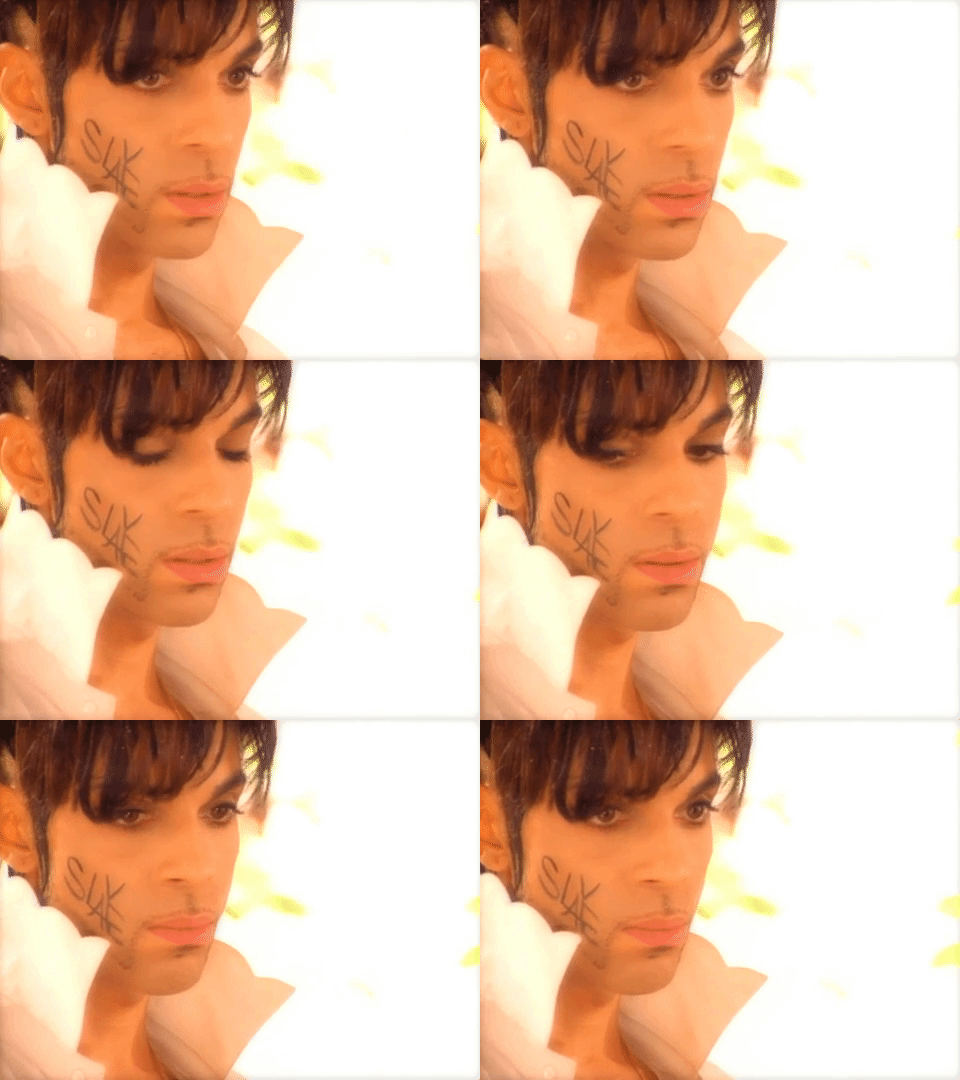
This dramatic gesture was a powerful statement against what he perceived as corporate control over his creative output. To further express his indignation, Prince began making public appearances with the word ‘slave’ written on his face, a stark visual representation of his feelings about his contract. He pushed for the simultaneous release of two albums, *Come* and *The Gold Experience*, but when Warner Bros. delayed *The Gold Experience* fearing market saturation, his resolve to break free only intensified. The label even had to organize a mass mailing of floppy disks with a custom font to allow media to print his new symbol name.
His efforts eventually bore fruit. Free of contractual obligations to Warner Bros. after the *Chaos and Disorder* album in 1996, Prince launched *Emancipation*, a sprawling 36-song, three-CD set released through his own NPG Records. This period marked a significant shift in how he handled his publishing, moving from ‘Controversy Music – ASCAP’ to ‘Emancipated Music Inc. – ASCAP,’ symbolizing his newfound freedom. This defiant stance against industry norms highlighted his unwavering commitment to owning his art and showcased a pioneering spirit that sought to rewrite the rules of the music business.
Read more about: The Ghosts of Tinseltown: Unearthing the Fatal Car Crash That Rocked Hollywood, and 13 Forgotten Scandals That Defined an Era
10. **His Prolific Output and the Legendary Vault of Unreleased Music**
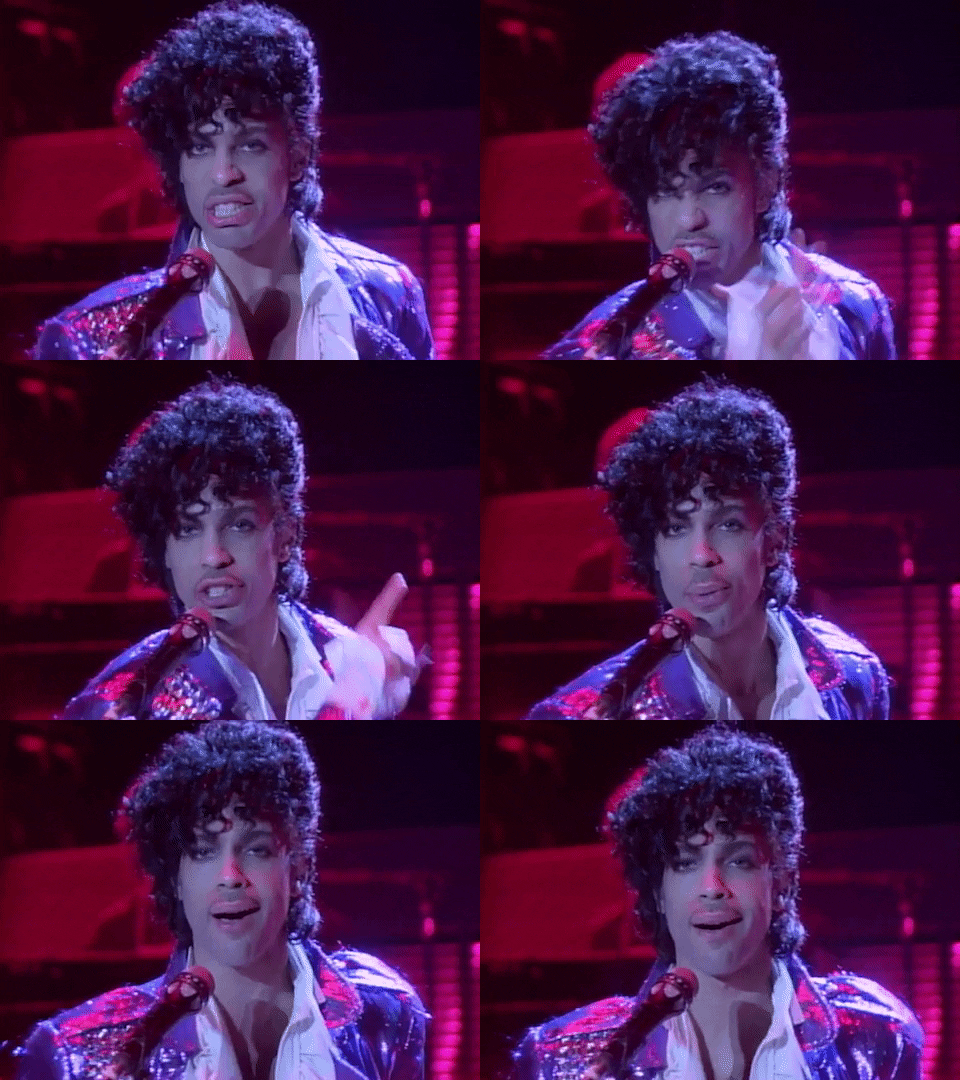
Prince was, without a doubt, one of the most prolific musicians of all time. During his lifetime, he released an astounding 39 studio albums, a testament to his boundless creativity and relentless work ethic. Yet, even this impressive catalog only scratched the surface of his artistic output, as a vast array of unreleased material remained hidden from public view in a custom-built bank vault beneath his Paisley Park home and recording studio.
This legendary vault held a treasure trove of music, including fully completed albums and over 50 finished music videos that fans had never seen or heard. The sheer volume of this unreleased work underscores a dedication to creation that went beyond commercial release schedules. It revealed an artist constantly in motion, capturing every musical impulse, every experimental tangent, and every fully realized song, even if it wasn’t immediately destined for public consumption.
Since his passing, numerous posthumous collections of his previously unheard work have been issued by his estate, offering fans tantalizing glimpses into this incredible archive. These releases, from *Originals* to *Piano & A Microphone 1983*, have continued to broaden our understanding of his artistic scope and genius, confirming what many suspected: Prince’s creative well was seemingly bottomless, and his legacy continues to unfold with each new discovery.
Read more about: The Unsettling Echoes: Unraveling the Disquieting Details Surrounding Prince’s Untimely Passing

11. **A True Innovator: Shaping Pop Culture and Breaking Barriers**
Prince’s influence stretched far beyond his music, profoundly shaping pop culture and challenging societal norms. His flamboyant, androgynous persona, coupled with his wide vocal range—which included a far-reaching falsetto and high-pitched screams—made him an unforgettable presence. He was recognized by Billboard magazine as ‘the greatest musical talent of his generation,’ a title he earned through constant innovation and fearless artistry.
He was a pioneer in breaking racial barriers in music media, most notably with MTV. His video for ‘Little Red Corvette’ was one of the first two videos by Black artists (alongside Michael Jackson’s ‘Billie Jean’) to be played in heavy rotation on the channel, which had previously been perceived as resistant to ‘black music.’ This breakthrough opened doors for countless artists and irrevocably changed the landscape of music television.
Furthermore, Prince’s provocative lyrical content, particularly in songs like ‘Darling Nikki,’ directly influenced the music industry. After Tipper Gore heard her daughter listening to the song, she founded the Parents Music Resource Center (PMRC), which advocated for parental advisory warning labels on records. While controversial, this moment cemented Prince’s role at the forefront of cultural conversations, demonstrating the power of his music to provoke thought and inspire change, even unintended ones.
12. **A Legacy That Continues to Resonate: Posthumous Accolades and Enduring Influence**
Even after his passing, Prince’s legacy has continued to grow, with a steady stream of accolades and a deepening appreciation for his indelible mark on music and culture. He has sold more than 100 million records worldwide, ranking him among the best-selling music artists of all time, a testament to the enduring appeal of his vast and diverse catalog.
His brilliance has been recognized with numerous prestigious awards, including the Grammy President’s Merit Award, the American Music Awards for Achievement and of Merit, the Billboard Icon Award, an Academy Award, and a Golden Globe Award. In 2004, he was inducted into the Rock and Roll Hall of Fame, a fitting tribute to his revolutionary sound and groundbreaking artistry. Further inductions followed into the UK Music Hall of Fame in 2006, the Rhythm and Blues Music Hall of Fame in 2016, and he was inducted twice into the Black Music & Entertainment Walk of Fame in 2022.
Beyond formal recognition, his influence is felt throughout the music world. In 2004, Spin magazine named him the greatest frontman of all time, and Rolling Stone ranked him No. 27 on their list of the 100 Greatest Artists of All Time. That same year, he was named the highest-earning musician in the world, largely due to his immensely successful Musicology Tour. His electrifying performance with Beyoncé at the 2004 Grammy Awards and his iconic guitar solo during a tribute to George Harrison solidified his status as a living legend, one whose impact will continue to inspire generations of artists and music lovers alike.
Prince Rogers Nelson was more than just a musician; he was a phenomenon. From his earliest days as a child advocate and ballet dancer to his reign as a global superstar who fought fiercely for artistic freedom, his life was a symphony of innovation, defiance, and unparalleled genius. The stories that continue to emerge only add richer, more intricate layers to the legend of an artist who truly did everything he wanted to do, and so much more. His music, his persona, and his unwavering spirit will forever echo through the annals of pop culture, a timeless testament to a true original.