
The world of music has always been one of vibrant energy, boundless creativity, and often, an incredibly demanding lifestyle. For decades, artists have crisscrossed continents, performing for adoring fans, recording groundbreaking albums, and shaping the cultural landscape. It’s a life lived at a breakneck pace, driven by passion and the relentless rhythm of touring.
Yet, beneath the glittering facade of fame and the roar of the crowd, there lies a stark reality: musicians, despite their almost mythical status, are all too mortal. While we often hear of stars succumbing to various vices or illnesses, there’s another, particularly poignant shadow that has fallen over the music industry: the tragic, untimely deaths of beloved artists in plane crashes. These incidents, though statistically rare, have an irresistible, imagination-catching metaphor, an artist’s figurative climb to the stars ended by a literal fall back to Earth.
It’s a somber truth that air travel, while generally safe, has claimed an extraordinary number of musical talents. Their stories are a testament to their enduring artistry, but also a heartbreaking reminder of lives cut short. We embark on a journey through history to remember twelve of these iconic singers, songwriters, and performers whose music continues to resonate, even as their lives ended far too soon in the unforgiving skies.

1. **Glenn Miller**
Glenn Miller, born in 1904, was far more than just a musician; he was a phenomenon. Nicknamed the King of Swing, he was an iconic composer, conductor, and trombone player whose big-band music provided a crucial beacon of hope for Americans during the tumultuous years of World War II. His melodies weren’t just catchy tunes; they were the soundtrack of a nation yearning for brighter days.
In 1942, Miller made a profound choice, enlisting in the army and going on to lead the Army Air Force Band. This was not merely a musical ensemble; it was a symbol of morale, entertaining American troops and bringing a piece of home to those serving overseas. His dedication to both music and his country was unwavering, embodying the spirit of his era.
Tragically, at the age of 40, his life was cut short on December 15, 1944. Miller was a passenger on a military flight, a single-engine UC-64-A Norseman, disappearing over the English Channel while en route to Paris. The mission was to make arrangements for his Army band to entertain troops on the continent. Neither Miller, pilot John Morgan, nor passenger Colonel Norman Baessell were ever seen again, and the plane was never located. Theories about the crash range from the plane being shot down by a British bomber jettisoning its bomb load after bad weather, to the Norseman’s wings icing over, causing it to plunge into the Channel. Regardless of the cause, the world lost a musical giant.
Read more about: From Shy Hillbilly to Global Icon: Tracing the Transformative Early Journey of Elvis Presley

2. **Buddy Holly, Ritchie Valens, and The Big Bopper**
February 3, 1959, is a date etched into music history, famously immortalized by Don McLean’s song “American Pie” as “The Day the Music Died.” This single, tragic event claimed the lives of three rising stars: 22-year-old Charles Hardin Holley, better known as Buddy Holly; 17-year-old Richard Steven Valenzuela, or Ritchie Valens; and 28-year-old J.P. Richardson, universally known as “The Big Bopper.” Their combined loss sent shockwaves through the nascent world of rock and roll.
Buddy Holly, a singer and songwriter from Texas, had a short but incredibly impactful two-year run in the limelight. His smash hits like “That’ll be the Day” and “Peggy Sue” heavily influenced American rock music, earning him recognition as one of rock and roll’s founding fathers and later an induction into the Rock and Roll Hall of Fame. Ritchie Valens, despite his youth, was a pioneer of the rock and roll style and a forefather of the Chicano rock movement, best known for transforming the Mexican folk song “La Bamba” into an instant rock hit. The Big Bopper, a celebrated songwriter, singer, and disc jockey, achieved fame with hits like “Chantilly Lace” and “The Big Bopper’s Wedding,” showcasing his distinctive, animated style.
The three musicians were touring as part of the “Winter Dance Party” and had just performed in Clear Lake, Iowa. Due to severe weather and cold, Holly made the decision to charter a plane to their next destination in Fargo, North Dakota, for a show in nearby Moorhead, Minnesota. Tragically, shortly after taking off in a Beechcraft Bonanza, the single-engine aircraft encountered bad weather. The pilot, Roger Peterson, who was only 21 and reportedly not prepared for the conditions, lost control. The plane crashed in a cornfield just five miles northwest of the airport, killing all aboard instantly. The investigation blamed pilot error, a devastating conclusion for a flight that carried so much talent. The story is made even more poignant by details like Valens winning his seat on the plane through a coin flip with guitarist Tommy Allsup, and Waylon Jennings, then a member of Holly’s band, giving up his seat to Richardson, who was sick.
Read more about: The Enduring Legacy: A Deep Dive into Rock Music’s Transformative Eras

3. **Patsy Cline**
Patsy Cline, born Virginia Patterson Hensley, remains one of the biggest country stars ever, a true pioneer who helped country music break into mainstream culture during the 1950s. Her powerful voice and emotive delivery delivered several number-one hits, cementing her as a pillar of the genre. Honored in the Country Music Hall of Fame, her legacy as one of the most influential and acclaimed female vocalists of the twentieth century is undeniable, inspiring countless singers across varied genres.
Cline’s life was marked by a challenging background, but she rose to perform at Carnegie Hall, toured with “The Johnny Cash Show,” and collaborated with other country music icons like Willie Nelson and June Carter. Her biggest hits, including “Walkin’ After Midnight,” “I Fall to Pieces,” “Crazy,” and “Sweet Dreams,” are timeless recordings that testify to her immense artistic capacity and continue to touch hearts today.
On March 5, 1963, Cline was returning home to Nashville, Tennessee, after performing a concert in Kansas City, Kansas. She was just 30 years old. The small private plane, a Piper Comanche, was piloted by her manager, Ramsey “Randy” Dorris Hughes. The journey had been plagued by bad weather, forcing several stops along the way. After taking off from Dyersburg, Tennessee, into rain, clouds, and darkening skies, the aircraft crashed approximately 75 miles west of Nashville. Cline, Hughes, and musicians Harold Franklin “Hankshaw” Hawkins and Llody Estel “Cowboy” Copas were all killed. Accident investigators ultimately blamed pilot error.
Eerily, Cline had shared premonitions of her early death with friends, telling them she didn’t expect to live much longer. Only a week before the crash, she reportedly told bass singer Ray Walker of The Jordanaires, “I’ve had two bad accidents. The third one will either be a charm, or it’ll kill me.” Her words proved chillingly prophetic, adding another layer of tragedy to her untimely demise.
Read more about: Why the Trail Went Cold: Tracing the Retreat of Country Firebrand Gretchen Wilson from the Limelight

4. **Jim Reeves**
Another country music legend whose life was tragically cut short by a plane crash was Jim Reeves, also known as Gentleman Jim. Born in 1923, Reeves found fame in the 1950s as a critically acclaimed country singer and songwriter, captivating audiences with his smooth, baritone voice. He was a central figure in developing the Nashville Sound, a subgenre that blended traditional country with pop influences.
Reeves’ vocal performance evolved significantly over his career. Initially known for a standard Texan belting style, he refined his delivery into a more ballad-oriented approach that resonated globally. His ability to connect with listeners through songs like “He’ll Have to Go” and “Billy Bayou” earned him immense popularity and broadened the appeal of country music far beyond its traditional audience.
Tragically, on the afternoon of July 31, 1964, Reeves, then 40, was piloting his own single-engine Beechcraft 35-B33 Debonair. He and his manager, Dean Manuel, were en route to Nashville from Batesville, Arkansas. While flying over Brentwood, Tennessee, they encountered a violent rainstorm. Reeves, an experienced pilot, apparently became disoriented in the treacherous conditions. The airplane plunged into the ground at high speed, killing both occupants instantly. The wreckage was difficult to locate, taking 42 hours to find, with country stars Marty Robbins and Ernest Tubb even joining the search efforts. His death, mirroring Patsy Cline’s in its cause and suddenness, left a profound void in the country music scene.
Read more about: A Hero’s Absence: Did You Know These 12 Familiar DC Movie/TV Faces Are Gone?
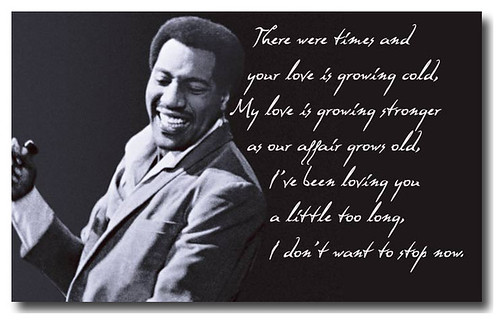
5. **Otis Redding**
At just 26 years old, Otis Redding was already hailed as one of the greatest soul singers ever to have lived, earning him the moniker “The King of Soul.” Drawing deep inspiration from his gospel roots, Redding was renowned for his mastery and immense influence within the soul genre. His powerful, gritty vocals and heartfelt delivery defined a generation, making classic songs like “These Arms of Mine” enduring anthems of emotion.
Redding’s career was in full, glorious bloom when tragedy struck on December 10, 1967. He and members of his band, the Bar-Kays, had taken off from the airport in Cleveland on a chartered twin-engine Beechcraft 18, headed for a gig in Madison, Wisconsin. The weather that day was notoriously bad, characterized by cold drizzle and fog, conditions that would prove to be fatal.
While on approach to Madison, the airplane plunged into the icy waters of Lake Monona. The exact cause of the crash remains officially undetermined, though some speculate engine problems may have contributed to the disaster. Of the seven people onboard, there was only one survivor: 20-year-old Ben Cauley, one of the musicians. The opening band scheduled for Redding’s Madison concert that night, a local outfit called the Grim Reapers, would have featured future Cheap Trick guitarist Rick Nielsen, adding a chilling footnote to the event. Four months after Redding’s untimely death, his iconic single “(Sittin’ on) The Dock of the Bay” posthumously hit No. 1, becoming his first chart-topping record and an enduring testament to his unparalleled talent.
Read more about: The Top 9 Singers Who Were Born Rich: A Deep Dive into Their Priceless Vocal Gifts
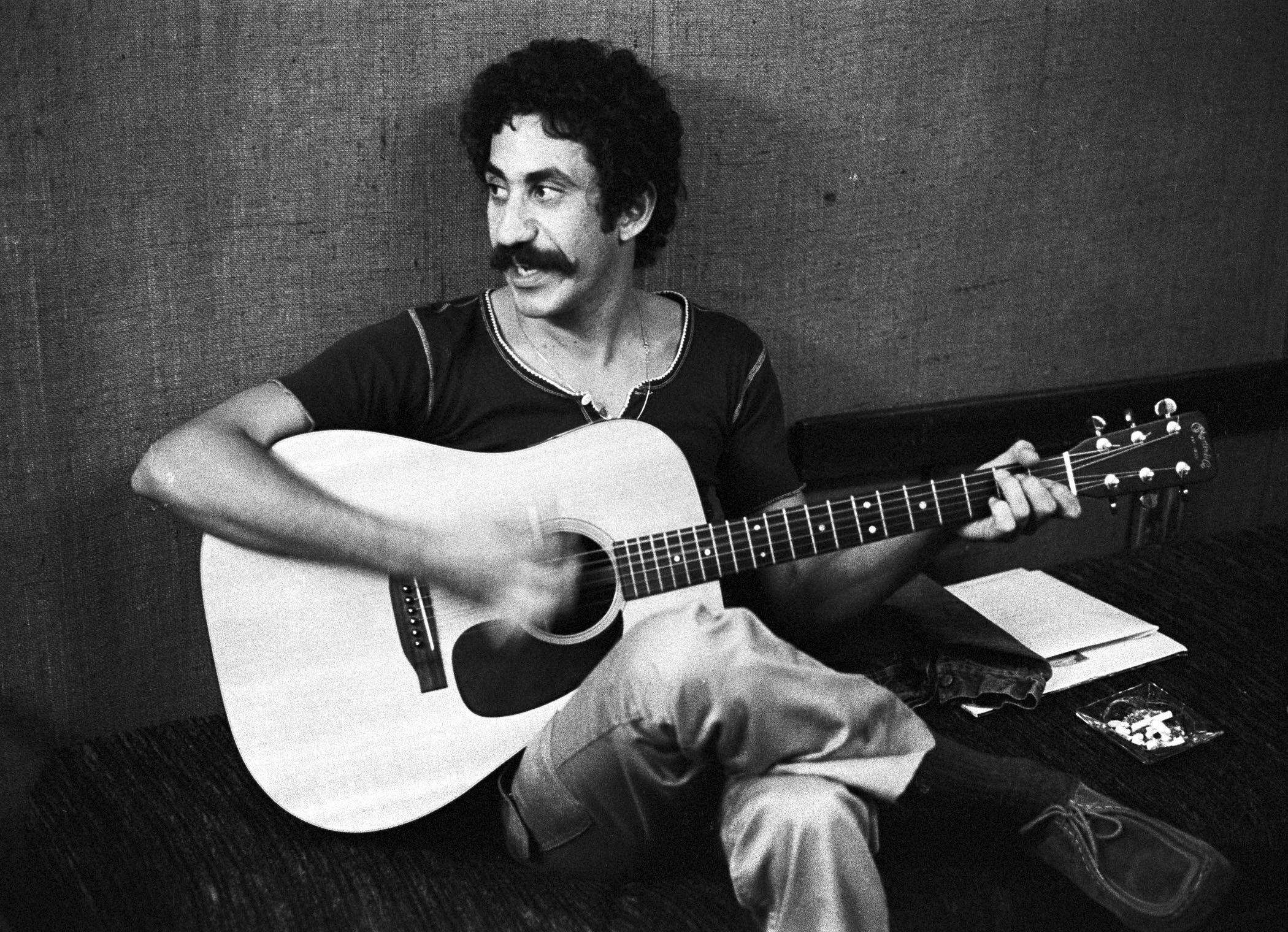
6. **Jim Croce**
Jim Croce was a shining star of the 1970s folk scene, a singer-songwriter whose career was just beginning to reach incredible heights when it was tragically cut short. His warm voice and evocative storytelling captivated audiences, bringing him widespread chart success with hits like “Bad, Bad Leroy Brown” and “Time in a Bottle,” which topped the Billboard Hot 100 charts. He produced and released five music albums and eleven single tracks, showcasing a prolific talent that belied his short time in the spotlight.
Interestingly, Croce’s first album was financed by a $500 wedding gift from his in-laws, given on the condition it be used for an album, with the secret hope that its failure would push him to continue his education. However, the album proved to be a sold-out success, firmly launching his musical journey and defying expectations. His hard-earned musical career, while bringing him fame, did not always bring personal fulfillment, as he was often homesick.
On September 20, 1973, after performing his last concert at Northwestern State University in Natchitoches, Louisiana, Croce was weary of the road. He was eager to get to the next and final stop on the tour in Sherman, Texas. He boarded a chartered Beechcraft E18 with five other individuals, including guitarist Maury Muehleisen, comedian George Stevens, road manager Dennis Rast, and Croce’s agent, Kenneth D. Cortese. The pilot, Robert N. Elliott, had an unusual start to his day, making most of the three-mile trip to the airport on foot because he couldn’t get a cab. Immediately after takeoff from Natchitoches Regional Airport, the plane struck a pecan tree at the end of the runway. All six people onboard died instantly. The subsequent investigation placed the blame squarely on pilot error, a devastating conclusion for a life full of unfulfilled promise. A letter found after his premature death detailed his plans to leave the music business and focus on his family, adding to the heartbreak of his loss.
Our journey through the skies of musical history continues, moving into the era of classic rock and the emergence of R&B icons, where fame often meant constant travel and, tragically, increased exposure to the inherent risks of aviation. As we uncover more stories of lives cut short, we gain a deeper appreciation for the indelible marks these artists left on the world, even as their final curtain calls came far too soon. These are the narratives of artists who flew high, only to fall back to Earth in the most devastating way.
Read more about: Beyond the Spotlight: 14 Unforgettable Actors Who Stole Every Scene They Were In

7. **Lynyrd Skynyrd**
Lynyrd Skynyrd, a cornerstone of Southern rock, was soaring high, having just released their fifth album, *Street Survivors*. But three days later, on October 20, 1977, their flight from Greenville, South Carolina, to Baton Rouge, Louisiana, took a catastrophic turn. What should have been a routine journey became a tragic descent.
The chartered twin-engine Convair CV-240 ran out of fuel, forcing the pilots to attempt an emergency landing. It crashed in a wooded area near Gillsburg, Mississippi. Lead singer Ronnie Van Zant, guitarist Steve Gaines, and backup singer Cassie Gaines, along with others, were killed. Chillingly, Van Zant, who often predicted he wouldn’t live past 30, was 29 at the time.
The investigation blamed the pilots for neglecting to check fuel levels. In a strange twist, twenty people aboard survived, while the band’s core members were lost. The *Street Survivors* album cover, originally showing the band in flames, was quickly changed, a poignant symbol of their sudden, heartbreaking end. Their music, however, lives on, cementing their legend.
Read more about: The Enduring Legacy: A Deep Dive into Rock Music’s Transformative Eras
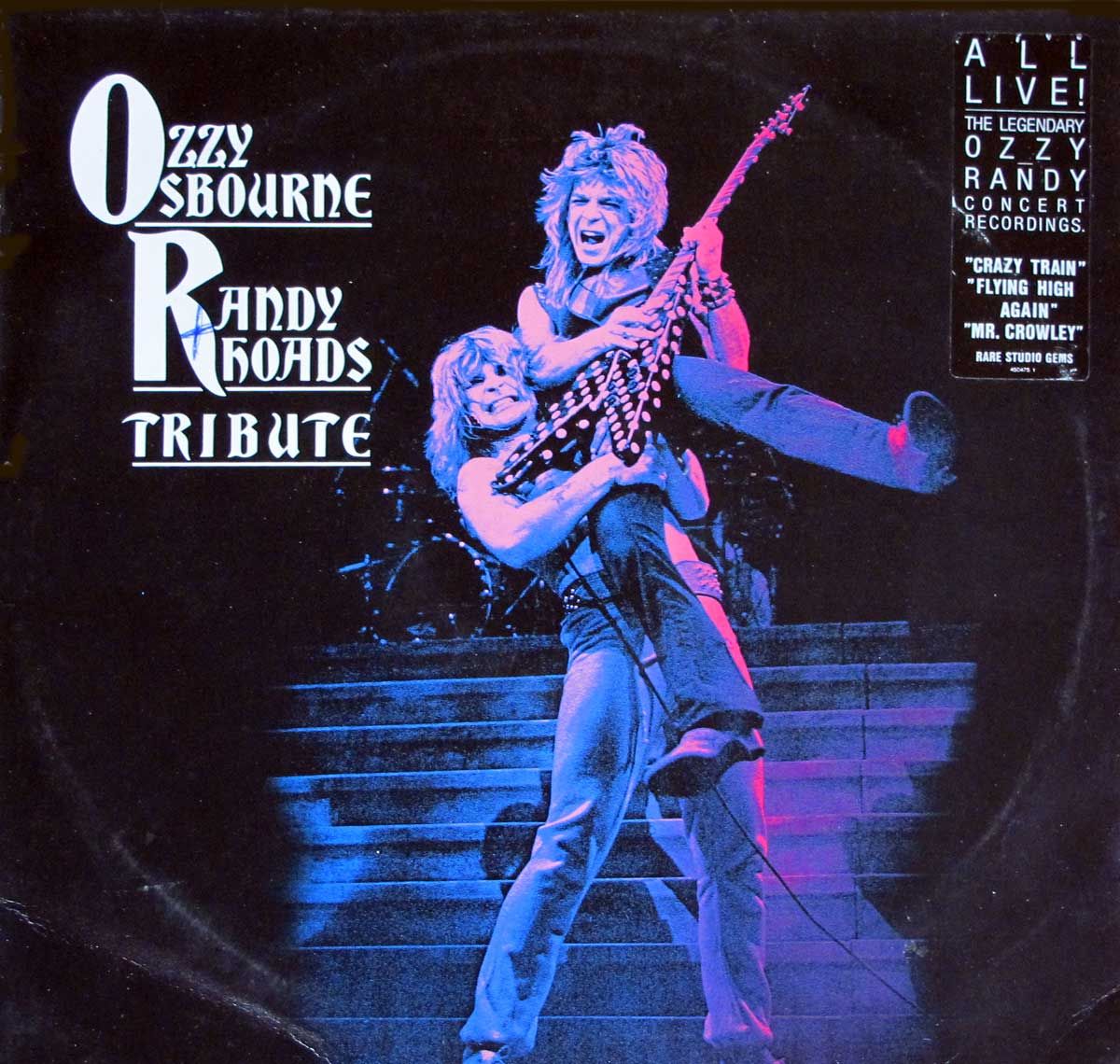
8. **Randy Rhoads**
Randy Rhoads was a guitar prodigy, whose classical training and innovative style redefined heavy metal in the early 1980s. As the influential force behind Ozzy Osbourne’s sound, he created timeless riffs like the world-famous “Crazy Train,” inspiring countless guitarists with his melodic sophistication and technical prowess.
His brilliant career ended abruptly on March 19, 1982, in one of music’s most bizarre aviation accidents. While on tour in Leesburg, Florida, Rhoads, then 25, was a passenger in a Beechcraft Bonanza. The plane was taken without permission by Andrew Aycock, the band’s bus driver with an expired pilot’s license, for a joyride.
Aycock, attempting to buzz Ozzy Osbourne’s tour bus, clipped a wing on the bus and crashed into a nearby house. All three aboard—Rhoads, Aycock, and the band’s seamstress—were killed instantly. The NTSB report concluded it was a “joy ride gone wrong,” a tragic, preventable loss of a revolutionary guitarist at his creative peak.
Read more about: A Year of Legacies: Honoring 11 Iconic Figures Who Departed in 2025, Leaving Enduring Marks on Culture

9. **Ricky Nelson**
Ricky Nelson was an American icon, seamlessly transitioning from a beloved child star on *The Adventures of Ozzie and Harriet* to a rock and roll idol. His cool demeanor, good looks, and catchy hits like “Hello Mary Lou” and “Garden Party” secured his place in music history, proving his talent extended far beyond television.
His life ended tragically on New Year’s Eve, December 31, 1985. Nelson was traveling with his band on his vintage 1944 Douglas DC-3, an aircraft he used for touring. The flight from Guntersville, Alabama, bound for Dallas, never reached its destination after a fire erupted in the cabin.
The fire, believed to be caused by a defective heater, forced the pilot to attempt an emergency landing near De Kalb, Texas. Despite valiant efforts, the fire quickly consumed the aircraft. While the pilot and copilot miraculously survived, albeit with severe burns, the other seven individuals aboard, including Ricky Nelson, perished in the devastating crash.
Read more about: Beyond the Fab Four: Unearthing George Harrison’s Eleven Iconic Rides That Prove His Automotive Taste Was Nothing Short of Legendary

10. **Stevie Ray Vaughan**
Stevie Ray Vaughan was a blues virtuoso, a force of nature whose searing solos and soulful vocals made him one of the most influential musicians of his generation. After a significant stint as David Bowie’s guitarist, Vaughan’s solo career with Double Trouble captivated audiences worldwide, electrifying stages with his unparalleled energy and distinct blend of blues, rock, and jazz.
His illustrious career ended tragically on the early morning of August 27, 1990. After a star-studded concert at the Alpine Valley Music Theater in Elkhorn, Wisconsin, where he performed with Eric Clapton, Vaughan boarded a Bell 206B JetRanger helicopter bound for Chicago. Shortly after takeoff, the helicopter ascended into dense fog and darkness, and the pilot, likely disoriented, crashed into a nearby ski mountain.
All five individuals aboard—Vaughan, three members of Clapton’s entourage, and the pilot—were killed instantly. The investigation pointed to pilot error, attributing the crash to the pilot’s inability to maintain proper altitude and direction in challenging conditions. The loss of Stevie Ray Vaughan at just 35 years old was a profound blow, silencing one of music’s most electrifying voices and leaving behind an enduring legacy of blues mastery.
Read more about: Beyond the Limelight: 13 ’80s Icons Whose Shocking Deaths Still Resonate Today

11. **John Denver**
John Denver was the quintessential troubadour, a singer-songwriter whose acoustic folk music celebrated nature and rural life. His iconic hits like “Take Me Home, Country Roads” and “Rocky Mountain High” became anthems, reflecting his deep connection to the natural world and selling over 30 million records.
Beyond music, Denver was an avid pilot with thousands of flight hours, though his license had been suspended after drunk driving incidents. On October 12, 1997, at 53, he was piloting his recently purchased Rutan Long-EZ, a distinctive home-built aircraft, near Monterey Peninsula Airport.
While performing touch-and-go landings, his plane plunged into the Pacific Ocean. Investigators concluded Denver likely crashed after inadvertently hitting the rudder pedal while attempting to switch fuel tanks, a maneuver made complex by the Long-EZ’s unconventional design. This fatal error, for an experienced pilot, tragically ended his solo flight and added his name to music’s aviation losses.
Read more about: Starbucks’ ‘Global Reset’ Unveils Key Cafe Closures: A Look at 12 Major State-Level Impacts on the 2024-2025 List.

12. **Aaliyah**
Aaliyah Dana Haughton, known simply as Aaliyah, was a phenomenal singer, dancer, and actress who, despite her tragically short life, left an indelible mark on music. Crowned the “Princess of R&B,” she released three best-selling albums, showcasing raw vocal talent and a confidently alluring persona that redefined R&B and hip-hop in the 1990s.
At just 22, Aaliyah was at her career’s pinnacle. On August 25, 2001, after shooting a music video in the Bahamas, she and her crew boarded a chartered twin-engine Cessna 402 for their flight back to Florida. Tragically, immediately after takeoff from Marsh Harbor Airport, the overloaded plane crashed, killing all nine people aboard, including Aaliyah.
The subsequent investigation revealed a horrifying chain of negligence. The pilot, Luis Morales III, had drugs and alcohol in his system, was not rated to fly the Cessna 402, and had falsified his flight hours. This deadly combination of pilot impairment and an overloaded aircraft made the crash entirely preventable, deepening the tragedy of Aaliyah’s untimely demise and forever cementing her status as a vibrant talent taken far too soon.
Read more about: From Background Blurs to Hollywood Stardom: 14 Iconic Actors Who Started as Uncredited Extras
From the swing era’s Glenn Miller to the R&B royalty of Aaliyah, the stories of these twelve artists remind us that even the most soaring careers can be brought back to Earth by unforeseen forces. Each life, rich with melody and meaning, was a testament to the power of music, and each death a poignant echo in the annals of history. Their legacies, however, are not confined to their tragic exits. Instead, they live on in every chord, every lyric, and every beat that continues to inspire and move generations. Their music, truly, remains immortal, a vibrant chorus against the silence of their passing.