For many, the allure of the big screen isn’t just about the film itself; it’s the entire experience – the dimmed lights, the shared anticipation, and, undeniably, the ritualistic visit to the concession stand. Yet, beneath this seemingly simple pleasure lies a complex financial reality for movie theaters, a reality that has grown increasingly challenging in recent years. The industry has grappled with significant shifts, from the rise of streaming services to a lingering hesitancy among consumers to return to theaters with pre-pandemic frequency.
Indeed, the landscape of cinematic consumption has undergone a dramatic transformation. The ability to rent newly released movies at home and an increase in straight-to-streaming options have fundamentally altered consumer habits. While the gross annual domestic box office in 2023 saw a commendable 20.9% increase over 2022, reaching nearly $8.91 billion, this figure still pales in comparison to the peak of almost $11.9 trillion achieved in 2018. The discrepancy isn’t merely due to fewer films being released – 592 in 2023 compared to 993 in 2018 – but also a stark decline in attendance, with January 2024 seeing a 33% drop compared to January 2019.
In this evolving and challenging environment, movie theaters have had to become remarkably creative in their pursuit of profitability. While ticket sales, subscription services like AMC Stubs A-List, and pre-show advertising contribute to their income, the true financial engine – the unsung hero of their balance sheets – often lies in an area most patrons rarely consider beyond their immediate cravings. This article will peel back the curtain, exploring the financial dynamics at play and revealing the surprisingly high-profit items that are crucial to keeping the lights on and the projectors rolling.

1. **The Post-Pandemic Box Office Slump: A Lingering Shadow Over Cinemas**The COVID-19 pandemic undeniably cast a long and enduring shadow over the movie industry, fundamentally reshaping how consumers engage with cinematic content. The sudden shift towards straight-to-streaming releases and the convenience of renting new films at home permanently altered viewing habits. While there have been signs of recovery, the industry continues to feel the reverberations of these profound changes, with attendance figures struggling to rebound to pre-pandemic levels.
Official data from Box Office Mojo highlights this struggle, noting that despite a 20.9% increase in the gross annual domestic box office in 2023 compared to 2022, the total of nearly $8.91 billion remained significantly short of the nearly $11.9 trillion achieved in 2018. This substantial gap is partially attributed to a decrease in film releases, with 993 films in 2018 dropping to 592 in 2023. However, the more critical factor is the persistent reluctance of consumers to return to cinemas as frequently as theaters had hoped.
Recent attendance data further underscores this challenge, revealing a worrying trend. According to Advan Research, January 2024 saw a 33% decline in attendance compared to the same month in 2019. This stark figure illustrates that despite studios releasing fewer titles, audiences are simply not filling seats at the rate they once did. This ongoing attendance deficit puts immense pressure on theaters to innovate and explore alternative revenue streams to maintain their financial viability in a post-pandemic world.
As a direct consequence of these reduced attendance numbers and fewer film offerings, movie theaters have been compelled to adopt more inventive strategies to ensure their continued operation. The need for creativity in generating income has become paramount, moving beyond traditional models to find financial stability. This shift in focus is not merely about survival but about adapting to a new consumer landscape, where every aspect of the business, particularly the overlooked, must be optimized for profitability.
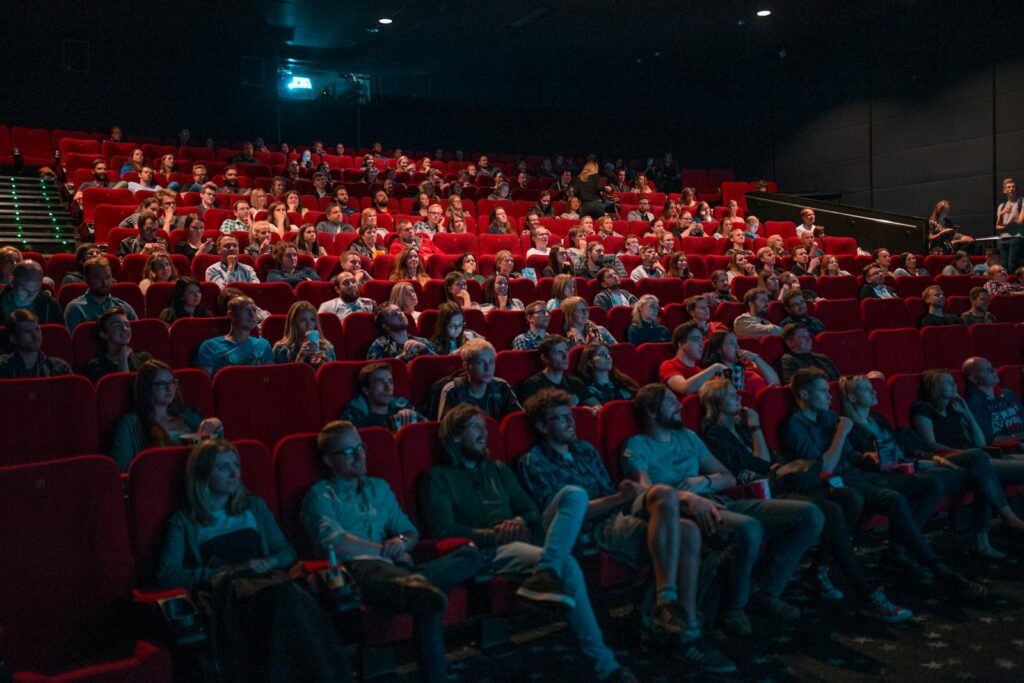
2. **The Unexpected Star: Concessions as the Main Revenue Driver**While ticket sales are often perceived as the primary financial lifeblood of a movie theater, the reality is far more nuanced. For most theaters, the true powerhouse of their income generation, the undisputed money-maker, actually resides within their concession stands. This crucial revenue stream often outperforms other income sources, proving indispensable for the financial health of the business.
Beyond the straightforward sale of movie tickets, theaters generate income through various avenues, including subscription services such as AMC Stubs A-List and advertising displayed before showtime. However, the significant contribution of food, beverages, and even specialized merchandise cannot be overstated. A prime example of the latter is the infamous “Dune: Part 2” popcorn bucket from spring 2024, which became a cultural phenomenon and a testament to the power of concession-related sales.
What truly sets concession stand sales apart from ticket revenue is a critical financial distinction: 100% of the money generated from concession sales goes directly to the theater itself. This stands in stark contrast to ticket sales, where a substantial portion is shared with movie studios. This direct retention of revenue means that the profit margin on concessions is typically more than 80%, making it an incredibly lucrative segment of the business.
The impact of concessions on a theater’s overall financial health is profound and quantifiable. For instance, a staggering 36% of AMC’s total revenues are derived from its concession sales, with Cinemark Theatres reporting an even higher figure at 39%. This significant contribution underscores why theaters are increasingly expanding their offerings to include items like cocktails and full-meal options, responding to what Rolando Rodriguez, chairman of the National Association of Theatre Owners, described to CNBC as consumers “really demanding more than just a popcorn and a drink or nachos or candy.”
Read more about: The Billion-Dollar Secret: Uncovering How Movie Theaters Make a Fortune Beyond Ticket Sales

3. **The Staggering Markups: Popcorn, Water, and Beyond**It’s a commonly accepted truth among moviegoers that nearly every item at a theater’s concession stand comes with a markup. However, the extent of this pricing, often described as outrageous, varies dramatically among different products. These significant price increases are not merely a convenience charge but a fundamental element of the theater’s economic strategy, allowing them to remain operational in a challenging market.
Perhaps the most iconic and universally consumed movie snack, popcorn, stands out for its extraordinary markup. According to insights reported by Reader’s Digest, the price of popcorn can be marked up by an astonishing 1,275% compared to the actual cost incurred by the theater to procure and produce it. This means that an item costing less than $0.50 to make can be sold at a substantially higher price, illustrating the immense profitability embedded in this classic cinematic companion.
While popcorn’s markup is substantial, it pales in comparison to that of bottled water. Research firm EntTelligence, as reported by CNBC, found that bottled water is frequently marked up by over 4,000%. This incredible figure highlights how even the simplest and seemingly most basic items contribute significantly to a theater’s profit margins. For context, the average medium popcorn at domestic movie theaters in 2023 was priced at $8.14, a clear indicator of the premium customers pay for convenience and the experience.
The ability of movie theaters to implement such dramatic markups is largely due to the unique environment they create: a captive audience. Once inside the venue, patrons have limited to no alternative options for purchasing snacks and beverages, compelling them to either pay the elevated prices or go without. This monopoly on refreshments during a movie outing provides theaters with considerable pricing power, which is strategically leveraged to support their business model.
Despite these seemingly exorbitant markups on individual items, it’s crucial to understand that movie theaters typically operate with a relatively thin overall profit margin, often around 4%. The substantial profits generated from concession sales are not simply pocketed but are instead utilized to cover significant overheads such as rent, staff wages, and electricity. Therefore, while buying that tub of delicious popcorn might feel pricey, it is, in fact, a vital contribution to the continued survival and thriving of local cinemas.

4. **Ticket Sales vs. Concessions: The Uneven Profit Split**The financial structure of a movie theater is often misunderstood, particularly concerning the division of revenue between ticket sales and concession purchases. While ticket sales are crucial for drawing audiences, the actual profit retained by the theater from each ticket is considerably less than what it keeps from a bag of popcorn or a soda, creating a stark contrast in profitability.
As previously noted, a defining advantage of concession sales is that 100% of the revenue generated from food and beverage items flows directly back to the theater. This direct retention of funds allows for exceptionally high-profit margins, often ranging from 70% to 90% on popular items like popcorn, drinks, and candy. These margins make concessions not just a supplementary income stream but often the primary engine of a theater’s net profit.
In sharp contrast, the revenue from ticket sales is subject to a significant split between the theater and the movie studios. Typically, the physical theater only retains about half of the total ticket sale amount, with the movie studios claiming the other half. Some reports even suggest that a studio’s share can climb as high as 60%. This substantial deduction means that while ticket sales are essential for bringing patrons in, the effective profit margin for the theater on each ticket is considerably lower than that of concession items.
This uneven profit split makes concession items a main source of income for many theaters, surpassing even the revenue generated from ticket sales. A 2023 survey conducted by Casino.org found compelling evidence of this, revealing that the average American spends $16.43 on concession items during a movie visit. This figure is notably higher than the average price of a movie ticket in the United States, which, according to data from The Numbers, stood at $11.31.
Therefore, while audiences arrive for the cinematic experience provided by the ticket, their discretionary spending at the concession stand ultimately has a more direct and substantial impact on the theater’s bottom line. The high profit margins on items like popcorn (often 85% or more) and soda (80% or higher) illustrate why theaters strategically prioritize and optimize their concession offerings as a critical pillar of their financial success.
5. **The Rapid Rise of Ticket Prices: A Barrier to Attendance**Beyond the profit-driving force of concession sales, another significant factor influencing the financial health of movie theaters is the notable increase in ticket prices. While essential for revenue, this rapid escalation has contributed to a growing barrier for consumers, making regular movie attendance a less frequent and more considered luxury for many households.
Examining the trend, a theater market summary report from The Numbers reveals a clear upward trajectory. The average ticket price, which was $9.16 in 2019, climbed to $10.78 by 2023. While a $1.62 increase over four years might seem modest on the surface, its significance lies in the speed of this change. To put it into perspective, a similar $1.62 price jump in average ticket prices took approximately ten years to occur in the decade prior to this period.
This rapid acceleration in pricing indicates that ticket costs not only became more expensive but did so at a much faster rate than consumers had previously experienced. Such a swift and substantial increase inevitably influences consumer behavior, making the decision to attend a movie a more significant financial commitment. This undoubtedly contributes to the reluctance of consumers to return to theaters with the regularity that the industry desires.
The financial discrepancy between box office totals and ticket sales further illustrates this point. Although the 2023 total box office was only about $2.27 trillion less than that in 2019, there were almost 400 million fewer tickets sold in 2023 compared to 2019. This means that while revenue figures might appear to be recovering, the underlying volume of attendance has diminished significantly, implying that higher ticket prices are masking a deeper issue of declining patronage.
Ultimately, this swift increase in ticket prices has unfortunately compounded the challenges faced by movie theaters, adding another hurdle that keeps consumers from more regularly experiencing the magic of the big screen. It highlights a delicate balancing act for theaters: raising prices to cover costs and increase revenue, while simultaneously risking alienating a portion of their potential audience.
6. **Movie Studios’ Big Cut from Ticket Revenue: A Fundamental Split**Before you consider forever abandoning your local cinema due to rising ticket prices and expensive snacks, it’s crucial to understand the foundational financial arrangement that dictates how ticket revenue is distributed. The complex relationship between movie theaters and studios plays a significant role in why theaters rely so heavily on other income streams, particularly their concession stands.
When you purchase a movie ticket, the entire amount you pay does not go directly into the theater’s coffers. In fact, the actual physical theater typically only gets to keep about half of the total ticket sale amount. The remaining portion, often the larger share, goes to the movie studios. While this is an average, it’s worth noting that some reports indicate a studio’s share can be as high as 60% of the ticket revenue, especially for highly anticipated new releases.
This revenue split isn’t a fixed, universal rule; rather, it’s subject to negotiation between the studio and the theaters for each individual film. These negotiations can be intense, with studios often leveraging the popularity of their blockbusters to secure a more substantial percentage of the gross box office. This means that for the most in-demand films, the theater’s cut can be even smaller, putting immense pressure on them to find alternative ways to generate profit.
This significant deduction for movie licensing fees is a critical component of a theater’s expenses, directly impacting how much a drive-in movie theater owner makes per year, and the same principles apply to traditional cinemas. For first-run films, these licensing fees can range from 50% to 70% of ticket sales. This substantial outflow of revenue means that ticket sales, while vital for attracting customers, are not the most profitable aspect of a theater’s operation.
Given this substantial split, with a significant portion of ticket revenue flowing directly to studios, theaters are left with a smaller effective margin from ticket sales. This financial dynamic makes it imperative for them to find other robust sources of income. It underscores why the high-profit margins from concession sales become not just advantageous, but absolutely essential for the economic survival and overall profitability of movie theaters.
While the financial headwinds facing movie theaters are undeniably strong, painting a picture of an industry in flux, the story doesn’t end there. Savvy operators are not merely weathering the storm; they are actively innovating, reimagining their business models, and embracing multifaceted strategies to not only survive but thrive in the modern entertainment landscape. The focus has shifted dramatically towards enhancing the overall customer experience, optimizing revenue streams beyond just the film itself, and streamlining operations for maximum efficiency.
These forward-thinking theaters are implementing a range of inventive approaches, from sophisticated pricing models that adapt to demand, to diversified menus that cater to evolving consumer tastes. They are leveraging digital tools to improve accessibility and speed, transforming their venues into dynamic hubs for a variety of events, and strategically extending their operational calendars. These aren’t just minor adjustments; they represent a fundamental recalibration of how movie theaters secure their financial future, proving that adaptability and creativity are the ultimate blockbusters in this competitive arena.

7. **Implementing Dynamic Pricing Models**In an era where every cent counts, movie theaters are increasingly turning to sophisticated pricing strategies to maximize revenue from ticket sales. Gone are the days of static pricing; the future of ticket sales lies in dynamic pricing models, a strategy that adjusts ticket costs based on a multitude of factors, much like airlines or hotels have done for years. This strategic approach allows theaters to be more responsive to market demand and consumer behavior.
Dynamic pricing involves tailoring ticket prices based on variables such as the day of the week, the time of day, the popularity of a specific film, and even local demand. For instance, a highly anticipated blockbuster opening on a Friday night might command a higher price point than a mid-week matinee showing of an older release. This flexibility ensures that theaters are capturing the maximum possible revenue from each showing.
The impact of such a strategy is not insignificant. According to industry analysis, implementing dynamic pricing can potentially lead to a 10-15% increase in per-car revenue during peak times for operations like drive-in theaters, a principle equally applicable to traditional cinemas. This ability to adjust prices in real-time allows theaters to optimize their income, ensuring that they are never leaving money on the table when demand is high, nor deterring patrons with excessive pricing during off-peak periods.
This method helps offset the relatively low-profit margins from standard ticket sales, where a substantial portion often goes directly to movie studios. By strategically increasing the gross revenue from tickets during prime viewing opportunities, theaters can bolster their overall income, contributing a more substantial share to their operational budgets and helping to cover those critical overheads mentioned earlier.
Read more about: The Billion-Dollar Secret: Uncovering How Movie Theaters Make a Fortune Beyond Ticket Sales

8. **Diversifying Concession Menus Beyond the Basics**Building on the understanding that concessions are the undisputed champions of profitability, movie theaters are evolving their offerings far beyond the traditional popcorn, soda, and candy triumvirate. Recognizing that today’s consumers demand more sophisticated and diverse options, theaters are strategically expanding their menus to boost average spending and enhance the overall experience. This diversification is a direct response to a changing consumer palate.
Rolando Rodriguez, chairman of the National Association of Theatre Owners, aptly highlighted this shift, explaining to CNBC that “The American consumer now is really demanding more than just a popcorn and a drink or nachos or candy.” This insight drives the expansion into items like gourmet hot dogs, specialty coffees, and even full-meal options, providing patrons with a wider array of choices that often come with higher price points and, critically, higher profit margins.
The financial benefits of this approach are substantial. Data suggests that by expanding offerings beyond traditional snacks, such as introducing gourmet hot dogs or specialty drinks, theaters can see a significant boost in average spend per customer, potentially increasing it by 20-30%. Furthermore, implementing smart sales tactics like creating combo deals and family packages has proven effective, with studies indicating these bundled offers can increase total concession sales by 15-25% compared to selling items individually.
Beyond just expanding the menu, theaters are also focusing on optimizing the supply chain and inventory management. This includes securing favorable contracts with suppliers to reduce procurement costs and meticulously managing inventory to minimize waste. Given that concessions are often the highest profit margin items for theaters, maximizing efficiency and profitability in this area is a critical strategy for bolstering the overall net profit for the business.
9. **Leveraging Unique Events and Diverse Programming**In the quest to attract more customers and generate additional revenue, movie theaters are increasingly transforming themselves into multifaceted entertainment venues, moving beyond purely film-centric programming. This involves hosting unique events and diversifying their offerings to appeal to a broader audience and fill seats during periods that might otherwise see lower turnout. The goal is to make the theater a community hub, not just a place to watch movies.
One highly effective strategy is the introduction of themed nights and special events. Imagine a ‘Throwback Thursday’ featuring classic films, or ‘Family Fun Nights’ complete with pre-show activities and discounted family bundles. Such events can significantly impact attendance, potentially boosting turnout by an estimated 20-40% on evenings that traditionally struggle. This creates a buzz and offers a compelling reason for patrons to visit beyond a new blockbuster.
The diversification extends further to include non-film events, unlocking entirely new revenue streams. Theaters are exploring options like hosting outdoor concerts, broadcasting live sporting events, or even utilizing their expansive spaces for community markets. This diverse programming can attract crowds during shoulder seasons, potentially adding an extra one to two months of operational income to the business, making the venue less reliant on the fluctuations of the film release schedule.
Strategic collaborations with local businesses also play a crucial role. Partnering for cross-promotions or offering ‘carload’ deals can incentivize larger groups to visit, thereby boosting overall attendance and increasing the average gross revenue per visit. These initiatives collectively strengthen the theater’s position as a vibrant local attraction, securing its place in the community’s entertainment choices and enhancing its financial resilience.
Read more about: The Billion-Dollar Secret: Uncovering How Movie Theaters Make a Fortune Beyond Ticket Sales
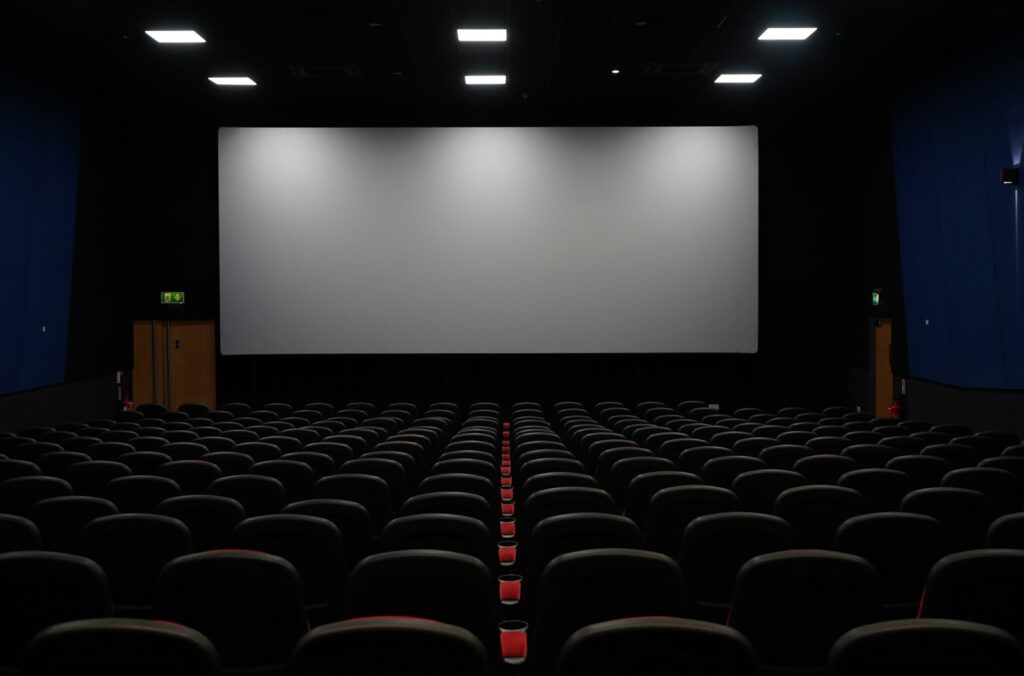
10. **Embracing Digital Enhancements for a Seamless Experience**In today’s fast-paced world, convenience is king, and movie theaters are recognizing the imperative to embrace digital enhancements to meet modern consumer expectations. From the moment a patron decides to see a movie to the instant they grab their snacks, digital tools are being deployed to streamline the entire experience, reduce friction, and ultimately boost revenue and customer satisfaction.
Online ticketing platforms have become an essential component of this digital transformation. By allowing customers to easily browse showtimes, select seats, and purchase tickets from their computers or smartphones, theaters expand their reach and improve attendance rates. This convenience eliminates queues at the box office, making the entry process smoother and more inviting, especially for those who prefer to plan their outings in advance.
Perhaps even more impactful is the implementation of mobile ordering for concessions. This innovation allows moviegoers to order and pay for their popcorn, drinks, and other snacks directly from their phones, often for pick-up at a designated counter. This significantly reduces wait times at concession stands, which are notorious for bottlenecks during peak hours. Studies suggest that mobile ordering can increase transaction speed by 30-50%, leading to higher throughput and increased sales.
These digital enhancements not only improve the customer journey but also optimize operational efficiency for the theater staff. By automating ticketing and ordering processes, staff can focus more on service and less on transactional tasks, leading to a more efficient and profitable operation. This technological pivot is vital for a business environment where every aspect of customer interaction contributes to the bottom line.
Read more about: Beyond the Glitch: Unpacking M3GAN’s Reign as the Ultimate AI Icon and Cultural Phenomenon

11. **Optimizing Operations with Modern Technology and Maintenance**Beyond direct customer-facing digital tools, modern movie theaters are making significant investments in back-end technology and rigorous maintenance practices to enhance operational efficiency and reduce costs. These often-overlooked aspects are critical for sustaining profitability, ensuring consistent operation, and protecting the theater’s financial health in the long run.
A key upgrade involves transitioning to modern digital projection and sound systems. This investment eliminates the need for expensive physical film prints, which can cost thousands of dollars per film. Digital systems are not only more cost-effective in the long run but also simplify operations, requiring less maintenance and fewer staff interventions compared to older 35mm projectors. This direct reduction in operational expenses contributes significantly to a better overall profit margin.
Equally important is a commitment to preventative maintenance across all operational equipment. This includes everything from the large screen surface and sound systems to parking lot infrastructure and seating. By proactively addressing potential issues before they escalate into major problems, theaters can significantly reduce unexpected repairs and costly downtime. Consistent, uninterrupted operation is vital for maintaining steady income and protecting against unforeseen expenses that could impact profitability.
These operational enhancements go hand-in-hand with revenue-generating strategies. A theater that runs smoothly, with reliable equipment and efficient processes, is better positioned to deliver a high-quality experience that encourages repeat visits and positive word-of-mouth. This focus on internal optimization forms a fundamental pillar of a resilient and profitable movie theater business model.
Read more about: Navigating the Field: An Expert Review of 12 Tractor GPS Systems for Unrivaled Steering Accuracy and Efficiency
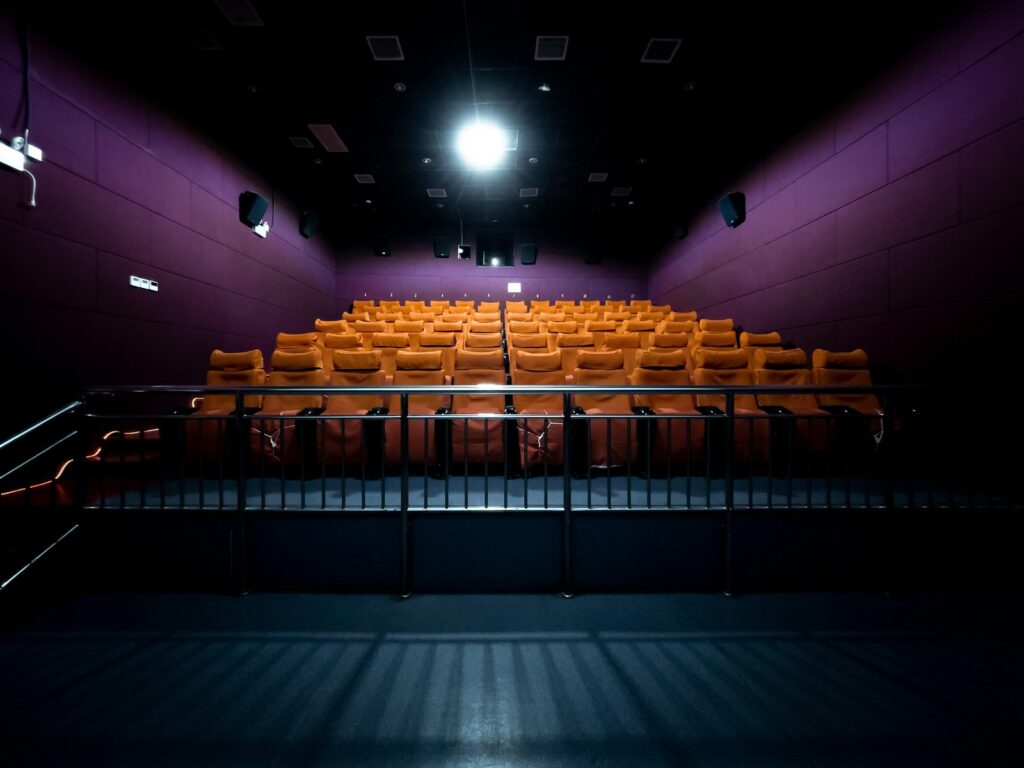
12. **Extending the Operating Season and Venue Utilization**For many movie theaters, especially those with outdoor components, seasonality can be a major challenge, limiting revenue generation to peak summer months. To counteract this, forward-thinking owners are actively exploring ways to extend their operating season and maximize venue utilization, transforming their spaces into year-round attractions that generate income far beyond traditional film screenings.
This strategy involves diversifying programming to capture revenue during shoulder seasons—early spring and late fall—when traditional movie attendance might be lower due to weather. Examples include hosting outdoor concerts, broadcasting live sporting events, or even organizing community markets. Such initiatives can tap into different customer interests and potentially add one to two months of crucial operational income to the business, bridging seasonal gaps.
Innovation is also being applied to winter programming, unlocking entirely new revenue streams during traditionally dormant periods. This could involve offering unique seasonal attractions like elaborate holiday light shows during December or creating drive-through haunted attractions for Halloween. These creative ventures allow theaters to continue generating income when traditional film screenings are less feasible, significantly increasing the average annual income.
Furthermore, theaters are leveraging their expansive facilities for consistent rental income through strategic partnerships. Collaborating with local educational institutions for graduation ceremonies, hosting charity fundraisers, or providing corporate presentation spaces can secure a stable stream of revenue. This multi-pronged approach reduces the theater’s reliance on purely seasonal movie attendance, creating a more robust and resilient business model that ensures profitability throughout the entire year.
In an industry constantly navigating the currents of evolving consumer habits and technological advancements, the modern movie theater stands at a fascinating crossroads. The challenges are clear, from the lingering shadow of the pandemic to the ever-present competition from home entertainment. Yet, as we’ve explored, the ingenuity and adaptability of theater operators are proving to be powerful forces. By strategically re-evaluating their revenue streams, embracing dynamic pricing, diversifying their offerings, and harnessing the power of digital innovation and operational excellence, theaters are not just surviving; they are boldly charting a course towards a future where the magic of the big screen remains an essential, vibrant, and profitable part of our collective cultural landscape. The message is clear: the show, indeed, must go on, and with these innovative strategies, it’s set to be a spectacular one.